Title
Facelift Surgery in Korea: Minimal Scars, Maximum Lift with the AB Plastic Surgery MethodDate
2026-04-01Views
2067
AB Blog
Facelift Surgery (Rhytidectomy) in Korea: Minimal Scars, Maximum Lift
Table of Contents
1. What Is Facelift Surgery (Rhytidectomy)?
2. Who Is a Good Candidate for Facelift Surgery?
3. Types of Facelift Surgery (Rhytidectomy) in Korea
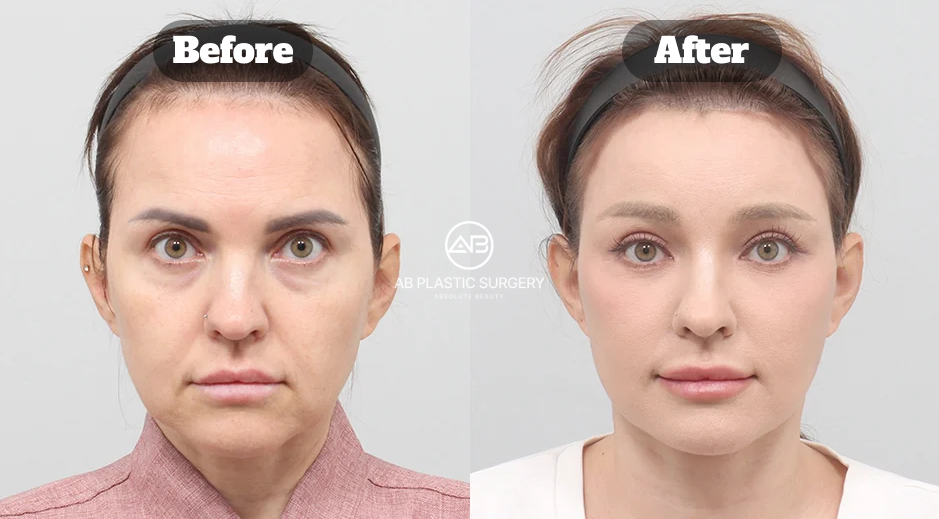
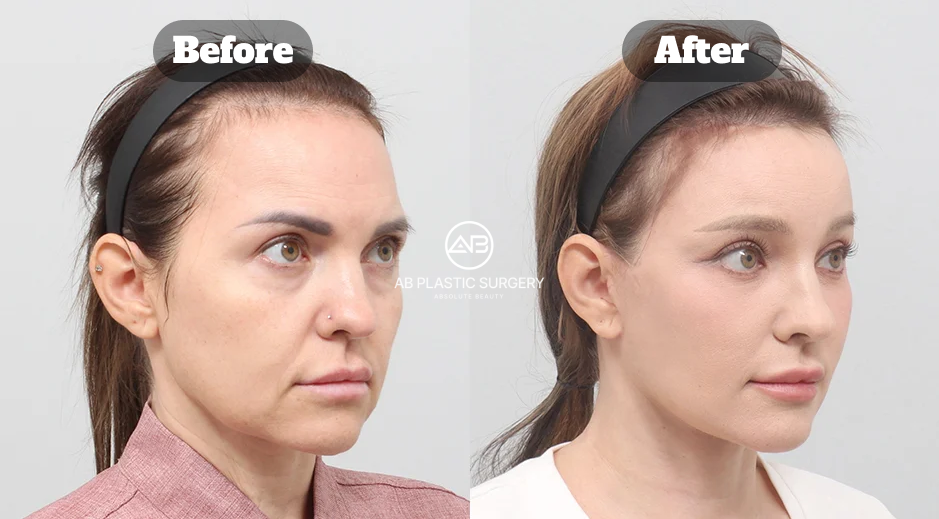
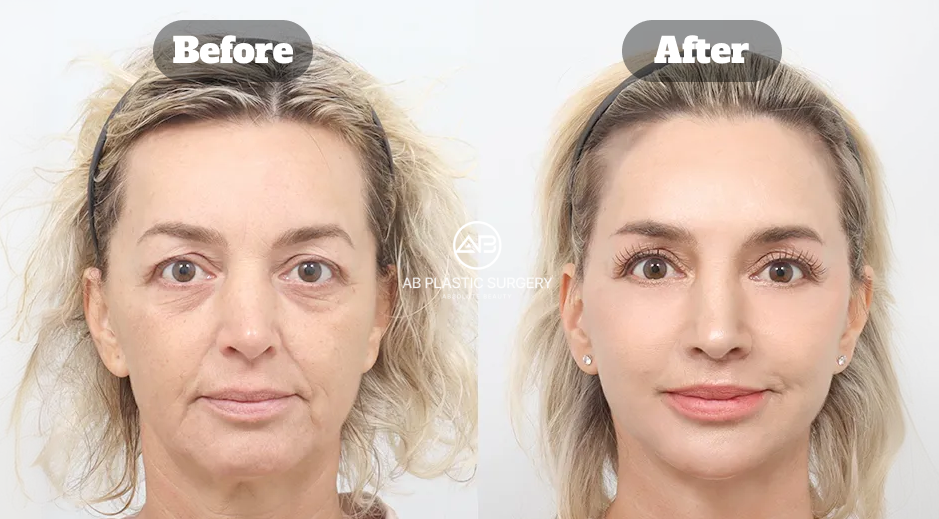
4. Facelift Surgery Before and After Results
5. Facelift Surgery Cost and Recovery in Korea
6. Risks and Safety of Rhytidectomy (Facelift Surgery)
7. Facelift Surgery vs Non-Surgical Treatments
8. The AB Plastic Surgery Method for Facelift Surgery
9. Frequently Asked Questions About Facelift Surgery (Rhytidectomy)
Facelift surgery (rhytidectomy) is one of the most effective ways to restore a youthful appearance by addressing sagging skin, deep folds, and loss of facial definition. As global demand grows, facelift surgery in Korea is increasingly recognized for delivering natural, long-lasting results without an overdone look.
At AB Plastic Surgery Korea, facelift surgery focuses on SMAS-based deep layer lifting, minimal scar design, and balanced facial harmony—helping patients achieve refined, natural outcomes with long-term stability.
This guide covers everything you need to know about facelift surgery (rhytidectomy) in Korea, including procedure types, cost, recovery, and safety.
Anti-Aging Solutions at AB Plastic Surgery Korea
What Is Facelift Surgery (Rhytidectomy)?
Facelift surgery (rhytidectomy) is a surgical procedure designed to reduce visible signs of aging by lifting and repositioning sagging facial tissues. Unlike temporary treatments, facelift surgery focuses on restoring the underlying structure of the face, helping patients achieve more natural and long-lasting results.
As the skin loses elasticity over time, common concerns such as loose skin, deep wrinkles, and a less defined jawline begin to appear. Rhytidectomy (facelift surgery) addresses these changes by tightening deeper tissue layers and removing excess skin, rather than simply stretching the surface.
What Does Facelift Surgery Correct?
Facelift surgery is commonly performed to improve multiple areas of facial aging at once. Rather than targeting a single issue, it provides a comprehensive approach to facial rejuvenation.
-
Sagging skin along the cheeks and jawline (jowls)
-
Deep nasolabial folds (smile lines)
-
Loss of jawline definition
-
Loose skin and excess fat in the lower face
-
Neck laxity when combined with a neck lift
Facelift Surgery vs Surface-Level Treatments
One of the key differences between facelift surgery (rhytidectomy) and non-surgical treatments is the depth of correction. Many non-invasive procedures focus only on the skin surface or superficial layers, offering temporary improvement.
In contrast, modern facelift surgery in Korea targets deeper anatomical structures, particularly the SMAS (Superficial Musculoaponeurotic System), which plays a major role in facial aging. By repositioning this layer, surgeons can create more stable and natural-looking results.
Key Differences at a Glance
| Factor | Facelift Surgery (Rhytidectomy) | Non-Surgical Treatments |
|---|---|---|
| Target Depth | SMAS and deep tissue layers | Skin or superficial layers |
| Results Duration | Long-lasting (years) | Temporary (months) |
| Effectiveness | Comprehensive lifting | Limited tightening |
Why Facelift Surgery in Korea Is Globally Recognized
Facelift surgery in Korea has gained international attention due to its emphasis on precision, balance, and natural outcomes. Rather than creating an overly tight or artificial appearance, Korean surgical approaches focus on preserving facial harmony while improving structural support.
Techniques such as SMAS-based rhytidectomy, minimal incision design, and detailed preoperative planning allow surgeons to achieve refined results with reduced visible scarring and smoother recovery. These factors have made Korea a preferred destination for patients seeking both aesthetic improvement and medically grounded care.
Who Is a Good Candidate for Facelift Surgery?
Facelift surgery (rhytidectomy) is typically recommended for individuals experiencing visible signs of facial aging that cannot be effectively improved with non-surgical treatments. While there is no single “ideal age,” most candidates are in their 40s to 60s, when skin laxity and structural changes become more pronounced.
Rather than focusing only on age, the decision to undergo facelift surgery depends on the degree of skin sagging, tissue descent, and overall facial balance. A personalized consultation is essential to determine whether rhytidectomy (facelift surgery) is the most appropriate option.
Common Signs You May Need Facelift Surgery
Patients often consider facelift surgery when early treatments no longer provide sufficient improvement. The following signs indicate that deeper structural lifting may be required:
-
Noticeable sagging along the jawline (jowls)
-
Deep nasolabial folds that remain even at rest
-
Loose or excess skin in the lower face
-
Loss of facial definition and contour
-
Neck laxity or early “double chin” appearance
When Non-Surgical Treatments May Not Be Enough
Non-surgical treatments such as thread lifting, fillers, and ultrasound-based procedures can offer temporary improvement, especially in early aging stages. However, these methods primarily target superficial layers and may not address deeper tissue descent.
Facelift surgery (rhytidectomy), on the other hand, repositions deeper structures such as the SMAS layer, making it more effective for moderate to advanced aging concerns. Patients who find that non-surgical results are short-lived or insufficient may benefit more from a surgical approach.
Good Candidates vs Not Ideal Candidates
Understanding whether facelift surgery is appropriate requires evaluating both physical condition and expectations.
| Category | Good Candidates | Not Ideal Candidates |
|---|---|---|
| Skin Condition | Moderate to severe skin laxity | Minimal or early aging signs |
| Expectations | Realistic, natural outcome goals | Expect dramatic or unrealistic changes |
| Health Status | Generally healthy individuals | Uncontrolled medical conditions |
The Importance of Personalized Assessment
Every face ages differently, which is why facelift surgery (rhytidectomy) should never be approached as a one-size-fits-all procedure. Factors such as skin thickness, facial structure, aging pattern, and recovery expectations all influence the surgical plan.
At AB Plastic Surgery Korea, patient evaluation focuses on detailed anatomical analysis and individualized planning. This approach ensures that facelift surgery is not only appropriate for the patient, but also designed to achieve balanced, natural-looking results that align with long-term aging patterns.
Types of Facelift Surgery (Rhytidectomy) in Korea
Facelift surgery (rhytidectomy) is not a single standardized procedure, but a range of surgical techniques designed to address different levels of facial aging. In Korea, facelift surgery is highly customized, with each approach selected based on the patient’s skin condition, aging pattern, and desired outcome.
Understanding the different types of facelift surgery can help patients choose the most appropriate method for achieving natural and long-lasting results.
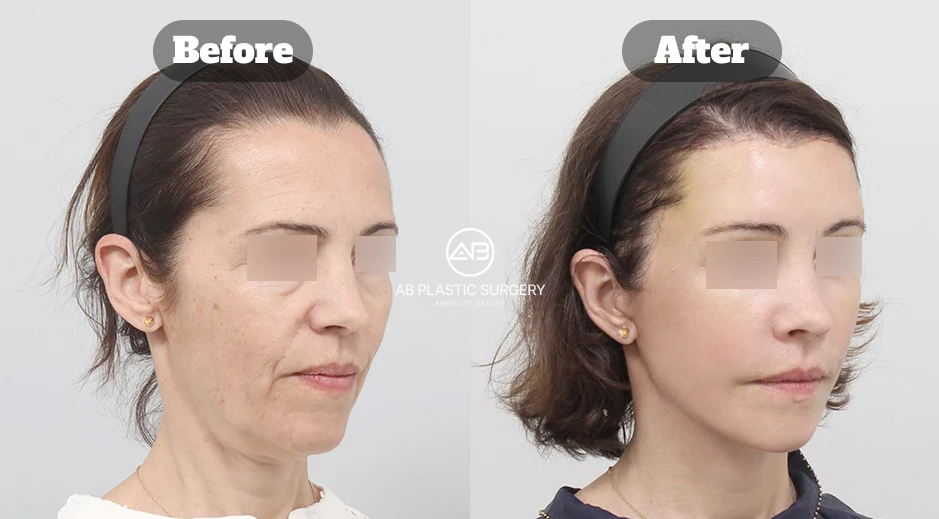
Full SMAS Facelift Surgery
The full SMAS facelift is considered the most comprehensive form of rhytidectomy (facelift surgery). This technique focuses on lifting and repositioning the SMAS layer, which lies beneath the skin and plays a key role in facial aging.
-
Targets deep facial structures for long-lasting results
-
Improves sagging in the cheeks, jawline, and lower face
-
Provides the most noticeable and durable lifting effect
-
Recommended for moderate to advanced aging
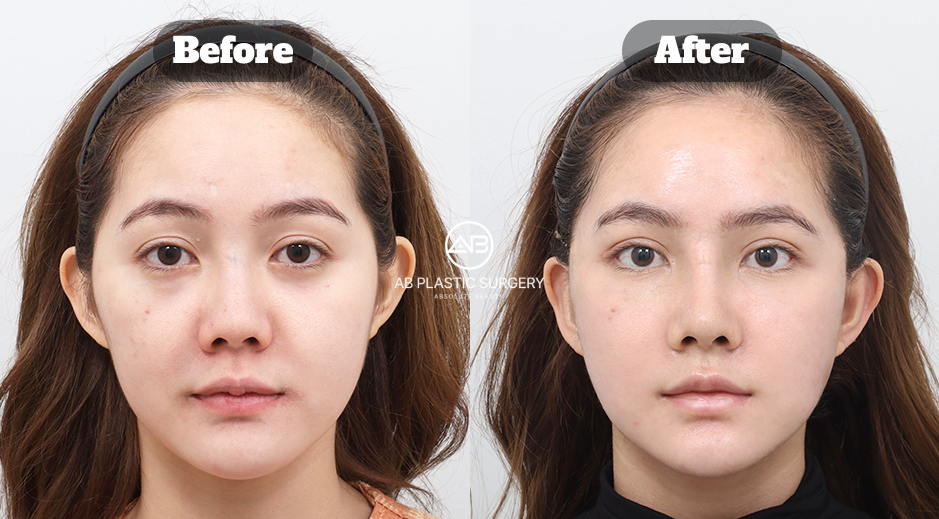
Mini Facelift Surgery
A mini facelift is a less invasive version of facelift surgery, designed for patients with early signs of aging. While it still involves lifting underlying tissues, the extent of correction is more limited compared to a full SMAS facelift.
-
Smaller incisions and shorter surgery time
-
Faster recovery compared to full facelift surgery
-
Best for mild skin laxity and early jowl formation
-
Results are more subtle and may not last as long
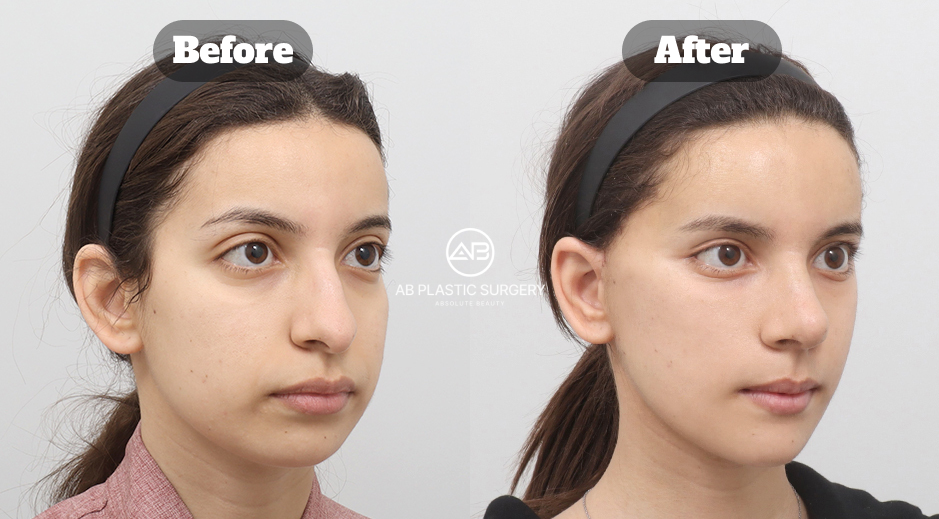
Mid-Face Lift
The mid-face lift focuses on the central portion of the face, particularly the cheeks and under-eye area. This type of rhytidectomy (facelift surgery) is often chosen by patients who want to restore volume and reduce deep nasolabial folds.
-
Targets sagging in the cheek area
-
Improves under-eye hollowness and mid-face volume
-
Creates a more youthful and lifted facial contour
-
Often combined with other facelift techniques
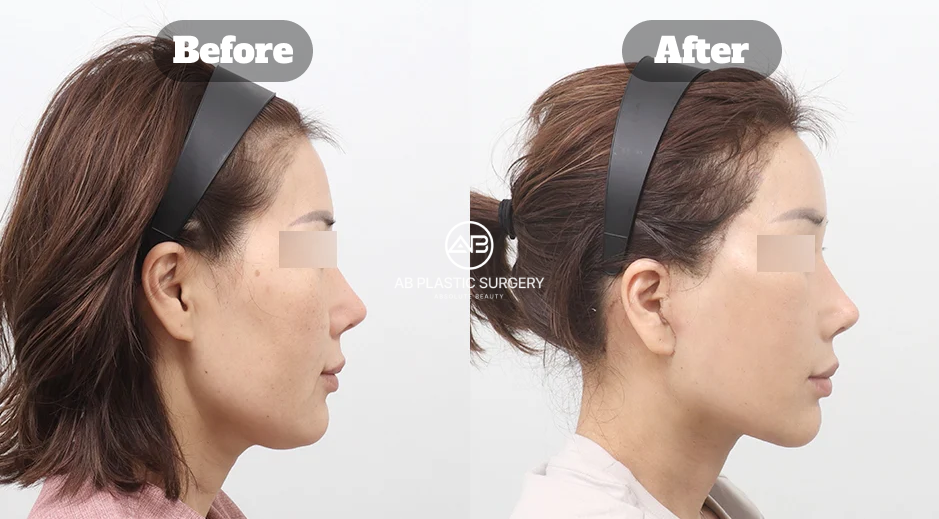
Neck Lift (Often Combined with Facelift Surgery)
A neck lift is frequently performed alongside facelift surgery to improve the lower face and neck as a unified area. Since aging affects both regions simultaneously, combining these procedures can create more balanced and natural results.
-
Removes excess skin and fat under the chin
-
Improves neck contour and jawline definition
-
Reduces the appearance of a double chin
-
Enhances overall facelift surgery results
Comparison of Facelift Surgery Types
| Type | Best For | Invasiveness | Longevity |
|---|---|---|---|
| Full SMAS Facelift | Moderate to advanced aging | High | Long-term (years) |
| Mini Facelift | Early aging | Low to moderate | Shorter-term |
| Mid-Face Lift | Cheek sagging and folds | Moderate | Moderate to long-term |
| Neck Lift | Jawline and neck laxity | Moderate | Long-term |
Choosing the Right Facelift Surgery Approach
The most effective facelift surgery (rhytidectomy) is not determined by a single technique, but by how well the procedure is matched to the patient’s individual anatomy and aging pattern. In Korea, surgeons often combine multiple approaches to achieve balanced, natural-looking results rather than relying on a single method.
At AB Plastic Surgery Korea, facelift surgery planning focuses on detailed analysis and customization, ensuring that each patient receives a tailored approach that aligns with both their facial structure and long-term goals.
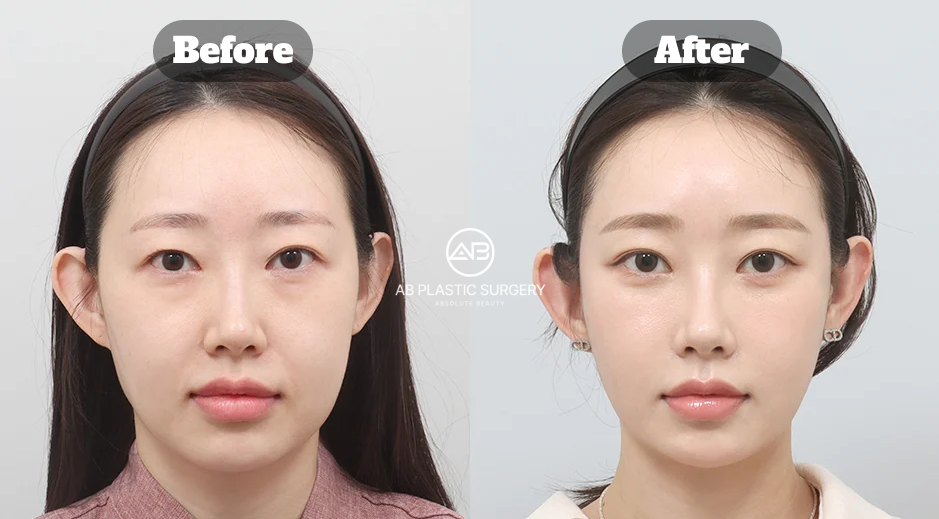
Facelift Surgery Before and After Results
Facelift surgery (rhytidectomy) is designed to deliver noticeable yet natural improvements by restoring facial structure rather than creating an artificial or overly tight appearance. One of the most important aspects patients consider is how their results will look over time, not just immediately after surgery.
Modern facelift surgery in Korea focuses on achieving balanced, long-lasting outcomes that enhance facial harmony while preserving natural expression.
View Real Facelift Before & After Results
What Changes Can You Expect After Facelift Surgery?
While results vary depending on the individual and surgical technique, most patients experience improvements in several key areas:
-
Lifted cheeks and reduced sagging in the mid-face
-
Smoother nasolabial folds (smile lines)
-
Improved jawline definition with reduced jowls
-
Tighter and more refined lower face contour
-
Enhanced neck profile when combined with a neck lift
These changes contribute to a more refreshed and youthful appearance without altering the patient’s fundamental facial identity.
Natural Results vs Overdone Appearance
One of the most common concerns about facelift surgery (rhytidectomy) is the risk of looking unnatural. Older techniques often focused on pulling the skin tightly, which could result in a “stretched” or artificial look.
In contrast, modern facelift surgery techniques—particularly those used in Korea—prioritize repositioning deeper structures rather than simply tightening the skin. This approach allows the face to age more naturally after surgery while maintaining improved contour and support.
Before and After Timeline
The transformation from before to after facelift surgery does not happen instantly. Results develop gradually as swelling subsides and tissues settle into their new position.
-
Immediately after surgery: Swelling and bruising are present
-
1–2 weeks: Initial recovery with visible improvement
-
1–3 months: Natural contours begin to appear
-
3–6 months: Final results stabilize and look more refined
This gradual process is essential for achieving natural-looking outcomes, as it allows the face to adjust smoothly rather than undergoing abrupt changes.
How Long Do Facelift Results Last?
Facelift surgery (rhytidectomy) provides long-lasting results compared to non-surgical treatments. While it does not stop the natural aging process, it effectively resets the facial structure to a more youthful state.
Most patients can expect their results to last for many years, especially when combined with proper skincare, lifestyle management, and follow-up treatments if needed.
Factors That Influence Final Results
The outcome of facelift surgery depends on several important factors beyond the procedure itself:
-
The surgical technique used (SMAS vs superficial lifting)
-
The patient’s skin quality and elasticity
-
Post-operative care and recovery management
-
The surgeon’s experience and precision
At AB Plastic Surgery Korea, facelift surgery is planned with a focus on achieving natural balance and long-term stability, ensuring that results not only look good immediately after recovery, but continue to age harmoniously over time.
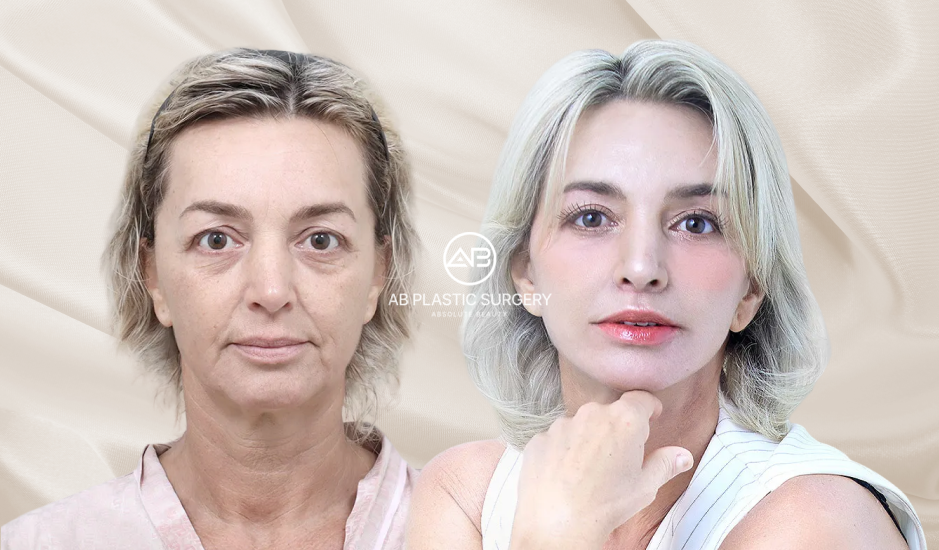
Facelift Patient Stories and Recovery Journey
Facelift Surgery Cost and Recovery in Korea
One of the most common questions patients have when considering facelift surgery (rhytidectomy) is the cost and recovery time. In Korea, facelift surgery is known for offering advanced techniques and high medical standards while maintaining a more efficient and structured treatment approach compared to many Western countries.
However, the overall cost and recovery experience can vary depending on several important factors, including the surgical method, complexity, and level of care provided.
Typical Facelift Surgery Costs in Korea
Many international patients researching facelift surgery in Korea want to understand the expected cost before planning their consultation and recovery stay. Since facelift surgery is highly customized, the final price depends on the degree of skin laxity, facial aging pattern, surgical range, and whether additional procedures such as neck lifting or thread lifting are combined.
The following table provides starting prices in USD for facelift-related procedures commonly considered by patients seeking facial rejuvenation at AB Plastic Surgery Korea.
|
Procedure |
Starting Price (USD) |
Best For |
|---|---|---|
|
Semi Full Facelift |
From $5,240 |
Lower face sagging |
|
Full Face Lifting |
From $7,480 |
Advanced facial aging |
|
Neck Lifting |
From $2,990 |
Neck laxity and jawline |
|
Ponytail Lifting |
From $5,990 |
Subtle facial lifting |
|
Mint Thread Lifting |
From $2,240 |
Mild sagging |
|
Elasticum Thread Lifting |
From $3,740 |
Stronger non-surgical lift |
Price note: The listed prices are starting estimates in USD and may vary depending on each patient’s facial anatomy, skin laxity, surgical complexity, anesthesia plan, and whether combined procedures are recommended. A personalized consultation is required to confirm the most appropriate facelift plan, recovery schedule, and final cost.
Check facelift surgery cost and receive a personalized treatment schedule
What Factors Affect the Cost?
The cost of facelift surgery in Korea varies because each procedure is customized. Several factors influence the overall treatment plan and pricing:
-
Type of facelift surgery (full SMAS vs mini facelift)
-
Extent of aging correction required
-
Surgeon's experience and specialization
-
Anesthesia and operating facility standards
-
Post-operative care and recovery support
For this reason, a detailed consultation is essential to determine the most appropriate surgical approach and overall plan.
Facelift Surgery Recovery Timeline
Recovery after facelift surgery (rhytidectomy) is a gradual process that varies depending on the individual and the surgical technique used. Understanding the typical timeline can help patients plan their schedule more effectively, especially for international travel.
-
Day 1–3: Swelling, tightness, and mild discomfort
-
Week 1: Initial healing, stitches removal (if applicable)
-
Week 2: Visible bruising and swelling significantly reduced
-
1 month: Return to most daily activities
-
3–6 months: Final results become more natural and refined
Downtime and Return to Daily Life
Most patients can resume light daily activities within 1–2 weeks after facelift surgery. However, full recovery and optimal results take several months as the tissues settle and swelling fully resolves.
For international patients traveling to Korea, a stay of approximately 10–14 days is generally recommended to allow for initial recovery and follow-up care.
How Korea Optimizes Recovery Experience
Facelift surgery in Korea is often associated with structured recovery management, which plays an important role in achieving smooth healing and consistent results. This includes detailed post-operative guidance, monitoring, and coordinated care for international patients.
At AB Plastic Surgery Korea, recovery planning is integrated into the surgical process, ensuring that patients receive appropriate support throughout each stage of healing—from immediate post-surgery care to long-term result stabilization.
Risks and Safety of Rhytidectomy (Facelift Surgery)
Like any surgical procedure, facelift surgery (rhytidectomy) involves certain risks. While modern techniques have significantly improved safety, understanding potential complications and how they are managed is an essential part of making an informed decision.
More importantly, patients should not only consider the risks themselves, but also how a medical institution is prepared to prevent and respond to them.
Common Risks of Facelift Surgery
Although facelift surgery is generally safe when performed by experienced surgeons, the following risks may occur:
-
Swelling and bruising during the initial recovery period
-
Hematoma (localized bleeding under the skin)
-
Temporary numbness or changes in skin sensation
-
Infection or delayed wound healing
-
Rare cases of nerve-related complications
Most of these risks are temporary and manageable when proper surgical techniques and post-operative care are applied.
Why Safety Systems Matter More Than Procedure Alone
For many patients—especially international patients—safety is not only about how well the surgery is performed, but how the clinic manages unexpected situations.
Facelift surgery (rhytidectomy) is not just a technical procedure. It requires a system that can monitor the patient in real time, respond quickly if complications arise, and provide structured aftercare during recovery.
What Patients Should Look for in a Safe Surgical Environment
When evaluating facelift surgery in Korea, patients should consider whether the clinic provides:
-
Anesthesiologist monitoring throughout the procedure
-
Real-time patient monitoring systems during surgery
-
Pre-operative screening to identify risk factors in advance
-
Structured post-operative care and follow-up management
-
Emergency response protocols and medical infrastructure
These factors play a critical role in ensuring both safety and consistent surgical outcomes.
What Safety Certification Means for Patients
For international patients, one of the biggest concerns is what happens if something goes wrong after surgery. This is where structured medical systems and national-level evaluation standards become important.
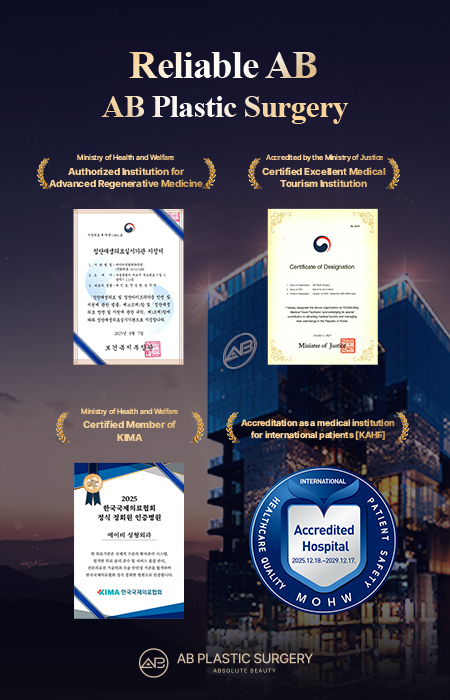
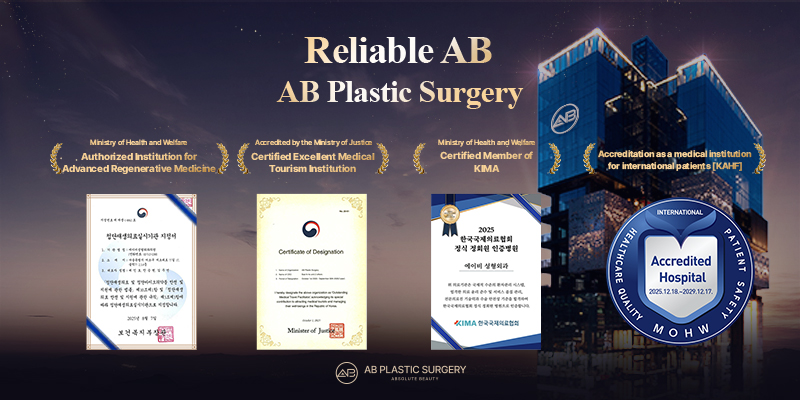
Accreditation as a medical institution for international patients (KAHF) is not simply about recognition—it reflects whether a hospital has been evaluated on how it manages patient safety, communication, and post-operative responsibility under national standards.
From a patient’s perspective, this means the clinic is not operating independently without oversight, but is part of a system where safety protocols, response processes, and patient care standards have been verified.
Safety Approach at AB Plastic Surgery Korea
At AB Plastic Surgery Korea, facelift surgery (rhytidectomy) is performed within a structured safety system designed to reduce risk and support patient recovery at every stage.
-
Continuous monitoring by anesthesiology specialists during surgery
-
Real-time tracking of patient condition in the operating room
-
Comprehensive pre-surgical evaluation to minimize complications
-
Post-operative care protocols tailored to each patient
Rather than relying solely on surgical technique, this system-based approach focuses on creating a controlled and responsive environment, helping patients feel more secure throughout the entire process.
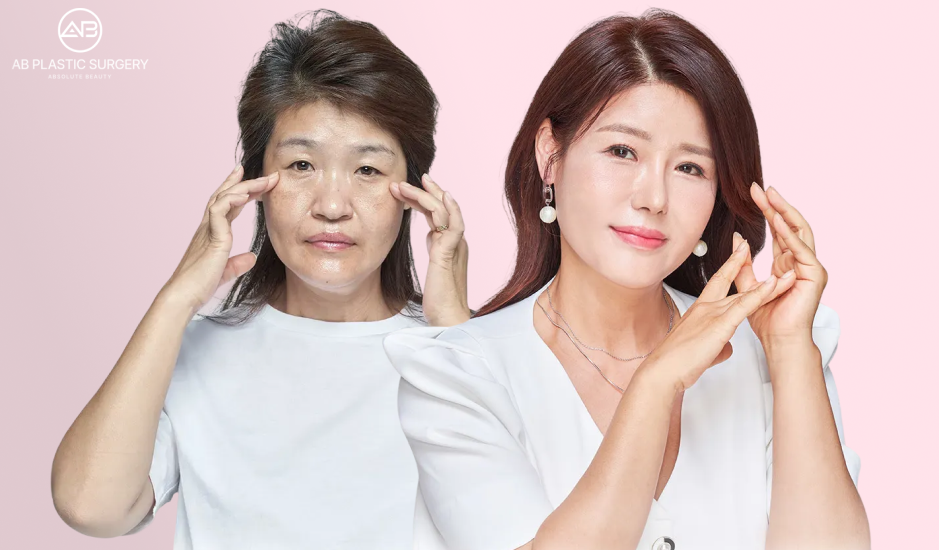
Facelift Surgery vs Non-Surgical Treatments
Patients considering facial rejuvenation often compare facelift surgery (rhytidectomy) with non-surgical treatments such as thread lifting, fillers, and ultrasound-based procedures. While both approaches aim to improve facial appearance, they differ significantly in terms of depth, longevity, and overall effectiveness.
Understanding these differences is essential for choosing the right treatment based on individual aging concerns and expectations.
What Are Non-Surgical Alternatives?
Non-surgical treatments are designed to provide temporary improvement with minimal downtime. These options are commonly used in early aging stages or for patients who prefer less invasive procedures.
-
Thread Lift: Uses dissolvable threads to lift superficial tissues
-
Ultherapy / HIFU: Uses ultrasound energy to stimulate collagen
-
Dermal Fillers: Restore volume in areas such as cheeks and folds
While these treatments can offer visible improvement, their effects are typically limited to superficial layers and temporary duration.
Key Differences Between Facelift Surgery and Non-Surgical Treatments
| Factor | Facelift Surgery (Rhytidectomy) | Non-Surgical Treatments |
|---|---|---|
| Target Depth | SMAS and deep tissue layers | Skin or superficial layers |
| Results Duration | Long-lasting (years) | Temporary (months) |
| Effectiveness | Comprehensive lifting and contouring | Limited lifting or volume enhancement |
| Downtime | Moderate recovery required | Minimal downtime |
| Best For | Moderate to advanced aging | Early aging or maintenance |
When Facelift Surgery Is the Better Option
Facelift surgery (rhytidectomy) is generally more suitable when structural changes in the face become more pronounced. Patients may benefit more from surgery if they experience:
-
Significant skin sagging that cannot be corrected with non-surgical methods
-
Deep folds and loss of jawline definition
-
Short-lived or unsatisfactory results from previous treatments
-
A desire for long-term, stable improvement rather than temporary fixes
Because facelift surgery addresses deeper tissue layers, it provides more comprehensive and lasting results compared to surface-level treatments.
When Non-Surgical Treatments May Be Appropriate
Non-surgical treatments can still be effective in specific situations, particularly for patients in earlier stages of aging or those seeking subtle improvements.
-
Mild skin laxity or early signs of aging
-
Patients not ready for surgical procedures
-
Maintenance after facelift surgery
-
Temporary enhancement before a major event
Choosing the Right Approach
The choice between facelift surgery and non-surgical treatments should be based on the patient’s anatomy, aging stage, and long-term goals. In many cases, these approaches are not mutually exclusive but can be combined as part of a comprehensive treatment plan.
At AB Plastic Surgery Korea, treatment planning focuses on selecting the most appropriate method for each patient—whether that involves facelift surgery (rhytidectomy), non-surgical treatments, or a combination of both—to achieve balanced and natural results.
The AB Plastic Surgery Method for Facelift Surgery
Facelift surgery (rhytidectomy) outcomes are not determined by a single technique, but by how surgical precision, safety systems, and recovery management are integrated. At AB Plastic Surgery Korea, facelift surgery is approached as a structured process designed to achieve natural results, long-term stability, and patient safety at every stage.
Minimal Scars Through Precise Incision Design
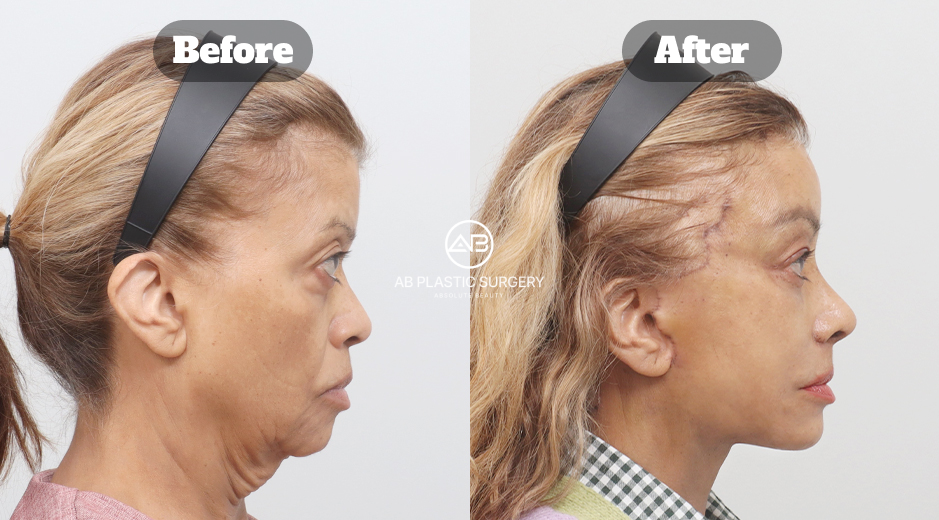
One of the key concerns for patients considering facelift surgery is visible scarring. At AB Plastic Surgery Korea, incision design is carefully planned to minimize scar visibility by placing incisions along the hairline and natural contours around the ear.
-
Hidden incision placement for reduced visibility
-
Precision suturing techniques for improved healing
-
Focus on natural-looking results without obvious surgical marks
SMAS-Based Deep Layer Facelift Surgery (Rhytidectomy)
Rather than focusing only on skin tightening, facelift surgery at AB Plastic Surgery Korea is based on SMAS (Superficial Musculoaponeurotic System) lifting. This deeper approach allows for more stable and natural results by repositioning the underlying facial structure.
-
Addresses the root cause of facial aging
-
Provides longer-lasting lifting compared to superficial techniques
-
Maintains natural facial movement and expression
Natural Results, Not an Overdone Appearance
Modern facelift surgery (rhytidectomy) aims to restore balance rather than create dramatic changes. At AB Plastic Surgery Korea, the focus is on preserving individual facial characteristics while improving definition and contour.
This approach helps patients achieve a refreshed and youthful appearance without the unnatural “pulled” look often associated with outdated techniques.
Structured Recovery and Post-Operative Care
Recovery is a critical part of facelift surgery outcomes. A well-designed post-operative care system helps reduce swelling, support healing, and improve overall patient experience.
-
Individualized recovery planning based on patient condition
-
Continuous monitoring during the early recovery phase
-
Guidance to support stable, long-term results

A Safety System Designed for Patients
For patients, especially those traveling internationally, safety is not just about the surgery itself but how the clinic manages potential risks and unexpected situations.
Facelift surgery at AB Plastic Surgery Korea is performed within a structured system that includes:
-
Anesthesiology specialists monitoring patients throughout surgery
-
Real-time tracking of patient condition during procedures
-
Pre-operative screening to identify and reduce risk factors
-
Emergency response infrastructure prepared in advance
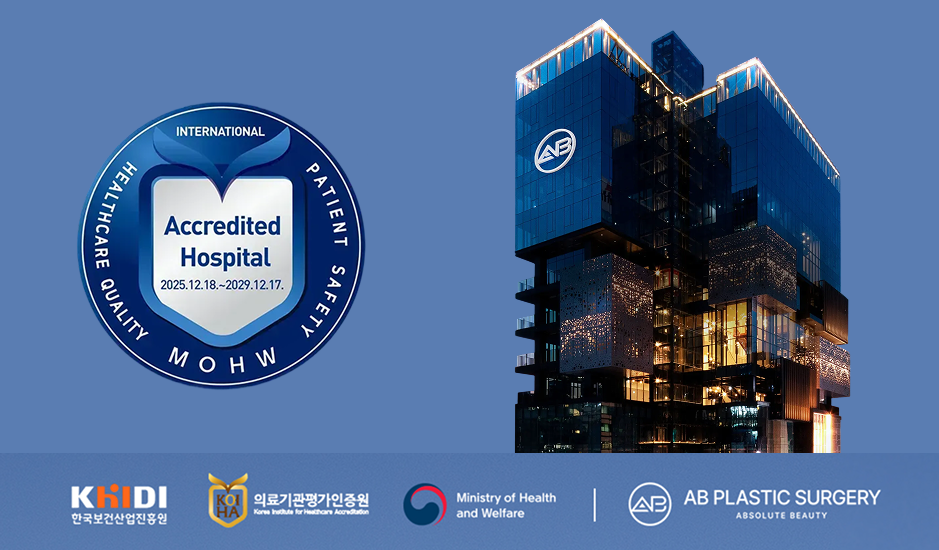
In addition, the clinic operates under a system evaluated through Accreditation as a medical institution for international patients (KAHF). From a patient perspective, this means that safety, communication, and post-operative care are assessed against national-level standards—not just internal protocols.
This provides reassurance that, in the event of unexpected situations, the clinic follows a structured and accountable system designed to protect the patient.
Designed for International Patients
Facelift surgery in Korea often involves patients traveling from abroad, which requires more than surgical expertise. At AB Plastic Surgery Korea, the entire process is designed to support international patients before, during, and after surgery.
-
Multilingual consultation and communication support
-
Structured scheduling for surgery and recovery
-
Coordinated post-operative care for patients returning overseas
This approach ensures that patients can focus on recovery with clear guidance and support throughout their medical journey.
By combining advanced surgical techniques, systemized safety protocols, and patient-centered care, AB Plastic Surgery Korea provides a facelift surgery (rhytidectomy) approach that prioritizes both natural results and long-term stability.
Frequently Asked Questions About Facelift Surgery (Rhytidectomy)
What is rhytidectomy and how is it different from facelift surgery?
Rhytidectomy is the medical term for facelift surgery. Both refer to the same procedure, but “facelift surgery” is more commonly used by patients, while “rhytidectomy” is used in clinical and academic contexts. In practice, they describe the same surgical approach to lifting and repositioning facial tissues.
How long does facelift surgery last?
Facelift surgery (rhytidectomy) provides long-lasting results, often lasting for many years. While it does not stop the natural aging process, it resets the facial structure to a more youthful position. The longevity of results depends on factors such as surgical technique, skin condition, and lifestyle.
What is the recovery time after facelift surgery?
Most patients can return to light daily activities within 1–2 weeks after facelift surgery. However, full recovery and final results typically take several months as swelling gradually subsides and tissues settle into place.
How much does facelift surgery cost in Korea?
Facelift surgery costs in Korea vary depending on the surgical range and patient condition. At AB Plastic Surgery Korea, facelift-related procedures may start from around $5,240 for a semi full facelift, while full face lifting may start from around $7,480. Neck lifting, ponytail lifting, or thread lifting may be considered depending on the patient’s aging pattern and treatment goals.
Because facelift surgery is customized, the exact cost can only be confirmed after a personalized consultation that evaluates facial anatomy, skin laxity, surgical complexity, and recovery planning.
Will facelift surgery leave visible scars?
Facelift surgery involves incisions, but modern techniques focus on minimizing visible scars. Incisions are typically placed along the hairline and around the ear, where they are less noticeable. With proper surgical technique and healing, scars usually become less visible over time.
How to choose a safe facelift surgery clinic in Korea?
Choosing a safe clinic for facelift surgery (rhytidectomy) in Korea goes beyond surgical technique. Patients should consider how the clinic manages risks, communication, and post-operative care—especially in unexpected situations.
For international patients, one of the most important concerns is what happens if complications arise after surgery. Clinics evaluated under Accreditation as a medical institution for international patients (KAHF) are assessed based on how they handle patient safety, communication, and responsibility under national-level standards.
From a patient’s perspective, this means the clinic is not simply operating on its own, but is part of a system where patient care, safety protocols, and follow-up processes are structured and evaluated.
When choosing a clinic, patients should look for:
-
Clear communication and explanation before surgery
-
Structured post-operative care and follow-up system
-
Real-time monitoring and safety protocols during surgery
-
A system prepared to respond to complications if they occur
Ultimately, a safe facelift surgery clinic is one that is not only capable of performing the procedure, but also prepared to take responsibility for the entire patient journey—from consultation to recovery.
This article is for informational purposes only and does not replace a personal medical consultation.