Title
PDRN Skin Booster in Korea: Benefits, Treatment Process, and What to ExpectDate
2026-09-16Views
385
AB Blog
PDRN Skin Booster in Korea: Benefits, Treatment Process, and What to Expect
Table of Contents
1. What Is a PDRN Skin Booster in Korea?
2. PDRN Skin Booster Benefits: What the Evidence Suggests
3. PDRN Treatment Process: Consultation, Injections, and Aftercare
4. What to Expect After PDRN Treatment in Korea
5. Frequently Asked Questions About PDRN Skin Boosters
A PDRN skin booster is an injectable treatment discussed in regenerative and aesthetic medicine for improving skin quality rather than changing facial shape. PDRN stands for polydeoxyribonucleotide, a purified mixture of DNA fragments. In aesthetic practice, related polynucleotide products are also used, but PDRN and PN are not automatically identical. Product composition, molecular weight, concentration, and regulatory classification can differ.
For international patients searching for PDRN treatment in Korea, the product name matters as much as the keyword. Some clinics use “PDRN skin booster” as a broad consumer-facing term, while the actual injectable may contain PN or another formulation. Before treatment, patients should confirm the exact product, active ingredient, intended treatment area, delivery method, and whether the product is authorized for the proposed use.
Quick answer: PDRN and related polynucleotide skin boosters may be considered for concerns such as fine lines, uneven texture, dryness, and reduced elasticity. Improvements are generally gradual, evidence for aesthetic use is still developing, and results vary according to the product, protocol, skin condition, and individual response.
This guide explains the potential benefits, treatment process, expected skin reactions, and safety questions to discuss before arranging a PDRN skin booster in Korea. It is general information and does not replace a medical examination or product-specific advice.

What Is a PDRN Skin Booster in Korea?
PDRN is composed of purified DNA fragments, commonly obtained from salmonid sources. Research has examined its role in tissue repair and wound-healing pathways. In aesthetic medicine, PDRN and related PN injectables are discussed as skin-quality treatments that may support hydration, texture, elasticity, and the appearance of fine lines.
A skin booster is different from a conventional dermal filler. Fillers are commonly selected to restore volume or modify contours. PDRN and PN skin boosters are generally used in small amounts across the treatment area with the aim of supporting overall skin quality. They should not be expected to create the same immediate structural change as a volumizing filler.
|
Treatment Type |
Primary Treatment Goal |
Planning Point |
|---|---|---|
|
PDRN or PN skin booster |
Gradual improvement in overall skin quality |
Confirm the exact ingredient, formulation, and indication |
|
Hyaluronic acid skin booster |
Skin hydration and a temporary plumping effect |
Formulations and cross-linking vary by product |
|
Dermal filler |
Volume restoration or contour adjustment |
Requires area-specific vascular and anatomical planning |
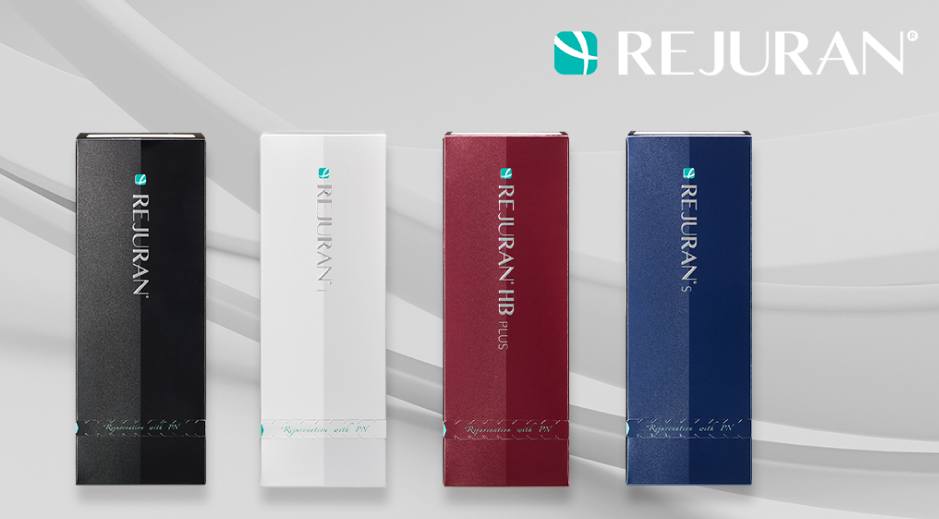
The terms used online can overlap. Rejuran, for example, is described by AB Plastic Surgery Korea as a PN treatment. Patients can review the current AB Rejuran treatment page, but the exact option should be selected only after the clinic confirms the product and assesses the patient’s skin.
A consultation should also determine whether the main concern is actually a skin-quality issue. Significant volume loss, active inflammatory acne, prominent pigmentation, laxity, or deeper scars may require a different treatment or a combined plan rather than PDRN alone.

PDRN Skin Booster Benefits: What the Evidence Suggests
Published studies and reviews of PDRN and PN treatments report potential improvements in skin texture, fine lines, elasticity, hydration, and selected scar-related concerns. However, aesthetic studies remain limited, and protocols differ in product, concentration, injection technique, treatment area, session schedule, and follow-up period. These differences make it difficult to promise a standard result for every PDRN skin booster.
Skin Texture and Fine Lines
Patients with early skin-quality changes may consider PDRN or PN injections when the goal is gradual refinement rather than a change in facial structure. Studies have reported improvements in measures related to texture and wrinkles, but the strength of evidence varies. Fine lines caused by skin quality may respond differently from folds caused by facial movement, volume loss, or skin laxity.
Elasticity and Hydration
Some aesthetic studies suggest improvements in elasticity and hydration after polynucleotide-based treatments. These outcomes should be interpreted as possible skin-quality changes, not guaranteed lifting or permanent hydration. The degree and duration of improvement depend on the formulation, treatment plan, baseline condition, and aftercare.
Skin Recovery and Regenerative Support
PDRN has also been studied in tissue-repair and wound-healing contexts. This provides a biological rationale for interest in regenerative skin treatment, but wound-care evidence cannot be applied directly to every cosmetic injection protocol. Patients should be cautious of claims that a PDRN skin booster can completely repair damaged skin, erase scars, or produce a permanent anti-aging effect.
Evidence note: Current research is promising but does not establish one universally accepted aesthetic protocol. Product-specific evidence, realistic goals, and an individualized consultation are more useful than choosing a treatment based only on the popularity of the term PDRN.
PDRN may not be the most appropriate option for every patient. Active skin infection, uncontrolled inflammation, a history of significant injection reactions, pregnancy or breastfeeding considerations, immune-related conditions, medication use, and allergies should be discussed with the treating clinician. Product-specific contraindications should be checked before treatment.
PDRN Treatment Process: Consultation, Injections, and Aftercare
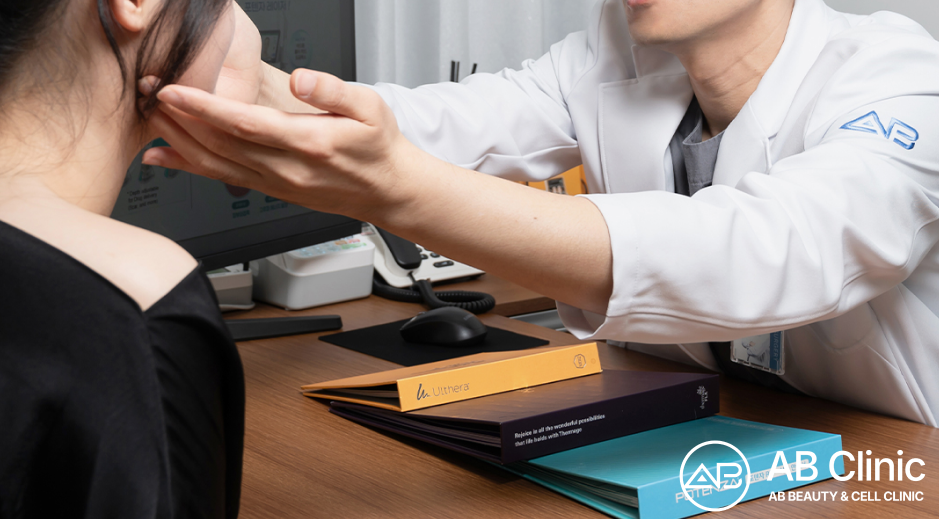
The PDRN treatment process begins with product verification and a skin assessment. A clinician should review the treatment area, skin thickness, active conditions, scarring tendency, previous procedures, medications, allergies, and the patient’s expected result. Photographs may support planning, but an in-person examination is needed before the final treatment decision.
|
Stage |
What Usually Happens |
What to Confirm |
|---|---|---|
|
Consultation |
Skin assessment, medical history, goal setting, and treatment-area selection |
Exact product, ingredient, indication, alternatives, and expected limitations |
|
Preparation |
Cleansing and, when appropriate, topical numbing or another comfort measure |
Preparation instructions and whether any medicines require clinician review |
|
Injection |
Small injections are placed across the selected area using a technique chosen for the product and skin |
Treatment depth, device or manual method, and areas that will be avoided |
|
Immediate aftercare |
The skin is checked and product-specific aftercare is explained |
Normal reactions, warning signs, contact method, and follow-up plan |
How the Treatment Is Delivered
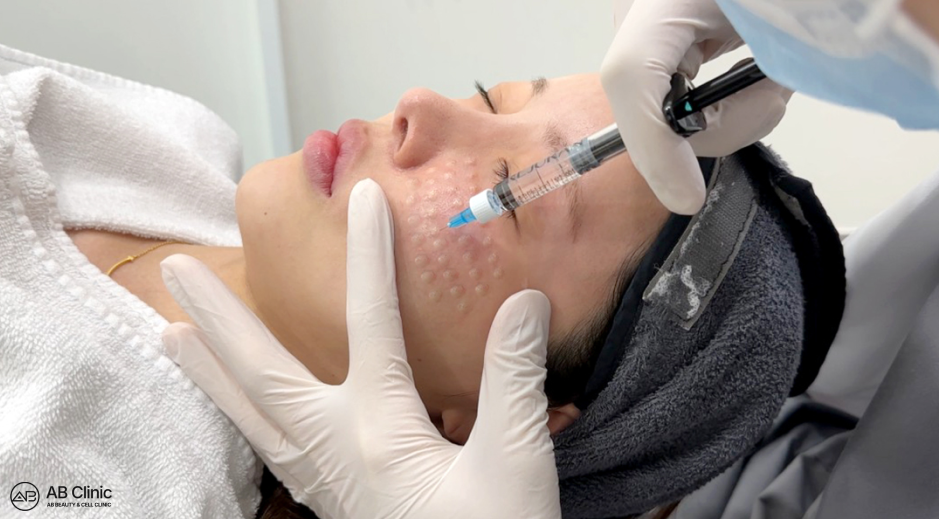
PDRN and PN products may be delivered through manual microinjections or a device-assisted technique, depending on the product and clinic protocol. Small raised bumps can appear where the material is placed. Injection depth, spacing, volume, and treatment area should be adjusted to the skin rather than applied as a single fixed pattern.
How Many Sessions Are Needed?
There is no universal number of PDRN sessions for every patient. Some plans use a short initial series followed by reassessment or maintenance, while others may recommend a different schedule. The plan should be based on the exact product, concern, response to the first treatment, travel dates, and time available for follow-up. A fixed package should not replace clinical reassessment.
Aftercare
Patients are generally advised to avoid rubbing or pressing the treated area and to follow the clinic’s instructions about cleansing, makeup, exercise, alcohol, heat exposure, and other skincare procedures. Sun protection is also important, especially when redness or irritation is present. Because instructions vary by product and technique, the treating clinic’s guidance should take priority over general online advice.
What to Expect After PDRN Treatment in Korea
Immediately after a PDRN skin booster, patients may notice small injection-site bumps, redness, swelling, tenderness, or a tight sensation. Bruising, itching, or temporary irritation can also occur. These reactions are often short-lived, but the degree and duration vary according to the product, injection technique, treatment area, and individual healing response.
The treatment should be approached as a gradual skin-quality procedure. It does not normally create the immediate contour change expected from a filler, and patients should not judge the final result from the appearance of temporary bumps or swelling on the treatment day. The timing of visible improvement and how long it lasts cannot be guaranteed.
Common Early Reactions
|
What Patients May Notice |
Planning Consideration |
|---|---|
|
Small raised injection points |
Allow time before photographs, events, or travel commitments |
|
Redness, swelling, or tenderness |
Follow the clinic’s cooling and skincare instructions |
|
Bruising or temporary irritation |
Discuss medications, supplements, and previous reactions before treatment |
|
Gradual skin-quality change |
Use standardized photos and reassess before adding another procedure |
Risks and Warning Signs
Possible complications include infection, an allergic or inflammatory reaction, persistent swelling, nodules, prolonged redness, pigment changes, or an unsatisfactory result. Any injection procedure also requires careful anatomical planning and sterile technique. Patients should seek prompt medical advice for worsening pain, pale or dusky skin discoloration, rapidly spreading redness, fever, drainage, visual symptoms, or another reaction that feels severe or unusual.
Patients with a known fish allergy or a history of serious reactions to injectable products should disclose this before treatment because some PDRN and PN products are derived from salmonid sources. Suitability should be decided from the exact product label and medical history rather than the PDRN category name alone.
Planning Treatment as an International Patient
International patients should avoid scheduling treatment immediately before a major event or departure when possible. Confirm how long the clinic recommends remaining in Korea, whether an in-person follow-up is needed, and how concerns will be handled after returning home. Patients should also request the product name and keep the clinic’s contact details and aftercare instructions.
At AB Plastic Surgery Korea, treatment selection should follow an assessment of the patient’s skin condition and goals. The clinic’s Rejuran page describes a PN-based skin treatment, and the appropriate formulation and session plan should be confirmed during consultation. Patients can request current treatment information, availability, and a personalized schedule through the Free Online 1:1 Consultation. Final costs, product options, and schedules may vary.

Frequently Asked Questions About PDRN Skin Boosters
Is PDRN the same as Rejuran?
Not exactly. PDRN and PN are related DNA-derived materials, but they can differ in molecular characteristics, formulation, and regulatory classification. Rejuran is described as a PN-based product, so patients should confirm the exact product rather than assuming every PDRN search result refers to Rejuran.
Does a PDRN skin booster work like dermal filler?
No. A PDRN or PN skin booster is generally selected to support skin quality, while a dermal filler is commonly used to add volume or change contours. Temporary swelling after injections should not be interpreted as the final result.
How many PDRN treatments do I need?
The number and spacing of sessions depend on the product, treatment area, skin concern, response, and clinic protocol. A clinician may suggest an initial plan and reassess before maintenance, but there is no universal schedule for every patient.
When can I expect results from a PDRN skin booster?
Skin-quality changes are usually discussed as gradual rather than immediate. The timing and degree of improvement vary by formulation, treatment plan, baseline skin condition, and individual response. No specific result or duration can be guaranteed.
Is there downtime after PDRN injections?
Small bumps, redness, swelling, tenderness, or bruising may be visible after treatment. These reactions are often temporary, but recovery varies. Ask the clinic how much time to allow before travel, work, makeup, photographs, or an important event.
Can I receive PDRN if I have a fish allergy?
Some PDRN and PN products are derived from salmonid sources. Patients with a fish allergy or a history of injection reactions should disclose this before treatment. The clinician should check the exact product ingredients, labeling, and medical history before deciding whether treatment is appropriate.
This article is for informational purposes only and does not replace a personal medical consultation.