Title
Thermage Treatment: Results, Downtime & Questions | ABDate
2024-07-02Views
65782
AB Blog
Thermage Treatment: Results, Downtime and Consultation Questions
Table of Contents
1. What is Thermage?
2. How Does Thermage Work?
3. What Are the Benefits of Thermage?
4. Who Is a Good Candidate for Thermage?
5. What to Expect During the Procedure?
6. Recovery and Downtime After Thermage
7. How to Prepare for Thermage?
8. How Much Is Thermage?
9. What Are the Potential Side Effects of Thermage?
10. Thermage vs. Ultherapy
11. What Results to Expect After Thermage?
12. At What Age Can I Do Thermage?
13. Can I Combine Thermage with Other Treatments?
14. How To Maintain Results of Thermage?
15. Frequently Asked Questions About Thermage in Korea
16. What to Consider When Getting Thermage in Korea
Thermage is a popular non-invasive cosmetic procedure designed to tighten and contour the skin. Utilizing radiofrequency (RF) energy, Thermage works by heating the deeper layers of the skin, stimulating collagen production, and improving skin laxity. Here's a detailed overview based on the latest trends and common queries related to the Thermage procedure.
What is Thermage?
Thermage is a skin tightening treatment that uses RF (radiofrequency) energy to rejuvenate the skin. This energy heats the collagen-rich layers beneath the skin's surface, causing them to contract and stimulate new collagen production. This process helps smooth out wrinkles and improve overall skin texture and tone.
Unlike surgical lifting procedures, Thermage is a non-invasive treatment designed to improve mild to moderate skin laxity without incisions or extended downtime. It works by targeting the dermal layers where collagen fibers are located, triggering both immediate tightening and gradual remodeling over time.
The treatment is versatile and can be applied to various parts of the body, including the face, neck, arms, abdomen, and even the eyelids. It is particularly effective for patients experiencing early signs of aging, such as slight sagging, loss of skin elasticity, or fine lines.
However, Thermage is not intended to replace surgical procedures in cases of severe skin laxity. Instead, it is best understood as a collagen-stimulating treatment that enhances skin firmness and contour in a natural and progressive way.
Read About the Latest Thermage Treatments Here
How Does Thermage Work?
The procedure involves a device called ThermaCool, which delivers controlled RF energy through a treatment tip known as the ThermaTip. This tip heats the collagen-rich layers beneath the skin while simultaneously cooling the surface to protect it and minimize discomfort.
The mechanism of Thermage is based on two key processes: immediate collagen contraction and long-term collagen remodeling. When RF energy is delivered into the dermis, existing collagen fibers contract instantly, resulting in a subtle tightening effect right after the procedure.
Over the following weeks to months, the heat stimulation triggers the body’s natural healing response, promoting the production of new collagen. This gradual remodeling process is what leads to continued improvement in skin firmness, elasticity, and contour.
Unlike ultrasound-based treatments that target deeper structural layers, Thermage primarily focuses on the dermal layer, making it particularly effective for improving overall skin texture, fine wrinkles, and mild skin laxity.
Additionally, modern Thermage systems incorporate vibration and cooling technology to enhance patient comfort, allowing the procedure to be performed with minimal downtime while maintaining consistent energy delivery across the treatment area.
What Are the Benefits of Thermage?
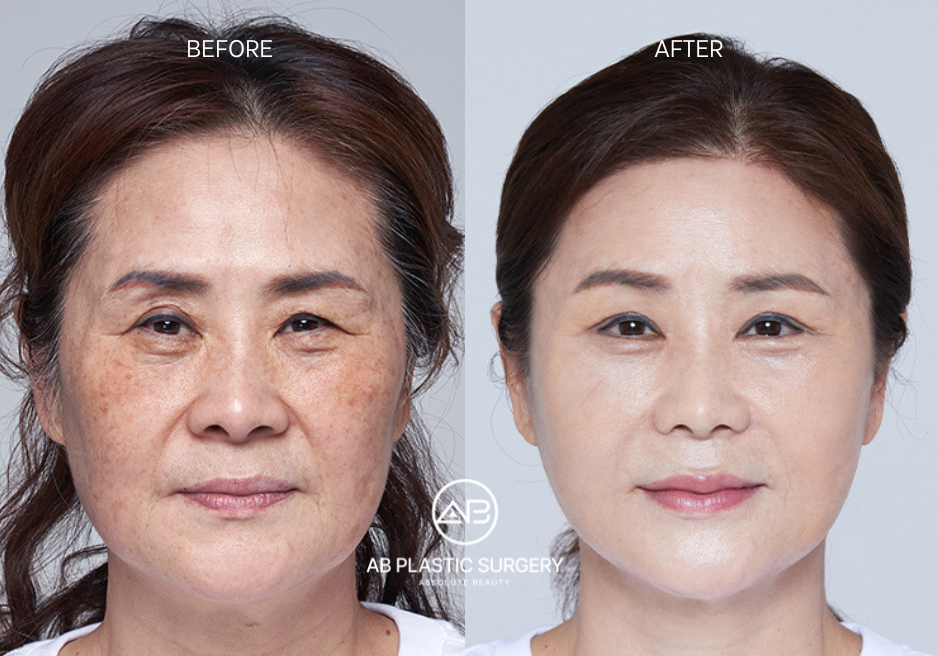
Thermage offers several significant benefits, particularly for individuals seeking non-surgical skin tightening with minimal downtime. Rather than producing dramatic structural changes, the treatment focuses on improving skin quality, firmness, and overall contour in a gradual and natural way.
-
Non-Invasive Treatment: Thermage does not require incisions or anesthesia, making it a suitable option for patients who want visible improvement without undergoing surgery.
-
Immediate and Progressive Results: Some tightening can be noticed immediately due to collagen contraction, while continued improvement occurs over several months as new collagen forms.
-
Minimal Downtime: Most patients can return to their daily routine right after the procedure, making it a practical choice for those with busy schedules.
-
Versatility Across Treatment Areas: Thermage can be applied to multiple areas, including the face, jawline, neck, abdomen, and eyelids, allowing for comprehensive skin tightening and contouring.
In clinical practice, the benefits of Thermage are most noticeable in patients with mild to moderate skin laxity, where improvement in skin firmness, subtle lifting, and texture refinement can be achieved without altering natural facial structure.
However, for individuals with more advanced sagging or excess skin, Thermage may provide limited results compared to surgical lifting procedures. In such cases, it is often considered as a complementary or maintenance treatment rather than a primary solution.
Who Is a Good Candidate for Thermage?
Thermage is most suitable for individuals who are experiencing mild to moderate skin laxity and are looking for gradual improvement without undergoing surgery. It is commonly chosen by patients who want to enhance skin firmness while maintaining a natural appearance.
The treatment is generally recommended for the following cases:
-
Early signs of aging, such as slight sagging in the cheeks, jawline, or neck
-
Loss of skin elasticity or firmness without significant excess skin
-
Fine lines and mild wrinkles, particularly around the eyes or mouth
-
Patients seeking preventive anti-aging treatment in their 30s to 40s
-
Individuals who prefer non-invasive procedures with minimal downtime
On the other hand, Thermage may be less effective for patients with advanced skin laxity, significant sagging, or excess skin. In such cases, surgical options such as facelift or lifting procedures may provide more noticeable and long-lasting results.
It is also important to consider that results can vary depending on factors such as skin thickness, age, and collagen response. Therefore, a detailed consultation is essential to determine whether Thermage is the most appropriate treatment based on individual skin condition and goals.
What to Expect During the Procedure?
During a Thermage treatment, patients typically undergo a non-invasive procedure that focuses on delivering controlled RF energy to targeted areas of the skin. The entire process is designed to be relatively simple, with minimal preparation and no need for surgical intervention.
Before the procedure begins, the treatment area is cleansed, and a temporary grid pattern may be applied to the skin. This grid helps guide the precise and even delivery of RF energy across the treatment area.
The device then delivers RF energy through a specialized tip while simultaneously cooling the skin surface to enhance comfort and protect the outer layer. Patients often experience alternating sensations of heat and cooling, along with a mild vibration feature in newer systems that helps reduce discomfort.
Each pulse of energy targets deeper layers of the skin, and the number of pulses (or “shots”) used during the procedure plays a key role in determining the overall effectiveness of the treatment. The total number of shots is an important factor that can influence both results and treatment quality.
The procedure typically takes between 45 minutes to 90 minutes, depending on the treatment area and the number of shots administered. Since Thermage is non-invasive, most patients do not require anesthesia, although topical numbing or mild pain management options may be used in some cases.
Once the procedure is completed, patients can usually return to their normal activities immediately, as there is no need for extended recovery time.
Recovery and Downtime After Thermage
One of the key advantages of Thermage is that it requires little to no downtime, making it a convenient option for individuals with busy schedules. Since the treatment is non-invasive, most patients can return to their normal daily activities immediately after the procedure.
In the hours following treatment, some patients may experience mild and temporary reactions such as:
-
Slight redness
-
Minor swelling
-
A feeling of warmth or tightness in the treated area
These effects are generally short-lived and typically resolve within a few hours to 1–2 days. Unlike surgical procedures, there are no stitches, wounds, or significant restrictions on daily activities.
Most patients can apply makeup and resume work on the same day, although it is advisable to avoid excessive heat exposure, intense exercise, or saunas for at least 24 hours after treatment.
It is important to understand that while there is minimal downtime, the full results of Thermage are not immediate. Collagen remodeling occurs gradually over time, with noticeable improvements developing over 2 to 6 months following the procedure.
Overall, Thermage is considered a low-recovery treatment, but individual experiences may vary depending on skin sensitivity, treatment intensity, and the number of shots delivered.
How to Prepare for Thermage?
One of the advantages of Thermage is that it requires minimal preparation compared to surgical procedures. Most patients can maintain their usual daily routine before undergoing treatment.
However, to ensure safe and effective results, several basic considerations are recommended prior to the procedure:
-
Avoid active skin conditions: Treatment should be postponed if there are open wounds, infections, or severe acne in the target area.
-
Inform your doctor about medical history: Patients with implanted medical devices such as pacemakers or metal implants should consult with their doctor, as RF energy may interfere with these devices.
-
Limit skin irritation before treatment: It is advisable to avoid aggressive skincare treatments (such as chemical peels or laser procedures) for several days prior to Thermage.
-
Stay well-hydrated and maintain skin condition: Healthy skin condition can help support better treatment response and recovery.
In most cases, no fasting, anesthesia preparation, or significant lifestyle changes are required. Nevertheless, a proper consultation is essential to assess skin condition and determine whether the treatment plan is appropriate for the individual.
How much Is Thermage?
The cost of Thermage varies depending on several factors, including the treatment area, the number of shots used, and the clinic’s expertise. On average, prices typically start around $2,000 to $3,000 and may increase based on the extent of the treatment.
One of the most important factors influencing cost is the number of shots delivered during the procedure. Each shot represents a pulse of RF energy applied to the skin, and a higher number of shots generally leads to more comprehensive and consistent results.
-
Face (full): commonly 600–900 shots
-
Eyes (upper/lower): around 300–450 shots
-
Face + neck: can exceed 900 shots depending on the treatment plan
Because of this, lower-priced treatments may involve fewer shots, which can directly impact the effectiveness and longevity of the results. Understanding the shot count is essential when comparing prices between clinics.
In Korea, Thermage pricing can be more competitive compared to other countries, but it is important to verify that authentic tips are used and that the full number of shots is delivered as planned. Choosing a clinic based solely on price without confirming these factors may lead to suboptimal outcomes.
Ultimately, the cost of Thermage should be evaluated not only in terms of price, but also in relation to treatment quality, device authenticity, and the experience of the medical provider.
Related Anti-Aging and Lifting Surgery Costs in Korea
While Thermage is a non-invasive skin tightening treatment, some patients with more advanced sagging may also consider surgical or thread lifting options. In Korea, related anti-aging and lifting procedure costs may vary depending on the treatment area, surgical complexity, skin laxity, and whether combined procedures are required.
| Procedure | Starting Price in USD | Best Considered For |
|---|---|---|
| Mint Thread Lifting | From $2,240 | Mild facial sagging and non-surgical lifting support |
| Elasticum Thread Lifting | From $3,740 | Stronger lifting support for facial laxity |
| Neck Lifting | From $2,990 | Neck sagging, loose skin, and jawline definition |
| Semi Full Facelift | From $5,240 | Moderate facial sagging and deeper lifting correction |
| Full Face Lifting | From $7,480 | More advanced facial aging requiring comprehensive correction |
Please note that all prices are starting estimates in USD. The final cost may vary depending on the patient’s skin condition, degree of sagging, treatment area, surgical complexity, anesthesia needs, and whether additional procedures are combined. A personalized consultation is recommended to receive an accurate treatment plan and cost estimate.
Check detailed costs and request a personalized treatment schedule in Korea
What Are The Potential Side Effects of Thermage?
Thermage is generally considered a safe and well-tolerated treatment when performed by experienced medical professionals. However, like any procedure that delivers energy into the skin, it may involve temporary side effects or, in rare cases, more serious complications.
Common and temporary side effects may include:
-
Redness
-
Mild swelling
-
A temporary sensation of heat or tightness
These reactions are typically mild and resolve within a few hours to 1–2 days without the need for special treatment.
Less common but possible side effects include:
-
Temporary skin sensitivity or tenderness
-
Minor surface irregularities
-
Transient numbness in the treated area
In rare cases, more serious complications may occur, particularly if the treatment is not performed properly or if incorrect energy settings are used:
-
Burns or blistering
-
Post-inflammatory hyperpigmentation
-
Fat atrophy (localized volume loss)
Fat atrophy is a rare but important consideration, as excessive energy delivery may affect deeper tissue layers and lead to unintended volume reduction. For this reason, proper technique, accurate energy control, and sufficient clinical experience are critical factors in ensuring safe outcomes.
To minimize risks, it is essential to choose a qualified and experienced provider who uses authentic equipment and follows appropriate treatment protocols. A thorough consultation prior to the procedure can help identify individual risk factors and ensure that the treatment is performed safely.
Thermage vs. Ultherapy
Thermage is often compared to Ultherapy, as both are popular non-surgical treatments designed to improve skin laxity and promote collagen production. However, the two procedures differ in terms of technology, treatment depth, and ideal use cases.
| Category | Thermage | Ultherapy |
|---|---|---|
| Energy Type | Radiofrequency (RF) | Ultrasound |
| Target Layer | Dermis (skin layer) | SMAS (deeper structural layer) |
| Main Effect | Skin tightening & texture improvement | Lifting & structural support |
| Best For | Mild to moderate laxity, skin quality | Moderate sagging, lifting effect |
| Eye Area | ✔ Possible (eyelids) | Limited |
| Discomfort Level | Moderate, with cooling support | Can be higher (deeper energy) |
In general, Thermage is more suitable for improving overall skin firmness and texture, while Ultherapy is often chosen for deeper lifting effects targeting structural layers of the face.
In clinical practice, these treatments are not always mutually exclusive. Some patients may benefit from combining both approaches to address different layers of aging. However, the optimal choice depends on individual skin condition, degree of laxity, and treatment goals.
A professional consultation is recommended to determine whether Thermage, Ultherapy, or a combination approach is most appropriate.
Explore Other Popular Skin Treatments in Korea
What Results to Expect After Thermage?
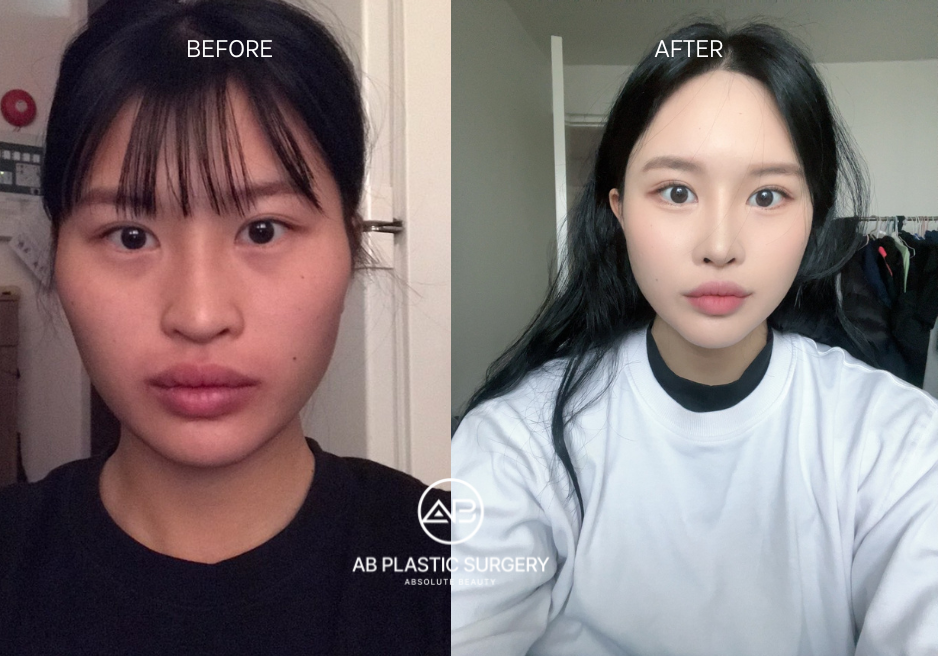
After undergoing Thermage, patients can expect gradual and natural-looking improvements in skin firmness, texture, and overall contour. Unlike surgical procedures, the results are not dramatic or immediate, but instead develop progressively over time.
Immediately after the treatment, some patients may notice a subtle tightening effect due to collagen contraction. However, the most significant changes occur gradually as new collagen is produced through the body’s natural remodeling process.
Typical timeline of results:
-
Immediate: Mild tightening effect right after the procedure
-
1–3 months: Gradual improvement in skin elasticity and texture
-
3–6 months: More noticeable lifting and contour enhancement
The longevity of results can vary depending on factors such as age, skin condition, and lifestyle. In general, results may last up to 1 to 2 years, with some patients choosing maintenance treatments to prolong the effect.
It is important to understand that Thermage is designed to improve skin quality and mild laxity rather than create dramatic lifting. Patients seeking subtle, natural enhancement are typically more satisfied with the outcome compared to those expecting surgical-level results.
For optimal results, maintaining a healthy skincare routine and protecting the skin from sun exposure can help support collagen stability and prolong the benefits of the treatment.
At What Age Can I Do Thermage?
Thermage can be performed across a wide range of age groups, but the most appropriate timing depends more on skin condition rather than age alone.
In general, patients in their 30s to 40s often choose Thermage as a preventive treatment to address early signs of aging, such as mild skin laxity and reduced elasticity. At this stage, the goal is to maintain skin firmness and slow down the progression of aging.
Patients in their 40s to 50s may benefit from Thermage to improve visible skin looseness, refine facial contours, and enhance overall skin quality. In these cases, the treatment is often used as part of a broader anti-aging strategy.
For individuals in their 50s and beyond, Thermage can still provide improvement in skin texture and firmness, but results may be more limited if significant sagging or excess skin is present. In such cases, surgical lifting procedures may be considered for more pronounced correction.
Ultimately, the decision to undergo Thermage should be based on an individual assessment of skin laxity, collagen condition, and treatment goals, rather than a specific age threshold.
Can I Combine Thermage with Other Treatments?
Thermage is often combined with other aesthetic treatments to achieve more comprehensive and balanced results. Since Thermage primarily focuses on improving skin firmness and collagen stimulation, combining it with complementary procedures can address multiple aspects of aging simultaneously.
Common combination treatments include:
-
Thermage + Botox: While Thermage improves skin tightening, Botox helps reduce dynamic wrinkles caused by muscle movement, such as forehead lines or crow’s feet.
-
Thermage + Dermal Fillers: Thermage tightens the skin, while fillers restore lost volume in areas such as the cheeks, temples, or under-eye region.
-
Thermage + Ultherapy: In some cases, Thermage may be combined with Ultherapy to target both superficial skin layers and deeper structural layers for a more comprehensive lifting effect.
-
Thermage + Skin Treatments: Treatments such as laser resurfacing or skin boosters can further improve skin texture, tone, and hydration.
These combination approaches allow for a more customized treatment plan based on individual concerns, such as skin laxity, volume loss, wrinkles, or overall skin quality.
However, the timing and sequence of treatments are important to ensure safety and optimal results. A professional consultation is necessary to determine the most appropriate combination and treatment plan tailored to each patient’s condition.
How To Maintain Results of Thermage?
To maintain the results of Thermage, it is important to focus on both ongoing skin care and periodic maintenance treatments. Since Thermage works by stimulating collagen production, preserving skin health plays a key role in sustaining long-term results.
Key ways to maintain Thermage results include:
-
Consistent skincare routine: Using products that support hydration, elasticity, and collagen health can help prolong the tightening effect.
-
Sun protection: UV exposure accelerates collagen breakdown, so daily use of sunscreen is essential to maintain results.
-
Healthy lifestyle habits: Adequate hydration, balanced nutrition, and avoiding smoking can support overall skin condition and collagen stability.
In addition to daily care, many patients choose to undergo maintenance treatments every 1 to 2 years to sustain skin firmness and slow down the progression of aging.
Depending on individual skin condition and aging patterns, Thermage may also be combined with other treatments such as skin boosters or lifting procedures as part of a long-term anti-aging plan.
Ultimately, maintaining Thermage results is not based on a single treatment, but on a continuous approach to skin care and personalized treatment planning.
Frequently Asked Questions About Thermage in Korea
How much does Thermage cost in Korea?
Thermage in Korea commonly starts around $2,000 to $3,000, depending on the treatment area, number of shots, device type, and treatment plan. A full-face treatment usually requires more shots than smaller areas such as the eyes, which can affect the final cost. Because each patient’s skin laxity, facial structure, and goals are different, an accurate price should be confirmed through a personalized consultation.
Is Thermage cheaper than facelift or thread lifting in Korea?
Thermage is a non-surgical skin tightening treatment, so it is usually compared with other lifting options depending on the degree of sagging. Related lifting procedures in Korea may include Mint Thread Lifting from $2,240, Elasticum Thread Lifting from $3,740, Neck Lifting from $2,990, Semi Full Facelift from $5,240, and Full Face Lifting from $7,480. Thermage may be suitable for mild to moderate skin laxity, while surgical lifting may be recommended for more advanced sagging.
What affects the price of Thermage treatment?
The price of Thermage can vary depending on the treatment area, number of shots, skin condition, treatment intensity, and whether it is combined with other procedures. Since Thermage results depend heavily on proper shot distribution and authentic equipment, patients should compare not only the price but also the treatment quality, provider experience, and consultation process.
How long do Thermage results last?
Thermage results usually develop gradually over 2 to 6 months as collagen remodeling occurs. Depending on age, skin condition, lifestyle, and maintenance care, results may last around 1 to 2 years. Some patients choose periodic maintenance treatments to help preserve skin firmness and elasticity.
Can Thermage replace a facelift?
Thermage cannot fully replace a facelift in cases of severe sagging or significant excess skin. It is better suited for patients with mild to moderate skin laxity who want non-invasive tightening with minimal downtime. For patients with more advanced facial aging, surgical lifting options may provide more noticeable and longer-lasting correction.
Where can I check Thermage and lifting treatment costs in Korea?
Patients can check estimated costs and request a personalized treatment schedule through AB Plastic Surgery Korea’s cost inquiry page. Since the final price can vary depending on the treatment area, skin laxity, procedure combination, and individual goals, a customized consultation is recommended before confirming the treatment plan.
What to Consider When Getting Thermage in Korea
South Korea is widely recognized for advanced aesthetic treatments, including Thermage. However, the quality of results can vary significantly depending on the clinic, equipment, and treatment approach. Understanding key factors before undergoing Thermage in Korea is essential for achieving safe and effective outcomes.
1. Verify authentic Thermage tips and equipment
Thermage uses disposable treatment tips, and each tip is designed for a specific number of shots. Using authentic, single-use tips is critical to ensure consistent energy delivery and safe results. Patients should confirm that the clinic uses genuine Thermage tips and does not reuse or manipulate shot counts.
2. Understand the number of shots included
The number of shots directly affects treatment coverage and results. Some clinics may offer lower prices by reducing the number of shots, which can lead to uneven or less effective outcomes. Always confirm the exact shot count included in the treatment plan.
3. Experience and technique of the provider
Thermage is highly operator-dependent. Proper energy control, depth adjustment, and treatment pattern all influence both effectiveness and safety. Choosing an experienced provider helps reduce risks such as burns or uneven results while maximizing collagen stimulation.
4. Customized treatment planning
Each patient’s skin condition, thickness, and degree of laxity are different. A personalized treatment plan—including shot distribution and target areas—is essential for achieving natural and balanced results rather than a one-size-fits-all approach.
5. Safety protocols and clinical standards
Clinics with structured safety systems, proper consultation processes, and clear treatment protocols are more likely to provide consistent and reliable outcomes. This is particularly important for international patients seeking treatment during a limited stay in Korea.
While Korea offers competitive pricing and advanced technology, treatment quality should always be prioritized over cost alone. Careful evaluation of these factors can help ensure that Thermage is performed safely and effectively, with results that align with individual expectations.
Learn More about AB Plastic Surgery Korea “International Patient Support"

This article is for informational purposes only and does not replace a personal medical consultation.