Title
Ultherapy in Korea: Cost, Results, Side Effects & Expert Review (2026) | AB Plastic SurgeryDate
2024-06-04Views
8490
AB Blog
Ultherapy in Korea: The Complete Guide to Non-Surgical Facelifts (2026)
Table of Contents
1. What Is Ultherapy and How Does It Work?
2. Ultherapy Before and After: Real Results
3. Ultherapy Cost: Korea vs USA vs Europe
4. Ultherapy vs Thermage vs HIFU
5. Ultherapy Side Effects and Risks
6. Ultherapy Procedure Step-by-Step
7. Best Candidates for Ultherapy
8. Ultherapy FAQ
Ultherapy has become one of the most widely recognized non-surgical facelift options globally. For patients researching ultherapy korea, the appeal lies in its ability to lift and tighten skin without incisions, downtime, or general anesthesia.
In recent years, ultherapy has gained significant attention among international patients visiting Korea, particularly those seeking subtle yet meaningful anti-aging results. Rather than dramatic changes, ultherapy focuses on restoring structural support through collagen regeneration.
At AB Plastic Surgery Korea, ultherapy is often considered as part of a broader anti-aging strategy that may include surgical and non-surgical treatments depending on the patient’s condition.
What Is Ultherapy and How Does It Work?
Ultherapy is an FDA-approved treatment that uses micro-focused ultrasound (MFU) technology to stimulate collagen production deep within the skin.
Unlike surface-based treatments, ultherapy targets the SMAS layer—the same structural layer addressed during a surgical facelift. This is what allows ultherapy to be categorized as a true non-surgical facelift rather than just a skin-tightening procedure.
The energy is delivered precisely to depths of 1.5mm, 3.0mm, and 4.5mm, allowing for multi-layer treatment. The 4.5mm depth is particularly important, as it reaches the SMAS layer responsible for facial lifting.
When ultrasound energy is delivered, it creates controlled thermal injury points that trigger the body’s natural healing response. Over time, new collagen and elastin fibers form, gradually improving skin firmness and elasticity.
Results from ultherapy develop gradually over 2 to 6 months, making the improvement appear natural rather than sudden.
Common treatment areas include:
-
Full face
-
Brow lifting
-
Jawline definition
-
Neck tightening
-
Décolletage rejuvenation
This versatility is one reason ultherapy korea continues to attract patients looking for a comprehensive non-surgical facelift solution.
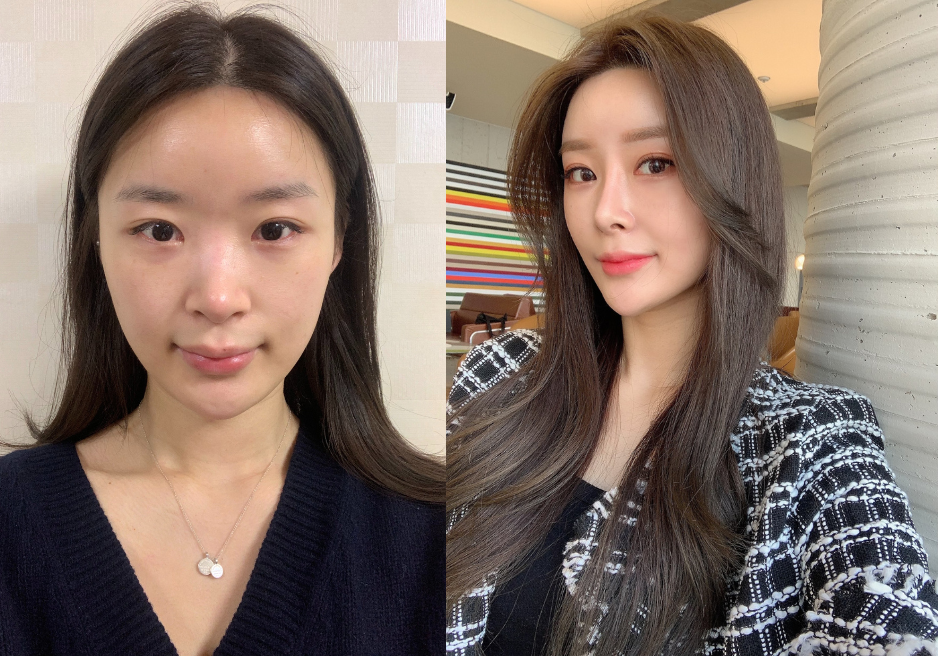
Ultherapy Before and After: Real Results You Can Expect
When evaluating ultherapy before and after results, it is important to understand that this treatment is not a replacement for surgery in cases of severe skin laxity.
Instead, ultherapy is most effective for patients with mild to moderate sagging who want gradual lifting without downtime.
Typical timeline:
-
Immediate: slight tightening due to tissue contraction
-
1–3 months: early collagen stimulation begins
-
3–6 months: peak lifting and tightening effects
Most patients notice improvement in:
-
Jawline definition
-
Neck firmness
-
Reduction in mild sagging
Results typically last 1 to 2 years, depending on age, skin condition, and lifestyle factors.
The best candidates for strong ultherapy before and after outcomes are:
-
Ages 30–65
-
Mild to moderate skin laxity
-
Early signs of aging
Patients with severe sagging may require surgical lifting procedures instead of relying solely on ultherapy.
Ultherapy Cost: Korea vs USA vs Europe
|
Region |
Full Face |
Full Face + Neck |
Partial (Jawline) |
|---|---|---|---|
|
Korea |
$1,000–$3,000 |
$1,500–$4,000 |
$500–$1,500 |
|
USA |
$3,000–$8,000 |
$4,000–$10,000 |
$1,500–$3,000 |
|
Europe |
$2,500–$6,000 |
$3,500–$8,000 |
$1,200–$2,500 |
Ultherapy cost varies significantly depending on region, clinic expertise, and treatment area.
In ultherapy korea, pricing tends to be more competitive due to:
-
High treatment volume
-
Advanced technology adoption
-
Specialized expertise in aesthetic procedures
Despite lower ultherapy cost, quality is maintained through experienced practitioners and structured treatment protocols.
For international patients, this combination of affordability and quality is a key reason ultherapy korea remains highly attractive.
Schedule a consultation with AB Plastic Surgery
Ultherapy vs Thermage vs HIFU: Complete Comparison
|
Factor |
Ultherapy |
Thermage |
HIFU |
|---|---|---|---|
|
Technology |
MFU |
Radiofrequency |
Ultrasound |
|
Target Depth |
SMAS |
Dermis |
Variable |
|
Best For |
Lifting |
Tightening |
Both |
|
Pain Level |
Moderate |
Mild |
Mild |
|
Downtime |
None |
None |
None |
|
Duration |
1–2 years |
1–2 years |
6–12 months |
When comparing ultherapy vs thermage and ultherapy vs HIFU, the main difference lies in treatment depth.
Ultherapy targets deeper layers for lifting, while Thermage focuses on surface tightening.
HIFU treatments are generally more affordable but may offer shorter-lasting results compared to ultherapy.
In many cases, combination treatments are recommended to address both lifting and skin quality.
Ultherapy Side Effects and Risks
Ultherapy side effects are generally mild and temporary.
-
Redness
-
Swelling
-
Tenderness
Less common ultherapy side effects include:
-
Bruising
-
Numbness
-
Tingling
Rare complications such as nerve injury are extremely uncommon when performed by experienced providers.
At AB Plastic Surgery Korea, risk is minimized through:
-
Precise ultrasound imaging
-
Customized energy settings
-
Experienced practitioners
The Ultherapy Procedure: What to Expect Step-by-Step
The ultherapy procedure is straightforward and typically completed within 45–90 minutes.
Step 1: Consultation
Skin condition and suitability are assessed.
Step 2: Preparation
Numbing cream is applied.
Step 3: Treatment
Ultrasound imaging ensures precise delivery.
Step 4: Post-treatment
No downtime, normal activities resume immediately.
Who Is the Best Candidate for Ultherapy?
Ideal candidates for ultherapy include:
-
Age 30–65
-
Mild to moderate laxity
-
Preventive anti-aging goals
Ultherapy is often used as a maintenance treatment or early intervention before surgical lifting becomes necessary.
Ultherapy FAQ
How much does Ultherapy cost in Korea?
Ultherapy in Korea costs $1,000-$3,000 for full face treatment, compared to $3,000-$8,000 in the US. The lower cost reflects Korea's competitive medical tourism market, not lower quality — Korean clinics use the same FDA-approved Ultherapy devices.
Is Ultherapy better than Thermage?
Ultherapy and Thermage target different skin layers: Ultherapy uses focused ultrasound to lift deep tissue (SMAS layer), while Thermage uses radiofrequency to tighten surface collagen. Ultherapy is better for lifting; Thermage is better for tightening. Many patients benefit from combining both.
How long do Ultherapy results last?
Ultherapy results typically last 1-2 years. Results develop gradually over 2-3 months as new collagen forms, with peak results at 3-6 months. Annual maintenance sessions can extend the benefits.
Is Ultherapy painful?
Ultherapy can cause moderate discomfort during treatment, often described as a prickling or heat sensation. Korean clinics typically offer numbing cream, oral pain medication, or local anesthesia to minimize discomfort. Pain tolerance varies by individual.
Overall, ultherapy remains one of the most effective non-surgical facelift treatments available today. For patients exploring ultherapy korea, understanding realistic expectations, cost, and treatment differences is essential in making an informed decision.
This article is for informational purposes only and does not replace a personal medical consultation.