AB Signature
SMAS Lifting
Sagging Skin? Jowls?
Loss of Jawline Definition?
Not Just a Facelift.A Personalized Lifting Plan Designed for Your Face.
WHAT IS A FACELIFT?
UNDERSTANDING FACELIFT SURGERY
A facelift is a surgical procedure designed to improve visible signs of facial aging,
particularly sagging in the cheeks, jowls, and jawline.
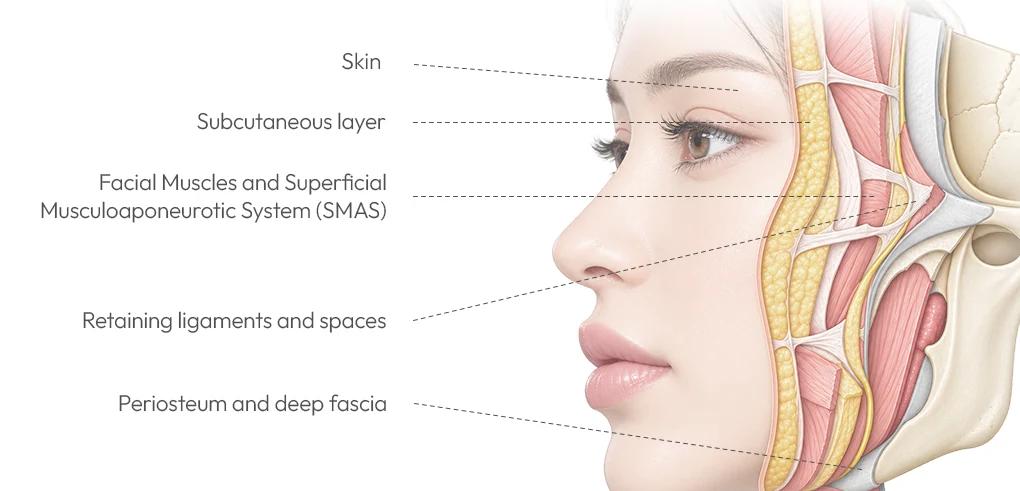
facial tissues, including the SMAS layer, as well as removing excess skin when appropriate.
The surgical technique and extent of correction are determined according to each
patient's facial anatomy, degree of sagging, and individual needs.
WHO IS A FACELIFT FOR?
IS A FACELIFT RIGHT FOR YOU?
Are You Experiencing These Signs of Facial Sagging?
01.
Sagging Jowls
Noticeable sagging along the lower cheeks and jawline.
02.
Loss of Facial Definition
A less defined facial contour associated with tissue laxity.
03.
Lower Face and Neck Sagging
Loose skin and tissue around the lower face or neck.
04.
Persistent Facial Sagging
Patients whose concerns may not be adequately addressed by nonsurgical treatments alone.
medical condition, and surgical goals. A consultation is necessary to
determine whether facelift surgery is suitable for you.
Which Facelift Approach Is Right for You?
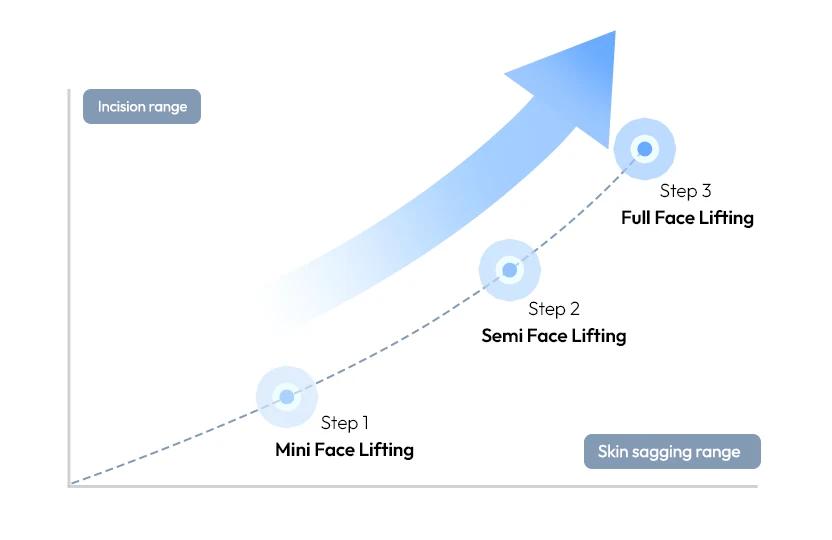
The surgical range is determined based on the degree of sagging and
individual facial structure, from a Mini Facelift to a Full SMAS Facelift.
FIND YOUR LIFTING PLAN
How Is Your Facelift Plan Determined?
At AB, each lifting plan is designed after
evaluating your individual facial anatomy and aging pattern.
01.
Degree & Area of Sagging
We evaluate where sagging occurs and how extensively it affects the face.
02.
Skin & SMAS Condition
Skin elasticity, thickness, and the condition of the SMAS layer are considered when planning the surgical approach.
03.
Extent of Lifting
The appropriate extent of surgery is determined based on your individual needs, from Mini to Semi Full or Full SMAS Facelift.
04.
Lifting Direction & Incision Design
The direction of lifting and incision design are planned according to your facial structure and pattern of sagging.

AB Looks Beyond the SkinConsidering Both the Skin and the SMAS Layer
AB considers the characteristics of both the skin and SMAS layer when determining the surgical approach.
Depending on the patient's anatomy, a Deep Plane or Dual Plane Facelift may be considered.
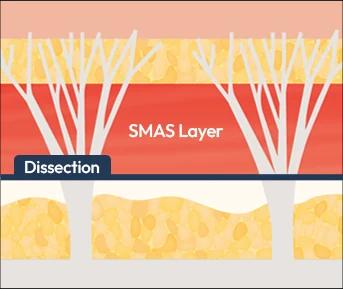
Skin and SMAS layer
lifted together
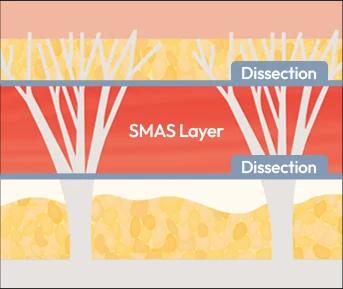
Skin and SMAS layers
separately dissected and lifted
Does Everyone Need the Same Facelift?NO! At AB, Every Facelift Is Designed Differently.
There is no single facelift approach for everyone.
AB evaluates the degree of aging, muscle condition, fat distribution, skin elasticity,
and individual needs to determine the appropriate extent of lifting.
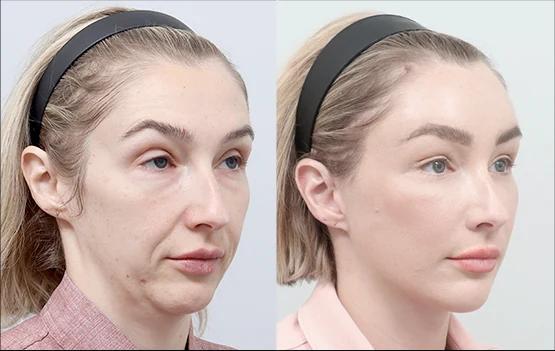 BEFOREAFTER
Stage 3Full Face Lifting
- Maximal SMAS Dissection
- Simultaneous Lifting of Severely Sagging Skin and Tissue
- Overall Face and Neck Wrinkle Reduction, Skin Tightening, and Elasticity Improvement
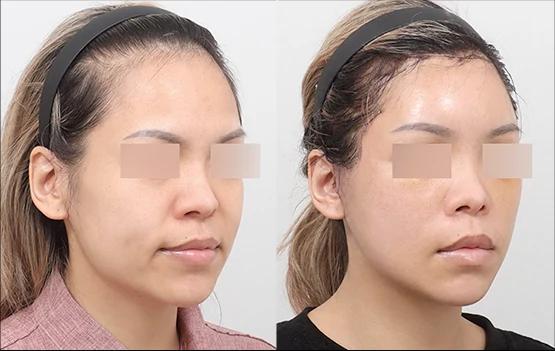 BEFOREAFTER
Stage 2Semi Face Lifting
- Sufficient SMAS Dissection
- Lifting of Sagging Skin and Tissue in the Mid and Lower Face
- Wrinkle Reduction, Skin Tightening, and Elasticity Improvement of the Face (excluding the neck)
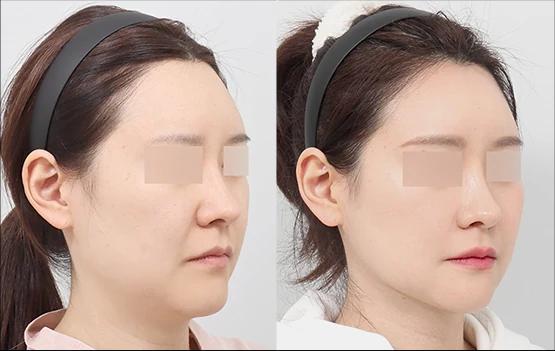 BEFOREAFTER
Stage 1Mini Face Lifting
- Quick Recovery with Minimal Incision and Minimal Dissection
- Fast and Easy Lifting Using Elastic Band Threads
- Targeted Lifting of Key Sagging Areas
Personalized Surgical Planning
AB evaluates individual facial anatomy, the location and degree of sagging,
skin characteristics, and facial proportions when planning facelift surgery.
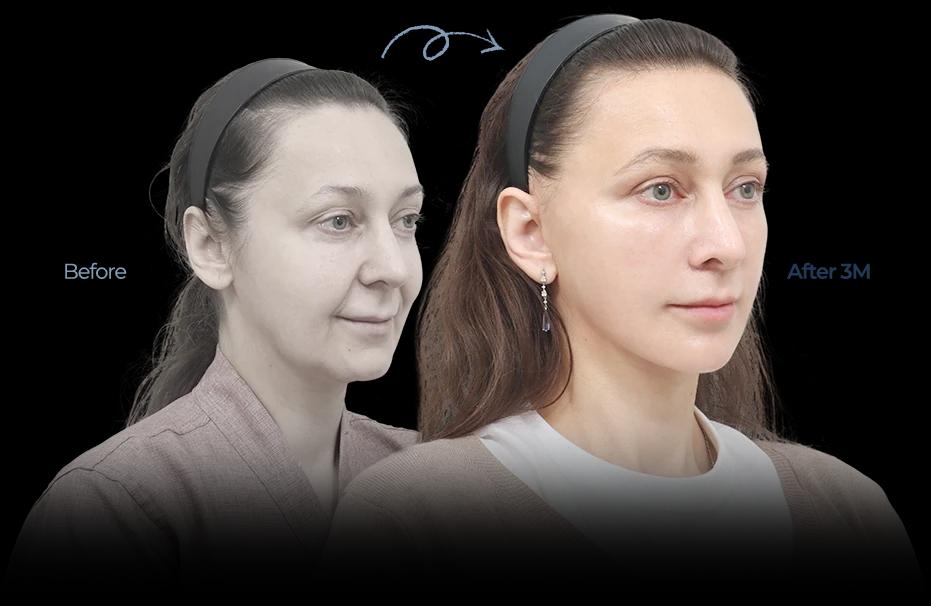
The extent and technique of surgery are selected according to each patient's
clinical needs rather than applying the same approach to everyone.

Beyond the Skin
AB Looks Beyond the Skin
Effective facelift planning requires consideration of deeper facial support structures,
including the SMAS layer. AB considers these anatomical structures when determining the appropriate
surgical technique and tissue repositioning strategy.
For guaranteed and long-lasting resultsDetailed dissection technique
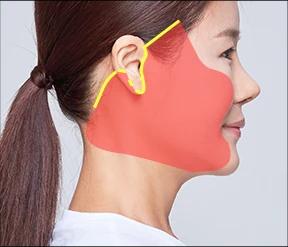
Dissecting a wide area meticulously to achieve a strong lifting effect without side effects
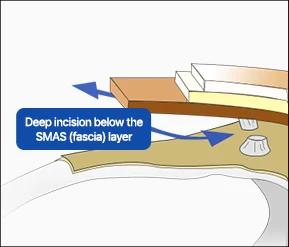
Avoiding nerves and blood vessels, precisely cutting the retaining ligaments in each area for long-lasting effects.
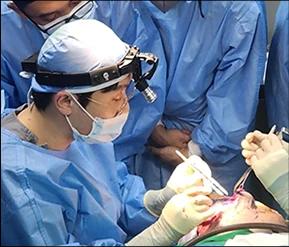
With meticulous dissection techniques, achieve a smooth facial contour without any unevenness.
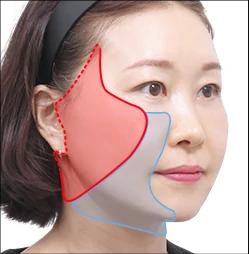
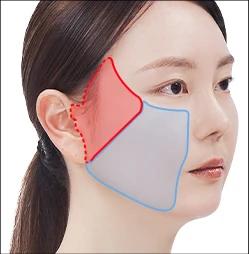
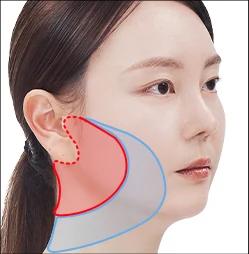
Not Every Area Should Be Lifted the Same WayDifferent areas of the face sag in different directions.
Full Face Lifting
Midface Semi Face Lifting
Lower Face Semi Face Lifting
Mini Face Lifting
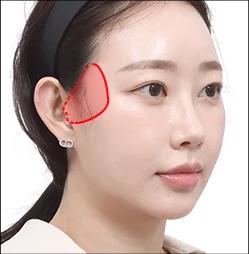
AB customizes the direction and tension of lifting for each facial area,
with the goal of creating a naturally lifted and balanced appearance.

Designed with Scars in Mind
Incision planning is customized according to individual characteristics, including sideburn position,
skin thickness, and ear shape. AB also utilizes an angled incision technique
designed to reduce the burden of visible scarring and preserve the hair roots.
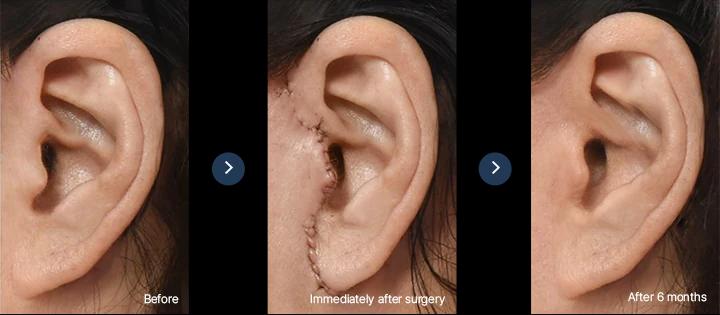
Real cases of healing processBy timeline
BEFORE & AFTER
See the DifferenceAB Facelift Before & After
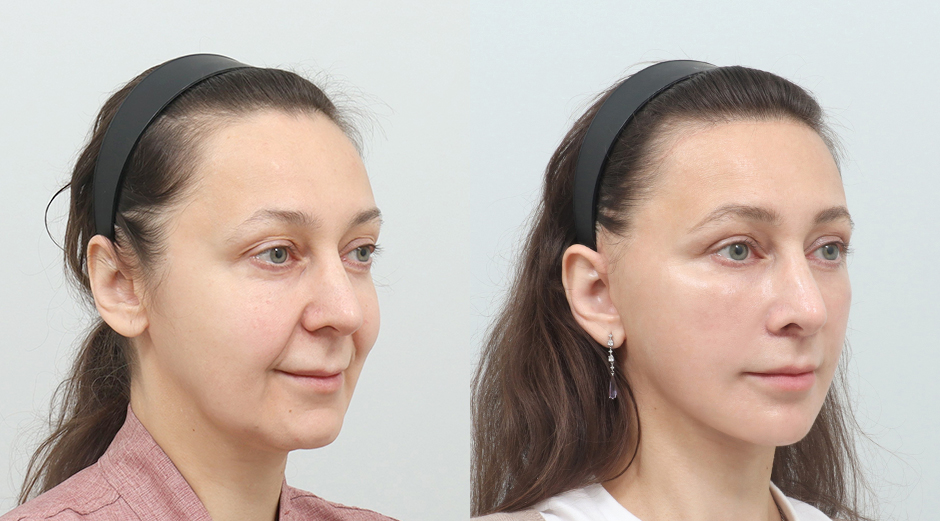
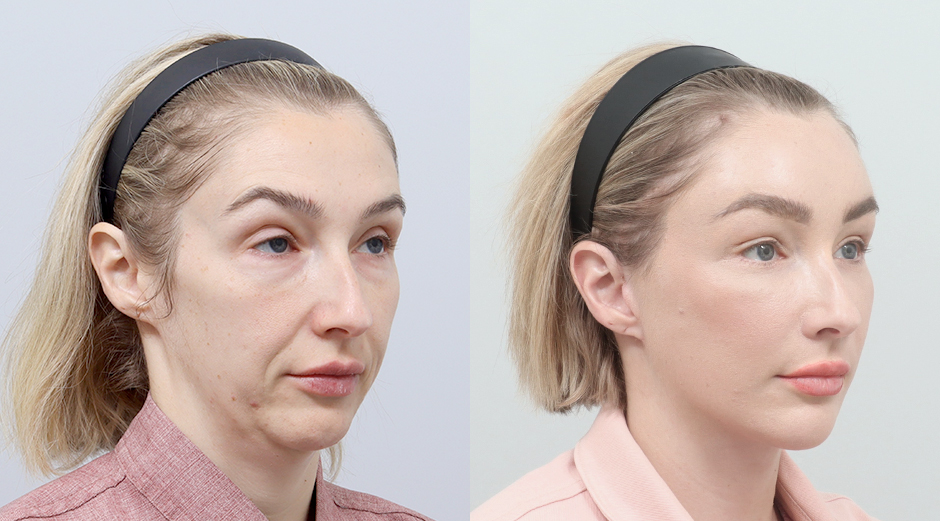
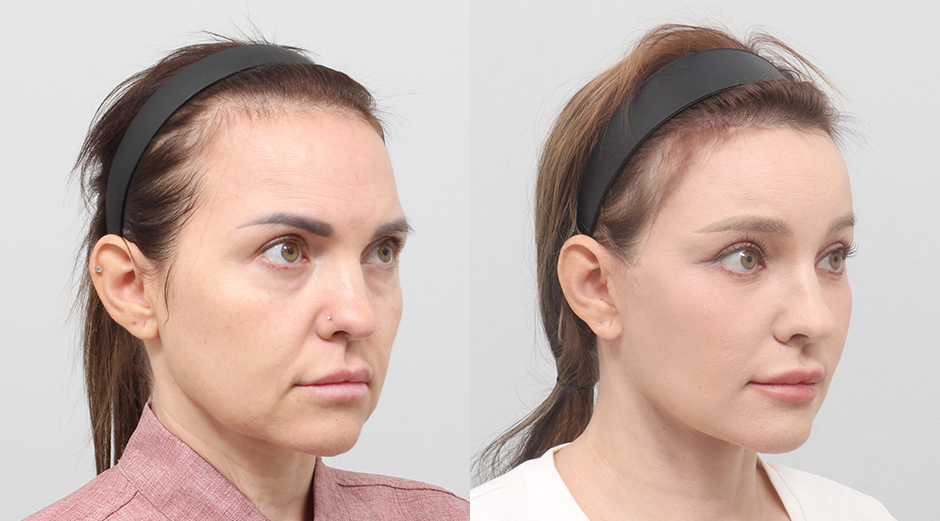
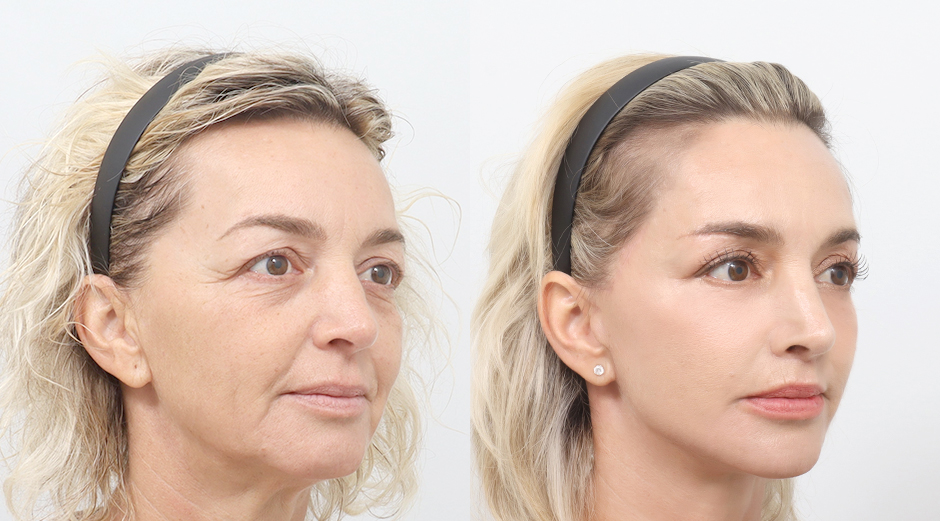
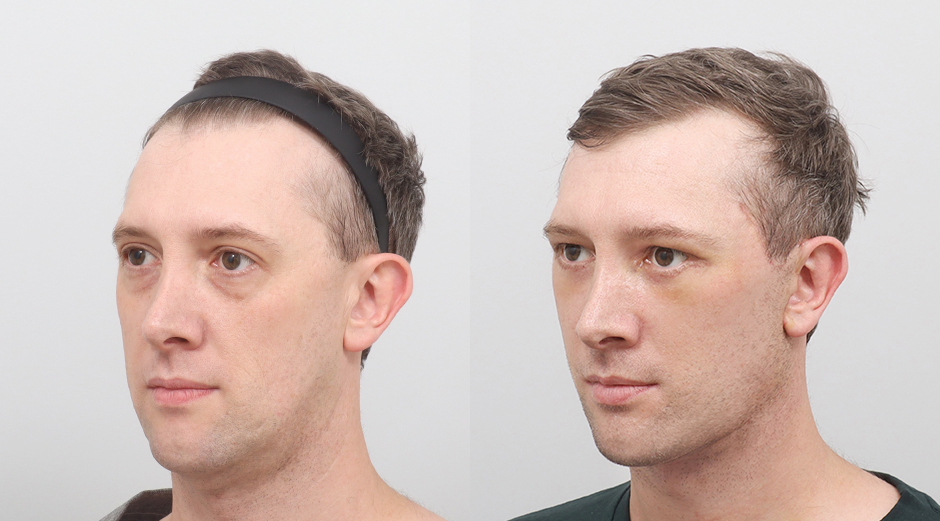
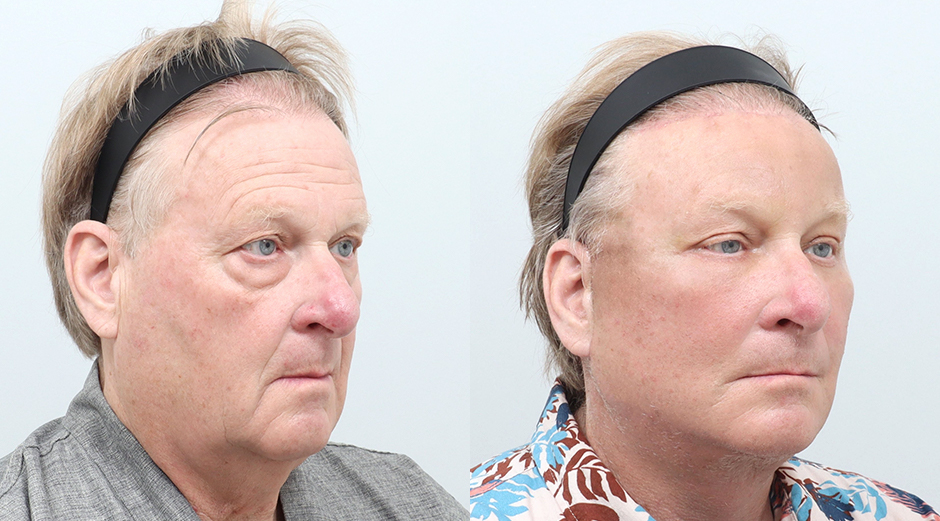
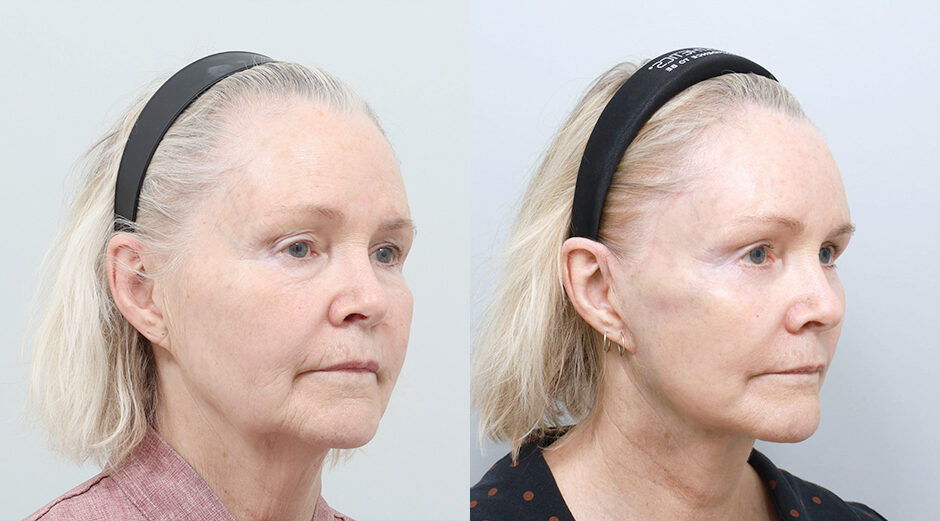
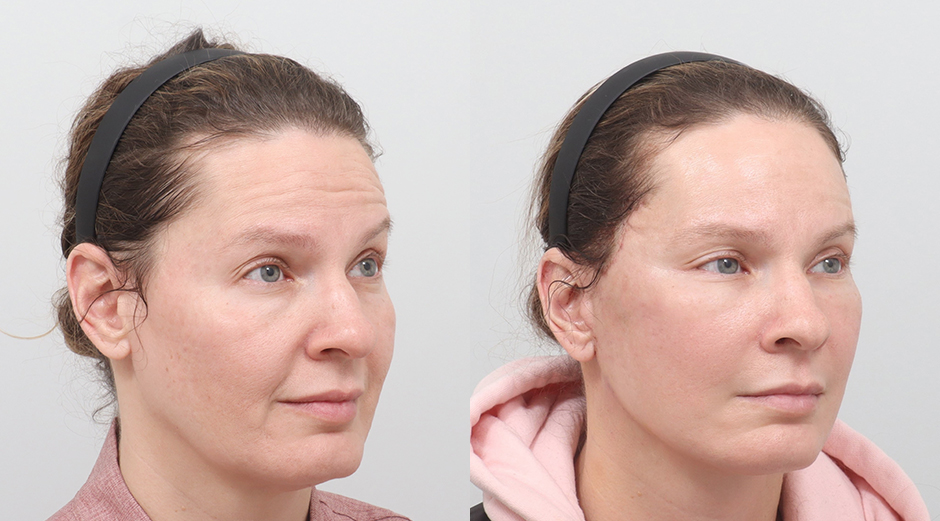
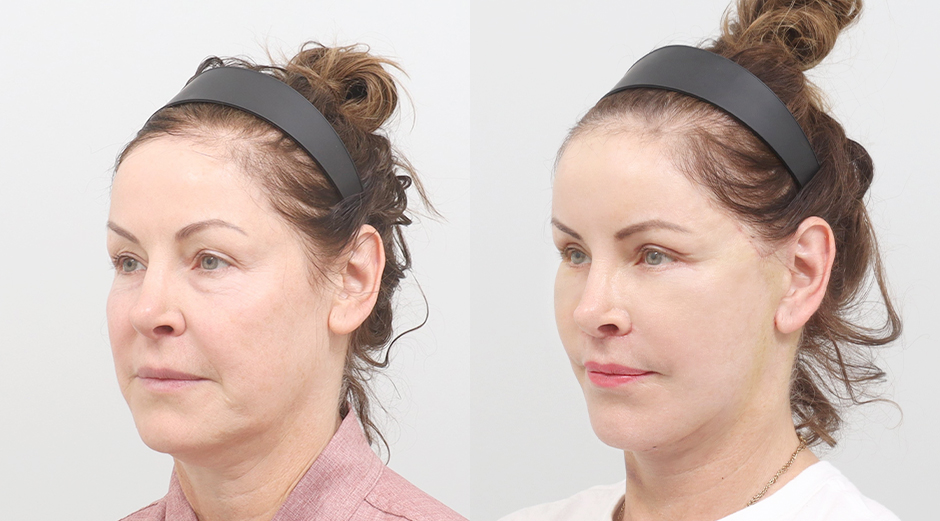
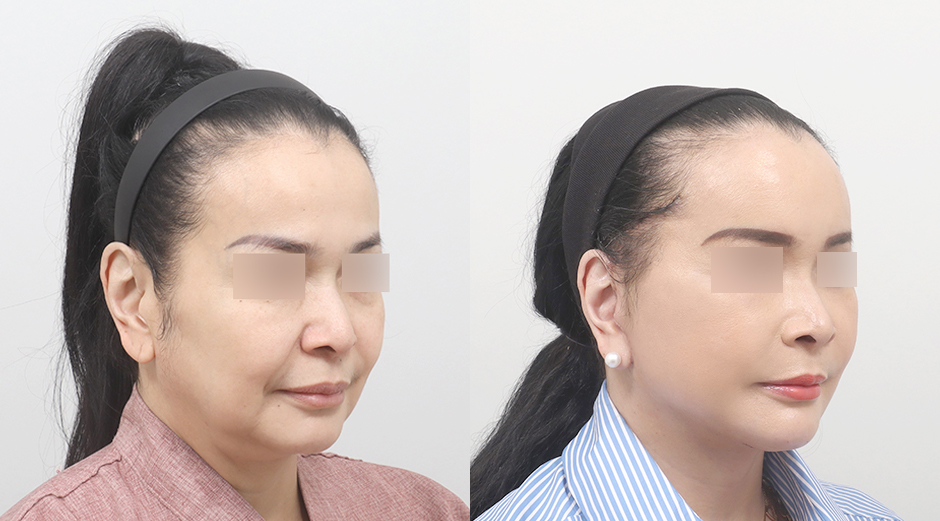
maintaining natural facial harmony.

AB LIFTING EXPERTISE
From the degree of sagging to the condition of the skin and SMAS layer,
AB creates an individualized lifting plan based on
each patient’s facial anatomy and needs.
Meet AB’s Lifting Specialists
Board certified plastic surgeons provide individualized surgical planning
based on each patient’s facial structure, degree of sagging,
and aesthetic goals.
Leading Techniques and Research AchievementsAcademic Exchange and External Collaborative Activities
The difference is in the details Lifting expertise.
01. World’s Leading Technique Advancements in the Field of Lifting
AB is at the forefront of face lifting and lifting procedures, leveraging numerous clinical experiences and research cases.
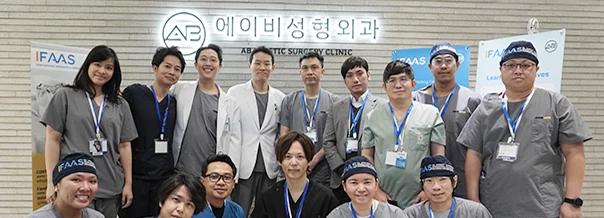
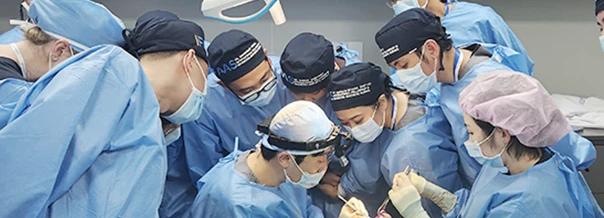
02. AB × IFAAS For International Medical Professionals
Facelift Surgery Lecture & Live Surgery Demonstration
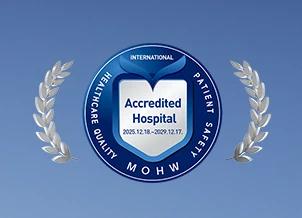
03. AB Plastic Surgery has officially obtained government certification from the Korea Association of Healthcare Accreditation Foundation (KAHF) as a medical institution authorized to treat international patients.
This nationally recognized certification is awarded only to medical institutions that meet strict and comprehensive evaluation standards designed to ensure the safety of international patients, the quality of medical services, and a trustworthy clinical care system.
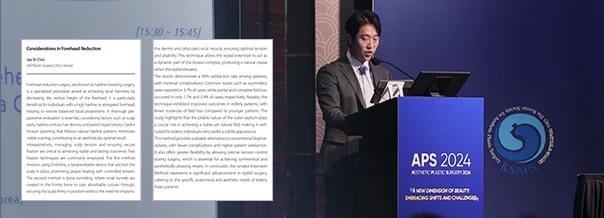
04. Relentless Lifting Research
Our lifting specialists continuously do research to accurately identify the various causes of sagging.
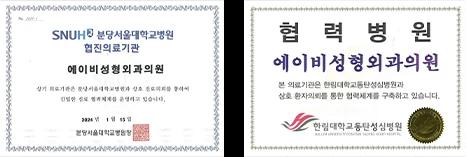
05. University Hospital and Medical Institution Collaboration System
We have established a collaborative medical system with institutions like Seoul National University Bundang Hospital and Hallym University Dongtan Sacred Heart Hospital, providing an optimal healthcare system for patients.
Safety first : Building Trust
with ‘Zero’ Medical Accidents
Patient safety protocols from preoperative assessment to
anesthesia management and postoperative recovery.
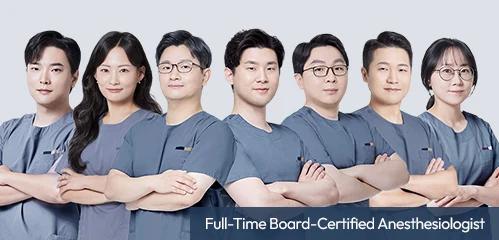
01.
Full-time anesthesiologists
The entire process of the surgery, including pre-, during, and post-surgical procedures, is managed in real-time with a full-time anesthesiologist.
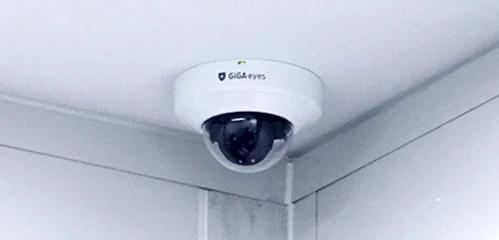
02.
CCTV in all operating rooms
CCTV cameras are installed in all operating rooms to support surgical transparency and patient safety.

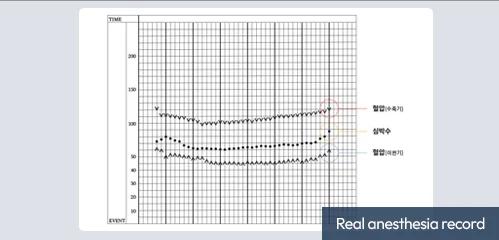
03.
Real-time monitoring during anesthesia
An anesthesiology specialist monitors the patient in real-time during surgery and performs double and triple checks through a central monitoring system.
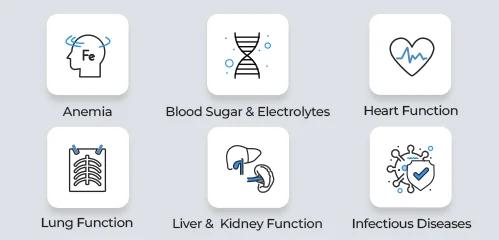
04.
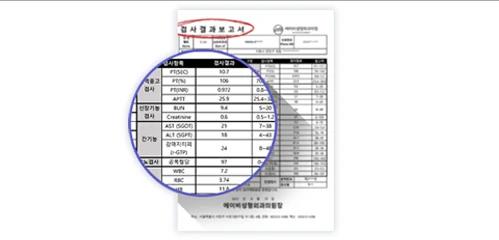
AB Standard Preoperative Screening
Before surgery, we conduct standard preoperative screening to comprehensively assess your health and establish an appropriate plan for safe surgery and anesthesia.
Real Patients. Real Stories. Real Experiences.
Hear directly from AB patients about their facelift journeys, from consultation to recovery.
INTERNATIONAL PATIENT SUPPORT
Your Facelift Journey in Korea, Supported by AB
From your initial consultation to postoperative follow up,
AB assists international patients with treatment planning and travel coordination.

Language Support
Consultation and interpretation assistance in available languages.

Accommodation Assistance
Guidance on affiliated hotel options and available arrangements.

Airport Transportation
Transportation coordination for eligible surgical patients, subject to availability and applicable conditions.

Postoperative Care
Recovery guidance and scheduled follow up appointments before returning home.
Your Journey with AB
- Online Consultation
- In Person Consultation
- Surgery
- Recovery
- Follow Up
FREQUENTLY ASKED QUESTIONS (FAQ)
Q. Which type of Lifting is most effective by age group?
For those in their 20s–30s, effective facial lifting procedures include high-frequency laser treatments, fillers, and Botox, which
are recommended for early prevention and maintenance.For those in their 30s–40s, both non-surgical treatments (like thread lifting or semi-facelift) and surgical lifting methods are
recommended depending on the degree of sagging.For those over 40, more surgical methods such as semi-facelift or full facelift are often advised, depending on the severity of
skin laxity.Q. How long should I stay in Korea after facelift surgery?
For international patients, AB generally recommends planning a stay of approximately 14 days or longer after facelift surgery,
depending on the surgical procedures involved.This allows time for postoperative examinations, wound care, and suture removal when appropriate. Your recommended stay
will be confirmed according to your surgical plan and recovery needs.Q. Can facelift surgery improve nasolabial folds?
Facelift surgery may soften nasolabial folds by repositioning sagging facial tissues, particularly when the folds are associated
with midface descent.However, deep folds caused by facial anatomy or volume loss may not be fully corrected through lifting alone.
Additional procedures may be considered following a medical assessment.
Q. When will I see the final results of my facelift?
You may notice improvements in facial contours as the initial swelling decreases. However, residual swelling, tightness, and
changes in sensation can continue to improve over several months.Final results should be evaluated after sufficient healing, as recovery varies between patients.