Title
Breast Reduction Surgery: Designing a Balanced Shape for Your BodyDate
2026-09-02Views
277
AB Blog
How Breast Reduction Surgery Is Designed for a Balanced Body Shape
Table of Contents
1. What Is Breast Reduction Surgery—and Who May Consider It?
2. How Is a Balanced Breast Reduction Designed for Your Body?
3. Breast Reduction Techniques: Choosing the Appropriate Incision
4. Breast Reduction Recovery, Scars, and Risks
5. Breast Reduction Surgery in Korea: Cost, Safety, and Planning
6. Frequently Asked Questions About Breast Reduction Surgery
Breast reduction surgery, also called reduction mammoplasty, removes excess breast tissue, fat, and skin before reshaping and elevating the remaining breast. The goal is not simply to create the smallest possible size. A well-planned reduction should reduce excess weight while creating a breast shape that fits the patient’s chest, shoulders, torso, and personal preferences.
Planning therefore involves more than choosing a cup size. Breast width, existing volume, nipple and areola position, skin elasticity, asymmetry, physical symptoms, and future pregnancy or weight plans may all affect how much tissue can be removed and which incision pattern is appropriate.
This guide explains how a balanced breast reduction plan is developed, how the main surgical techniques differ, and what patients should understand about scars, recovery, sensation, breastfeeding, safety, and treatment planning in Korea.
Quick Answer: Breast reduction surgery reduces breast volume while reshaping and lifting the remaining tissue. Because bra cup sizes vary and every patient has different anatomy, the surgical plan should focus on safe tissue removal, symptom relief, breast shape, and overall body proportions rather than promising one exact postoperative cup size.
What Is Breast Reduction Surgery—and Who May Consider It?
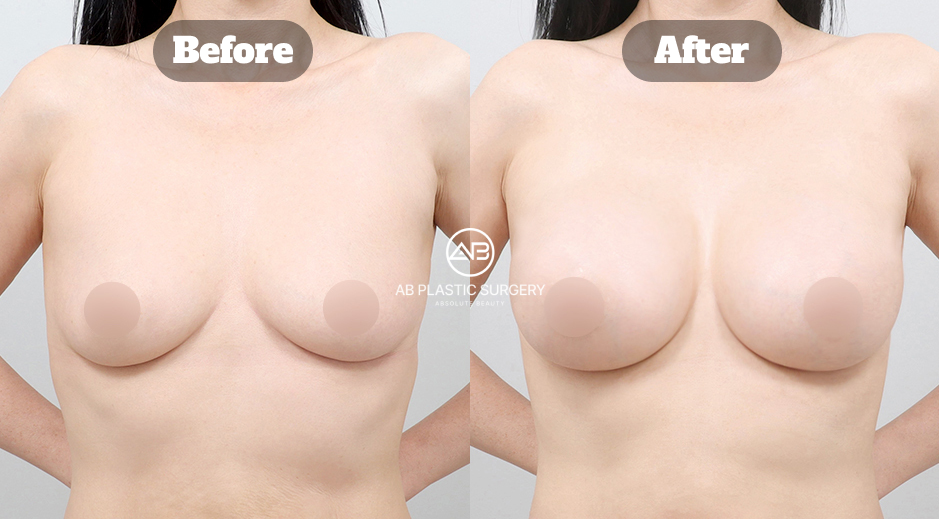
Breast reduction surgery may be considered when breast size or weight causes physical discomfort, restricts daily activities, or feels disproportionate to the rest of the body. The procedure reduces excess volume while reshaping the remaining breast tissue and, when necessary, repositioning the nipple and areola.
The decision should not be based on bra size alone. Two people with the same cup size may have different chest widths, breast composition, skin elasticity, degrees of sagging, and physical symptoms. Candidacy must therefore be assessed according to both the patient’s concerns and the anatomical factors that affect what can be safely and realistically changed.
Common Reasons for Considering Breast Reduction
Patients may consider breast reduction for a combination of functional and aesthetic concerns, including:
-
Persistent neck, shoulder, or upper-back discomfort associated with heavy breasts
-
Shoulder grooves caused by bra straps
-
Skin irritation or moisture beneath the breast fold
-
Difficulty exercising or participating in physical activities
-
Problems finding bras or clothing that fit comfortably
-
Breast volume that feels out of balance with the chest, shoulders, or torso
-
Significant sagging or a low nipple position associated with breast weight
-
Noticeable differences in the size or position of the two breasts
Breast reduction may help when these concerns are related to breast size. However, it cannot be assumed to resolve every source of back, neck, or shoulder pain, so other possible causes should also be considered during the medical evaluation.
When the Timing of Surgery May Need Reconsideration
Breast size and shape can change with weight fluctuation, pregnancy, breastfeeding, hormonal changes, and aging. Patients planning substantial weight loss or pregnancy in the near future should discuss whether postponing surgery could provide a more stable long-term result.
Breast development should also be sufficiently stable before surgery. Smoking, uncontrolled medical conditions, or other factors that may affect anesthesia or wound healing require individual assessment. A sudden change in one breast, a newly detected lump, nipple discharge, or another unexplained symptom should be medically evaluated before cosmetic surgical planning proceeds.
Suitable timing and candidacy ultimately depend on the patient’s health, breast anatomy, symptoms, future plans, and willingness to accept permanent scars and other potential surgical risks.
How Is a Balanced Breast Reduction Designed for Your Body?
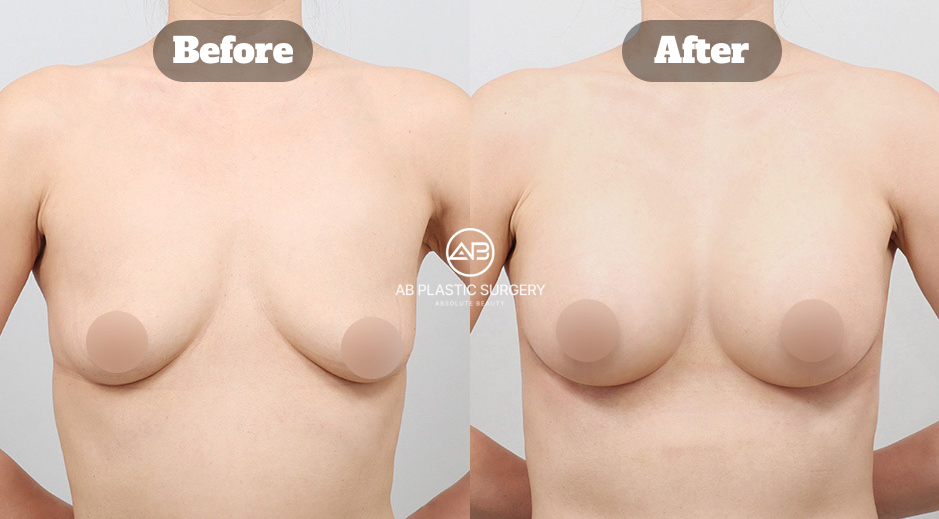
A balanced breast reduction is designed around the patient’s body rather than one predetermined cup size. The surgeon must consider how the breasts relate to the chest, shoulders, torso, and overall frame while determining how much tissue can be removed without compromising the remaining breast shape or blood supply.
The goal may differ from patient to patient. Some prioritize reducing physical weight, while others want improved proportions, less sagging, better symmetry, or easier clothing fit. Defining these priorities before surgery helps establish a more realistic and individualized plan.
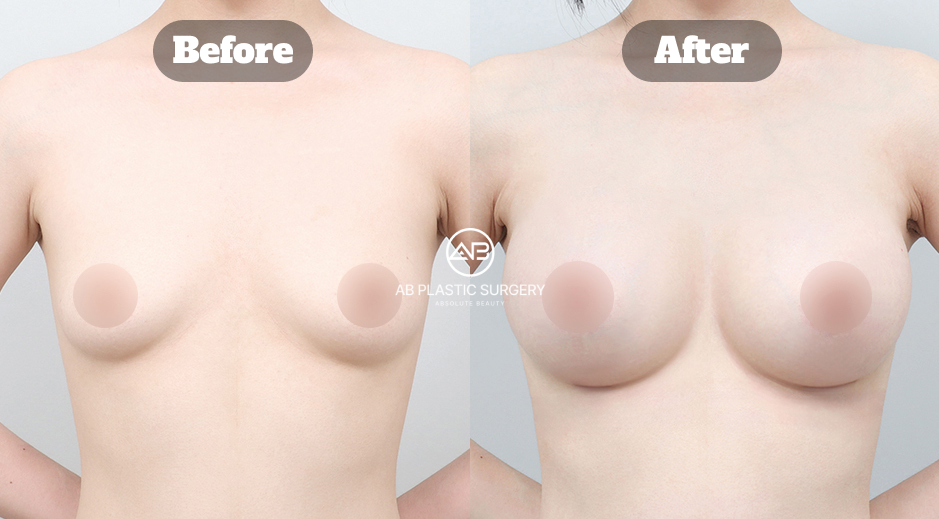
Why Cup Size Alone Cannot Determine the Result
Bra cup sizes vary between brands, countries, and band measurements. Two patients who wear the same reported cup size may therefore have substantially different breast volumes and chest dimensions. The amount of tissue removed also does not translate into an exact number of cup sizes for every patient.
Surgeons instead evaluate measurable anatomical factors and discuss the desired visual result. Reference photographs may help communicate whether the patient prefers a smaller, lighter, or more proportionate appearance, but they cannot guarantee an identical shape or postoperative bra size.
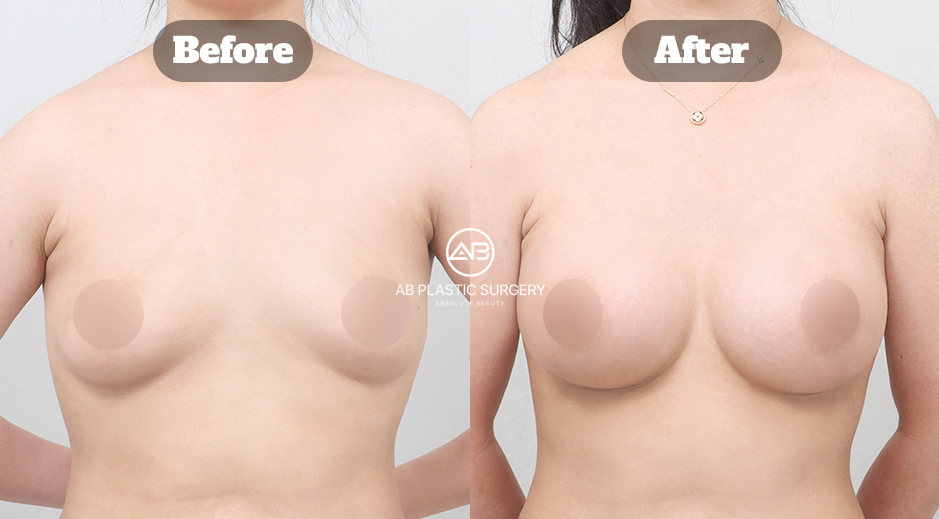
Key Factors in Breast Reduction Planning
|
Evaluation Factor |
Why It Matters |
|---|---|
|
Height, shoulders, and torso |
Help determine how the reduced breasts will relate to the patient’s overall frame. |
|
Chest and breast width |
Affect the appropriate breast base, projection, and remaining volume. |
|
Nipple, areola, and breast-fold position |
Influence how much lifting and repositioning may be required. |
|
Skin elasticity and tissue composition |
Affect reshaping, support, incision planning, and how the breasts may settle. |
|
Existing asymmetry |
May require different removal and reshaping plans for the left and right breasts. |
|
Symptoms and personal priorities |
Clarify whether weight reduction, shape, symmetry, activity, or scar length is the main concern. |
|
Pregnancy and weight plans |
May affect the timing and long-term stability of the result. |
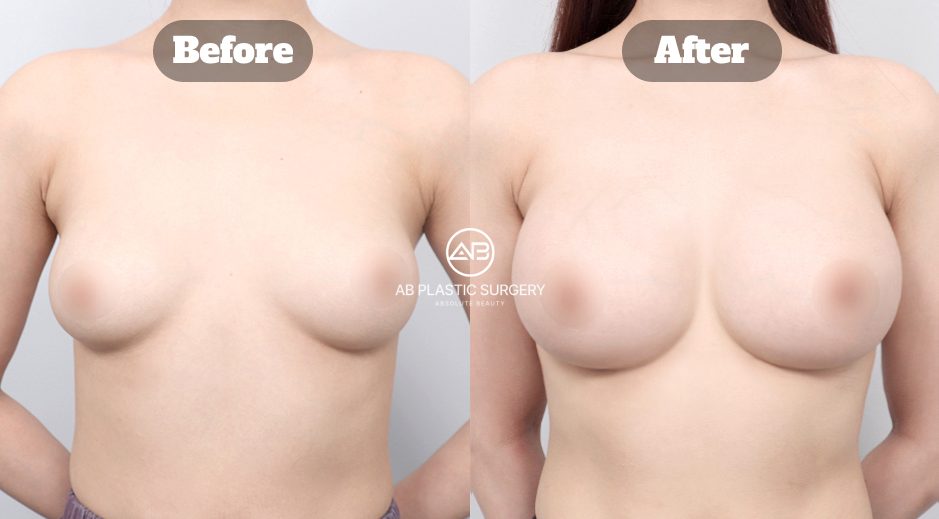
Personalized Consultation and Asymmetry Planning at AB
AB’s breast design consultation considers measurements such as height, weight, breast width, chest circumference, skin and fat-layer thickness, nipple position, breast-fold position, and differences in left and right breast volume. The patient’s preferred size, physical symptoms, lifestyle, and concerns about scars are also discussed before selecting a surgical approach.
When the breasts are naturally uneven, the amount of tissue removed from each side may differ. Differences in the chest wall, nipple height, breast fold, or tissue distribution can also influence the final appearance. Surgery may reduce visible asymmetry, but perfect symmetry cannot be guaranteed.
Breast health is another part of appropriate planning. Depending on the patient’s age, symptoms, medical history, family history, and previous examinations, ultrasound, mammography, or another evaluation may be recommended before surgery. The specific examination plan should be determined during medical consultation rather than applied identically to every patient.
AB Plastic Surgery also presents its participation in IFAAS breast surgery academic activities as part of its ongoing focus on breast surgery planning and technique. Academic participation provides a relevant trust signal, but it does not guarantee a particular surgical result.
Ultimately, a balanced design is not defined by making the breasts as small as possible. It is created by balancing safe tissue removal, symptom relief, breast shape, scars, nipple position, and the proportions of the patient’s body.
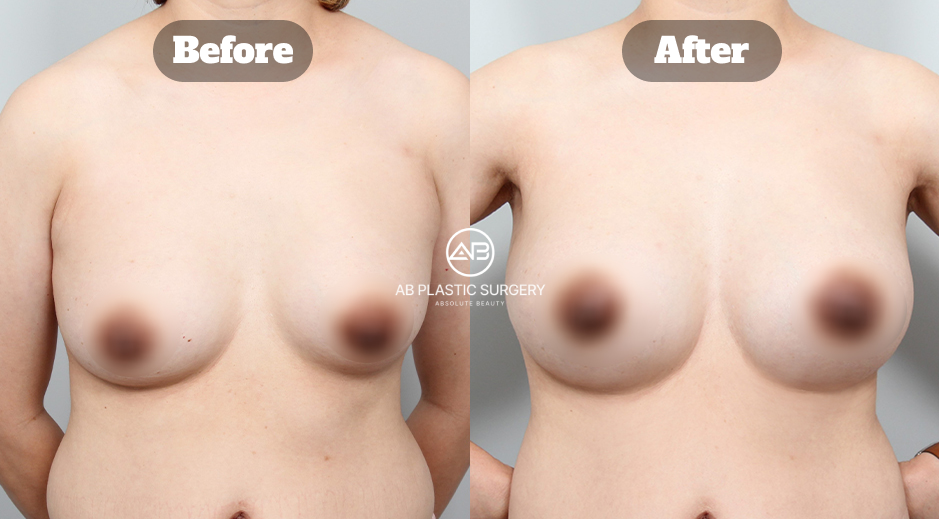
Breast Reduction Techniques: Choosing the Appropriate Incision
The incision pattern for breast reduction surgery is selected according to the amount of tissue and skin that must be removed, the degree of sagging, the position of the nipple and areola, and the shape that can be created with the remaining tissue. A shorter scar is not automatically the better option if it does not provide enough access for the required reduction and reshaping.
It is also important to distinguish the visible incision pattern from the internal technique. The external pattern describes where scars will remain, while the internal tissue-preserving method determines how the nipple and areola maintain their connection to blood vessels, nerves, and breast tissue. The final plan must consider both.
Comparing the Main Breast Reduction Incision Patterns
|
Technique |
Typical Use |
Incision Pattern |
Main Consideration |
|---|---|---|---|
|
Periareolar |
Selected cases requiring a relatively limited reduction |
Around the areola |
Offers a shorter scar but has a limited ability to remove excess skin and reshape larger or significantly sagging breasts. |
|
Vertical or Lollipop |
Moderate reduction and lifting |
Around the areola and vertically down to the breast fold |
Provides more reshaping than a periareolar approach while avoiding a full horizontal scar in appropriate patients. |
|
Inverted-T or Anchor |
Larger reductions or more significant sagging |
Around the areola, vertically down, and along the breast fold |
Allows broader removal and reshaping but creates the longest incision pattern. |
Periareolar reduction may be suitable when only a limited amount of tissue and skin needs to be removed. However, trying to use this shorter incision for a breast that requires extensive correction may restrict reshaping or place excessive tension around the areola.
Vertical reduction offers a middle ground for selected patients, while the inverted-T approach provides greater access when substantial volume, excess skin, or sagging must be addressed. Although the horizontal portion of an anchor scar is longer, it is generally positioned within the breast fold.
All three methods create permanent scars, and none can guarantee preserved nipple sensation or breastfeeding ability. Scar appearance, healing, sensation, and final shape vary according to the surgical plan and the patient’s individual healing response.
Does Breast Reduction Surgery Include a Breast Lift?
Breast reduction often includes a lifting component because removing volume alone would not correct excess skin or a low nipple position. After tissue is removed, the remaining breast is reshaped and the nipple and areola may be repositioned to fit the new breast contour.
A breast lift and a breast reduction are nevertheless different in their primary goals. A breast lift mainly addresses sagging and shape, whereas breast reduction removes a more meaningful amount of volume and weight. The distinction depends on how much tissue is removed and what the patient wants to change.
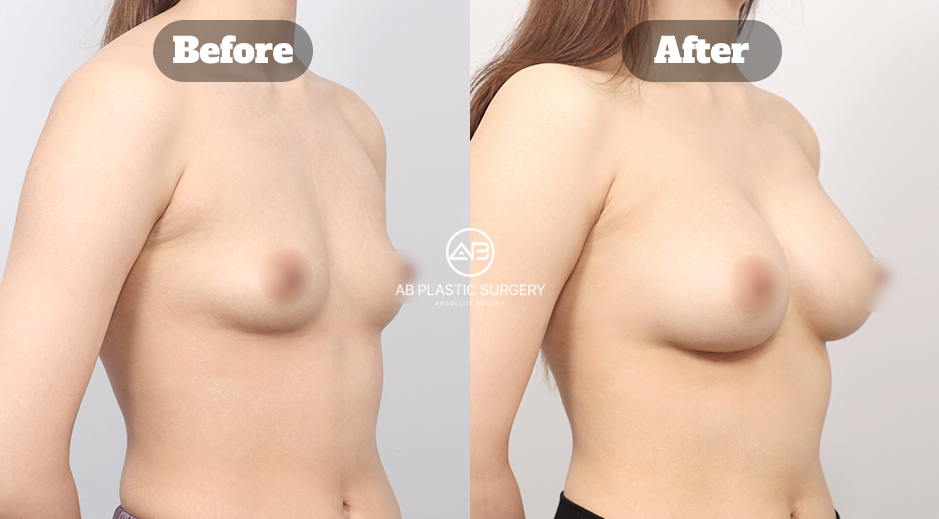
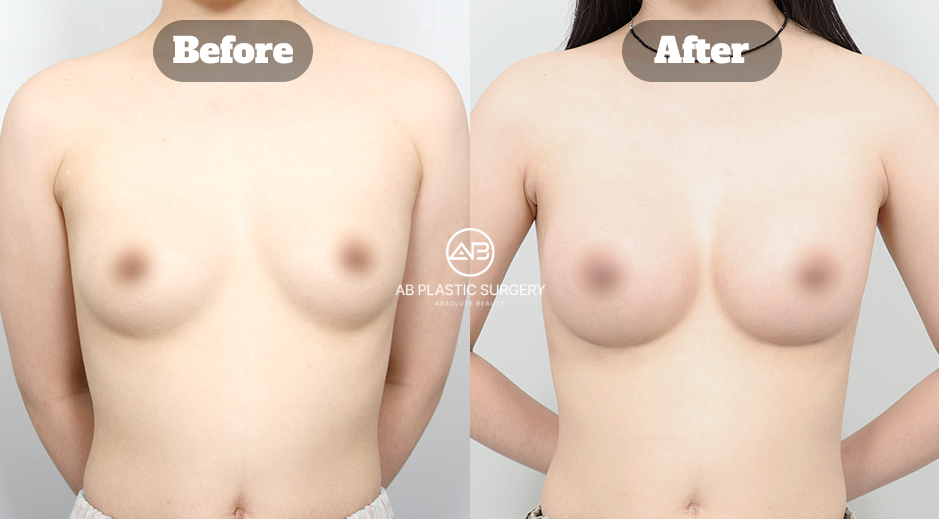
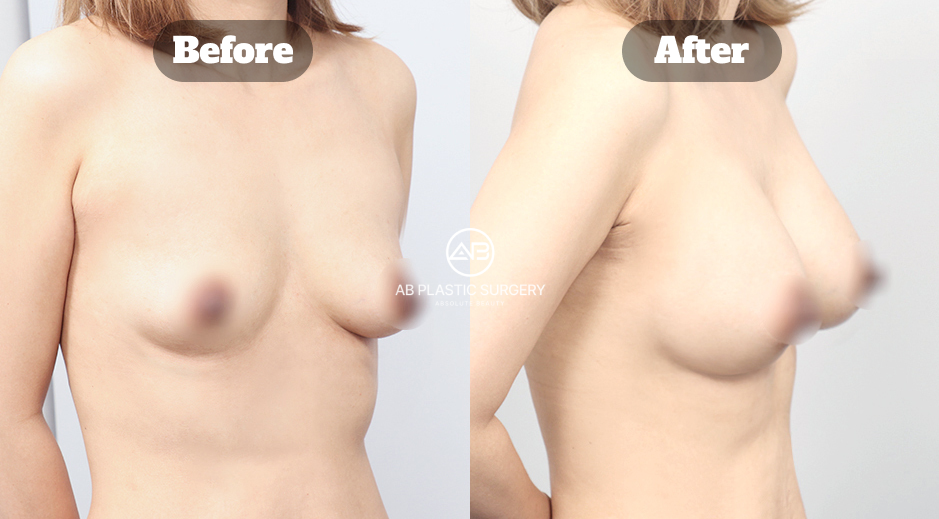
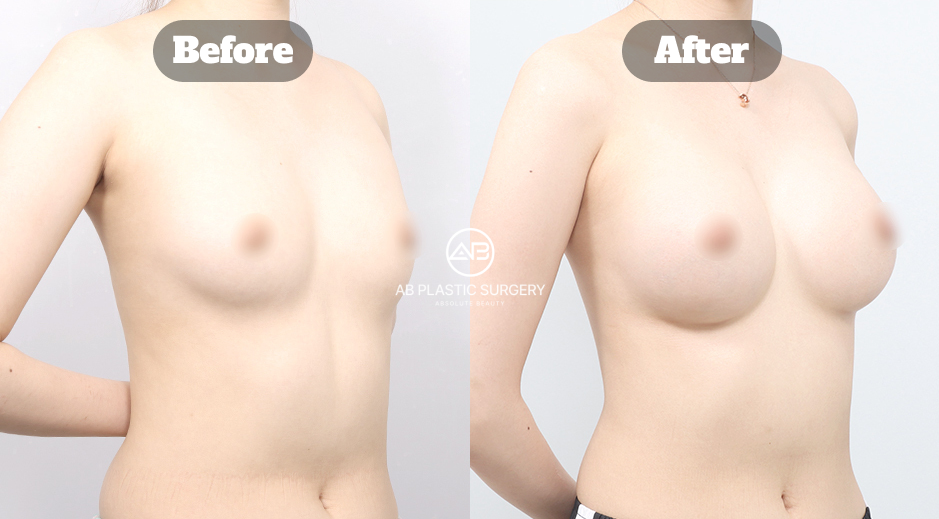
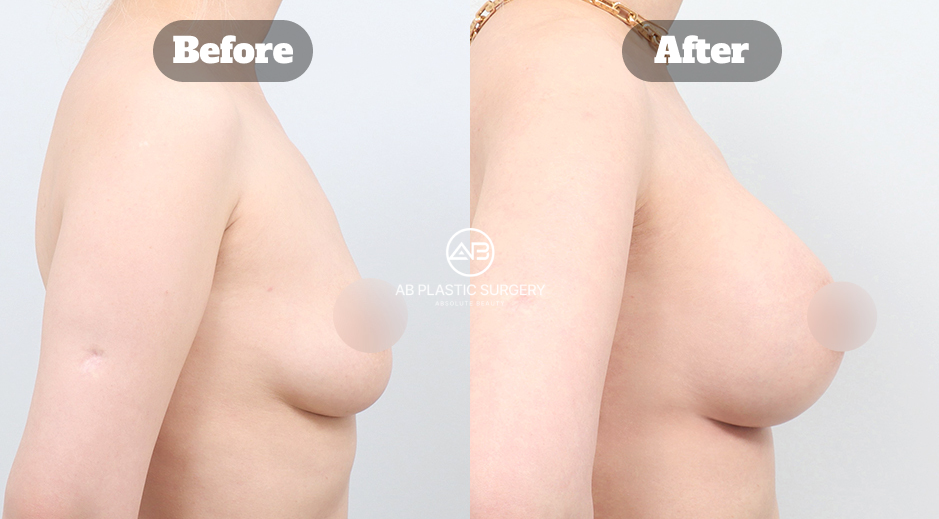
When reviewing plastic surgery before-and-after results, patients should compare cases with similar starting anatomy and confirm when each photograph was taken. Early images may still show swelling or a shape that has not fully settled, and no reference case can predict an identical individual result.
Breast Reduction Recovery, Scars, and Risks
Recovery after breast reduction surgery occurs in stages. Basic daily activities may resume before swelling, breast shape, sensation, and scars have fully stabilized, so “return to daily life” should not be confused with complete recovery.
The timeline varies according to the amount of tissue removed, the incision pattern, individual healing, general health, and the surgeon’s postoperative protocol. Patients should follow their own medical instructions rather than using another patient’s recovery as a fixed schedule.
A Practical Breast Reduction Recovery Timeline
|
Stage |
Common Changes |
General Planning |
|---|---|---|
|
First few days |
Swelling, bruising, tightness, tenderness, and fatigue |
Rest, short walks, prescribed wound care, and support garments as directed |
|
Weeks 1–2 |
Discomfort generally improves, although swelling and limited arm movement may remain |
Light activities or desk work may be possible depending on healing and job demands |
|
Weeks 3–6 |
Movement becomes easier and the breasts gradually soften |
Driving, lifting, and exercise should resume only after individual medical clearance |
|
Months 3–6 |
More swelling resolves and the breast contour continues to settle |
Size and symmetry can be assessed more reliably than during early recovery |
|
Months 6–12+ |
Scars continue to mature while long-term shape becomes clearer |
Follow-up and scar management may continue when recommended |
Immediately after surgery, the breasts may appear higher, firmer, or less symmetrical than expected. Swelling can decrease at different rates on each side, and the lower breast contour may take time to settle. For this reason, early photographs and bra measurements should not be treated as the final result.
How Breast Reduction Scars Change
All surgical breast reduction techniques leave permanent scars. Their location and length depend mainly on whether a periareolar, vertical, or inverted-T incision is used. Scars may initially appear red, firm, raised, or darker than the surrounding skin before gradually softening and fading.
Final scar appearance varies with skin characteristics, genetics, incision tension, smoking, sun exposure, wound healing, and postoperative care. Some patients may develop hypertrophic or keloid scars. Scar treatments should begin only after the incisions have closed and the surgeon confirms that they are appropriate.
“Scarless breast reduction” is therefore not an accurate description of surgical reduction. The realistic goal is to position incisions carefully and manage healing, not to promise that scars will disappear.
Sensation, Breastfeeding, and Other Surgical Risks
Temporary numbness, tingling, hypersensitivity, or reduced sensation may occur as the nerves recover. Some changes can be permanent. The degree of risk depends partly on the amount of reduction, nipple movement, internal tissue-preserving technique, and individual healing.
Breastfeeding may remain possible after some breast reduction procedures, but it cannot be guaranteed. Removal and repositioning of breast tissue can affect milk ducts, glandular tissue, nerves, and blood supply. Patients who consider future breastfeeding important should discuss this priority before the surgical method is selected.
Other potential risks include:
-
Bleeding or hematoma
-
Infection
-
Delayed wound healing or wound separation
-
Fluid accumulation
-
Fat necrosis or firm areas within the breast
-
Changes in breast or nipple sensation
-
Differences in breast size, shape, or nipple position
-
Unfavorable scarring
-
Partial tissue loss involving the skin, nipple, or areola
-
Anesthesia, blood clot, cardiac, or pulmonary complications
-
The possible need for additional treatment or revision surgery
When to Contact the Medical Team
Patients should promptly contact their medical team if they experience rapidly increasing swelling on one side, persistent bleeding, spreading redness, foul-smelling drainage, worsening pain, wound separation, fever, or an unusual change in the color of the nipple or areola.
Chest pain, shortness of breath, or new calf pain and swelling require urgent medical attention. Postoperative concerns should be assessed by the treating medical team rather than diagnosed from photographs or other patients’ experiences online.
Breast Reduction Surgery in Korea: Cost, Safety, and Planning
International patients considering breast reduction surgery in Korea should evaluate more than the quoted surgical fee. The plan should also account for preoperative assessment, anesthesia, postoperative visits, recovery support, length of stay, and the arrangements available after returning home.
Because breast reduction is planned according to individual anatomy and surgical complexity, an accurate quote and schedule generally require a review of the patient’s health information, breast condition, photographs, and treatment goals.
How Much Does Breast Reduction Surgery Cost at AB?
According to AB Plastic Surgery’s current price reference, breast reduction surgery starts from KRW 15,000,000. This is a starting price rather than a fixed fee for every patient.
The final quote may vary according to:
-
Existing breast volume and the amount of tissue and skin to be removed
-
The degree of sagging and nipple repositioning required
-
Differences between the left and right breasts
-
The selected incision pattern and internal surgical method
-
Operating time and overall surgical complexity
-
Required preoperative examinations and postoperative care
Before confirming surgery, patients should ask which services are included in the quote, such as medical examinations, anesthesia, medication, dressings, support garments, follow-up visits, and additional care if healing requires further treatment. Prices and included services may change, so the final written quote provided after consultation should take priority.
Preoperative Breast Evaluation
The assessment may include a review of current symptoms, previous breast conditions, family history, medications, smoking, pregnancy plans, and earlier ultrasound or mammography results. Depending on the patient’s age, symptoms, and medical history, additional breast imaging or testing may be recommended.
International patients should provide relevant medical records in advance whenever possible. A new lump, nipple discharge, recent one-sided change, or another unexplained breast symptom may require further evaluation before cosmetic surgical planning continues.

How AB Approaches Surgical Safety
Breast reduction surgery is performed under anesthesia and requires coordinated safety checks before, during, and after the procedure. AB Plastic Surgery presents preoperative verification, operating room CCTV, real-time patient monitoring, and postoperative observation as parts of its plastic surgery safety system.
Before surgery, the medical team uses cross-check processes to review the patient, surgical site, planned procedure, and relevant health information. During surgery, operating room CCTV supports a transparent surgical environment, while real-time monitoring is used to track the patient’s condition throughout the procedure.
According to AB Plastic Surgery’s published safety content , the hospital has recorded zero medical accident cases since opening in September 2020. This describes AB’s published record to date and should not be interpreted as a guarantee that surgery is risk-free or that complications cannot occur.
The specific examinations, monitoring methods, postoperative observation, and emergency-response preparations may vary according to the patient’s health and surgical plan. Patients should therefore confirm how anesthesia will be managed, where initial recovery will take place, and how urgent concerns will be handled before proceeding with surgery.
Planning Your Stay in Korea
A breast reduction trip should include enough time for an in-person examination before surgery and for early postoperative follow-up before departure. The appropriate stay cannot be determined from the surgery date alone because dressing changes, wound checks, drain management when applicable, and the need for suture removal can vary.
International patients should confirm:
-
When the in-person consultation and preoperative tests will take place
-
Whether postoperative observation or admission is planned
-
The expected schedule for dressings and wound checks
-
Whether drains or removable sutures may be used
-
When the surgeon expects to assess fitness for travel
-
How follow-up will continue after the patient returns home
-
Who to contact if a recovery concern develops
Patients should also arrange practical support for luggage, transportation, dressing, meal preparation, and other activities that may require lifting or extensive arm movement during early recovery.
Those preparing for treatment can use AB Plastic Surgery’s Free Online 1:1 Consultation to submit their concerns and receive preliminary guidance. Final candidacy, surgical design, cost, and travel timing remain subject to an in-person medical assessment.

Frequently Asked Questions About Breast Reduction Surgery
How many cup sizes can breast reduction surgery remove?
The amount of reduction depends on breast anatomy, tissue composition, skin quality, nipple position, and the blood supply that must be preserved. Because bra sizing varies between brands, surgeons generally plan around safe tissue removal, symptom relief, breast shape, and body proportions rather than guaranteeing an exact postoperative cup size.
Does breast reduction surgery include a breast lift?
In most cases, yes. Breast reduction usually removes excess tissue and skin while reshaping the remaining breast and repositioning the nipple and areola. This produces a lifting effect as part of the reduction, although the surgical plan varies according to the degree of sagging and the patient’s anatomy.
Are breast reduction scars permanent?
Breast reduction incisions leave permanent scars, but their color and firmness commonly change as healing progresses. The final scar pattern depends on the selected technique. Individual skin characteristics, wound healing, sun exposure, smoking, and postoperative scar care can also influence how noticeable the scars remain.
How long does breast reduction recovery take?
Early recovery generally involves swelling, bruising, tightness, and temporary limits on upper-body activity. Return to desk work and normal daily routines varies by patient and job demands. Strenuous exercise, heavy lifting, and chest-focused activity should resume only after the surgeon confirms that healing is sufficient.
Can I breastfeed after breast reduction surgery?
Breastfeeding may remain possible after breast reduction, but it cannot be guaranteed. The likelihood depends partly on the surgical technique and how much connection is preserved between the nipple, milk ducts, nerves, and underlying tissue. Future pregnancy and breastfeeding goals should be discussed during consultation.
Can nipple sensation change after breast reduction?
Temporary changes in nipple or breast sensation can occur as swelling decreases and nerves recover. Sensation may improve over time, but persistent reduction or other long-term changes are possible. The risk can vary with the amount of reduction, the incision pattern, and the method used to preserve nipple blood supply.
Can breast reduction correct breast asymmetry?
Breast reduction can be planned to improve differences in breast volume, shape, fold position, or nipple height. Different amounts of tissue may be removed from each side when appropriate. However, perfect symmetry cannot be guaranteed because natural differences in the chest wall, breast footprint, and healing may remain.
Can breasts become larger again after reduction surgery?
Removed tissue does not simply grow back, but the remaining breast can still change with weight fluctuation, pregnancy, hormonal changes, and aging. Maintaining a relatively stable weight may help preserve the postoperative result, although normal changes in breast shape can continue over time.
How much does breast reduction surgery cost in Korea?
Cost varies according to the complexity of the reduction, the selected technique, anesthesia, facility services, postoperative care, and whether additional correction is required. A personalized quotation should be provided after the surgeon evaluates the patient’s anatomy and treatment goals.
International patients can request an individualized estimate through AB Plastic Surgery’s 1:1 online consultation .
How long should international patients stay in Korea?
The recommended stay depends on the surgical plan, early healing, and the surgeon’s follow-up schedule. Patients should allow enough time for postoperative checks before flying and should confirm travel timing individually rather than relying on a fixed itinerary.
AB Plastic Surgery provides an international patient service to help coordinate consultation, treatment, and follow-up arrangements.



This article is for informational purposes only and does not replace a personal medical consultation.