Title
How to Get Rid of a Double Chin: Why Your Jawline Isn’t Defined and When to Consider Neck LiftingDate
2026-05-27Views
1869
AB Blog
How to Get Rid of a Double Chin and Define Your Jawline
Table of Contents
1. Why Do You Have a Double Chin? It’s Not Just Fatt
2. The 3 Real Causes of an Undefined Jawline
3. Why Most Double Chin Solutions Don’t Work (And How to Get Rid of a Double Chin Effectively)
4. Double Chin Treatment Guide: What Works for Fat, Loose Skin, and Sagging
5. When Is Neck Lifting the Right Solution for a Double Chin or Undefined Jawline?
6. What Defines a Naturally Attractive Jawline?
7. Jawline Contouring and Neck Lifting in Korea: What to Check Before Treatment
8. The AB Plastic Surgery Korea Approach to Double Chin, Jawline, and Neck Lifting
9. Double Chin & Jawline Treatment FAQ
A double chin can be frustrating—especially when it doesn’t seem to match your overall body shape. Many people assume it’s simply caused by weight gain, but in reality, an undefined jawline and double chin often result from a combination of fat, skin laxity, and structural changes.
This is why even individuals who are not overweight may still struggle with a lack of jawline definition. As the lower face and neck area change over time, the jawline can gradually lose its sharp contour, making the face appear heavier or less defined.
In this guide, we’ll break down why double chins form, why common solutions often fail, and what actually works depending on your condition. More importantly, you’ll learn when non-surgical treatments may be enough—and when procedures like neck lifting become necessary for long-lasting jawline definition.
If you’ve been trying to improve your jawline without seeing clear results, understanding the real cause is the first step toward choosing the right solution.
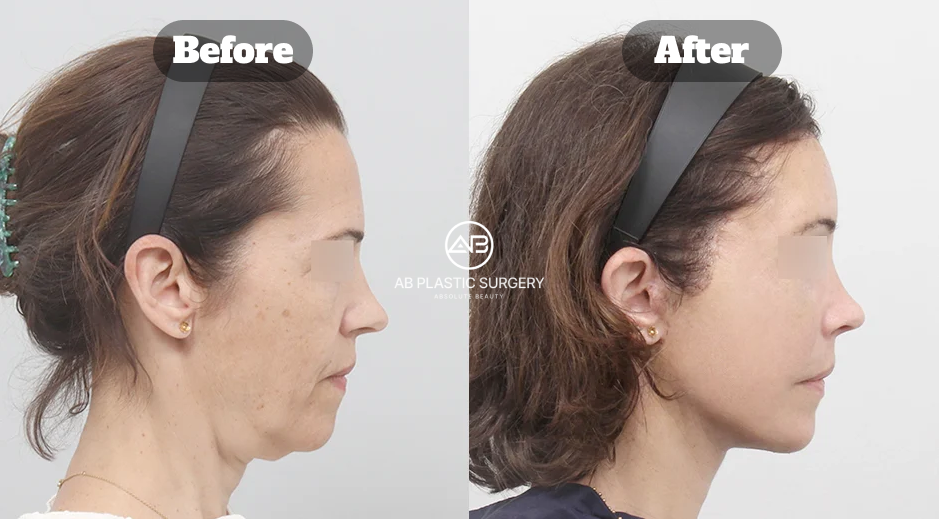
Why Do You Have a Double Chin? It’s Not Just Fat
More Than Just Weight Gain
One of the most common misconceptions about a double chin is that it is caused solely by excess weight. While fat accumulation can certainly contribute, many individuals develop a double chin even without significant weight gain.
This is because the lower face and neck area are influenced by multiple factors, not just body fat. As a result, focusing only on weight loss often does not lead to noticeable improvement in jawline definition.
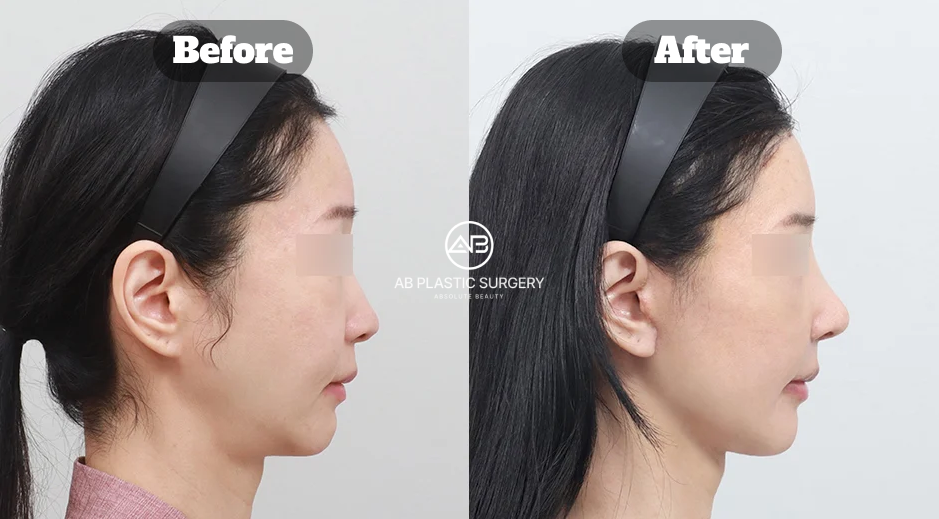
The Three Key Causes of a Double Chin
To understand why a double chin appears, it’s important to break it down into three main categories. Each requires a different approach for effective correction.
-
Fat Accumulation: Excess fat stored under the chin (submental fat) can create fullness and blur the jawline.
-
Skin Laxity: As skin loses elasticity with age, it begins to sag, making the jawline appear less defined.
-
Structural Changes: Weakening of underlying muscles and connective tissues can cause the neck area to lose support, leading to a drooping appearance.
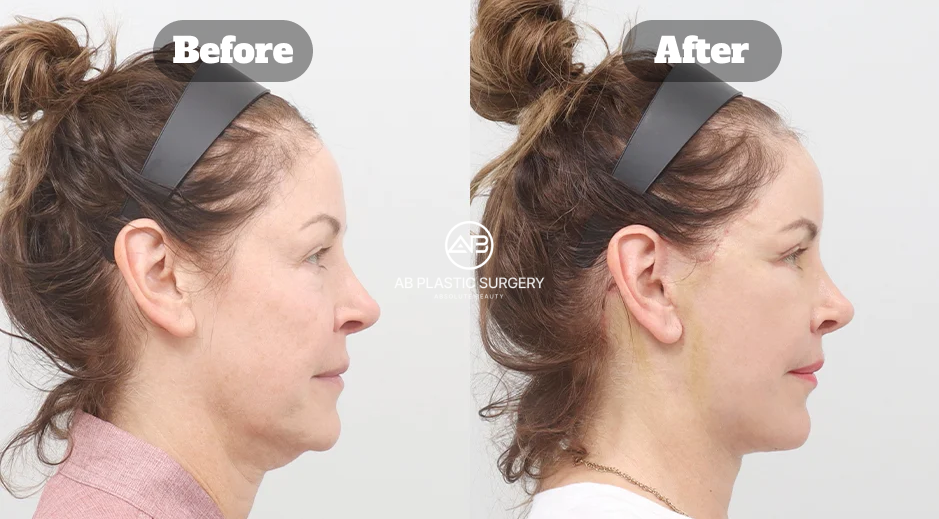
Why Identifying the Cause Matters
Each of these causes affects the jawline differently, which means there is no one-size-fits-all solution. Treatments that work for fat reduction may not improve skin laxity, and non-surgical approaches may have limited impact on structural issues.
This is why accurate diagnosis is essential. Understanding whether your double chin is primarily caused by fat, skin, or structural factors helps determine whether non-surgical treatments are sufficient—or if more comprehensive solutions like neck lifting should be considered.
Why the Jawline Is One of the First Areas to Change
The jawline and neck are particularly vulnerable to visible aging due to gravity, repetitive movement, and thinner skin compared to other areas of the face. Over time, these factors combine to reduce definition and create a heavier lower facial appearance.
Because of this, jawline changes are often one of the earliest signs of facial aging, making it a key area of concern for individuals seeking a more defined and balanced facial profile.
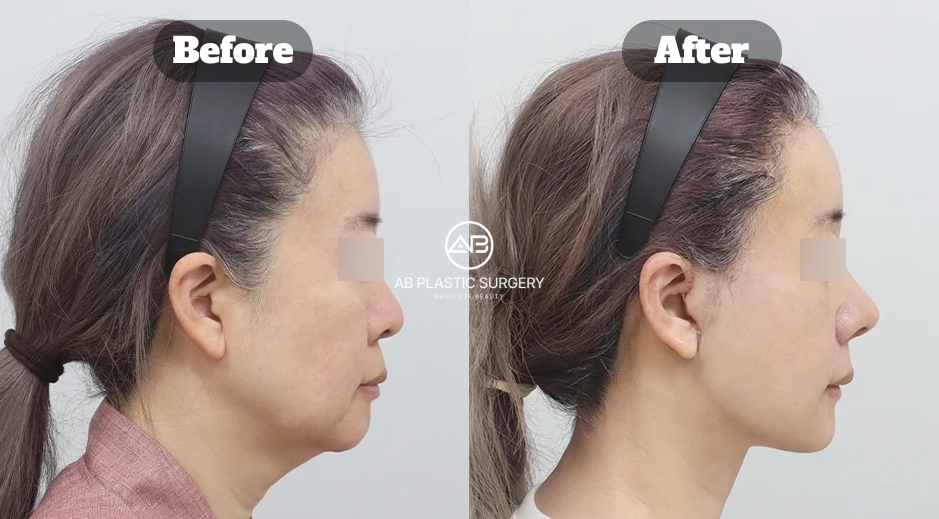
The 3 Real Causes of an Undefined Jawline
Why the Jawline Loses Definition Over Time
A well-defined jawline is often associated with a youthful and balanced facial appearance. However, many people notice that their jawline gradually becomes less defined—even without major weight changes.
This happens because jawline definition is not controlled by a single factor, but by a combination of fat, skin condition, and structural support. When one or more of these elements change, the contour of the lower face begins to blur.
1. Fat: The Most Visible but Not the Only Cause
Submental fat, commonly known as fat under the chin, is often the most noticeable contributor to a double chin. Even a small amount of fat accumulation in this area can soften the jawline and create a fuller appearance.
However, fat alone does not explain all cases of jawline blurring. Many individuals with relatively low body fat still experience a lack of definition, which indicates other underlying causes.
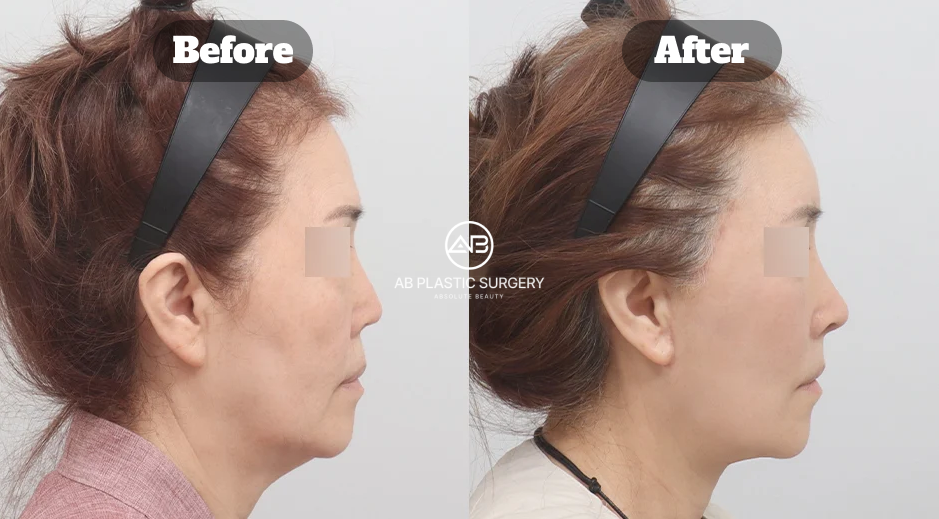
2. Skin Laxity: Loss of Tightness and Elasticity
As we age, the skin naturally loses collagen and elasticity. This leads to sagging, especially in areas like the lower face and neck where the skin is thinner and more exposed to movement.
When the skin begins to loosen, even a small amount of sagging can disrupt the clean line of the jawline, making it appear less sharp and more rounded.
3. Structural Changes: The Hidden Factor Most People Miss
One of the most overlooked causes of an undefined jawline is structural change. Over time, the muscles and connective tissues that support the lower face weaken, and the positioning of deeper layers can shift.
This results in a downward pull effect that affects both the jawline and neck area, often creating a heavier and less contoured appearance even without significant fat or skin sagging.
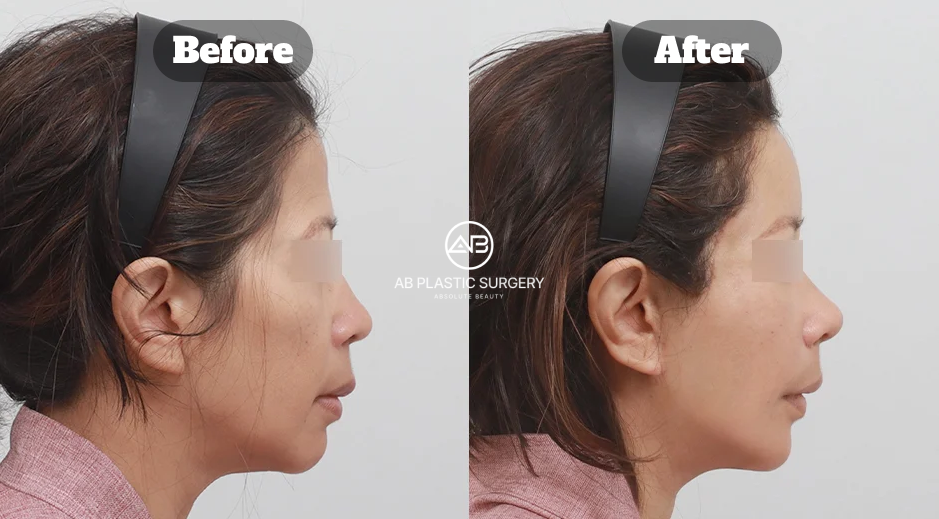
Why Most Treatments Fail Without Proper Diagnosis
Because these three causes often exist together, treating only one factor may not lead to noticeable improvement. For example:
-
Fat reduction alone may not tighten loose skin
-
Skin tightening may not address deeper structural sagging
-
Non-surgical treatments may have limited impact on advanced changes
Accurately identifying the primary cause—or combination of causes—is essential for achieving a defined and long-lasting jawline.
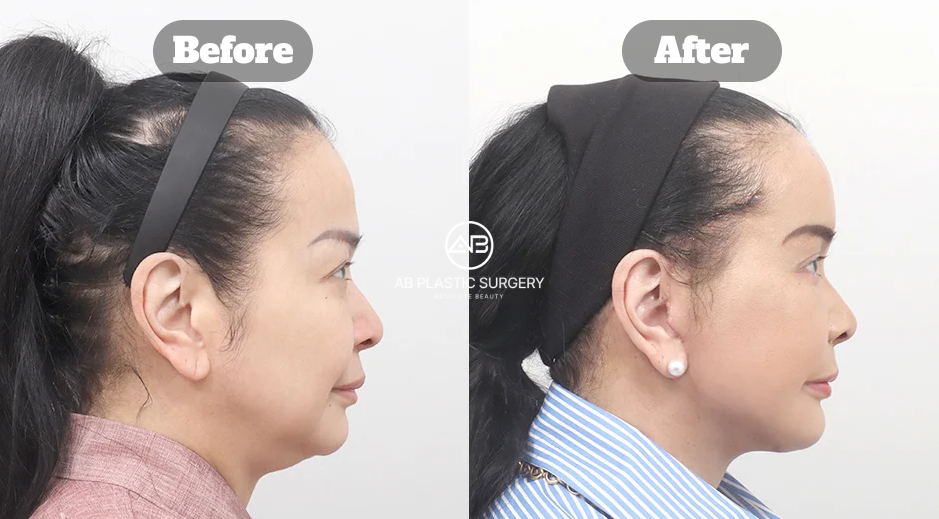
Why Most Double Chin Solutions Don’t Work (And How to Get Rid of a Double Chin Effectively)
The Expectation vs Reality Gap
Many people try to get rid of a double chin through dieting, facial exercises, or non-surgical treatments—yet often see little to no lasting change. This is not because these methods never work, but because they are often applied without understanding the real cause of the problem.
As explained earlier, a double chin is rarely caused by a single factor. When treatments are chosen based on assumptions rather than diagnosis, the results are usually limited or temporary.
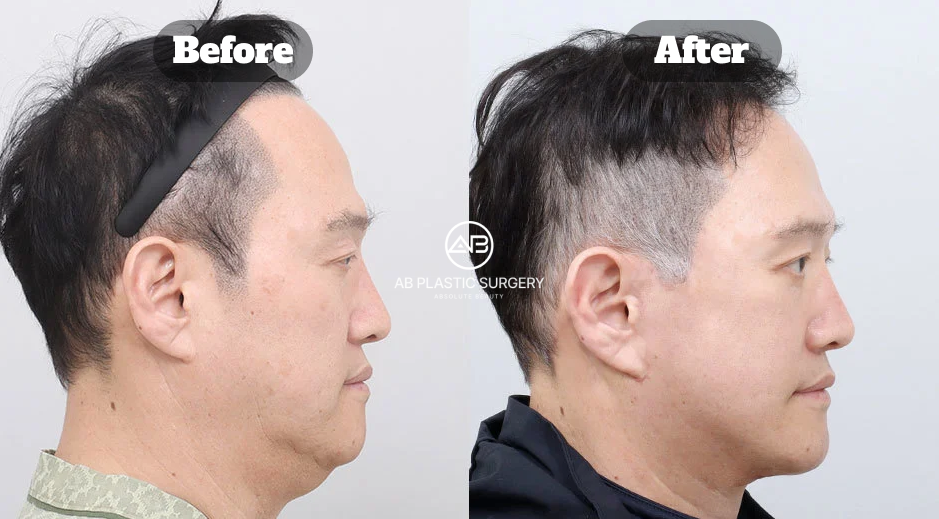
Why Diet and Exercise Alone Are Not Enough
Weight loss can reduce overall body fat, but it does not selectively target fat under the chin, which is why it is often not the best way to get rid of a double chin. In many cases, submental fat remains even after significant weight reduction, and skin laxity may become more noticeable as volume decreases.
Facial exercises are often promoted as a solution, but their impact on fat reduction and skin tightening is minimal. While they may improve muscle tone slightly, they cannot fundamentally change fat distribution or skin elasticity, making them less effective for those looking for how to lose a double chin fast.
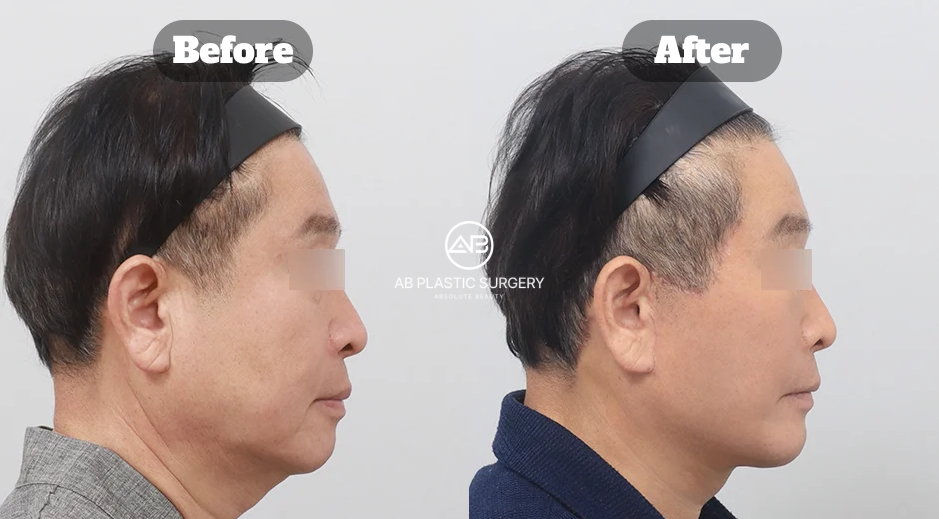
Limitations of Non-Surgical Treatments
Non-surgical options such as fat-dissolving injections or energy-based skin tightening devices can be effective in specific cases. However, their results depend heavily on the underlying cause.
-
Fat-reduction treatments may improve mild fullness but do not tighten significantly loose skin
-
Skin-tightening devices can enhance elasticity but have limited impact on deeper structural sagging
-
Multiple sessions are often required, and results may not be permanent
Because of these limitations, non-surgical treatments tend to work best in early or mild cases, rather than in more advanced conditions.
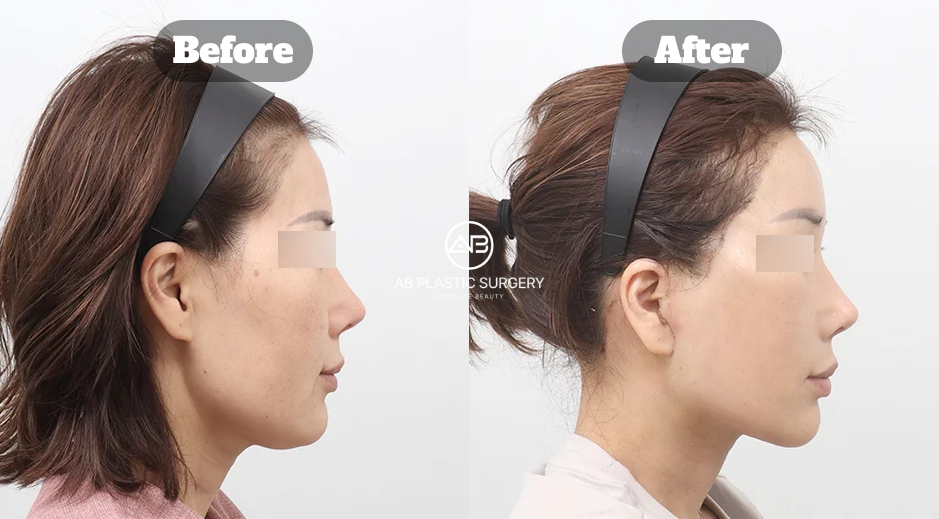
The Most Common Reason for Unsatisfactory Results
The biggest reason why many people feel disappointed after treatment is simple: the chosen solution does not match the actual cause.
For example:
-
Treating fat when the main issue is skin laxity
-
Trying skin tightening when structural sagging is present
-
Expecting non-surgical treatments to replace surgical outcomes
In these cases, even well-performed procedures may fail to produce visible improvement.
What Actually Makes a Difference
Real improvement in jawline definition comes from matching the treatment to the root cause. This often means combining approaches or choosing a more comprehensive solution when necessary.
Understanding these limitations is crucial, because it leads to a more realistic expectation—and more importantly, to choosing a treatment that delivers visible and lasting results.
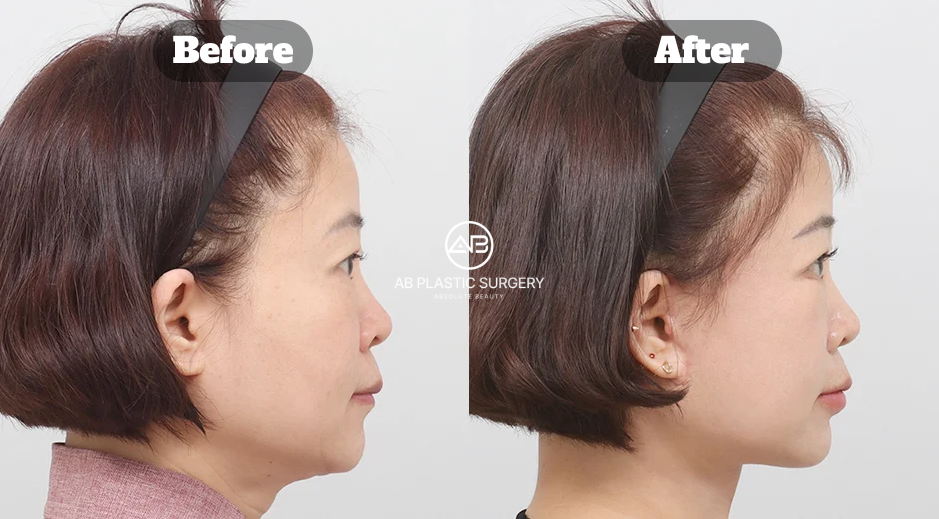
Double Chin Treatment Guide: What Works for Fat, Loose Skin, and Sagging
Why One Solution Doesn’t Fit Everyone
After understanding the causes and limitations of common treatments, the next step is choosing the right solution. The key principle is simple: the effectiveness of any treatment depends on matching it to your specific condition.
This means identifying whether your double chin is primarily caused by fat, skin laxity, or structural changes—and selecting a treatment accordingly.
Understanding how facial contouring procedures are actually performed can help you make a more informed decision.
Treatment Options Based on the Main Cause
|
Main Cause |
Recommended Approach |
Limitations |
|---|---|---|
|
Fat Accumulation |
Fat-dissolving injections or liposuction |
Does not improve loose skin |
|
Skin Laxity |
Energy-based tightening treatments or lifting procedures |
Limited effect on deeper structures |
|
Structural Sagging |
Neck lifting surgery |
Requires recovery time |
When Non-Surgical Treatments Are Enough (And When They Are Not the Best Treatment for a Double Chin)
Non-surgical treatments can be effective when the condition is mild and primarily related to fat or early-stage skin laxity, especially for those looking for how to get rid of a double chin without surgery. In these cases, gradual improvement can be achieved with repeated sessions.
However, the results are often subtle and may require ongoing maintenance, meaning they may not always be the best treatment for a double chin, particularly when deeper structural issues are involved. They are best suited for individuals looking for minimal downtime rather than dramatic change.
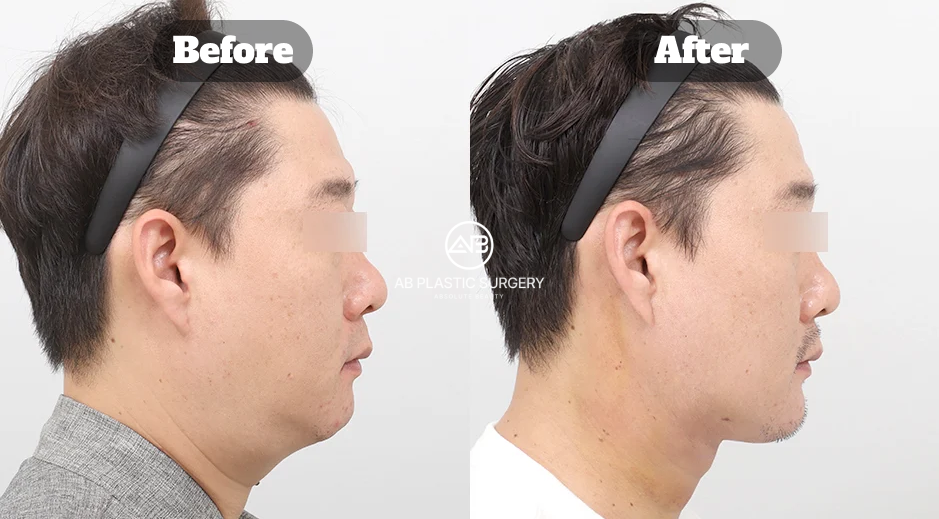
When Surgical Solutions Become Necessary
As the condition progresses, non-surgical methods may no longer provide noticeable improvement. When skin laxity becomes more pronounced or structural sagging is present, surgical intervention is often the only way to restore a defined jawline.
Procedures such as neck lifting address deeper layers that cannot be corrected with surface-level treatments, making them more effective for long-term results.
Neck Lift vs Non-Surgical Treatments: What’s the Difference?
Choosing between non-surgical treatments and neck lifting depends on the severity of your condition and the type of result you are expecting. Understanding the differences can help you decide the best treatment for a double chin based on your goals.
|
Factor |
Non-Surgical Treatments |
Neck Lifting Surgery |
|---|---|---|
|
Effectiveness |
Best for mild fat or early skin laxity |
Effective for moderate to severe sagging and structural issues |
|
Results |
Subtle and gradual improvement |
More dramatic and clearly defined jawline results |
|
Longevity |
Temporary, requires maintenance |
Long-lasting double chin removal results |
|
Downtime |
Minimal or no downtime |
Requires recovery period |
|
Best For |
Those looking for how to get rid of a double chin without surgery |
Those seeking long-term jawline definition and structural correction |
In simple terms, non-surgical treatments are suitable for early-stage concerns, while neck lifting is often the most effective option when looking for long-lasting and clearly defined jawline results.
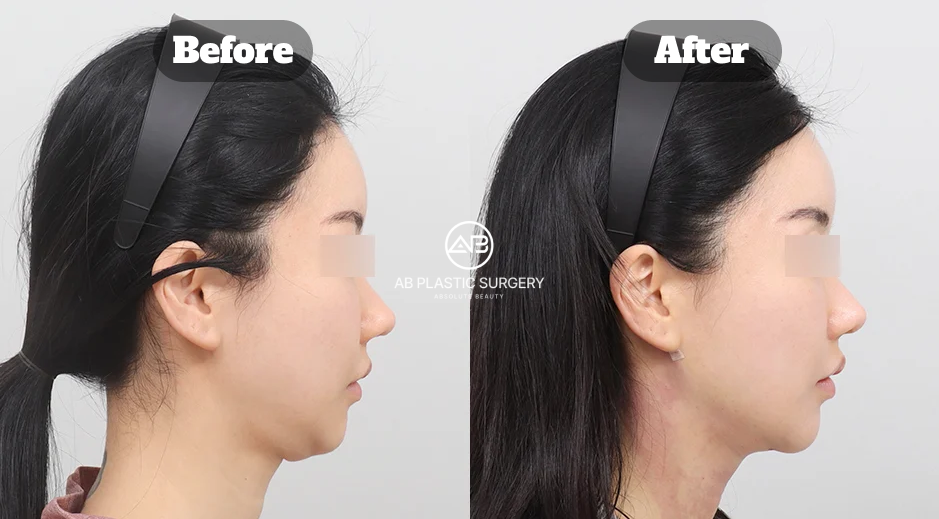
Combining Treatments for Optimal Results
In many cases, the most effective approach is not choosing one treatment over another, but combining them.
-
Fat reduction + skin tightening
-
Liposuction + neck lifting
-
Surgical correction + post-treatment skin management
This combined strategy allows for more balanced, natural-looking, and longer-lasting results.
For patients looking to achieve a more defined and balanced facial contour , combining treatments can often deliver the most effective results. Explore jawline contouring solutions designed to match your facial structure.
The Importance of Personalized Treatment Planning
Ultimately, the success of any jawline treatment depends on proper evaluation and planning. A personalized approach based on anatomical assessment is essential for achieving predictable and satisfying results.
How Much Does Double Chin Removal or Neck Lifting Cost in Korea?
When considering treatments for a double chin or an undefined jawline, one of the most common questions is about cost. The price varies depending on whether you choose non-surgical treatments or surgical procedures such as neck lifting.
Below is a general cost range based on typical procedures in Korea:
-
Fat-dissolving injections / non-surgical treatments: from $150 per session
-
Accusculpt (laser fat reduction): from $1,560 per area
-
Submentoplasty (chin/neck fat + structure correction): from $3,740
-
Neck lifting surgery: from $2,990
-
Full facelift (including neck area): from $7,200
Non-surgical treatments are typically more affordable initially but may require multiple sessions. In contrast, surgical procedures such as neck lifting provide more structural and long-lasting results, which is why they are often considered a long-term solution.
Important: The exact cost can vary significantly depending on your individual condition, treatment combination, and surgical complexity. A personalized consultation is essential to determine the most appropriate approach and accurate pricing.
Wondering how much your specific case will cost? Check personalized pricing and plan your treatment schedule here.
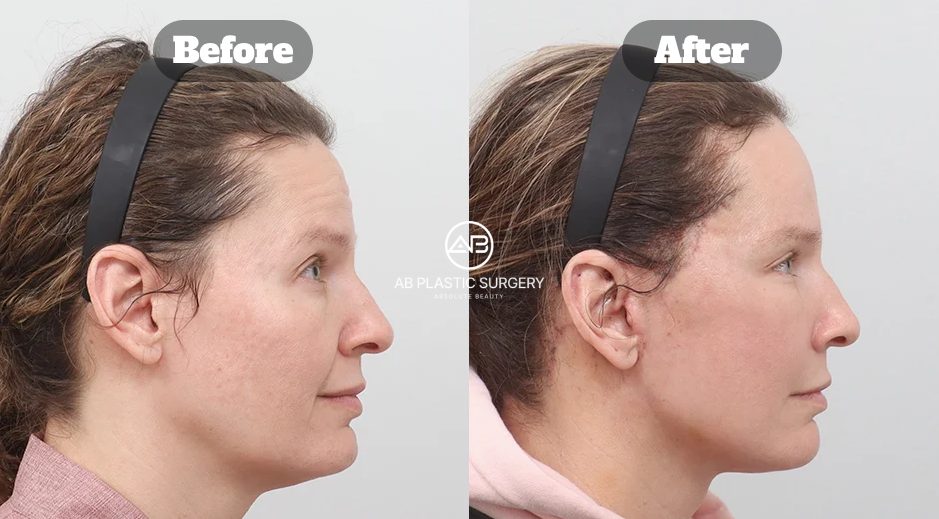
When Is Neck Lifting the Right Solution for a Double Chin or Undefined Jawline?
Why Timing Matters More Than You Think
One of the most important decisions in jawline treatment is knowing when non-surgical options are no longer enough. Many patients continue trying injections or lifting devices even when their condition has progressed beyond what these treatments can realistically improve.
This often leads to repeated procedures with minimal visible change, delaying the opportunity to achieve a clearly defined jawline.
Key Signs That Neck Lifting May Be Necessary
While every case is different, there are several common signs that indicate a need for a more structural approach such as neck lifting:
-
Persistent sagging skin that does not improve with tightening treatments
-
A blurred or heavy jawline even after fat reduction procedures
-
Visible neck banding or folds caused by muscle laxity
-
Downward pulling of the lower face, affecting overall facial balance
In these situations, the issue is not just surface-level—it involves deeper layers that require surgical correction.
What Makes Neck Lifting Different
Unlike non-surgical treatments, neck lifting addresses not only the skin but also the underlying structures that define the jawline and neck contour.
-
Tightens loose skin
-
Repositions underlying muscles
-
Removes or redistributes excess fat
This comprehensive approach allows for a sharper, more defined jawline that cannot be achieved through surface-level treatments alone.
Is Neck Lifting Only for Severe Cases?
Not necessarily. While neck lifting is often associated with advanced aging, it is increasingly considered by patients who want long-term, predictable results rather than temporary improvements.
For individuals experiencing early structural changes, choosing surgery at the right time can prevent further progression and reduce the need for repeated treatments.
The Importance of Proper Evaluation
Deciding whether to proceed with neck lifting should not be based on age alone, but on a detailed evaluation of your anatomy and condition.
A precise diagnosis helps determine whether non-surgical treatments are sufficient or if a structural correction is required to achieve the desired outcome.
This step is critical in avoiding unnecessary procedures and ensuring that the chosen treatment delivers visible and lasting improvement.
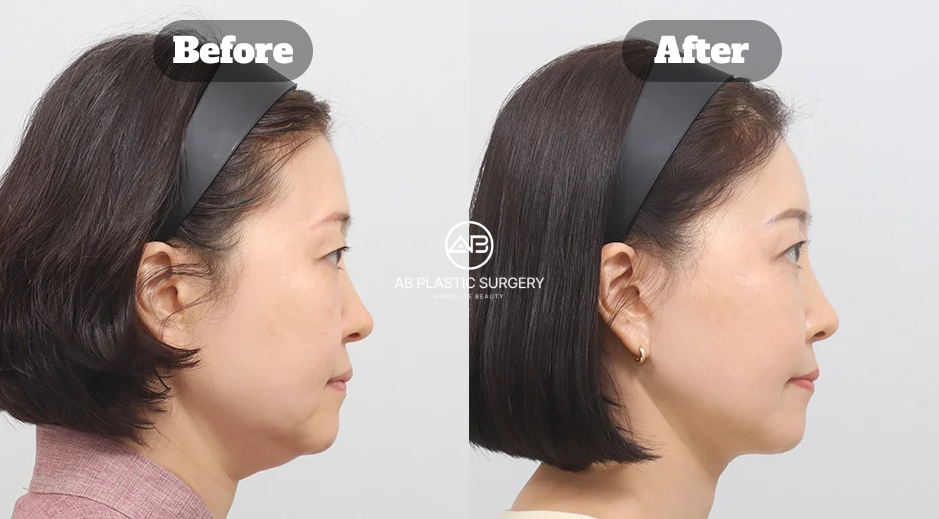
What Defines a Naturally Attractive Jawline?
Beyond a Sharp Line: Balance and Proportion
When people think of a defined jawline, they often imagine a sharp, angular contour. However, in clinical practice, a naturally attractive jawline is not defined by sharpness alone, but by overall balance and proportion.
The goal is not to create an artificial or overly tight appearance, but to achieve a contour that complements the entire face while maintaining natural expression.
Key Elements of a Well-Defined Jawline
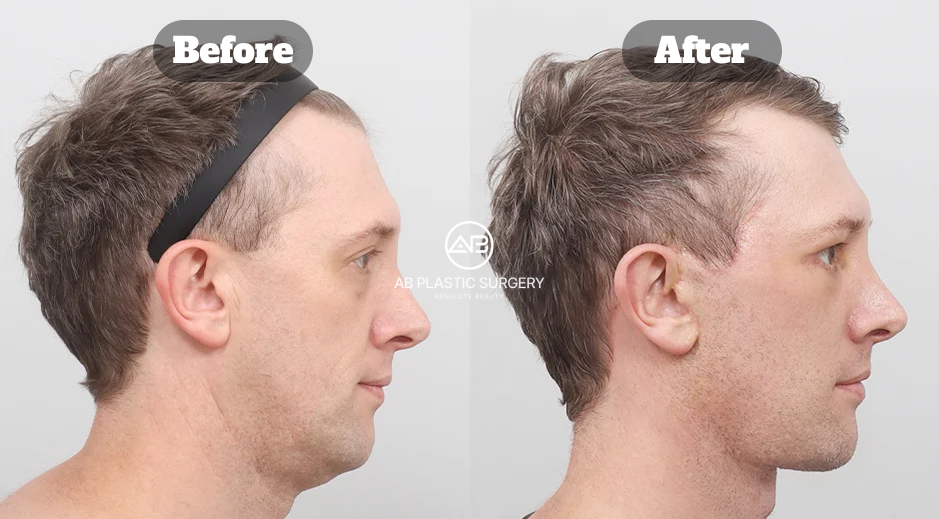
A harmonious jawline is typically determined by several structural and visual factors working together:
-
Clear separation between the face and neck
-
Smooth, continuous contour from chin to ear
-
Balanced volume without excessive fullness or hollowness
-
Natural skin tension without an over-pulled look
When these elements are aligned, the jawline appears more defined, even without dramatic changes.
Why Overcorrection Can Look Unnatural
In some cases, excessive fat removal or overly aggressive tightening can lead to an unnatural result. This may create:
-
A hollow or overly sharp lower face
-
Visible tension in the skin
-
A mismatch between the jawline and the rest of the face
The objective is refinement, not exaggeration. A natural jawline should enhance facial structure without drawing attention to the procedure itself.
Individual Anatomy Matters
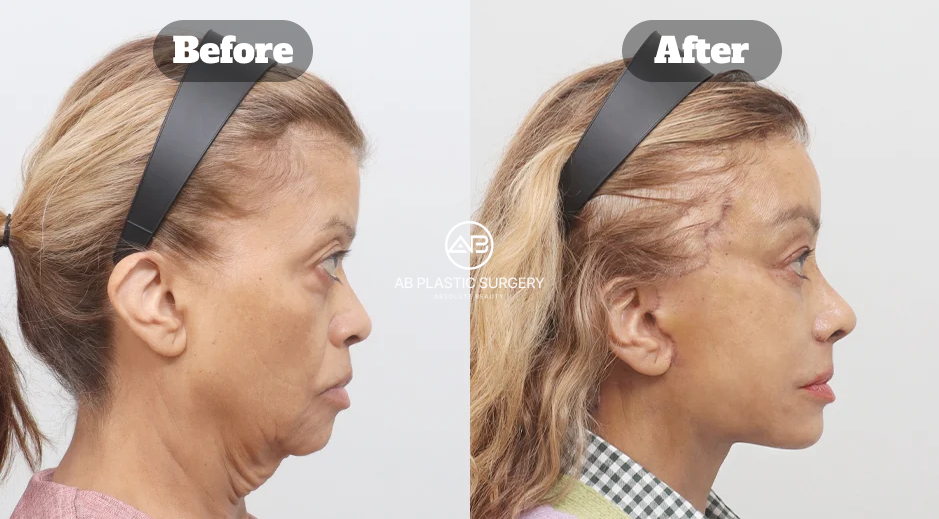
Every face has a different bone structure, fat distribution, and skin condition. This means that there is no single “ideal jawline” that fits everyone.
For some individuals, subtle contouring may be enough. For others, structural correction may be necessary to restore balance. The key is designing a result that fits the individual, rather than following a fixed standard.
What Patients Should Focus On
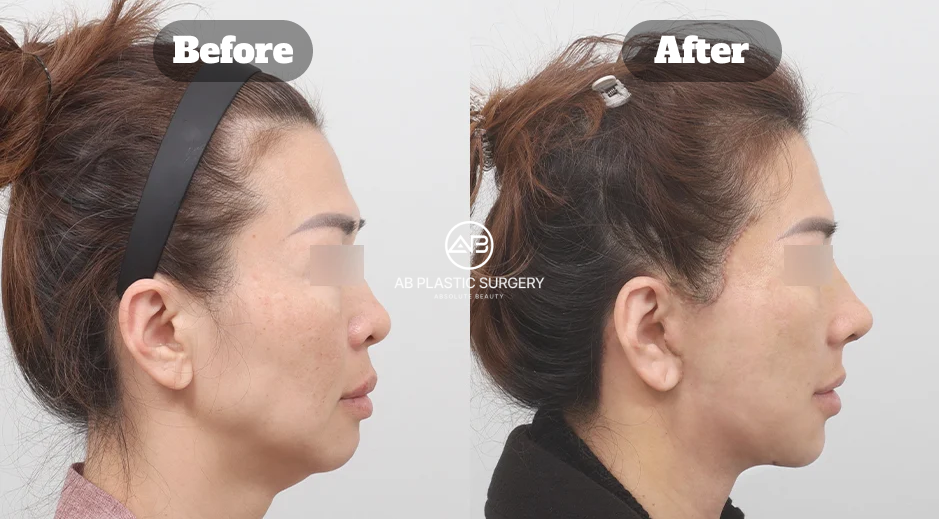
Instead of aiming for a specific shape, patients should focus on outcomes that:
-
Improve overall facial harmony
-
Enhance natural proportions
-
Provide long-term stability
A well-defined jawline is ultimately one that looks natural, balanced, and consistent with your facial structure.

Jawline Contouring and Neck Lifting in Korea: What to Check Before Treatment
Why Choosing the Right Clinic Matters
When considering jawline or neck lifting procedures in Korea, the outcome depends on more than just the surgical technique. Clinic selection plays a critical role in safety, recovery, and long-term results.
For international patients in particular, choosing a clinic with a structured medical environment can significantly impact both the treatment experience and overall outcome.
Understanding potential risks is essential before making a decision . Learn how to avoid unsatisfactory results.
1. Systemized Safety Infrastructure
-
Continuous monitoring during surgery
-
Transparent operating environment
-
Standardized safety protocols
A structured safety system is one of the most important factors in minimizing surgical risk.
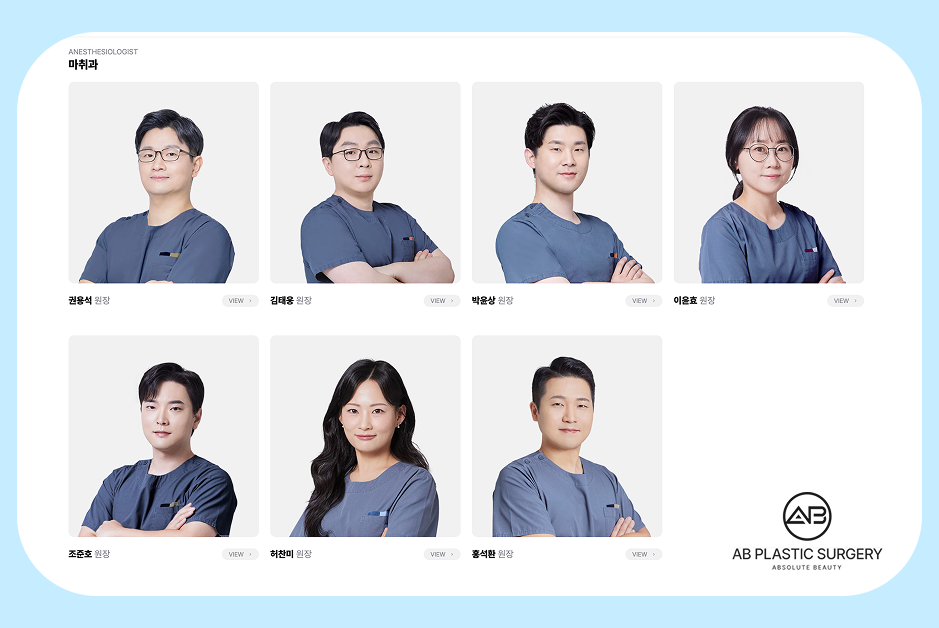
2. Anesthesia and Medical Supervision
-
Presence of a dedicated anesthesiology specialist
-
Real-time monitoring of vital signs
Proper anesthesia management directly impacts patient safety and surgical stability.
In plastic surgery, anesthesia safety is one of the most critical factors that directly impacts the overall surgical outcome and patient experience. This is especially important for procedures performed under sleep anesthesia in plastic surgery, where continuous monitoring is essential.
At AB Plastic Surgery Korea, a board-certified anesthesiologist is present on-site for every procedure, ensuring that each patient’s condition is carefully monitored throughout the entire process—from pre-anesthesia evaluation to post-operative recovery.
Since opening, the clinic has maintained a record of zero anesthesia-related accidents, supported by a structured anesthesia management system and real-time monitoring protocols. This safety-focused approach provides an additional layer of reassurance, particularly for international patients considering surgery abroad.
3. Accurate Diagnosis Before Treatment
-
Identification of the cause (fat, skin, or structure)
-
Clear explanation of treatment options
-
Understanding of expected results and limitations
Accurate diagnosis is essential for selecting the right treatment approach.
4. Post-Treatment Care System
-
Structured recovery programs
-
Clear aftercare guidelines
-
Access to medical support
Recovery management plays a key role in achieving stable results.
5. Experience with International Patients
-
Multilingual consultation support
-
Coordinated treatment scheduling
-
Experience with short-term recovery planning
For overseas patients, communication and coordination are critical factors.
Check whether the clinic is officially certified for international patients .
Why These Factors Matter
Even the same procedure can lead to completely different outcomes depending on the medical system behind it.
Carefully evaluating these factors before treatment can significantly reduce risk and improve long-term satisfaction.

The AB Plastic Surgery Korea Approach to Double Chin, Jawline, and Neck Lifting
A Structural Approach Focused on the Root Cause
At AB Plastic Surgery Korea, jawline and neck contouring is not approached as a standardized procedure. Each case is analyzed based on the underlying cause of the double chin, including fat accumulation, skin laxity, and structural support.
This allows for a targeted treatment strategy that directly addresses the root of the issue, rather than applying a one-size-fits-all solution.
Customized Treatment Combinations
Depending on the diagnosis, treatment may involve a combination of techniques such as:
-
Selective fat contouring
-
Skin tightening or repositioning
-
Structural lifting when necessary
This combination-based approach leads to more balanced and natural results, especially in complex cases where a single method is not sufficient.
Designed for Natural and Long-Term Results
The goal is not to create an overly sharp or artificial jawline, but to achieve a natural contour that harmonizes with the overall facial structure.
By focusing on structural balance rather than temporary correction, results are designed to remain stable over time.
See real patient results to understand achievable outcomes .
Treatment Planning for International Patients
For international patients, treatment planning is structured to consider both surgical outcome and recovery timeline.
This includes coordinated scheduling, recovery guidance, and post-treatment planning tailored to short-term stays.
The goal is to ensure that patients can undergo treatment with clarity and confidence, even when traveling from abroad.
A Balanced Approach to Aesthetic Results
Rather than focusing on aggressive changes, AB Plastic Surgery Korea emphasizes proportion, balance, and facial harmony.
This philosophy reflects a broader shift in aesthetic trends toward results that look natural both immediately and over time.
Read real patient experiences before making your decision .
Double Chin & Jawline Treatment FAQ
Is a double chin only caused by weight gain?
No. While weight gain can contribute, a double chin is often caused by a combination of fat, skin laxity, and structural changes. This is why even individuals who are not overweight may still develop an undefined jawline.
Why does my jawline look undefined even if I am not overweight?
This usually happens due to skin laxity or structural weakening rather than fat. As the skin loses elasticity and underlying support decreases, the jawline can appear less defined even without excess weight.
Can exercise or diet really get rid of a double chin?
Diet and exercise may reduce overall body fat, but they do not specifically target fat under the chin or improve loose skin. This is why results are often limited, especially if skin laxity or structural issues are involved.
What non-surgical treatments work for double chin and jawline?
Non-surgical options include fat-dissolving injections and energy-based skin tightening treatments. These can be effective in mild cases, but their impact is limited when deeper structural changes are present.
How long do non-surgical jawline treatments last?
Results vary depending on the treatment type and individual condition, but most non-surgical results are temporary and require maintenance sessions to sustain improvement over time.
When is neck lifting necessary instead of non-surgical treatments?
Neck lifting is typically recommended when skin sagging or structural changes are significant and cannot be corrected with non-surgical methods. It addresses deeper layers for more noticeable and long-lasting results.
Is neck lifting permanent?
Neck lifting provides long-lasting improvement by correcting structural issues, offering more stable double chin removal results compared to temporary treatments. While natural aging continues, the results are significantly more durable compared to non-surgical treatments, which is why many patients consider it the most effective option when looking for lasting jawline definition.
What is the recovery time after neck lifting surgery?
Recovery time varies depending on the individual, but most patients can return to daily activities within 1–2 weeks, with gradual improvement as swelling subsides.
Can double chin and jawline be treated at the same time?
Yes. In many cases, combining treatments such as fat removal and lifting procedures provides more balanced and effective results than addressing a single issue alone.
How do I know which treatment is right for my case?
The most reliable way is through a professional consultation that evaluates fat, skin condition, and structural factors. This ensures that the chosen treatment aligns with your specific condition and goals.
How much does double chin removal or neck lifting cost in Korea?
The cost of double chin removal or neck lifting in Korea depends on the treatment type and individual condition.
-
Non-surgical treatments (fat dissolving): from $150 per session
-
Accusculpt (laser fat reduction): from $1,560
-
Submentoplasty: from $3,740
-
Neck lifting surgery: from $2,990
-
Full facelift (including neck): from $7,200
Non-surgical treatments may require multiple sessions, while surgical procedures such as neck lifting provide more structural and long-lasting results.
Because each patient’s anatomy and treatment plan are different, the final cost can vary. A personalized consultation is the most accurate way to determine the appropriate treatment and pricing.
Get your personalized cost estimate and treatment plan based on your condition and goals.
Because every case is different, the most accurate way to understand pricing is through consultation . Get your personalized cost estimate based on your condition and goals.
This article is for informational purposes only and does not replace a personal medical consultation.