Title
Facial Contouring Surgery in Korea: Options & Recovery | ABDate
2025-12-10Views
9617
AB Blog
Facial Contouring Surgery in Korea: Procedures and Recovery
Table of Contents
1. Understanding Facial Contour Surgery
2. Who Is a Good Candidate? Common Indications
3. Major Facial Contouring Techniques
4. Step-by-Step Surgical Process and Recovery
5. Expected Results and Longevity
6. Facial Contour Surgery Cost in Korea
7. Frequently Asked Questions (FAQ)
8. Why Patients Choose AB Plastic Surgery Korea
Facial contour surgery is a highly specialized field in South Korea, sought by individuals who wish to refine facial proportions, correct structural imbalance, or achieve a more harmonious and balanced appearance. Unlike soft-tissue treatments, bone contouring requires precise anatomical understanding, advanced surgical planning, and careful evaluation of each patient’s facial structure. For many international patients, Korea has become a leading destination due to its specialized techniques, consistent outcomes, and medical systems that prioritize accuracy and safety throughout the treatment process.
This guide explains the essential concepts, candidate indications, surgical options, and recovery expectations that patients should understand before considering facial contour surgery in Korea.
Understanding Facial Contour Surgery
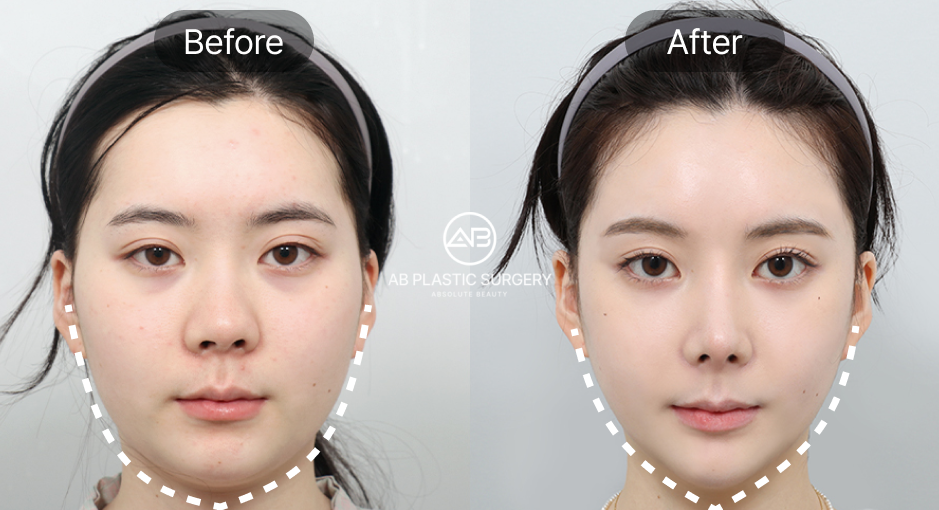
Facial contour surgery refers to a group of bone-reshaping procedures designed to improve overall facial balance by adjusting the shape, width, and projection of the cheekbones, jawline, and chin. These structures form the foundational framework of the face, meaning even subtle adjustments can significantly influence overall appearance.
The goal of facial contouring is not to achieve a universally “ideal” shape but to create proportions that harmonize with each patient’s natural features. Surgeons analyze skeletal structure, soft-tissue volume, bite alignment, and facial asymmetry to determine the most suitable surgical plan.
Because bone remodeling requires precision and careful execution, facial contour surgery involves advanced imaging, detailed preoperative planning, and techniques that prioritize stability and safety. For many patients, these procedures provide long-lasting improvements that enhance facial definition, symmetry, and structural harmony.
Who Is a Good Candidate? Common Indications
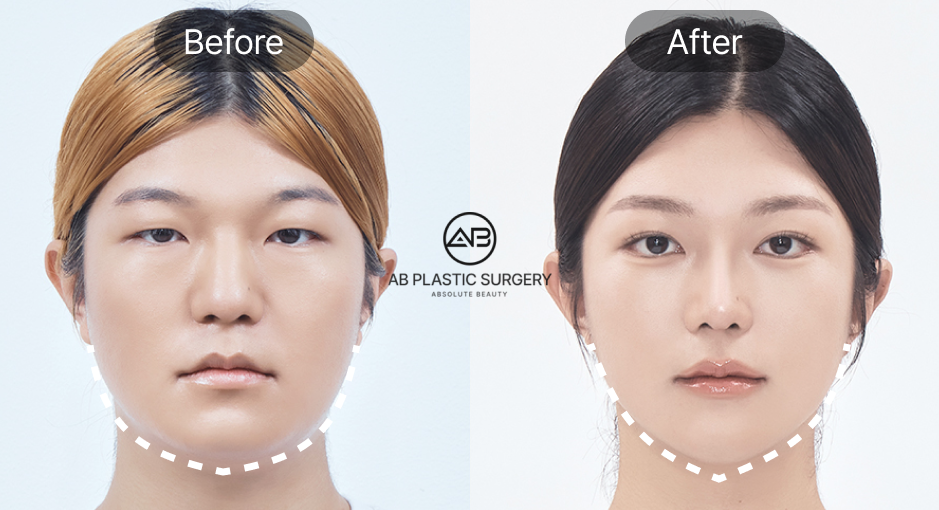
Facial contour surgery is considered for individuals who wish to improve facial proportions or correct structural imbalances that cannot be addressed through soft-tissue procedures alone. While each patient’s concerns are unique, several common indications make someone a suitable candidate for bone contouring.
1. Prominent or Wide Cheekbones
Excessive lateral projection or height of the zygomatic bone can create a broad or angular appearance. Patients often seek surgery to achieve a softer, more balanced midface.
2. Strong or Square Jawline
An enlarged mandibular angle or thick lower jawbone may lead to a square or masculine lower face. Contouring can refine the jawline and create a more tapered shape.
3. Facial Asymmetry
Differences between the right and left sides of the face—whether in the cheekbone, jawline, or chin position—may influence overall harmony. Surgical correction allows for structural realignment.
4. Protruding or Receding Chin
Chin imbalance affects profile aesthetics and facial proportions. Genioplasty can adjust chin projection, length, or alignment depending on the patient’s needs.
5. Elongated or Heavy Lower Face
Patients with an extended vertical facial length or insufficient tapering at the jawline may pursue contouring to achieve a more proportionate appearance.
6. Desire for Long-Term Structural Change
Individuals seeking results that cannot be achieved with fillers, Botox, or thread lifting may consider bone reshaping for permanent improvement.
These indications serve as general guidelines; comprehensive evaluation, imaging, and surgeon consultation are essential to determine whether facial contour surgery is appropriate for each individual.
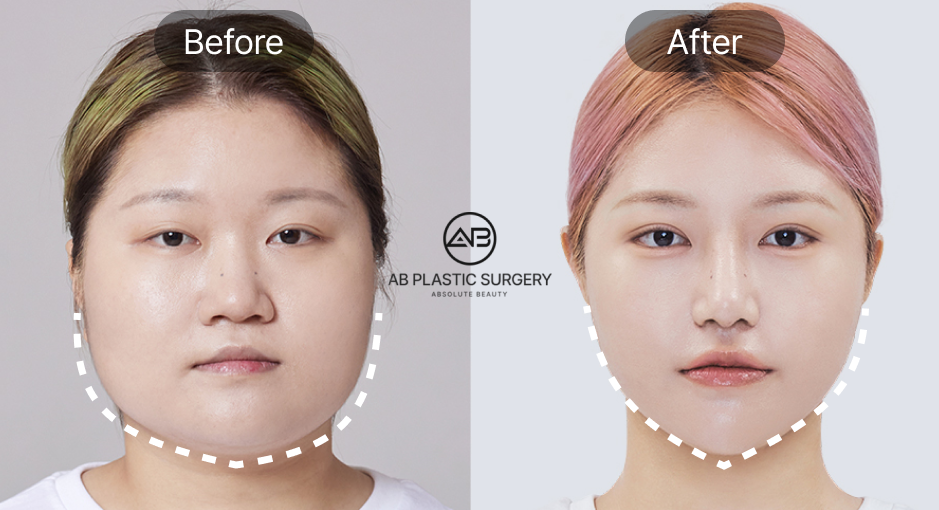
Major Facial Contouring Techniques
Facial contour surgery includes several bone-shaping procedures designed to refine the structural framework of the face. Each technique targets a different anatomical area, and the appropriate method depends on the patient’s skeletal proportions, facial width, degree of projection, and symmetry.
Cheekbone Reduction (Zygoma Contouring)
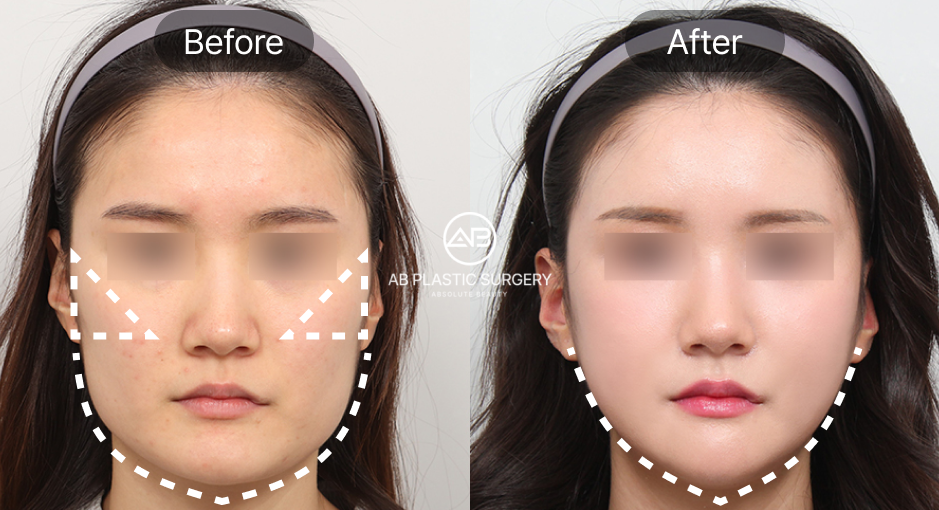
Cheekbone reduction aims to address excessive lateral projection or height of the zygomatic arch. Surgeons typically reposition and fix the cheekbone inward to create a narrower, smoother midface line. This method is suitable for individuals whose prominent cheekbones create facial width or angularity that disrupts overall balance.
Mandibular Angle Reduction (Square Jaw Surgery)
Mandibular angle reduction reshapes the lower jawbone by reducing the width or angle of the mandibular body. This procedure softens a strong or square jawline, producing a more refined lower facial contour. It is often selected by patients whose lower face appears broad, heavy, or overly angular.
Chin Contouring (Genioplasty)
Chin contouring modifies the chin’s projection, length, or alignment. Sliding genioplasty—one of the most commonly used techniques—allows precise repositioning of the chin bone to correct recession, protrusion, or asymmetry. This procedure plays an essential role in achieving balanced facial proportions from both frontal and profile views.
Combination Facial Contouring
Many patients benefit from a combination approach, especially when multiple skeletal components influence facial width or harmony. For example, cheekbone reduction may be paired with mandibular angle reduction to refine both the midface and lower face, while chin contouring can further enhance overall proportion. A comprehensive evaluation helps determine the safest and most effective combination for each individual.
Step-by-Step Surgical Process and Recovery
Facial contour surgery requires careful preoperative evaluation and post-surgical monitoring to ensure stable bone healing and predictable outcomes. While the exact process varies by procedure, most patients can expect the following stages:
Preoperative Assessment and Imaging
Before surgery, patients undergo detailed facial analysis using X-rays, 3D CT scans, and clinical examination. These evaluations help surgeons assess bone thickness, asymmetry, nerve pathways, and the overall structural relationships of the face. This information is essential for creating a precise surgical plan tailored to individual anatomy.
Surgery Day and Anesthesia
Facial contour surgery is typically performed under general anesthesia to ensure comfort and safety throughout the procedure. Surgeons access the bone through internal incisions inside the mouth or along hidden areas, minimizing visible scarring. Specialized surgical tools are used to reshape or reposition the bone according to the planned design.
Early Recovery (First 1–2 Weeks)
Postoperative swelling and bruising are expected during the initial phase. Patients may experience tightness or mild discomfort as the facial tissues adjust. Most individuals can resume light daily activities after one to two weeks, although strenuous exercise should be avoided.
Mid-Recovery (3–6 Weeks)
Swelling gradually decreases, and bone stability improves. Dietary adjustments, oral hygiene, and postoperative care instructions are especially important during this period. Follow-up visits help monitor healing and ensure proper alignment.
Long-Term Healing (2–3 Months and Beyond)
Most visible swelling resolves within two to three months, while deep-tissue remodeling continues over time. As the bone and soft tissue settle naturally, patients observe improved facial definition, symmetry, and proportion. Final outcomes may continue to refine over several additional months.
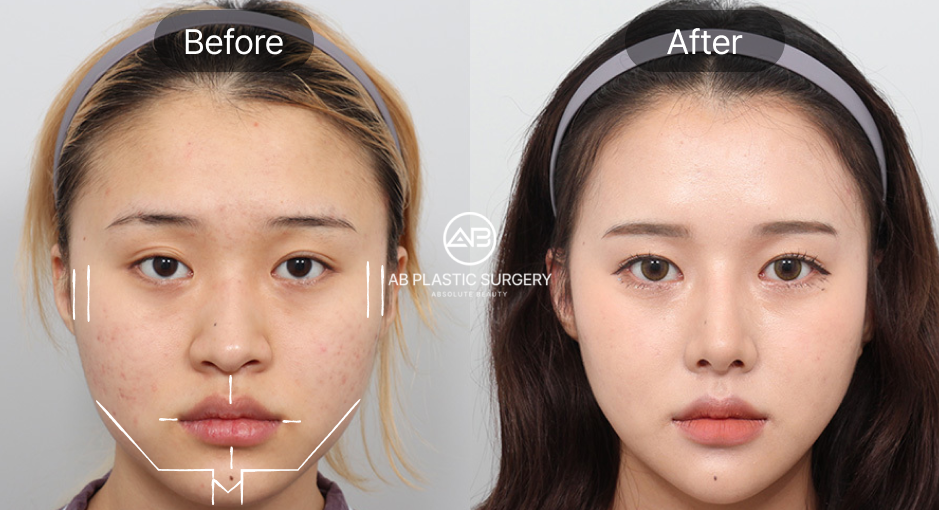
Expected Results and Longevity
Facial contour surgery provides long-term improvement by reshaping the bone structure rather than altering soft tissue alone. Because the procedure modifies the underlying skeletal framework, most results are stable and remain consistent once the healing process is complete.
Improved Facial Balance and Proportion
Patients typically notice enhanced harmony between the midface, jawline, and chin. By refining width, projection, or symmetry, the face achieves a more proportionate and balanced appearance from both the front and profile views.
Long-Lasting Structural Changes
Unlike fillers or non-surgical contouring, the changes achieved through bone reshaping do not dissipate over time. Once the bone heals in its new position, the improvements are considered permanent. Natural aging still occurs, but the foundational structure remains stable.
Gradual Refinement Over Several Months
Although major swelling resolves within a few months, subtle definition continues to improve as soft tissue adapts to the new bone structure. Final contour lines become increasingly clear as the face settles.
Factors Influencing Longevity
Individual healing patterns, bone density, postoperative care, and overall health can affect the rate at which final results appear. Adhering to postoperative instructions and attending scheduled follow-up appointments help support long-term stability.
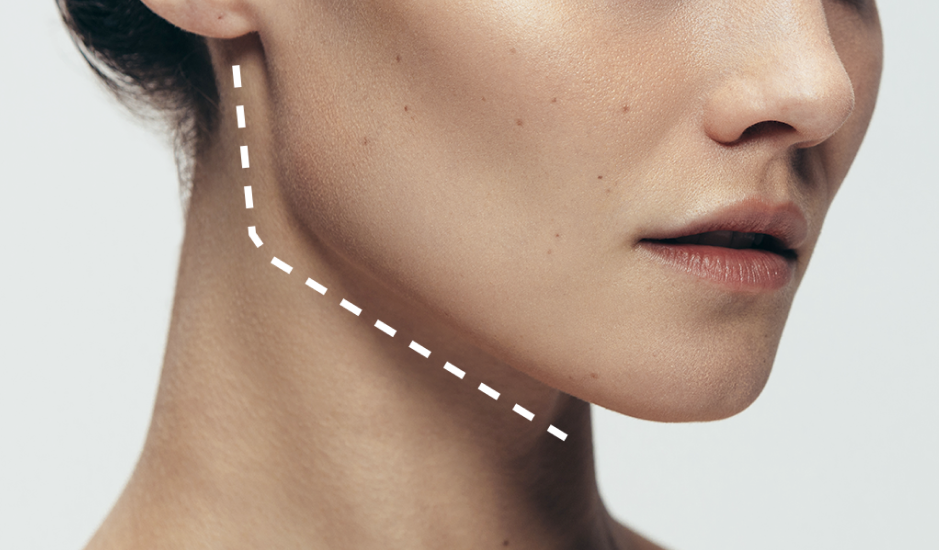
Facial Contour Surgery Cost in Korea
One of the most common questions international patients ask is how much facial contour surgery costs in South Korea. The total price varies depending on the specific procedure, surgical complexity, bone structure, revision history, and whether multiple contouring procedures are combined into a single surgical plan.
In general, facial contour surgery in Korea is planned through individualized consultation rather than fixed package pricing. Below is a general overview of commonly considered procedures and their estimated starting costs in USD.
|
Procedure |
Estimated Cost (USD) |
|---|---|
|
Square Jaw Reduction Surgery |
From $5,240 |
|
Genioplasty (Chin Contouring) |
From $5,240 |
|
Cheekbone Reduction Surgery |
From $5,240 |
|
V-Line Facial Contouring |
From $3,740 |
|
3-Set Facial Contouring Surgery |
From $15,650 |
|
Buccal Fat Removal |
From $1,360 |
The final cost of facial contour surgery in Korea may vary depending on individual anatomy, surgical complexity, revision history, imaging analysis, anesthesia requirements, and whether multiple procedures are combined. Accurate treatment planning and pricing should always be confirmed through personalized medical consultation.
Patients who want a more accurate estimate based on their facial structure and surgical goals can receive a personalized facial contour surgery cost consultation through AB Plastic Surgery Korea’s international inquiry system.
Frequently Asked Questions (FAQ)
1. Is facial contour surgery painful?
Most patients undergo the procedure under general anesthesia, so discomfort during surgery is not felt. Postoperative tightness or swelling may occur, but these symptoms gradually improve during recovery.
2. How long does it take for swelling to disappear?
Initial swelling typically reduces within 1–2 weeks, while deeper swelling may take 2–3 months to resolve. Final contour definition continues to refine over several additional months.
3. Will there be visible scars after surgery?
Incisions are usually made inside the mouth or along hidden natural lines, minimizing visible scarring. Surgeons aim to preserve external aesthetics whenever possible.
4. Can facial contour surgery correct asymmetry?
Yes. Many patients undergo contouring specifically to address differences in cheekbone, jawline, or chin position. Precise imaging and planning are essential for accurate correction.
5. How long do the results last?
Results are considered long-lasting because the procedure reshapes the bone structure itself. Once healing is complete, the new contour remains stable over time.
6. When can I return to normal activities?
Light activities are usually possible within 1–2 weeks. However, vigorous exercise or impact-based activities should be avoided for several weeks to support bone healing.
7. How much does facial contour surgery cost in Korea?
The cost of facial contour surgery in Korea depends on the specific procedure, surgical complexity, and whether multiple bone contouring procedures are combined. As a general reference, square jaw reduction, cheekbone reduction, and genioplasty may start from approximately $5,240 USD, while 3-set facial contouring surgery may start from approximately $15,650 USD. Final pricing should be confirmed through personalized consultation and medical evaluation.
8. Why does facial contour surgery pricing vary between patients?
Facial contour surgery pricing varies because each patient has different bone structure, facial asymmetry, surgical goals, revision history, and treatment complexity. Additional factors such as anesthesia planning, imaging analysis, and the number of contouring areas treated may also affect the final cost. For this reason, an accurate estimate is only possible after individualized consultation.
Why Patients Choose AB Plastic Surgery Korea for Facial Contour Surgery
AB Plastic Surgery Korea is recognized for its specialized expertise in facial bone contouring, offering a medical system designed to support safe, predictable, and anatomically precise outcomes for international patients. Each procedure is performed by board-certified surgeons who focus on structural harmony, individualized proportions, and long-term stability.
Specialized Facial Bone Surgeons
The surgical team at AB Plastic Surgery Korea has extensive experience in cheekbone reduction, mandibular angle contouring, and chin reshaping procedures. Their treatment plans are based on detailed anatomical assessment rather than standardized templates, ensuring that each patient receives a design tailored to their facial structure.
Advanced Diagnostic and Surgical Planning
The hospital utilizes high-resolution imaging—including 3D CT scans and bone-structure analysis—to identify asymmetry, bone thickness, and nerve pathways before surgery. This diagnostic approach allows for precise surgical planning and minimizes unnecessary bone removal.
Hospital-Level Safety and Anesthesia Monitoring
All facial contour surgeries are conducted under hospital-grade safety systems with real-time anesthesia monitoring. Dedicated anesthesiology oversight helps maintain patient safety throughout the procedure, particularly for longer or multi-area bone contouring surgeries.
Focus on Natural Proportions and Long-Term Stability
AB Plastic Surgery Korea emphasizes structural balance over aggressive bone reduction. Surgical techniques are designed to maintain stability, protect functional structures, and support natural facial movement as healing progresses.
Comprehensive Postoperative Care for International Patients
From preoperative consultation to long-term follow-up, the hospital offers a structured care pathway for overseas patients. This includes recovery support, step-by-step monitoring, and guidance to ensure safe bone healing throughout the recovery period.
Patients considering facial contour surgery are encouraged to begin with an online consultation to review their facial structure, treatment goals, and eligibility for surgery. AB Plastic Surgery Korea provides individualized medical insights to help patients make informed decisions based on their needs and anatomical characteristics.
Facial contour surgery hospital in South Korea offers a highly specialized approach for patients seeking structural refinement, improved balance, and long-term facial harmony. Through detailed anatomical assessment, advanced imaging, and techniques focused on stability and precision, patients can expect predictable and natural-looking improvement that aligns with their unique facial characteristics.
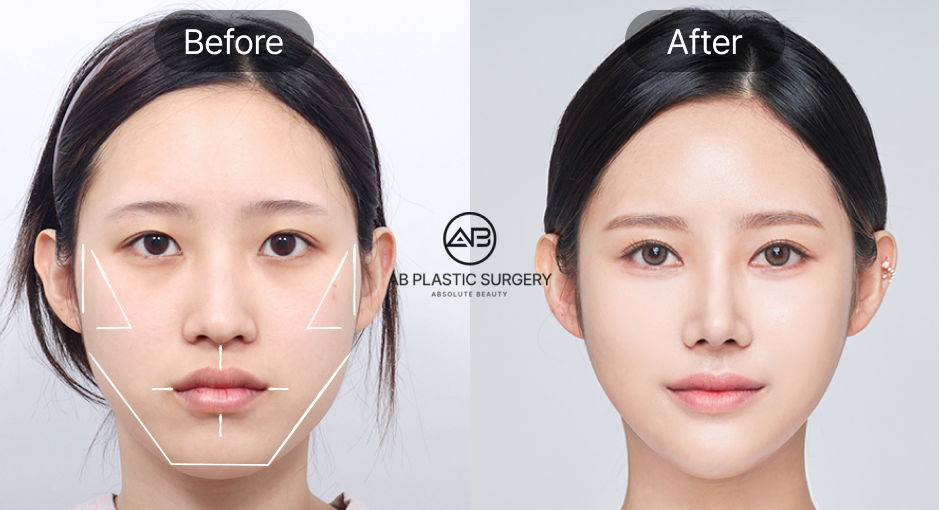
Before moving forward, individuals are encouraged to review verified transformation examples and understand realistic outcomes through the official before-and-after gallery.
Those considering treatment can also receive personalized guidance regarding available procedures, suitability, and estimated costs by submitting an inquiry through the price consultation page.
By beginning with a professional evaluation grounded in medical accuracy and patient-centered planning, individuals can make informed decisions and confidently prepare for their treatment journey.

Written by
AB Medical Editorial Team
Medically reviewed by
Updated on
September 27, 2026
This article is for informational purposes only and does not replace a personal medical consultation.