Title
South Korea Plastic Surgery & Dermatology Trends: 2025 Summary & 2026 ForecastDate
2025-12-31Views
10430
AB Blog
South Korea Plastic Surgery Trends in 2025 and What to Expect in 2026
Table of Contents
1. Overview of the South Korea Plastic Surgery Market in 2025
2. Most Popular Plastic Surgery & Dermatology Procedures in 2025
3. Key Factors Driving 2025 Trends
4. 2026 Forecast: How South Korea Plastic Surgery Is Expected to Evolve
5. Plastic Surgery Cost Trends in Korea for International Patients
6. What South Korea Plastic Surgery Trends Mean for International Patients
7. Frequently Asked Questions About South Korea Plastic Surgery Trends
8. How Medical Institutions in Korea Are Responding
9. Strategic Direction of South Korea Plastic Surgery Beyond 2026
South Korea continues to lead the global plastic surgery and dermatology market through advanced surgical techniques, regenerative treatments, and systemized patient care. At AB Plastic Surgery Korea, a consistent trend has been observed among international patients visiting the clinic in 2025, with particularly strong interest in lifting procedures, facial contouring surgery, rhinoplasty, eye surgery, and skin regeneration treatments such as Rejuran.
These preferences reflect a broader shift toward natural-looking results and long-term stability rather than short-term aesthetic changes. Looking ahead to 2026, based on consultation patterns and clinical demand from international patients, South Korea plastic surgery is expected to expand further into comprehensive anti-aging surgery, stem cell–based regenerative medicine, and precision-driven body contouring procedures. This report provides a structured overview of 2025 trends and a professional forecast for 2026, offering international patients a clearer understanding of how aesthetic medicine in Korea is evolving.
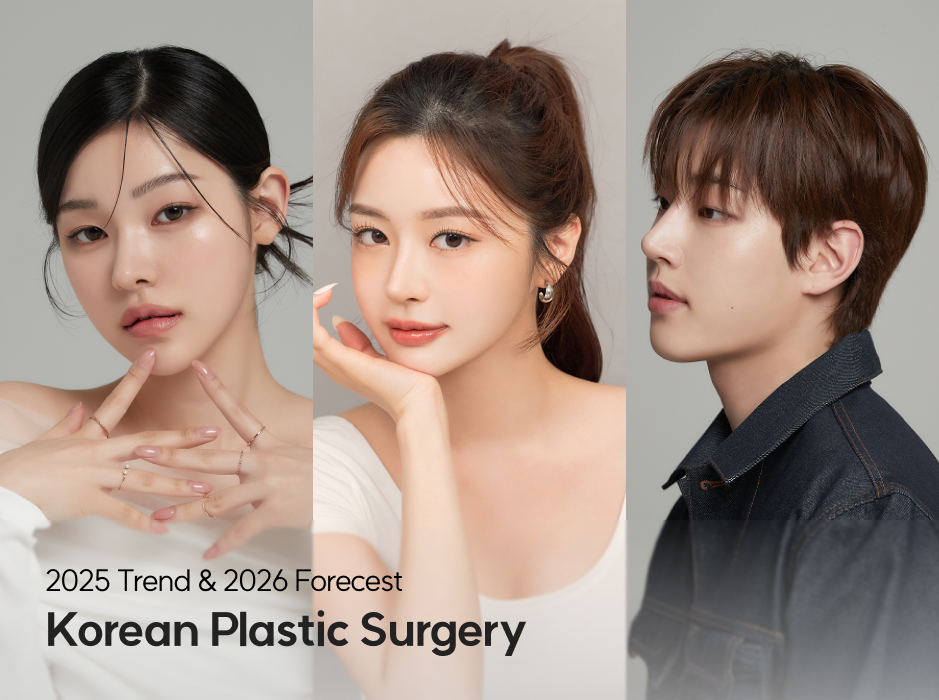
Overview of the South Korea Plastic Surgery Market in 2025
A Mature Market Driven by Medical Precision
In 2025, South Korea continues to maintain its position as a global reference point for plastic surgery and dermatology, particularly among international patients seeking medically advanced yet aesthetically balanced treatments. The market is no longer defined by short-lived aesthetic trends, but by a steady transition toward precision-based surgery, regenerative medicine, and structured patient care systems.
This maturity reflects the country’s emphasis on medically grounded procedures that integrate anatomical understanding, surgical accuracy, and long-term stability—key factors increasingly prioritized by international patients.
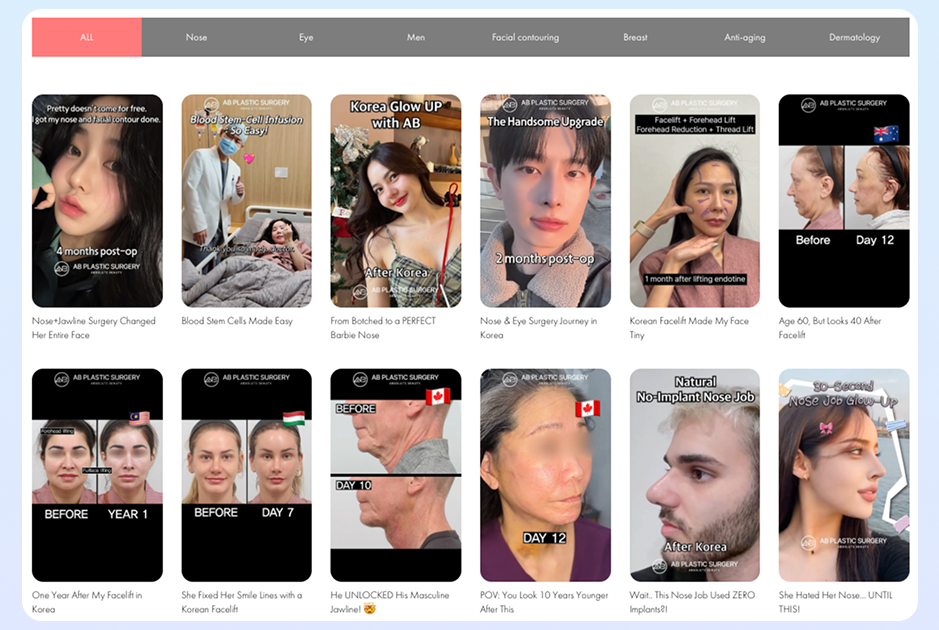
International Patient Demand Observed at AB Plastic Surgery Korea
At AB Plastic Surgery Korea, consistent patterns have been observed among international patients visiting the clinic throughout 2025. Rather than pursuing dramatic or trend-driven transformations, many patients express a clear preference for procedures that emphasize facial harmony, functional balance, and sustainable outcomes.
This shift illustrates a broader change in how South Korea plastic surgery is approached by global patients—moving away from short-term cosmetic enhancement toward individualized, consultation-driven treatment planning supported by clinical assessment.
Integration of Surgical and Dermatological Care
Another defining feature of the 2025 market is the increasingly integrated relationship between surgical and non-surgical treatments. Procedures such as facial contouring, rhinoplasty, and lifting are frequently considered alongside dermatological treatments focused on skin regeneration and aging prevention.
This integrated care model aligns with the expectations of international patients who value continuity of care and comprehensive treatment strategies rather than isolated procedures.
Systemized Safety and Customization as Key Decision Factors
In 2025, international patients evaluating treatment options in South Korea place growing importance on institutional reliability. Beyond surgical techniques alone, factors such as systemized safety protocols, structured consultations, and postoperative management systems significantly influence patient decision-making.
Medical institutions that demonstrate clear diagnostic processes, customized treatment planning, and consistent follow-up care are increasingly recognized as meeting the standards expected by global patients.
Market Implications for Future Trends
Overall, the South Korea plastic surgery market in 2025 reflects a highly developed ecosystem in which clinical expertise, regenerative approaches, and patient-centered systems converge. These characteristics provide the foundation for the procedural trends observed in 2025 and offer essential context for understanding the industry’s projected evolution in 2026.
Most Popular Plastic Surgery & Dermatology Procedures in 2025
In 2025, the most requested plastic surgery and dermatology procedures in South Korea reflect a clear shift toward treatments that deliver natural-looking results, functional balance, and long-term stability. Among international patients visiting AB Plastic Surgery Korea, demand has been concentrated on procedures that align medical precision with aesthetic harmony rather than exaggerated visual change.
The following categories represent the procedures most frequently considered by international patients in 2025, based on consultation trends and clinical demand.
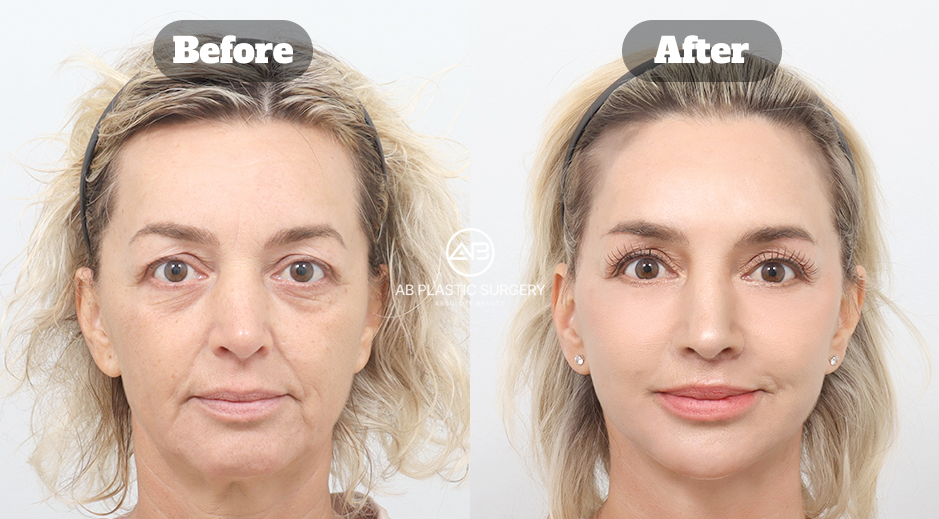
Lifting Procedures in Korea: Facelift and Neck Lift Trends
Facelift and neck lift procedures have become increasingly prominent in 2025, particularly among patients seeking comprehensive facial rejuvenation. Rather than isolated skin tightening, international patients show growing interest in surgical lifting approaches that address deeper structural layers of the face and neck.
This trend reflects a preference for long-lasting correction of facial sagging, jawline laxity, and neck contour changes, with results that remain balanced and age-appropriate. Lifting procedures are often evaluated as part of a broader anti-aging strategy rather than a single aesthetic intervention.
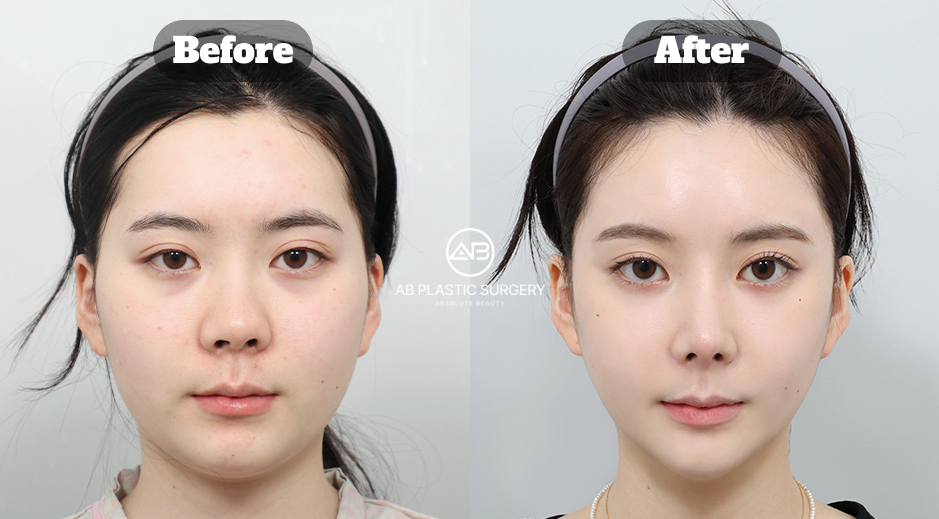
Facial Contouring Surgery
Facial contouring surgery continues to be one of the defining areas of South Korea plastic surgery. In 2025, however, the focus has shifted away from excessive reduction toward proportion-focused contouring that respects individual facial structure.
International patients increasingly seek outcomes that enhance three-dimensional balance, improve facial symmetry, and maintain natural facial expression. This evolution highlights the importance of precise surgical planning and anatomical assessment in achieving refined, stable results.
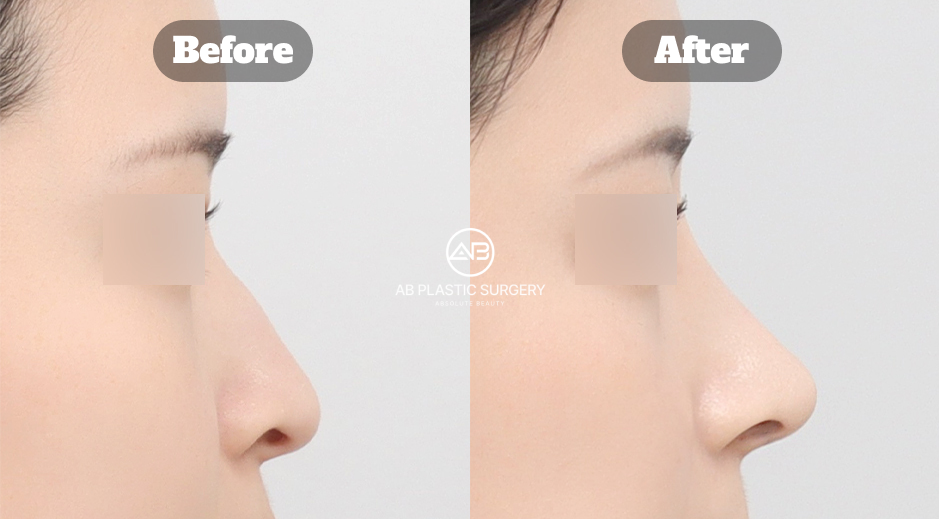
Rhinoplasty in Korea
Rhinoplasty remains a consistently requested procedure among international patients in 2025. The current trend emphasizes customized surgical design that considers facial proportion, nasal function, and long-term stability.
Rather than standardized nose shapes, patients demonstrate growing awareness of the importance of individualized planning, particularly in cases involving revision surgery or complex nasal structures. This approach reflects a broader expectation for functional integrity alongside aesthetic improvement.
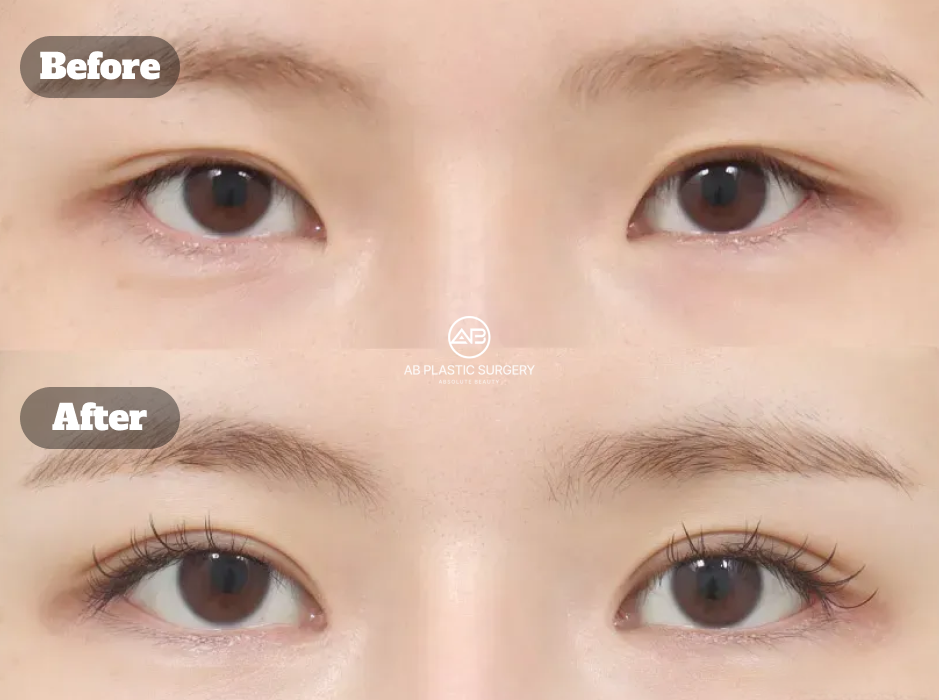
Eye Surgery Trends
Eye surgery in 2025 is characterized by a preference for subtle yet effective correction. Procedures are increasingly selected to enhance eye definition while preserving natural movement and expression.
International patients often prioritize techniques that minimize invasiveness and support stable recovery, aligning with the broader trend toward precision-focused aesthetic surgery. The goal is not dramatic change, but refinement that integrates seamlessly with the overall facial appearance.
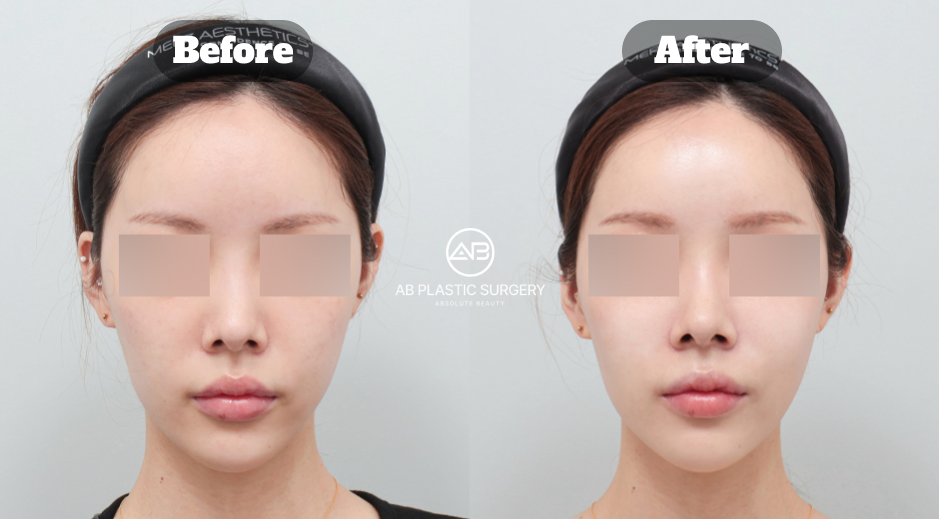
Rejuran and Skin Regeneration Treatments
In the dermatology field, skin regeneration treatments such as Rejuran have gained significant attention in 2025. These treatments are commonly considered as part of a long-term skin management strategy rather than standalone cosmetic procedures.
International patients demonstrate interest in treatments that support skin quality, elasticity, and recovery, particularly when combined with surgical procedures. This reflects a growing recognition of dermatological care as an essential component of comprehensive aesthetic medicine.
Overall, the most popular procedures in 2025 illustrate how South Korea plastic surgery and dermatology continue to evolve toward integrated, patient-centered care. These trends provide critical insight into the direction of the market and set the stage for the procedural developments expected in 2026.
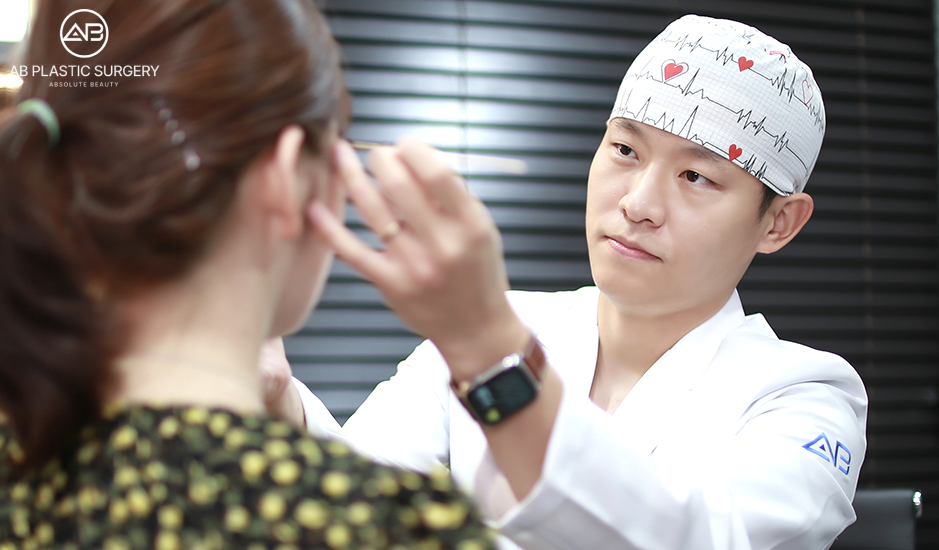
Key Factors Driving Plastic Surgery and Dermatology Trends in 2025
The plastic surgery and dermatology trends observed in South Korea during 2025 are not driven by aesthetic fashion alone. Instead, they reflect deeper structural changes in patient expectations, medical technology, and the way international patients approach elective medical care. Several key factors have played a central role in shaping demand throughout the year.
Shift Toward Long-Term, Stable Outcomes
One of the most significant drivers in 2025 is the growing emphasis on durability and long-term stability. International patients increasingly prioritize procedures that offer sustainable results rather than short-term visual improvement. This has contributed to stronger demand for surgical lifting, structurally balanced facial contouring, and carefully planned rhinoplasty, where longevity is a core consideration.
This shift also explains the rising interest in combining surgical procedures with skin regeneration treatments, as patients seek outcomes that age naturally over time.
Aging Demographics and Preventive Aesthetic Care
Global demographic changes have influenced treatment preferences in 2025, particularly among patients in their late 30s to 60s. Rather than addressing aging concerns at an advanced stage, many international patients now approach aesthetic treatment as a form of preventive care.
This trend supports the growth of comprehensive anti-aging strategies that integrate lifting surgery, dermatological treatments, and ongoing skin management, reflecting a more proactive and medically oriented approach to aesthetic care.
Higher Expectations for Medical Safety and Systemized Care
In 2025, international patients evaluating plastic surgery in South Korea demonstrate heightened awareness of medical safety and institutional reliability. Decision-making is increasingly influenced by factors such as structured consultation processes, anesthesia management systems, and postoperative monitoring.
As a result, medical institutions that emphasize transparent protocols and patient-centered systems are more likely to align with international patient expectations, reinforcing trust in the treatment process.
Demand for Personalized and Consultation-Driven Treatment Planning
Another key factor shaping 2025 trends is the growing demand for individualized treatment planning. International patients are less inclined to accept standardized procedures and instead seek medical guidance based on personal anatomy, lifestyle considerations, and recovery goals.
This consultation-driven approach encourages more precise surgical design and contributes to the popularity of customized procedures across facial surgery, body contouring, and dermatological treatments.
Integrated Approach to Surgery and Dermatology
Finally, the increasing integration of surgical and non-surgical treatments has become a defining characteristic of the 2025 market. Patients view plastic surgery and dermatology not as separate disciplines, but as complementary components of a comprehensive aesthetic strategy.
This integrated perspective reinforces the importance of continuity of care, particularly for international patients seeking coordinated treatment plans during a limited stay in South Korea.
Together, these factors explain why plastic surgery and dermatology trends in 2025 emphasize precision, safety, and long-term value. Understanding these drivers provides essential context for evaluating how South Korea’s aesthetic medicine landscape is expected to evolve in 2026.
2026 Forecast: How South Korea Plastic Surgery Is Expected to Evolve
As the South Korea plastic surgery and dermatology market enters 2026, current trends indicate a continued shift toward medically integrated, precision-driven care. Rather than abrupt changes, the coming year is expected to build upon the structural developments observed in 2025, with a stronger emphasis on longevity, regeneration, and individualized treatment strategies.
Based on consultation patterns, procedural demand, and evolving patient expectations, several key directions are anticipated to shape the market in 2026.
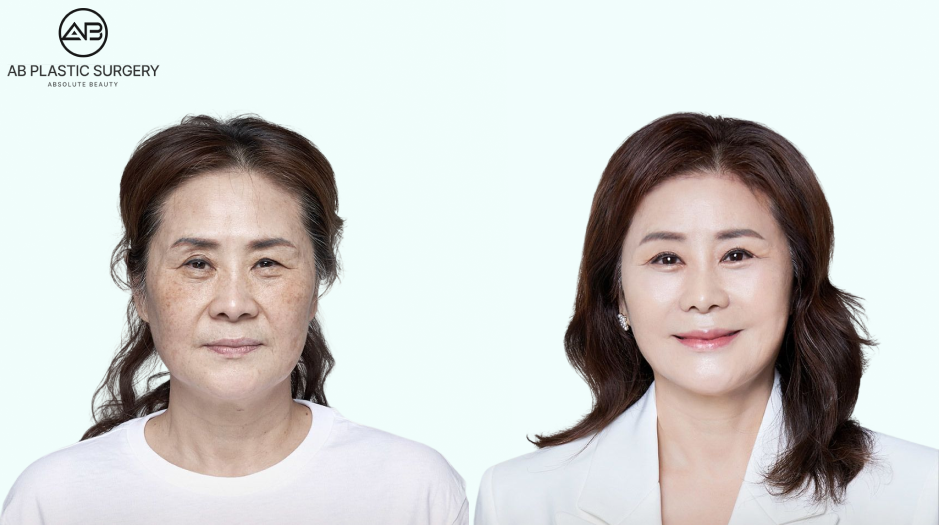
Continued Expansion of Facelift and Neck Lift Procedures
Facelift and neck lift procedures are expected to remain central to the aesthetic surgery landscape in 2026. As patients increasingly seek comprehensive solutions for facial aging, demand is likely to grow for procedures that address both facial and cervical aging as a unified concern.
This trend reflects a broader understanding of aging as a structural process rather than a surface-level issue. International patients are anticipated to continue prioritizing lifting procedures that offer stable, long-term outcomes while maintaining natural facial proportions and expression.
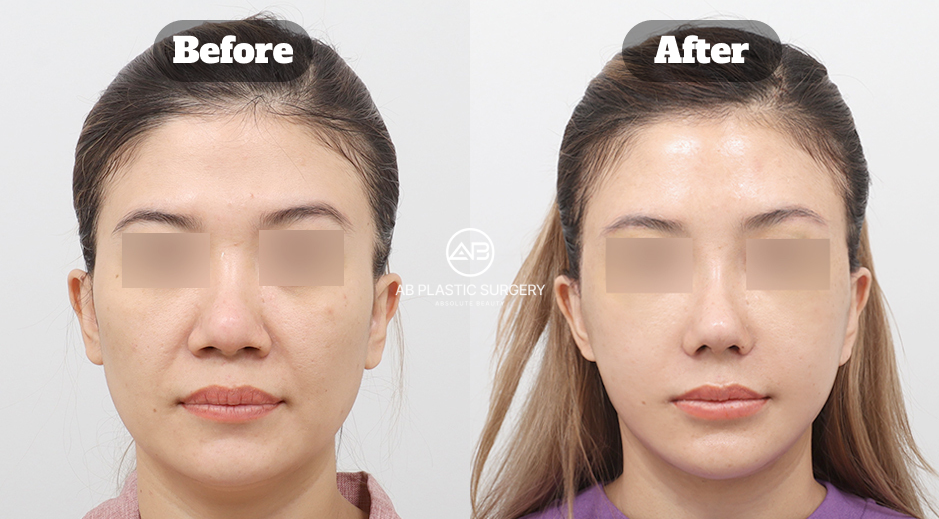
Growth of Stem Cell–Based Regenerative Medicine
One of the most notable areas of expansion forecast for 2026 is the application of stem cell–based regenerative medicine within aesthetic care. Rather than replacing conventional surgery, regenerative approaches are expected to complement existing treatments by supporting tissue recovery, skin quality, and long-term maintenance.
In particular, regenerative therapies are anticipated to gain attention in postoperative care, skin rejuvenation, and age-related tissue management. This reflects a growing interest among international patients in treatments that focus on biological restoration rather than purely visual improvement.
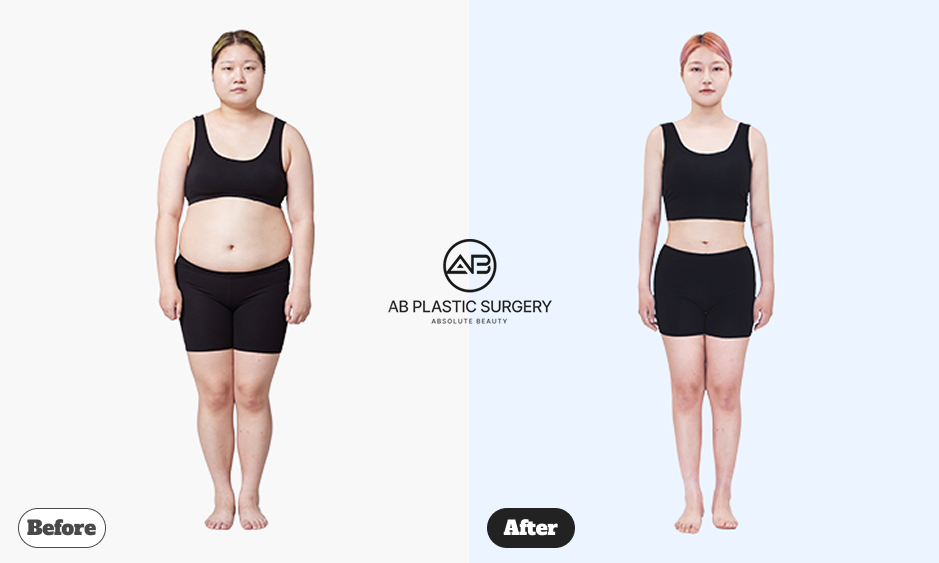
Increasing Demand for Precision-Driven Body Contouring
Body contouring procedures are also expected to see continued growth in 2026, with a stronger focus on precision, proportion, and recovery management. International patients are projected to seek body contouring solutions that align with natural body balance rather than aggressive volume reduction.
This evolution emphasizes detailed preoperative assessment, customized planning, and careful postoperative monitoring. As with facial procedures, body contouring is increasingly viewed as part of an overall aesthetic strategy rather than an isolated intervention.
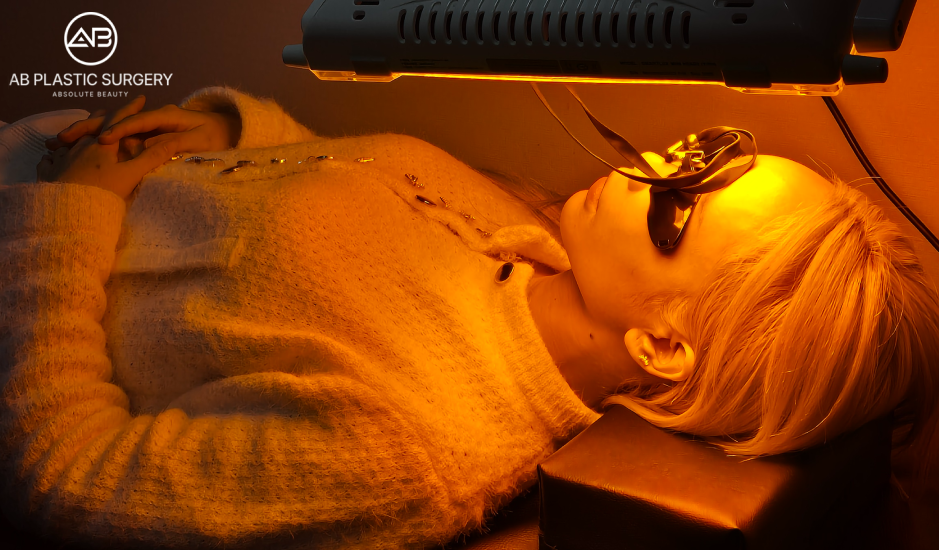
Deeper Integration of Surgery, Dermatology, and Aftercare
In 2026, the integration of surgical procedures, dermatological treatments, and structured aftercare is expected to become even more pronounced. International patients are likely to favor medical institutions that provide cohesive treatment pathways, from initial consultation through recovery and long-term maintenance.
This integrated model supports continuity of care and aligns with the expectations of patients who seek efficiency, safety, and coordinated management during medical travel.
Emphasis on Informed Decision-Making and Medical Transparency
Another defining feature anticipated for 2026 is the growing importance of informed decision-making. International patients are increasingly knowledgeable and selective, placing value on transparent consultation processes, clear explanations of procedural options, and realistic outcome planning.
As a result, medical institutions are expected to place greater emphasis on patient education and communication as part of the treatment experience.
Overall, the 2026 outlook for South Korea plastic surgery reflects an industry moving toward refinement rather than expansion alone. The focus on comprehensive anti-aging care, regenerative medicine, and precision-based body contouring underscores the country’s continued evolution as a destination for medically grounded aesthetic treatment.
Plastic Surgery Cost Trends in Korea for International Patients
As South Korea plastic surgery continues to evolve toward precision-based and consultation-driven care, treatment costs are also increasingly understood as part of a customized medical plan rather than a fixed, one-size-fits-all price. For international patients, this means that procedure costs may vary depending on surgical complexity, anatomical condition, revision history, anesthesia planning, and the level of postoperative care required.
In 2025 and moving into 2026, the most requested procedures among international patients at AB Plastic Surgery Korea include facelift surgery, neck lift, rhinoplasty, facial contouring, eye surgery, body contouring, and regenerative treatments such as stem cell therapy. The following price ranges provide a general USD-based reference for procedures related to the trends discussed in this article.
Average Plastic Surgery Costs in Korea by Procedure
|
Procedure |
Average Starting Price (USD) |
|---|---|
|
Facelift |
From $7,200 |
|
Full Face Lifting |
From $7,480 |
|
Neck Lift |
From $2,990 |
|
Rhinoplasty |
From $3,400 |
|
Revision Rhinoplasty |
From $4,080 |
|
Facial Contouring Surgery |
From $3,740–$15,650 |
|
Eye Surgery / Ptosis Correction |
From $1,700 |
|
Lower Blepharoplasty |
From $1,870 |
|
Body Contouring & Liposuction |
From $2,890 |
|
Stem Cell Therapy |
From $5,240 |
Plastic surgery costs in Korea may vary depending on individual anatomy, surgical complexity, revision history, treatment scope, anesthesia planning, and recovery requirements. Because each treatment plan is customized based on medical assessment and patient goals, accurate pricing can only be confirmed through detailed consultation.
→ Check Plastic Surgery Costs in Korea & Request a Personalized Surgery Plan
Why Plastic Surgery Costs in Korea Can Vary by Patient
The final cost of plastic surgery in Korea is influenced by several medical and practical factors. For example, rhinoplasty costs may change depending on whether bridge correction, tip refinement, cartilage use, or revision correction is required. Facial contouring costs may also vary depending on whether a patient needs jaw reduction, zygoma reduction, genioplasty, or a combined facial contouring plan.
Similarly, lifting procedures may differ in price depending on the degree of sagging, the treatment area, and whether the face and neck are treated together. For body contouring and regenerative treatments, cost differences may occur based on treatment area, tissue condition, and the overall recovery plan.
For this reason, international patients are encouraged to use published price ranges as a general reference and complete a personalized consultation before finalizing their surgery plan, travel schedule, and expected budget.
What South Korea Plastic Surgery Trends Mean for International Patients
The plastic surgery and dermatology trends observed in South Korea during 2025 and projected for 2026 carry important implications for international patients considering treatment in Korea. Beyond identifying which procedures are popular, these trends reflect a broader shift in how aesthetic medicine is planned, delivered, and evaluated from a patient perspective.
Greater Emphasis on Strategic Procedure Selection
International patients are increasingly encouraged to approach aesthetic treatment as a strategic decision rather than a single procedure. The growing focus on long-term stability, regeneration, and comprehensive care suggests that treatment planning now involves evaluating how different procedures interact over time.
This means patients may consider combining surgical and dermatological treatments or staging procedures to align with recovery timelines and long-term goals.
Importance of Consultation Quality and Medical Assessment
As trends move toward personalized and precision-based care, the quality of preoperative consultation becomes a critical factor for international patients. Rather than selecting procedures based solely on popularity, patients benefit from detailed medical assessments that account for anatomy, aging patterns, and individual expectations.
In this context, clear communication and structured consultation processes play a central role in achieving predictable and satisfactory outcomes.
Increased Focus on Safety and Post-Treatment Management
The growing emphasis on systemized care and medical transparency means that international patients are paying closer attention to safety protocols and postoperative management. Recovery planning, follow-up care, and monitoring systems are increasingly viewed as integral parts of the treatment experience.
For patients traveling from abroad, these considerations are particularly important, as continuity of care and clear postoperative guidance can significantly influence overall satisfaction.
Realistic Expectations and Long-Term Perspective
Another key implication for international patients is the need to adopt realistic expectations regarding aesthetic outcomes. Current trends favor natural, balanced results that evolve gradually rather than immediate, dramatic change.
This perspective encourages patients to view aesthetic treatment as a long-term investment in appearance and skin health, rather than a short-term cosmetic adjustment.
Selecting Medical Institutions Based on Comprehensive Capability
Finally, as aesthetic medicine in South Korea becomes more integrated, international patients are increasingly selecting medical institutions based on their ability to provide comprehensive care. This includes expertise across multiple disciplines, structured safety systems, and coordinated treatment planning.
Such considerations align with the broader evolution of South Korea plastic surgery toward medically grounded, patient-centered practice.
Understanding these implications allows international patients to make more informed decisions when considering aesthetic treatment in South Korea. The trends observed in 2025 and projected for 2026 highlight the importance of careful planning, medical guidance, and long-term perspective in achieving meaningful outcomes.

Frequently Asked Questions About South Korea Plastic Surgery Trends
Is South Korea still a leading destination for plastic surgery in 2026?
Yes. Based on trends observed in 2025 and projected developments for 2026, South Korea continues to be recognized as a leading destination for plastic surgery and dermatology. Rather than relying on trend-driven procedures, the market emphasizes medical precision, safety systems, and long-term outcome stability. These factors remain highly valued by international patients seeking reliable and medically grounded aesthetic care.
Which plastic surgery procedures are most popular among international patients?
In 2025, international patients most frequently consider lifting procedures such as facelift and neck lift, facial contouring surgery, rhinoplasty, eye surgery, and skin regeneration treatments like Rejuran. These procedures are selected not for dramatic change, but for their ability to enhance facial balance, support functional integrity, and deliver sustainable results over time.
How are regenerative treatments influencing plastic surgery trends in Korea?
Regenerative treatments, including skin regeneration therapies and emerging stem cell–based approaches, are increasingly used to complement surgical procedures. Rather than replacing surgery, these treatments support tissue recovery, skin quality, and long-term maintenance. This integrated approach reflects a shift toward biologically supportive aesthetic care rather than purely surface-level correction.
Are plastic surgery trends in Korea moving toward more natural results?
Yes. Current trends clearly favor natural-looking outcomes that align with individual facial structure and aging patterns. International patients increasingly prioritize proportion, harmony, and long-term stability over exaggerated or short-term visual changes. This preference has influenced surgical planning, consultation depth, and the growing importance of customized treatment strategies.
Why is consultation considered more important than procedure selection?
As plastic surgery in South Korea becomes more precision-driven, consultation plays a critical role in treatment planning. Rather than choosing procedures based on popularity alone, international patients benefit from medical assessments that consider anatomy, aging progression, recovery capacity, and long-term goals. This approach supports realistic expectations and more predictable outcomes.
How should international patients prepare for plastic surgery in Korea?
International patients are advised to approach treatment with a long-term perspective, allowing sufficient time for consultation, procedure planning, and recovery coordination. Understanding postoperative care requirements and selecting medical institutions with systemized safety and aftercare protocols are essential steps in ensuring a smooth treatment experience.
How Medical Institutions in Korea Are Responding
As patient expectations evolve and aesthetic medicine becomes more medically integrated, plastic surgery and dermatology institutions in South Korea are adapting their clinical models accordingly. In 2025 and moving into 2026, this response is characterized less by the introduction of new procedures and more by structural refinement in how care is delivered.
Specialization by Procedure and Clinical Focus
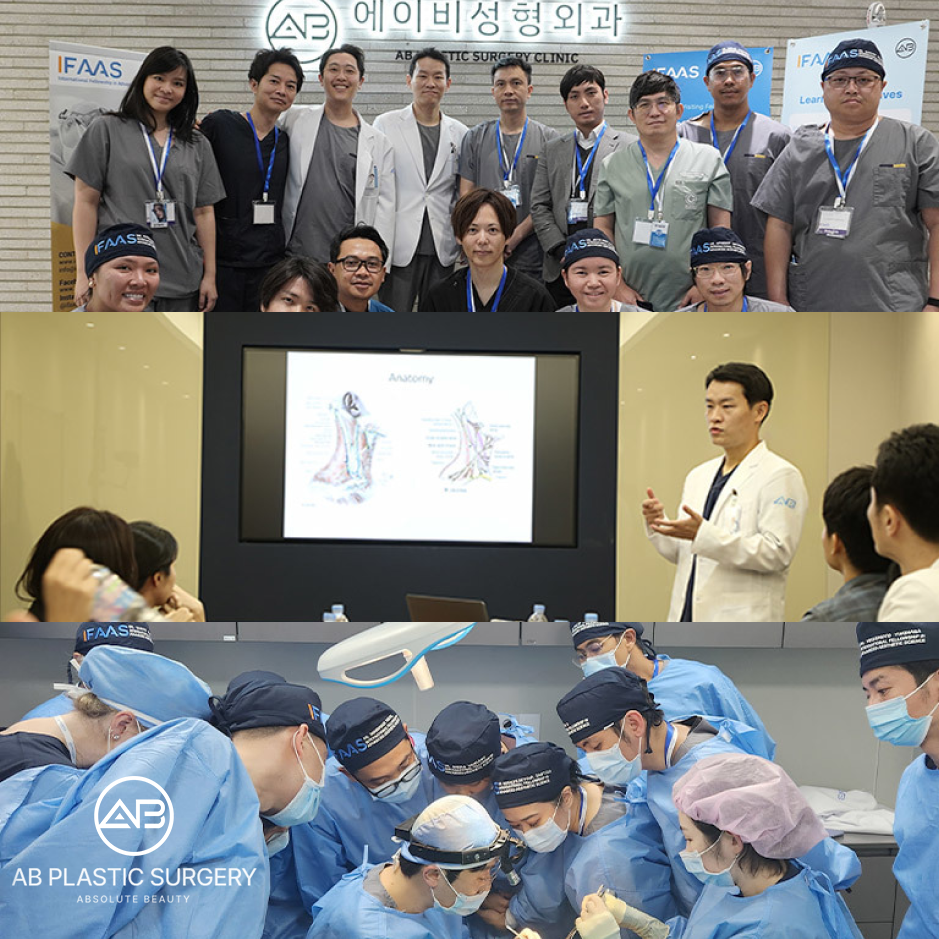
Medical institutions in Korea are increasingly organizing care around specialized clinical areas rather than broad, generalized offerings. This approach allows surgeons and medical teams to deepen expertise within specific procedure categories, such as facial rejuvenation, facial contouring, or regenerative dermatology.
For international patients, this trend supports more consistent outcomes by aligning treatment planning with specialized clinical experience rather than standardized, one-size-fits-all solutions.
Strengthening Systemized Safety and Anesthesia Management
Another key response to evolving patient expectations is the reinforcement of safety-oriented systems. Medical institutions are placing greater emphasis on structured anesthesia management, intraoperative monitoring, and postoperative observation protocols.
These systems play a critical role in building trust with international patients, particularly those undergoing complex or combined procedures. Safety is increasingly viewed not as a supporting feature, but as a foundational component of medical quality.
Consultation-Driven Customization as a Core Process
In response to demand for personalized care, consultation-driven customization has become central to treatment planning. Rather than focusing solely on procedural execution, medical institutions are prioritizing diagnostic evaluation, anatomical analysis, and expectation alignment during the consultation stage.
This shift allows treatment plans to be tailored more precisely to individual patient needs, supporting predictable outcomes and long-term satisfaction.
Integration of Surgical, Dermatological, and Aftercare Services
Medical institutions are also responding by strengthening the integration between surgery, dermatology, and postoperative care. Coordinated treatment pathways are increasingly designed to support recovery, maintenance, and long-term management rather than isolated procedural success.
For international patients, this integrated approach reduces fragmentation of care and supports continuity throughout the treatment journey.
Role of AB Plastic Surgery Korea in Reflecting These Changes
At AB Plastic Surgery Korea, these industry-wide shifts are reflected in a clinical model that emphasizes structured consultation, procedural specialization, and systemized patient care. By aligning surgical planning with dermatological management and aftercare coordination, the institution mirrors the broader direction of South Korea plastic surgery toward medically grounded, patient-centered practice.
Overall, the response of medical institutions in Korea highlights how the industry is adapting to more informed, selective, and medically conscious patient demand. These changes provide important context for understanding not only current trends, but also the long-term trajectory of aesthetic medicine in South Korea.
Strategic Direction of South Korea Plastic Surgery Beyond 2026
The evolution of South Korea plastic surgery and dermatology observed in 2025, along with the projected developments for 2026, reflects a market that has entered a phase of structural maturity. Rather than pursuing rapid expansion or short-term aesthetic trends, the industry continues to move toward medically grounded, precision-oriented care supported by regenerative approaches and systemized patient management.
Across both surgical and non-surgical fields, the emphasis has clearly shifted toward long-term stability, natural balance, and individualized treatment planning. Procedures such as facelift and neck lift surgery, facial contouring, rhinoplasty, and integrated skin regeneration treatments illustrate how aesthetic medicine in Korea increasingly prioritizes harmony and durability over immediate visual impact. In this context, treatment planning and cost structures are typically determined through case-by-case medical assessment rather than standardized pricing, making preliminary consultation an essential step for patients seeking accurate information on procedural scope and expected investment.
Looking beyond 2026, this strategic direction is expected to remain consistent. Regenerative medicine, including stem cell–based applications, is likely to further complement surgical practice, while body contouring and anti-aging treatments continue to evolve through more refined planning and recovery-focused protocols. At the same time, transparent consultation processes and comprehensive aftercare systems will remain central to patient trust and long-term satisfaction.
For international patients, these developments underscore the importance of selecting medical institutions that demonstrate not only procedural expertise, but also a clear commitment to safety, customization, and continuity of care. Reviewing real patient experiences and outcome narratives can provide additional insight into how these principles are applied in clinical practice and post-treatment management.
→ Patient Reviews & Before-and-After Stories
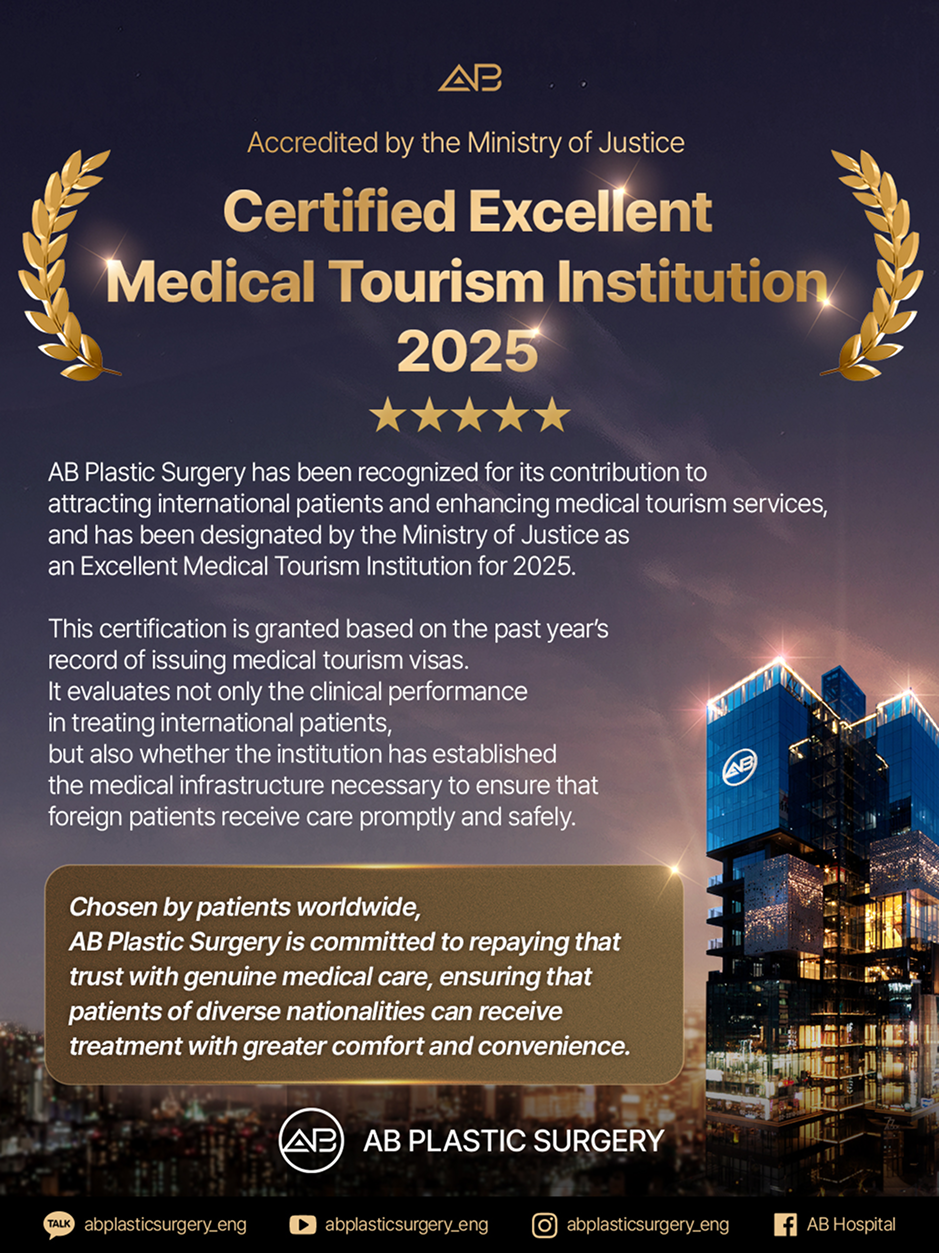
AB Plastic Surgery Korea, as part of this broader medical landscape, reflects these priorities through a structured, patient-centered approach aligned with the long-term direction of South Korea plastic surgery. Together, the trends of 2025 and the outlook for 2026 highlight how South Korea continues to position itself as a destination for aesthetic medicine defined by medical precision, regenerative thinking, and sustainable outcomes—setting a clear trajectory for the years ahead.

This article is for informational purposes only and does not replace a personal medical consultation.