Title
Finding Your Ideal Eye Shape: Korean Eye Surgery Before & After TrendsDate
2026-04-15Views
2667
AB Blog
How to Understand Korean Eye Plastic Surgery Before and After Results
Table of Contents
1. Why You Shouldn’t Judge Eye Surgery Results by Photos Alone
2. 4 Key Criteria to Evaluate Before and After Results Like a Surgeon
3. Complete Guide: Before and After Changes by Eye Surgery Type
4. Why Some Before and After Results Look Natural (And Others Don’t)
5. What Results Should Look Like for Your Specific Eye Type
6. When Is “After” Really After? Understanding the Recovery Timeline
7. Why Korean Eye Surgery Results Are Known for Looking Natural
8. Why Patients Choose AB Plastic Surgery for Eye Surgery Results
9. Typical Korean Eye Plastic Surgery Costs
10. FAQ: Real Questions About Eye Surgery Before and After Results
When searching for Korean eye plastic surgery before and after results, most patients focus on how dramatic the change looks. Bigger eyes, clearer double eyelid lines, or a more defined shape often seem like the goal.
However, not all before and after results represent a well-performed surgery. Lighting, angles, makeup, and even temporary swelling can significantly affect how results appear in photos. What looks “better” at first glance may not always mean balanced, natural, or long-lasting results.
In reality, the difference between a natural-looking outcome and an obvious one comes down to how the result is designed—not just how it looks. This is why understanding how to properly evaluate before and after results is essential before choosing any procedure.
This guide will show you how to analyze Korean eye plastic surgery results like a specialist, compare real changes by procedure, and understand what kind of outcome truly suits your face.

Why You Shouldn’t Judge Eye Surgery Results by Photos Alone
Before and After Photos Don’t Always Show the Full Picture
When evaluating Korean eye plastic surgery before and after results, many patients rely heavily on visual comparison. A larger eye shape, a clearer crease, or a more defined outline can immediately appear attractive.
However, before and after photos are not always an accurate representation of surgical quality. What you see in a single image may be influenced by multiple external factors that do not reflect the actual outcome.
-
Lighting conditions that enhance eye definition
-
Camera angles that make eyes appear larger or more symmetrical
-
Makeup or filters applied after recovery
-
Temporary swelling that has not fully subsided
Because of these variables, a visually appealing result does not always mean the surgery was performed correctly or optimally.
“Better Looking” vs “Well-Designed” Results
One of the most common misconceptions is equating a “more dramatic” result with a “better” result. In reality, the quality of eye plastic surgery is determined by balance, function, and long-term stability—not just visual impact.
For example, an overly high eyelid crease may initially look more defined, but over time it can appear unnatural or disproportionate to the face. Similarly, excessive opening of the eyes may lead to dryness or discomfort if not properly planned.
The key difference lies in surgical design:
-
Well-designed results: Balanced, natural, and aligned with facial proportions
-
Overcorrected results: Artificial, exaggerated, and potentially unstable over time
Why Proper Evaluation Matters Before Choosing Surgery
Relying only on surface-level before and after comparisons can lead to unrealistic expectations or inappropriate procedure choices. Each patient’s eye structure, muscle strength, and facial balance are different, meaning the same “result” cannot be universally applied.
This is why understanding how to evaluate results beyond appearance is critical. Instead of asking “Does this look good?”, patients should ask:
-
Does the result match the patient’s original eye condition?
-
Is the change functional as well as aesthetic?
-
Does the eye look natural in relation to the entire face?
In the next section, we will break down the exact criteria specialists use to evaluate before and after results—so you can assess them with the same perspective.
View Real Before and After Cases
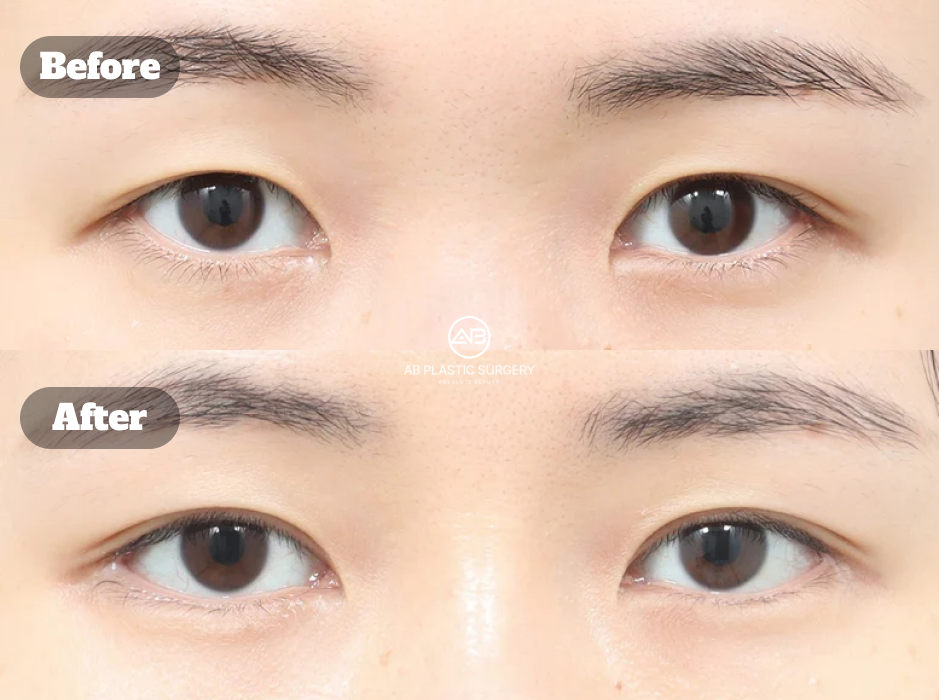
4 Key Criteria to Evaluate Before and After Results Like a Surgeon
1. Eye-Opening Strength (Functional Improvement)
One of the most important yet often overlooked factors in before and after analysis is how well the eyes open after surgery. This is directly related to levator muscle function, especially in cases involving ptosis correction or eye-opening procedures.
A well-performed surgery should not only make the eyes look larger but also improve how easily the eyes open without effort.
-
Before: Eyes appear heavy, sleepy, or partially closed
-
After: Eyes open more naturally with less muscle strain
If the eyes still look tired or require effort to open, the functional improvement may be insufficient.
2. Pupil Exposure (How Much of the Eye Is Visible)
Another critical factor is the amount of visible pupil. The goal is not simply to expose more of the eye, but to create a balanced and natural ratio.
Too little exposure can make the eyes look dull or closed, while too much exposure can create an unnatural or “surprised” appearance.
|
Condition |
Visual Effect |
|---|---|
|
Low pupil exposure |
Tired, sleepy appearance |
|
Balanced exposure |
Natural, bright, well-defined eyes |
|
Excessive exposure |
Overcorrected, unnatural look |
The most natural results come from achieving the right balance—not maximum exposure.
3. Symmetry and Balance Between Both Eyes
Even small asymmetries can significantly affect the overall impression of the eyes. Before and after photos should be evaluated for balance between both eyes, not just individual improvement.
-
Are both eyelid creases at a similar height?
-
Do both eyes open evenly?
-
Is there any noticeable difference in shape or size?
Perfect symmetry is not always realistic, but well-performed surgery should minimize visible imbalance rather than create new asymmetry.
4. Eyelid Crease Design and Facial Proportion
The eyelid crease is one of the most visible changes in eye surgery, but its design must match the patient’s overall facial structure.
A crease that is too high, too deep, or too thick can make the eyes look unnatural—even if the surgery itself was technically successful.
-
Low to medium crease: More natural and subtle appearance
-
High crease: More defined but may appear artificial depending on face shape
The key is not the height of the crease, but how well it integrates with the patient’s facial proportions.
Why These 4 Criteria Matter More Than Visual Impact
Many before and after photos focus on immediate visual change, but long-term satisfaction depends on function, balance, and proportion.
By evaluating results using these four criteria, patients can move beyond surface-level impressions and make more informed decisions about their surgery.
In the next section, we will break down how these principles apply to each specific eye surgery procedure—so you can understand exactly what changes to expect.
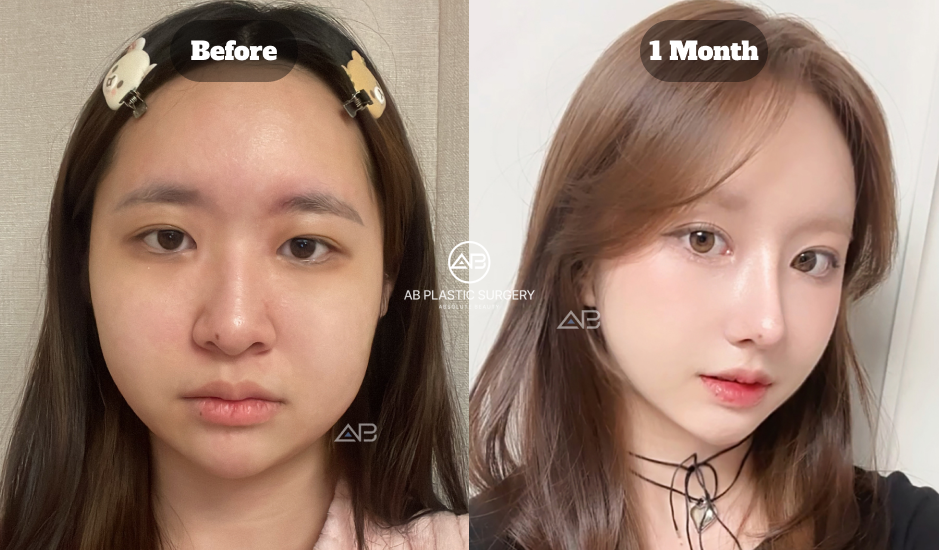
Complete Guide: Before and After Changes by Eye Surgery Type
Not all Korean eye plastic surgery before and after results represent the same type of change. Each procedure creates a different kind of transformation, depending on whether the goal is to enhance eye size, adjust shape, or improve function.
Understanding these differences is essential when comparing results, as the same “after” appearance may come from completely different surgical approaches.
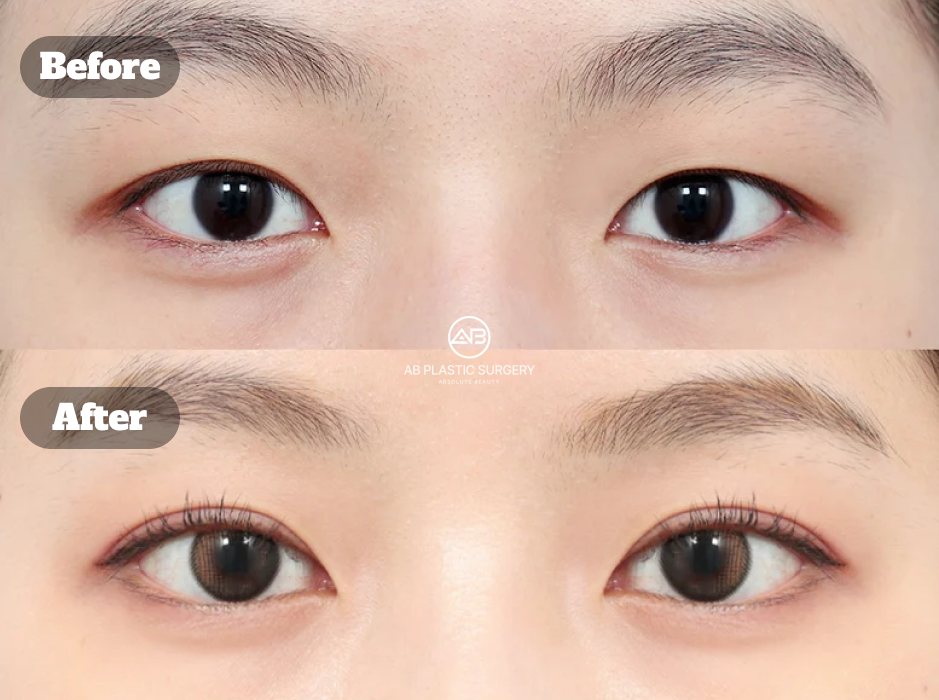
Double Eyelid Surgery (Blepharoplasty) Before and After
Double eyelid surgery is one of the most common procedures in Korea, primarily focused on creating a visible eyelid crease. The main transformation is not just the crease itself, but how it defines the eye shape.
-
Before: Monolid or unclear crease, flatter eye appearance
-
After: Defined crease, improved eye depth and contour
The key difference in results depends on crease design. A well-planned crease enhances the eyes naturally, while an overly high or thick crease may look artificial.
Explore Eyelid Surgery Options in Korea
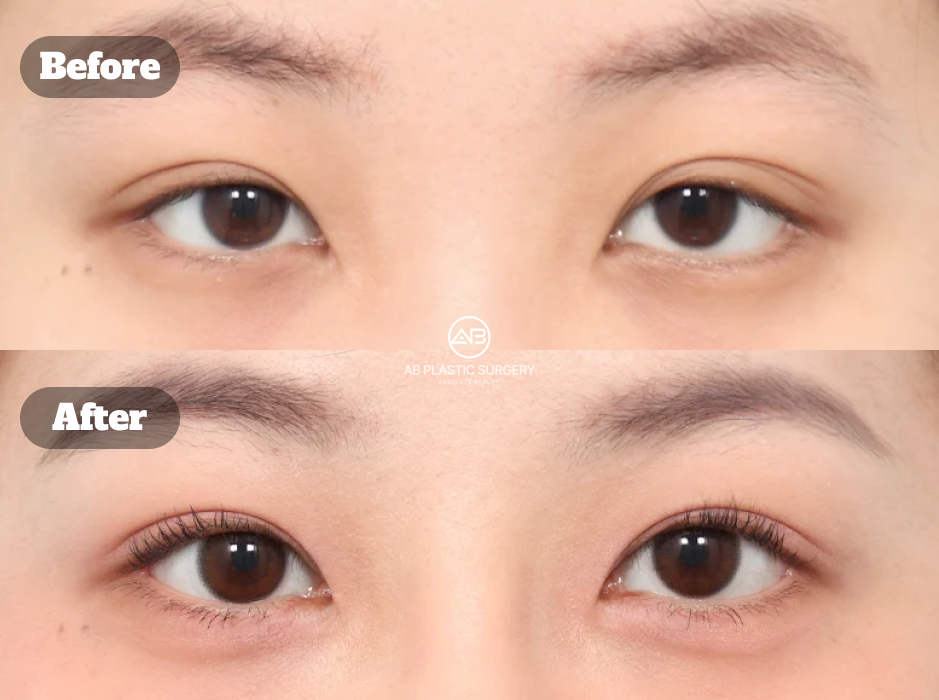
Ptosis Correction Before and After
Ptosis correction focuses on improving the function of the eyelid muscles. This procedure changes not only how the eyes look, but how they open.
-
Before: Droopy eyelids, tired or sleepy appearance
-
After: Improved eye-opening strength, brighter and more alert look
Unlike cosmetic-only procedures, the most important change here is functional improvement, which also leads to a more defined and balanced eye appearance.
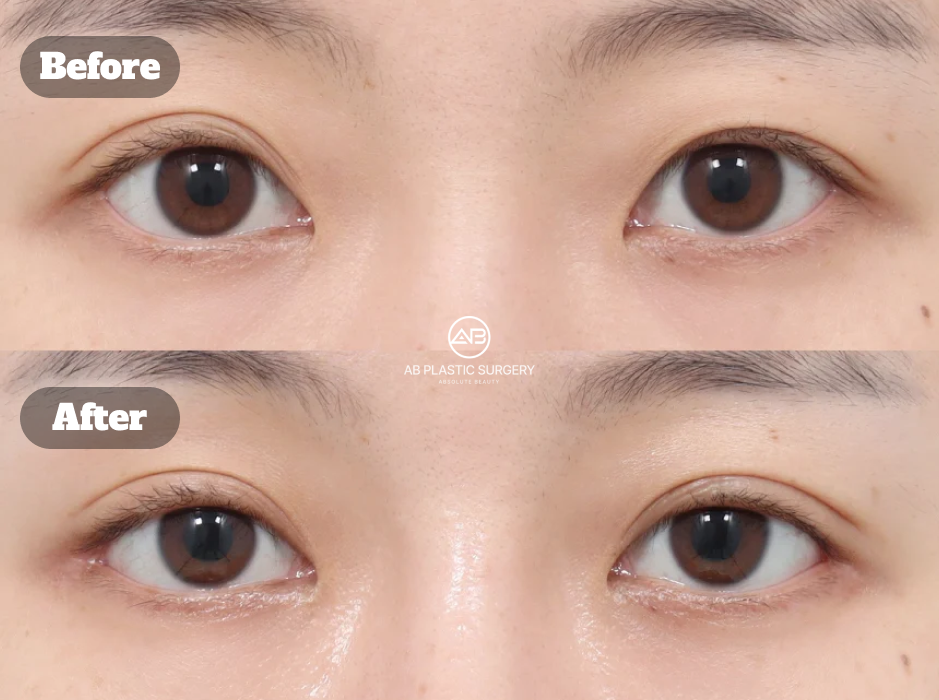
Canthoplasty (Inner & Outer Corner) Before and After
Canthoplasty adjusts the horizontal length and shape of the eyes. This procedure is often used to create a more open and elongated eye shape.
-
Before: Short or closed eye appearance
-
After: Wider eye shape with increased horizontal length
However, overcorrection can lead to an unnatural look. The goal is subtle extension, not excessive widening.
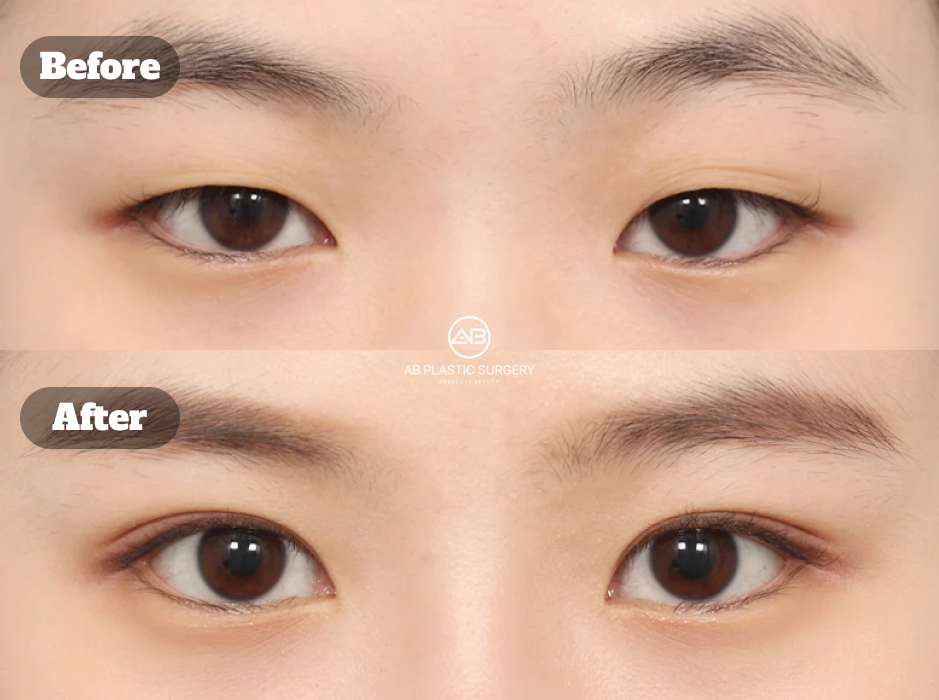
Eye Shape Correction (Eye-Opening Surgery) Before and After
Eye shape correction focuses on increasing visible eye area and refining the overall impression. This often involves improving how much of the pupil is exposed.
- Before: Limited pupil visibility, less defined eye impression
- After: Increased clarity, sharper and more defined eyes
The outcome varies depending on whether the patient has a monolid or existing double eyelid. Proper balance is key to avoiding an overly aggressive or unnatural result.
Why Procedure-Based Comparison Matters
When comparing before and after results, it is important to recognize that each procedure addresses a different aspect of the eye. Misunderstanding this can lead to unrealistic expectations or choosing the wrong surgery.
|
Procedure |
Main Change |
Key Focus |
|---|---|---|
|
Double Eyelid Surgery |
Crease formation |
Shape and definition |
|
Ptosis Correction |
Eye-opening strength |
Function + appearance |
|
Canthoplasty |
Horizontal eye length |
Eye shape expansion |
|
Eye Shape Correction |
Pupil exposure |
Clarity and sharpness |
Choosing the right procedure is not about copying a result, but understanding what type of change your eyes actually need.
In the next section, we will explore why some before and after results look natural while others appear artificial—even when the same procedures are used.
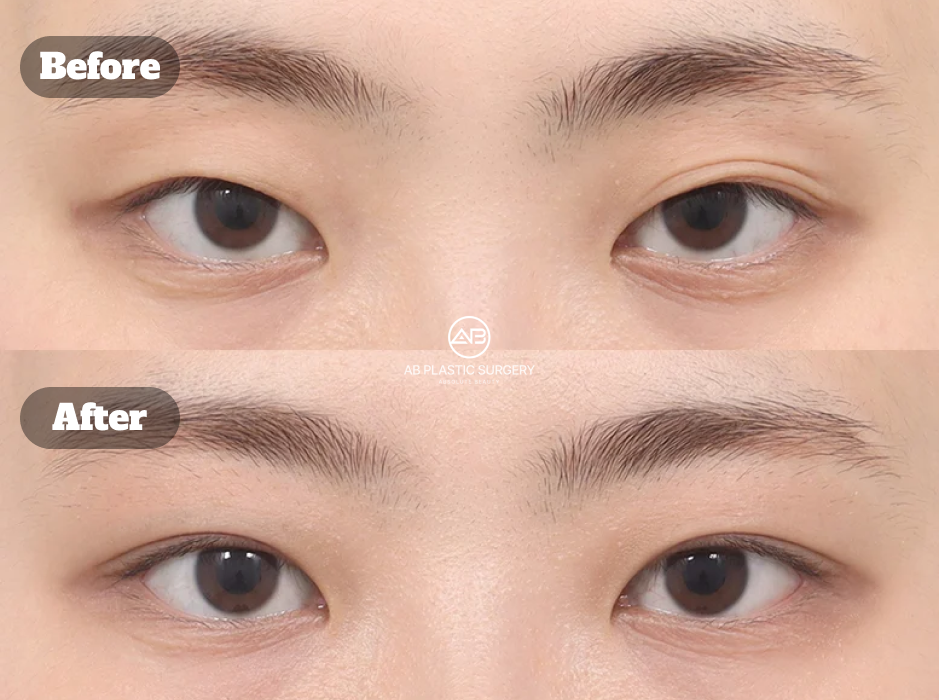
Why Some Before and After Results Look Natural (And Others Don’t)
Natural Results Are About Balance, Not Size
When reviewing Korean eye plastic surgery before and after results, many patients focus on how much bigger or more defined the eyes appear. However, natural-looking results are not determined by size alone—they are defined by balance.
A result may look impressive at first glance, but if it does not match the patient’s facial proportions, it can quickly appear artificial or overdone.
-
Balanced results: Harmonize with the overall face
-
Overemphasized results: Stand out in an unnatural way
The most successful outcomes are those that look unnoticeable as surgery.
Overcorrection Is the Most Common Cause of Unnatural Results
One of the main reasons some before and after results look unnatural is overcorrection. This happens when surgical changes exceed what the patient’s anatomy can support.
Examples of overcorrection include:
-
Excessively high or deep eyelid creases
-
Too much pupil exposure creating a “surprised” look
-
Overly widened eye corners from aggressive canthoplasty
While these changes may initially appear dramatic, they often lead to long-term imbalance and dissatisfaction.
Eyelid Design Must Match Facial Structure
Every face has different proportions, bone structure, and soft tissue characteristics. This means the same eyelid design will not suit every patient.
A well-designed result considers:
-
Distance between the eyes and eyebrows
-
Forehead and nose proportion
-
Skin thickness and eyelid structure
Ignoring these factors is one of the biggest reasons why some results look out of place.
Function and Aesthetics Must Work Together
Another key difference between natural and unnatural results is whether function and aesthetics are properly aligned. Eyes should not only look better—they should also function comfortably.
-
Natural results: Smooth eye movement, comfortable opening
-
Unnatural results: Tightness, discomfort, or incomplete closure
Procedures such as ptosis correction highlight this balance, where improving muscle function directly contributes to a more natural appearance.
Why Experience and Design Planning Matter
Ultimately, the difference between natural and unnatural results comes down to surgical planning and experience. Even the same procedure can produce completely different outcomes depending on how it is designed.
Rather than focusing only on dramatic change, experienced surgeons prioritize:
-
Customized design based on individual anatomy
-
Long-term stability over short-term visual impact
-
Subtle enhancement that integrates with the face
This is why understanding the “quality” of before and after results is more important than simply comparing how big or defined the eyes look.
In the next section, we will explore how these principles apply to different eye types—helping you understand what kind of result is actually right for your eyes.
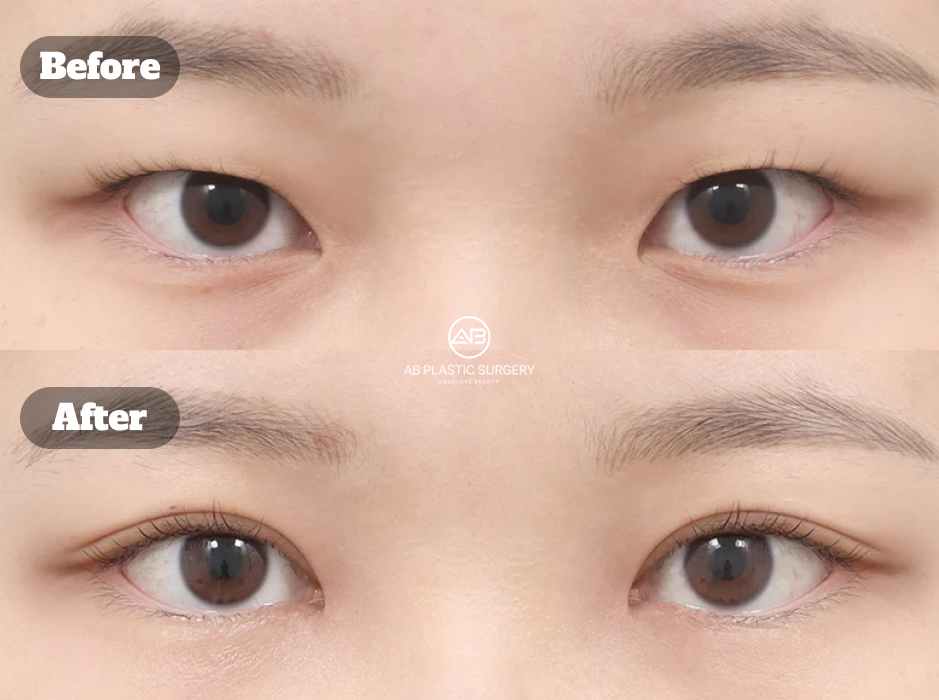
What Results Should Look Like for Your Specific Eye Type
Different Eyes Require Different Goals
One of the biggest mistakes patients make when evaluating Korean eye plastic surgery before and after results is assuming that the same outcome will suit everyone. In reality, the ideal result depends entirely on your original eye structure.
Rather than asking “Which result looks best?”, the more important question is: “What kind of change is appropriate for my eye type?”
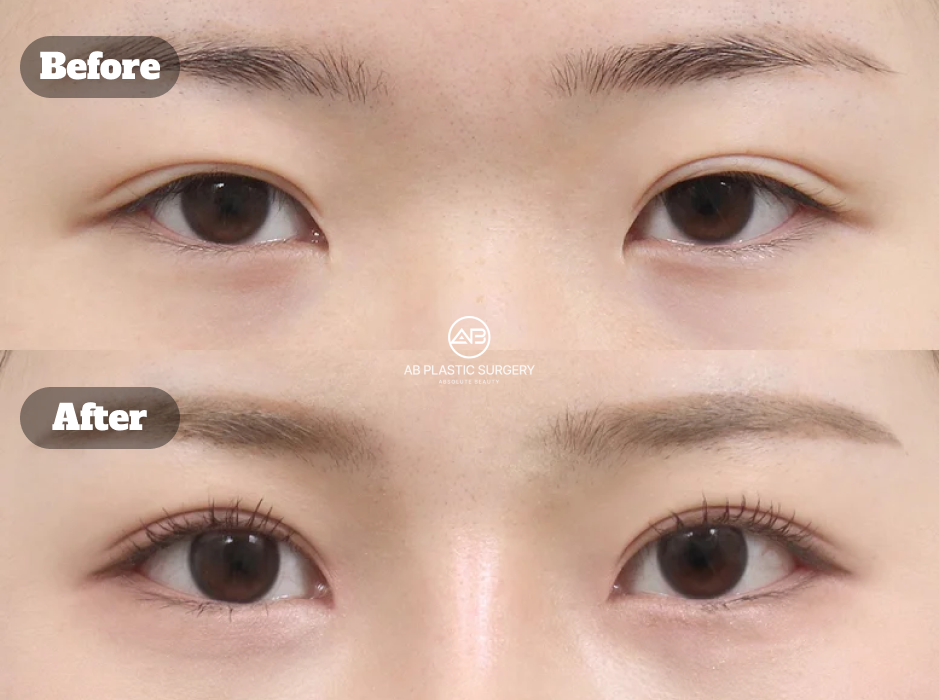
Small Eyes: Focus on Openness and Clarity
For patients with smaller eyes, the goal is usually to create a more open and defined appearance. This often involves improving both eye-opening strength and visible eye area.
-
Key focus: Increasing pupil exposure and eye definition
-
Common approach: Double eyelid surgery combined with eye-opening procedures
-
Expected result: Brighter, more open eyes without looking exaggerated
The goal is not simply to make the eyes bigger, but to make them look naturally clearer and more expressive.
Droopy Eyes: Correcting Function First
For droopy or sleepy-looking eyes, the priority is often functional correction. In many cases, ptosis correction is essential before focusing on cosmetic changes.
-
Key focus: Improving eye-opening strength
-
Common issue: Eyes appear tired even after double eyelid surgery alone
-
Expected result: More alert and refreshed appearance
Without addressing the underlying muscle function, aesthetic improvements alone may not produce satisfying results.
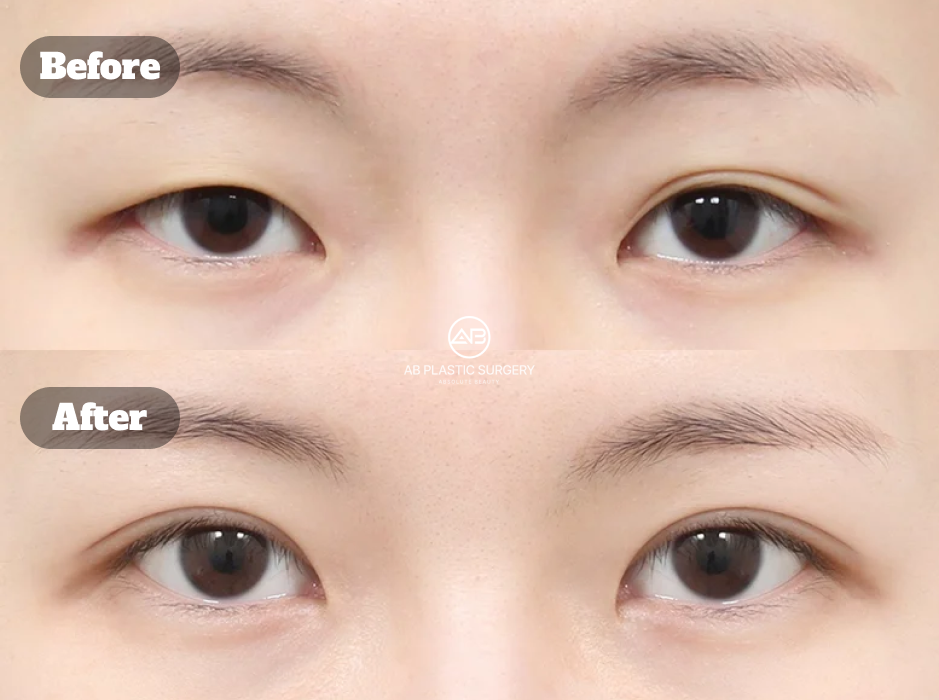
Thick or Heavy Eyelids: Balance and Reduction
Patients with thick or heavy eyelids require a different approach. The focus here is on reducing heaviness while maintaining natural proportions.
-
Key focus: Removing excess fat or skin
-
Common risk: Creating a crease that is too deep or unnatural
-
Expected result: Lighter, more refined eye contour
Overcorrection in these cases can easily lead to an artificial or overly sharp appearance.
Why Copying Results Doesn’t Work
Many patients bring reference photos when considering surgery, but directly copying someone else’s before and after result rarely leads to the same outcome.
This is because:
-
Eye structure and muscle strength vary between individuals
-
Facial proportions affect how results appear
-
The same procedure can produce different visual outcomes
A result that looks natural on one person may look unnatural on another.
Choosing the Right Result for You
The most successful outcomes come from aligning the procedure with your individual anatomy. This requires a personalized approach rather than a standardized design.
Instead of focusing on a specific look, patients should prioritize:
-
Improving their own eye condition
-
Maintaining balance with their facial features
-
Achieving a result that looks natural over time
The goal is not to achieve a “perfect” eye, but to create the most suitable version of your own.
In the next section, we will look at how these results evolve over time—so you can understand when your final outcome actually appears.
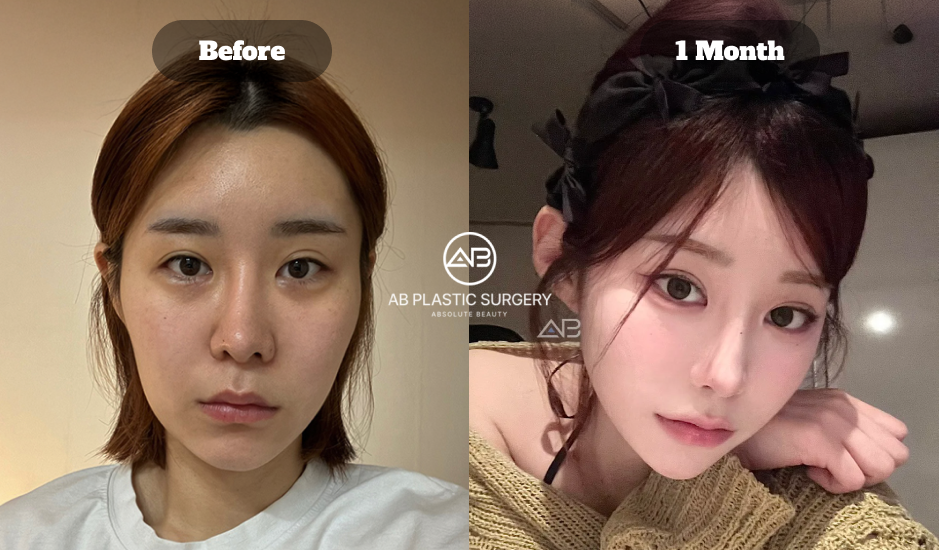
When Is “After” Really After? Understanding the Recovery Timeline
The “After” You See Immediately Is Not the Final Result
One of the most common misunderstandings about Korean eye plastic surgery before and after results is assuming that the “after” photo represents the final outcome. In reality, early post-surgery results are often influenced by swelling, bruising, and tissue adjustment.
This means that what you see immediately after surgery may look very different from the final, stabilized result.
Read Real Patient Recovery Stories
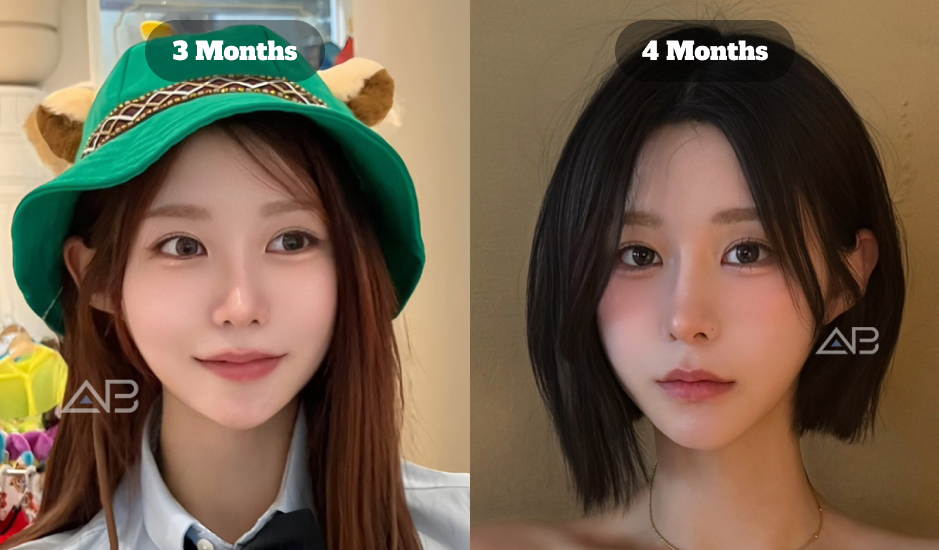
Stage-by-Stage Recovery Timeline
Understanding how results evolve over time helps set realistic expectations and prevents unnecessary concern during recovery.
|
Timeline |
What to Expect |
|---|---|
|
Immediately After Surgery |
Swelling, tightness, and an unnatural appearance are common |
|
1 Week |
Initial swelling decreases, but results still look slightly unnatural |
|
1 Month |
Shape becomes more defined, but subtle swelling may remain |
|
3 Months |
Most swelling subsides, results appear more natural |
|
6 Months+ |
Final result stabilizes with natural movement and appearance |
The true “after” result should be evaluated several months after surgery—not immediately.
Swelling vs Real Results: How to Tell the Difference
Swelling can sometimes make the eyes look larger, uneven, or overly defined in the early stages. This is temporary and does not reflect the final outcome.
-
Swelling-related changes: Puffiness, uneven crease height, stiffness
-
Actual results: Balanced shape, natural movement, stable crease
Misinterpreting swelling as a final result is one of the most common causes of unnecessary concern.
Why Patience Is Essential for Natural Results
Eye surgery results improve gradually over time as swelling subsides and tissues settle into their final position. Rushing to judge the outcome too early can lead to incorrect conclusions.
Natural-looking results require:
-
Time for swelling to fully resolve
-
Proper post-operative care
-
Gradual adaptation of eyelid movement
The most natural results are often the least noticeable—and they take time to fully appear.
What This Means When Comparing Before and After Photos
When reviewing before and after cases, it is important to consider when the “after” photo was taken. Results shown too early may not accurately represent the final outcome.
For a more reliable comparison, patients should look for:
-
Results at least 2–3 months post-surgery
-
Consistent lighting and angles
-
Natural facial expressions (not posed or exaggerated)
Understanding the recovery timeline allows you to interpret before and after results more accurately—and make better-informed decisions.
In the next section, we will explore why Korean eye surgery is widely recognized for its natural-looking results and what makes it different from other approaches.

Why Korean Eye Surgery Results Are Known for Looking Natural
A Design-Focused Approach Rather Than Standardized Procedures
Korean eye plastic surgery is widely recognized for producing natural-looking results. One of the main reasons is that the focus is placed on customized design rather than applying a single standard technique to every patient.
Instead of aiming for a fixed eye shape, surgeons in Korea typically consider:
-
Individual eye structure and muscle function
-
Facial proportions and balance
-
Skin thickness and eyelid characteristics
This design-oriented approach allows results to blend naturally with each patient’s overall appearance.
Balancing Function and Aesthetics
Another key factor is the integration of functional correction with aesthetic improvement. Procedures such as ptosis correction are not performed solely for appearance, but also to improve how the eyes function.
This balance leads to results that not only look better but also feel more comfortable and stable over time.
-
Functional improvement: Easier eye opening, reduced strain
-
Aesthetic improvement: Brighter, more defined eyes
When function and aesthetics are aligned, the result naturally appears more refined and less artificial.
Extensive Clinical Experience with Diverse Cases
Korea has a high volume of eye surgery cases, which contributes to a deeper level of surgical experience. This allows surgeons to handle a wide range of eye conditions and tailor techniques accordingly.
Rather than relying on limited case patterns, experienced surgeons can adjust their approach based on subtle differences in anatomy.
-
Monolid vs existing double eyelid
-
Different levels of ptosis severity
-
Variations in skin thickness and elasticity
This level of experience is a key factor in achieving consistent and natural-looking outcomes.
Preference for Subtle and Long-Term Results
Current trends in Korea emphasize subtle enhancement rather than dramatic transformation. The goal is to create results that look natural not only immediately after surgery, but also over time.
This means prioritizing:
-
Moderate, well-balanced eyelid crease design
-
Avoidance of excessive correction
-
Long-term stability of results
The most successful results are those that do not appear obvious as surgery.
Why This Matters for International Patients
For international patients, this approach provides an important advantage. Rather than following trends or standardized designs, Korean eye surgery focuses on individualized outcomes that suit each patient’s face.
This reduces the risk of unnatural results and supports more predictable, long-term satisfaction.
In the next section, we will look at how these principles are applied in clinical practice—and why patients choose AB Plastic Surgery for eye surgery results.
Why Patients Choose AB Plastic Surgery for Eye Surgery Results
Customized Eye Design Based on Individual Anatomy
At AB Plastic Surgery, eye surgery is not approached as a standardized procedure. Each treatment plan is developed based on the patient’s unique eye structure, facial balance, and functional condition.
This means that rather than aiming to replicate a specific trend or reference photo, the focus is on creating results that naturally fit the individual.
-
Personalized crease design based on facial proportions
-
Consideration of muscle strength and eye-opening function
-
Adjustment of surgical technique depending on eye type
This approach helps ensure that results look natural both immediately and over time.
Combining Functional Correction with Aesthetic Results
Many patients focus only on visual improvement, but long-term satisfaction depends on both function and appearance.
At AB Plastic Surgery, procedures such as ptosis correction are planned not only to enhance eye shape, but also to improve how the eyes function in daily life.
-
More comfortable and natural eye opening
-
Reduced strain around the eyes
-
Balanced and stable results
This integration of function and aesthetics is a key factor in achieving natural-looking outcomes.

A System Designed for Patient Safety and Accountability
For international patients, safety is often one of the biggest concerns when considering surgery abroad. This is why AB Plastic Surgery operates within a system that is structured to prioritize patient safety at every stage.
AB Plastic Surgery is certified under the Accreditation as a medical institution for international patients (KAHF), a national evaluation system that focuses on how hospitals manage patient care, safety, and responsibility.
This certification is not about marketing—it reflects whether a hospital is prepared to handle patient care under strict national standards.
-
Structured consultation and communication system for international patients
-
Standardized safety protocols during and after surgery
-
Clear processes for post-operative care and patient support
For patients, this means choosing a clinic where not only the surgery, but also the entire care process is systematically managed.
See Our Official Medical Certification

Comprehensive Care for International Patients
Eye surgery results are not determined by the procedure alone. Pre-operative consultation, surgical planning, and post-operative care all play a critical role in the final outcome.
AB Plastic Surgery provides an integrated system designed for international patients, ensuring continuity of care throughout the entire treatment process.
-
Multilingual consultation support
-
Clear explanation of procedures and recovery expectations
-
Structured follow-up care after surgery
This level of support helps patients feel confident not only in the surgery itself, but in the overall experience.
Why This Matters When Comparing Before and After Results
When evaluating before and after results, it is important to understand that outcomes are not determined by technique alone. The system behind the surgery—including planning, safety, and aftercare—plays a significant role in the final result.
This is why patients increasingly consider not just the visual results, but the reliability of the medical system behind them.
In the final section, we will address the most common questions patients have about eye surgery before and after results.
Typical Korean Eye Plastic Surgery Costs
Many international patients comparing Korean eye plastic surgery before and after results also want to understand the typical cost of each procedure before planning their treatment. While every surgical plan is customized according to eye anatomy, functional needs, and aesthetic goals, the following table provides general starting prices for the most commonly performed eye procedures at AB Plastic Surgery Korea.
|
Procedure |
Starting Price (USD) |
|---|---|
|
Non-Incisional Ptosis Correction |
From $1,700 |
|
Incisional Ptosis Correction |
From $2,380 |
|
Epicanthoplasty |
From $750 |
|
Lateral + Lower Canthoplasty |
From $1,360 |
|
Lower Blepharoplasty |
From $1,870 |
|
Revision Eye Surgery |
From $2,240 |
Pricing Disclaimer
The prices above represent estimated starting costs for reference. Your final quotation may vary depending on your eye anatomy, previous surgeries, functional correction requirements, surgical complexity, and whether multiple procedures are performed together. A personalized consultation is the best way to receive an accurate treatment plan and cost estimate.
Planning your eye surgery in Korea?
Compare procedure options, review estimated costs, and receive a customized treatment schedule before traveling to Korea.
Check Eye Surgery Costs & Get Your Customized Treatment Plan →

FAQ: Real Questions About Eye Surgery Before and After Results
How long does it take for eye surgery results to look natural?
Most patients start to see more natural results around 1 to 3 months after surgery, as swelling gradually subsides. However, the final stabilized result may take up to 3 to 6 months, depending on the procedure and individual healing process.
Can eye surgery results look too obvious or unnatural?
Yes, results can appear unnatural if there is overcorrection or if the design does not match the patient’s facial structure. Excessively high creases, too much pupil exposure, or overly widened eyes are common causes of unnatural-looking outcomes.
What causes unsatisfactory before and after results?
Unsatisfactory results are often caused by a mismatch between the procedure and the patient’s eye condition. Common factors include poor design planning, ignoring functional issues like ptosis, and focusing only on visual change rather than overall balance.
When is revision eye surgery necessary?
Revision surgery may be considered when results are asymmetrical, overcorrected, or do not meet functional expectations. It is generally recommended to wait until the tissues have fully healed before evaluating the need for revision.
Why do the same procedures produce different results for different patients?
Even with the same procedure, results can vary significantly due to differences in anatomy, muscle strength, skin thickness, and facial proportions. This is why personalized surgical planning is essential for achieving natural and balanced results.
This article is for informational purposes only and does not replace a personal medical consultation.