Title
Korean Nose Job Before and After: Structural Differences by Nose Type and Why They MatterDate
2026-03-25Views
4050
AB Blog
Korean Nose Job Before and After: Why Nose Type Determines the Final Result
Table of Contents
1. Why Before-and-After Photos Alone Can Be Misleading
2. Structural Diagnosis First: How Surgical Planning Determines Stability
3. Korean Nose Job Before and After by Nose Type
4. Revision and Implant-Free Rhinoplasty: When Structure Becomes the Priority
5. What Stable Korean Nose Job Results Look Like Over Time
6. Frequently Asked Questions About Korean Nose Job Before and After Results
7. Choosing a Korean Rhinoplasty Clinic Based on Structural Expertise and Safety
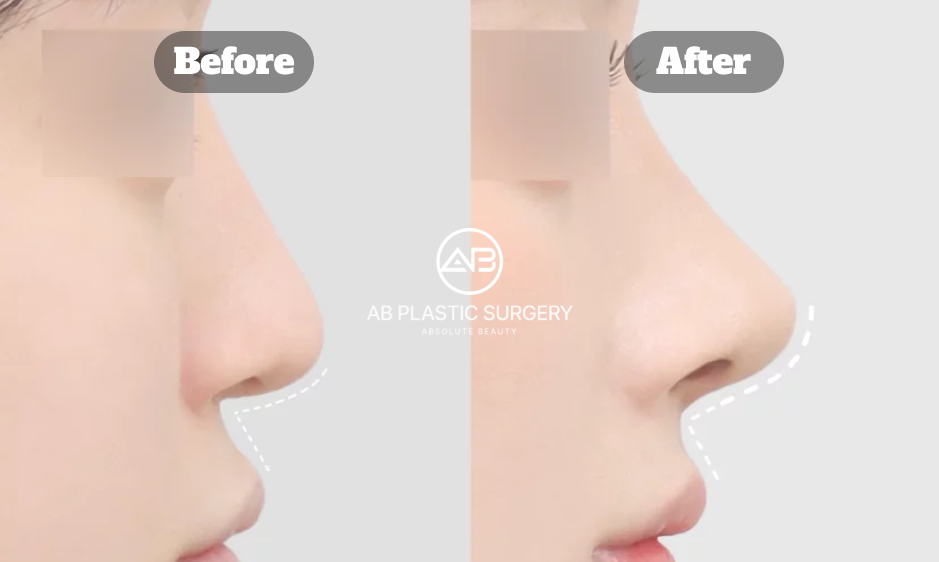
When searching for korean nose job before and after, most patients focus on visual differences. However, rhinoplasty results are not defined by height alone.
Long-term outcomes depend on nose type, cartilage strength, skin thickness, and structural planning. Two similar before photos may require completely different surgical strategies.
This guide explains how anatomical diagnosis and customized design determine stable Korean rhinoplasty results — beyond what photos can show.
Why Before-and-After Photos Alone Can Be Misleading
Many international patients evaluating korean nose job before and after results rely primarily on visual comparison. While before-and-after images can demonstrate change, they rarely explain the structural factors that determine whether that change will remain stable.
A higher bridge or a sharper tip may appear impressive immediately after surgery. However, without understanding cartilage support, skin thickness, and internal nasal structure, it is impossible to determine if the result is balanced, sustainable, or functionally sound.
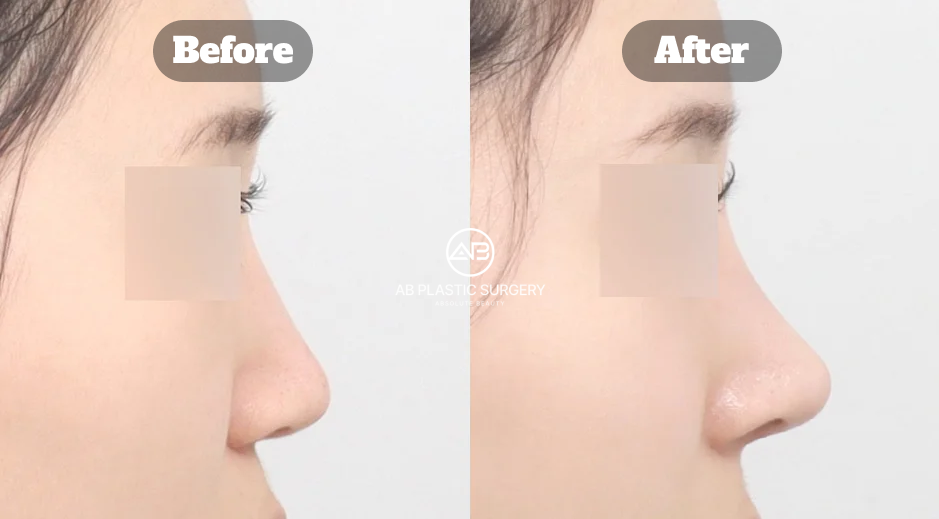
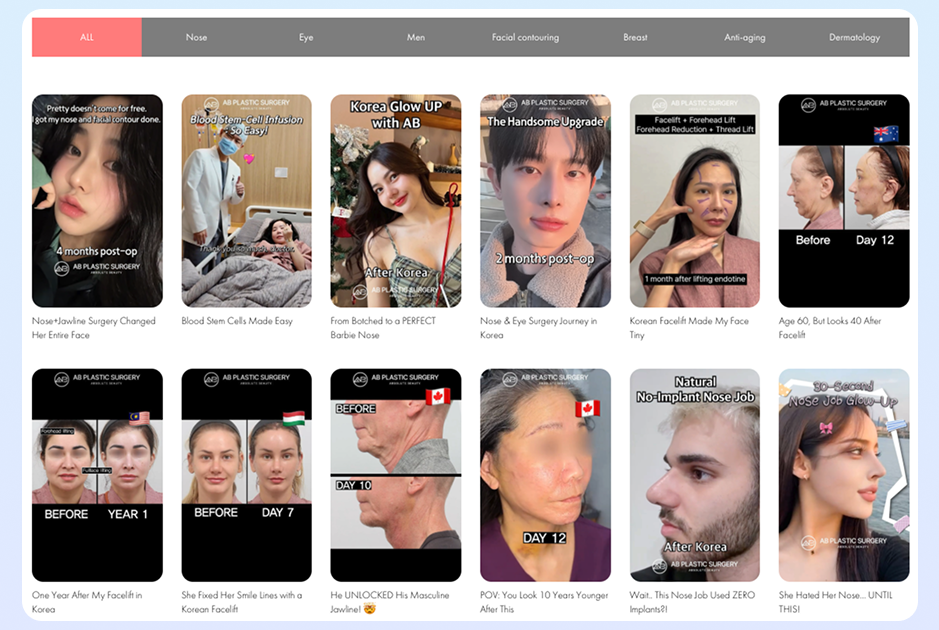
Real Rhinoplasty Before-and-After Cases
Photos Show Shape — Not Structural Support
Before-and-after photos capture surface contours, but they do not reveal:
-
The strength and thickness of the septal cartilage
-
How tip projection is supported internally
-
Whether grafts were used for reinforcement
-
The condition of nasal skin and soft tissue
-
Functional factors such as septal deviation or nasal valve narrowing
Two patients may appear similar in photos, yet one may have a structurally reinforced result while the other relies heavily on artificial projection. This distinction becomes visible only over time.
Early Results vs Long-Term Stability
Immediate postoperative images can be misleading due to swelling and temporary tissue tension. True stability is typically evaluated months after surgery, when:
-
Swelling has fully subsided
-
Soft tissue has adapted to the new framework
-
Scar tissue maturation is complete
-
Structural support has proven durable under normal facial movement
A structurally planned rhinoplasty maintains proportion and tip support over time. In contrast, results that lack adequate reinforcement may gradually lose projection, become asymmetric, or develop functional concerns.
Why Nose Type Matters More Than Visual Height
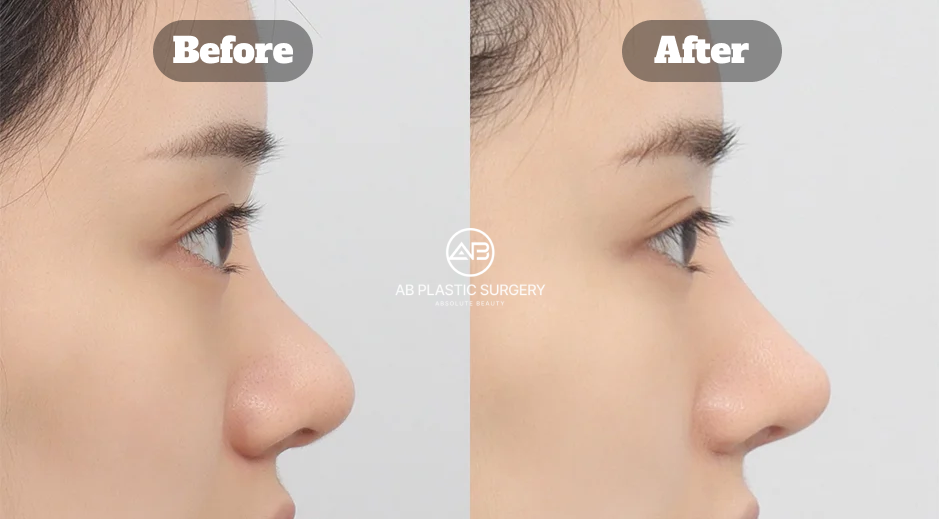
A flat nose, bulbous tip, hump nose, or short nose each presents a different anatomical challenge. Simply increasing height does not address the root structural condition. Surgical strategy must match the original nose type to achieve both aesthetic harmony and long-term stability.
For this reason, evaluating Korean nose job before-and-after results requires more than comparing photos. Understanding how the nose was analyzed and structurally reconstructed is what ultimately determines whether the final result is balanced and sustainable.
Typical Korean Nose Job Costs by Procedure Type
After reviewing Korean nose job before-and-after results, many international patients also want to understand how rhinoplasty costs may vary depending on nose type and surgical complexity. Since procedures such as bridge-and-tip rhinoplasty, short nose correction, alar reduction, and revision rhinoplasty require different levels of structural planning, the final cost is usually determined after an individual consultation.
|
Procedure |
Starting Price USD |
When It May Be Considered |
|---|---|---|
|
Primary Rhinoplasty Bridge + Tip |
From $3,400 |
For patients seeking bridge height, tip refinement, or overall nose shape improvement |
|
Alar Reduction |
From $1,360 |
For wide nostrils or nasal base narrowing, often discussed with bulbous nose concerns |
|
Upturned Nose Correction |
From $4,760 |
For short or upturned nose cases requiring structural lengthening and support |
|
Revision Rhinoplasty |
From $4,080 |
For patients who need correction after a previous nose surgery, implant issue, scar tissue, or structural imbalance |
|
Rib Cartilage |
From $2,240 |
May be added when stronger cartilage support is needed for complex or revision cases |
Please note: These prices are starting references in USD and may change depending on nasal structure, skin thickness, cartilage condition, graft material, revision history, and the final surgical plan. For an accurate quote and a customized surgical schedule, patients should complete a personalized consultation before confirming treatment.
Check Korean nose job costs and request a customized surgery schedule
Structural Diagnosis First: How Surgical Planning Determines Stability
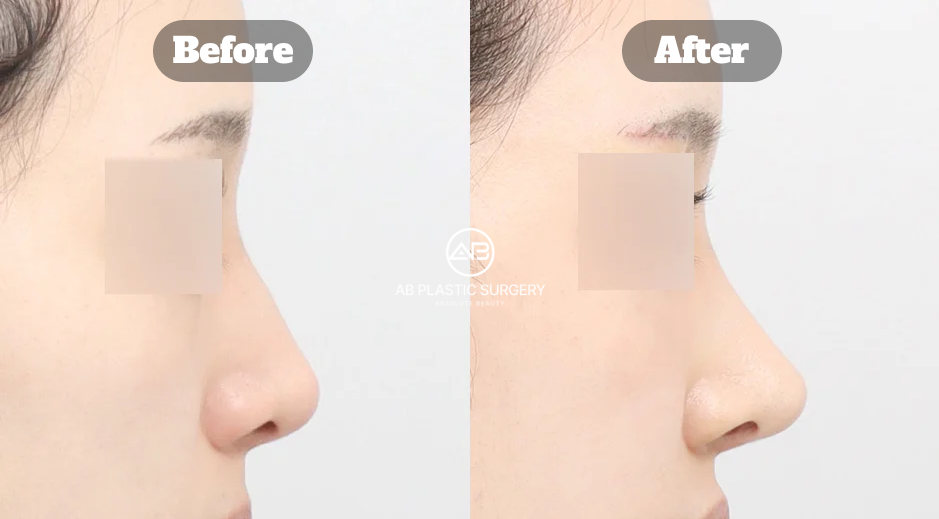
Stable Korean rhinoplasty results begin long before the first incision. While before-and-after photos show the outcome, structural diagnosis determines whether that outcome can be safely achieved and maintained.
A properly planned nose job evaluates internal anatomy, cartilage condition, bone alignment, and skin characteristics. Without this analysis, height or projection may be increased visually, but long-term balance cannot be guaranteed.
Korean Rhinoplasty Surgical Methods
Key Structural Factors Evaluated Before Surgery
Comprehensive rhinoplasty planning typically includes assessment of:
-
Septal cartilage strength and available support
-
Nasal bone width and symmetry
-
Tip cartilage shape and stability
-
Skin thickness and soft tissue resistance
-
Functional elements such as airflow and nasal valve condition
These variables determine whether structural reinforcement, grafting, reshaping, or lengthening techniques are required. Two patients with similar external appearances may require completely different internal approaches.
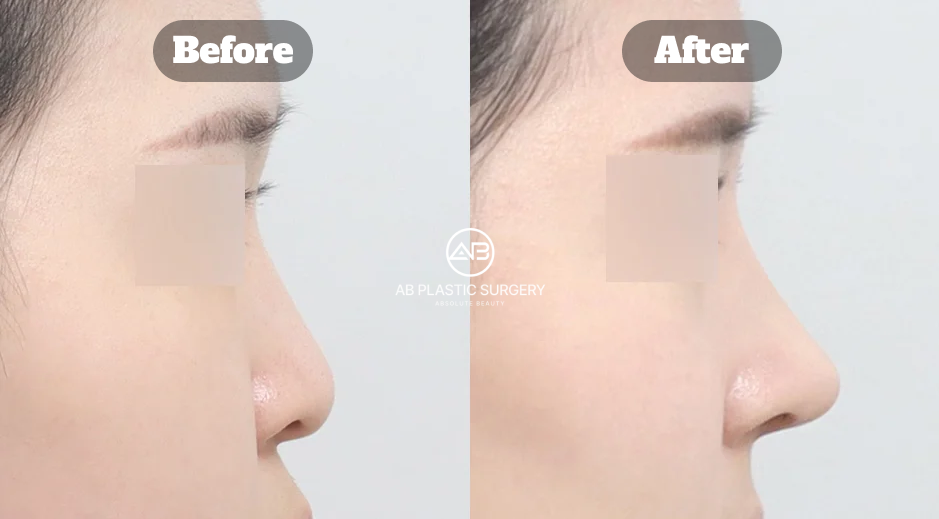
Why Structural Planning Prevents Long-Term Complications
When nasal support is insufficient, visible problems often appear months after surgery. These may include tip drooping, asymmetry, implant visibility, or functional breathing discomfort.
Structural planning prioritizes reinforcement and anatomical balance to reduce risks such as:
-
Loss of projection over time
-
Implant shifting or contour irregularities
-
Tip collapse due to weak cartilage
-
Postoperative airway narrowing
By designing the internal framework first, surgeons focus on stability rather than temporary elevation. This approach is especially important for international patients who may not have the opportunity for frequent in-person follow-up visits.
The Role of Systemized Safety in Structural Rhinoplasty
Structural expertise is closely connected to safety systems. Proper diagnosis, anesthesia monitoring, intraoperative precision, and postoperative observation all influence final stability.
Evaluating a clinic’s structural planning process — rather than relying solely on visual results — provides a more accurate understanding of how Korean nose job before-and-after outcomes are achieved and maintained over time.
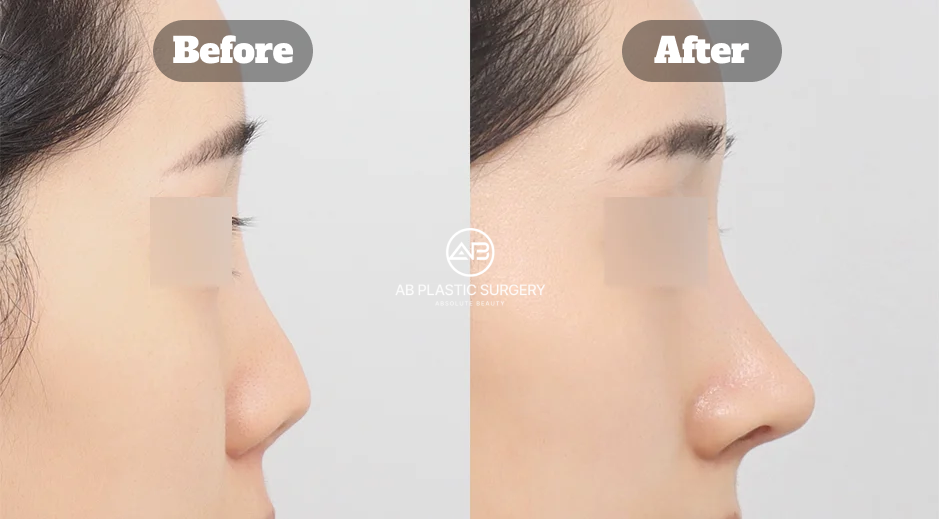
Korean Nose Job Before and After by Nose Type
When evaluating korean nose job before and after results, it is essential to understand that different nose types require different structural strategies. A flat nose, bulbous tip, hump nose, or short nose cannot be corrected using the same surgical plan.
True balance is achieved when surgical technique matches the original anatomy. The following examples explain how structural differences influence both immediate appearance and long-term stability.
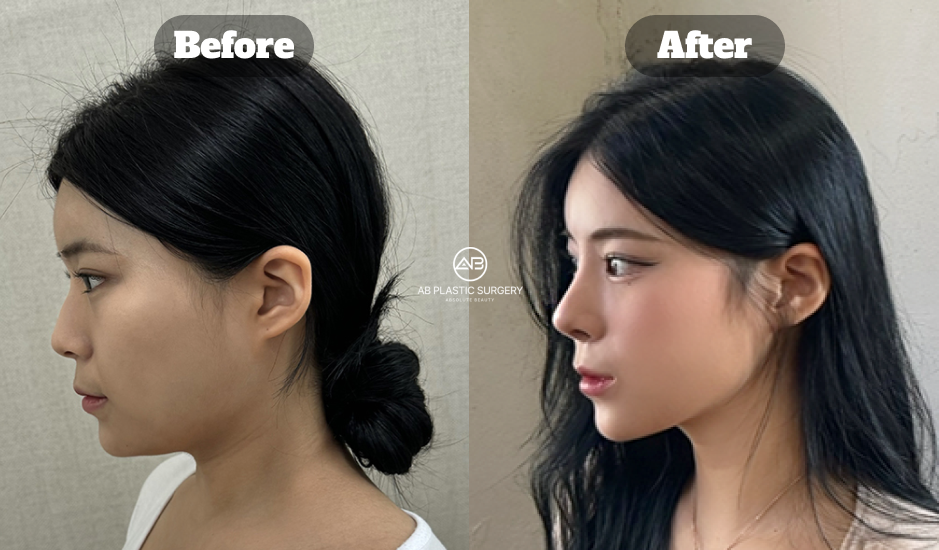
Flat Nose: Structural Elevation vs Artificial Height
A flat nose often lacks dorsal height and internal support. Simply inserting an implant may create temporary projection, but without structural reinforcement, long-term stability can be compromised.
-
Assessment of septal cartilage strength
-
Consideration of skin thickness
-
Reinforcement of tip support when increasing height
In well-planned cases, before-and-after differences appear natural because elevation is supported internally rather than forced visually.
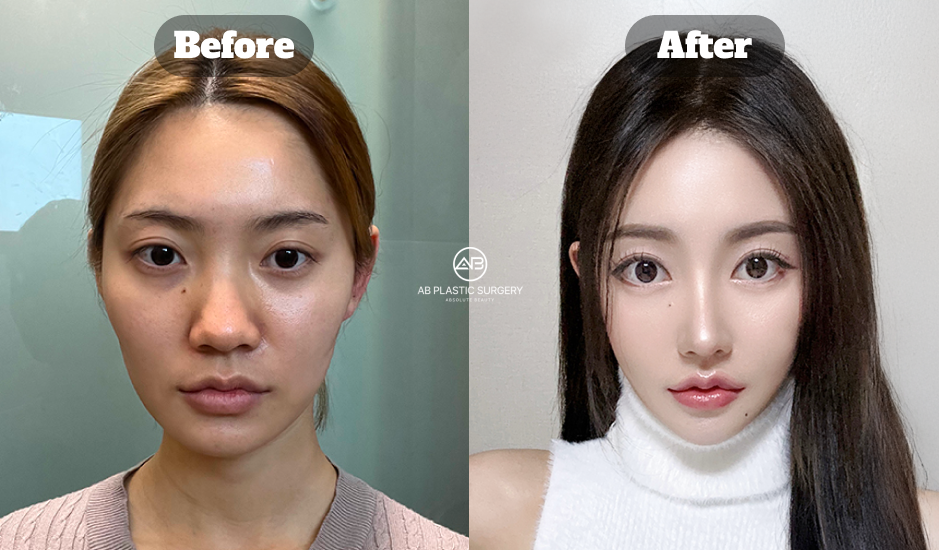
Bulbous Nose: Cartilage Reshaping and Skin Thickness
A bulbous nose typically involves thick skin and wide lower lateral cartilages. Reducing size alone does not guarantee refinement.
-
Precise cartilage reshaping
-
Tip definition through structural suturing
-
Balanced narrowing without collapse
Stable results depend on maintaining support while refining contour. Over-reduction may lead to long-term tip weakness or irregularity.
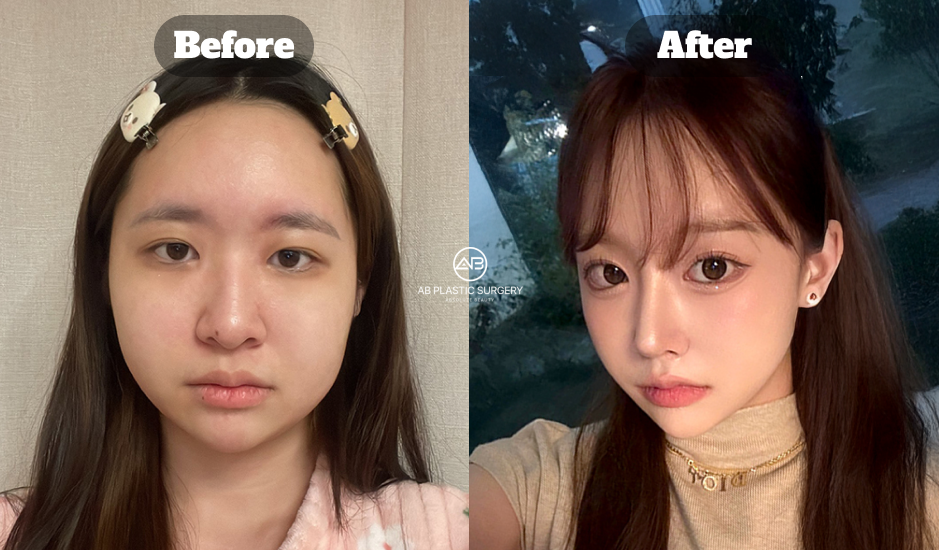
Hump Nose: Bone Reduction with Proportion Control
A hump nose requires careful dorsal reduction while preserving structural alignment. Removing excessive bone without proportion control can create imbalance.
-
Controlled hump reduction
-
Osteotomy for alignment correction
-
Maintaining dorsal strength after reshaping
In these cases, before-and-after results should demonstrate smoother contour while maintaining natural facial harmony.
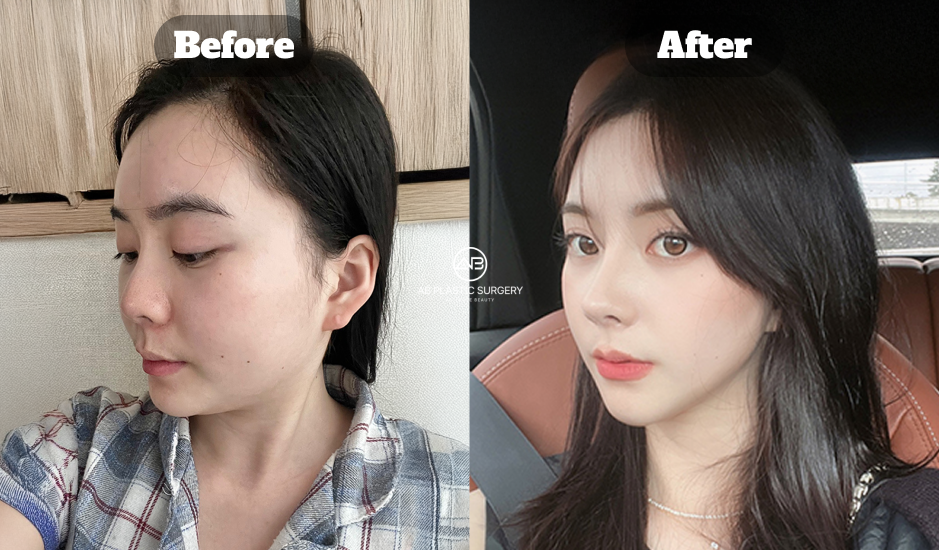
Short Nose: Lengthening Requires Structural Reinforcement
A short nose presents one of the most complex structural challenges. Lengthening requires internal support to prevent relapse.
-
Septal extension graft consideration
-
Reinforced tip projection
-
Prevention of postoperative contracture
Without adequate reinforcement, projection may decrease over time. Stable Korean rhinoplasty results in short nose cases depend heavily on internal framework design.
These examples illustrate why comparing Korean nose job before-and-after images without understanding nose type can be misleading. Structural diagnosis determines not only how the nose looks immediately after surgery, but how it will age and maintain balance over time.
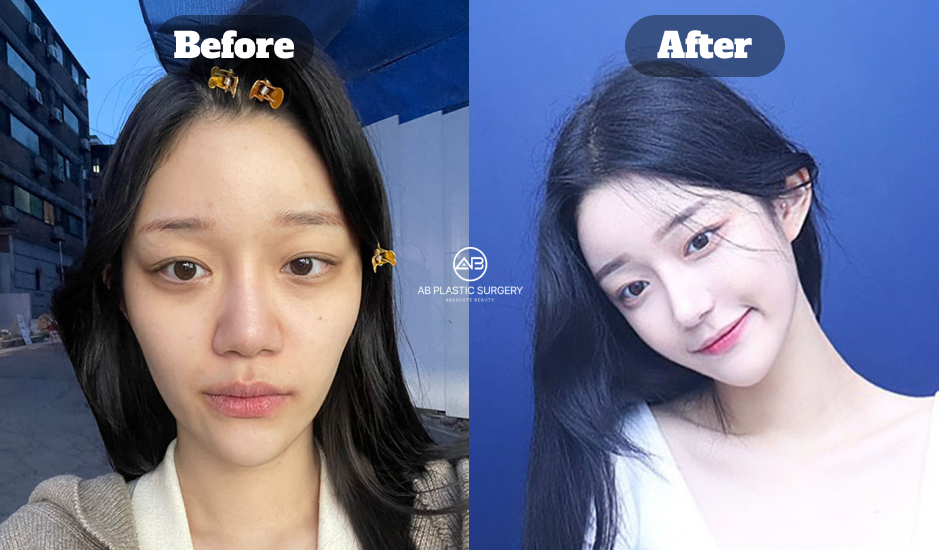
Revision and Implant-Free Rhinoplasty: When Structure Becomes the Priority
In primary rhinoplasty, visual improvement is often the main focus. In revision and implant-free cases, however, structural stability becomes the primary concern.
Patients seeking revision surgery frequently experience issues such as tip drooping, asymmetry, implant visibility, or weakened internal support. In these situations, the goal is not simply reshaping — it is structural reconstruction.
Why Revision Rhinoplasty Is More Complex
Revision cases often involve scar tissue, reduced cartilage availability, and compromised structural integrity. These factors require a more detailed diagnostic approach.
-
Assessment of remaining septal cartilage
-
Evaluation of scar tissue formation
-
Correction of weakened tip support
-
Reconstruction of dorsal alignment
Because internal anatomy has already been altered, surgical planning must prioritize reinforcement rather than aggressive reshaping.
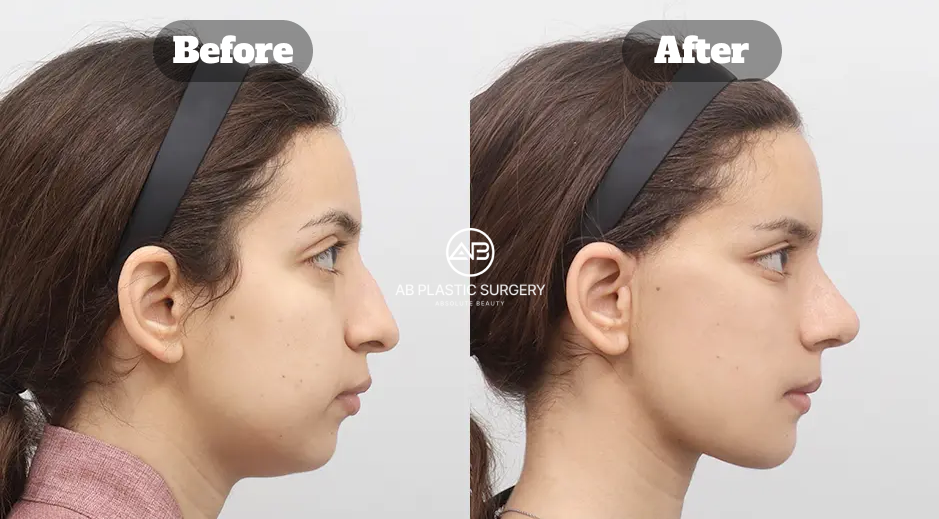
Implant-Free Rhinoplasty and Structural Balance
Implant-free rhinoplasty focuses on achieving projection and contour using the patient’s own structural support. This approach may be considered in patients who prefer to avoid artificial implants or who have experienced implant-related concerns.
-
Utilization of autologous cartilage for support
-
Emphasis on tip reinforcement rather than height exaggeration
-
Preservation of natural tissue balance
The objective is long-term stability and biological compatibility, not simply immediate elevation.
Structural Reconstruction and Long-Term Stability
Whether in revision or implant-free cases, structural reconstruction aims to restore a stable internal framework. Without adequate support, even visually appealing early results may deteriorate over time.
For this reason, evaluating Korean nose job before-and-after results in complex cases requires careful attention to how the nose was rebuilt internally — not just how it appears externally.
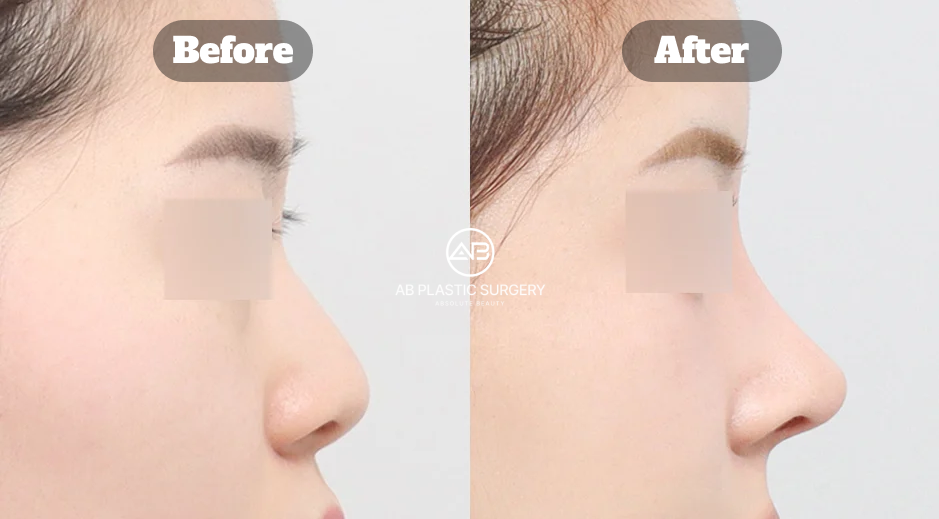
What Stable Korean Nose Job Results Look Like Over Time
Immediate before-and-after images often capture early visual change, but stable rhinoplasty results are evaluated over months — not days.
Swelling, tissue tension, and temporary firmness can initially enhance projection. True stability becomes visible only after soft tissue adapts to the internal framework and scar maturation is complete.
The First 1–3 Months: Swelling and Structural Adaptation
During the early postoperative phase, changes are influenced by swelling and internal healing. Patients may notice:
-
Temporary tip firmness
-
Minor asymmetry due to swelling
-
Height appearing slightly exaggerated
These changes are part of the normal recovery process and do not necessarily represent the final structural outcome.
6–12 Months: True Structural Stability
Long-term results are assessed after swelling resolves and tissues have settled. At this stage, a stable Korean rhinoplasty typically demonstrates:
-
Consistent tip projection without drooping
-
Smooth dorsal contour without irregularity
-
Balanced alignment with overall facial proportions
-
Maintained functional comfort during breathing
When internal reinforcement is properly designed, projection remains consistent and structural balance is preserved over time.
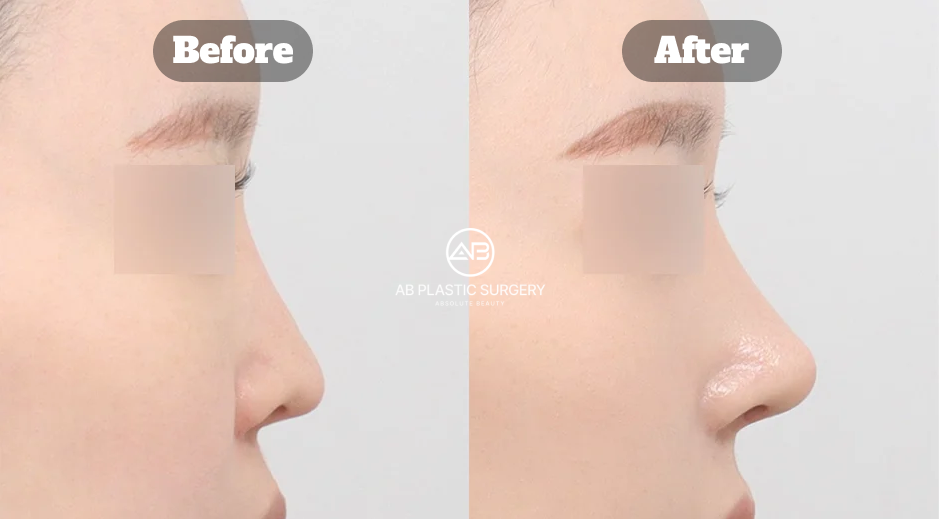
Why Time Reveals Structural Quality
Structural rhinoplasty focuses on internal support first. If that support is insufficient, issues such as tip drooping, implant visibility, or contour irregularities may gradually appear.
For this reason, evaluating Korean nose job before-and-after results should include consideration of long-term follow-up, not only early photographs. Stability over time is the strongest indicator of well-executed structural planning.
Plastic Surgery Patient Stories
Frequently Asked Questions About Korean Nose Job Before and After Results
How should I evaluate Korean nose job before-and-after photos?
Before-and-after photos should be reviewed together with the patient’s original nose type, skin thickness, cartilage condition, and surgical plan. A visible change in height or tip shape does not always indicate long-term stability. It is more important to understand whether the result was supported by proper structural planning.
Why do Korean rhinoplasty results look different for each patient?
Rhinoplasty results vary because each patient has a different nasal structure, facial proportion, cartilage strength, and skin condition. Even when two patients want a similar nose shape, the surgical method may need to be completely different. This is why customized diagnosis is essential before planning a Korean nose job.
When can I see the final result after a Korean nose job?
Early changes may be visible after swelling begins to improve, but the final result usually takes several months to settle. Tip definition, bridge contour, and overall balance become clearer as swelling decreases and soft tissue adapts to the new structure. The exact timeline may vary depending on the surgical method and individual recovery.
Is revision rhinoplasty more complex than a first nose job?
Yes. Revision rhinoplasty is generally more complex because scar tissue, weakened support, implant-related concerns, or limited cartilage availability may be involved. A detailed structural diagnosis is especially important in revision cases to rebuild support and reduce the risk of repeated instability.
Can implant-free rhinoplasty still create visible improvement?
Implant-free rhinoplasty may create visible improvement when the patient’s anatomy allows sufficient structural support using autologous tissue. However, the achievable height, projection, and contour depend on cartilage condition, skin thickness, and overall nasal structure. A consultation is needed to determine whether this approach is suitable.
What makes a Korean nose job result stable over time?
Long-term stability depends on internal support, balanced tip projection, appropriate bridge design, and careful consideration of skin and soft tissue resistance. A stable result is not only about how the nose looks immediately after surgery, but also how well the structure maintains its shape as swelling resolves and tissues settle.
Choosing a Korean Rhinoplasty Clinic Based on Structural Expertise and Safety
When reviewing Korean nose job before-and-after results, selecting a clinic based solely on visual comparison can be limiting. A more reliable approach is evaluating structural expertise and safety systems.
Rhinoplasty is not only an aesthetic procedure — it involves anatomical reconstruction, functional preservation, and long-term structural planning. Clinics that prioritize diagnosis and reinforcement are more likely to produce stable outcomes.
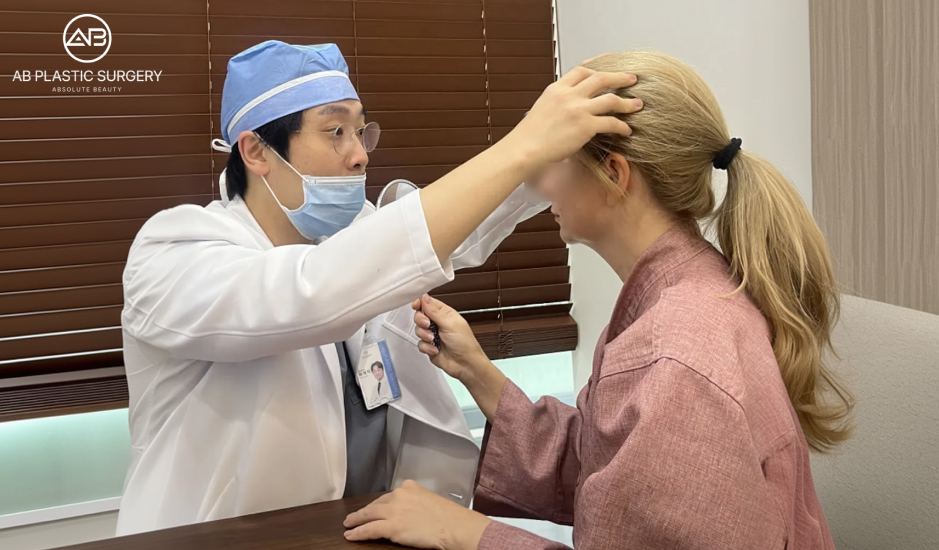
Structural Expertise: What to Verify
Patients considering rhinoplasty in Korea should evaluate whether the clinic demonstrates a structured diagnostic approach before surgery. Detailed anatomical analysis is essential for designing a stable nasal structure and predicting long-term outcomes.
-
Performs detailed anatomical diagnosis before surgery
-
Explains structural reinforcement strategies clearly
-
Assesses cartilage strength and skin characteristics
-
Addresses functional concerns alongside cosmetic goals
Transparent planning and clear structural explanation often indicate a stability-focused surgical approach rather than a purely cosmetic one.
The Importance of Systemized Safety
Structural planning must be supported by organized safety protocols. Anesthesia monitoring, intraoperative precision, and postoperative observation contribute directly to both immediate recovery and long-term surgical stability.
-
Clear preoperative evaluation procedures
-
Structured anesthesia management
-
Postoperative monitoring and recovery planning
-
Transparent communication systems for international patients
For patients traveling internationally, systemized safety and reliable communication are especially important, as in-person follow-up opportunities may be limited.
International Accreditation and Patient Safety Standards
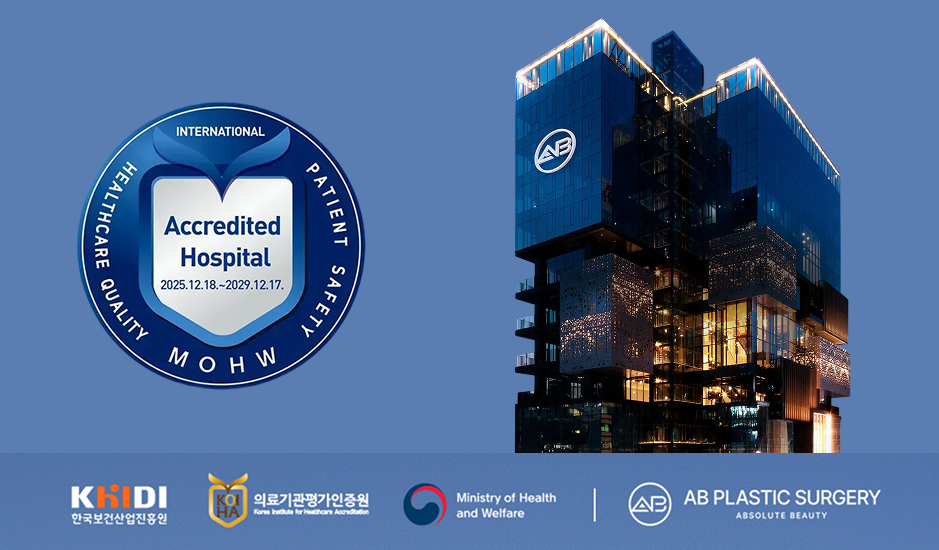
When evaluating plastic surgery clinics in Korea, international accreditation programs can provide additional insight into institutional safety systems and patient care standards.
Some medical institutions participate in the KAHF (Korea Accreditation for Healthcare Facilities) program, a government-supported evaluation system designed for hospitals treating international patients. This accreditation assesses multiple areas including patient safety management, infection control, clinical quality standards, international patient communication systems, and emergency response protocols.
Clinics that meet these criteria demonstrate structured medical protocols intended to support both surgical safety and comprehensive patient care.
Official Medical Institution Certification
Beyond Photos: Evaluating Long-Term Reliability
Before-and-after photos can inspire confidence, but long-term reliability depends on structural understanding and clinical systems. Evaluating how a clinic diagnoses nasal structure, plans reinforcement strategies, and manages postoperative monitoring provides deeper insight than visual comparison alone.
Ultimately, stable Korean rhinoplasty results are achieved when structural design, safety systems, and individualized planning work together — not when visual change is prioritized in isolation.
Patients considering rhinoplasty in Korea may start with an online rhinoplasty consultation to receive a personalized structural analysis and surgical plan based on their nose type.

This article is for informational purposes only and does not replace a personal medical consultation.