Title
Ozempic Face Explained: Why Rapid Weight Loss Ages the Face and How Doctors Treat ItDate
2025-12-24Views
7312
AB Blog
Ozempic Face: What It Is and How Doctors Treat It
Table of Contents
1. What Is “Ozempic Face” and Why Does It Happen?
2. Recognizing the Key Signs of Ozempic Face
3. Doctor-Recommended Anti-Aging Treatments
4. Can Ozempic Face Be Prevented or Minimized?
5. Choosing the Right Treatment for Your Facial Condition
6. Why Choose AB Plastic Surgery Korea for Ozempic Face Treatment
“Ozempic Face” has become a widely discussed topic as more individuals experience noticeable facial changes after rapid weight loss from GLP-1 medications such as Ozempic. While the treatment is effective for metabolic control and weight reduction, the sudden decrease in facial fat can lead to hollowing, sagging, and accelerated signs of aging. These changes differ from typical age-related transformation because they occur quickly and often disrupt facial balance. As a result, many patients seek anti-aging treatments that restore volume, improve skin elasticity, and support overall facial harmony.
Understanding why these changes happen—and which treatments are medically recommended—is essential before choosing a solution. At AB Plastic Surgery Korea, doctors rely on anatomical assessment and evidence-based anti-aging procedures to address the structural and surface-level concerns related to Ozempic Face. This guide explains the causes, key symptoms, recommended treatments, and how to determine the most suitable approach for restoring a refreshed and natural appearance.
What Is “Ozempic Face” and Why Does It Happen?
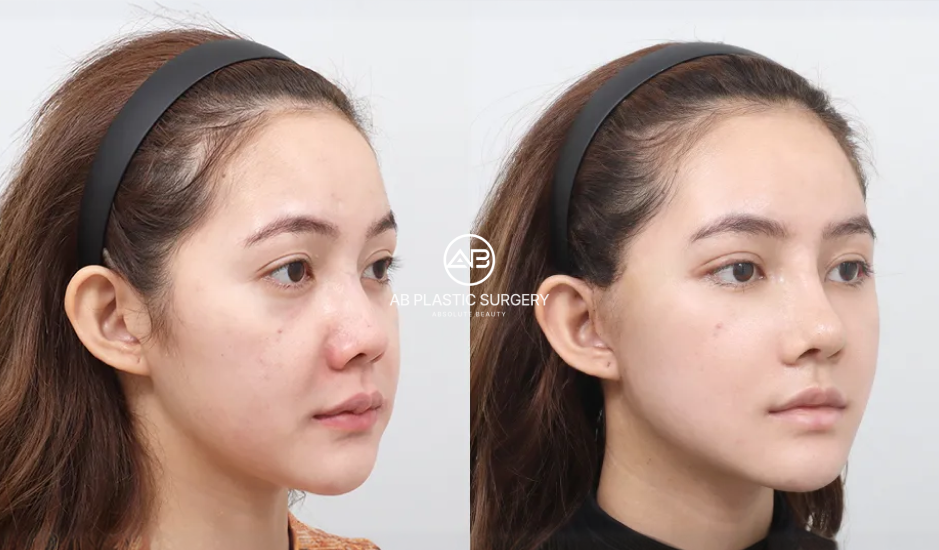
“Ozempic Face” is a term used to describe the facial changes that occur after taking GLP-1 medications such as Ozempic, Wegovy, or other semaglutide-based treatments. While these medications are effective for blood sugar control and weight loss, many patients experience noticeable differences in their facial appearance—often more quickly and more dramatically than with natural aging.
Rapid Fat Loss Alters Facial Structure
The core reason behind Ozempic Face is the rapid reduction of facial fat pads. The face contains multiple layers of fat compartments responsible for contour, volume, and youthful smoothness. When weight loss occurs slowly, the skin and soft tissues have time to adjust. But with accelerated weight loss, these compartments deflate suddenly, leading to:
-
Hollow temples
-
Flattened or gaunt cheeks
-
Under-eye hollowing
-
Sharper, more angular facial lines
-
Visible skin laxity
Skin Elasticity Cannot Keep Up
Another contributing factor is reduced skin elasticity. As facial fat decreases quickly, the skin may not retract at the same pace, causing sagging, fine lines, and loose texture. This is especially noticeable in areas like the jawline, cheeks, and under the eyes, where skin relies heavily on underlying support.
Bone and Structural Changes Become More Noticeable
Weight loss does not directly change bone structure, but it can expose previously subtle contours, making the face appear older or more fatigued. In some individuals, rapid fat loss accelerates the visibility of age-related bone resorption, contributing further to hollowing and sagging.
Different From Normal Aging
Normal aging occurs gradually over years due to collagen decline, fat redistribution, and bone changes. In contrast, Ozempic Face can appear:
-
Sudden
-
More dramatic
-
Focused on volume loss rather than wrinkles alone
-
Disproportionate compared to the rest of the body
These differences explain why many patients seek anti-aging solutions to restore volume, tighten skin, and bring back a healthier facial balance.
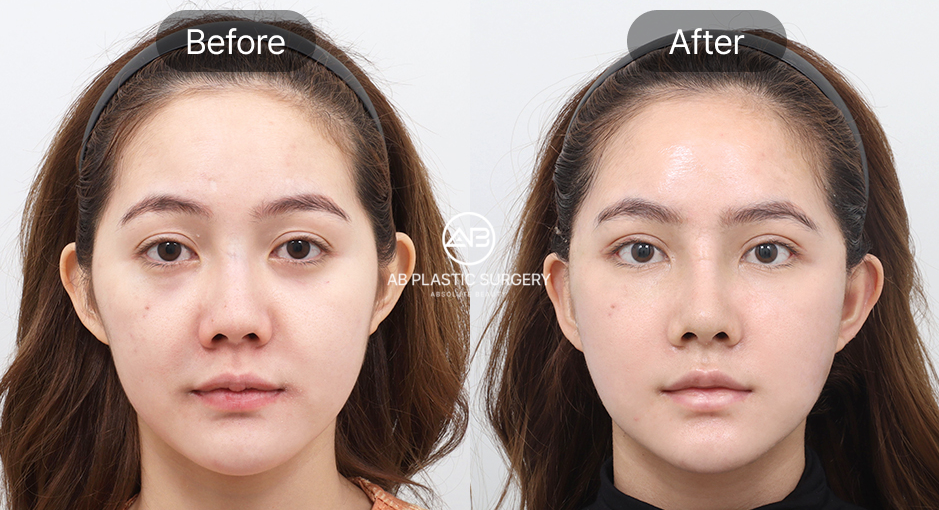
Recognizing the Key Signs of Ozempic Face
The changes associated with Ozempic Face tend to appear suddenly and are often more pronounced than those seen in natural aging. Because rapid weight loss affects multiple facial layers—fat, skin, and structural support—patients may notice a combination of volume loss and skin laxity. Recognizing these signs early can help guide the appropriate anti-aging treatment plan.
Hollow Temples and Upper Face Deflation
One of the earliest and most visible indicators is volume loss in the temples. Hollow temples create a sharper, more skeletal appearance and can exaggerate brow prominence or upper face imbalance.
Flattened or Gaunt Cheeks
As midface fat pads diminish rapidly, the cheeks may appear sunken or deflated. This contributes to a tired or aged appearance because the cheeks play a key role in maintaining youthful facial contour.
Under-Eye Hollowing and Increased Shadowing
Reduced support under the eyes can cause tear trough hollowing, dark circles, or increased shadowing. This intensifies the appearance of fatigue even in well-rested individuals.
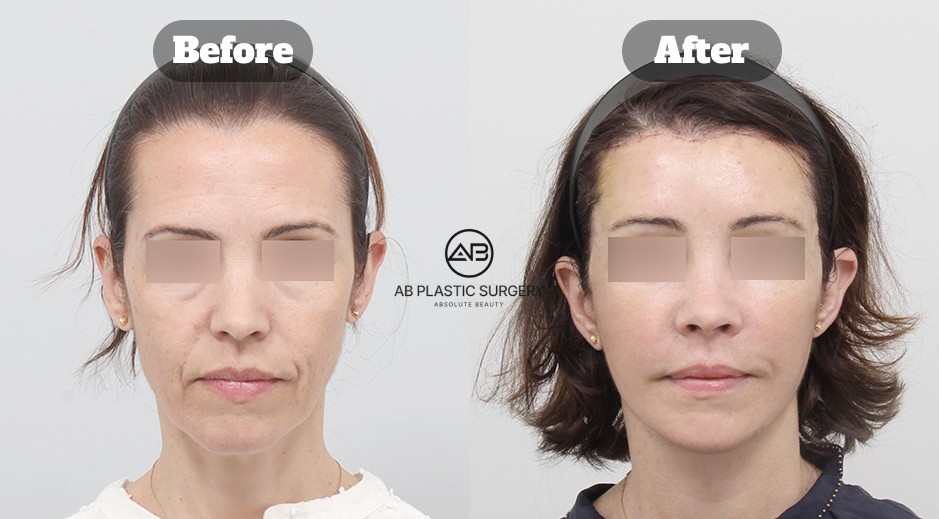
Sagging of the Lower Face
Without adequate midface support, the lower face may begin to sag. This can lead to:
-
Early jowl formation
-
Loss of jawline definition
-
Drooping around the mouth
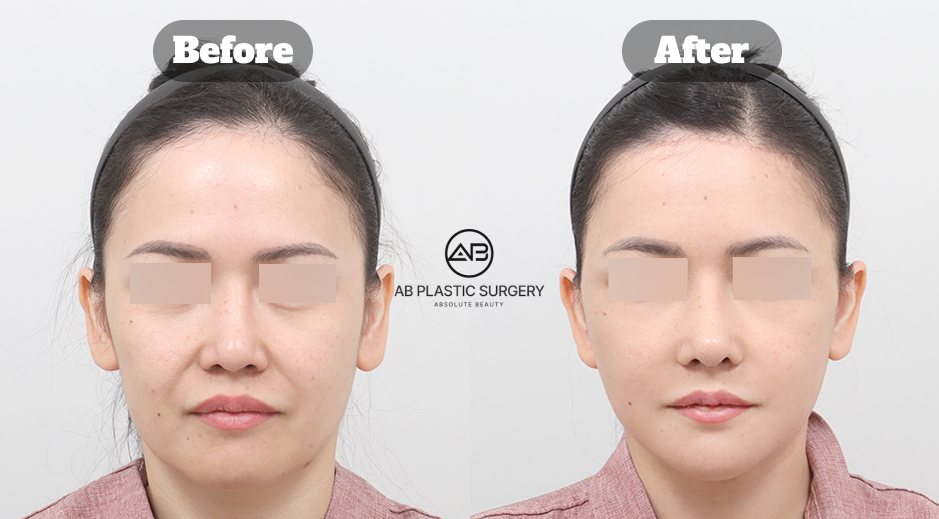
More Prominent Wrinkles and Folds
Loss of facial volume deepens existing lines, including:
-
Nasolabial folds
-
Marionette lines
-
Smile lines that extend downward
These folds may appear sharper because the skin no longer has sufficient internal support.
Overall Loss of Skin Resilience
Patients may also notice that the skin looks thinner, less elastic, or dull. Rapid weight loss reduces internal tension within the skin, leading to texture changes and a less firm appearance.
Doctor-Recommended Anti-Aging Treatments
Because Ozempic Face results from rapid loss of facial fat and reduced skin elasticity, the most effective treatments target both volume restoration and structural support. Doctors typically recommend a layered approach that rebuilds lost volume, tightens loose skin, and restores natural facial proportions.
Volume Restoration Treatments
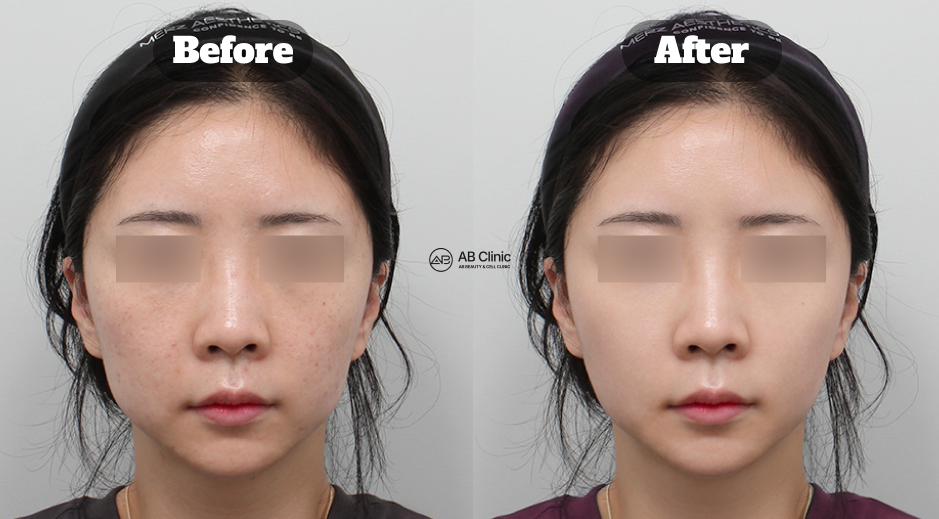
Hyaluronic Acid (HA) Fillers
These treatments focus on replacing lost facial fat to restore youthful contour and balance.
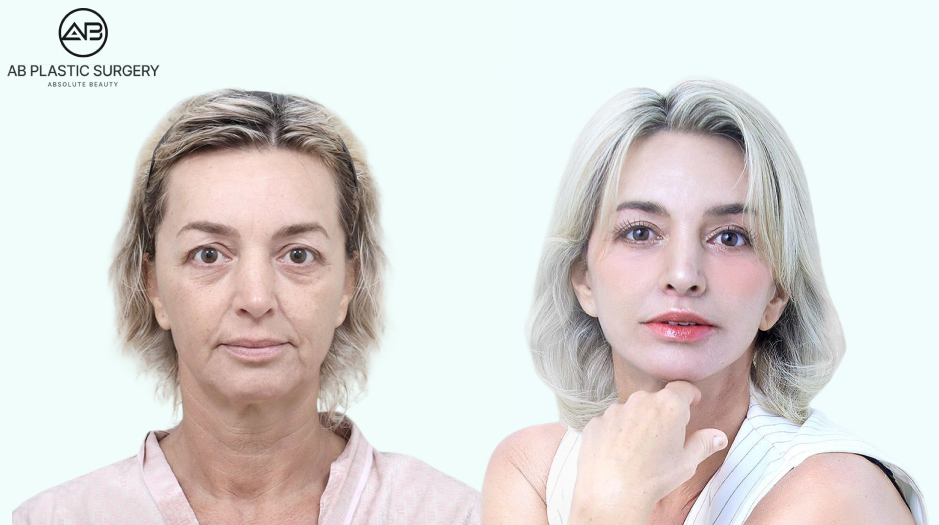
HA fillers are commonly used to replenish lost facial volume, especially in the cheeks, temples, and under-eye areas. They help soften folds, restore contour, and improve symmetry without surgery. These fillers provide immediate improvement and a refreshed appearance.
Fat Grafting (Autologous Fat Transfer)
For long-lasting correction, fat grafting transfers the patient’s own fat to areas affected by volume loss. This is particularly beneficial for hollow cheeks or temples. Fat grafting offers a natural feel and can provide durable results when properly integrated.
Biostimulatory Injectables (Sculptra, Radiesse)
These injectables stimulate collagen production over time, improving skin firmness while gradually restoring volume. They are ideal for patients who prefer subtle, progressive enhancement rather than immediate fullness.
Skin Tightening & Elasticity Treatments
Thermage or Radiofrequency (RF) Tightening
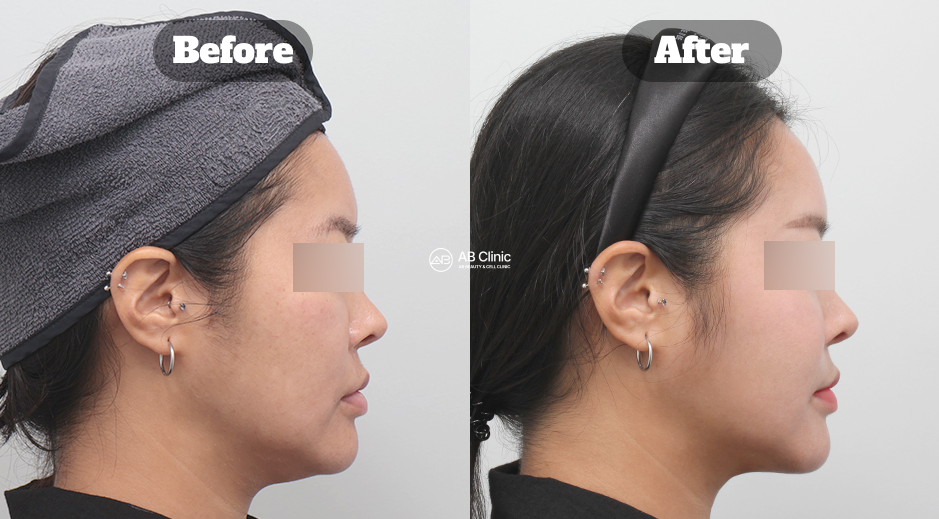
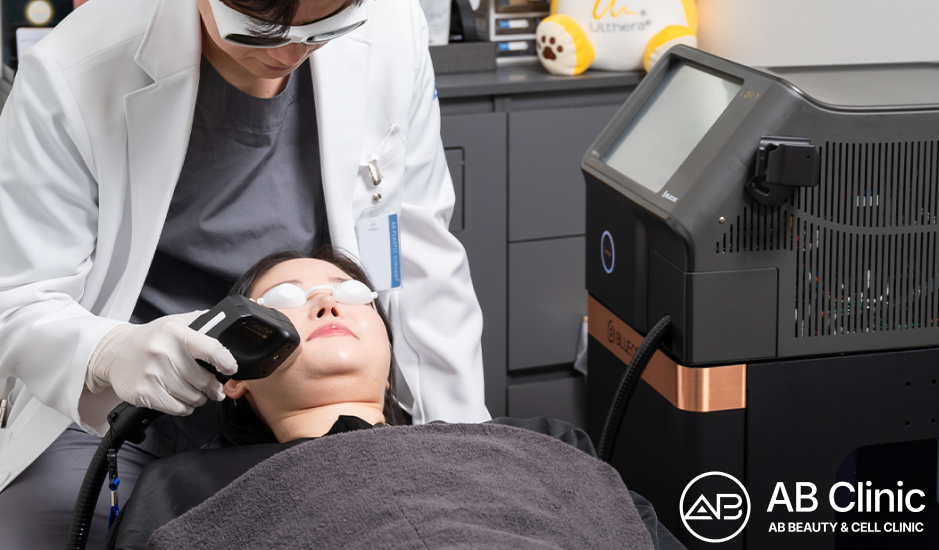
Thermage uses radiofrequency energy to stimulate collagen production and tighten the skin. It effectively addresses early jowling, loose jawline, and mild midface sagging caused by rapid fat loss.
Ultherapy / HIFU
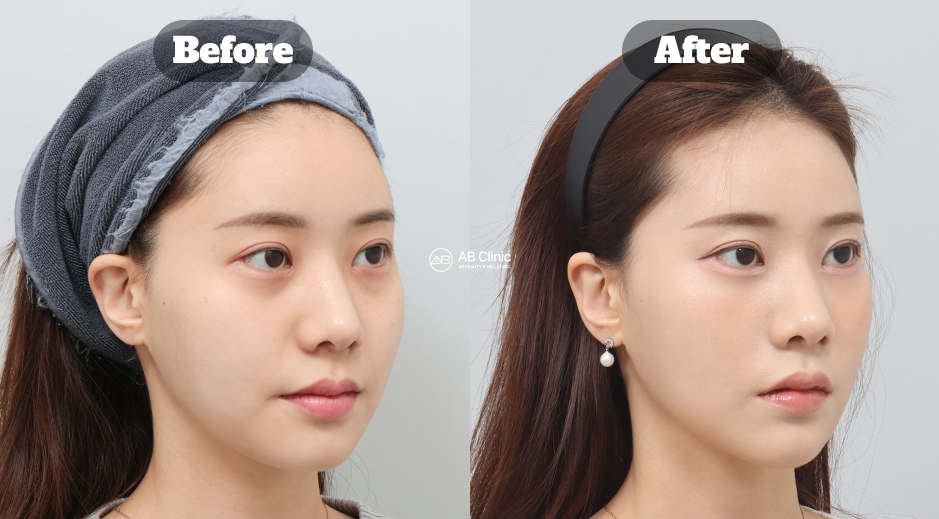
Ultrasound-based treatments target deeper layers of the facial support system. They help lift sagging tissues and improve skin elasticity, making them suitable for patients seeking non-surgical tightening.
Collagen Remodeling Lasers
Fractional or resurfacing lasers improve skin texture, fine lines, and firmness. They enhance skin quality and support an overall rejuvenated appearance.
Structural Lifting Options
Surgical Facelift or Midface Lift
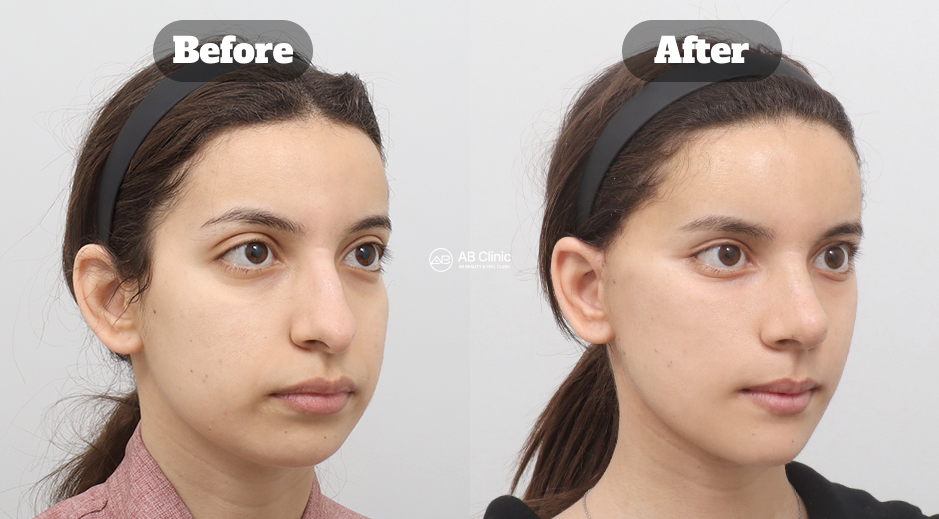
For patients with significant sagging or deeper structural changes, a midface lift or lower facelift may be recommended. These procedures reposition deeper tissues and restore facial support, offering a longer-lasting and more dramatic correction.
Non-Surgical Thread Lift (Used Selectively)
Threads can provide temporary lifting for mild sagging but should be used carefully, as they do not address volume loss and may be less effective for severe Ozempic-related changes. Doctors often recommend combining threads with fillers or energy-based treatments for balanced improvement.
Combination Treatment Approach
Because Ozempic Face usually affects several facial layers at once, doctors often recommend a combination approach. A layered plan might include:
-
Volume restoration for hollow areas
-
RF or HIFU tightening for skin laxity
-
Surgical or non-surgical lifting for deeper sagging
This comprehensive strategy ensures natural, proportional, and long-lasting results.
Ozempic Face Treatment Cost in Korea
Because Ozempic Face can involve different combinations of volume loss, skin laxity, and facial sagging, treatment costs vary depending on the procedures included in your personalized treatment plan. Below are the starting prices for some of the most commonly recommended treatments at AB Plastic Surgery Korea.
|
Treatment |
Starting Price (USD) |
|---|---|
|
Full Face Fat Grafting |
From $1,700 |
|
Semi Full Facelift |
From $5,240 |
|
Full Face Lift |
From $7,480 |
|
Neck Lift |
From $2,990 |
|
Mint Thread Lift |
From $2,240 |
Please note: The prices above are starting estimates only. The final treatment plan depends on the degree of facial fat loss, skin laxity, whether lifting surgery is required, the number of treatment areas, previous procedures, and your facial anatomy. A personalized consultation is the most accurate way to determine which combination of treatments is appropriate and receive an individualized quotation.
Not sure which treatment combination is right for you? Explore our complete pricing guide and request a personalized treatment estimate based on your facial condition.
→ View Plastic Surgery Cost in Korea
Can Ozempic Face Be Prevented or Minimized?
While the changes associated with Ozempic Face can be noticeable, many of them can be reduced, slowed, or even partially prevented with the right strategies. Because rapid weight loss is the main driving factor, prevention focuses on maintaining skin elasticity, supporting collagen production, and monitoring facial changes early.
Gradual, Controlled Weight Loss
One of the most effective ways to minimize facial aging during GLP-1 therapy is to pursue gradual weight loss rather than rapid drops. When the body loses weight slowly, the skin and fat compartments have more time to adapt, making facial hollowing less pronounced.
Supporting Collagen and Skin Elasticity
Maintaining strong collagen support helps the skin withstand sudden changes. Doctors typically recommend:
-
Adequate protein intake for tissue repair
-
Collagen-boosting treatments, such as RF tightening or microneedling
-
Retinoids or peptide-based skincare
-
Antioxidants to protect against environmental aging
These habits strengthen the skin’s internal structure and reduce laxity.
Healthy Hydration and Skin Barrier Care
Rapid weight loss can make the skin appear thinner or dull. Hydration-focused routines help support skin resilience:
-
Moisturizers with ceramides, hyaluronic acid, and lipids
-
Sun protection to preserve collagen
-
Gentle exfoliation and barrier-supporting products
Consistent care can significantly improve texture and firmness.
Monitoring Facial Changes Early
Patients using Ozempic or similar medications benefit from regularly assessing facial volume and elasticity. Early signs—such as temple hollowing, increased shadowing, or cheek deflation—can often be corrected with mild interventions before they become more noticeable.
Early, Low-Volume Interventions
Subtle treatments performed at the right time can delay more dramatic changes. Examples include:
-
Small amounts of HA fillers in high-risk areas (temples, tear troughs)
-
Gentle energy-based tightening to maintain elasticity
-
Preventive biostimulatory injectables for long-term collagen support
These early interventions help maintain natural proportion as weight loss progresses.
Partnering With a Medical Professional
Finally, prevention is most effective when guided by a doctor familiar with facial aging patterns. By tracking both weight-loss progress and facial structural changes, a specialist can recommend timely, conservative treatments tailored to your unique anatomy.
With the right approach, many patients can significantly minimize the visible impact of Ozempic Face—even while continuing their weight-loss journey.
Choosing the Right Treatment for Your Facial Condition
Not all cases of Ozempic Face present the same way. Some patients experience pronounced hollowing, while others struggle more with skin laxity or lower-face sagging. Because these changes occur at different tissue layers, selecting the right treatment requires a careful evaluation of your unique facial structure. A customized approach ensures that results remain balanced, natural, and long-lasting.
Identifying What Has Changed: Fat, Skin, or Structure
Doctors assess three major components of facial aging affected by rapid weight loss:
1. Fat Depletion
Volume loss in the temples, cheeks, and under-eyes causes a hollow or tired appearance. These cases respond best to fillers, fat grafting, or biostimulatory injectables.
2. Skin Laxity
Loose or sagging skin—especially around the jawline, midface, or under the eyes—benefits from RF tightening, HIFU, or laser treatments that rebuild collagen and improve firmness.
3. Structural Support Changes
When deeper tissues descend, patients may require lifting procedures, such as midface lift, lower facelift, or selective thread lifting for mild cases.
Knowing which category is most relevant helps determine the most effective treatment strategy.
Assessing Your Facial Aging Pattern
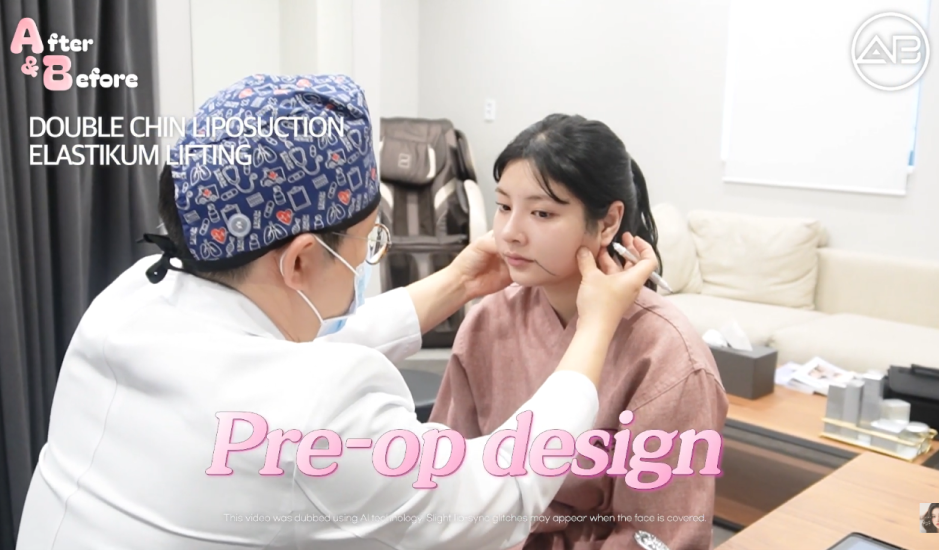
Aging does not occur evenly across the face. Rapid weight loss can emphasize pre-existing asymmetries or reveal areas with weaker tissue support. During consultation, doctors evaluate:
-
Midface volume distribution
-
Depth of tear trough hollowing
-
Degree of jawline sagging or early jowls
-
Skin thickness and elasticity
-
Balance between upper, mid, and lower face
This assessment guides the selection of procedures that restore harmony across all facial regions.
Why Professional Diagnosis Matters
Attempting to choose treatments based solely on symptoms often leads to incomplete results. For example:
-
Filling hollow cheeks alone may not fix lower-face sagging.
-
Tightening treatments may not improve severe volume loss.
-
Threads may be ineffective if underlying fat depletion is unaddressed.
A specialist can determine the root cause of your changes and recommend a solution that integrates volume, tightening, and support in the right proportions.
Tailored Anti-Aging Plans Provide the Best Results
Doctors often design a personalized treatment plan that combines multiple techniques, such as:
-
Volume restoration for hollow areas
-
RF/HIFU tightening to firm the skin
-
Strategic lifting to restore contour
-
Collagen-stimulating injectables for long-term benefit
This layered approach ensures that correction looks balanced rather than overfilled or “done,” supporting a naturally refreshed appearance.
Creating a treatment plan that aligns with your facial anatomy—not just your symptoms—is essential for effectively managing Ozempic Face and achieving results that age gracefully over time.
Why Choose AB Plastic Surgery Korea for Ozempic Face Treatment
Rapid changes in facial volume and elasticity—often referred to as Ozempic Face—can make aging signs appear more sudden and more pronounced than natural aging alone. Understanding why these changes occur and how to address them is essential for choosing safe, effective, and long-lasting anti-aging treatments. Whether the concern involves hollowing, skin laxity, or deeper structural descent, the most successful approach is one that restores balance across multiple facial layers.
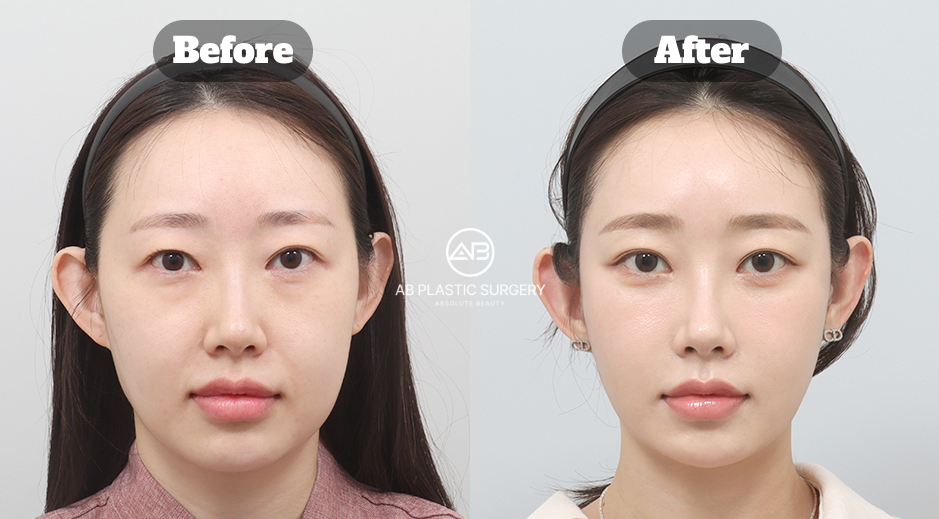
At AB Plastic Surgery Korea, treatment planning begins with a precise anatomical evaluation to determine the underlying cause of each patient’s concerns. By integrating volume restoration, skin-tightening energy devices, and structural lifting techniques, the clinic provides comprehensive anti-aging solutions that remain natural and proportionate over time. Patients seeking a clearer understanding of potential improvements can review surgical outcomes through the clinic’s treatment result gallery to observe how various anti-aging procedures have been applied in real cases.
Individuals who wish to receive tailored guidance—whether regarding treatment suitability, appropriate techniques, or estimated costs—may request further information through the clinic’s consultation request page.
This allows the medical team to evaluate personal concerns and recommend evidence-based options aligned with each patient’s facial structure and aging pattern.
With a medically guided consultation and a carefully designed treatment plan, patients can restore a refreshed, balanced appearance and maintain natural-looking results that continue to age gracefully over time.
This article is for informational purposes only and does not replace a personal medical consultation.