Title
Rosacea Treatment in Korea: Options for Redness, Flushing, and Skin SensitivityDate
2026-09-16Views
316
AB Blog
Rosacea Treatment in Korea: Options for Redness, Flushing, and Skin Sensitivity
Table of Contents
1. What Is Rosacea and Why Does It Cause Redness, Flushing, and Skin Sensitivity?
2. Rosacea Treatment in Korea: Options for Different Symptoms
3. How Doctors Build a Personalized Rosacea Treatment Plan
4. What to Expect During and After Rosacea Treatment
5. Frequently Asked Questions About Rosacea Treatment in Korea
6. Why Choose AB Plastic Surgery Korea for Rosacea Treatment?
Rosacea treatment in Korea is not one standardized laser or skincare program. Rosacea is a chronic inflammatory condition that may cause recurrent flushing, persistent facial redness, visible small blood vessels, acne-like papules or pustules, burning, stinging, dryness, and eye symptoms. Each feature can require a different treatment approach.
Rosacea may look like sensitive skin, acne, contact dermatitis, or another cause of facial redness. A diagnosis should therefore come before treatment, especially when symptoms are new, one-sided, rapidly worsening, or associated with eye discomfort. Cosmetic procedures performed without identifying active rosacea may increase irritation or trigger a flare.
Quick answer: A rosacea plan may combine gentle skincare, sun protection, identification of personal triggers, prescription medication, and vascular laser or light treatment. The combination depends on whether the main concern is flushing, persistent redness, visible vessels, inflammatory bumps, skin sensitivity, or ocular symptoms.
Rosacea can often be managed, but it is generally a long-term condition with periods of improvement and recurrence. The goal is to control the patient’s current symptoms, reduce discomfort, limit avoidable flares, and build a maintenance plan rather than promise a permanent cure.

What Is Rosacea and Why Does It Cause Redness, Flushing, and Skin Sensitivity?
Rosacea most often affects the central face, including the cheeks, nose, forehead, and chin. Some patients mainly experience episodes of warmth and flushing, while others develop redness that remains between flares. Visible vessels, inflammatory bumps, swelling, burning, or stinging may occur at the same time.
Current treatment recommendations use a phenotype-based approach. This means the doctor identifies the signs and symptoms that are present in the individual patient rather than assuming that every person with rosacea belongs to one fixed subtype. More than one feature can be treated at the same time when appropriate.
|
Rosacea Feature |
What It May Feel or Look Like |
Treatment Discussion |
|---|---|---|
|
Transient flushing |
Episodes of warmth and color change that come and go |
Trigger review, gentle skincare, and symptom-specific medical options |
|
Persistent facial redness |
Background redness or darker red, brown, or violet color that remains |
Prescription redness treatment and selected vascular laser or light procedures |
|
Visible blood vessels |
Fine vessels around the cheeks, nose, or other central facial areas |
Vascular laser or light treatment after skin-type assessment |
|
Papules and pustules |
Acne-like red bumps that may occur without typical blackheads |
Topical treatment and, when needed, oral medication |
|
Burning or stinging |
Discomfort after heat, sunlight, skincare products, or an active flare |
Barrier-focused skincare and removal of avoidable irritants |
|
Eye symptoms |
Dry, gritty, burning, watery, red, or light-sensitive eyes |
Prompt evaluation and ophthalmology referral when indicated |
Rosacea Is More Than Cosmetic Redness
Burning, stinging, dryness, eye irritation, and unpredictable flares can affect comfort and daily life even when visible redness appears mild. A treatment plan should therefore consider symptoms and quality of life, not only the amount of redness seen in one photograph.
Why Diagnosis Matters Before Laser Treatment
Facial redness has several possible causes. A doctor may review the distribution of redness, inflammatory lesions, scaling, visible vessels, eye symptoms, previous steroid use, medications, and skincare products. If the diagnosis is uncertain, treatment should be delayed until another condition has been considered.
Rosacea Treatment in Korea: Options for Different Symptoms
The most appropriate rosacea treatment in Korea depends on the dominant features. Medication may be more useful for inflammatory bumps, while vascular laser or light treatment may be considered for visible vessels and persistent redness. Trigger management and gentle skincare support every treatment plan.
|
Treatment Category |
Main Role |
Important Limitation |
|---|---|---|
|
Gentle skincare and sun protection |
Reduce avoidable irritation and support the skin barrier |
Helpful for control but may not treat vessels or inflammatory lesions alone |
|
Prescription topical treatment |
Target persistent redness or papules and pustules, depending on the medication |
Indications, irritation risk, and availability vary by product |
|
Oral medication |
Control selected moderate, severe, or treatment-resistant inflammatory features |
Requires medical review of contraindications, interactions, and side effects |
|
Vascular laser or light treatment |
Reduce visible vessels and selected persistent redness |
May not control inflammatory lesions or prevent every future flare |
|
Combination treatment |
Address more than one rosacea feature within one plan |
Timing should be adjusted to avoid overwhelming sensitive skin |
Topical and Oral Medication
Common evidence-based topical options for inflammatory papules and pustules include azelaic acid, ivermectin, and metronidazole. Selected prescription products that temporarily narrow superficial blood vessels may be considered for persistent facial redness. Oral doxycycline or another systemic option may be discussed for selected inflammatory cases.
These medications do not serve the same purpose. A treatment for inflammatory lesions may not stop flushing, and a temporary redness-reducing product may not treat papules or visible vessels. Product approval, formulation, and availability in Korea should be confirmed with the treating clinic. Patients should not start, stop, or change prescription medication without medical guidance.
Vascular Laser and Intense Pulsed Light
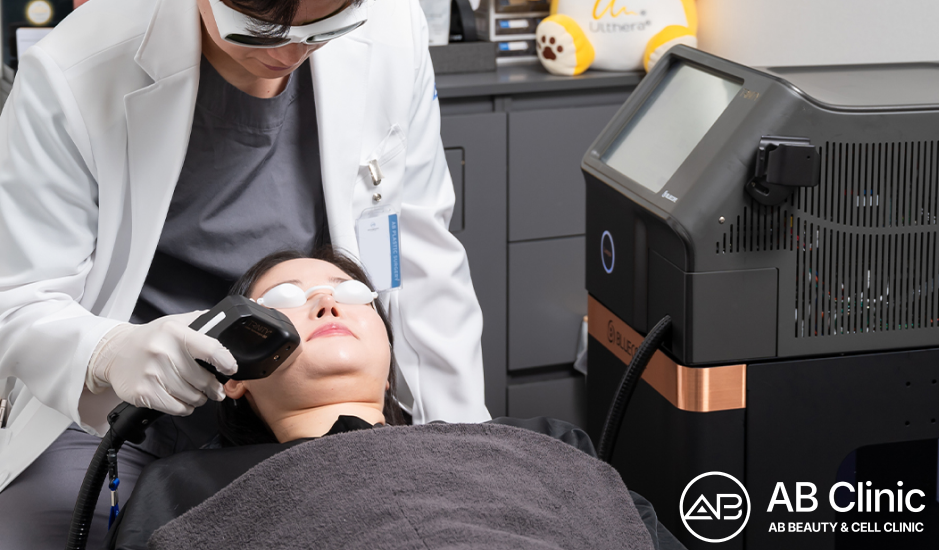
Vascular laser or intense pulsed light may be considered when visible vessels or persistent redness are prominent. The device, wavelength, pulse duration, fluence, cooling method, and number of sessions should be chosen according to the patient’s skin tone, vessel pattern, sensitivity, previous response, and risk of pigment change.
Laser or light treatment is unlikely to be the only part of a complete rosacea plan. Medication, skincare, and trigger control may still be required. Possible reactions include temporary redness, swelling, tenderness, bruising or purpura, blistering, pigment change, scarring, and a flare of sensitivity. Conservative planning and follow-up are particularly important for patients who pigment easily.
Trigger Management and Sensitive-Skin Care
Common triggers can include sunlight, heat, cold wind, stress, alcohol, spicy food, exercise, and irritating skincare, but triggers differ between individuals. A short diary of symptoms, products, foods, weather, and activities can help identify patterns without requiring every patient to avoid the same long list.
A basic routine generally includes a gentle cleanser, fragrance-free moisturizer, and broad-spectrum sunscreen with SPF 30 or higher. Scrubs, aggressive exfoliation, strong acids, astringents, and frequent procedure layering may worsen burning or flushing during an active phase. New products should be introduced carefully according to medical advice.
How Doctors Build a Personalized Rosacea Treatment Plan
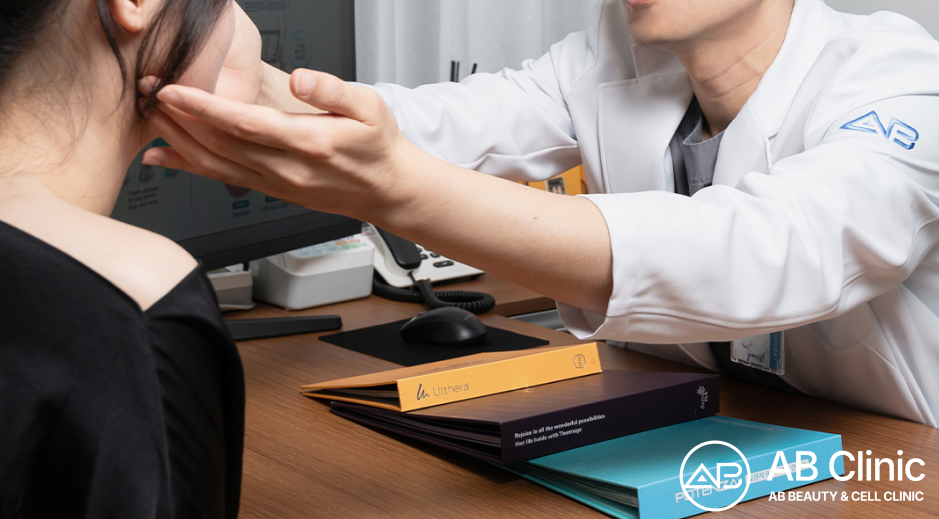
A personalized plan begins by documenting which features are present, how often they occur, what causes discomfort, and what the patient has already tried. Standardized photographs taken under similar lighting can help track persistent redness, but photographs cannot fully capture warmth, burning, stinging, or eye symptoms.
Step 1: Confirm the Diagnosis and Current Activity
The doctor may assess background redness, flushing, visible vessels, inflammatory lesions, swelling, thickened skin, sensitivity, and the eyes. Current skincare, prescription or non-prescription steroid use, previous laser treatment, medication, allergies, pregnancy or breastfeeding considerations, and relevant medical history should be reviewed.
Step 2: Set Priorities by Symptom
Patients with active inflammatory lesions may need medical control before an energy-based procedure. Patients whose main concern is visible vessels may discuss a vascular device, while patients with prominent burning and sensitivity may first need a simpler skincare routine and time for the barrier to settle. When several features are present, treatments may be staged rather than performed together.
Step 3: Plan for Skin Tone and Pigment Risk
Rosacea can occur across skin tones, but color changes may appear red or pink in lighter skin and darker red, brown, or violet in deeper skin tones. Vessel visibility and post-procedure pigment risk may also differ. Device settings and aftercare should be individualized rather than copied from a standard package.
Step 4: Include Eye Symptoms and Follow-Up
Dry, gritty, burning, watery, red, or light-sensitive eyes may indicate ocular rosacea. Eye pain, changes in vision, or marked light sensitivity require prompt medical assessment and may require an ophthalmologist. Skin treatment alone should not be used as a substitute for eye care.
International patients should confirm whether treatment can be completed within one visit, how much time is recommended before departure, and how follow-up questions will be managed after returning home. A plan that requires prescription review or repeated laser sessions may need local continuity of care.
What to Expect During and After Rosacea Treatment
What patients experience depends on the treatment category. Prescription medication usually requires consistent use and reassessment rather than an immediate result. Laser or light procedures may cause short-term redness, warmth, swelling, tenderness, or bruising. The expected reaction should be explained before treatment because it varies by device and settings.
|
Treatment Stage |
What Patients May Notice |
Planning Point |
|---|---|---|
|
Starting topical treatment |
Dryness, stinging, or irritation may occur with some products |
Ask how much to use, how often, and what to do if irritation develops |
|
After laser or light treatment |
Temporary redness, warmth, swelling, tenderness, or bruising |
Allow a flexible recovery window before events, photographs, or travel |
|
Following weeks |
Gradual symptom change and possible fluctuations between better and worse days |
Use consistent photos and a symptom diary rather than judging one day |
|
Maintenance phase |
Flares may recur even after an initial response |
Continue skincare, trigger management, and follow-up as advised |
Aftercare for Sensitive or Rosacea-Prone Skin
Patients should follow the clinic’s instructions about cleansing, moisturizer, sunscreen, makeup, exercise, alcohol, hot environments, and active skincare. After laser or light treatment, sun protection is especially important. Picking, rubbing, scrubbing, or applying several new products may increase irritation.
When to Contact a Medical Professional
Prompt advice is needed for severe or worsening pain, blistering, drainage, rapidly increasing swelling, extensive crusting, signs of infection, or a color change that seems unusual after a procedure. Eye pain, vision changes, marked light sensitivity, or significant eye redness should receive urgent medical attention.
Evaluating Results Realistically
Flushing may still occur even when background redness or visible vessels improve. Inflammatory lesions may respond at a different pace from vascular redness, and maintenance treatment may be needed. No medication, laser, or skincare plan can guarantee that rosacea will never flare again.
Frequently Asked Questions About Rosacea Treatment in Korea
Can rosacea be permanently cured?
Rosacea is generally considered a chronic condition. Treatment may control redness, flushing, inflammatory lesions, discomfort, and visible vessels, but flares can recur. Ongoing skincare, trigger management, and maintenance treatment may be needed.
What is the best treatment for rosacea redness and flushing?
There is no single best option for every patient. Temporary flushing, persistent redness, and visible vessels are different features and may require trigger management, prescription treatment, vascular laser or light therapy, or a combination. Diagnosis and skin assessment should guide the plan.
How many laser sessions are needed for rosacea?
The number of sessions depends on the device, vessel depth, extent of redness, skin tone, settings, response, and treatment goal. Some patients need a series and later maintenance, while others may not be suitable for laser. A fixed session count cannot be guaranteed before assessment.
Is there downtime after rosacea laser treatment?
Redness, warmth, swelling, tenderness, bruising, or purpura may occur depending on the device and settings. Recovery varies, so international patients should leave a flexible interval before flights, photographs, or important events and follow the clinic’s sun-protection advice.
Can Korean skincare or facial treatments make rosacea worse?
Any product or procedure can irritate rosacea-prone skin if it contains a personal trigger or is too aggressive for the current skin condition. During an active flare, a simple fragrance-free routine is often easier to tolerate. Peels, scrubs, strong acids, and layered procedures should be discussed before use.
How much does rosacea treatment cost in Korea?
Cost varies according to the diagnosis, medication, device, treatment area, settings, number of sessions, and follow-up plan. A quotation should identify what is included rather than only listing a package price. Current options and pricing should be confirmed directly with the clinic.
When do rosacea eye symptoms need medical attention?
Dryness, grittiness, burning, tearing, red eyelids, or light sensitivity may be related to ocular rosacea and should be discussed with a doctor. Eye pain, vision changes, or marked light sensitivity require prompt assessment and may require an ophthalmologist.
Why Choose AB Plastic Surgery Korea for Rosacea Treatment?
Choosing a clinic for rosacea treatment involves more than selecting a popular laser. The current condition of the skin, dominant symptoms, previous reactions, pigment risk, prescription history, and travel schedule should be reviewed before a product or device is selected. At AB Plastic Surgery Korea, international patients can request an initial review and confirm whether an in-person skin assessment is needed before treatment.
Individualized Skin Assessment and Treatment Planning
AB Plastic Surgery Korea presents its Skin Clinic as a service that evaluates the patient’s skin concerns and condition before recommending a treatment. For rosacea-prone skin, the plan should identify whether the main concern is inflammatory activity, persistent redness, visible vessels, sensitivity, or another diagnosis. Device treatment should not be presented as a universal solution.
Safety-Oriented Clinical Environment
AB Plastic Surgery describes a structured hospital-wide safety management system and a clean treatment environment. A non-surgical rosacea procedure does not normally require operating-room anesthesia, but patients should still expect appropriate product or device verification, hygienic treatment, careful settings, management of adverse reactions, and clear aftercare. No system can eliminate every risk or guarantee a result.

International Patient Support and KAHF Accreditation
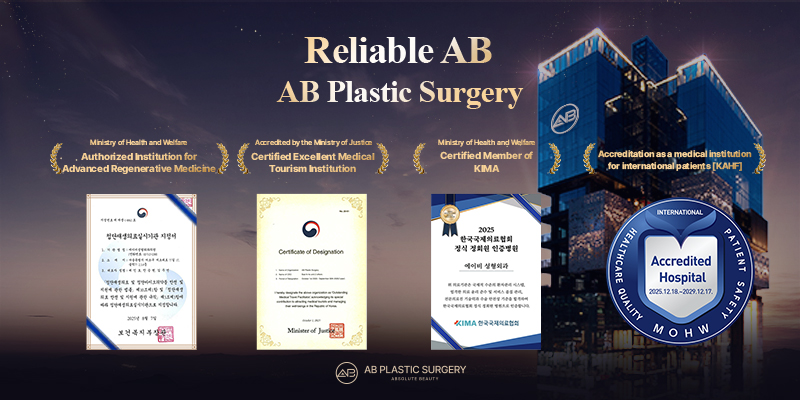
AB Plastic Surgery operates an international patient service with multilingual support, scheduling assistance, and post-departure communication. AB is also accredited under the Korea Accreditation Program for Hospitals Serving Foreign Patients (KAHF). KAHF evaluates institutional standards related to patient safety, service quality, communication, and international patient care, but accreditation does not guarantee an individual outcome.
International patients can use AB Plastic Surgery’s Free Online 1:1 Consultation to ask about available rosacea assessment, medication or device options, expected reactions, session planning, current cost, and follow-up after returning home. The final diagnosis and treatment recommendation should be confirmed by the relevant medical professional after an appropriate examination.
This article is for informational purposes only and does not replace a personal medical consultation.