Title
Korean Jaw Surgery: Customized Jawline Design for Different Face Shapes and Personal PreferencesDate
2026-08-26Views
661
AB Blog
Square Jaw Surgery in Korea: Designing a Jawline That Reflects Your Face and Preferences
Table of Contents
1. What Is Square Jaw Surgery—and Does It Always Mean Jaw Reduction?
2. Customized Jawline Design: Reduce, Preserve, or Define
3. Bone, Muscle, or Soft Tissue? Choosing the Right Square Jaw Treatment
4. How Square Jaw Surgery Is Planned for Different Face Shapes
5. Square Jaw Surgery Techniques: From Mandibular Angle Reduction to V-Line Contouring
6. Frequently Asked Questions About Square Jaw Surgery in Korea
7. Square Jaw Surgery Cost in Korea: What International Patients Should Know
8. Square Jaw Surgery Recovery Timeline and Aftercare
9. Square Jaw Surgery Risks, Side Effects, and Anesthesia Safety
A square jaw does not always need to be reduced. While some patients want a softer, slimmer lower face, others prefer to preserve their natural angles or create a stronger, more defined jawline. The right approach to square jaw surgery in Korea therefore depends on more than following a standard V-line ideal.
Jaw width can be influenced by the mandibular bone, masseter muscles, facial fat, or a combination of these factors. Facial proportions, asymmetry, skin elasticity, and the appearance a patient wants to maintain must also be evaluated before choosing between surgical and non-surgical treatment.
This guide explains how square jaw surgery can be customized to reduce, preserve, or define the jawline. It also covers treatment options, facial structure assessment, cost, recovery, anesthesia safety, and the key questions international patients should consider before surgery.
If you are comparing lower-face contouring options, you can also review AB Plastic Surgery’s dedicated square jaw reduction surgery guide to see how mandibular angle reduction is evaluated as part of a personalized facial contouring plan.

What Is Square Jaw Surgery—and Does It Always Mean Jaw Reduction?
Square jaw surgery is a type of cosmetic facial contouring that changes the shape or width of the lower jaw. It often involves reducing a prominent mandibular angle, but it does not always mean creating a narrow V-line. Depending on the patient’s facial anatomy and preferences, the goal may be to soften, preserve, or selectively refine an angular jawline.
Square Jaw Surgery vs. Orthognathic Jaw Surgery
Square jaw surgery is generally performed to change the external contour of the lower face. It is different from orthognathic jaw surgery, which repositions the upper jaw, lower jaw, or both to address skeletal alignment and functional concerns.
The main distinction is the purpose of treatment:
-
Square jaw surgery focuses primarily on the shape, angle, and width of the lower jaw.
-
Orthognathic jaw surgery focuses on jaw position, dental alignment, bite function, and skeletal imbalance.
A patient with an angular jawline but normal jaw alignment may be evaluated for cosmetic facial contouring. If the concern includes an underbite, overbite, facial asymmetry caused by jaw position, difficulty chewing, or another functional issue, an additional dental or oral and maxillofacial assessment may be required.
Because these procedures have different objectives, square jaw reduction should not be presented as a substitute for functional jaw correction.
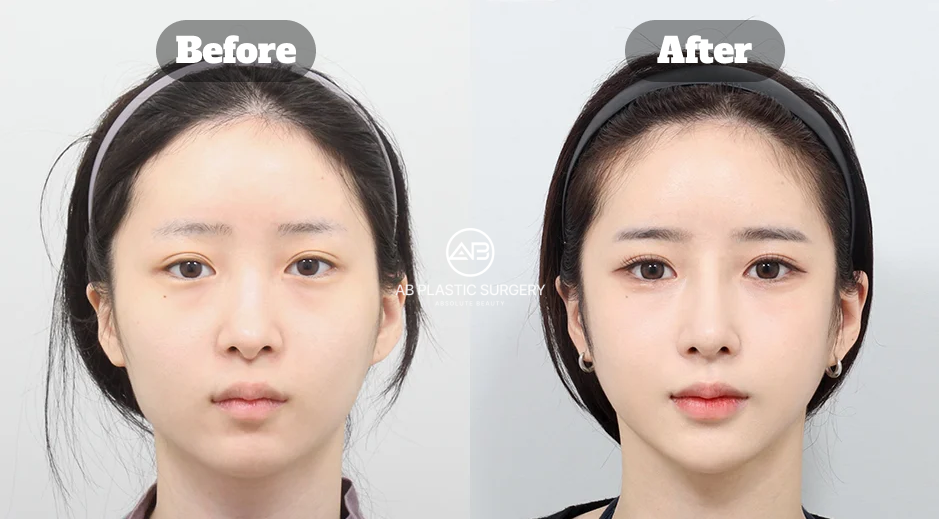
A square jaw is not inherently unattractive. Jawline preferences vary according to individual taste, facial proportions, cultural influences, and the type of impression a person wants to create. Some patients prefer a softer V-line, while others consider a strong, angular jawline an important part of their identity.
For this reason, square jaw surgery should not begin with the assumption that every prominent mandibular angle must be removed. The consultation should first determine whether the patient wants to reduce, preserve, or further define the existing jawline.
Cultural beauty standards can influence how people perceive a soft V-line, an oval face, or a strong angular jaw. These influences may help explain a patient’s references and expectations, but they should not be used to predict the desired result solely from nationality, ethnicity, or gender.
For example, not every Asian patient wants a narrow V-line, and not every Western patient wants to preserve or create a broad, angular jaw. Patients from the same cultural background may have entirely different preferences depending on their facial structure, identity, age, and personal aesthetic goals.
Gender expression may also be discussed during consultation when it is relevant to the patient’s goals. Some patients may want a softer lower face, while others may prefer a more structured or traditionally masculine jawline. These preferences should be treated as individual choices rather than fixed design rules.
The objective is not to reproduce a nationality-based beauty standard. It is to create a jawline plan that respects the patient’s anatomy, facial proportions, personal preferences, and the features they consider part of their identity.
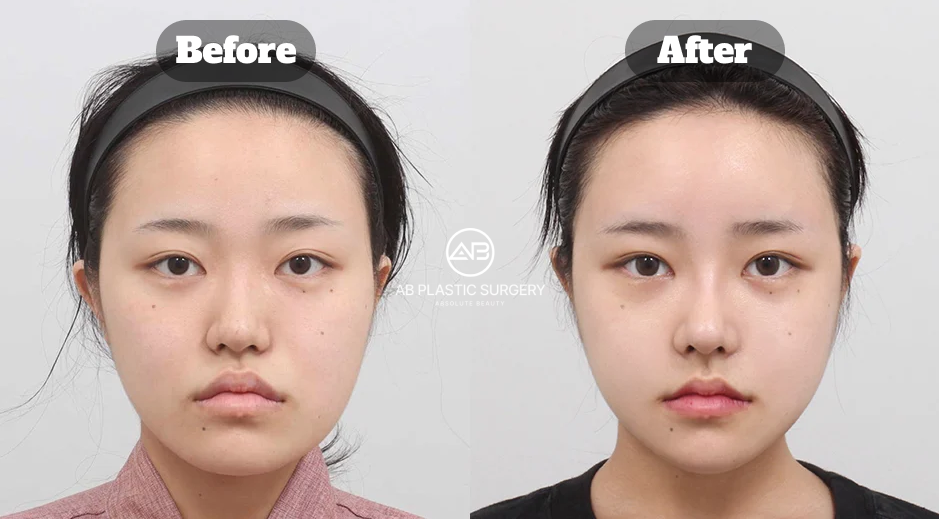
Customized Jawline Design: Reduce, Preserve, or Define
Customized jawline design begins by deciding what should be changed and what should remain. Instead of automatically narrowing every square jaw, the treatment plan may focus on one of three goals: reducing excessive width, preserving a valued angular feature, or defining a jawline that lacks balance or clarity.
Reduce: Softening Width or a Prominent Mandibular Angle
A reduction-focused plan may be appropriate when the mandibular bone creates more lower-face width or angularity than the patient prefers. The objective may be to soften the rear jaw angle, narrow the frontal appearance, or create a smoother line between the mandibular angle and chin.
When the original angle is removed too aggressively, the result may appear unnatural or less balanced with the rest of the face. Excessive reduction may also contribute to contour irregularities, an overly narrow lower face, or soft-tissue laxity. The goal should therefore be controlled refinement rather than maximum bone removal.
Preserve: Keeping the Features That Define the Patient’s Face
Some patients want to correct a specific concern without losing the strong or angular character of their jawline. In these cases, preserving selected features is a deliberate part of the surgical design rather than a limitation of treatment.
Reference photographs can help communicate which features the patient likes, but they should not be treated as templates. A design that suits another person may not be compatible with the patient’s skeletal anatomy, nerve location, soft-tissue condition, or overall facial proportions.
Define: Creating Better Jawline Balance Without Excessive Narrowing
A defined jawline does not necessarily require extensive square jaw reduction. Some patients are mainly concerned that the mandibular border appears unclear, asymmetrical, or poorly balanced with the chin and neck.
For this reason, surgical planning should evaluate the frontal, profile, three-quarter, and lower facial views together. The intended result should also remain balanced with the cheekbones, chin, neck, and overall facial length.
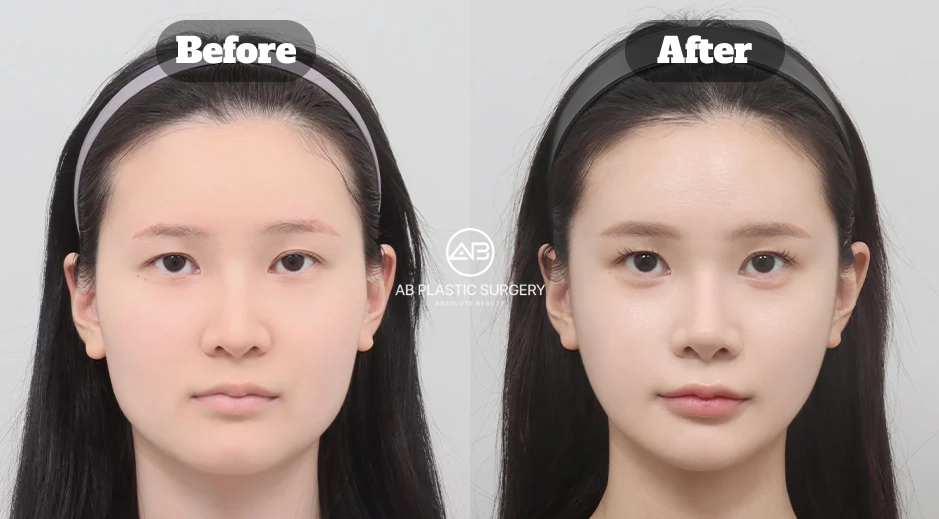
Bone, Muscle, or Soft Tissue? Choosing the Right Square Jaw Treatment
A square or wide lower face can be caused by the mandibular bone, enlarged masseter muscles, facial fat, loose skin, or a combination of these structures. Because each cause requires a different approach, square jaw surgery is not automatically the right treatment for every patient with a broad or angular jawline.
When Mandibular Bone Creates the Square Jaw
A skeletal square jaw is generally associated with a prominent mandibular angle, thick cortical bone, or a broad lower-jaw structure. Because bone determines the underlying framework of the lower face, this type of width remains visible even when the masseter muscles are relaxed or facial fat is limited.
When skeletal structure is the main cause, surgical contouring may be considered. The procedure can be designed to soften a projected mandibular angle, reduce excessive frontal width, smooth an uneven mandibular border, or correct selected areas of asymmetry.
The surgical plan should not be based solely on how much bone can be removed. The location of the inferior alveolar nerve, bone thickness, chin position, facial length, and surrounding soft tissue must be evaluated before determining an appropriate contour.
When Enlarged Masseter Muscles Make the Lower Face Look Wide
The masseter muscles are located along the sides of the lower jaw and become more prominent when clenching. Habitual teeth grinding, jaw clenching, chewing patterns, and individual anatomy can contribute to increased muscle volume.
A muscle-dominant square jaw may appear wider when the patient bites down, even when the underlying mandibular angle is not especially prominent. In these cases, removing bone may not address the principal cause of the concern.
Masseter Botox does not remove or reshape the mandibular bone. Its effects are also temporary and vary according to muscle size, dose, metabolism, and repeated muscle activity. If a prominent skeletal angle is the primary concern, Botox alone may not create the intended change.
Excessive weakening of the masseter muscle may also affect chewing strength or change how the overlying soft tissue is supported. The treatment area and dosage should therefore be determined through an individual medical assessment.
When Facial Fat or Skin Laxity Obscures the Jawline
A lower face can appear heavy or poorly defined even when the mandibular bone and masseter muscles are not unusually large. Fat beneath the chin, localized jowl fat, skin laxity, and changes in soft-tissue support can blur the border between the jaw and neck.
Depending on the cause and severity, treatment may involve facial liposuction, lifting procedures, energy-based skin tightening, or another soft-tissue treatment. These options address fat or laxity rather than changing the shape of the mandibular bone.
Removing facial fat is not suitable for every patient. Excessive fat reduction can create hollowing or make skin laxity more noticeable, particularly when tissue elasticity is limited. Similarly, a lifting procedure may improve tissue position but cannot narrow a broad skeletal jaw.
How Doctors Determine Which Structure Is Responsible
A physical examination can help distinguish skeletal width from muscle activity and soft-tissue fullness. The doctor may observe the jawline at rest and during clenching, assess skin elasticity, examine fat distribution, and compare the left and right sides of the lower face.
For surgical planning, three-dimensional CT imaging may be used to evaluate:
Patients weighing bone, muscle, and soft-tissue options together may also find it useful to compare facial contouring techniques in Korea before deciding which structure to prioritize.
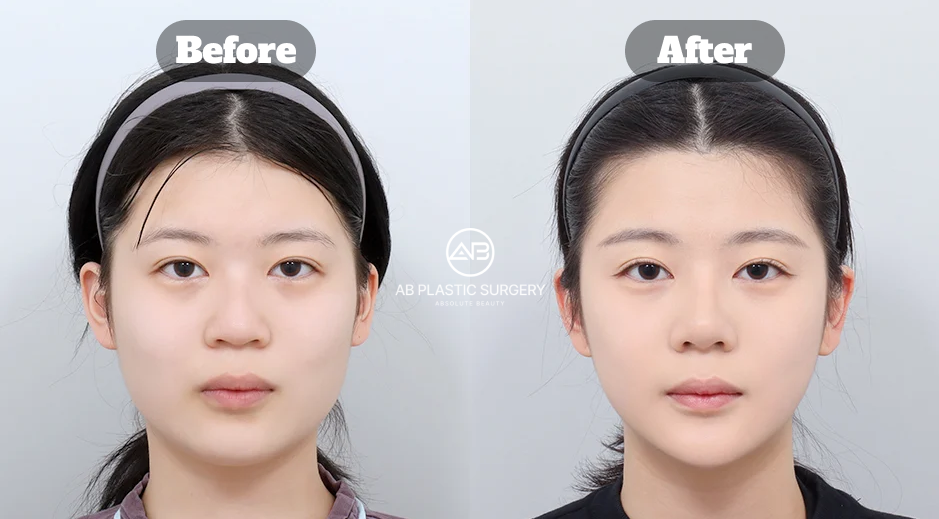
How Square Jaw Surgery Is Planned for Different Face Shapes
Square jaw surgery should be planned according to the patient’s overall facial shape rather than the mandibular angle alone. The same degree of bone reduction can create very different results depending on facial width, length, cheekbone prominence, chin shape, asymmetry, and soft-tissue condition.
Planning for a Wide or Short Lower Face
When the lower face appears wide or relatively short, the mandibular angle may create a heavy or compact impression. However, the visible width may come from bone, enlarged masseter muscles, a short chin, or a combination of these factors.
The goal is not necessarily to produce the narrowest possible V-line. It is to create a smoother lower-face contour while maintaining balance with the patient’s facial length and existing features.
Planning for a Long or Narrow Face
Patients with a long or naturally narrow face require particular caution because excessive mandibular reduction may further reduce lower-face support or exaggerate vertical facial length. A visible jaw angle may provide structural balance that should not be completely removed.
When the mandibular angle contributes positively to facial structure, a preservation-focused design may be more appropriate than a conventional reduction-focused approach.
Using 3D CT and Facial Analysis for Surgical Planning
For bone-contouring surgery, three-dimensional CT imaging can help evaluate structures that cannot be fully assessed through external photographs alone. This information supports decisions about the location, extent, and anatomical limits of the surgical plan.
Photographs, physical examination, and discussion of the patient’s preferences remain equally important. Imaging can show skeletal anatomy, but it cannot determine the patient’s desired impression or which facial characteristics they want to preserve.
Digital simulations may help the patient and surgeon discuss possible changes, but they should be treated as communication tools rather than predictions or guarantees. Postoperative appearance can vary according to swelling, healing, soft-tissue adaptation, and individual anatomy.
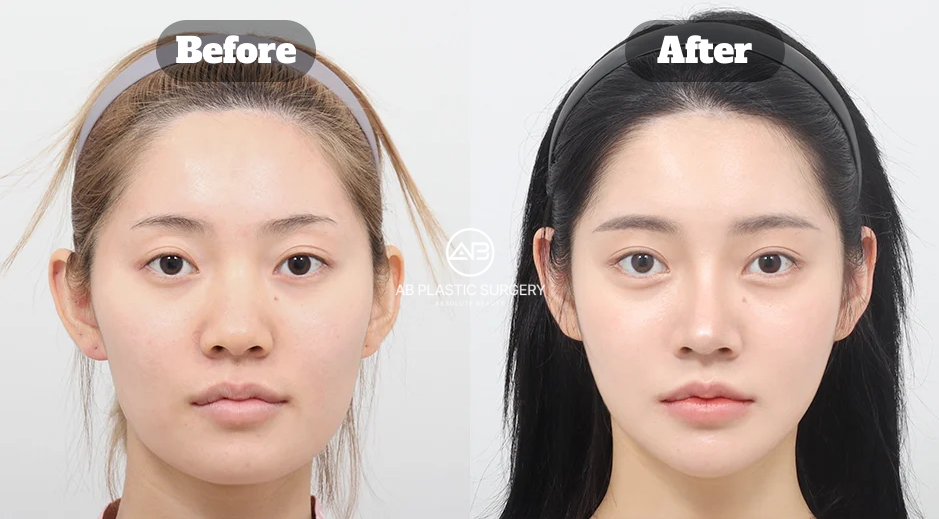
Square Jaw Surgery Techniques: From Mandibular Angle Reduction to V-Line Contouring
Square jaw surgery is not a single standardized procedure. The surgical technique should be selected according to where the lower face appears wide, how prominently the mandibular angle projects, the shape of the chin, and which characteristics the patient wants to preserve.
Mandibular Angle Reduction
Mandibular angle reduction focuses primarily on the prominent rear portion of the lower jaw. It may be considered when the jaw angle creates a square or strongly projected appearance from the side or three-quarter view.
The surgical design should therefore reflect the viewing angle that concerns the patient most. A prominent side angle and a wide frontal jaw are related concerns, but they do not always require the same contouring range.
Long-Curve Mandibular Contouring
Long-curve mandibular contouring is designed to create a continuous line from the rear mandibular angle toward the front of the jaw. Rather than removing only a short, angular segment, the technique aims to reduce the possibility of an abrupt transition or secondary angle.
Bone thickness, chin shape, facial length, and soft-tissue support should also be considered. A longer contouring line may create a smoother outline in an appropriate patient, but excessive reduction can weaken facial definition or produce an overly narrow result.
Cortical Bone Contouring for Frontal Width
Some patients are less concerned about the rear jaw angle and more concerned that the lower face appears wide from the front. When thick outer cortical bone contributes to this width, cortical bone contouring may be evaluated as part of the surgical plan.
If muscle volume is the primary cause, masseter treatment may be more relevant than additional bone reduction. Accurate diagnosis is necessary because operating on the wrong structure may increase recovery and risk without producing the intended frontal change.
Square Jaw Reduction Combined with Chin Surgery
The chin forms the endpoint of the lower-face contour. When chin width, length, projection, or asymmetry contributes to an unbalanced jawline, chin surgery may be considered together with square jaw reduction.
Chin surgery is not necessary for every patient undergoing square jaw reduction. If the existing chin is proportionate and the patient wants to preserve it, adding another procedure may create unnecessary change, cost, and recovery.
How Square Jaw Surgery Differs from V-Line Surgery
Square jaw surgery and V-line surgery overlap, but the terms should not be used interchangeably. Square jaw surgery primarily addresses a prominent mandibular angle or excessive lower-jaw width. V-line surgery generally refers to a broader lower-face contouring plan that may include both jaw reduction and chin surgery.
The practical differences can be summarized as follows:
|
Comparison |
Square Jaw Surgery |
V-Line Surgery |
|---|---|---|
|
Primary focus |
Mandibular angle and lower-jaw width |
Overall line from the jaw angles to the chin |
|
Possible surgical area |
Rear jaw angle, mandibular body, or cortical bone |
Mandibular contour combined with chin contouring or repositioning |
|
Typical design goal |
Soften, narrow, or selectively refine an angular jaw |
Create a narrower and more continuous lower-face line |
|
Chin surgery |
Not automatically required |
May be included when the chin affects the V-line design |
|
Suitable approach |
Determined individually according to anatomy, preferences, and safe surgical limits |
|
A patient who wants to preserve a strong chin or part of the mandibular angle may be better suited to selective square jaw contouring than a comprehensive V-line design. Conversely, reducing only the rear jaw angle may be insufficient when the chin and mandibular body also contribute to the patient’s concern.
Frequently Asked Questions About Square Jaw Surgery in Korea
How much does square jaw surgery cost at AB Plastic Surgery?
Square jaw surgery at AB Plastic Surgery starts at approximately USD 5,240. The final price may vary depending on the scope of surgery, facial contouring technique, anesthesia, examinations, and whether chin surgery or other procedures are included. For a personalized quote, patients can request a free 1:1 online consultation.
Is anesthesia safe for square jaw surgery in Korea?
Anesthesia safety depends on the patient’s health, surgical plan, monitoring system, and emergency-response preparation. Patients should confirm whether board-certified anesthesiologists are involved, how vital signs are monitored during surgery, and how recovery is observed afterward before choosing a clinic.
How long does it take to see the final result after square jaw surgery?
Major swelling generally decreases within the first month, but the final jawline can take several months to stabilize as deeper swelling resolves and soft tissue adapts to the new mandibular contour. Early photographs should not be used to judge the final outcome.
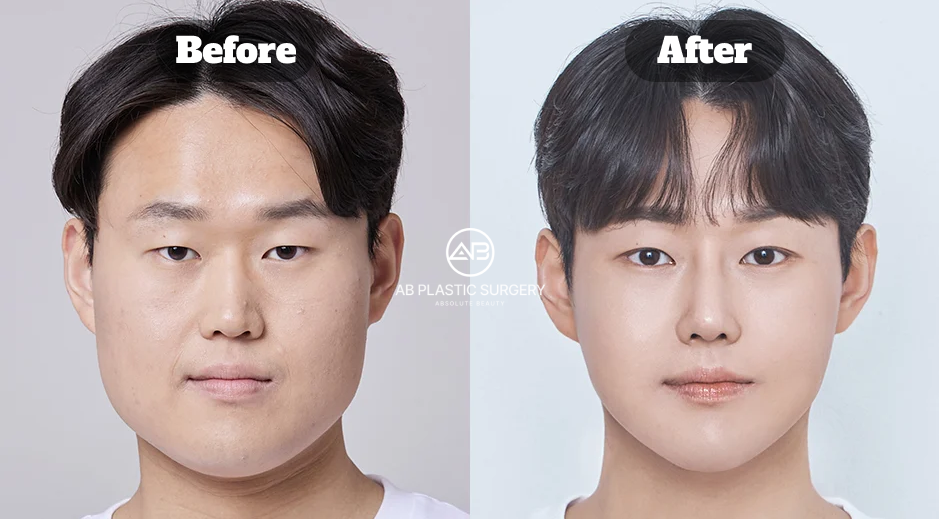
Square Jaw Surgery Cost in Korea: What International Patients Should Know
At AB Plastic Surgery, square jaw surgery in Korea starts at approximately USD 5,240. This amount is provided as a general reference rather than a fixed quotation because the scope of surgery and required techniques vary according to each patient’s mandibular structure and treatment goals.
Square Jaw Surgery and Related Facial Contouring Prices
The following starting prices provide a general reference for procedures that may be discussed during square jaw and lower-face contouring consultations.
|
Procedure |
Starting Price |
Primary Treatment Area |
|---|---|---|
|
Square Jaw Surgery |
From $5,240 |
Mandibular angle and excessive lower-jaw width |
|
Genioplasty |
From $5,240 |
Chin width, length, projection, position, or asymmetry |
|
V-Line Facial Contouring |
From $3,740 |
Lower-face contour selected according to the required surgical range |
|
Three-Part Facial Contouring |
From $15,650 |
Combined facial bone contouring based on an individualized plan |
The procedures listed above are not interchangeable. The lowest-priced option is not necessarily appropriate for a particular jaw structure, and multiple procedures should not be combined unless each one addresses an identified anatomical concern.
For a personalized estimate, patients can use AB Plastic Surgery’s pricing and schedule page to compare procedure options and request guidance based on their surgical plan.
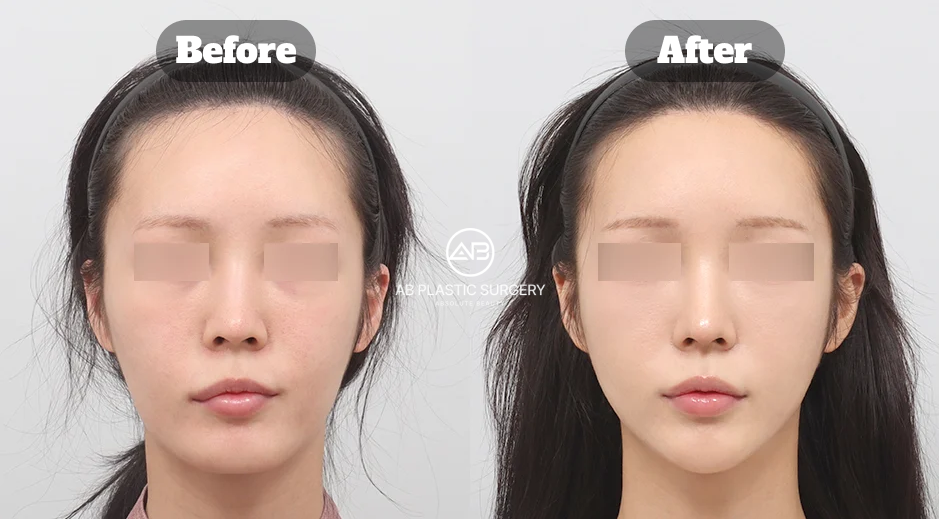
What Affects the Final Square Jaw Surgery Cost?
The final cost of square jaw surgery may vary according to:
-
The degree of mandibular angle projection and lower-face width
-
The required contouring range and surgical technique
-
Differences between the left and right mandibular structures
-
Whether cortical bone contouring is included
-
Whether chin surgery or another facial contouring procedure is required
-
Whether the procedure is a primary or revision surgery
-
The required anesthesia, examinations, hospitalization, and postoperative care
Revision facial contouring generally requires a separate assessment. Previous bone removal, contour irregularities, fixation materials, scar tissue, nerve position, and the complexity of structural correction can all affect the surgical plan and price.
What International Patients Should Confirm Before Comparing Prices
When comparing square jaw surgery costs in Korea, international patients should check what is included in the quoted amount rather than comparing the headline price alone.
Important points to confirm include:
-
Preoperative examinations and 3D CT imaging
-
Anesthesia-related charges
-
The exact procedures included in the surgical plan
-
Hospitalization and postoperative observation
-
Medication, dressings, and scheduled follow-up care
-
Interpretation or international patient support
-
Policies concerning additional or revision treatment
A lower quotation may cover a different scope of surgery or exclude services included elsewhere. Patients should request a written treatment plan identifying the planned procedures and included services before making a decision.
Price notice: The prices above are reference starting prices based on the provided AB Plastic Surgery price information. The final cost may vary according to the patient’s condition, surgical complexity, selected procedures, exchange-rate changes, and additional medical requirements. A personalized consultation is necessary to confirm the treatment plan and final quotation.
Square Jaw Surgery Recovery Timeline and Aftercare
Recovery after square jaw surgery occurs gradually as swelling decreases, the intraoral incision heals, and the soft tissue adapts to the newly contoured mandibular structure. Although many patients can resume light daily activities within the early recovery period, the final jawline should not be evaluated immediately after surgery.
The First Three Days After Surgery
Swelling, tightness, bruising, and temporary discomfort are generally most noticeable during the first several days. Patients may also experience difficulty opening the mouth widely because of swelling around the jaw muscles and intraoral surgical area.
Temporary numbness around the lower lip, chin, or jawline may occur because the tissues surrounding the sensory nerves can be affected by surgical swelling. Any sudden or worsening symptoms should be reported to the medical team promptly.
The First Week: Swelling, Diet, and Oral Care
Facial swelling commonly remains noticeable during the first week. The jawline may look wider, uneven, or less defined than expected during this period, and these early appearances should not be interpreted as the final result.
Because square jaw surgery is commonly performed through an intraoral incision, oral hygiene is an important part of recovery. Patients may be instructed to use a prescribed mouth rinse, clean the mouth carefully after eating, and avoid touching the incision with the tongue or fingers.
Patients should also avoid smoking and alcohol because they may interfere with wound healing and increase postoperative complications. The specific restriction period should be confirmed with the surgeon.
Weeks 2–4: Returning to Daily Activities
During the second to fourth weeks, major swelling generally begins to decrease, although residual fullness may remain around the lower face. Bruising and visible asymmetry caused by uneven swelling may also continue to improve.
Many patients can return to light work, study, and routine activities once discomfort is controlled and the surgeon confirms that healing is progressing appropriately. However, the exact return-to-work period depends on the surgical extent and how comfortable the patient feels appearing in public with residual swelling.
The compression garment should be used only according to the postoperative schedule provided by the clinic. Wearing it more frequently or tightly than recommended does not necessarily accelerate recovery.
When Can the Final Square Jaw Surgery Result Be Evaluated?
A meaningful change may become visible as major swelling decreases, but the final result can take several months to stabilize. Residual swelling around the lower face may persist longer than visible bruising, particularly after extensive mandibular contouring or combination facial contouring surgery.
The final appearance depends on more than the reshaped bone. Skin elasticity, muscle volume, facial fat, scar maturation, and soft-tissue adaptation influence how clearly the new mandibular line becomes visible.
Even after healing is substantially complete, natural left-to-right differences may remain. Square jaw surgery can improve selected skeletal asymmetries, but it cannot guarantee perfect facial symmetry.
Recovery Planning for International Patients
International patients should allow sufficient time in Korea for postoperative monitoring rather than planning to leave immediately after surgery. The recommended stay depends on the procedure, healing progress, and whether additional facial contouring surgery was performed.
-
The recommended length of stay in Korea
-
The timing of postoperative examinations and dressings
-
Whether intraoral sutures require removal
-
When air travel is medically appropriate
-
Medication and oral-care instructions after returning home
-
How remote follow-up consultations are conducted
-
Who to contact if unexpected symptoms develop after departure
Flight dates should remain flexible enough to accommodate an additional examination if healing does not progress as expected. Patients should also prepare suitable soft foods, transportation, and accommodation that allow adequate rest during the early recovery period.
When to Contact the Medical Team During Recovery
Some swelling, bruising, tightness, discomfort, and temporary sensory changes may occur after surgery. However, patients should contact the medical team promptly if they experience symptoms that are severe, rapidly worsening, or different from the expected recovery guidance.
-
Sudden or excessive swelling, particularly on one side
-
Bleeding that does not improve as instructed
-
Increasing pain that is not controlled by prescribed medication
-
Persistent fever, discharge, or signs of infection
-
Difficulty breathing or swallowing
-
New facial weakness or rapidly worsening sensory changes
-
Any symptom identified as urgent in the clinic’s postoperative instructions
Patients should follow the individualized instructions provided by their surgeon because recovery protocols may differ according to the surgical technique and the patient’s medical condition. Online recovery timelines provide general information and cannot replace direct postoperative assessment.

Square Jaw Surgery Risks, Side Effects, and Anesthesia Safety
Square jaw surgery changes the mandibular bone and is generally performed near sensory nerves, blood vessels, muscles, and other important anatomical structures. As with any facial bone surgery, it involves potential side effects and complications that should be discussed before treatment.
Common Temporary Side Effects During Early Recovery
Temporary postoperative effects are expected while the tissues heal and adapt to the changed mandibular contour. These effects do not necessarily indicate a complication, but they should be monitored during scheduled follow-up examinations.
-
Swelling around the jaw, cheeks, chin, or neck
-
Bruising and temporary differences between the left and right sides
-
Pain, pressure, tightness, or tenderness
-
Difficulty opening the mouth widely
-
Temporary numbness or altered sensation around the lower lip and chin
-
Temporary weakness or stiffness when chewing
-
A less-defined jawline while residual swelling remains
Patients should follow the clinic’s instructions concerning medication, diet, oral hygiene, compression, physical activity, and follow-up care. Symptoms that become more severe instead of gradually improving require medical assessment.
Inferior Alveolar Nerve and Sensory Changes
The inferior alveolar nerve runs through the lower jaw and provides sensation to areas including the lower lip and chin. Because mandibular contouring is performed near this nerve pathway, sensory changes are an important consideration when planning square jaw surgery.
Possible sensory symptoms include:
A safe surgical boundary may therefore prevent the surgeon from creating the exact degree of narrowing originally requested. Protecting neurological function should take priority over maximizing bone reduction.
Bleeding, Hematoma, and Airway-Related Concerns
Bleeding can occur during or after facial bone surgery because the mandibular area contains blood vessels and highly vascular soft tissue. A hematoma develops when blood collects within the surgical area and may cause increasing swelling, pressure, pain, or asymmetry.
Rapidly increasing swelling requires prompt evaluation, particularly when it is accompanied by difficulty breathing or swallowing. Although uncommon, severe swelling or postoperative bleeding around the lower face and neck can affect the airway and may require urgent treatment.
Patients should disclose the use of aspirin, anticoagulants, supplements, and other medications before surgery. Medication should not be stopped or adjusted without instructions from the appropriate medical professional.
Infection and Intraoral Incision Care
Square jaw surgery is commonly performed through an incision inside the mouth to avoid a visible external scar. Because the incision is exposed to oral bacteria, careful oral hygiene is important during recovery.
Possible signs of infection include increasing pain, persistent fever, worsening swelling, discharge, an unpleasant taste or odor, and redness or tenderness that does not improve. These symptoms should be reported promptly rather than managed only with over-the-counter medication.
Asymmetry, Uneven Contours, and Secondary Angles
Facial asymmetry exists naturally in most patients, and the left and right mandibular structures may differ in length, width, angle, or nerve position. Square jaw surgery may reduce selected differences, but it cannot guarantee perfect symmetry.
Some early irregularities are caused by uneven swelling and may improve as healing progresses. A structural contour issue should generally be evaluated after sufficient time has passed for swelling and soft-tissue adaptation.
If revision surgery is considered, the surgeon must assess the remaining bone, nerve position, the extent of the previous surgery, scar tissue, and soft-tissue condition. Immediate additional bone reduction is not automatically appropriate.
Soft-Tissue Sagging After Jaw Reduction
Reducing the mandibular framework changes the support beneath the facial soft tissue. Depending on skin elasticity, age, the amount of bone reduction, and pre-existing tissue laxity, some patients may notice looseness or fullness around the lower face after surgery.
Early swelling can temporarily resemble sagging, so the lower face should be reassessed after the initial healing period. When persistent laxity is present, lifting, skin-tightening, or selective soft-tissue treatment may be discussed according to the anatomical cause.
Removing additional facial fat is not always the correct solution. Excessive fat reduction may produce hollowing or make loose skin more noticeable. The possibility of soft-tissue change should therefore be considered before determining how much bone to remove.
Jaw Function, Muscle Changes, and Bite Concerns
Temporary stiffness, reduced mouth opening, and chewing discomfort may occur because surgery affects tissues near the masseter muscles and temporomandibular joints. These symptoms often improve as swelling decreases and movement gradually returns.
Cosmetic mandibular contouring changes the outer shape of the jaw but is not intended to correct an underbite, overbite, or another skeletal bite disorder. If the patient has jaw misalignment or functional occlusion concerns, an oral and maxillofacial or orthodontic evaluation may be required.
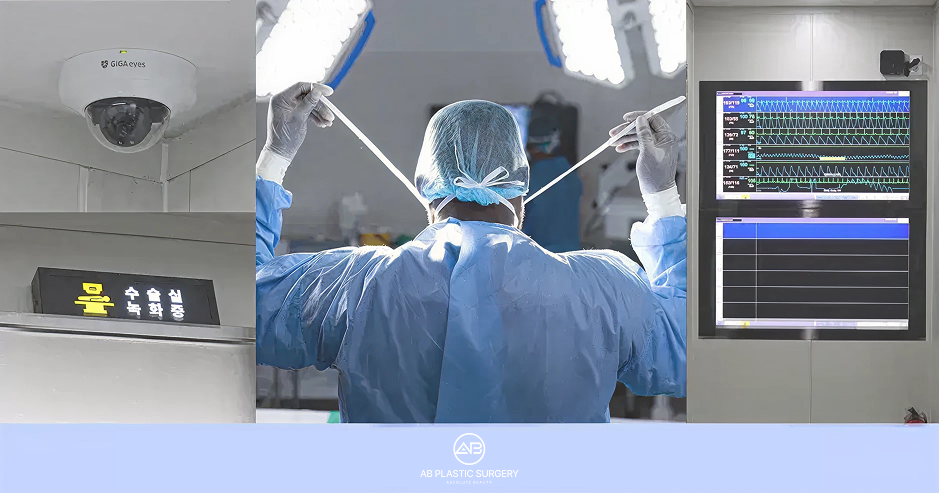
Anesthesia Safety and AB Plastic Surgery’s Safety System
For international patients considering square jaw surgery in Korea, anesthesia safety is one of the most important parts of treatment planning. Facial bone surgery may require general anesthesia or monitored anesthesia care depending on the scope of the procedure, so a clinic’s anesthesia system should be reviewed before surgery.
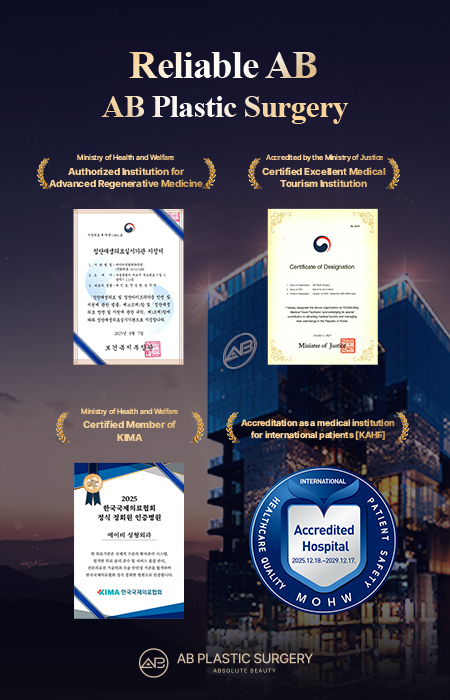
AB Plastic Surgery maintains a patient-safety-focused medical system that includes on-site board-certified anesthesiologists, real-time patient monitoring, emergency-response preparation, and postoperative observation. Patients considering plastic surgery anesthesia or sedation for plastic surgery should confirm who monitors anesthesia during surgery, what emergency protocols are available, and how recovery is observed afterward. Read more about AB Plastic Surgery’s safety system.
A detailed consultation should provide enough information for the patient to make an informed decision. Useful questions include:
-
Which structure is primarily responsible for my lower-face width?
-
What surgical technique and contouring range are being recommended?
-
Where is the inferior alveolar nerve in relation to the planned bone reduction?
-
How could the procedure affect my front, side, and three-quarter views?
-
What sensory changes, functional symptoms, and contour complications are possible?
-
How might my skin and soft tissue adapt after bone reduction?
-
What postoperative monitoring and emergency-response processes are available?
-
How are unexpected results or potential complications evaluated?
Patients should avoid making a decision based solely on promotional before-and-after photographs or the amount of bone a clinic proposes to remove. The appropriate plan is one that addresses the diagnosed cause of the square jaw while respecting neurological, functional, and structural safety boundaries.
Medical notice: This information provides a general overview and does not replace an individual medical consultation. Risks, recovery, and suitability vary by patient, and the final treatment plan should be determined after examination by a qualified medical professional.

This article is for informational purposes only and does not replace a personal medical consultation.