Title
Capsular Contracture After Rhinoplasty: Causes, Optimal Timing for Revision, and How Treatment Is PerformedDate
2025-12-08Views
4116
Medical Column
Capsular Contracture After Rhinoplasty: Causes, Optimal Timing for Revision, and How Treatment Is Performed

Hello, this is Dr. Ma Seong-Hwan, board certified plastic surgeon at AB Plastic Surgery.
Capsular contracture is one of the most common concerns among patients planning or recovering from rhinoplasty. Although not very frequent, it can cause nasal distortion and discomfort when it occurs, making proper diagnosis and timely treatment essential.
This guide explains why capsular contracture develops, how implant materials influence risk, when revision surgery should be performed, and what the revision process includes based on the clinical expertise of AB Plastic Surgery.
Q. What Causes Capsular Contracture After Rhinoplasty?
During rhinoplasty, silicone implants and sometimes Gore Tex or hybrid implants are commonly used to augment the nasal bridge.
The human body forms a capsule around any foreign material. Under normal conditions, this capsule remains soft and stable. However, it can thicken and contract when:
- the body is fatigued
- the immune system is lowered
- inflammation occurs and is not adequately managed
This tightening can pull the nasal structure inward, creating distortion, stiffness, and changes in nose shape. This condition is known as capsular contracture deformity of the nose.
Even cartilage only rhinoplasty can rarely trigger inflammation, but when no implant is used, the likelihood of true capsular contracture is very low.
Q. Do Certain Implant Materials Increase the Risk?
Many patients ask:
- "Is silicone more likely to cause capsular contracture"
- "Is Gore Tex safer or less reactive"
Based on clinical experience and literature review, there is no significant difference in capsular contracture risk among silicone, Gore Tex, or silicone Gore hybrid implants.
Important factors that influence risk include:
- the patient’s immune condition
- postoperative inflammation control
- sterility and tissue handling during surgery
- the thickness and characteristics of the nasal skin
Therefore, implant material alone does not determine the likelihood of capsular contracture.
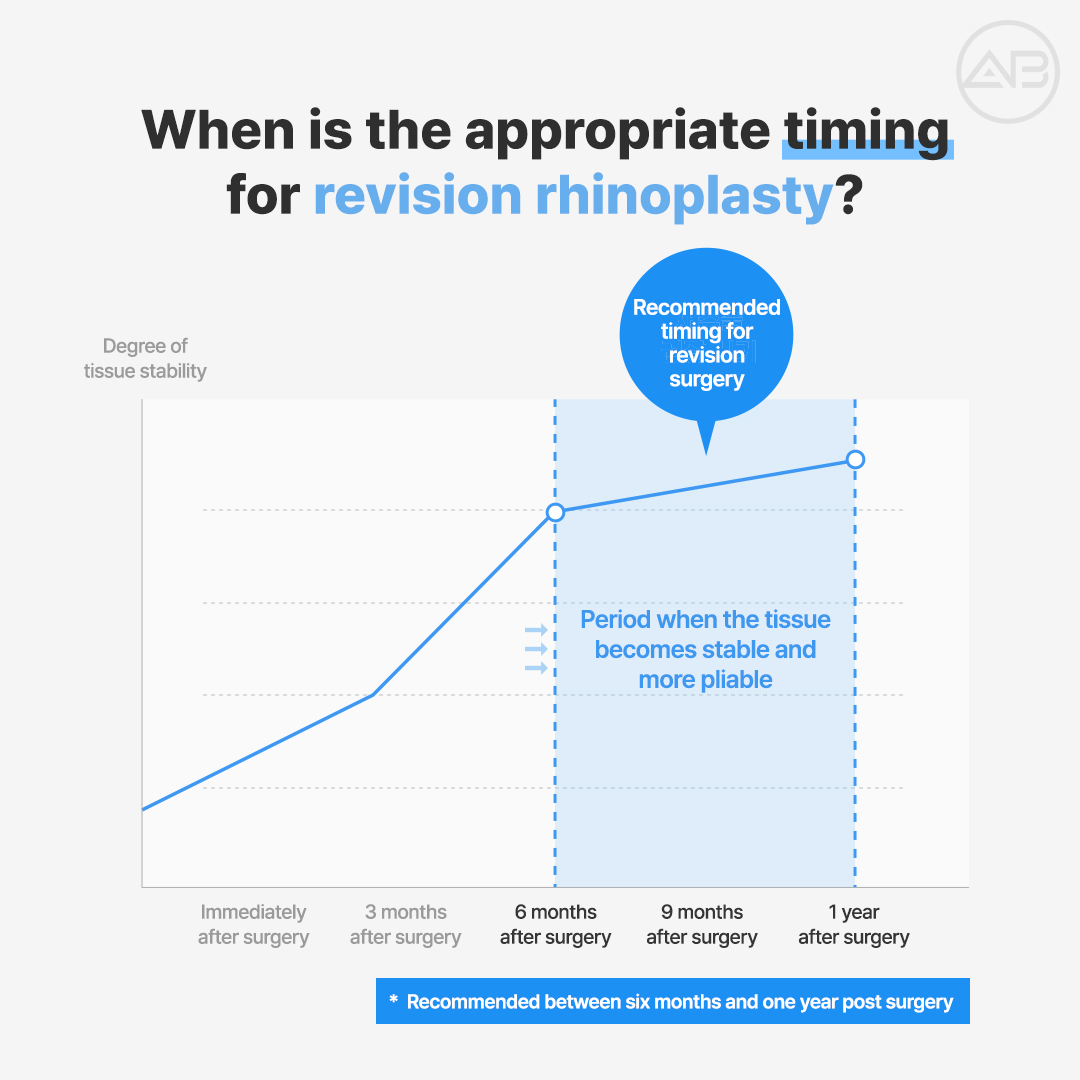
Q. When Is the Right Time for Revision Surgery for Capsular Contracture?
Because contracture makes the nasal skin firm and tight, revision surgery must be timed appropriately to avoid complications.
Typical Timeframe for Revision
- Around six months after implant removal is generally recommended so the skin can soften sufficiently.
- If inflammation resolves early, revision may be possible at around three months.
- In severe cases with prolonged stiffness or recurrent inflammation, waiting six months or longer can lead to safer and more predictable outcomes.
Since healing varies from person to person, an in person evaluation is essential to determine the optimal timing.

Q. How Is Revision Surgery for Capsular Contracture Performed?
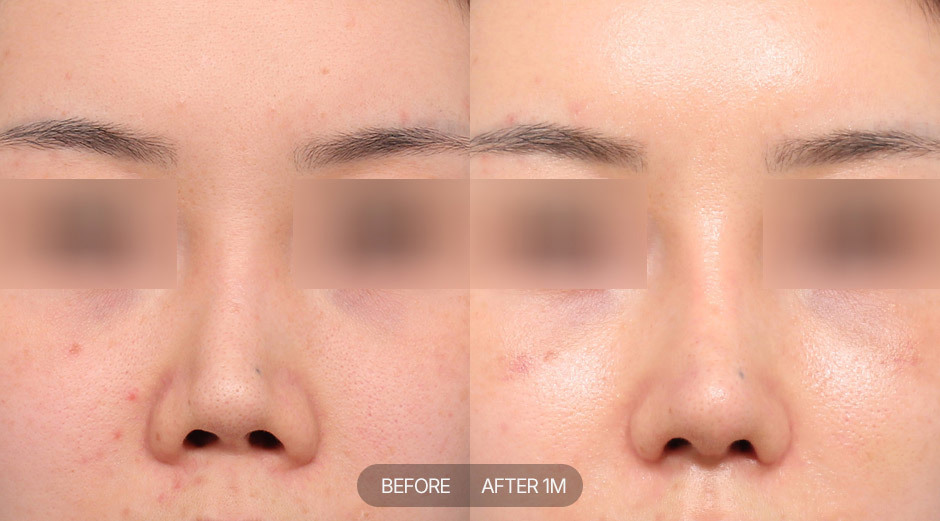
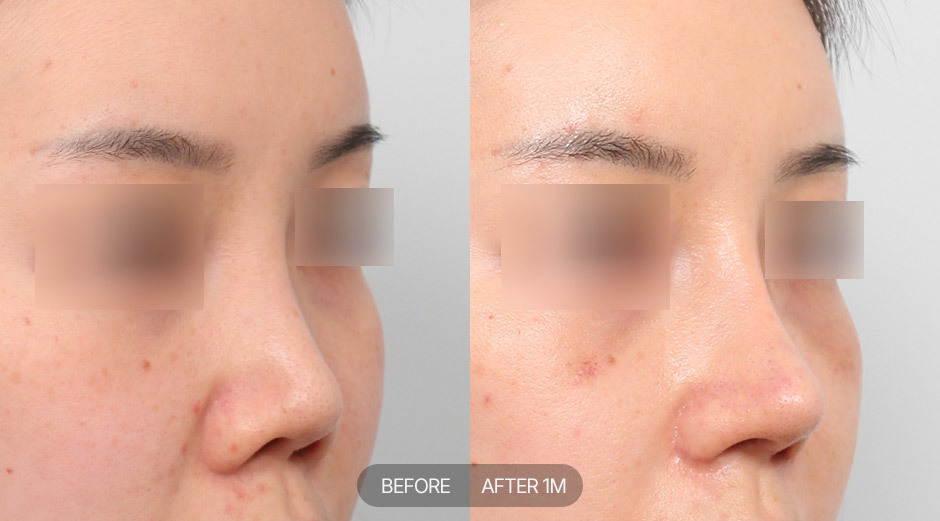
Revision surgery focuses on improving the contracted skin and restoring a natural nasal shape.
During revision, the surgeon aims to:
- Release tightened or stiffened tissues
Contracture can shorten the nasal tip and distort the contour. Adequate release is necessary to restore flexibility.
- Recreate the nasal framework
If the skin is too tight, inserting an implant or increasing tip projection may not be possible without additional soft tissue support.
- Avoid overcorrection or skin thinning
Excessive stretching can cause skin thinning, color changes, and risk of implant show through.
- Prevent undercorrection
Insufficient release may result in persistent asymmetry, a short nasal tip, or a distorted bridge shape.
Achieving a balanced and natural nasal contour requires an experienced revision rhinoplasty specialist, especially in complex contracture cases.
|
|
Q. Is Capsular Contracture Common After Rhinoplasty?
Fortunately, capsular contracture after rhinoplasty is not very common.
However, when symptoms such as increased firmness, asymmetry, or visible deformity appear, early evaluation is important to prevent progression.
Aesthetic improvement is important, but maintaining long term stability and preventing complications is equally essential. If any abnormal signs occur, prompt consultation with your surgeon is recommended.
Considering Revision Surgery for Capsular Contracture?
AB Plastic Surgery in Gangnam, Seoul specializes in complex revision rhinoplasty, including capsular contracture correction, capsular release, soft tissue reconstruction, implant replacement, and advanced structural rhinoplasty.
For detailed consultation, please contact AB Plastic Surgery on WhatsApp at +82 10 4393 1298 for a detailed consultation.

|
Writer Dr. Ma Seong-Hwan, AB Plastic Surgery |