Title
Concerned About Anesthesia Accidents During Plastic Surgery? Essential Criteria for Choosing a Safe HospitalDate
2026-08-03Views
2064
Medical Column
Concerned About Anesthesia Accidents During Plastic Surgery? Essential Criteria for Choosing a Safe Hospital
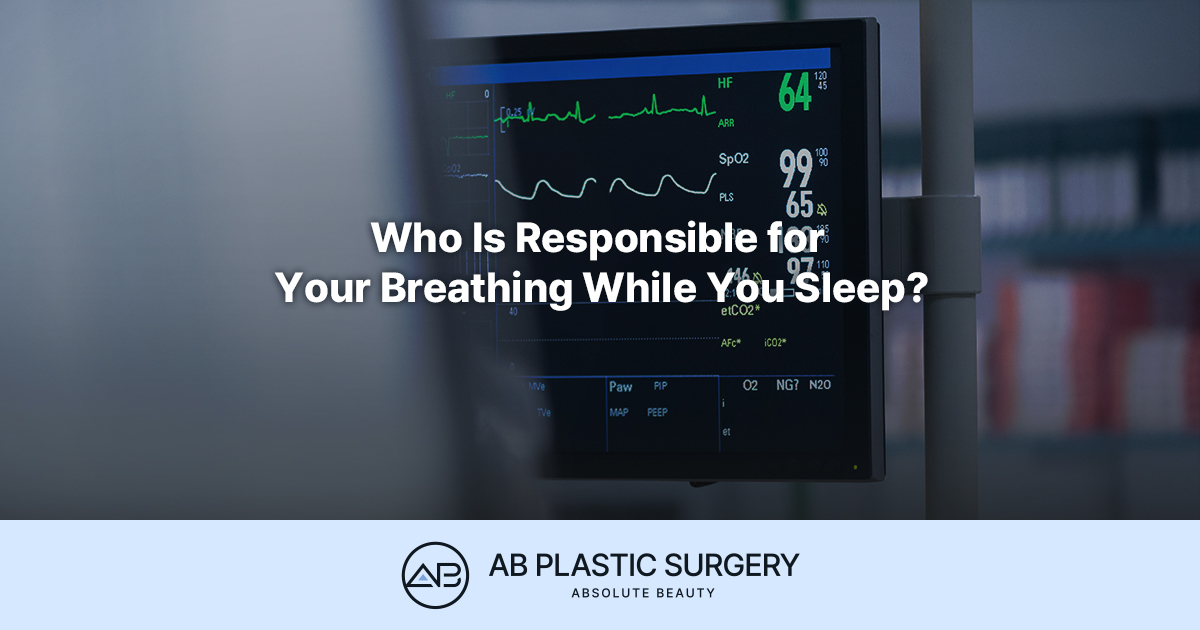
When considering plastic surgery, most people first focus on the question, “How much better will I look?”
However, another question is just as important: “Will I be able to recover safely after surgery?”
This concern is especially relevant for procedures such as facial contouring, which require general anesthesia and may involve long operating times.
In many cases, anesthesia related accidents reported in statistics and the media begin with “insufficient staffing” and “inadequate systems.”
Today, we will explain the criteria you should consider when choosing a safe plastic surgery hospital, from whether an anesthesiologist remains present throughout the procedure to whether the hospital operates CCTV in every operating room.
Q. Why Is General Anesthesia Considered Risky in Plastic Surgery?
General anesthesia is often described as lighter than whole body anesthesia, but the level of monitoring required is just as important.
During surgery, the patient’s breathing is suppressed, and vital signs such as blood pressure and oxygen saturation can change rapidly.
The issue is not simply whether a dangerous situation may occur, but how quickly those changes are detected.
In particular, plastic surgery may involve long procedures and many cases where multiple operations are performed under a single anesthetic.
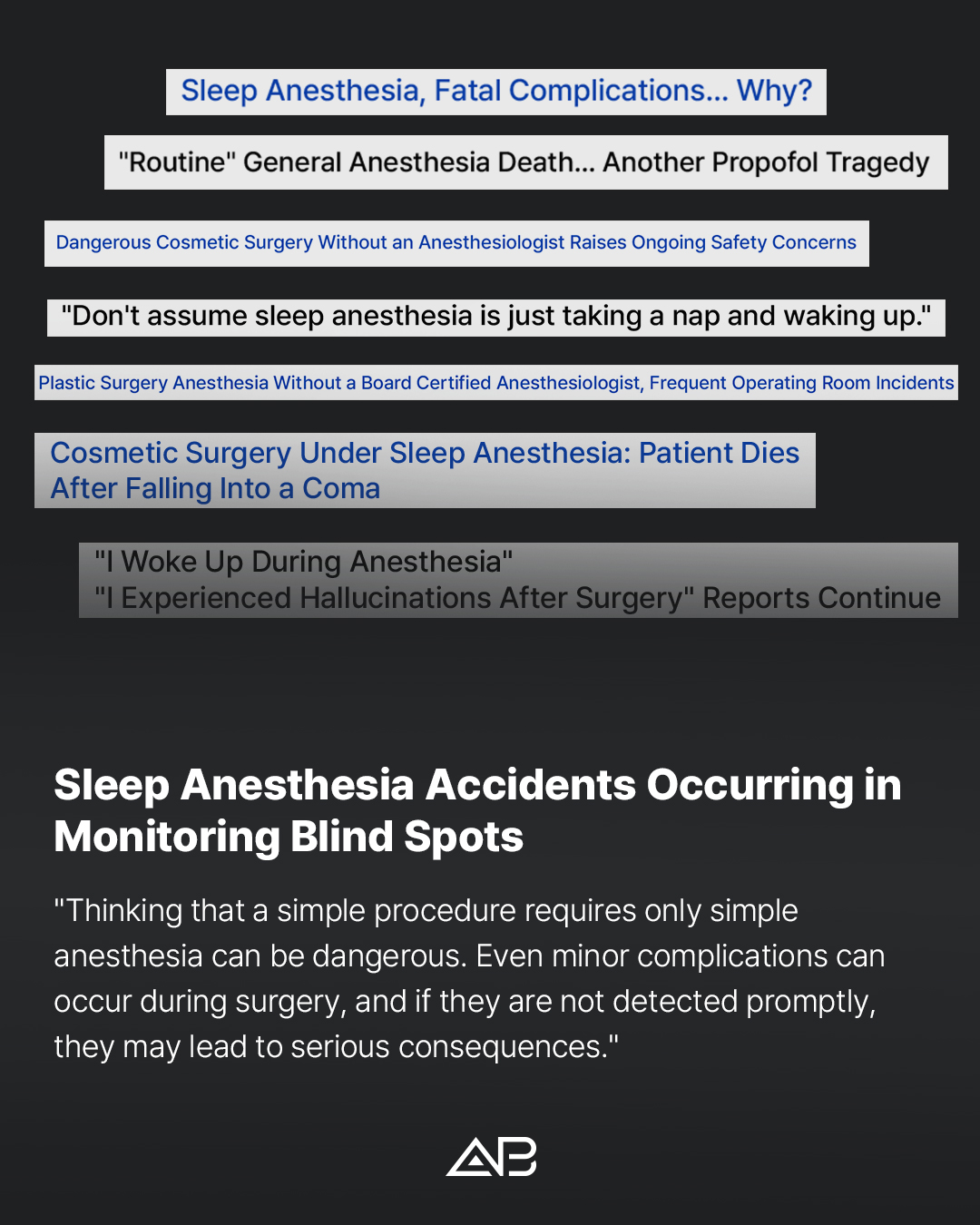
Most anesthesia related accidents occur because warning signs are detected too late or because there is a delay in taking immediate action.
Even a vital sign change that is missed for only a few minutes during surgery can lead to a serious outcome. For this reason, preventing anesthesia accidents requires more than relying on individual attention. A hospital must have uninterrupted monitoring and infrastructure that allows for an immediate response.
|
|
Q. What Are the Key Factors for Determining Whether a Plastic Surgery Hospital Is Safe?
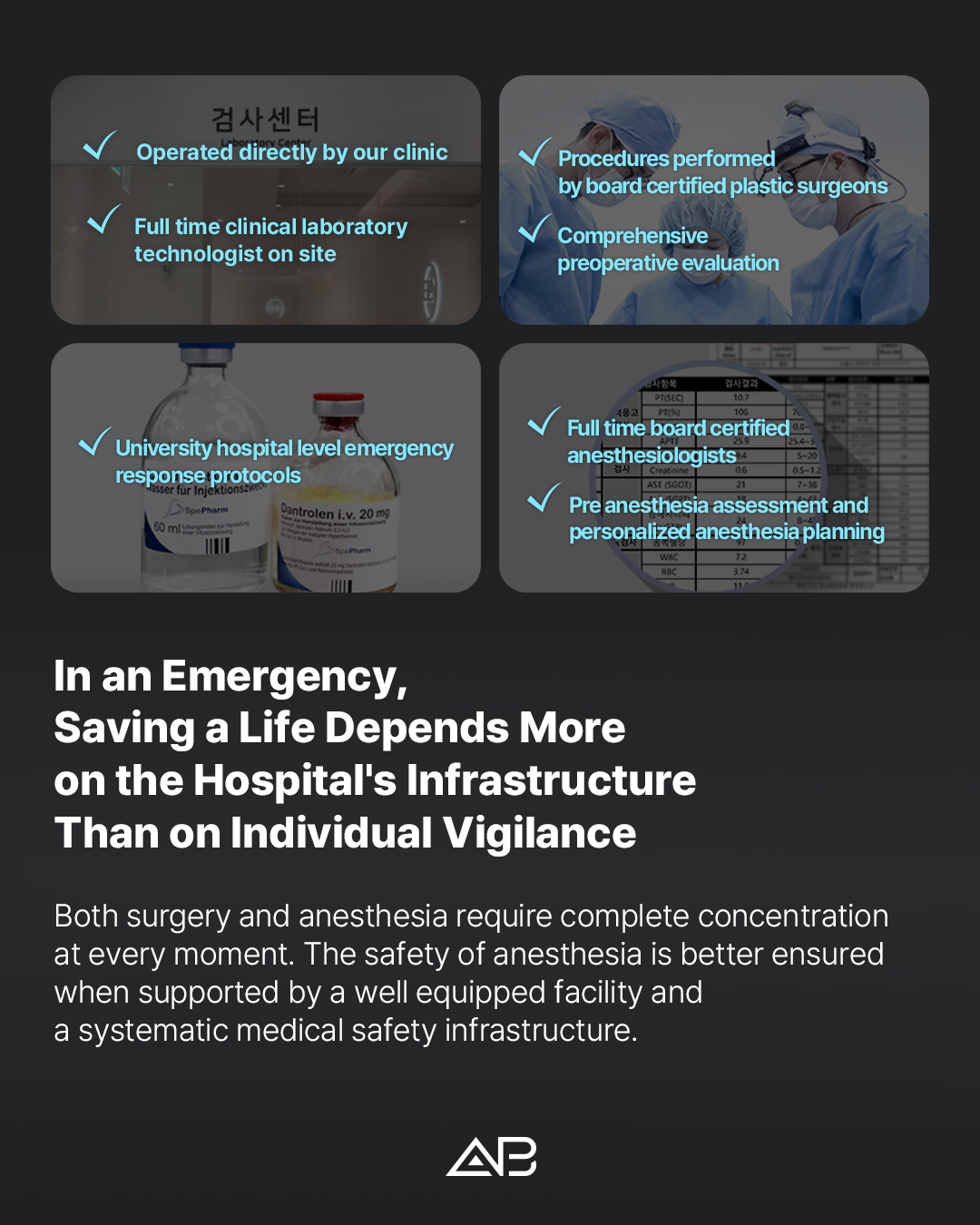
Several factors should be considered, but the hospital’s emergency response infrastructure is one of the most important criteria when evaluating the safety of plastic surgery.
Saving a patient’s life during an emergency cannot depend solely on one person’s attentiveness or level of skill. It depends greatly on how precisely the hospital’s systems and overall infrastructure are organized.
AB Plastic Surgery precisely evaluates each patient’s condition before surgery through a full preoperative examination system and operates an in house clinical laboratory specialist team to enable prompt testing and response.
The hospital is also staffed by board certified plastic surgeons and follows a surgical accountability system to strengthen transparency throughout the entire surgical process.
In addition, eight anesthesiologists are permanently based at the hospital, each responsible for monitoring vital signs from the beginning to the end of anesthesia. An individualized anesthesia plan is established before surgery after evaluating the patient’s suitability for anesthesia.
Ultimately, the safety of plastic surgery depends not only on the treatment environment itself, but on an integrated structure in which medical infrastructure, anesthesia safety management systems, and emergency response protocols all function together.
Before focusing on visible results, confirming whether these systems are in place is one of the most important criteria for safe surgery.
|
|
Q. What Safety Management Systems Does AB Plastic Surgery Use to Prevent Anesthesia Related Accidents?
AB Plastic Surgery places greater importance on the safety of the entire process than on the outcome alone and operates the following systems.
✅ POINT 1. Clear Separation of Roles Between the Surgeon and Anesthesiologist
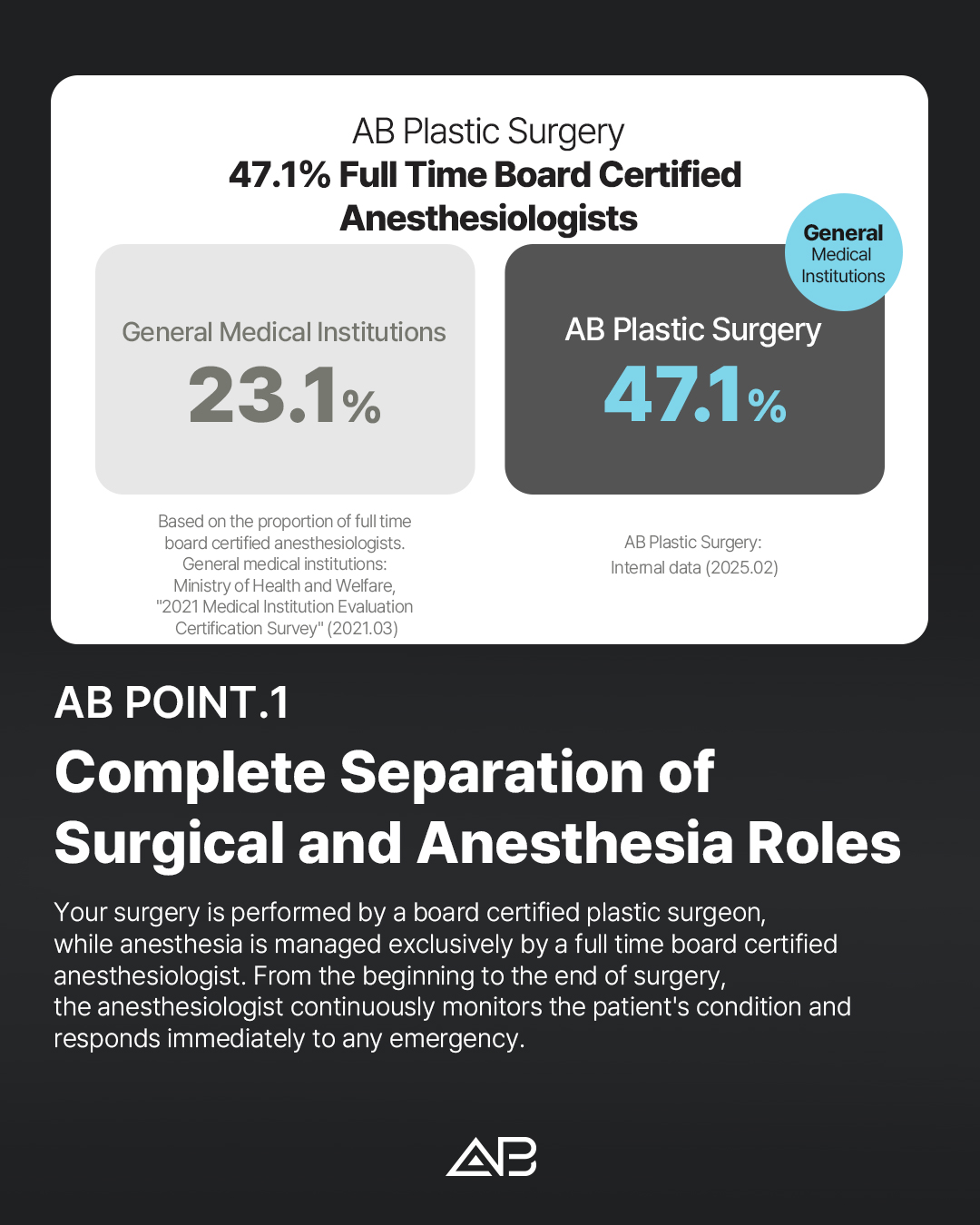
The surgeon focuses exclusively on the operation, while the anesthesiologist devotes 100 percent of their attention to monitoring the patient’s vital signs.
From the beginning to the end of surgery, the patient’s blood pressure, pulse, and oxygen saturation are continuously monitored on a one to one basis, ensuring that even minor changes are not overlooked.
While the industry average for the on site presence rate of anesthesiologists is approximately 23.1 percent, AB Plastic Surgery maintains a rate of 47.1 percent. This is more than a numerical difference. It reflects AB Plastic Surgery’s commitment to prioritizing patient safety throughout the entire surgical process.
✅ POINT 2. Multilayered Monitoring System With No Blind Spots
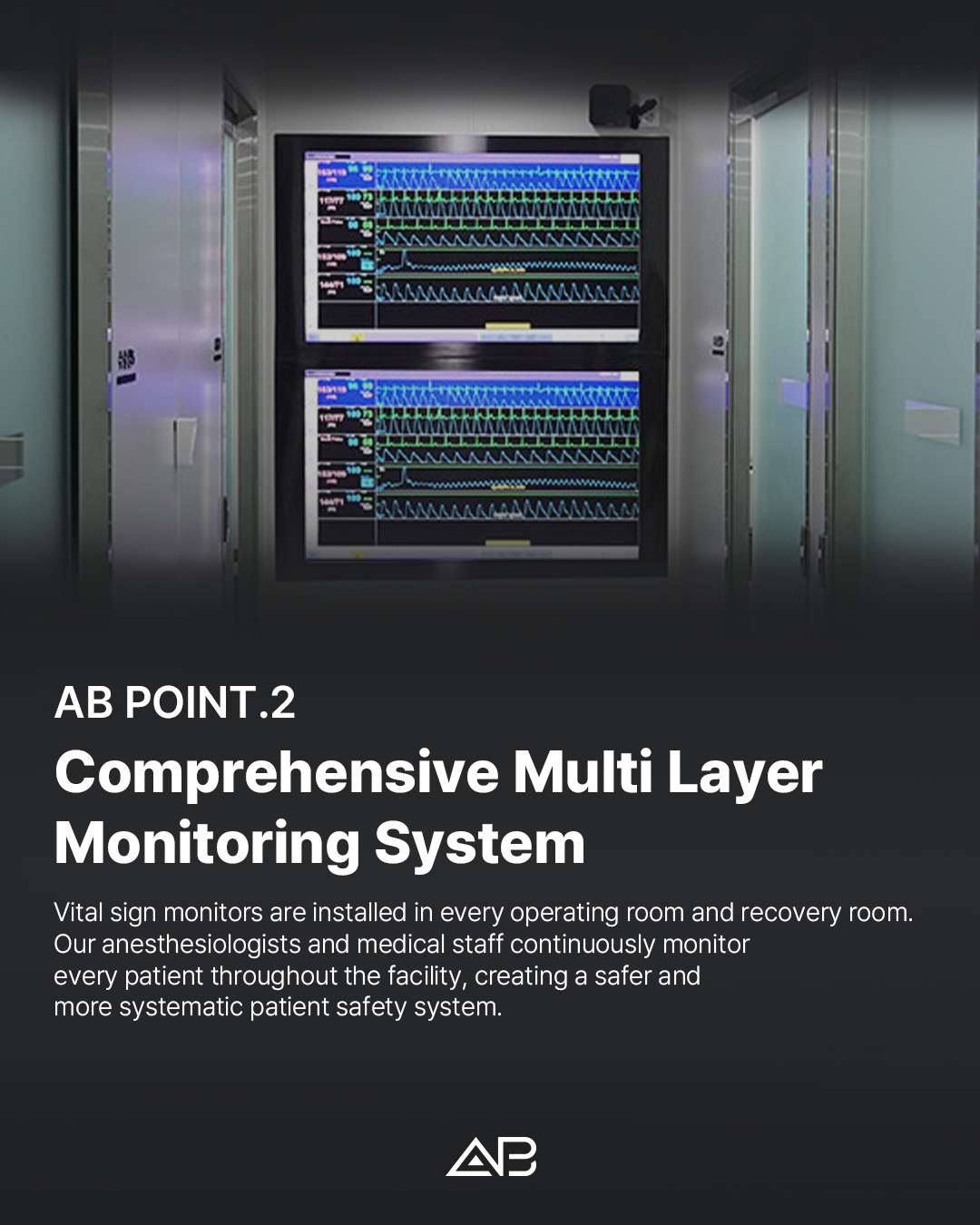
AB Plastic Surgery has established a monitoring system connected throughout the operating rooms and recovery areas so that medical staff can check the patient’s condition in real time from multiple locations.
This is not merely a single person checking a monitor. It is a multilayered monitoring structure in which several medical professionals simultaneously assess the patient’s condition and immediately detect changes in breathing, blood pressure, oxygen saturation, and other vital signs.
This type of system aims to create a dense and uninterrupted safety structure that fundamentally reduces the possibility of gaps in staffing and proactively manages risks that may arise during anesthesia.
|
|
✅ POINT 3. An In House Testing System That Protects the Golden Time
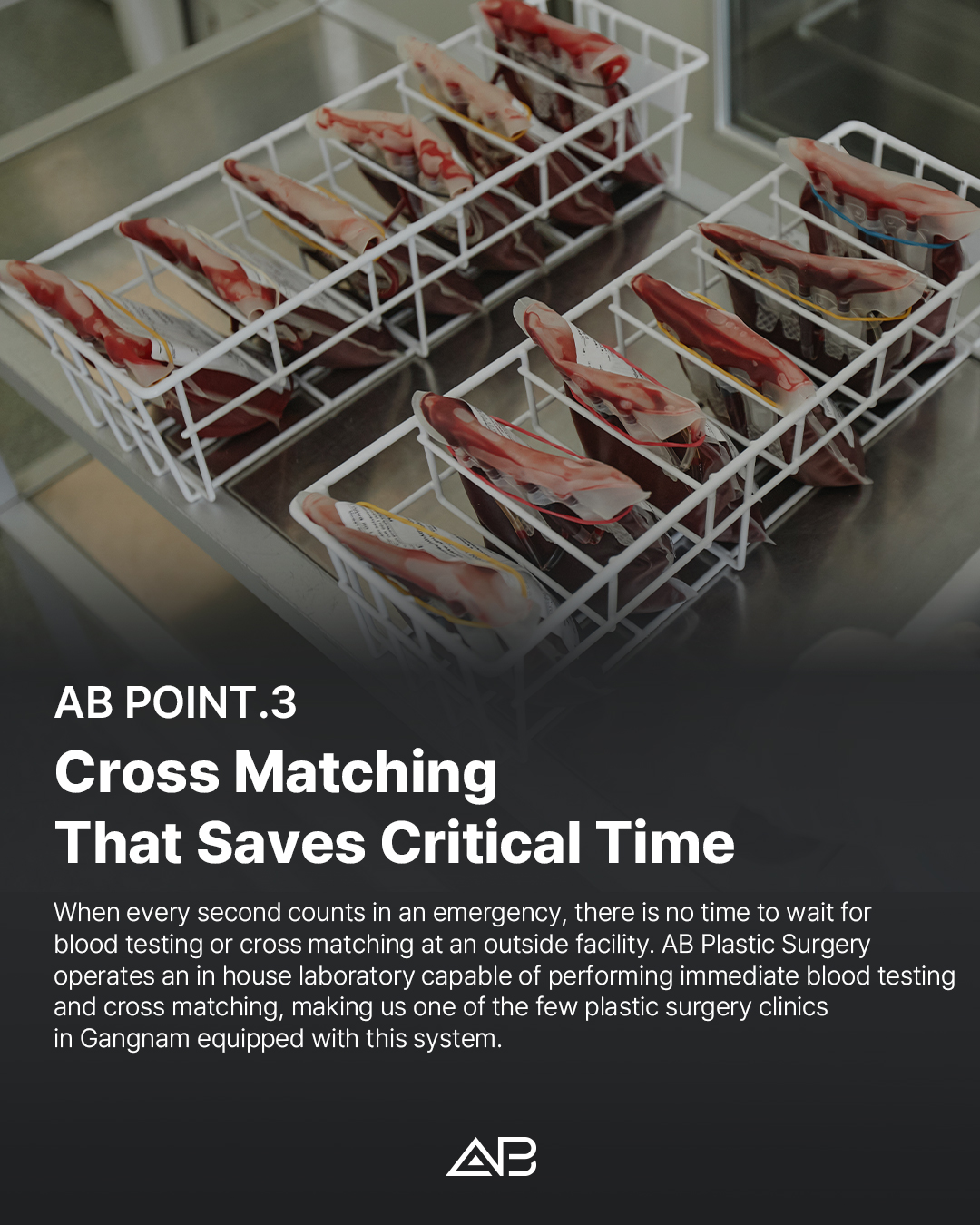
During surgery, when every second can determine the outcome, there is no time to send samples to an outside institution and wait for the results.
AB Plastic Surgery does not rely on external laboratories. It has an in house testing system that allows immediate blood crossmatching within the hospital, as well as a permanently available clinical laboratory specialist team, enabling emergency response without delay.
This integrated emergency response environment is an essential part of the hospital’s core medical infrastructure and allows immediate treatment to begin during emergencies.
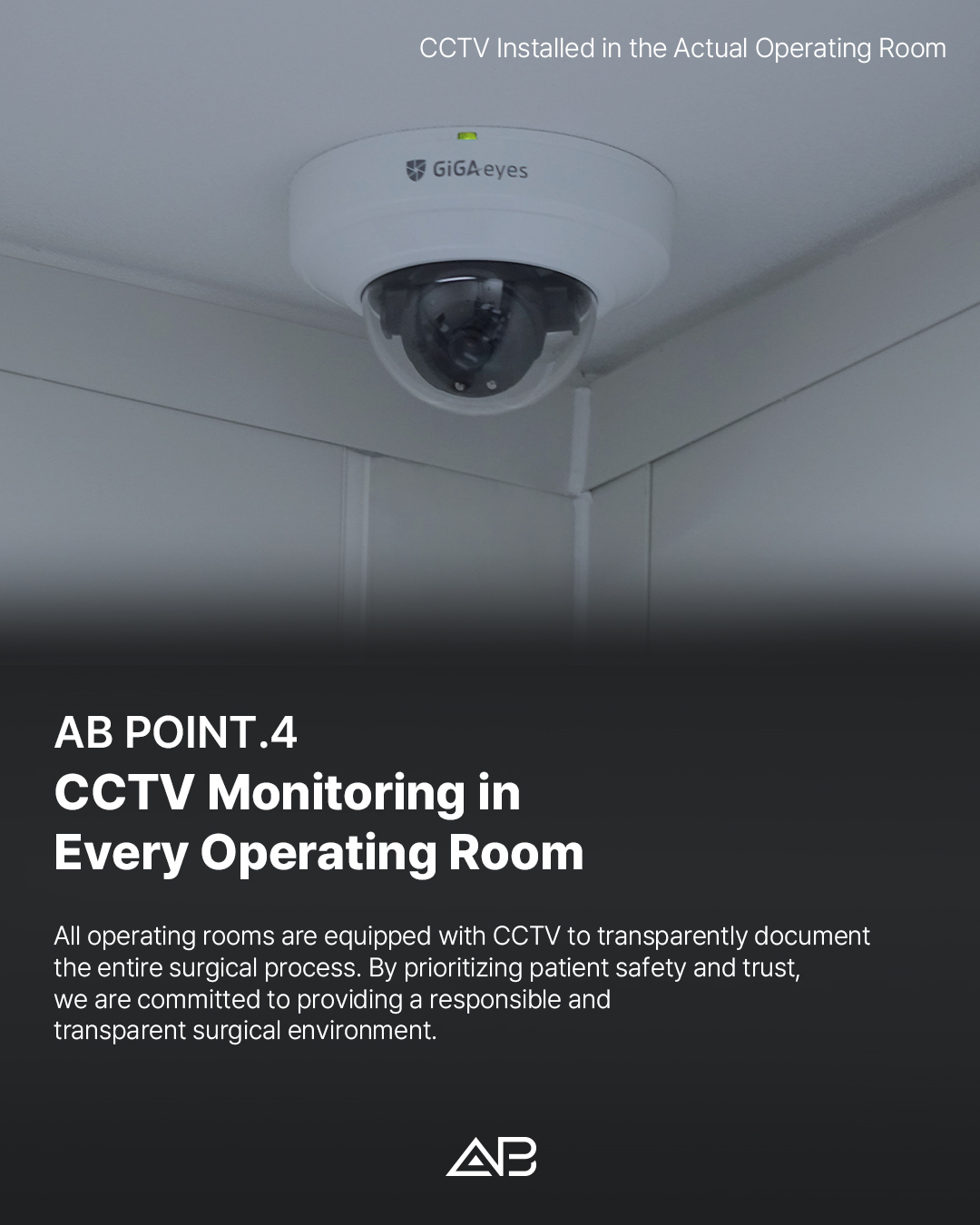
✅ POINT 4. CCTV in Every Operating Room and Greater Transparency
AB Plastic Surgery operates CCTV in every operating room so that the entire surgical process is recorded and managed in a transparent environment.
This system helps prevent concerns related to surrogate surgery and other issues in advance, strengthens accountability among medical professionals, and provides a clinical environment that patients can trust.
Operating room CCTV is more than a simple recording system. It is a key management system that secures both surgical safety and medical transparency.
AB Plastic Surgery follows these standards as part of its daily principles and operates a surgical system designed with patient safety as the highest priority.
Today, we reviewed the importance of anesthesia safety and surgical safety systems when considering plastic surgery.
Plastic surgery should not only be a process that produces attractive results. The entire process must be safe, from surgery through recovery.
The most reliable way to reduce anxiety is to choose a hospital based not only on visible outcomes, but also on verifiable medical infrastructure and safety standards.
[Plastic Surgery Safety Checklist]
Before choosing a plastic surgery hospital, check the following five points carefully.
1. Does an anesthesiologist remain present throughout the entire procedure?
2. Is a real time monitoring system established across multiple locations?
3. Is CCTV installed in every operating room?
4. Does the hospital have an in house testing system that can protect the golden time?
5. Does the hospital have an emergency response protocol connected to a university hospital?
For more information about AB Plastic Surgery’s anesthesia safety system, please contact AB Plastic Surgery on WhatsApp at +82 10 4393 1298 for a detailed consultation.

|
Writer. Dr. Bae In-Ho, AB Plastic Surgery |