Title
Key Considerations for Double Eyelid Surgery in Patients with MonolidsDate
2026-06-29Views
1564
Medical Column
Key Considerations for Double Eyelid Surgery in Patients with Monolids
Hello, I am Dr. Song Cheon-Ho from AB Plastic Surgery.
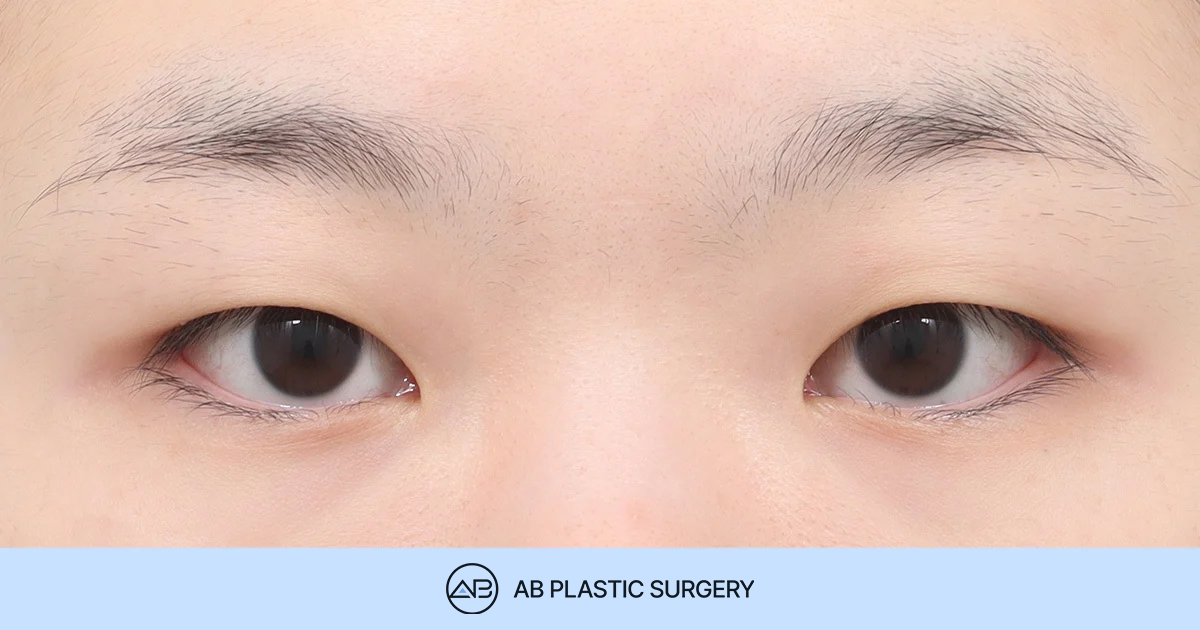
Compared to Western eyes, Asian eyes generally have more developed upper eyelid fat and epicanthal folds, making them more likely to lack a naturally defined eyelid crease.
For patients with monolids, creating double eyelids without careful planning may result in an unnatural crease, an overly prominent fold, or eyes that appear less attractive. Therefore, each procedure should be customized after a detailed analysis of the patient's eye anatomy.
Today, I would like to introduce the surgical process through the case of a woman in her twenties with monolids, explaining how we achieved natural looking double eyelids by combining non incisional ptosis correction, upper eyelid fat repositioning, and medial epicanthoplasty.
Characteristics of Monolid Eyes and Surgical Planning
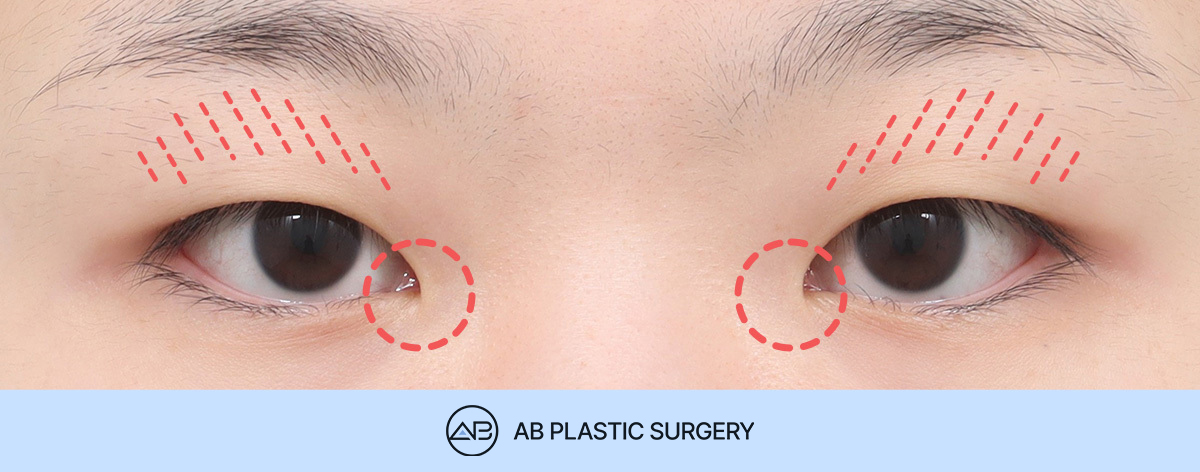
The patient presented with the following characteristics:
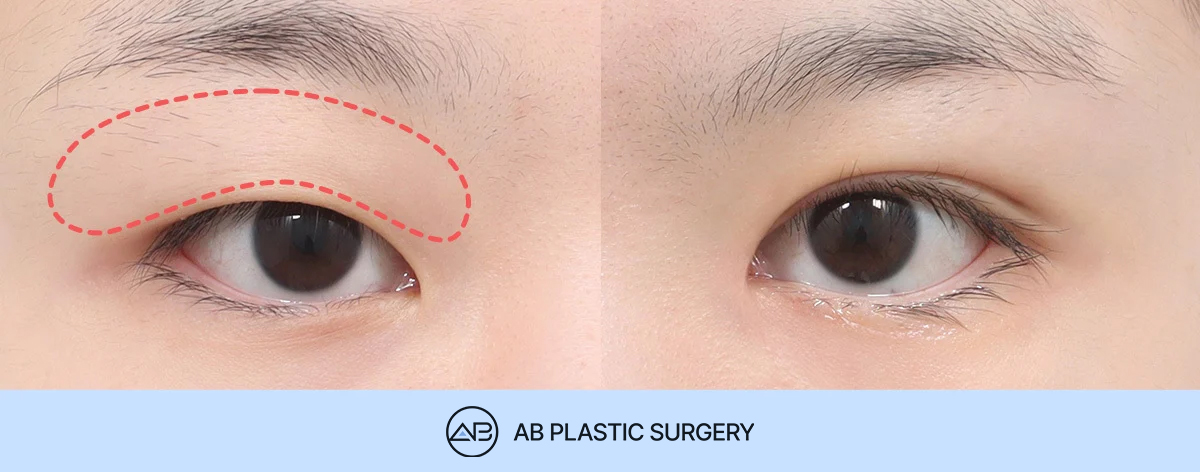
✔ Mild drooping of the upper eyelids, creating a heavy appearance
✔ Thick looking eyelids due to abundant upper eyelid fat
✔ Monolid anatomy with limited natural support for forming a double eyelid crease
For this patient, we combined non incisional ptosis correction, upper eyelid fat repositioning, and medial epicanthoplasty to create a more defined yet natural looking pair of eyes.
Q. Should Upper Eyelid Fat Always Be Removed?
Many people assume that fat must always be removed during double eyelid surgery. In reality, the appropriate approach depends entirely on the patient's anatomy.
Cases where fat removal may be appropriate
✔ When excessive fat prevents the crease from forming properly
✔ When fat interferes with creating a smooth eyelid crease
✔ When the eyelids appear excessively thick
Cases where fat should be preserved or repositioned
✔ Sunken eyes
✔ Eyes with prominent or deeply set eye sockets
✔ Thin eyelid skin or a naturally wide distance between the eyebrow and the eye
Rather than simply removing as much fat as possible, the key to natural looking double eyelid surgery is preserving, repositioning, or selectively removing fat according to each patient's anatomy.
Q. When Is Medial Epicanthoplasty Necessary?
Medial epicanthoplasty is a procedure that releases the epicanthal fold at the inner corner of the eye to increase the visible horizontal length of the eyes.
However, not every patient benefits from medial epicanthoplasty. In some individuals, excessive opening of the inner corner can create a harsh appearance. For patients with naturally short horizontal eye length, the procedure can help create eyes that appear longer, brighter, and more refined.
Q. Why Do Some Eyes Still Look Sleepy After Ptosis Correction?
This is one of the most common concerns patients ask about. Even after ptosis correction, some patients may still feel that their eyes look sleepy. Possible reasons include:
The amount of ptosis correction was insufficient.
The double eyelid crease was designed too low.
Temporary postoperative swelling is making the eyes appear less open.
As swelling gradually resolves and the muscles stabilize during recovery, most patients achieve the intended appearance without concern.
Q. Why Can the Inner Corners of the Eyes Look Deeper After Fat Removal?
Many patients ask whether removing upper eyelid fat can make the inner corners of the eyes appear deeper.
Patients with naturally wide eye sockets or thick skin and muscle around the eyelids are more likely to experience this appearance after excessive fat removal.
On the other hand, patients with thin skin and minimal fat may actually require fat repositioning instead of fat removal.
Therefore, the most important consideration is which fat should be removed, which fat should be preserved, and where the remaining fat should be repositioned, rather than simply deciding how much fat to remove.
Changes After Double Eyelid Surgery for Monolids
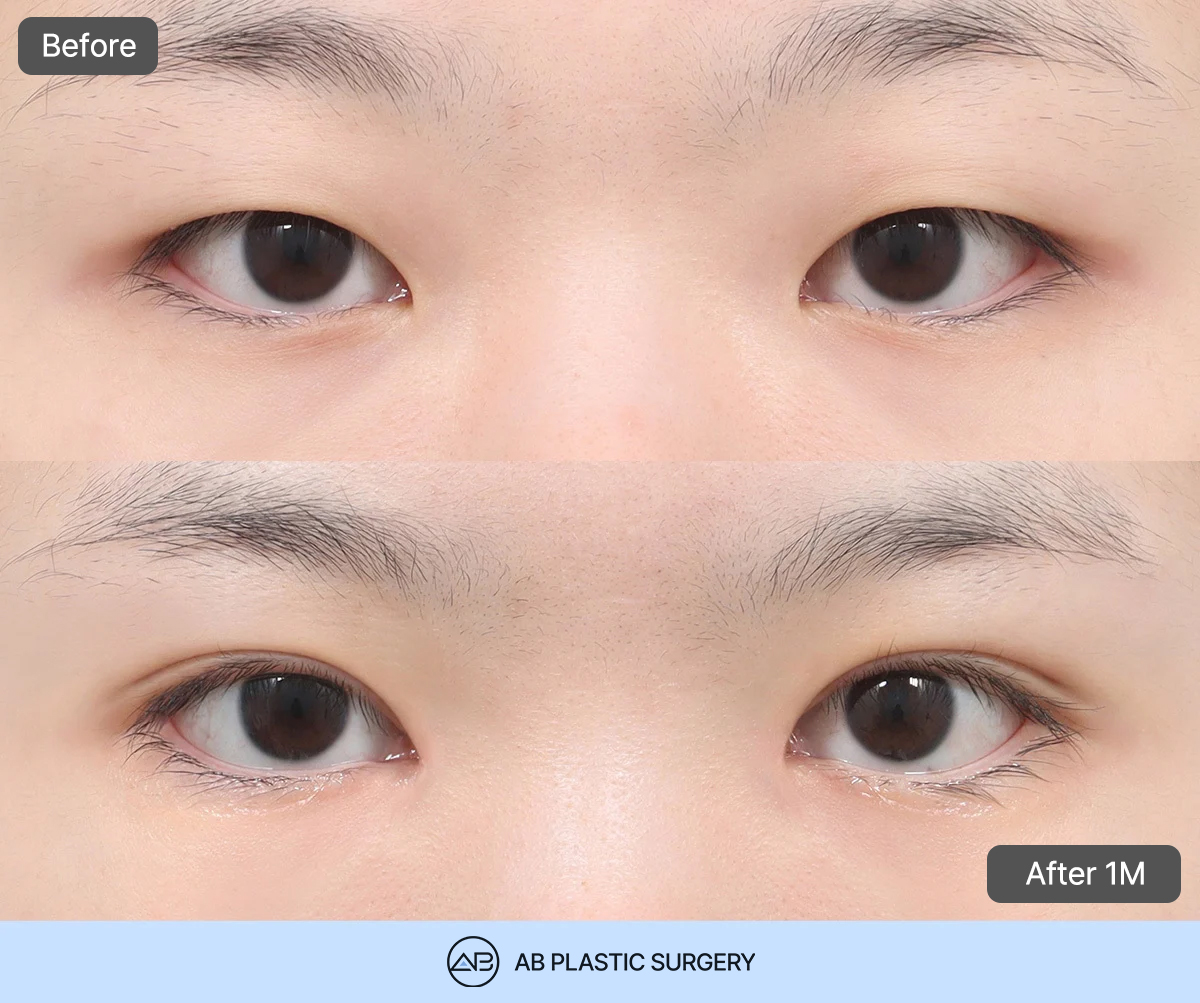
One week after surgery, the thickness of the eyelids had noticeably decreased, the heavy appearance of the upper eyelids had improved, and the patient achieved brighter, more defined eyes.
Most swelling subsides within approximately one to two weeks, and the double eyelid crease gradually becomes more natural over time.
Double eyelid surgery for monolids is not simply about creating a crease. It requires a comprehensive evaluation of fat distribution, skin thickness, and muscle anatomy.
Especially in patients with monolids, because the eyelid anatomy varies considerably from person to person, determining how much fat should be removed, preserved, or repositioned and where it should be placed is one of the most important factors for achieving natural results.
If you have monolids and are considering double eyelid surgery, we recommend consulting with a qualified plastic surgeon to determine the most appropriate surgical approach for your individual anatomy.
If you have questions about male eye surgery, please contact AB Plastic Surgery on WhatsApp at +82 10 4393 1298 for a detailed consultation.

|
Writer, Dr. Song Cheon-Ho, AB Plastic Surgery |