Title
Rhinoplasty Side Effects: Why Autologous Tissue Is Critical for Safer Nose SurgeryDate
2026-02-24Views
1670
Medical Column
Rhinoplasty Side Effects: Why Autologous Tissue Is Critical for Safer Nose Surgery

By Dr. Jo Kyu-Sang | Board-Certified Plastic Surgeon | AB Plastic Surgery, Gangnam
Rhinoplasty side effects are one of the biggest concerns for patients considering nose surgery in Korea.
At APS KOREA 2025, where leading plastic surgeons from Korea and overseas gathered, I had the honor of chairing the international rhinoplasty session. A key topic discussed among global experts was the increasing importance of autologous tissue in rhinoplasty to reduce complications and improve long-term safety.
In this article, we will explain:
-
Common rhinoplasty side effects
-
Why implant complications occur
-
The importance of autologous tissue
-
Types of autologous tissue used in rhinoplasty
-
How systematic aftercare reduces complications
What Causes Rhinoplasty Side Effects?
Rhinoplasty complications often occur due to:
-
Implant visibility
-
Nasal tip thinning
-
Redness of the nasal tip
-
Infection
-
Inflammation
-
Implant displacement
Many of these complications are associated with synthetic implants or foreign materials.
This is why more plastic surgeons are emphasizing autologous rhinoplasty techniques.
What Is Autologous Tissue in Rhinoplasty?
Autologous tissue refers to tissue harvested from the patient’s own body.
Because it is biologically compatible, autologous tissue offers:
-
Lower infection risk
-
Lower inflammation rate
-
Reduced rejection risk
-
More natural integration
-
Stable long-term results
Compared to artificial dermis or donor rib cartilage, autologous tissue significantly reduces the risk of implant-related complications.
Types of Autologous Tissue Used in Nose Surgery
The most appropriate autologous tissue is selected depending on the patient’s nasal condition and surgical goals.
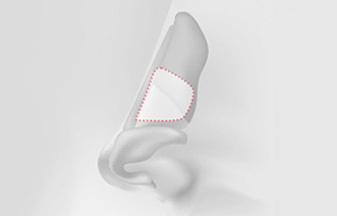
Septal Cartilage: The most commonly used material in rhinoplasty. Harvested internally without visible scars. Provides structural support while maintaining nasal stability. |
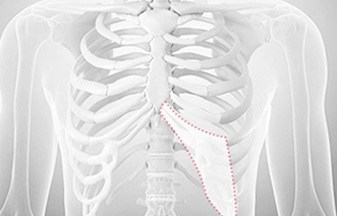
Rib Cartilage: There are 12 ribs on each side of the body, totaling 24. An appropriately sized rib cartilage is selected and harvested through a small 2–3 cm incision. |
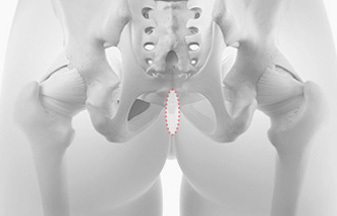
Autologous Dermis: Especially beneficial for patients with thin nasal skin. Helps prevent implant visibility and creates a smoother, more natural contour. |
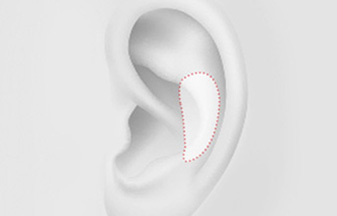
Ear Cartilage: Frequently used for nasal tip refinement. Minimizes visible scarring and is structurally compatible with nasal anatomy. |
Why Consultation Matters in Rhinoplasty
No single material is universally superior.
The safest and most effective rhinoplasty depends on:
-
Nasal anatomy
-
Skin thickness
-
Previous surgery history
-
Desired aesthetic outcome
-
Functional considerations
A thorough consultation with a board-certified plastic surgeon in Gangnam is essential to determine the safest surgical plan.
Systematic Aftercare to Reduce Rhinoplasty Complications
At AB Plastic Surgery in Gangnam, postoperative care plays a critical role in minimizing rhinoplasty side effects.
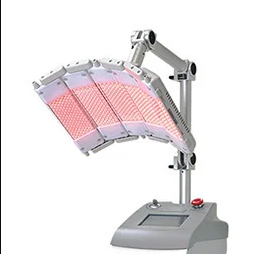
SmartLux LED Therapy: Reduces swelling and bruising while accelerating wound healing. |
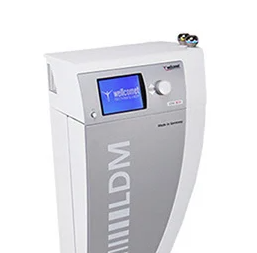
LDM Ultrasound Therapy: Stimulates skin regeneration and reduces inflammation. |
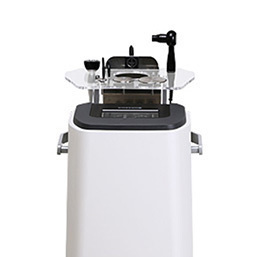
Radiofrequency Lymphatic Care: Improves circulation and supports faster recovery. |
Step-by-Step Recovery Monitoring
-
Weekly progress checks
-
Swelling management laser treatment
-
Suture removal
-
Splint removal
-
Final CT imaging evaluation
This structured aftercare system helps ensure safe healing and long-term stability.
Choosing Safe Rhinoplasty in Korea
Successful rhinoplasty begins with:
-
Accurate diagnosis
-
Proper material selection (implant vs autologous tissue)
-
Skilled surgical technique
-
Structured postoperative management
At AB Plastic Surgery in Gangnam, we focus on minimizing rhinoplasty side effects while achieving natural and long-lasting results.
For further inquiries, please contact AB Plastic Surgery on WhatsApp at +82 10 4393 1298 for a detailed consultation.

|
WriterDr. Jo Kyu-Sang, AB Plastic Surgery |