Title
Exploring Korea by Train: A First-Timer's Guide to Tickets and DestinationsDate
November 26, 2026Views
9
K-medi
Exploring Korea by Train: A First-Timer's Guide to Tickets and Destinations
Table of Contents
1. Why Korea Is So Easy to Explore by Train
2. What's New in 2026: Good to Know Before You Book
3. Which Seoul Station Should You Start From?
4. How to Book Your Train Ticket: 3 Easy Ways
5. Do You Need a Korail Pass?
6. Easy Train Trips from Seoul for First-Timers
7. Travel Day Tips: Simple Things to Know
8. Planning Train Trips Around a Medical Visit
9. Frequently Asked Questions
Imagine finishing breakfast in Seoul and arriving in Busan in time for lunch. A morning KTX makes that an easy plan. The rail network is fast, clean, and easy to follow, even if you don't speak a word of Korean.
For most first-timers, the only confusing part is what happens before you board: where to book, which station to go to, and whether a rail pass is worth it. This guide walks you through each step in plain language, and it reflects the rail changes Korea introduced in 2026, so you won't be caught out by outdated advice.
Quick Answer: Book on KORAIL's official foreign-language website, where you can enter your passenger details and pay with an overseas credit card. Regular tickets open two months before departure. Before you travel, check which Seoul station your train leaves from, because different cities are served from different stations.

Why Korea Is So Easy to Explore by Train
Trains connect many of Korea's major cities within a few hours, and the system is easy for visitors to navigate. Here is why so many travelers choose rail over buses or domestic flights:
-
Fast: KTX high-speed trains run at around 300 km/h.
-
Visitor-friendly: Major stations have English signs, and onboard announcements are made in both Korean and English.
-
No ticket gates: You don't scan your ticket to enter the platform. You simply walk to your train and find your seat.
The Trains You'll Most Likely Use
-
KTX: Korea's high-speed train and the fastest way to travel between major cities.
-
KTX-Eum: A newer high-speed train that serves routes such as Seoul to Gangneung on the east coast and lines through central Korea.
-
ITX-Saemaeul and Mugunghwa: Slower, conventional trains that stop at more stations. They are a relaxed option when you're not in a hurry.
For a first trip, the KTX is usually all you need to know.
What's New in 2026: Good to Know Before You Book
If you have been reading older travel guides, a few things have changed this year. The main changes affect where you book and how far ahead you can buy tickets.
-
SRT now runs as KTX: Korea used to have two separate high-speed train brands, KTX and SRT. Since September 1, 2026, both have been operated by KORAIL under the KTX name, with one shared booking system.
-
KorailTalk is now KORAIL+: KORAIL's official app has a new name, so look for KORAIL+ in your app store.
-
Tickets open two months ahead: Since October 1, 2026, you can book regular train tickets up to two months before departure, instead of one. That makes it easier to plan your trains at the same time as your flights.
Tip: If a guide written before September 2026 tells you that SRT tickets need a separate website, that advice is now out of date.
Which Seoul Station Should You Start From?
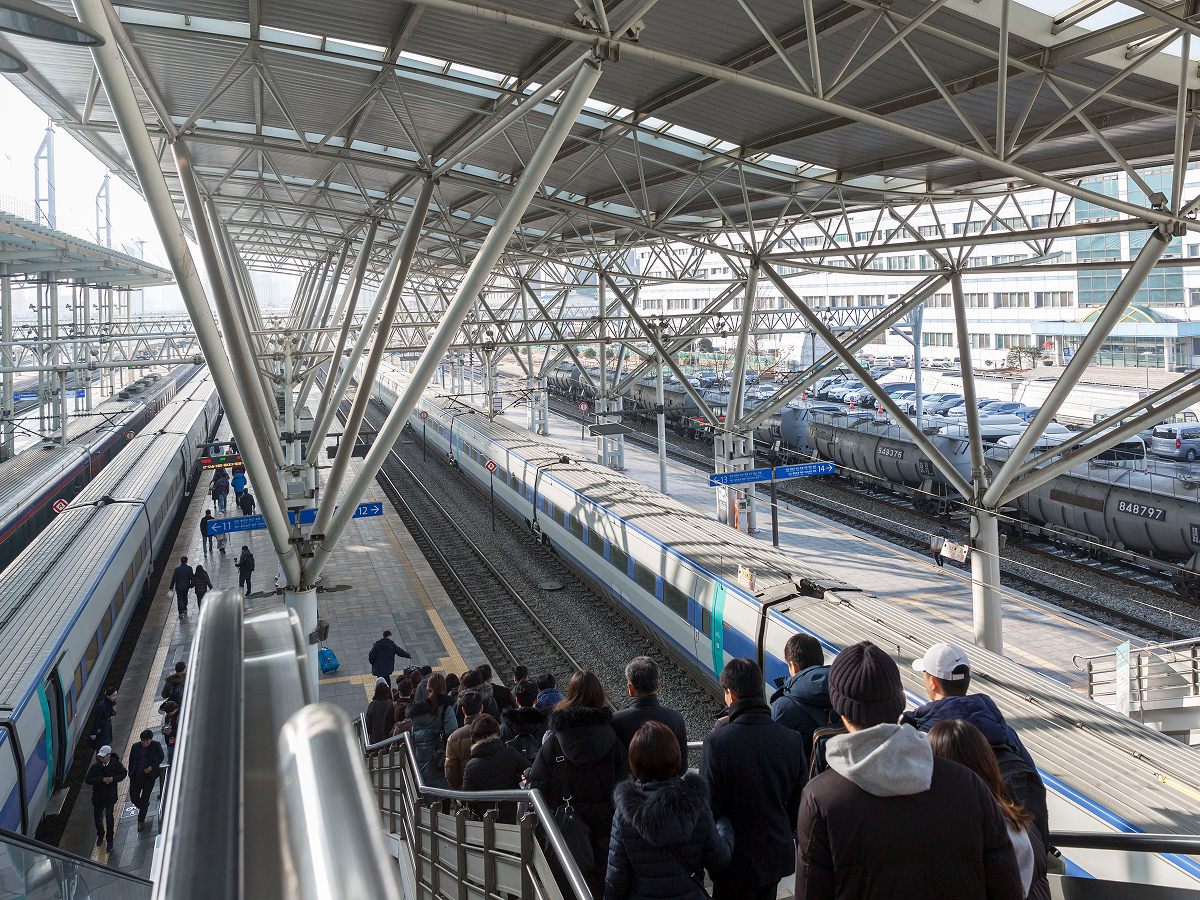
Seoul has several major train stations, and each one mainly serves different parts of the country. The simplest rule: always check the departure station printed on your ticket. Here is a quick overview.
|
Station |
Mainly Serves |
Convenient If You're Staying In |
|---|---|---|
|
Seoul Station |
Busan, Daegu, Gyeongju, and some trains to Gangneung |
Central Seoul, such as Myeongdong and City Hall |
|
Yongsan Station |
Jeonju, Gwangju, Yeosu, Mokpo |
Yongsan and Itaewon |
|
Cheongnyangni Station |
Gangneung, Andong (KTX-Eum routes) |
Northeastern Seoul |
|
Suseo Station |
Busan and the southwest (former SRT routes) |
Gangnam, Jamsil, and southeastern Seoul |
Some cities can be reached from more than one station, so compare departure times and pick the station closest to where you're staying. Getting to the right station is half the journey.
How to Book Your Train Ticket: 3 Easy Ways
As a foreign visitor, you have three practical ways to buy a train ticket in Korea. For most people, the official foreign-language website is the easiest place to start.
Option 1: KORAIL's Official Website (Recommended)
KORAIL's foreign-language website (korail.com/global) is built for international travelers. Choose your train, enter your passenger details, and pay with an overseas credit card.
Option 2: The KORAIL+ App
The official KORAIL+ app is handy for checking timetables and booking on the go. If your payment doesn't go through in the app, simply use the official website instead.
Option 3: At the Station
You can also buy tickets at station counters or ticket machines. Bring your passport, and allow extra time at busy stations. This works well if your plans are flexible, but popular trains can sell out, so booking online in advance is safer.
Third-party travel booking platforms also sell Korean train tickets, which some visitors find convenient. Whichever channel you use, double-check the departure station and train time before paying.
Booking in 4 Simple Steps
-
Choose your departure and arrival stations, plus your travel date.
-
Pick a train time and select your seat.
-
Enter your passenger details.
-
Complete your payment.
Helpful Timing Tips
-
Regular tickets go on sale at 7 a.m. Korea time.
-
Trains can sell out quickly on weekends and during major holidays such as Seollal (Lunar New Year) and Chuseok (Korean Thanksgiving). KORAIL may announce a separate booking schedule for these holidays.
-
If your preferred train is sold out, try a different departure time or check whether another Seoul station serves your destination (see the station table above).
-
If your plans change, make changes or cancellations before departure. Cancellation rules depend on timing and the day of travel, so check the conditions shown when you book.
-
Need help in your language? The Korea Travel Hotline (1330) offers multilingual support for travelers.
Do You Need a Korail Pass?
The Korail Pass (also called the KR Pass) is a rail pass sold only to foreign visitors. It lets you ride KORAIL trains, including the KTX, on a set number of travel days.
One thing many first-timers miss: a pass does not automatically give you a seat. You still need to reserve seats separately, and pass holders can make up to two seat reservations per person per day. Without a seat reservation, you may end up standing on busy trains.
A Pass May Suit You If...
-
You plan to visit three or more cities by train within a short period.
-
Your plans are flexible, and you'd like to decide on train times as you go.
Regular Tickets May Be Easier If...
-
You only plan one or two journeys, such as a Seoul to Busan round trip.
-
Your travel dates and times are already fixed.
A Simple Way to Decide
These lists are only a rough guide. For a clear answer, add up the fares for every train you plan to take, then compare the total with the price of the pass.
Pass options, eligibility, and the trains covered are updated from time to time, so check the latest details on KORAIL's official website before you buy. If your itinerary includes a train from Suseo, check whether that specific service is covered before buying the pass.
Easy Train Trips from Seoul for First-Timers
Once you're comfortable with booking, a whole country opens up. These five destinations are easy to reach by train and each one offers a different side of Korea.
|
Destination |
Typical Seoul Departure |
Arrival Station |
Approx. Travel Time |
Best For |
|---|---|---|---|---|
|
Busan |
Seoul or Suseo |
Busan Station |
About 2.5 hours |
Beaches, seafood, city views |
|
Gyeongju |
Seoul |
Gyeongju Station |
About 2 hours |
Historic sites and temples |
|
Jeonju |
Yongsan |
Jeonju Station |
About 1 hour 40 minutes |
Traditional hanok houses and food |
|
Gangneung |
Seoul or Cheongnyangni |
Gangneung Station |
About 2 hours |
East Sea beaches and coffee |
|
Yeosu |
Yongsan |
Yeosu EXPO Station |
About 3 hours |
Coastal scenery and night views |
Travel times vary depending on the train and number of stops.
Busan: Beaches and Big-City Energy
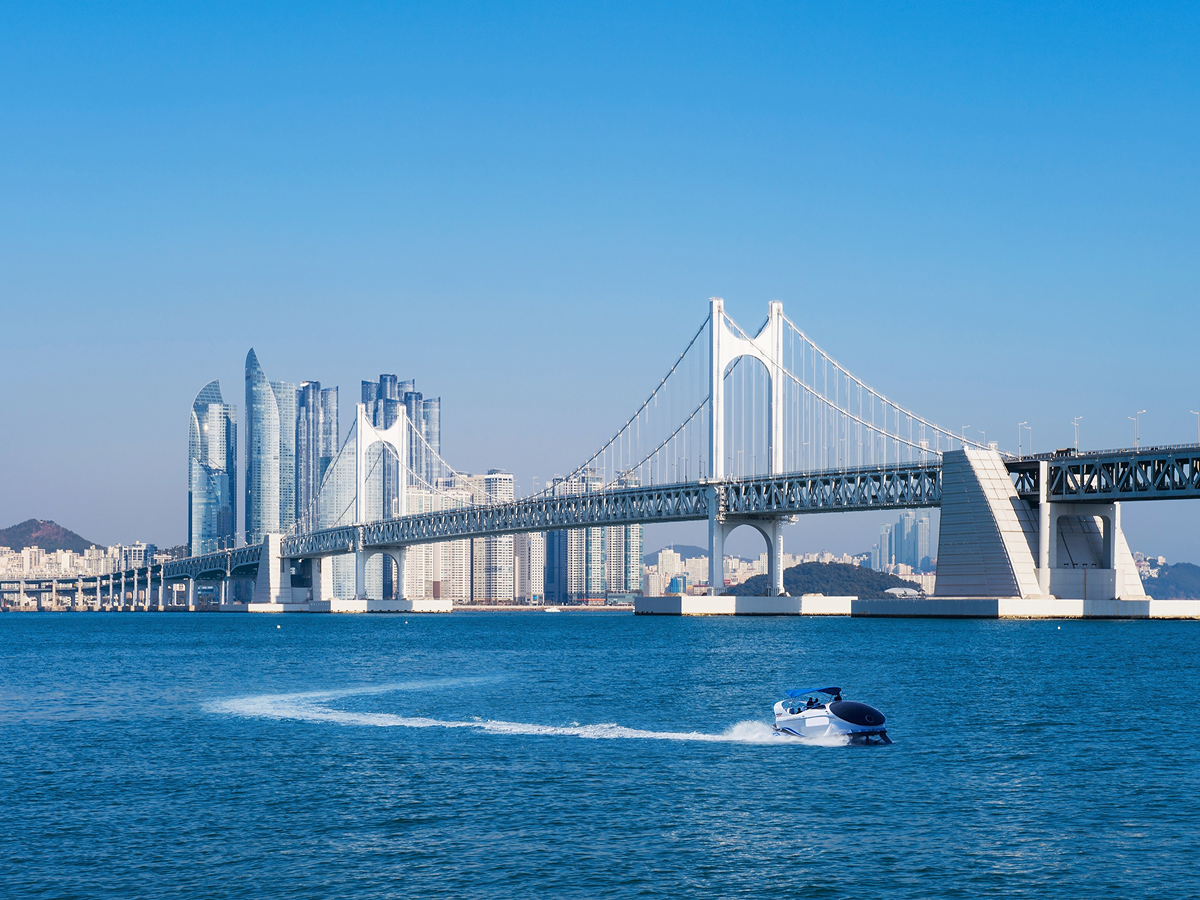
Korea's second-largest city mixes sandy beaches like Haeundae and Gwangalli with lively seafood markets and hillside neighborhoods. It is the classic first train trip from Seoul. The beaches are a subway or taxi ride from Busan Station.
Gyeongju: A Walk Through Korean History
Once the capital of the ancient Silla kingdom, Gyeongju is often called a museum without walls. Allow extra time for a bus or taxi into the city center if you plan to visit Hwangnidan-gil or Daereungwon. Because Gyeongju is a short ride from Busan, many travelers visit both on one trip.
Jeonju: Hanok Streets and Local Flavors
Jeonju Hanok Village has hundreds of traditional tiled-roof houses, and the city is known as the home of bibimbap. It is an easy and rewarding day trip for food lovers. The Hanok Village is a short bus or taxi ride from Jeonju Station.
Gangneung: Sea Air on the East Coast
Gangneung offers wide beaches, a well-known coffee street along the coast, and fresh seafood. KTX-Eum trains make it a comfortable day trip from Seoul. From Gangneung Station, take a bus or taxi to reach the coast.
Yeosu: Island Views on the South Coast
Yeosu is loved for its harbor, islands, and evening views over the sea. Yeosu EXPO Station is close to the waterfront. An overnight stay lets you enjoy it without rushing.
Travel Day Tips: Simple Things to Know
Taking the train in Korea is refreshingly simple. Keep these points in mind, and your first ride should feel easy:
-
Arrive a little early: Big stations such as Seoul Station can be busy, so allow 15 to 20 minutes to find your platform.
-
Check the departure board: Your platform number appears on the screens shortly before departure.
-
Find your car number: Your ticket shows a car (carriage) number and seat number. Platform signs show where each car stops.
-
Store your luggage: Small bags fit on the overhead racks. Larger suitcases can go in the luggage space at the end of each car.
-
Keep it quiet: Korean trains are generally calm. Talk softly, and take phone calls in the space between cars.
-
Keep your ticket and passport handy: Keep your original mobile ticket available for inspection. Screenshots or photos of a ticket may not be accepted, and boarding with one could lead to an additional fare.
-
Be on time: Aim to be on the platform before the scheduled departure time.
Who to Contact If You Need Help
It's a good idea to save these numbers on your phone before your trip.
-
On the train: If something goes wrong on board, tell the train crew right away. Have your car and seat number ready so they can find you quickly.
-
KORAIL Customer Center: Call 1544-7788 for questions about tickets, schedules, or items left on a train. KORAIL also runs a foreign-language consultation line at 1599-7777.
-
Emergencies: Call 119 for an ambulance or fire emergency, and 112 for the police. Both numbers are free from any phone in Korea.
-
After a recent procedure: If you have a concern related to your treatment, contact your clinic. If symptoms feel urgent, call 119 first.
Planning Train Trips Around a Medical Visit
Many international visitors combine a medical appointment in Seoul with some sightseeing around Korea. With a little planning, you can enjoy both without feeling rushed.
-
Plan longer trips before your appointment: Day trips and longer rail journeys are usually easier to enjoy before a procedure, when you don't need to think about aftercare.
-
Check with your clinic before traveling afterward: When you can take a long train ride after treatment depends on the procedure and how you are recovering. Before booking an out-of-town trip, ask when your first follow-up is scheduled and when it is appropriate for you to leave Seoul.
-
Leave buffer days around appointments: Consultation and follow-up schedules can shift, so avoid booking trains too tightly around them.
-
Travel light and sit comfortably: Pack only what you need for day trips, and consider an aisle seat so you can move around easily.
If you are planning a consultation with AB Plastic Surgery, sharing your travel dates early can help you discuss a schedule that leaves room for appointments and rest. You can request a consultation with AB Plastic Surgery here.

Frequently Asked Questions About Train Travel in Korea
Can foreigners book KTX tickets online?
Yes. On KORAIL's official foreign-language website (korail.com/global), you can enter your passenger details and pay with an overseas credit card. If a payment doesn't go through in the KORAIL+ app, use the official website instead.
How early can I book train tickets in Korea?
Since October 1, 2026, regular tickets generally open two months before departure, from 7 a.m. Korea time. Seollal and Chuseok holiday tickets may follow a separate booking schedule, so check KORAIL's announcements for those dates.
Is SRT still separate from KTX?
No. Since September 1, 2026, the former SRT services have been operated by KORAIL under the KTX name, and tickets are sold through one booking system. Trains on these routes still often depart from Suseo Station, so check your departure station.
Does a Korail Pass include a seat?
Not automatically. Pass holders need to reserve seats separately and can make up to two seat reservations per person per day. For trains from Suseo Station, confirm coverage with KORAIL first.
How do I show my train ticket?
There are no ticket gates, so you can walk straight to your train. Keep your original mobile ticket available for inspection on board. Screenshots or photos of a ticket may not be accepted.
Can I travel by train after a cosmetic procedure in Korea?
It depends on the procedure and your individual condition. Ask your medical team when travel is appropriate for you before booking, and keep your plans flexible around follow-up appointments.
From Seoul, you can take the train to explore Busan's beaches, Gyeongju's historic sites, or Gangneung's coast. With a little planning, your first train journey in Korea can be one of the easiest parts of your trip.

Written by
AB Plastic Surgery
Updated on
November 26, 2026
This article is for informational purposes only and does not replace a personal medical consultation.