Title
What to Pack for Plastic Surgery in Korea: A Practical Recovery Packing ListDate
November 5, 2026Views
36
K-medi
What to Pack for Plastic Surgery in Korea: A Practical Recovery Packing List
Table of Contents
1. What to Pack for Plastic Surgery in Korea: Pack for Recovery, Not a Vacation
2. Travel Documents and Medical Information to Carry
3. Clothing and Comfort Items for Plastic Surgery Recovery
4. Recovery Supplies, Personal Care, and Your Surgery-Day Bag
5. Frequently Asked Questions About Packing for Plastic Surgery in Korea
6. Korea-Specific Travel Essentials for Your Recovery Stay
7. Your Final Packing Timeline and Next Steps
Packing for plastic surgery in Korea is not the same as packing for a holiday. Part of your trip will be spent resting and healing rather than sightseeing, so the right items are the ones that keep you comfortable, organized, and ready to follow your medical team’s instructions.
This guide explains what to pack for plastic surgery in Korea, from travel documents and recovery clothing to personal care items, a surgery-day bag, and Korea-specific essentials such as power adapters and mobile data. Every clinic and every procedure is different, so use this list as a practical starting point and always confirm the final details with your own medical team.
What to Pack for Plastic Surgery in Korea: Pack for Recovery, Not a Vacation
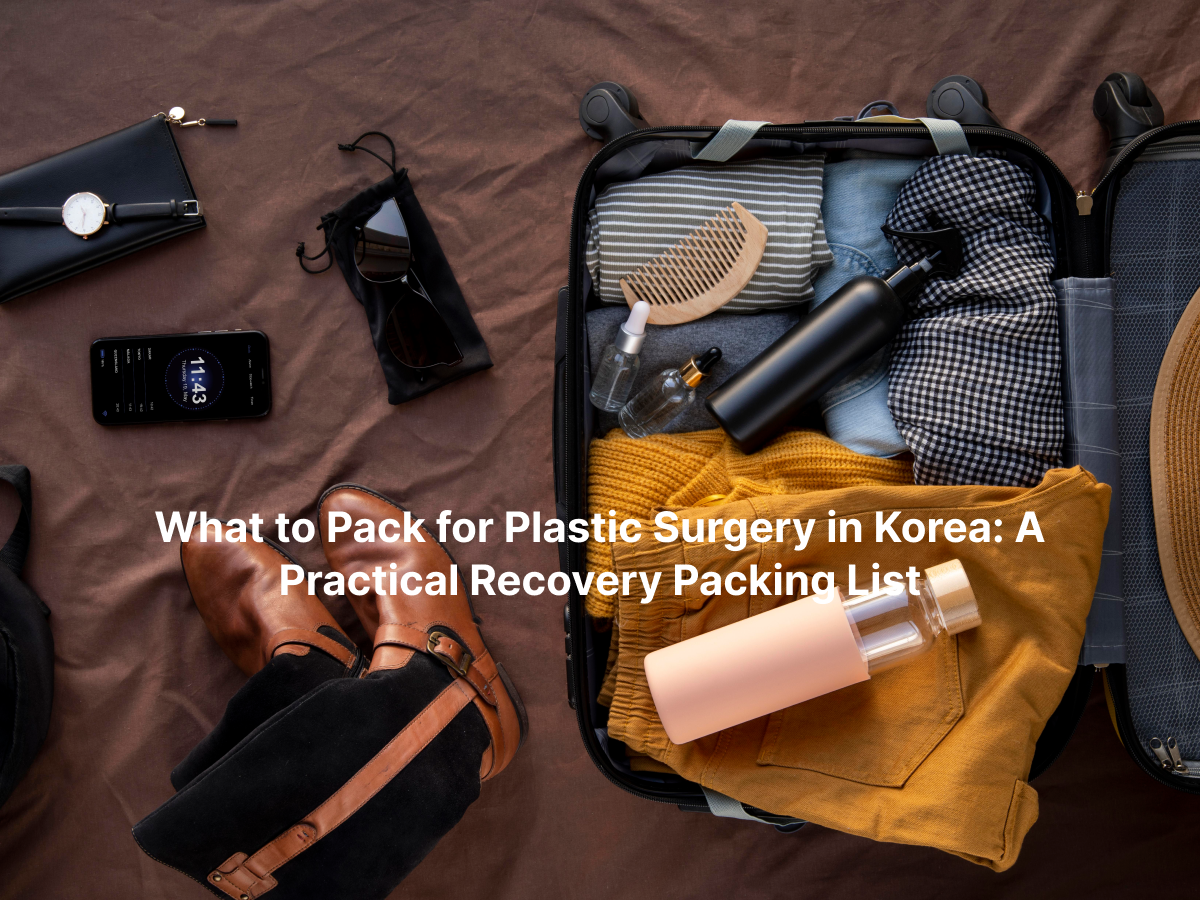
In short, bring your travel documents and medical information, loose front-opening clothing, slip-on shoes, basic personal care items, a few comfort items for resting, and electronics that work in Korea. Leave non-essentials at home, and ask your clinic which recovery items it already provides.
The table below gives a quick overview of the main categories before the detailed sections that follow.
|
Category |
What to Bring |
Why It Helps |
|---|---|---|
|
Documents |
Passport, itinerary, medication and allergy list, clinic contact details |
Keeps entry, consultation, and surgery-day steps organized |
|
Clothing |
Front-opening tops, loose bottoms, slip-on shoes |
Easy to put on without lifting your arms or bending over |
|
Personal care |
Gentle cleanser, lip balm, toothbrush, hair ties |
Covers basic hygiene while movement is limited |
|
Comfort items |
Neck pillow, sleep mask, extra pillowcase |
Supports rest during the first days of recovery |
|
Electronics |
Power adapter, long charging cable, earphones, mobile data |
Keeps you connected and entertained while you rest |
|
Surgery-day bag |
ID, clinic paperwork, phone, a comfortable outfit for the trip back |
Keeps everything you need in one small bag |
Two Packing Phases: Arrival Days and Recovery Days
It helps to think of your trip in two phases. The first is your arrival period, when you may attend consultations, pre-operative checks, and appointments before surgery. For these days, ordinary comfortable clothing and your documents are the priority.
The second phase is your recovery period, when your needs change. Loose clothing, simple personal care items, and comfort items matter far more than outfits for going out. Many patients find it easier to pack the two phases separately, using packing cubes or two bags, so recovery items are easy to reach after surgery.
Why Your Clinic’s Instructions Always Come First
No general packing list can replace the instructions from your own surgeon. Guidance on fasting, medications, supplements, smoking, alcohol, skincare, clothing, and aftercare depends on the procedure and on your individual health. If anything in this guide differs from what your medical team tells you, follow your medical team.
A good habit is to send your clinic a draft of your packing list before you travel and ask whether anything should be added or left out.
Travel Documents and Medical Information to Carry
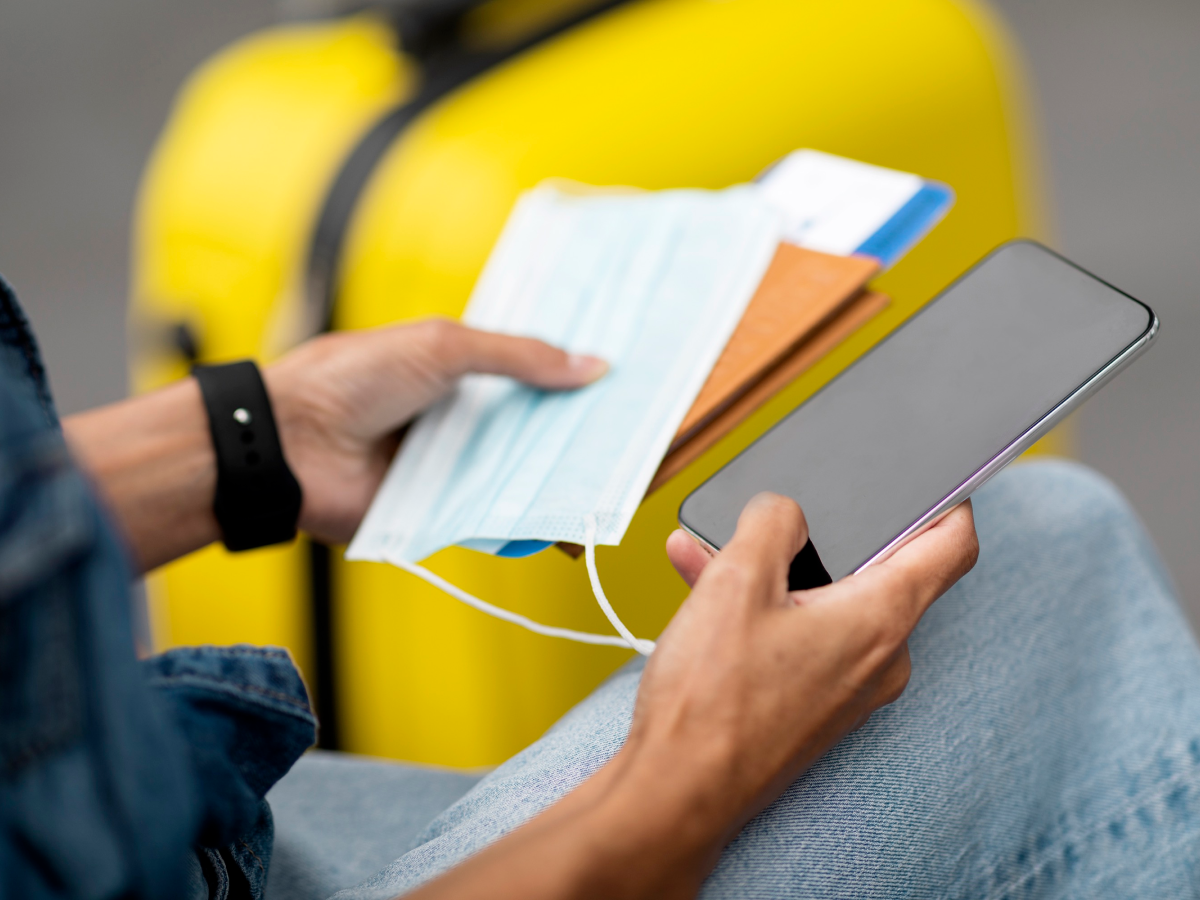
Documents are the one category you cannot replace easily once you arrive in Korea. Keep them in a single folder in your carry-on, and store digital copies on your phone and in cloud storage.
Passport, Entry Requirements, and Itinerary
Entry rules for Korea depend on your nationality and can change, so check the official requirements before you book and again shortly before departure. Depending on your country, this may include a visa or an electronic travel authorization. Bring the following:
-
Your passport, with enough validity for your stay
-
Any visa or travel authorization confirmation, printed and saved on your phone
-
Flight details and accommodation confirmations
-
Travel insurance details, if you have arranged coverage
Medical History, Medication List, and Allergy Information
Accurate health information helps your medical team plan your surgery and anesthesia safely. Prepare a short document in English that you can hand over at any appointment:
-
Current medications and supplements, including doses
-
Known allergies, including medications, latex, and adhesives
-
Past surgeries and any previous reactions to anesthesia
-
Chronic conditions and the doctors who manage them
-
Results of any tests your clinic asked you to complete before travel
Do not stop or change any medication on your own. If your clinic asks you to pause certain medications or supplements before surgery, follow their instructions exactly.
Clinic Contact Details and Emergency Information
Save your clinic’s phone number, messaging channel, and address in both English and Korean. Do the same for your accommodation, since showing the Korean address to a taxi driver is often the simplest way to get around. Also keep an emergency contact from home and the contact details of anyone traveling with you.
Clothing and Comfort Items for Plastic Surgery Recovery
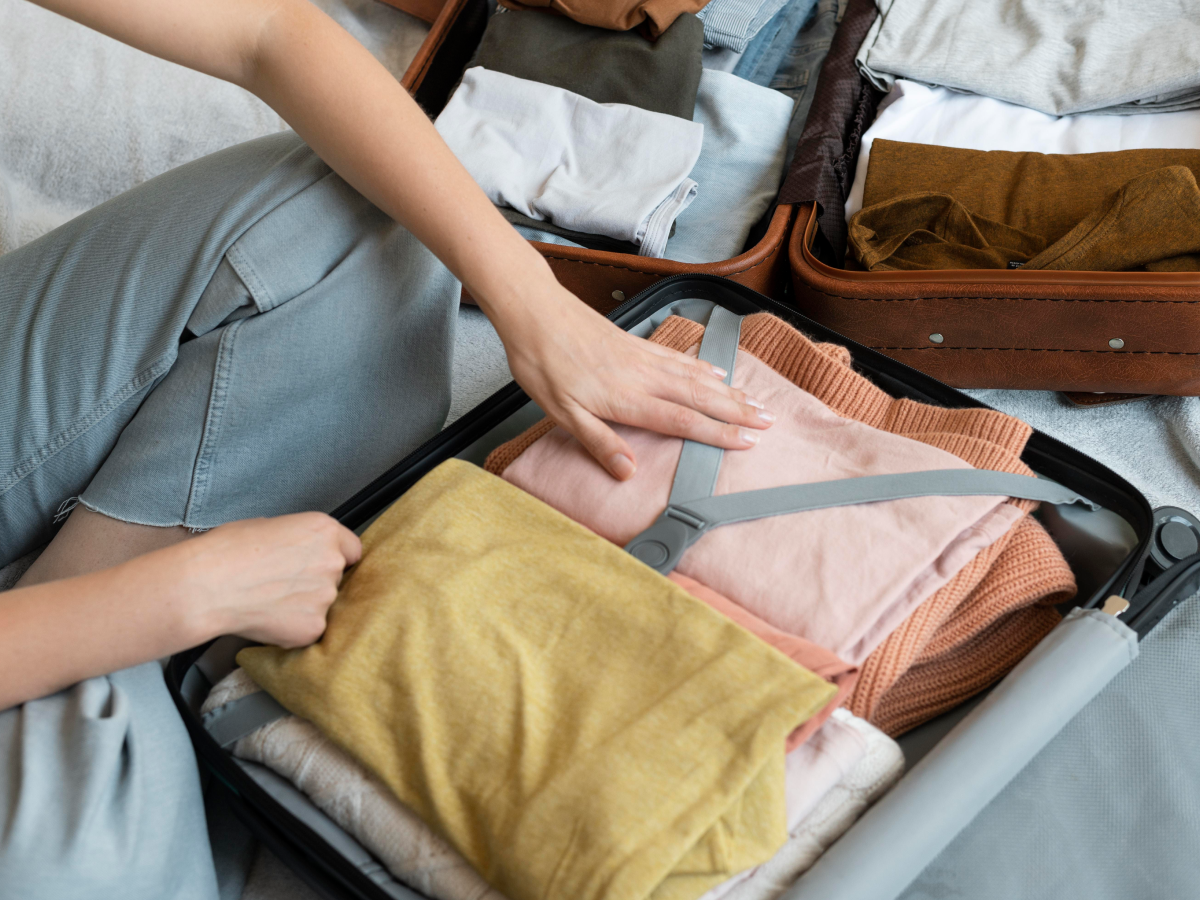
Clothing is where most patients feel the difference between a vacation suitcase and a recovery suitcase. The guiding idea is simple: choose clothes that are loose, soft, and easy to put on without lifting your arms, pulling anything over your head, or bending down.
Front-Opening Tops and Loose Layers
Button-down shirts, zip-up hoodies, and soft cardigans are the most practical tops for recovery. Avoid anything that must be pulled over your head or fits tightly across your face, chest, or arms. Layering also helps, because clinic waiting rooms, taxis, and your accommodation may all be at different temperatures.
Slip-On Shoes and Soft Loungewear
Slip-on shoes or sandals are easier than lace-up shoes when bending is uncomfortable. For resting at your accommodation, pack soft pajamas or loungewear with elastic waistbands and a few simple outfits for appointments.
Packing by Procedure Area: Face, Breast, and Body
Different surgical areas call for different clothing choices. Use the table as a general guide, and ask your clinic for advice specific to your procedure.
|
Surgical Area |
Clothing Tips |
Extras to Consider |
|---|---|---|
|
Face (for example eyelid, nose, or lifting procedures) |
Front-opening tops so nothing passes over your face; loose scarves or hats instead of tight headwear |
Sunglasses, a face mask, extra pillows, and glasses if your clinic advises against contact lenses |
|
Breast |
Zip-up or button-front tops; a supportive garment only as your clinic recommends |
Soft pillows for positioning and a long charging cable for resting in bed |
|
Body |
Loose, elastic-waist bottoms and longer tops that fit comfortably over any garment your clinic provides |
Slip-on shoes and a small stool or footrest at your accommodation if recommended |
Season Check: Korea’s Dry Winters and Humid Summers
Korea has four distinct seasons, so check the forecast before you pack. Winters can be cold and dry, while indoor heating often adds to the dryness, so lip balm and a gentle moisturizer your clinic approves of are useful. Summers are warm and humid, with a rainy period in the middle of the season, so breathable fabrics and a compact umbrella are worth bringing. In spring and autumn, light layers cover most situations. If you have had facial surgery, ask your clinic about sun protection and what to wear outdoors.
Recovery Supplies, Personal Care, and Your Surgery-Day Bag
Recovery supplies are where a little advance communication saves the most effort. Some items are worth bringing, some are usually provided by your clinic, and a few are better left at home.
Personal Care Items to Bring
Keep your personal care kit simple and travel-sized:
-
Toothbrush and toothpaste
-
Gentle, fragrance-free cleanser, if your clinic approves it for your procedure
-
Lip balm
-
Hair ties and soft headbands, or a style that does not need pulling over your face
-
Wet wipes and hand sanitizer
-
Dry shampoo, for the days when your clinic advises against washing your hair
This is not the time to try new skincare products. Use only what your medical team has approved, and ask when you can restart your regular routine.
Items Your Clinic May Provide
Depending on the procedure, clinics may provide items such as compression garments, dressings, and cold packs, along with written aftercare instructions. Ask which items are included before you buy duplicates, and ask whether you need to bring anything specific. Bring your regular prescription medications only as your clinic and travel rules allow, and keep them in their original packaging.
Surgery-Day Go-Bag Checklist
On the day of surgery you will only need a small bag. Many clinics also ask patients to leave valuables at their accommodation. A typical go-bag includes:
-
Passport or photo ID
-
Clinic paperwork and your medication list
-
Your phone and a charger
-
A comfortable front-opening top and slip-on shoes for the trip back
-
Glasses and a case, if you usually wear contact lenses
-
Lip balm
Follow your clinic’s instructions on fasting, and remove jewelry, makeup, and nail polish if you are asked to. Fasting rules in particular are a safety requirement, so confirm the timing with your clinic the day before surgery.
What Not to Pack: Items to Leave at Home
Packing less makes recovery easier. Consider leaving these at home:
-
Valuable jewelry and watches
-
Heavy makeup and unfamiliar skincare products
-
Tight clothing, stiff jeans, and anything that must be pulled over your head
-
High heels or shoes that are hard to put on
-
New supplements or medications that your medical team has not reviewed
-
Oversized luggage that is hard to carry or lift
Frequently Asked Questions About Packing for Plastic Surgery in Korea
What should I pack for plastic surgery in Korea?
Pack your passport and travel documents, a medication and allergy list, loose front-opening clothing, slip-on shoes, basic personal care items, comfort items for resting, and a power adapter and charging cable. Then ask your clinic which recovery items it provides and whether it recommends anything specific for your procedure.
How much clothing should I bring for my recovery stay?
It depends on how long your medical team recommends you stay in Korea. Many patients bring a few versatile, comfortable outfits and plan to do laundry rather than packing a different outfit for every day. Choose mix-and-match pieces in soft fabrics, and confirm your expected length of stay with your clinic first.
Should I bring my own medications or compression garments?
Bring your regular prescription medications in their original packaging, and check travel and customs rules for medicines before you fly. For compression garments and other recovery items, ask your clinic first, because requirements vary by procedure and clinics often specify what to use. Do not start new medications or supplements without medical guidance.
Can I bring makeup and skincare products?
You can bring your usual basics, but your clinic will tell you when it is appropriate to use makeup or restart your skincare routine after surgery. Avoid trying new products during your stay, and bring only a small, simple kit so you are not tempted to use items before you have been cleared to do so.
What should I bring in my bag on surgery day?
A small bag is enough:
-
Photo ID or passport
-
Clinic paperwork and your medication list
-
Phone and charger
-
A comfortable front-opening top and slip-on shoes
-
Glasses, if you normally wear contact lenses
Follow your clinic’s fasting and preparation instructions, and leave valuables at your accommodation.
Do I need to pack differently for facial surgery and body surgery?
Yes, to some extent. After facial surgery, front-opening tops, sunglasses, a hat or loose scarf, and extra pillows are especially useful. After breast or body surgery, loose, easy-to-wear clothing that fits comfortably over any garment your clinic provides matters most. Ask your surgeon for advice specific to your procedure.
Korea-Specific Travel Essentials for Your Recovery Stay
Some of the most useful items for a recovery stay are not medical at all. They are the practical details that make daily life in Korea easier while you are resting and moving carefully.
Power Adapters and Electronics
Korea uses Type C and Type F plugs and 220V electricity. Check whether your devices support a range of 100–240V, which most phone and laptop chargers do. Items such as hair dryers and straighteners may not, so check the label before plugging them in. A long charging cable is a small but valuable extra, since you may spend time resting in bed with your phone, and earphones or a tablet can make quiet days easier.
Mobile Data, eSIM, and Translation Apps
Reliable data helps you reach your clinic, your accommodation, and your family. Many travelers use an eSIM, a local SIM card, or a portable Wi-Fi device. Download a translation app before you travel, and consider installing Korean map apps such as Naver Map or Kakao Map, which are commonly used for navigation in Korea. Save your clinic’s address and your accommodation’s address in Korean so you can show them to a taxi driver.
Payment Methods and Small Everyday Items
Major international cards are widely accepted in Korea, but it is wise to carry a backup card and a small amount of local currency for small purchases. Let your bank know you are traveling so your cards are not blocked. A transit card or a taxi app can also simplify getting around once you are cleared to go out.
Recovery-Friendly Food and Hydration Planning
Convenience stores and food delivery services are easy to find in Korea, which makes it simple to stock up. Plan to have water, tea, and easy-to-eat foods at your accommodation before surgery, so you do not need to shop right afterward. Your clinic may give specific dietary instructions, so follow those over any general advice. If you have food allergies or dietary restrictions, note them in your translation app so ordering is easier.
Your Final Packing Timeline and Next Steps
A short timeline keeps packing from becoming last-minute stress. Use the checklist below as a rhythm, and adjust it to your clinic’s instructions and your travel date.
One Week Before, Three Days Before, and the Day Before
Breaking preparation into three checkpoints makes it easier to catch anything you have missed.
One Week Before
-
Review your clinic’s written instructions on medications, supplements, smoking, and alcohol
-
Confirm your documents, entry requirements, and accommodation near your clinic
-
Download translation, map, and messaging apps
Three Days Before
-
Pack both your arrival bag and your recovery bag
-
Print and save copies of your medical information and itinerary
-
Charge your devices and pack adapters and cables
The Day Before Surgery
-
Reconfirm your fasting instructions and appointment time with your clinic
-
Prepare your surgery-day go-bag and lay out a comfortable outfit
-
Stock water and easy foods at your accommodation
Confirming Your Plan with Your Medical Team
Before you finalize your suitcase, it helps to ask your medical team a few practical questions:
-
Which recovery items do you provide, and which should I bring?
-
What clothing do you recommend for my procedure?
-
When can I wash my hair, apply makeup, or restart my skincare routine?
-
Where should I stay, and how long should I plan to remain in Korea?
-
Can someone travel with me, and what help will I need in the first days?
Clear answers to these questions turn a general packing list into a plan that fits your own surgery. If you would like to talk through your preparation and schedule with the medical team at AB Plastic Surgery before you travel, you can consult with AB Plastic Surgery to discuss your plans.
Packing well will not change your procedure, but it can make your stay smoother and more comfortable. Bring what keeps you organized, rested, and ready to follow your medical team’s guidance, leave the rest at home, and give yourself the time and space to recover.
Written by
AB Plastic Surgery
Updated on
November 5, 2026
This article is for informational purposes only and does not replace a personal medical consultation.