Title
Asian Rhinoplasty in Korea: A Practical Guide to Finding a Trusted and Government-Certified HospitalDate
2026-03-04Views
6255
AB Blog
Asian Rhinoplasty in Korea: How to Choose a Government-Certified and Truly Safe Hospital
Table of Contents
1. Why Safety Matters More Than Price for Asian Rhinoplasty in Korea
2. What Is KAHF? Korea’s Official Government Accreditation for International Hospitals
3. Why Only a Very Small Number of Plastic Surgery Hospitals Hold KAHF Certification
4. How the Korean Government Evaluates Hospital Safety: The 8 Core Categories
5. AB Plastic Surgery’s Safety System That Meets Government Standards
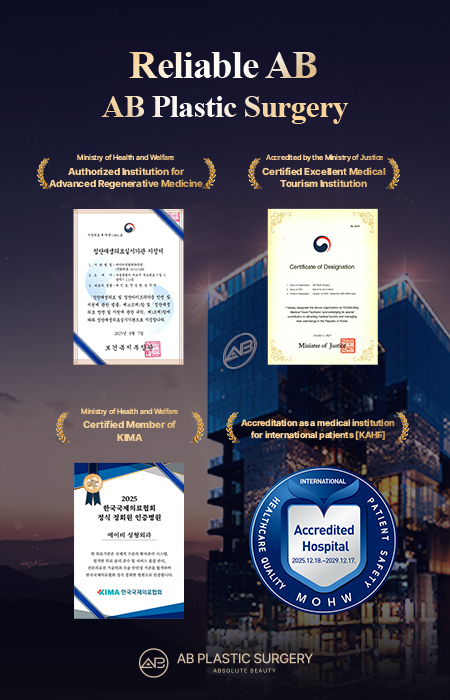
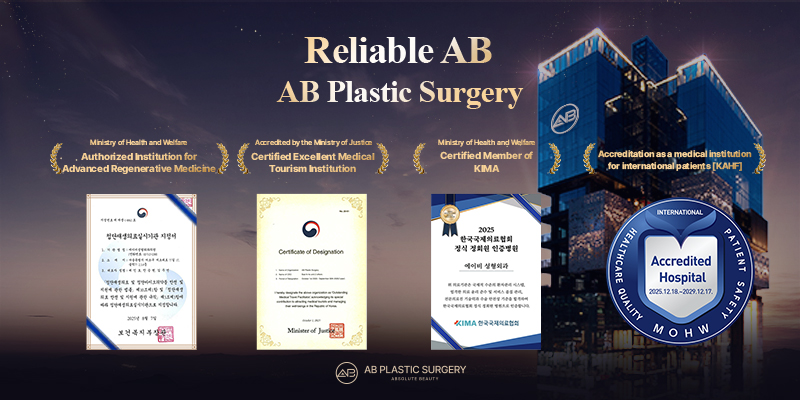
6. Government Recognition Beyond KAHF: Additional Credentials That Strengthen Trust
7. Why Government Certification Matters Specifically for Asian Rhinoplasty Surgery
8. How to Verify if a Korean Plastic Surgery Hospital Is Truly Government-Certified
9. Final Checklist: Choosing a Safe Asian Rhinoplasty Hospital in Korea
10. Why Many International Patients Choose AB Plastic Surgery for Asian Rhinoplasty in Korea
11. Frequently Asked Questions About Asian Rhinoplasty in Korea
South Korea is widely known for advanced techniques in Asian rhinoplasty in Korea, attracting patients from around the world. However, with thousands of clinics offering nose surgery, choosing a hospital requires more than reviewing before-and-after photos or comparing prices.
For international patients, the most reliable indicator of safety is whether a hospital has earned official government accreditation. In Korea, KAHF (Korea Accreditation Program for Healthcare Organizations for Foreign Patients) is a nationally supervised evaluation system that assesses patient safety, infection control, medical standards, and international care protocols.
Only a very small number of plastic surgery hospitals meet these criteria. Understanding what this certification means—and why it matters for Asian rhinoplasty—can help patients make a safer and more informed decision.

Why Safety Matters More Than Price for Asian Rhinoplasty in Korea
South Korea is home to a large number of aesthetic clinics, and many advertise competitive pricing for Asian rhinoplasty in Korea. For international patients, however, selecting a hospital based solely on cost can overlook the most critical factor: structured medical safety.
Rhinoplasty—especially procedures involving cartilage grafting, structural reinforcement, or revision surgery—is not a simple cosmetic adjustment. It is a surgical intervention that requires anesthesia management, sterile operating conditions, and the ability to respond immediately to unexpected complications.
Asian Rhinoplasty Is a Structural Surgery, Not a Simple Procedure
Unlike minor aesthetic treatments, Asian rhinoplasty often involves reshaping the nasal bridge, refining the nasal tip, or reinforcing support structures using cartilage. In many cases, surgeons may use septal cartilage, ear cartilage, or rib cartilage to achieve long-term stability.
Because of this structural complexity, safety considerations include:
-
Proper preoperative evaluation and imaging
-
Board-certified plastic surgeons with anatomical expertise
-
Advanced anesthesia monitoring systems
-
Strict infection control protocols
-
Emergency response preparedness within the facility
Without these systems in place, even technically well-performed surgery can carry unnecessary risk.
Why International Patients Face Additional Risk Factors
Medical travel adds another layer of responsibility. International patients undergoing Asian rhinoplasty in Korea must consider factors beyond the operating room itself. Travel fatigue, limited local support systems, and shortened recovery timelines can all influence outcomes.
For this reason, a hospital’s ability to provide structured international patient management—including clear communication, postoperative monitoring, and coordinated follow-up care—is just as important as surgical technique.
→ Learn More About Medical Tourism in Korea
Price Transparency vs. Safety Transparency
Many clinics openly advertise surgical costs, but far fewer explain their internal safety systems. Questions international patients should ask include:
-
Is the hospital officially registered to treat foreign patients?
-
Does it operate under a nationally supervised accreditation system?
-
Are infection control and medication management regularly audited?
-
Is there real-time monitoring during anesthesia?
-
What formal evaluation has the hospital passed?
In Korea, government accreditation programs such as KAHF exist precisely to answer these questions through structured, third-party evaluation. Understanding this distinction is the first step toward choosing a hospital where safety is verified—not assumed.
What Is KAHF? Korea’s Official Government Accreditation for International Hospitals
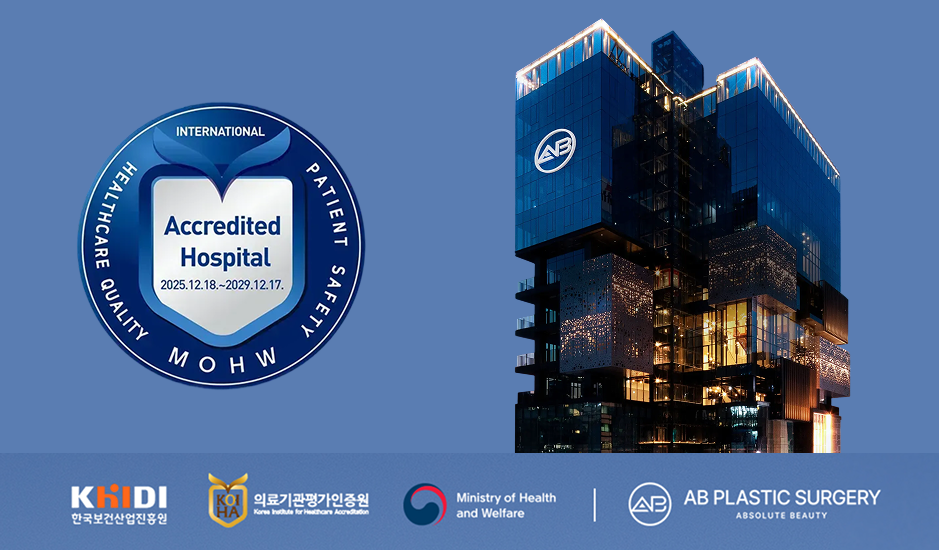
When researching Asian rhinoplasty in Korea, international patients often encounter various “certifications” displayed on hospital websites. However, not all certifications are equal. KAHF (Korea Accreditation Program for Healthcare Organizations for Foreign Patients) is not a private marketing label—it is an official accreditation system established under Korean national law.
This program operates under the legal framework of Korea’s Medical Overseas Expansion and Foreign Patient Attraction Support Act and is supervised by the Ministry of Health and Welfare. The evaluation process is administered through the Korea Health Industry Development Institute (KHIDI), a government-affiliated organization responsible for overseeing international healthcare standards.
→ Learn More About Our Government Certification
A Structured Evaluation System, Not a Promotional Badge
KAHF accreditation is designed specifically to evaluate medical institutions that treat international patients. Its purpose is to ensure that hospitals maintain structured systems in patient safety, medical quality, and international care management.
The evaluation framework includes:
-
2 major evaluation domains
-
8 core chapters of hospital operation and safety
-
More than 30 detailed standards
-
Over 100 inspection items assessed during review
These categories cover international patient management systems, specialist qualifications, patient rights protection, infection control, medication safety, facility management, and emergency preparedness.
On-Site Inspection and Official Scoring Criteria
Unlike certifications based solely on document submission, KAHF accreditation involves direct on-site evaluation. Official reviewers conduct in-person inspections to verify that hospital systems are implemented in practice, not merely documented in policy.
Hospitals must meet minimum scoring thresholds across evaluation categories. Failure to meet required standards can result in conditional approval or denial of certification. This scoring-based structure reinforces that accreditation is performance-driven rather than symbolic.
Limited Validity and Ongoing Compliance
KAHF accreditation is not permanent. Once granted, it is valid for a defined period and requires continued compliance with safety standards. Hospitals that fail to maintain proper systems may lose certification status.
For international patients considering Asian rhinoplasty in Korea, this distinction is significant. Government accreditation reflects structured oversight, measurable criteria, and legally recognized evaluation—not marketing claims or informal recognition.
Understanding how KAHF operates provides a clearer perspective on what true institutional safety verification looks like within Korea’s medical tourism system.
Why Only a Very Small Number of Plastic Surgery Hospitals Hold KAHF Certification
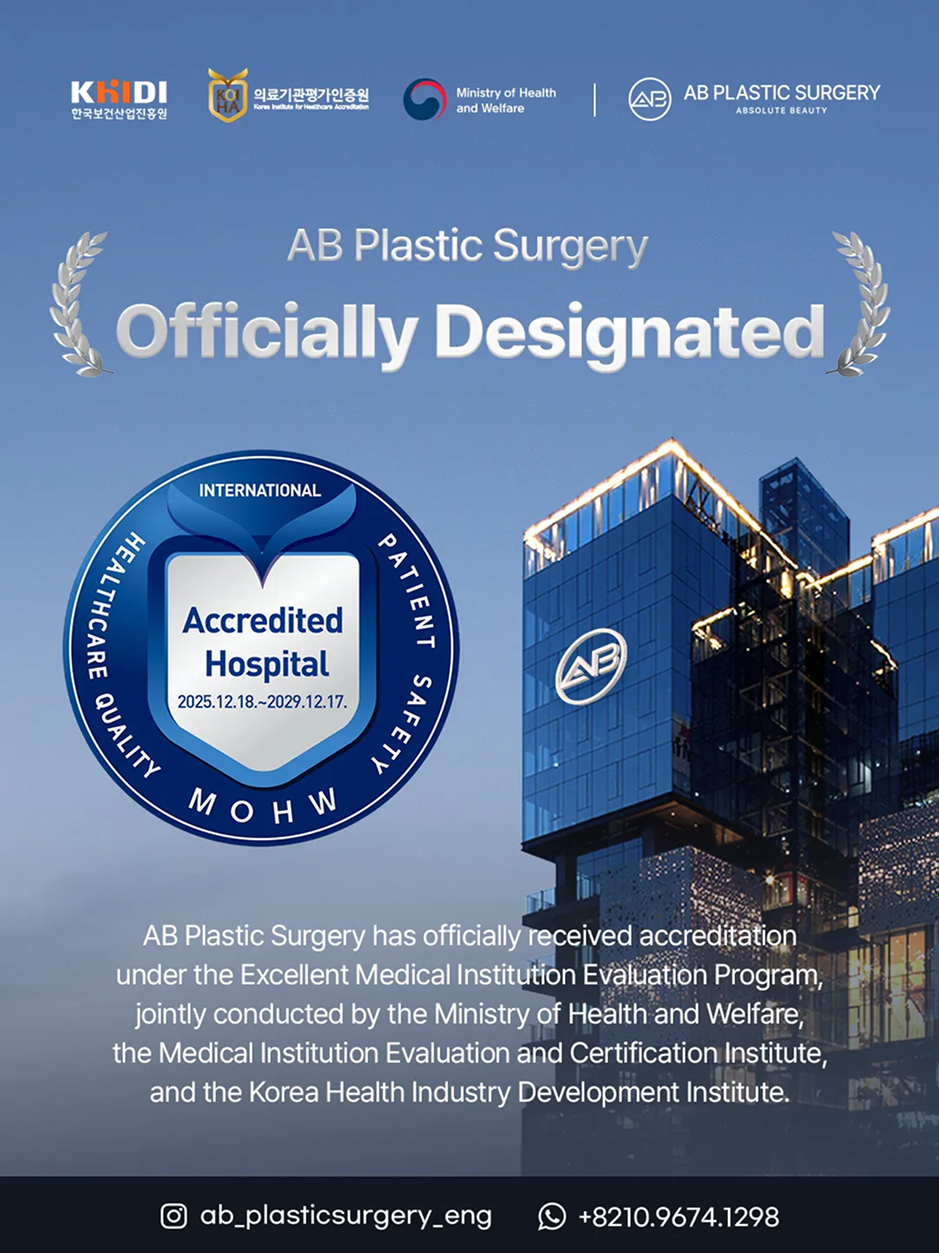
Although South Korea has a large number of aesthetic clinics, only a limited number of plastic surgery hospitals obtain KAHF accreditation. This is not because the program is optional or symbolic—it is because the eligibility requirements and evaluation standards are strict.
For international patients considering Asian rhinoplasty in Korea, understanding why so few institutions qualify can provide important insight into the difference between a clinic that performs surgery and a hospital that operates under verified safety systems.
Basic Eligibility Requirements Before Evaluation
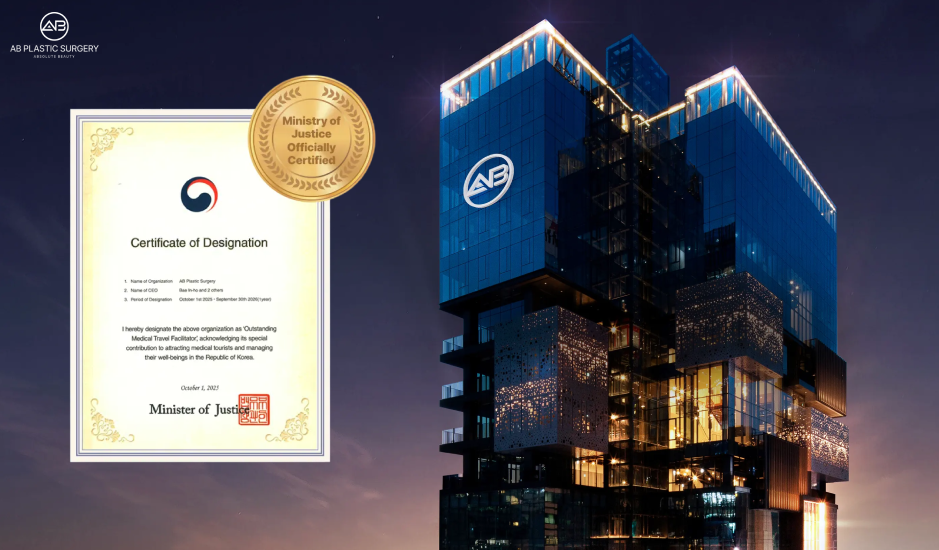
Before a hospital can even apply for KAHF accreditation, it must meet baseline institutional requirements established under Korean law. These include:
-
Official registration as a foreign patient attraction medical institution
-
Proper reporting of international patient treatment records
-
Proof of professional liability insurance coverage
-
Employment of qualified medical specialists
-
Compliance with national healthcare regulations
Hospitals that do not satisfy these prerequisites are not eligible for formal accreditation review.
Hospital-Level Standards vs. Small Clinic Operations
KAHF accreditation is generally aligned with hospital-level institutions rather than small outpatient clinics. Hospital-level institutions are expected to maintain structured departments, internal management systems, infection control protocols, and documented emergency response processes.
This distinction is critical. While many clinics may advertise rhinoplasty services, fewer institutions maintain the comprehensive administrative and medical systems required to pass government inspection.
Evaluation Beyond Surgical Skill
KAHF accreditation does not evaluate aesthetic outcomes or before-and-after photographs. Instead, it focuses on system reliability. This includes:
-
How anesthesia is monitored during surgery
-
How infection control procedures are implemented
-
How medications are stored and managed
-
How patient rights are protected
-
How medical disputes are prevented and documented
These operational factors often require administrative investment, structured documentation, and institutional oversight that exceed the scope of small-scale practices.
Why This Matters for International Patients
For patients traveling from abroad for Asian rhinoplasty in Korea, institutional reliability is as important as surgical technique. If complications arise—whether related to anesthesia, bleeding, infection, or postoperative recovery—the hospital must have formal protocols in place to respond appropriately.
The limited number of accredited institutions reflects how demanding these standards are. Rather than indicating exclusivity for marketing purposes, the rarity of certification highlights the level of operational rigor required to obtain and maintain it.
Understanding this context helps international patients recognize that government accreditation represents a structured healthcare system—not simply a reputation or promotional claim.

How the Korean Government Evaluates Hospital Safety: The 8 Core Categories
KAHF accreditation is structured around a formal evaluation framework designed specifically for institutions treating international patients. Rather than focusing on marketing reputation or procedure popularity, the Korean government evaluates whether a hospital operates under a reliable, systemized safety structure.
The assessment framework is divided into two major domains and eight core chapters, each examining a different aspect of hospital operation and patient protection.

Domain 1: International Patient Care System
The first evaluation domain focuses on how hospitals manage and protect international patients throughout the medical journey. This includes administrative systems, clinical qualifications, and communication processes.
-
Structured international patient management protocols
-
Verification of medical specialist qualifications
-
Protection of patient rights and informed consent procedures
-
Medical dispute prevention and documentation systems
For international patients considering Asian rhinoplasty in Korea, this domain ensures that treatment is delivered within a clearly documented and legally accountable framework.
Domain 2: Patient Safety and Clinical Management
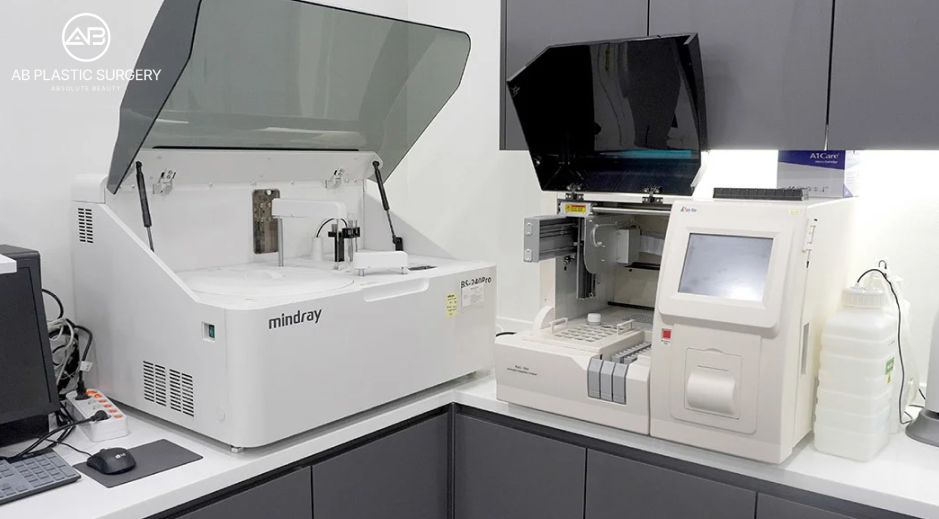
The second domain evaluates core safety operations within the hospital environment. This section directly addresses risk management during and after surgery.
-
Patient safety assurance activities
-
Clinical treatment management processes
-
Medication storage and administration control
-
Infection prevention and sterilization standards
-
Facility and environmental safety management
These categories are especially relevant for structural procedures such as rhinoplasty, where sterile conditions, anesthesia monitoring, and emergency preparedness are essential.
On-Site Inspection and Measurable Standards
Importantly, the evaluation process includes on-site inspection. Official reviewers conduct in-person assessments to confirm that safety systems are actively implemented—not merely documented on paper.
Hospitals are required to meet minimum scoring thresholds across evaluation categories. If standards are not satisfied, accreditation may be denied or conditionally granted. Certification is time-limited and subject to continued compliance.
This measurable process distinguishes government accreditation from informal recognition. For international patients seeking Asian rhinoplasty in Korea, it provides objective confirmation that a hospital’s safety systems have undergone official review.
AB Plastic Surgery’s Safety System That Meets Government Standards
Understanding the government evaluation framework is only one part of the decision-making process. International patients considering Asian rhinoplasty in Korea must also evaluate how individual hospitals implement those standards in daily practice.
AB Plastic Surgery operates under structured safety systems aligned with the evaluation categories required for international patient accreditation. Rather than relying solely on surgical reputation, the institution maintains documented protocols designed to support patient safety before, during, and after surgery.
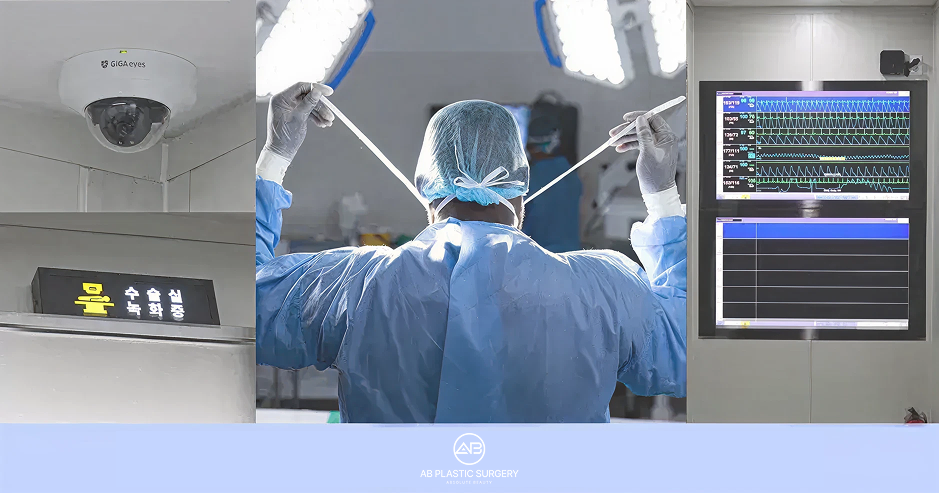
Operating Room Transparency and Monitoring
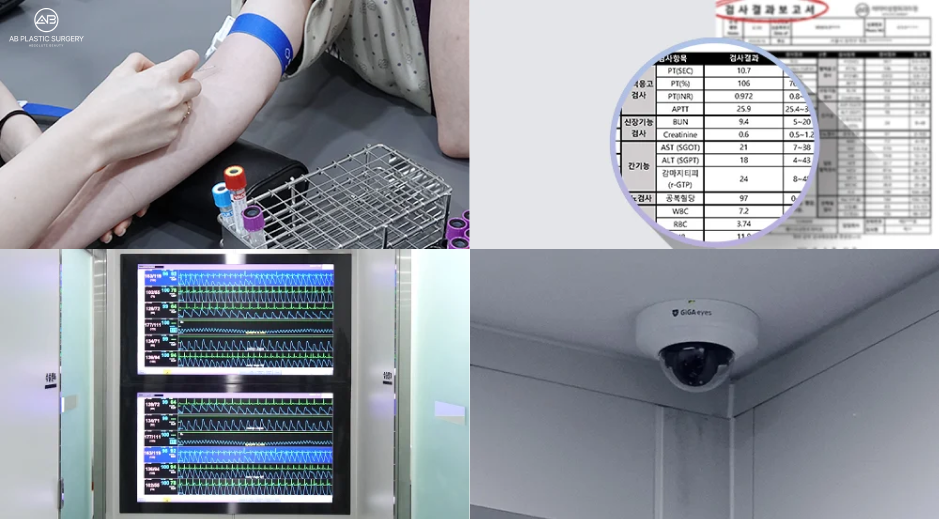
Surgical transparency is an important component of institutional reliability. AB Plastic Surgery maintains structured operating room protocols designed to ensure controlled surgical environments.
-
Monitored operating room systems
-
Real-time anesthesia observation during surgery
-
Standardized surgical documentation procedures
-
Controlled access to operating areas
Continuous intraoperative monitoring helps reduce anesthesia-related risk and supports rapid response if unexpected situations arise.
Infection Control and Sterilization Protocols
Infection prevention is a critical evaluation category under government accreditation standards. AB Plastic Surgery maintains structured sterilization and environmental control procedures that include:
-
Dedicated sterilization management systems
-
Routine equipment disinfection protocols
-
Controlled surgical instrument tracking
-
Environmental hygiene management within clinical areas
These protocols are particularly important for rhinoplasty procedures that involve cartilage grafting or implant materials, where sterile conditions directly influence recovery outcomes.
Medication and Anesthesia Safety Management
Medication control and anesthesia management are also key components of institutional evaluation. AB Plastic Surgery maintains structured medication storage systems and anesthetic monitoring procedures designed to support surgical stability.
-
Standardized medication storage control
-
Verification processes before administration
-
Continuous patient monitoring during anesthesia
-
Emergency response preparation within the facility
For international patients undergoing Asian rhinoplasty in Korea, these systems reduce uncertainty related to intraoperative safety.
Structured International Patient Management
Government evaluation for foreign patient accreditation also examines how hospitals manage international cases administratively and clinically. AB Plastic Surgery maintains structured coordination processes for international patients, including consultation documentation, surgical planning communication, and postoperative monitoring guidance.
For patients traveling from overseas, this structured approach supports continuity of care during limited stay periods and helps ensure that recovery instructions are clearly understood.
Institutional safety is not defined by a single feature. It is defined by systems working together—anesthesia monitoring, infection control, documentation, emergency preparedness, and administrative coordination. For patients evaluating Asian rhinoplasty in Korea, these operational foundations are as important as surgical design.
Government Recognition Beyond KAHF: Additional Credentials That Strengthen Trust
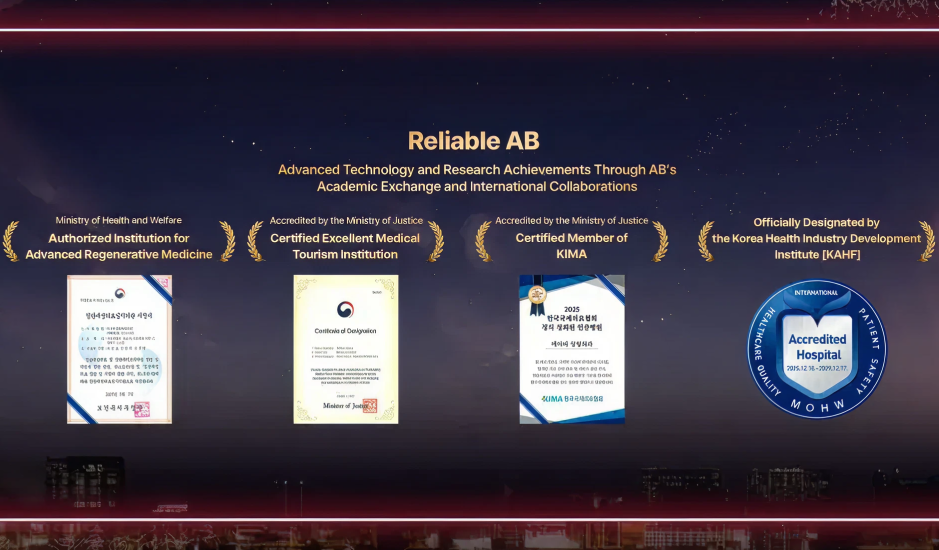
While KAHF accreditation represents a formal government evaluation system for international patient safety, additional institutional credentials can further reinforce credibility. For international patients considering Asian rhinoplasty in Korea, understanding the broader recognition framework surrounding a hospital provides a more complete picture of reliability.
Beyond structured safety systems, institutional trust is strengthened through government designation, professional association membership, and academic participation.
Official Registration for International Patient Care
Hospitals treating overseas patients in Korea must be officially registered as foreign patient attraction institutions. This registration confirms compliance with administrative reporting requirements, insurance obligations, and national oversight mechanisms.
Such registration ensures that international treatment activity is formally documented and regulated under Korean healthcare law.
Professional Association Membership and Peer Accountability
Membership in recognized professional medical associations provides an additional layer of peer-based accountability. Institutions affiliated with national plastic surgery associations operate within structured professional standards that emphasize ethical practice, continuing education, and clinical integrity.
For patients seeking Asian rhinoplasty in Korea, professional association involvement indicates that surgeons participate within a broader regulated medical community rather than functioning in isolation.
Academic Participation and Clinical Contribution
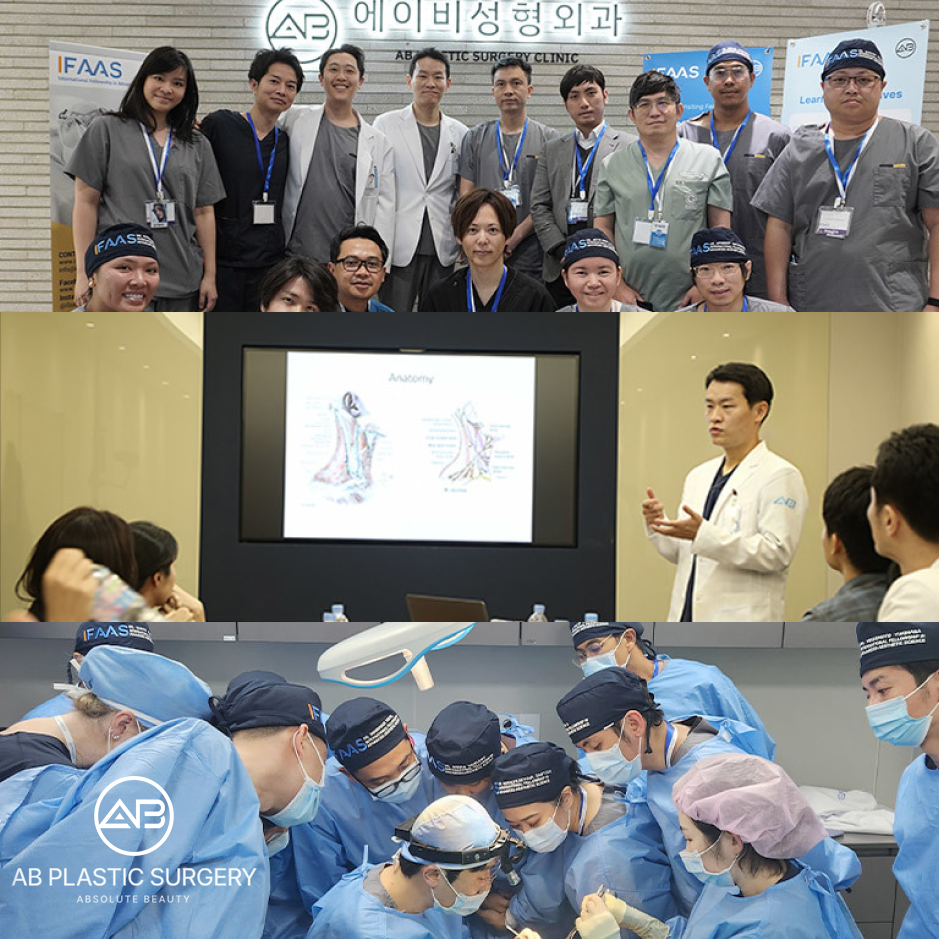
Institutional credibility is further supported when medical professionals actively participate in academic conferences, clinical lectures, and research initiatives. Academic engagement reflects ongoing involvement in evolving surgical techniques and patient safety discussions.
Participation in professional symposiums and research collaboration demonstrates that a hospital is contributing to the advancement of clinical standards rather than relying solely on past experience.
Why Broader Recognition Matters
Government accreditation confirms systemized safety. Professional affiliation reinforces ethical and clinical standards. Academic participation supports continuous development. Together, these elements create a multi-layered trust structure.
For international patients planning Asian rhinoplasty in Korea, selecting a hospital supported by both official accreditation and broader professional recognition reduces uncertainty and supports informed decision-making.
Why Government Certification Matters Specifically for Asian Rhinoplasty Surgery
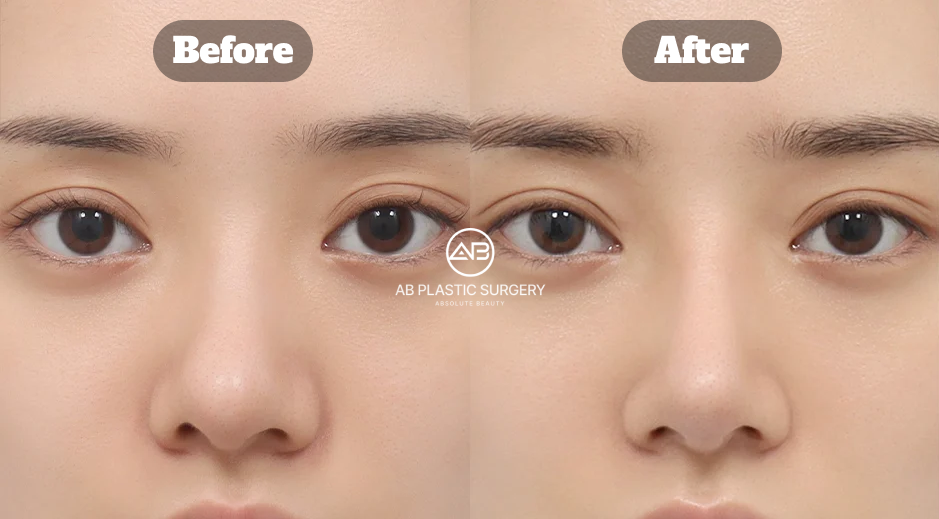
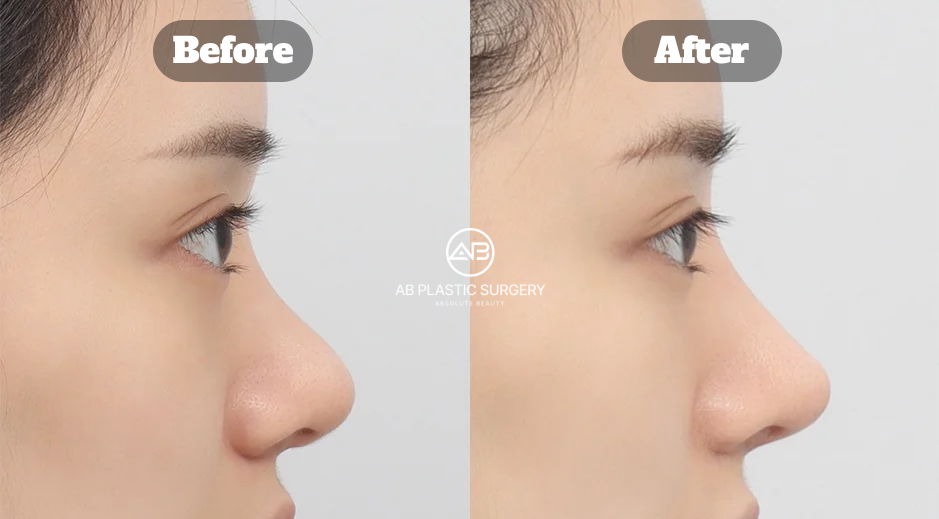
Not all aesthetic procedures carry the same level of surgical complexity. Asian rhinoplasty in Korea often involves structural modification rather than simple cosmetic refinement. For this reason, institutional safety systems become particularly important.
Procedures may include nasal bridge augmentation, tip projection reinforcement, correction of short nose deformities, or revision surgery requiring cartilage grafting. In some cases, septal cartilage, ear cartilage, or rib cartilage may be used to support long-term structural stability.
Structural Complexity and Surgical Risk
Because Asian rhinoplasty frequently involves internal structural reconstruction, surgeons must manage:
-
Precise cartilage harvesting and placement
-
Control of intraoperative bleeding
-
Maintenance of airway function
-
Stable anesthesia throughout the procedure
While rhinoplasty is commonly perceived as a cosmetic surgery, its internal structural nature means that patient monitoring and sterile surgical environments are essential.
Revision Surgery and Higher Complexity Cases
Revision rhinoplasty cases can involve scar tissue, weakened cartilage, or prior implant removal. These scenarios increase procedural complexity and may extend operating time. In such cases, structured medication management, infection prevention, and intraoperative monitoring are even more critical.
Government-accredited institutions are evaluated on whether these safety mechanisms are formally implemented and documented, rather than assumed.
Infection Control and Postoperative Stability
Cartilage grafting procedures require strict infection prevention protocols. Even minor contamination can affect recovery outcomes. Government evaluation standards specifically review sterilization systems, environmental control, and medication handling—factors that directly influence rhinoplasty recovery.
For international patients undergoing Asian rhinoplasty in Korea, the ability of a hospital to demonstrate systemized infection control reduces uncertainty during the postoperative period.
Anesthesia Monitoring and Emergency Preparedness
Although rhinoplasty is routinely performed, anesthesia safety remains a foundational concern. Continuous monitoring, clear documentation, and emergency preparedness protocols are essential components of institutional reliability.
Government certification evaluates whether these processes are standardized and consistently implemented. This external verification provides international patients with measurable reassurance that the hospital operates within regulated safety frameworks.
For patients evaluating Asian rhinoplasty in Korea, understanding the structural nature of the surgery clarifies why official accreditation and institutional safety systems are not optional—they are fundamental.
→ Explore Asian Rhinoplasty Results
How to Verify if a Korean Plastic Surgery Hospital Is Truly Government-Certified
For international patients researching Asian rhinoplasty in Korea, verifying government certification should be a practical step—not an assumption based on website claims. Because accreditation carries legal and administrative meaning, it can be confirmed through structured review rather than relying solely on promotional materials.
Confirm Official Accreditation Status
KAHF accreditation is granted through a nationally supervised process. Hospitals that receive certification are formally registered within official records. Patients can request confirmation directly from the institution and review whether accreditation status is current and valid.
Key points to confirm include:
-
Whether accreditation is currently active
-
The validity period of certification
-
Whether the hospital treats foreign patients under official registration
Because certification is time-limited, verifying that it remains valid is important.
Review Institutional Level and Registration
Hospitals eligible for government accreditation must meet institutional standards that differ from small outpatient clinics. Confirming whether the institution operates at a hospital level and is officially registered for foreign patient care provides additional clarity.
International patients may consider asking:
-
Is the hospital officially registered for foreign patient attraction?
-
Does it maintain professional liability insurance coverage?
-
Are qualified medical specialists performing the procedure?
These administrative factors support institutional accountability.
Evaluate Transparency of Safety Systems
Government-certified institutions are evaluated on operational systems, including infection control, medication management, and anesthesia monitoring. Patients should look for clear explanations of these systems rather than vague assurances.
Indicators of transparency may include:
-
Clear documentation of surgical protocols
-
Explanation of anesthesia monitoring procedures
-
Structured postoperative care guidance
-
Administrative support for international patients
When safety processes are openly described, it reflects confidence in structured systems rather than reliance on marketing narratives.
Understand the Difference Between Awards and Accreditation
Not all recognitions carry regulatory weight. Awards, media features, and promotional titles may indicate popularity, but government accreditation reflects formal evaluation under national healthcare oversight.
For patients considering Asian rhinoplasty in Korea, distinguishing between promotional recognition and legally supervised accreditation allows for more informed decision-making.
Final Checklist: Choosing a Safe Asian Rhinoplasty Hospital in Korea
Before making a final decision, international patients planning Asian rhinoplasty in Korea may benefit from reviewing a structured safety checklist. Rather than focusing solely on surgical style or price comparison, evaluating institutional systems provides a clearer basis for decision-making.
Key considerations include:
-
Is the hospital officially accredited under a government-supervised system?
-
Is the accreditation currently valid and time-limited?
-
Does the institution operate at a hospital level with structured departments?
-
Are infection control and medication management protocols documented?
-
Is real-time anesthesia monitoring implemented during surgery?
-
Are emergency response procedures clearly established?
-
Is the hospital formally registered to treat international patients?
-
Does the institution provide structured postoperative guidance?
These factors help distinguish between a clinic offering cosmetic procedures and a hospital operating within verified healthcare systems. For patients traveling internationally, structured oversight can significantly reduce uncertainty.
Typical Asian Rhinoplasty Costs in Korea
While choosing a government-certified hospital should always take priority over choosing the lowest price, understanding the typical cost of Asian rhinoplasty in Korea can help international patients plan their medical journey more effectively.
The final surgical fee depends on factors such as nasal anatomy, whether cartilage grafting is required, the complexity of structural reconstruction, and whether the procedure is a primary or revision rhinoplasty.
Pricing Notice: The prices shown above are starting estimates only. Your final treatment plan and quotation will depend on your nasal anatomy, surgical goals, whether cartilage grafting is needed, and the overall complexity of the procedure. A personalized consultation is the best way to receive an accurate cost estimate.
→ View Rhinoplasty Costs & Get Your Personalized Surgery Plan
Why Many International Patients Choose AB Plastic Surgery for Asian Rhinoplasty in Korea
For international patients evaluating Asian rhinoplasty in Korea, safety, structural expertise, and institutional reliability must be considered together. AB Plastic Surgery Korea operates within a framework aligned with government accreditation standards, emphasizing documented safety systems and structured international patient management.
Rather than positioning accreditation as a marketing highlight, the institution integrates systemized safety measures—including monitored operating environments, infection control protocols, anesthesia management, and international patient coordination—into routine clinical practice.
Asian rhinoplasty requires both aesthetic judgment and structural precision. When performed within a hospital environment supported by verified safety systems, the procedure is grounded not only in surgical technique but also in institutional accountability.
For patients seeking clarity in a market with many options, selecting a government-certified hospital provides measurable assurance. Within Korea’s medical tourism landscape, structured oversight and transparent systems remain central to making a safe and informed decision.
Frequently Asked Questions About Asian Rhinoplasty in Korea
Is Asian rhinoplasty in Korea safe for international patients?
Asian rhinoplasty in Korea can be safe when performed within a hospital that operates under structured safety systems. Government-supervised accreditation programs evaluate anesthesia monitoring, infection control, medication management, and international patient care protocols. Choosing an accredited institution reduces uncertainty for overseas patients.
What is KAHF accreditation and why does it matter?
KAHF is a government-supervised accreditation system for hospitals treating foreign patients in Korea. It evaluates structured safety systems rather than cosmetic results. The program includes on-site inspection and measurable standards across patient safety and clinical management categories.
How can I verify if a hospital is government-certified?
Patients can confirm whether accreditation is active, request documentation from the hospital, and verify official registration for foreign patient care. Because accreditation is time-limited, confirming validity is important before scheduling surgery.
Why is safety especially important for Asian rhinoplasty?
Asian rhinoplasty often involves structural modification using cartilage grafts and internal reinforcement. These procedures require sterile environments, stable anesthesia management, and emergency preparedness. Strong institutional safety standards are therefore essential for reducing surgical risk.
Is price a reliable indicator when choosing a hospital?
Price alone does not reflect institutional safety standards. International patients should evaluate accreditation status, hospital-level infrastructure, anesthesia monitoring systems, and infection control protocols rather than relying solely on advertised costs.
How much does Asian rhinoplasty cost in Korea?
The starting price for primary Asian rhinoplasty at AB Plastic Surgery Korea is typically from $3,400, while revision rhinoplasty starts from $4,080. The final cost varies depending on factors such as your nasal anatomy, whether cartilage grafting is required, the complexity of the surgery, and any additional corrective procedures. A personalized consultation is recommended to receive an accurate treatment plan and quotation.

This article is for informational purposes only and does not replace a personal medical consultation.