Title
Medical Tourism Korea Explained: What to Know Before Your First Surgery AbroadDate
2026-01-07Views
5762
AB Blog
Medical Tourism in Korea: A Complete Guide for First-Time International Patients
Table of Contents
1. What Is Medical Tourism in Korea?
2. Why Korea Is Chosen for First-Time Surgery Abroad
3. Common Concerns for First-Time Medical Tourists
4. Having Surgery Alone in Korea: What International Patients Can Expect
5. Planning Medical Tourism in Korea: Surgery and Recovery Timeline
6. Safety Standards and Recovery Management in Korean Medical Tourism
7. Frequently Asked Questions About Medical Tourism in Korea
8. Why International Patients Choose AB Plastic Surgery Korea
Medical tourism in Korea has become an increasingly considered option for international patients seeking advanced medical care, particularly in the fields of plastic surgery and dermatology. For many individuals, however, the decision involves more than choosing a destination—it often means undergoing a first surgical procedure abroad, sometimes without a companion, and navigating an unfamiliar healthcare system in a foreign country.
These concerns are both valid and common. Questions about safety standards, communication, recovery management, and what happens after returning home frequently arise during the planning stage. Understanding how medical tourism in Korea is structured can significantly reduce uncertainty and help patients approach treatment with greater confidence.
This guide provides a clear, step-by-step overview of what first-time international patients should know before choosing Korea for medical treatment. It focuses on practical planning, safety systems, and realistic expectations to support informed decision-making throughout the entire medical journey.

What Is Medical Tourism in Korea?
Medical tourism in Korea refers to the process by which international patients travel to Korea to receive medical treatment, combining healthcare services with short-term stays for consultation, surgery, and recovery. Unlike general tourism, this form of travel is medically driven and structured around diagnosis, treatment planning, and post-procedure care.
A Medically Structured Form of Travel
In Korea, medical tourism is particularly prominent in plastic surgery, dermatology, and anti-aging treatments. These fields are supported by specialized medical institutions, experienced surgeons, and systemized clinical workflows designed to accommodate international patients.
The focus is not solely on procedural outcomes but also on safety management, consultation quality, and recovery coordination. For first-time patients, understanding medical tourism as a planned medical process—rather than an isolated procedure—helps establish realistic expectations and clarifies the importance of preparation and follow-up care.
Why Korea Is Chosen for First-Time Surgery Abroad
Many international patients choose Korea for their first surgery abroad due to the country’s emphasis on medical precision, structured care systems, and procedural specialization. Korea’s healthcare environment places strong importance on preoperative consultation, detailed diagnosis, and individualized treatment planning.
Reassurance for Patients Without Prior Surgical Experience
These characteristics are particularly reassuring for patients without previous surgical experience. In addition, many medical institutions in Korea have extensive experience treating international patients, offering multilingual support and standardized consultation processes.
This structured approach helps reduce uncertainty and allows first-time patients to navigate treatment decisions more confidently, even when receiving care outside their home country.

Common Concerns for First-Time Medical Tourists
First-time medical tourists often have practical questions that go beyond the procedure itself. Most concerns fall into a few predictable categories: safety standards, communication clarity, and how recovery will be managed during travel and after returning home.
Safety, Communication, and Postoperative Care
Common questions include whether medical standards meet international expectations, how language barriers are managed, and what level of support is available during recovery. Patients may also worry about managing unexpected symptoms, identifying what is “normal” during healing, and understanding when additional evaluation is recommended.
These concerns are especially significant for individuals traveling alone. Addressing them in advance—by understanding institutional systems and recovery protocols—helps reduce uncertainty and supports a more stable treatment experience.
Fear of Medical Safety and Standards
One of the most common concerns among first-time medical tourists is whether overseas medical standards are comparable to those in their home country. Patients often worry about anesthesia safety, infection control, and how complications are managed if they occur. These concerns are understandable, particularly for individuals who have never undergone surgery before.
In the context of medical tourism in Korea, safety is closely tied to institutional systems rather than individual procedures alone. Evaluating how a clinic manages preoperative screening, anesthesia monitoring, and postoperative observation provides a clearer picture of overall safety than focusing solely on surgical techniques.
Uncertainty About Communication and Understanding Medical Information
Another common source of anxiety is communication. International patients may worry about language barriers, misunderstanding medical explanations, or not fully grasping postoperative instructions. This concern becomes more significant when patients must manage recovery independently.
Clear consultation processes, written instructions, and structured follow-up communication help reduce misunderstandings. It is also beneficial when patients can receive a step-by-step summary of what will happen before surgery, what to expect during the first days of recovery, and how follow-up concerns will be addressed.
Concerns About Follow-Up Care After Returning Home
Many first-time medical tourists are also concerned about what happens after they return home. Swelling, bruising, or discomfort can continue for weeks, and patients may wonder whether these changes are normal or require medical attention.
Understanding the expected recovery process and confirming how postoperative communication is handled after departure are important steps in addressing this concern before treatment begins. Patients generally benefit from knowing how long typical recovery changes may last, what warning signs require immediate evaluation, and how to document symptoms if they need to consult the clinic remotely.
Having Surgery Alone in Korea: What International Patients Can Expect
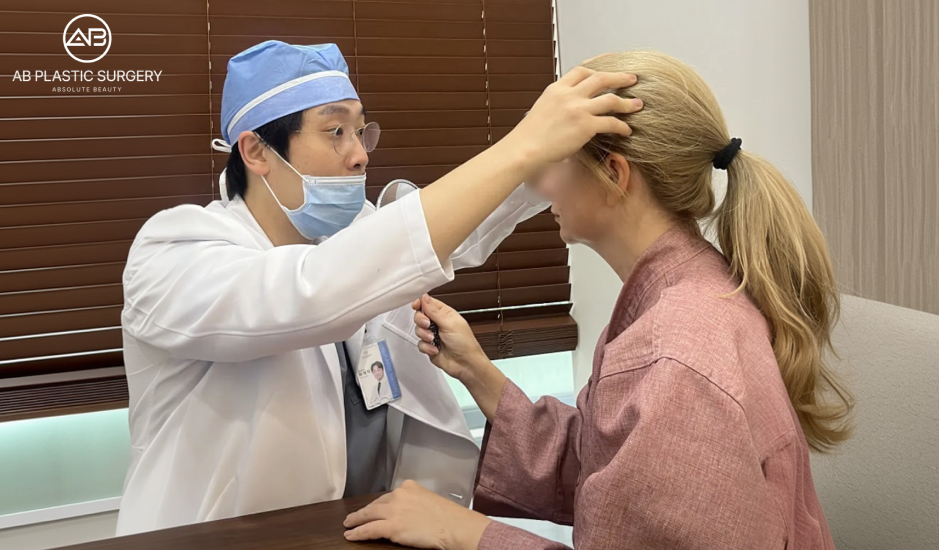
It is not uncommon for international patients to undergo surgery in Korea without a guardian. Many medical institutions are structured to support solo patients through organized scheduling, in-clinic monitoring, and clear postoperative instructions.
Institutional Support for Solo Patients
The treatment process typically begins with consultation and medical evaluation, followed by surgery and a recovery phase that may include outpatient follow-ups or short-term observation. For solo patients, clear guidance regarding medication, activity restrictions, and warning signs is essential.
Understanding what support is provided by the medical institution—and what responsibilities fall on the patient—allows individuals to prepare appropriately and reduces anxiety associated with managing recovery independently.
Managing Daily Activities During Solo Recovery
Recovering alone after surgery requires practical planning. International patients should consider how they will manage meals, transportation, medication schedules, hydration, and rest during the early recovery period. While many procedures do not require hospitalization, temporary limitations in mobility, energy levels, or concentration can occur—especially in the first few days.
Choosing accommodations close to the clinic and understanding which activities should be avoided can help reduce physical strain during recovery. Patients often benefit from planning simple, low-effort routines in advance, such as arranging food options nearby, confirming elevator access, and preparing basic supplies that reduce the need for frequent outings.
Emotional Considerations When Recovering Alone
Beyond physical recovery, emotional well-being is an important but often overlooked factor. Being in a foreign country without familiar support can feel isolating, especially during the first few days after surgery when swelling or discomfort may peak.
Knowing in advance what changes to expect and maintaining clear communication with the medical team can help patients stay reassured and avoid unnecessary anxiety. It may also help to plan a calm recovery environment with minimal schedule pressure, because stress can amplify discomfort and make routine recovery feel more difficult than it is.
Understanding the Role of the Medical Institution
For solo patients, the role of the medical institution becomes particularly important. Clear discharge instructions, scheduled follow-up visits, and accessible communication channels contribute significantly to a smoother recovery experience.
Patients can also benefit from confirming in advance how the clinic handles questions outside appointment times, what to do if symptoms feel concerning, and which issues require same-day evaluation. A structured system for postoperative monitoring reduces uncertainty and helps solo patients make appropriate decisions during recovery.
A Practical Checklist for Solo Patients
For first-time international patients traveling alone, preparation is often most effective when it is concrete. Before surgery day, it is generally helpful to confirm appointment times, clinic location and transportation options, accommodation proximity, and how follow-up visits will be scheduled.
Patients may also consider preparing a simple list of postoperative needs such as prescribed medications, recommended sleeping posture, and what activities to avoid. Clarifying these details early makes recovery more manageable and reduces the chance of last-minute confusion in an unfamiliar environment.
Planning Medical Tourism in Korea: Surgery and Recovery Timeline
Effective planning is a key component of successful medical tourism in Korea. For first-time patients, preparation usually begins with an online consultation, during which medical history, expectations, and treatment options are reviewed.
Aligning Medical Care With Travel Logistics
Travel timing should account for preoperative assessment, the procedure itself, and an adequate recovery period before returning home. The recommended length of stay varies depending on the type of treatment, but sufficient time for early postoperative monitoring is strongly advised.
Understanding the recovery timeline—including follow-up visits and activity limitations—helps patients coordinate medical care with travel and personal schedules. For first-time medical tourists, a well-structured plan also reduces decision fatigue because major steps are clarified before arrival.
A Generalized Medical Tourism Timeline Example
While individual schedules vary, many first-time medical tourists follow a similar general timeline. Initial online consultation and planning typically occur weeks before travel, allowing time to review medical history and establish a tentative treatment plan.
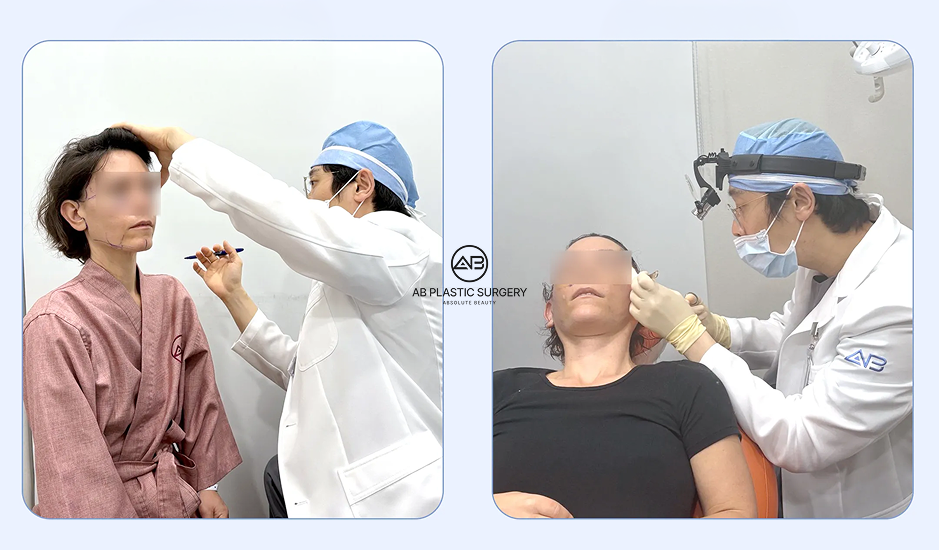
After arriving in Korea, patients usually attend an in-person consultation and preoperative assessment before surgery. The procedure itself is followed by a short-term recovery period, during which follow-up visits are scheduled to monitor healing and address early concerns. Depending on the treatment type, additional checkups may be recommended to confirm that recovery is progressing as expected before the patient returns home.
When describing an “example timeline,” it can be helpful to think in phases rather than exact days. Typical phases include pre-arrival planning, in-person assessment, procedure day, early recovery and monitoring, follow-up visits, and return travel. A clinic can then adjust the phase duration based on the procedure plan and the patient’s condition.
Balancing Recovery With Return Travel
Planning return travel requires careful consideration. Leaving too early may increase discomfort or limit access to immediate postoperative care, while staying longer than necessary may not provide additional medical benefit.
Clinics typically advise patients on the minimum recommended stay based on the procedure and recovery progression. For first-time international patients, it is often helpful to schedule return travel with enough buffer to attend follow-up visits and to confirm that early recovery changes are within expected ranges.
Why Flexibility Matters in Scheduling
Even with careful planning, recovery does not always follow a perfectly predictable timeline. Allowing flexibility in travel plans can reduce stress if follow-up visits or additional observation are recommended.
Flexibility can also protect patients from unnecessary pressure. When patients feel rushed to travel immediately after treatment, they may be more likely to overexert themselves during recovery. A realistic schedule that prioritizes medical stability over strict travel deadlines generally supports a safer and more comfortable experience.
What to Confirm Before Booking Flights
Before finalizing travel, patients commonly benefit from confirming the planned consultation date, procedure date, and follow-up schedule. It is also helpful to understand whether any preoperative tests are required and when results are reviewed.
For first-time medical tourists, confirming these items in advance reduces uncertainty and helps align expectations on both sides. It also supports smoother coordination for postoperative checkups, which are often a key part of medical tourism planning.
For patients preparing for their first surgery abroad, reviewing the cost structure and consultation requirements in advance can reduce uncertainty and improve planning accuracy.
Typical Plastic Surgery Costs to Consider Before Traveling
For many international patients, understanding the approximate cost of surgery is an important part of planning medical tourism in Korea. While every treatment plan is customized after consultation, the following starting prices can help estimate your overall travel budget.
|
Popular Procedure |
Starting Price (USD) |
|---|---|
|
Blepharoplasty |
From $1,640 |
|
Rhinoplasty |
From $3,400 |
|
Facial Contouring Surgery |
From $3,740 |
|
Facelift |
From $5,240 |
|
Fat Grafting (Full Face) |
From $1,700 |
Important: These prices represent general starting costs for international patients. The final quotation may vary depending on your facial anatomy, surgical complexity, combination procedures, implant or graft materials, and personalized treatment plan determined during consultation.
Safety Standards and Recovery Management in Korean Medical Tourism
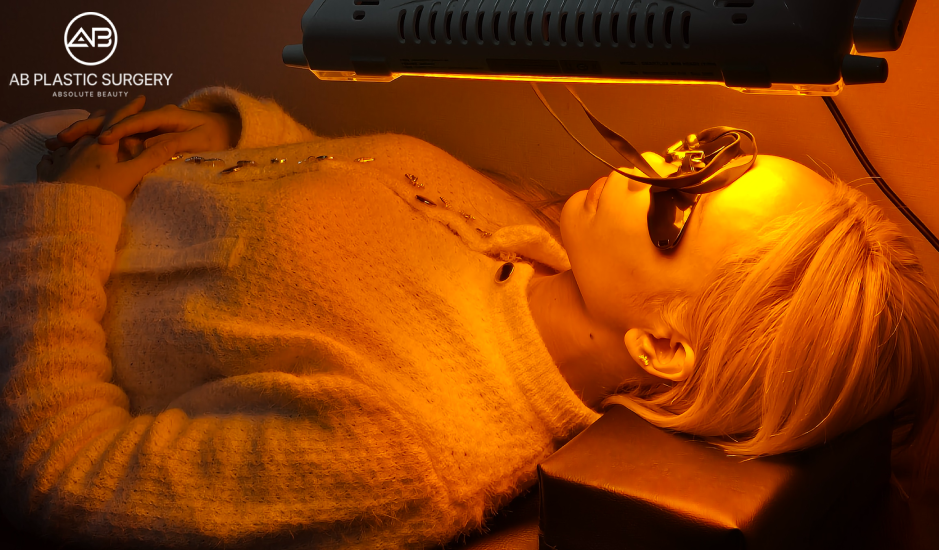
Safety is a central concern for international patients considering medical tourism in Korea. This includes not only surgical techniques, but also anesthesia management, intraoperative monitoring, and postoperative observation.
Systemized Safety and Follow-Up Care
Well-structured medical institutions operate under standardized protocols designed to monitor patient condition during and after surgery. Recovery management typically involves scheduled follow-ups, symptom monitoring, and clear post-treatment guidelines.
For first-time medical tourists, selecting an institution that prioritizes systemized safety and recovery planning is essential to minimizing risk and ensuring continuity of care. A key practical point is that “safe care” is usually reflected in what happens before and after the procedure—screening, monitoring, and clarity of instruction—not only in the procedure itself.
Key Safety Questions to Ask During Consultation
For international patients, consultation is not only about selecting a procedure. It is also an opportunity to confirm how safety is managed throughout treatment. Patients commonly benefit from asking how preoperative evaluation is conducted, how anesthesia and monitoring are handled, and how postoperative symptoms are assessed during follow-up.
It is also reasonable to confirm how the clinic communicates recovery guidance, what documentation patients receive, and what the process is if concerns arise outside scheduled appointments. Clear answers to these questions help patients understand how consistently safety is managed in practice.

Frequently Asked Questions About Medical Tourism in Korea
Is medical tourism in Korea safe for first-time international patients?
Medical tourism in Korea can be considered safe when patients choose a medical institution that operates with clear safety protocols and structured postoperative management. For first-time international patients, it is generally recommended to confirm that the clinic provides a formal preoperative evaluation, anesthesia management systems, intraoperative monitoring, and a documented follow-up plan. Safety is not defined by surgical technique alone, but by how consistently the institution manages risk before, during, and after treatment.
Can I have surgery in Korea without a guardian or companion?
Yes. Many international patients undergo treatment in Korea without a guardian, especially when the medical institution has experience supporting international medical travel. Patients should confirm what level of assistance is available during the immediate postoperative period, how follow-up visits are scheduled, and what instructions are provided for medication and daily care. For procedures that require closer observation, patients may also need to plan for additional support during early recovery.
How long should I stay in Korea after surgery?
The recommended length of stay depends on the type of surgery and the required follow-up schedule. In general, patients should allow time for preoperative evaluation, the procedure itself, and early postoperative monitoring. Because swelling, bruising, and initial recovery changes typically occur during the first days after treatment, staying long enough to attend scheduled follow-up visits is advisable. A clinic should provide an individualized timeline based on the procedure plan and the patient’s condition.
What should I prepare before traveling to Korea for medical tourism?
Preparation typically includes an online consultation, sharing relevant medical history, and confirming a realistic treatment and recovery schedule before booking travel. Patients may consider arranging accommodations that support rest, planning transportation for clinic visits, and preparing for postoperative needs such as medication schedules and limited activity. It is also important to understand the clinic’s communication process, including language support and how postoperative concerns are handled during the stay.
What happens if I have questions or concerns after returning home?
Postoperative care does not necessarily end when a patient leaves Korea. Patients should confirm in advance how the clinic supports follow-up communication, what guidance is provided for normal recovery changes, and when in-person evaluation is recommended. Clear written instructions and an organized follow-up system are particularly important for international patients, as recovery can continue for weeks to months depending on the procedure. If symptoms appear unusual or persistent, patients are generally advised to contact the clinic promptly and seek local medical evaluation when appropriate.
How much does plastic surgery cost in Korea for international patients?
Plastic surgery costs in Korea vary depending on the procedure and individual surgical plan. At AB Plastic Surgery Korea, common starting prices include blepharoplasty from approximately $1,640, rhinoplasty from $3,400, facial contouring from $3,740, facelift from $5,240, and full-face fat grafting from $1,700. A personalized consultation is recommended to receive an accurate quotation based on your anatomy and treatment goals.

Why International Patients Choose AB Plastic Surgery Korea
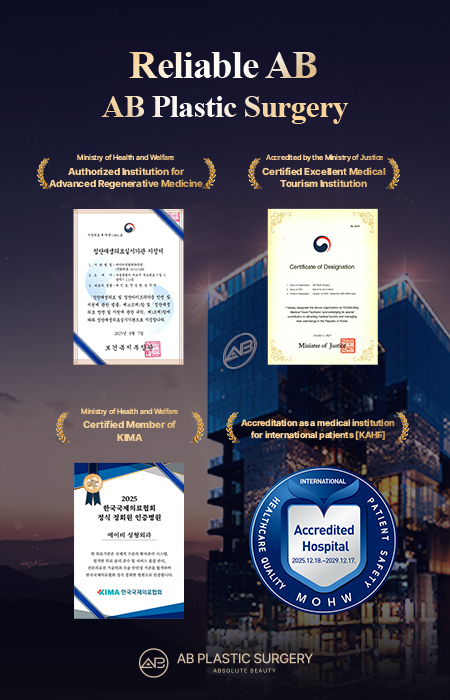
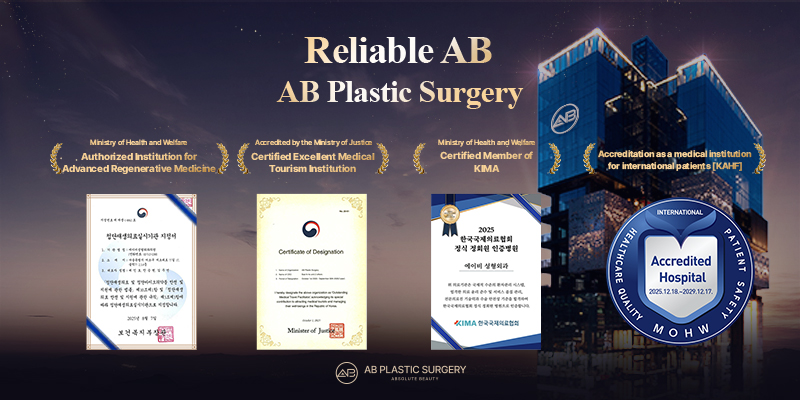
AB Plastic Surgery Korea is experienced in treating international patients within a structured medical tourism framework. The institution emphasizes consultation-driven treatment planning, procedural specialization, and systemized safety management.
A Structured Approach for International Patients
From initial consultation through recovery, care is coordinated to support patients traveling from abroad, including those undergoing surgery for the first time. Clear communication, individualized planning, and comprehensive postoperative management are central to this approach.
By focusing on medically grounded care rather than promotional promises, AB Plastic Surgery Korea aligns with the expectations of international patients seeking reliable treatment in Korea.
For international patients considering their first surgery abroad, medical tourism in Korea offers a structured environment that prioritizes planning, safety, and recovery coordination. Understanding the process in advance—from consultation and travel preparation to postoperative care—allows patients to approach treatment with realistic expectations and greater confidence.
Rather than focusing solely on the procedure itself, first-time medical tourists benefit from evaluating how care is managed throughout the entire journey. Clear communication, systemized safety protocols, and coordinated recovery planning are key factors that contribute to a stable and positive experience.
By approaching medical tourism as a carefully planned medical decision, international patients can better assess whether Korea aligns with their personal needs, health considerations, and recovery expectations.
To move forward with greater clarity, it is generally recommended to begin with a structured consultation and confirm a realistic schedule that includes preoperative assessment, procedure planning, and follow-up care. Preparing a concise list of questions in advance—covering safety protocols, recovery milestones, and post-return communication—can help first-time patients make decisions based on medical processes rather than uncertainty.
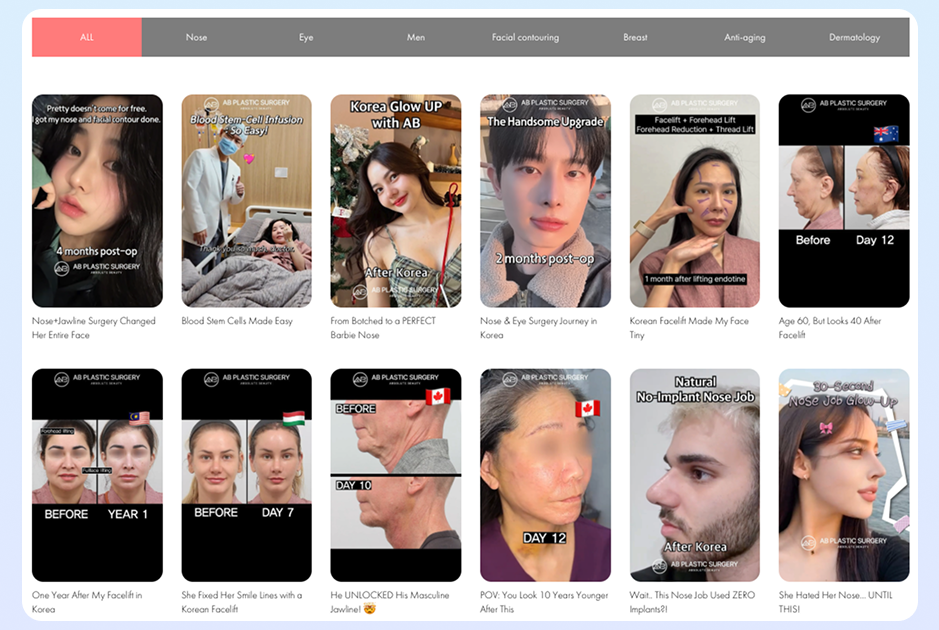
Before and After Plastic Surgery Results in Korea

This article is for informational purposes only and does not replace a personal medical consultation.