Title
Deep Plane Facelift Korea: Structural Rejuvenation, Longevity, and Institutional Safety StandardsDate
2026-03-11Views
3329
AB Blog
Deep Plane Facelift Korea: Structural Rejuvenation, Longevity, and Institutional Safety Standards
Table of Contents
1. What Is Deep Plane Facelift?
2. Understanding Structural Facial Aging
3. Deep Plane vs SMAS vs Mini Facelift
4. Longevity of Deep Plane Facelift
5. Who Is a Candidate for Deep Plane Facelift?
6. Surgical Technique Overview
7. Recovery and Postoperative Management
8. Frequently Asked Questions
9. Why Choose AB Plastic Surgery Korea for Deep Plane Facelift
A deep plane facelift in Korea is not simply about tightening loose skin. It is a structural procedure that repositions the SMAS layer and key retaining ligaments—the deeper foundations responsible for midface sagging, jowls, and loss of jawline definition. This anatomical release is what differentiates deep plane lifting from traditional skin or SMAS tightening techniques.
For international patients, the question is not only how the surgery is performed, but how long it lasts and how safely it is managed. In this guide, we break down the structural principles behind deep plane facelift, realistic longevity expectations, recovery considerations, and the institutional safety framework that should support this level of surgery in Korea.
What Is Deep Plane Facelift?
A deep plane facelift is a structural lifting technique designed to reposition the deeper anatomical layers of the face rather than tightening the skin alone. Unlike traditional methods that focus primarily on superficial redraping, this approach releases specific retaining ligaments and mobilizes the SMAS (Superficial Musculoaponeurotic System) layer together with the overlying skin as a single composite unit.
The goal is not simply to pull upward, but to restore the face to a more anatomically balanced position. Because facial aging is driven by ligament laxity, volume descent, and structural shift, effective rejuvenation requires deeper repositioning rather than surface tension.
How It Differs From Traditional Facelift Techniques
Many facelift techniques are grouped under the term “SMAS facelift,” but not all approaches involve true deep plane dissection. The key difference lies in how the deeper structures are handled.
-
Skin-only facelift: Tightens skin without structural repositioning.
-
SMAS plication: Folds and sutures the SMAS layer without full ligament release.
-
Deep plane facelift: Releases retaining ligaments and repositions the SMAS and skin together.
This ligament release allows for more natural midface elevation and can reduce tension placed on the skin. As a result, outcomes may appear smoother and less “pulled” when performed appropriately.
Anatomical Focus of Deep Plane Lifting
Deep plane facelift specifically addresses areas where structural descent is most visible:
-
Midface sagging and flattening
-
Deepening nasolabial folds
-
Jowl formation along the jawline
-
Loss of lower facial definition
By releasing key retaining ligaments in these regions, the procedure enables vertical and superolateral repositioning of facial tissues in a way that respects natural facial vectors rather than relying on horizontal skin tension.
Why Structural Repositioning Matters
Facial aging is not only a skin problem. It is a structural process involving soft tissue descent and ligament weakening over time. A deep plane approach attempts to correct this underlying shift, which is why it is often discussed in relation to longevity and stability.
However, technique alone does not determine results. Surgical planning, anatomical precision, and structured perioperative management are equally important factors when evaluating deep plane facelift in Korea. The following sections explore these elements in greater detail.

Understanding Structural Facial Aging
To understand why a deep plane facelift is considered a structural procedure, it is important to first understand how the face ages. Facial aging is not limited to wrinkles or skin laxity. It is a multi-layered process involving the skin, fat compartments, ligaments, and the SMAS layer, all of which gradually shift downward over time.
As these deeper structures lose support, visible changes begin to appear—not because the skin alone has loosened, but because the foundational support system of the face has descended.
The Layers Involved in Facial Aging
Facial structure can be simplified into several key layers:
-
Skin: Gradual loss of elasticity and collagen.
-
Subcutaneous fat: Volume redistribution and compartmental descent.
-
SMAS layer: Structural support layer that shifts downward with aging.
-
Retaining ligaments: Anchoring structures that weaken over time.
When ligaments loosen and the SMAS descends, the overlying tissues follow. This downward movement creates shadowing and heaviness in specific regions of the face.
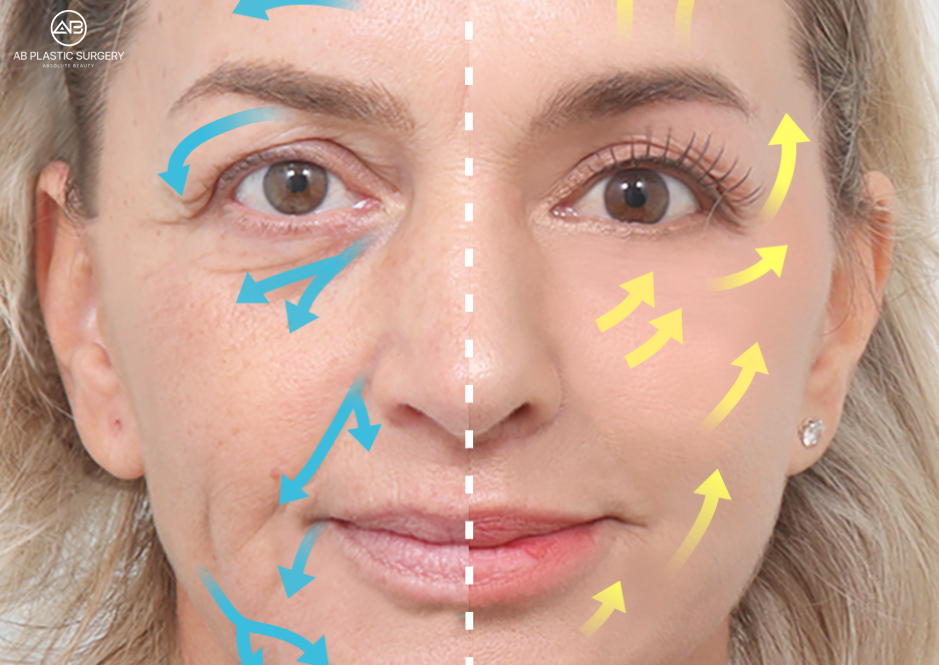
Common Structural Changes With Age
-
Midface flattening and descent
-
Deepening of the nasolabial folds
-
Jowl formation along the jawline
-
Loss of lower facial contour
-
Blunting of the cervicomental (neck) angle
These changes are driven more by structural descent than by surface wrinkling. That is why procedures that focus only on skin tightening may not fully address the underlying cause of aging.
Why Structural Understanding Matters in Facelift Planning
When aging is approached as a structural issue rather than a superficial one, surgical planning shifts accordingly. Instead of removing excess skin alone, the goal becomes repositioning deeper tissues to a more anatomically appropriate position.
This concept forms the foundation of deep plane facelift surgery. By addressing ligament release and SMAS repositioning, the procedure targets the true drivers of midface sagging and jawline laxity—rather than masking them with surface tension.
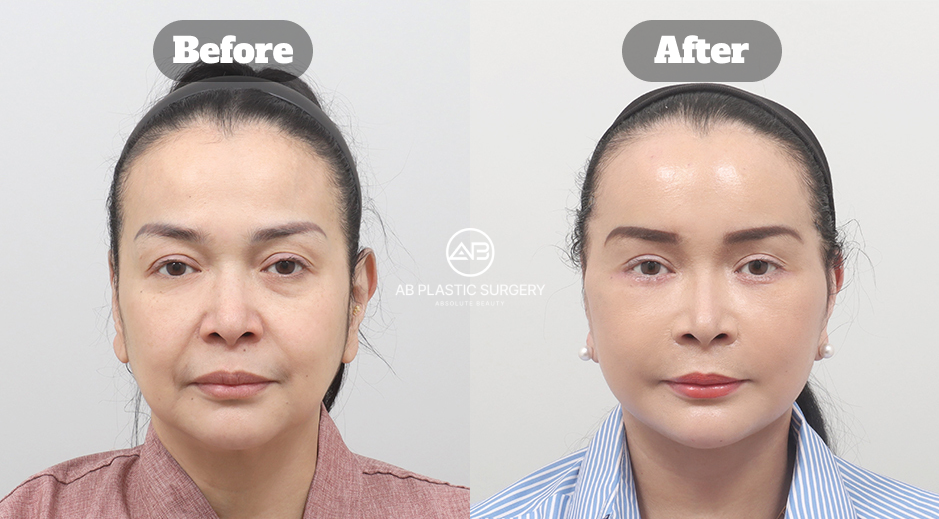
Deep Plane vs SMAS vs Mini Facelift
Not all facelift techniques address the same anatomical depth. While terms like “SMAS facelift” are often used broadly, the actual surgical plane and ligament handling can vary significantly. Understanding these differences helps patients evaluate which approach aligns with their degree of structural aging.
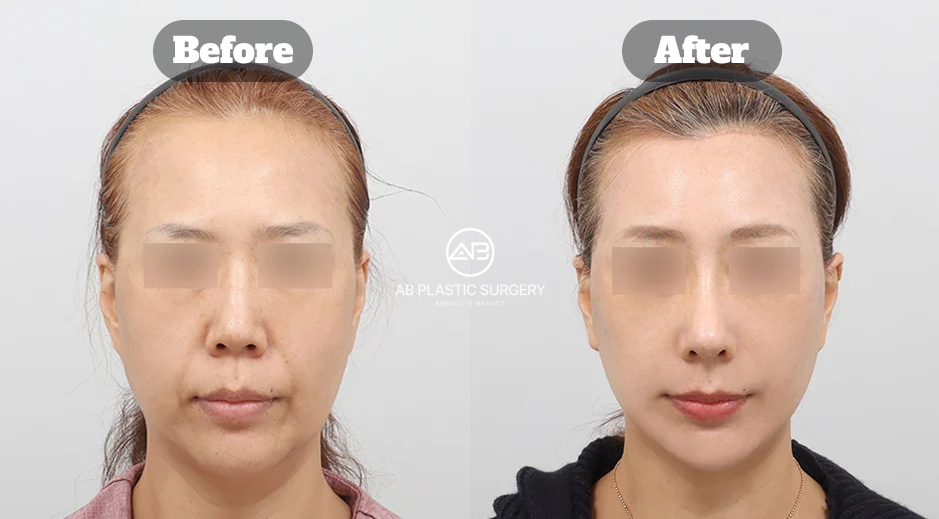
SMAS Plication
SMAS plication involves folding and suturing the SMAS layer without fully releasing retaining ligaments. The dissection remains relatively superficial compared to deep plane surgery.
-
No extensive ligament release
-
Limited midface mobilization
-
Often suitable for mild to moderate laxity
This method can improve lower face sagging but may not significantly reposition descended midface structures.
SMAS Flap Technique
The SMAS flap technique elevates and repositions a section of the SMAS layer as a separate flap. This provides greater structural lift compared to plication but still differs from true deep plane dissection.
-
Moderate structural elevation
-
Partial improvement of nasolabial folds
-
Controlled tissue redraping
While more advanced than plication, it may not achieve the same level of composite repositioning seen in deep plane techniques.
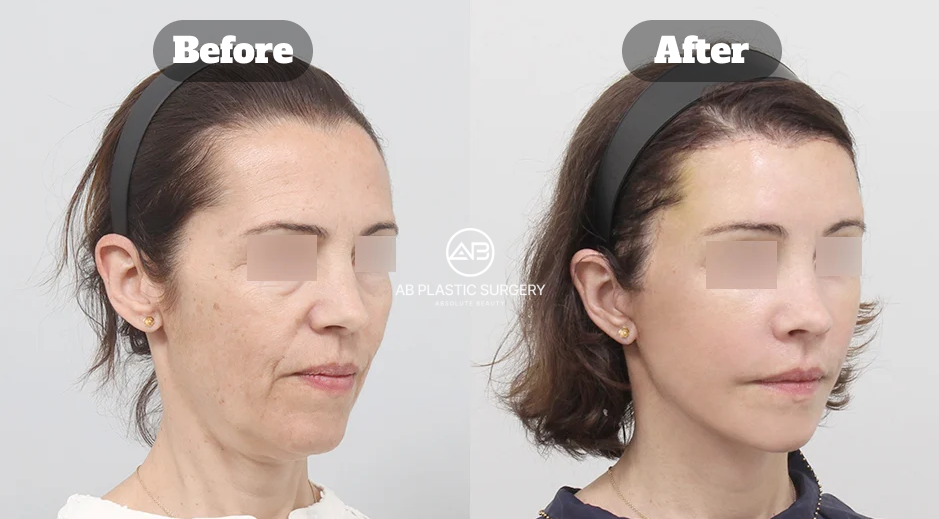
Deep Plane Facelift
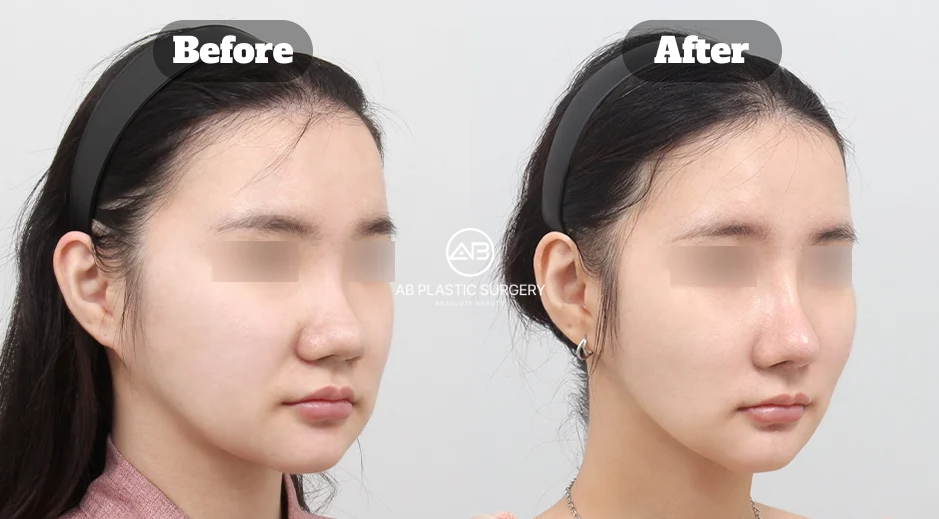
Deep plane facelift releases key retaining ligaments and lifts the skin and SMAS together as a composite unit. This allows for more direct repositioning of descended midface tissue.
-
Retaining ligament release
-
Composite skin-SMAS mobilization
-
Improved midface elevation
-
Reduced surface tension on skin closure
Because the lift occurs at a deeper anatomical level, the result can appear more naturally integrated when properly planned.
Mini Facelift
A mini facelift typically involves shorter incisions and more limited dissection. It is generally considered for early-stage laxity rather than advanced structural descent.
-
Limited tissue mobilization
-
Shorter recovery in selected cases
-
Less comprehensive midface correction
Mini techniques may be appropriate for younger patients or those with mild jowling but are not designed to correct significant midface sagging.
Key Structural Differences at a Glance
-
Depth of dissection: Deep plane > SMAS flap > SMAS plication > Mini facelift
-
Ligament release: Most comprehensive in deep plane technique
-
Midface correction: Most directly addressed in deep plane approach
-
Indication range: Depends on severity of tissue descent
The appropriate choice depends on anatomical assessment, degree of sagging, and long-term goals rather than on terminology alone. A structured evaluation is essential to determine which technique is proportionate to the patient’s aging pattern.
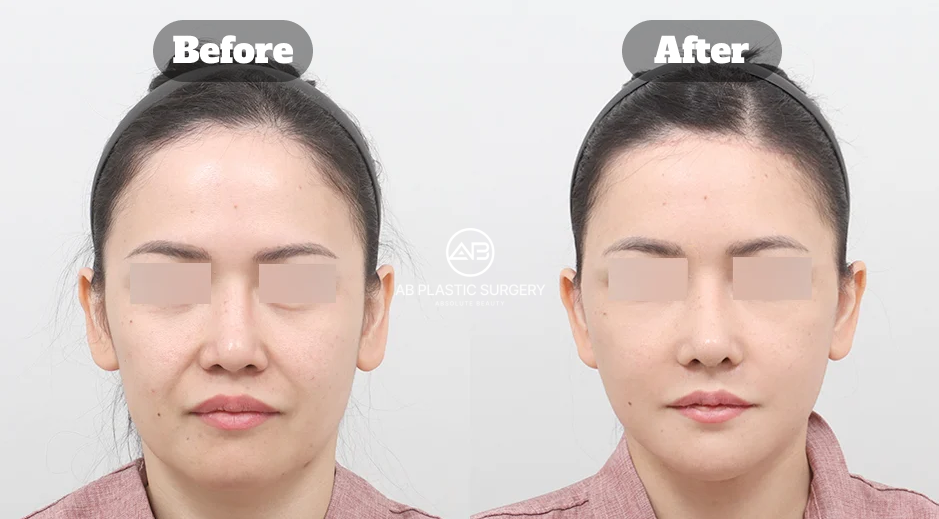
Structural facelift and anti-aging procedures in Korea
Longevity of Deep Plane Facelift
One of the most common reasons patients research a deep plane facelift in Korea is longevity. Because the technique repositions deeper facial structures rather than tightening skin alone, it is often discussed in relation to long-term structural stability.
However, longevity is not defined by a fixed number of years. It depends on anatomical correction, tissue quality, age at surgery, and ongoing aging processes.
Why Structural Repositioning May Influence Durability
Skin-tightening procedures primarily address surface laxity. In contrast, deep plane facelift releases retaining ligaments and repositions the SMAS and midface tissues as a composite layer.
-
Reduced tension placed on skin closure
-
More anatomical tissue repositioning
-
Direct correction of midface descent
By correcting the underlying structural shift rather than masking it, the lift may maintain its contour more naturally over time when compared to more superficial approaches.
Typical Duration Expectations
While outcomes vary, patients often seek deep plane techniques when they are looking for longer-lasting correction of:
-
Midface sagging
-
Nasolabial fold deepening
-
Jowl formation
-
Jawline laxity
It is important to understand that surgery does not stop aging. Instead, it resets structural position. The face continues to age from that new baseline.
Factors That Influence Longevity
-
Age at time of surgery
-
Skin quality and collagen support
-
Weight stability
-
Sun exposure and lifestyle habits
-
Precision of surgical planning
Patients in their 40s to 60s with moderate to advanced structural descent often seek this approach because it aligns with the degree of anatomical correction required.
Longevity and Realistic Expectations
Deep plane facelift is frequently chosen for its structural rationale rather than marketing claims of permanence. Long-term satisfaction is closely tied to appropriate candidacy selection and structured postoperative management.
When evaluating longevity, patients should consider both the technique and the institutional framework supporting surgical safety, recovery planning, and follow-up—factors that contribute to stability beyond the operating room itself.
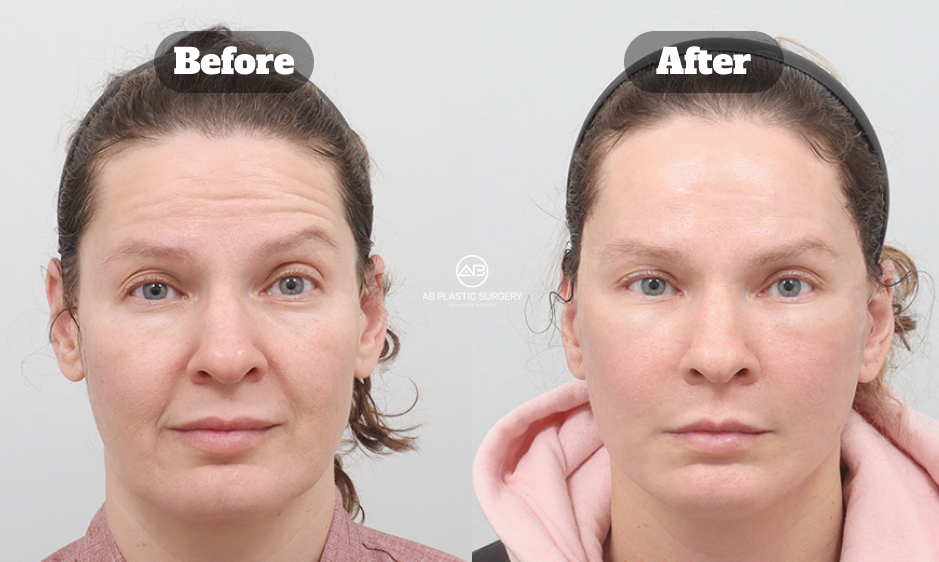
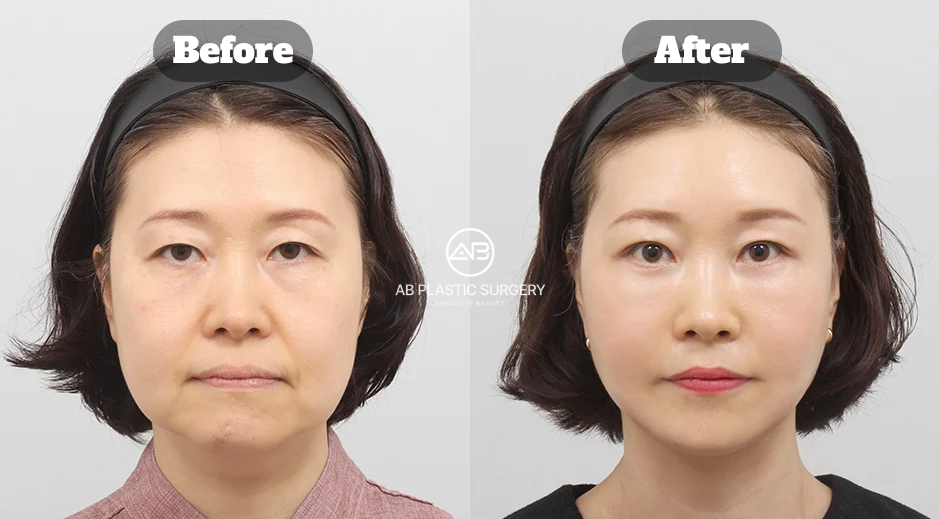
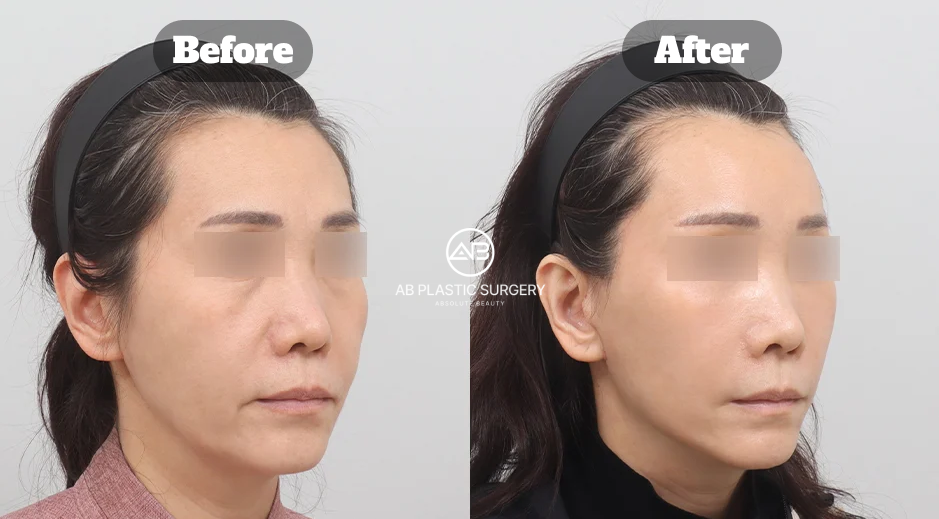
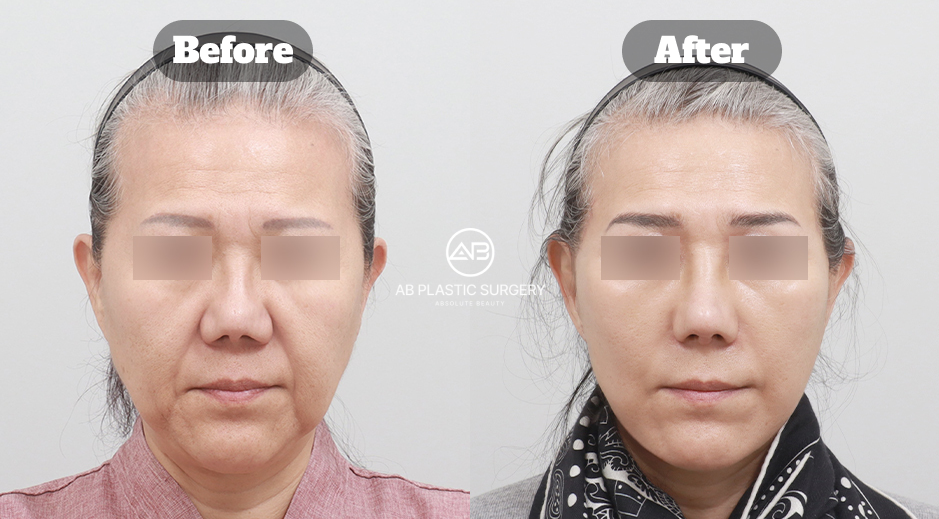
Before and after deep plane facelift results
Typical Deep Plane Facelift Cost in Korea
Deep plane facelift surgery is customized according to facial aging, tissue laxity, lifting range, and whether additional rejuvenation procedures are recommended. The table below provides estimated starting prices in USD to help international patients understand the typical cost range for facelift-related procedures in Korea.
|
Procedure |
Starting Price (USD) |
|---|---|
|
Semi Full Facelift |
From $5,240 |
|
Full Face Lifting |
From $7,480 |
|
Neck Lifting |
From $2,990 |
|
Lower Blepharoplasty + Mid Face Lifting |
From $4,490 |
|
Forehead Lifting |
From $4,490 |
Please note that these prices are starting estimates. The final cost may vary depending on your facial anatomy, degree of sagging, previous surgery history, incision range, and whether procedures such as neck lifting, midface lifting, or forehead lifting are included. For the most accurate treatment plan and quotation, a personalized consultation is recommended before scheduling surgery.
Check facelift costs, compare procedure options, and request a personalized surgery schedule.
Who Is a Candidate for Deep Plane Facelift?
Deep plane facelift is not determined by age alone. Candidacy depends primarily on the degree of structural descent and whether midface and lower face sagging require ligament release and composite repositioning rather than limited tightening.
This technique is typically considered when non-surgical treatments or limited lifting methods no longer provide meaningful structural correction.
Common Structural Indicators
-
Pronounced midface sagging
-
Deep nasolabial folds caused by tissue descent
-
Visible jowls along the jawline
-
Loss of lower facial definition
-
Early neck laxity accompanying jawline blurring
When these changes are driven by ligament laxity and SMAS descent rather than isolated skin looseness, a deeper structural approach may be more appropriate.
Age Range and Anatomical Considerations
While many candidates fall within their 40s to 60s, anatomical assessment is more important than chronological age. Younger patients with early laxity may benefit from less extensive approaches, whereas advanced structural aging may require a comprehensive lift.
Key evaluation factors include:
-
Skin elasticity and thickness
-
Volume distribution and fat descent
-
Ligament support integrity
-
Overall facial proportion
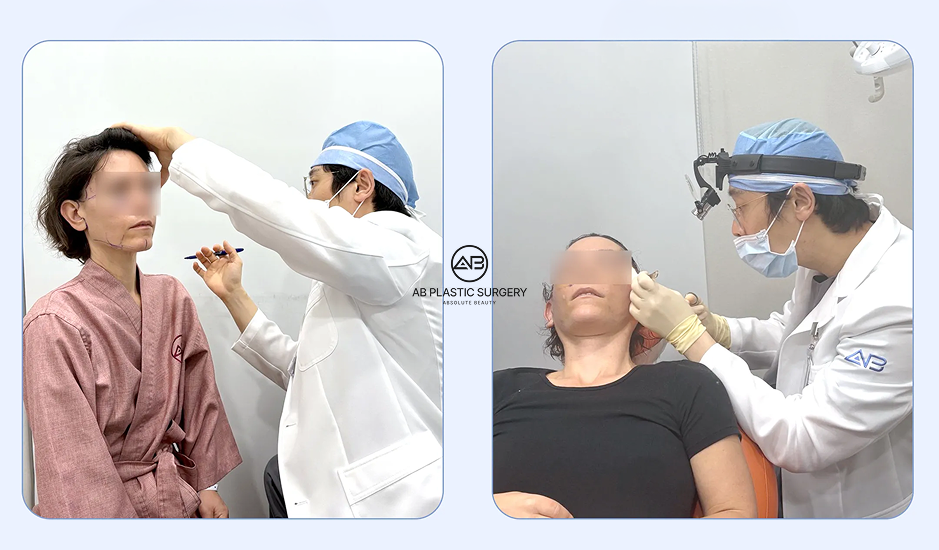
A structured consultation is necessary to determine whether deep plane dissection is proportionate to the patient’s aging pattern.
Who May Not Be an Ideal Candidate
-
Mild laxity correctable with mini facelift
-
Patients seeking only subtle skin tightening
-
Unstable medical conditions requiring risk reassessment
Because deep plane facelift involves more extensive structural release than limited techniques, candidacy should be based on balanced anatomical indication rather than the desire for the most advanced terminology.
Appropriate patient selection plays a critical role in achieving natural, stable outcomes while maintaining safety and proportion.
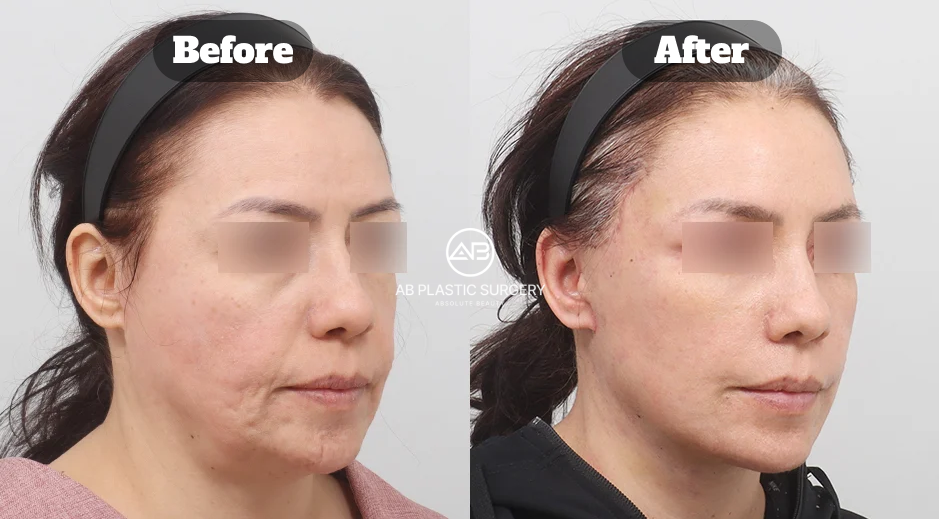
Personalized deep plane facelift consultation
Surgical Technique Overview
The deep plane facelift technique is defined by its anatomical depth and ligament release strategy. Unlike surface-level tightening, this procedure involves precise dissection beneath the SMAS layer in selected areas to mobilize descended facial structures as a composite unit.
The objective is controlled repositioning—not excessive pulling—while minimizing unnecessary tension on the skin.
Incision Design and Access
Incisions are typically placed along natural creases around the ear and hairline to allow access while maintaining concealment. The exact design may vary depending on:
-
Degree of lower face laxity
-
Need for neck correction
-
Hairline and skin characteristics
Careful incision planning is essential to balance exposure with scar control.
Deep Plane Dissection and Ligament Release
The defining step of deep plane surgery is the release of specific retaining ligaments that anchor the midface and lower face. Once released, the SMAS and skin can be elevated together in a more anatomically natural vector.
-
Composite skin-SMAS mobilization
-
Midface elevation through ligament release
-
Reduction of tension on superficial closure
This allows repositioning rather than simple tightening, which is central to the structural rationale of the technique.
Vector Direction and Tissue Repositioning
Repositioning is guided by facial vectors that respect natural anatomy. Instead of horizontal pulling, elevation often follows a superolateral or vertical direction depending on structural needs.
Proper vector planning influences:
-
Jawline definition
-
Midface contour restoration
-
Natural facial expression preservation
Vector misalignment can create tension or unnatural contours, which is why anatomical planning is critical.
Tension-Free Closure and Structural Stability
After repositioning deeper tissues, the skin is redraped without excessive tension. Because structural elevation has already occurred beneath the surface, skin closure serves as contour refinement rather than primary lifting force.
This principle—structural lift first, skin refinement second—is a key characteristic of deep plane facelift technique.
As with any surgical procedure, technical execution must be supported by structured anesthesia monitoring, intraoperative safety protocols, and postoperative management to ensure both anatomical precision and patient safety.
Recovery and Postoperative Management
Recovery after a deep plane facelift in Korea involves more than waiting for swelling to subside. Because the procedure includes ligament release and structural repositioning, early postoperative care plays an important role in maintaining tissue stability and minimizing complications.
While healing timelines vary by individual, understanding the general phases of recovery helps patients plan appropriately—especially international patients coordinating travel and accommodation.
Real patient recovery stories and outcomes
Early Phase: First 1–2 Weeks
-
Swelling and bruising are most noticeable during the first 7–10 days
-
Mild tightness or stiffness may be present
-
Drain removal (if used) occurs early in recovery
-
Initial follow-up visits are typically scheduled during this period
During this phase, rest, head elevation, and structured monitoring are important to reduce fluid accumulation and support stable healing.
Intermediate Phase: Weeks 3–4
-
Visible bruising usually resolves
-
Swelling gradually decreases
-
Incision lines begin early maturation
Most patients begin returning to social activities during this stage, although subtle swelling may persist. Recovery pacing depends on tissue response and individual healing characteristics.
Long-Term Healing and Scar Maturation
Final contour refinement continues over several months as deeper tissues settle into their repositioned state. Scar maturation typically progresses gradually and may improve over 6–12 months.
Long-term stability is influenced by:
-
Adherence to postoperative instructions
-
Avoidance of early excessive strain
-
Skin care and sun protection
-
Weight stability
Because structural repositioning occurs at a deeper plane, careful postoperative management supports optimal integration of lifted tissues.
Considerations for International Patients
For patients traveling to Korea, structured scheduling is essential. Recovery planning may include:
-
Defined observation period after surgery
-
Planned follow-up assessments before departure
-
Clear postoperative guidelines for continued care abroad
Institutional systems that provide organized postoperative pathways, monitoring protocols, and accessible communication channels contribute to both safety and peace of mind during the recovery process.
Frequently Asked Questions
How long does a deep plane facelift last?
Longevity varies depending on age, tissue quality, and lifestyle factors. Because deep plane facelift repositions deeper facial structures rather than tightening skin alone, it is often chosen for structural durability. However, surgery resets the aging process—it does not stop it. Long-term stability depends on appropriate candidacy and postoperative care.
Is deep plane facelift safer than SMAS facelift?
Safety is influenced by surgical expertise, patient health status, and institutional monitoring systems rather than technique name alone. Deep plane surgery involves more extensive ligament release, which requires anatomical precision. Structured anesthesia management, intraoperative monitoring, and postoperative observation are essential regardless of technique.
Can deep plane facelift improve nasolabial folds?
Because the procedure releases retaining ligaments and elevates midface structures, it can reduce fold depth caused by tissue descent. However, fold improvement depends on whether the cause is structural sagging, volume loss, or skin changes. Individual evaluation is required to determine expected improvement.
What are the possible complications of deep plane facelift?
As with other facelift procedures, potential risks may include temporary facial nerve weakness, hematoma, infection, skin healing delay, or need for revision. The likelihood varies based on technique, patient condition, and perioperative management. Careful surgical planning and structured monitoring reduce overall risk.
How long should international patients stay in Korea after surgery?
Length of stay depends on individual healing and scheduled follow-up assessments. Early monitoring during the first postoperative week is important, and patients are typically advised to remain until initial swelling stabilizes and incision checks are completed. Travel planning should align with structured recovery guidance.
Medical tourism guide for surgery in Korea
Why Choose AB Plastic Surgery Korea for Deep Plane Facelift
Deep plane facelift is a structurally demanding procedure that requires anatomical precision, controlled ligament release, and disciplined postoperative management. For international patients, technique alone is not enough. Institutional standards, safety systems, and structured patient coordination are equally important factors when evaluating surgery in Korea.
At AB Plastic Surgery Korea, deep plane facelift planning is approached within a framework that integrates surgical anatomy, perioperative safety protocols, and international patient management systems.
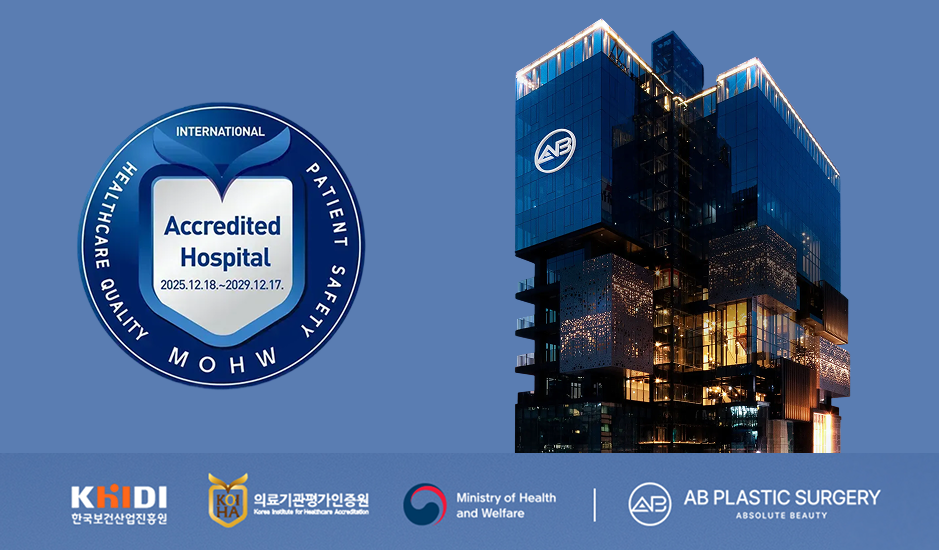
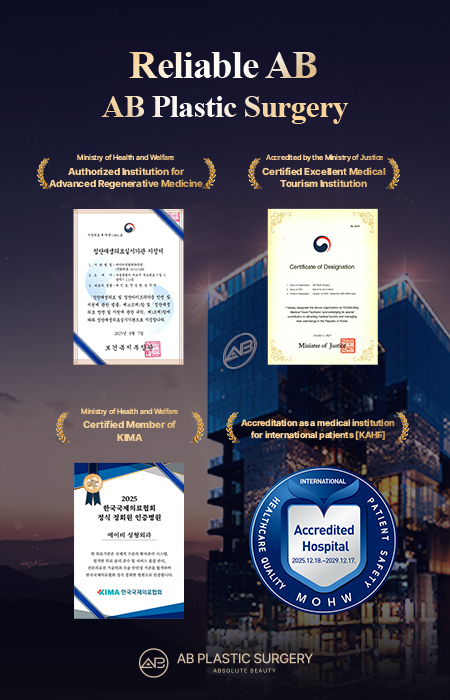
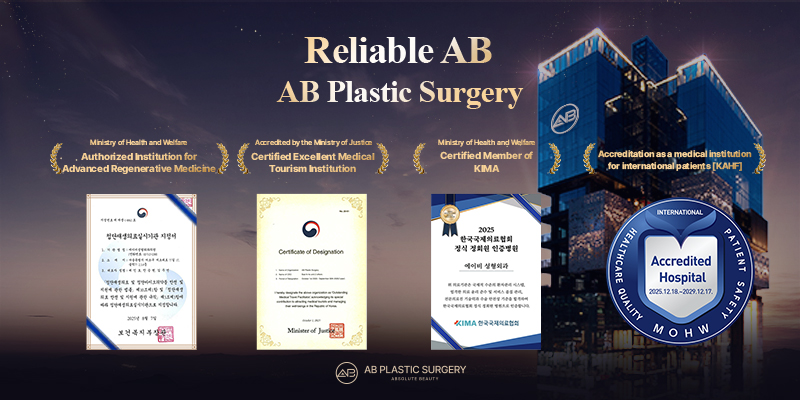
Ministry of Health–Evaluated International Patient Accreditation (KAHF)
AB Plastic Surgery Korea operates under a government-evaluated accreditation framework for international patient care. The KAHF (Korea Accreditation for Healthcare Facilities) system assesses structured medical quality and safety standards across multiple categories, including:
-
International patient management protocols
-
Patient safety and clinical quality control standards
-
Infection control systems
-
Emergency response preparedness
-
Medical equipment and medication management
This evaluation framework reflects institutional oversight beyond individual procedure claims.
Official certification for treating international patients

Dedicated International Patient System
Deep plane facelift for overseas patients requires structured coordination before and after surgery. AB Plastic Surgery Korea maintains an organized pathway that includes:
-
Multilingual consultation support
-
Structured surgical scheduling
-
Recovery stay planning
-
Postoperative follow-up protocols
Clear communication and timeline coordination are especially important when managing recovery within a limited travel window.
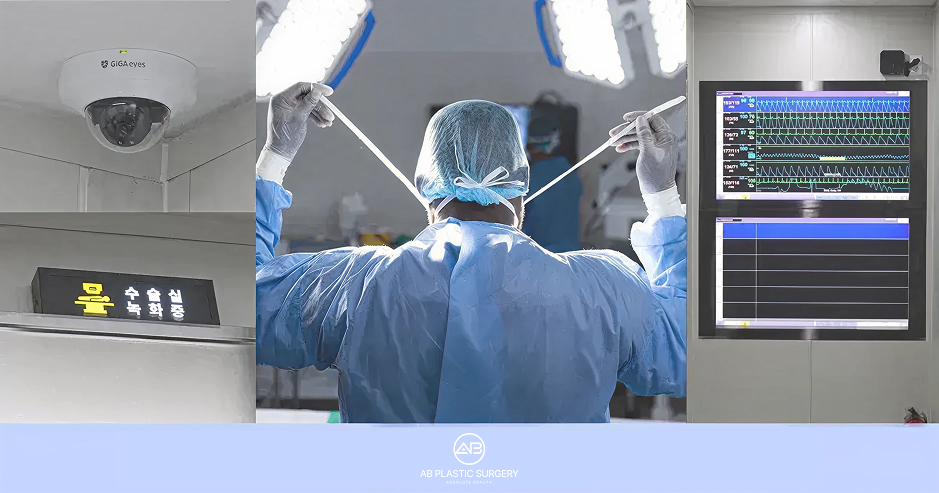
Structured Surgical Safety Protocols
Because deep plane facelift involves deeper anatomical dissection, intraoperative and postoperative monitoring systems are critical. Institutional safety measures may include:
-
Operating room monitoring systems
-
Anesthesia specialist supervision
-
Emergency response preparedness
-
Preoperative evaluation and screening protocols
Structured safety systems contribute to controlled surgical conditions and consistent postoperative observation.
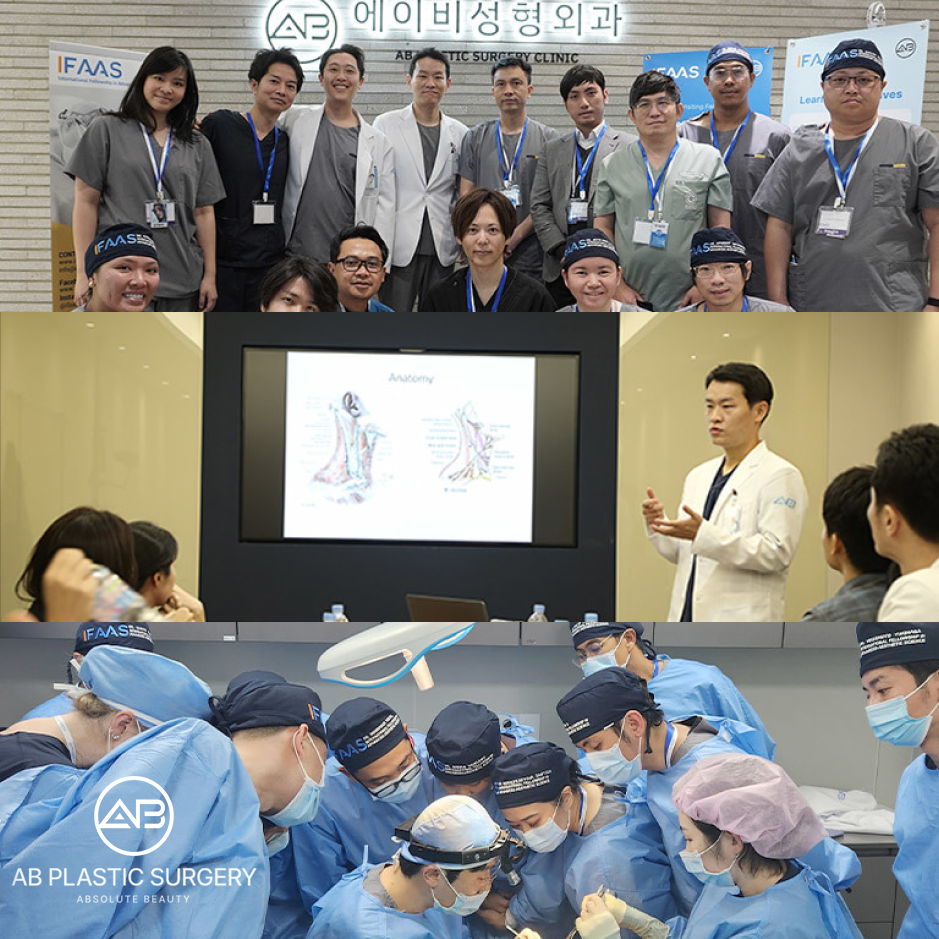
Academic and Research-Oriented Surgical Practice
Facial rejuvenation techniques continue to evolve through academic exchange and surgical education. Participation in professional conferences and structured training environments supports ongoing refinement of technique and anatomical understanding.
For patients considering deep plane facelift in Korea, selecting an institution that integrates structural surgical planning with systemized safety and organized patient management is an important part of long-term outcome stability.

This article is for informational purposes only and does not replace a personal medical consultation.