Title
Endotine Lift in Korea: Surgical Lifting Options, Indications, and Recovery GuideDate
2026-02-04Views
2527
AB Blog
Endotine Lift in Korea: What It Is and Who It Is For
Table of Contents
1. What Is an Endotine Lift?
2. How Endotine Lift Differs from Other Lifting Procedures
3. Areas Commonly Treated with Endotine Lift
4. Surgical Process and Recovery Timeline
5. Frequently Asked Questions About Endotine Lift
6. Why Consider Endotine Lift at AB Plastic Surgery Korea
Facial lifting procedures are no longer limited to a single approach. As aging patterns vary by individual, so do the surgical methods used to address tissue descent and loss of structural support. Among these options, Endotine lift is often discussed, yet frequently misunderstood as a device-based treatment rather than a surgical lifting method involving controlled tissue repositioning.
An Endotine lift refers to a surgical lifting procedure that uses a bioabsorbable fixation system to reposition and stabilize facial soft tissue. It is commonly considered in cases where non-surgical treatments may be insufficient, but a full facelift may not be necessary. Because the term “Endotine” is often associated with the implant itself, patients may find it difficult to understand when this procedure is appropriate and how it differs from thread lifting or other surgical lifts.
This guide explains Endotine lift as a treatment option within the broader spectrum of facial lifting surgery, focusing on how it works, who it is suitable for, expected recovery, and how it compares with other lifting methods. At AB Plastic Surgery Korea, board-certified surgeons assess facial anatomy, aging patterns, and patient goals to determine whether an Endotine lift is an appropriate part of a customized treatment plan.

What Is an Endotine Lift?
An Endotine lift is a surgical facial lifting method that uses a bioabsorbable fixation device to reposition and stabilize descended soft tissue. Rather than relying on sutures or external tension alone, this approach provides controlled internal fixation, allowing facial tissues to be lifted and maintained in a more stable position during the healing process.
Although the term “Endotine” is often associated with the implant itself, an Endotine lift should be understood as a procedure-based concept rather than a device-focused treatment. The implant functions as a temporary internal support system, assisting surgeons in securing repositioned tissue until natural healing and tissue adhesion occur.
Endotine lift is typically considered when facial aging is driven by soft tissue descent rather than skin laxity alone. In such cases, non-surgical treatments or thread lifting procedures may provide limited or short-term improvement, while more extensive procedures such as a full facelift may not be necessary. The Endotine system allows for targeted lifting with controlled fixation, making it a suitable option within this intermediate surgical range.
At AB Plastic Surgery Korea, Endotine lift is approached as part of a broader facial rejuvenation strategy. Surgical planning is based on individual anatomy, aging patterns, and treatment goals, ensuring that the lifting method selected aligns with both structural needs and long-term outcome considerations.
How Endotine Lift Differs from Other Lifting Procedures
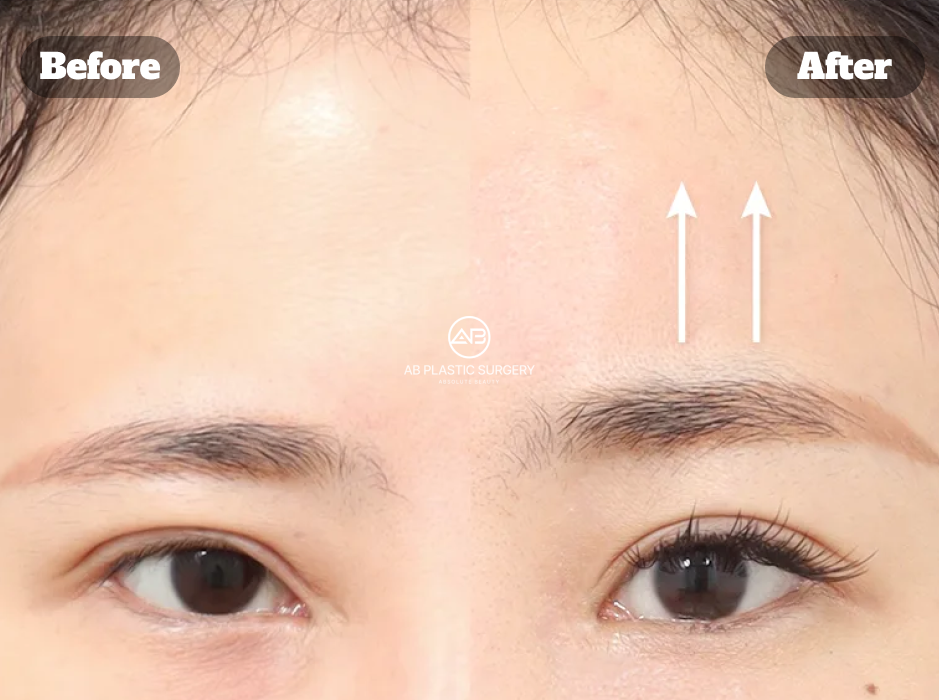
Facial lifting procedures vary significantly depending on the depth of correction, fixation method, and long-term stability required. An Endotine lift occupies a distinct position among lifting options, particularly when compared with non-surgical treatments and other surgical lifting techniques.
Understanding these differences is essential for selecting an appropriate lifting method based on facial aging patterns rather than procedure popularity alone.
Endotine Lift vs Thread Lift
Thread lifting is a minimally invasive procedure that relies on barbed or cogged threads to pull and suspend sagging tissue. While it may provide temporary improvement for mild laxity, the lifting force is largely dependent on the skin and superficial soft tissue.
In contrast, an Endotine lift uses a bioabsorbable fixation device to secure repositioned tissue internally. This allows for more controlled stabilization of deeper soft tissue structures, which may result in improved positional stability during healing. As a result, Endotine lift is generally considered when longer-lasting structural support is required. This is particularly relevant in cases where thread lifting alone may offer limited durability.
Endotine Lift vs Mini Facelift
A mini facelift primarily addresses lower face laxity through limited incisions and skin redraping, often with partial tightening of underlying structures. While effective for specific aging concerns, its scope is generally confined to the lower face and jawline.
An Endotine lift differs in that it targets soft tissue repositioning through internal fixation, rather than relying mainly on skin adjustment. Depending on the treatment area, it may be used independently or in combination with other lifting procedures to support tissue stability and contour refinement.
At AB Plastic Surgery Korea, these lifting options are not viewed as interchangeable. Each procedure is evaluated based on anatomical findings, aging mechanisms, and desired outcomes to determine the most appropriate surgical approach.
Areas Commonly Treated with Endotine Lift
An Endotine lift may be applied to different facial regions depending on where soft tissue descent occurs and how aging presents structurally. Rather than being defined by a single anatomical area, this lifting method is selected based on the pattern and direction of tissue sagging identified during clinical evaluation.
Forehead and Brow Area
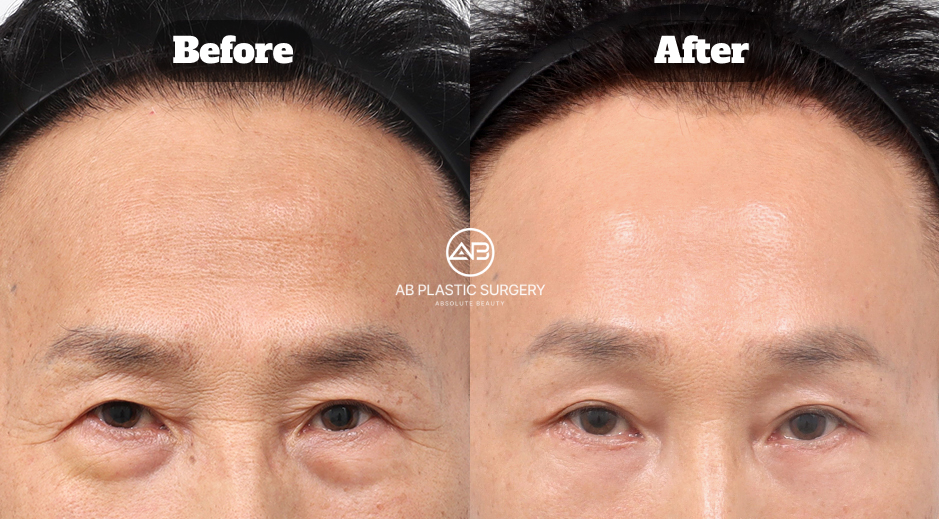
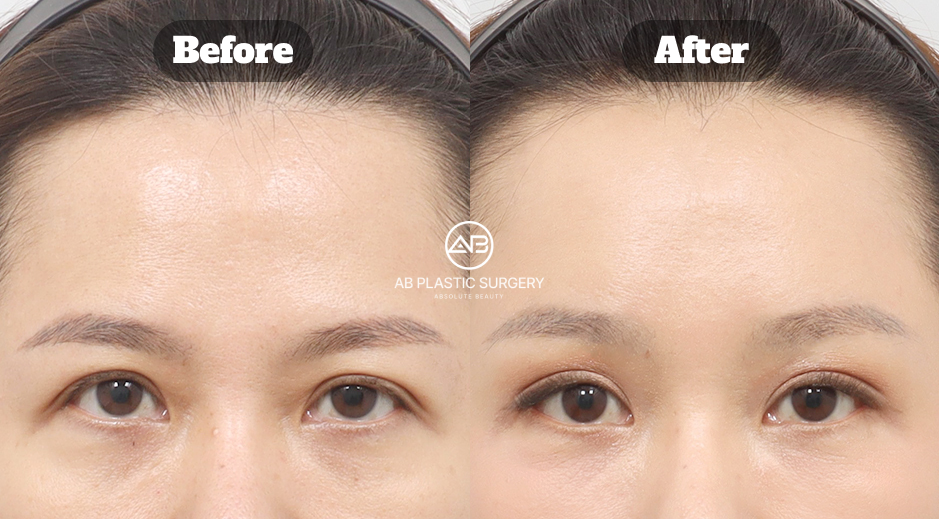
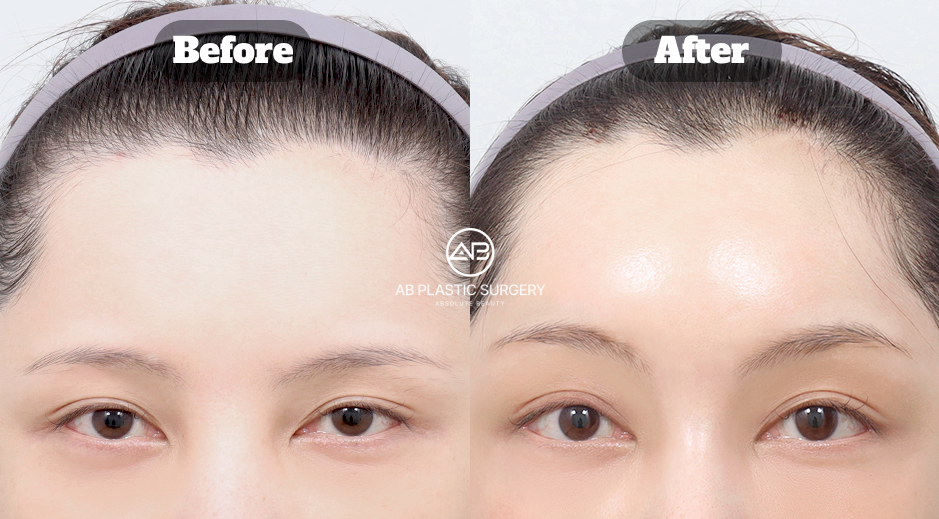
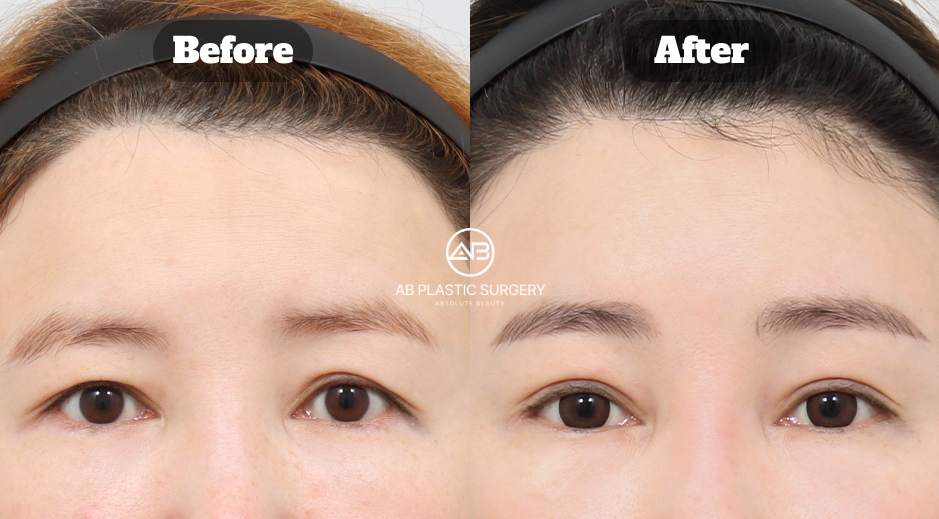
In the upper face, Endotine lift is commonly considered for patients with brow descent that contributes to a tired or heavy appearance around the eyes. When aging primarily affects the position of the brow rather than skin excess alone, internal fixation can help stabilize the repositioned tissue during healing. Depending on clinical findings, evaluation alongside related approaches such as forehead lift surgery may help clarify which upper-face lifting method is most appropriate.
This approach may be suitable for patients seeking correction of brow drooping without extensive forehead dissection, depending on individual anatomy and degree of descent.
Midface Region
The midface is a frequent area of concern when aging leads to downward movement of cheek fat pads and soft tissue, resulting in a flattened or fatigued appearance. In such cases, Endotine lift may be used to support repositioning of midfacial tissue toward a more anatomically appropriate position.
This application focuses on restoring structural support rather than surface tightening, which can be particularly relevant when volume loss and tissue descent occur simultaneously.
Selected Combined Lifting Cases
In some patients, Endotine lift may be incorporated into combined lifting strategies when multiple facial regions show interconnected patterns of descent. Rather than treating each area in isolation, fixation-based lifting can support overall balance by stabilizing repositioned tissue as part of a broader surgical plan.
At AB Plastic Surgery Korea, the decision to apply Endotine lift to specific areas is based on anatomical assessment and aging mechanisms rather than predefined treatment zones. This individualized approach helps ensure that lifting efforts address the underlying structural cause of facial aging.
Surgical Process and Recovery Timeline
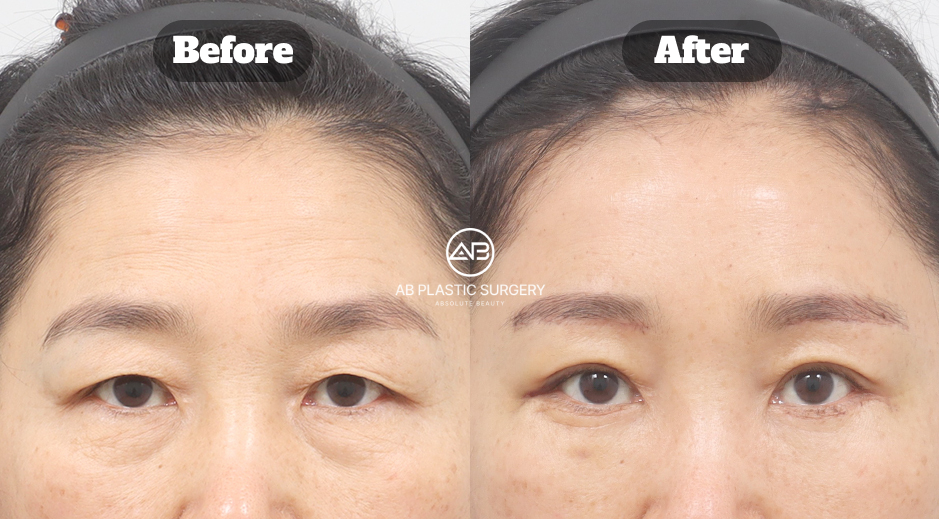
An Endotine lift is performed as a surgical procedure, and its process and recovery should be understood within the context of facial lifting surgery rather than non-invasive treatments. While specific techniques may vary depending on the treated area and individual anatomy, the overall approach focuses on repositioning descended tissue and stabilizing it during the healing phase.
Overview of the Surgical Process
The procedure generally involves creating limited incisions in anatomically appropriate locations, followed by careful elevation and repositioning of soft tissue. A bioabsorbable fixation device is then used to secure the tissue in its new position, providing internal support while natural healing occurs.
Because Endotine lift relies on internal fixation rather than surface tension alone, the surgical plan emphasizes precise anatomical placement and controlled stabilization. At AB Plastic Surgery Korea, this process is guided by preoperative assessment of facial structure, tissue quality, and aging patterns.
Early Recovery Phase
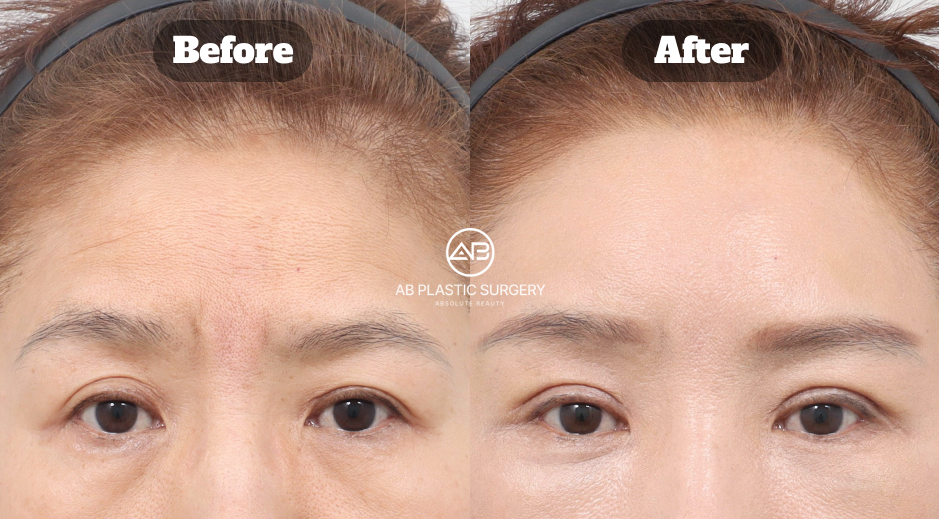
In the initial recovery period, patients may experience swelling, mild bruising, and a sensation of tightness in the treated area. These responses are typical following facial lifting surgery and gradually improve over time.
Most patients are able to resume light daily activities within the first one to two weeks, though some visible swelling may persist during this phase. Postoperative care instructions are provided to support safe healing and minimize discomfort.
Mid-Term Recovery and Tissue Stabilization
Over the following weeks, swelling continues to subside as the repositioned tissue adapts to its new position. The bioabsorbable fixation device remains in place during this period, supporting stability while internal healing progresses.
As the device gradually absorbs, long-term tissue stability is maintained through natural adhesion and healing processes. This phase is important for achieving balanced and predictable results.
Considerations for International Patients
For international patients, recovery planning should take into account both medical follow-up and travel schedules. While short-term stays may be sufficient for initial postoperative care, individual recovery timelines vary depending on surgical scope and personal healing response.
At AB Plastic Surgery Korea, postoperative guidance and follow-up planning are structured to support patients throughout the recovery period, helping ensure continuity of care even after returning home.
How Much Does an Endotine Lift Cost in Korea?
Because an Endotine lift is a surgical fixation technique rather than a standalone cosmetic procedure, pricing depends on the operation in which the Endotine system is used. After evaluating facial anatomy, tissue laxity, and treatment goals, your surgeon will recommend the most appropriate lifting procedure.
|
Procedure |
Starting Price (USD) |
|---|---|
|
Forehead Lift (commonly combined with Endotine fixation) |
From $4,490 |
|
Semi Full Facelift |
From $5,240 |
|
Full Facelift |
From $7,480 |
|
Ponytail Lift |
From $5,990 |
Please note: Estimated prices are provided as a general reference. Because Endotine fixation is incorporated into different lifting procedures rather than performed as an independent surgery, the final treatment plan and cost depend on the area being treated, the surgical technique selected, and whether additional lifting procedures are recommended after clinical evaluation.
→ View Plastic Surgery Costs in Korea & Request Your Personalized Quote
Frequently Asked Questions About Endotine Lift
Is an Endotine lift considered a surgical procedure?
Yes. An Endotine lift is a surgical facial lifting procedure that involves internal tissue repositioning and fixation. It differs from non-surgical treatments such as thread lifting or energy-based tightening, which do not involve surgical elevation of soft tissue.
How is an Endotine lift different from thread lifting?
Thread lifting relies on threads placed within the superficial tissue layer to provide lifting through tension. An Endotine lift, on the other hand, uses a bioabsorbable fixation device to stabilize repositioned soft tissue internally, which may offer greater positional support during the healing process.
How long does the Endotine fixation device remain in the body?
The fixation device used in an Endotine lift is made of bioabsorbable material. It gradually dissolves over time and does not require a separate procedure for removal. The absorption process allows the body’s natural healing mechanisms to maintain tissue stability.
Can an Endotine lift be combined with other facial procedures?
Depending on the patient’s condition and treatment goals, an Endotine lift may be performed alongside other facial lifting or rejuvenation procedures. Combined approaches are planned carefully to address overall facial balance and recovery considerations.
Is an Endotine lift suitable for everyone seeking facial lifting?
No. Suitability depends on factors such as the degree of tissue descent, skin quality, facial anatomy, and overall health. A consultation-based evaluation is necessary to determine whether an Endotine lift is an appropriate option or if another lifting method may be more suitable.
How much does an Endotine lift cost in Korea?
Because Endotine is a fixation system used during selected lifting procedures rather than a standalone surgery, there is no single fixed price. Procedures that commonly incorporate Endotine techniques generally start from approximately $4,490 USD, although the final cost varies according to the surgical plan, treatment area, and whether additional lifting procedures are performed together.
Why Consider Endotine Lift at AB Plastic Surgery Korea
Choosing an appropriate lifting procedure involves more than selecting a surgical method. Accurate assessment, surgical planning, and postoperative management all play critical roles in achieving stable and balanced outcomes. At AB Plastic Surgery Korea, Endotine lift is approached within a structured clinical framework rather than as a standalone technique.
Board-Certified Surgeons and Lifting-Focused Expertise
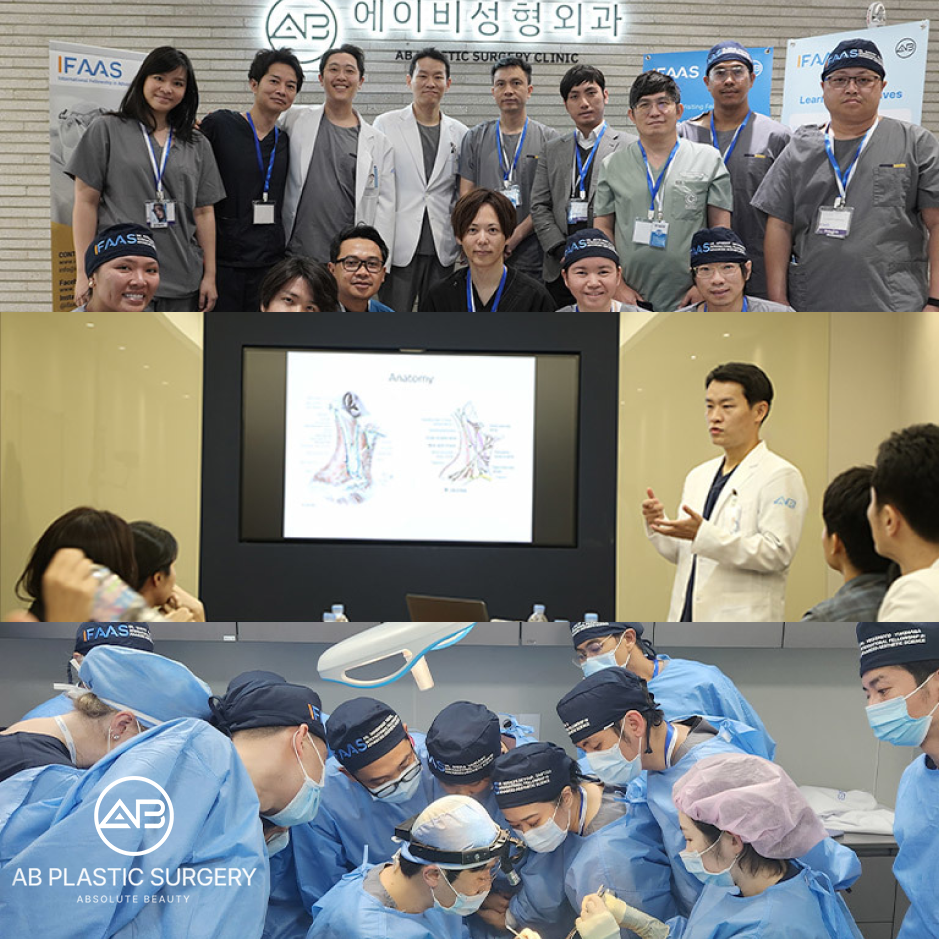
Endotine lift procedures at AB Plastic Surgery Korea are performed by board-certified plastic surgeons with focused experience in facial lifting surgery. Treatment planning is based on anatomical evaluation and aging mechanisms, allowing the surgical approach to be selected according to structural needs rather than generalized trends.
Anatomy-Based Customized Surgical Planning
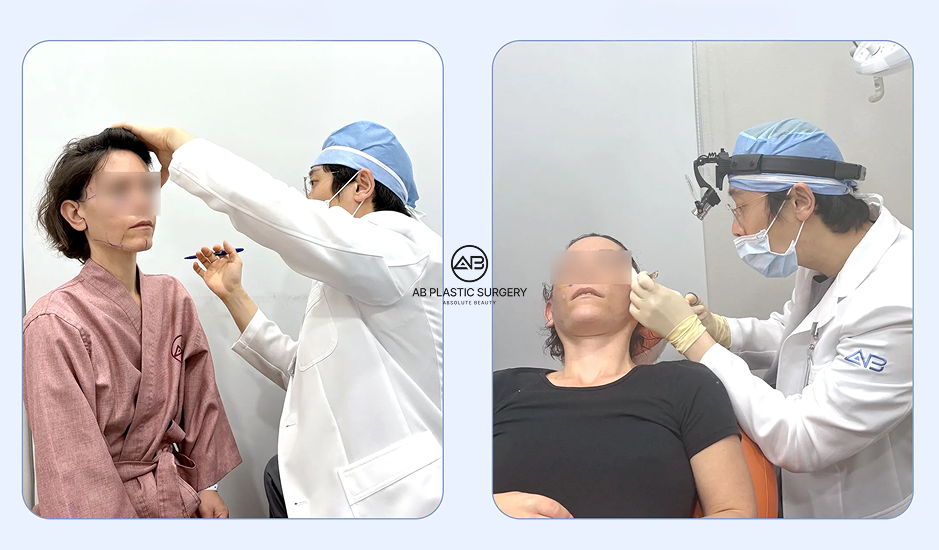
Each Endotine lift is planned through individualized assessment of facial structure, tissue quality, and degree of descent. Rather than applying uniform lifting vectors, surgical design is adjusted to reflect how aging presents in each patient, supporting natural alignment and proportion.
Systemized Safety Management and Postoperative Care
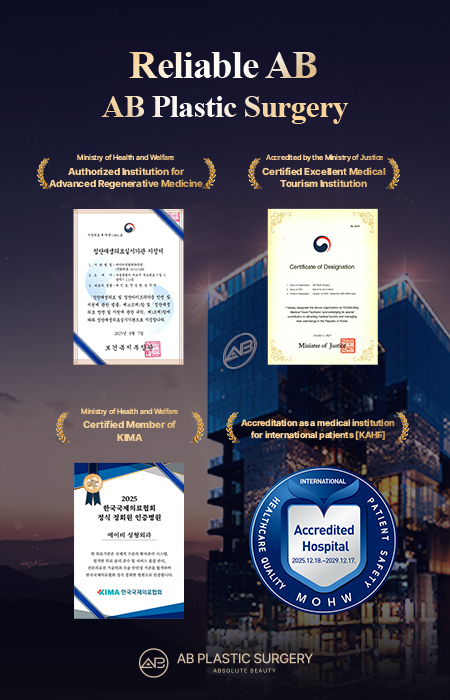
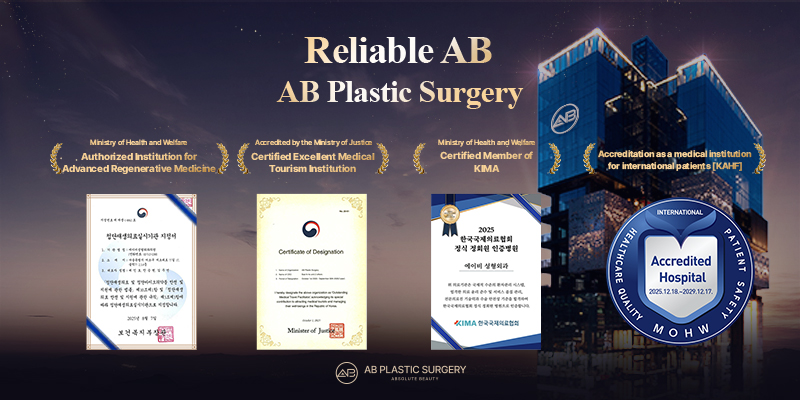
AB Plastic Surgery Korea emphasizes systemized safety protocols throughout the surgical process, including anesthesia management, intraoperative monitoring, and structured postoperative care. These systems are designed to support patient safety and continuity of care, particularly for international patients undergoing facial lifting procedures.
For individuals considering Endotine lift as part of a broader facial rejuvenation strategy, reviewing patient experiences and recovery stories may help provide additional context regarding postoperative care and recovery progression. A personalized treatment plan, including procedural scope and expected recovery, is determined through consultation and medical assessment rather than standardized criteria. For further information, a personalized consultation and cost assessment can be requested based on individual needs.

This article is for informational purposes only and does not replace a personal medical consultation.