Title
Plastic Surgery in Korea for Foreigners: FAQs | ABDate
2024-07-24Views
43057
AB Blog
Plastic Surgery in Korea for Foreigners: Planning FAQs
Table of Contents
1. Can Foreigners Go to Korea for Plastic Surgery?
2. How Long Should I Stay in Korea for Plastic Surgery?
3. How Much Does It Cost to Get Plastic Surgery in Korea?
4. How to Pay for Plastic Surgery in Korea?
5. Is Korea Number 1 for Plastic Surgery?
6. Is There an Age Limit for Plastic Surgery in South Korea?
7. Tips for Planning Your Trip
8. How AB Plastic Surgery Korea Protects International Patients
Foreign patients can have plastic surgery in South Korea, but a safe trip depends on four things you should confirm before you book: a medical assessment and the entry requirements for your nationality; a stay long enough to cover consultation, surgery, follow-up visits, and a final check before your flight; a written quote that states exactly what is included; and a clear plan for aftercare and communication once you are back home. This guide answers the questions international patients most often ask on Google and Reddit, and explains what changes the answer in each case.
5 Things to Confirm Before You Book Plastic Surgery in Korea
-
Eligibility: Your health history has been reviewed, and you know whether your nationality needs a visa or K-ETA for the length of your stay.
-
Schedule: Your itinerary includes the consultation, pre-operative tests, surgery, stitch or splint removal, and a fit-to-fly check by your surgeon, plus a few buffer days.
-
Quote: Your quote lists what is and is not included (anesthesia, tests, medication, follow-up visits, taxes) and what would change the price.
-
Safety system: You know who performs your surgery, who manages anesthesia, and how the clinic handles emergencies.
-
Aftercare: You know which documents you will receive before leaving, who to contact after you return home, and what happens if additional treatment is needed.
Can Foreigners Go to Korea for Plastic Surgery?
Short answer: Yes. Foreigners are welcome to undergo plastic surgery in South Korea, and the country has a well-established medical tourism system for international patients. Before surgery is confirmed, however, two things need to be checked: whether you are medically suitable for the procedure, and whether you meet the entry requirements for your planned length of stay.
What depends on your situation:
-
Medical suitability: Your surgeon reviews your health history, current medications, and previous surgeries. Final approval is given only after in-person examination and pre-operative tests in Korea.
-
Entry requirements: Depending on your nationality, you may enter visa-free, need a K-ETA, or need a visa. If recovery requires a longer stay, check whether a medical visa applies to you.
-
Language support: Ask whether consultations, consent forms, and aftercare instructions are explained in your language by a medical interpreter, not only by a sales coordinator.
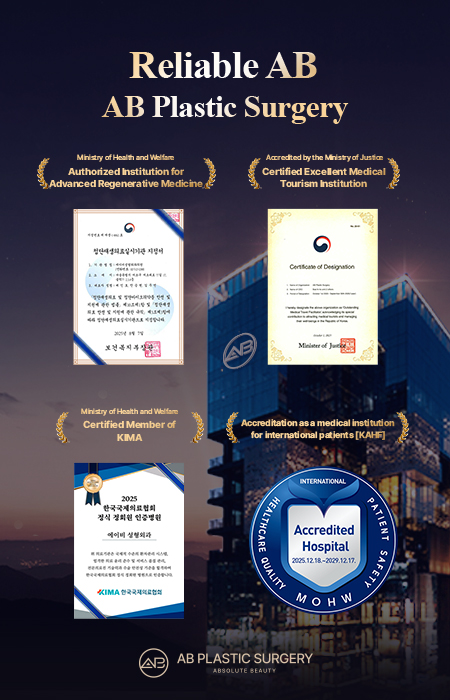
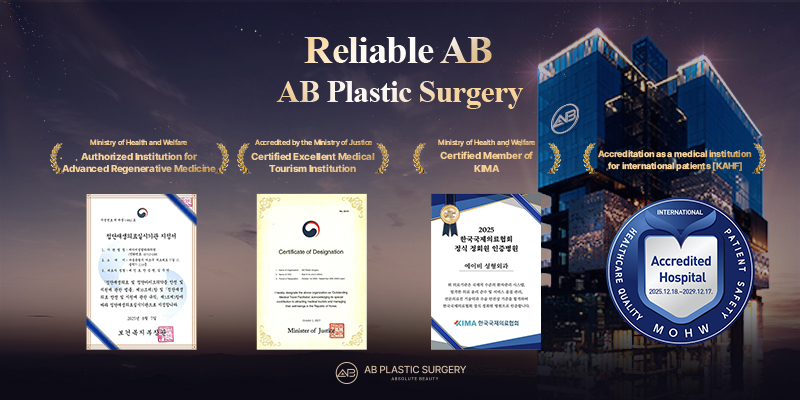
Many clinics, such as AB Plastic Surgery Korea, offer services designed for foreign patients, including English-speaking staff and coordinators who assist from consultation through post-operative care. AB Plastic Surgery Korea was designated by Korea's Ministry of Justice as an Excellent Medical Tourism Attraction Institution for 2025. According to the clinic, this designation allows eligible patients to apply for a medical e-visa with simplified documents, typically issued within about three days.

How Long Should I Stay in Korea for Plastic Surgery?
Short answer: It depends on the procedure, the surgical technique, and how you recover. Your stay should cover four stages, not just the operation itself: consultation and tests, surgery, follow-up visits such as stitch or splint removal, and a final check before your flight home.
As a general starting point for planning, many patients allow:
-
Non-surgical treatments (e.g., Botox): often a short stay, but confirm any follow-up visit first
-
Eyelid surgery (e.g., Double Eyelid Surgery): about 7–10 days
-
Moderate Procedures (e.g., Rhinoplasty, Breast Augmentation): 10–14 days
-
Major Procedures (e.g., Facelift, Full Body Contouring): 2–3 weeks
Important: The day your stitches come out is not automatically the day you can fly. Public guidance from the US Centers for Disease Control and Prevention (CDC) advises medical tourists not to fly for 10 days after chest or abdominal surgery, and the American Society of Plastic Surgeons (ASPS) suggests waiting about 7–10 days after facial, eyelid, or nose procedures. These are general guidelines; your own departure date should be confirmed by your surgeon after examining you.
You can check how long you should stay in Korea for a particular type of surgery on our website. Simply go to the surgery you are interested in, scroll down until you see the table, click on the table, choose the entry date, and it will calculate everything for you!

How Much Does It Cost to Get Plastic Surgery in Korea?
Short answer: Cost depends on the procedure, the surgical technique, the materials used, and whether it is a primary or revision surgery. The most reliable way to compare clinics is to compare written quotes that state what is included, not headline prices.
The table below shows AB Plastic Surgery Korea's published starting prices for the procedures most often asked about. USD figures are converted at KRW 1,470 = USD 1 and are for reference only; final pricing is confirmed after consultation.
Prices are starting prices for reference and may change with individual anatomy, surgical plan, and combined procedures. Revision surgeries are quoted separately because they often require correcting scar tissue or previous implants.
Ask for a quote that answers these questions:
AB Plastic Surgery Korea states that, depending on the procedure and price range, confirmed international patients may receive complimentary services such as a medical interpreter, CT imaging and a health check-up, swelling-relief laser care, airport pickup, up to five nights of hotel accommodation, and an aftercare kit. Because these vary by procedure, ask which apply to your quote.
To get an itemized quote for your procedure, send your goals and photos to AB’s consulting team, and ask them to list exactly what your price includes.
How to Pay for Plastic Surgery in Korea?
Short answer: Most clinics in Korea accept major credit and debit cards, and some accept international bank transfers or cash. Accepted methods differ by clinic, so confirm payment terms, including deposits and refunds, before you travel.
Common payment methods include:
-
Credit/Debit Cards: Visa, MasterCard, and other major cards
-
Bank Transfers: Some clinics accept international wire transfers
-
Cash: Accepted at many clinics; ask whether payment method affects the final amount rather than assuming a discount
Confirm these payment terms before booking:
-
Deposit: Whether a reservation deposit is required, how much, and when it is due
-
Cancellation and refund: What happens to your deposit if you cancel, reschedule, or are found medically unsuitable after testing
-
Currency and fees: Whether you pay in KRW or USD, which exchange rate applies, and whether your bank or card adds foreign transaction fees
-
Documents: Whether you will receive an itemized receipt and medical records, which you may need for insurance or personal records

Is Korea Number 1 for Plastic Surgery?
Short answer: South Korea is widely regarded as one of the leading destinations for plastic surgery, known for experienced surgeons, specialized clinics, and established support for international patients. However, no official body ranks countries for surgical safety. What matters more for your result is the specific clinic and surgeon you choose.
Instead of choosing by country reputation, evaluate a clinic with these criteria:
Why does an accreditation like KAHF matter from a patient's point of view? International patients face risks that local patients do not: language barriers, incomplete explanations, limited follow-up after returning home, and uncertainty about responsibility if something goes wrong. The KAHF accreditation evaluates exactly these areas, including patient safety management, infection prevention, emergency response, and medical staff training, so it tells you the clinic's system for foreign patients has been checked against national standards rather than described in advertising.
You can review AB Plastic Surgery Korea’s accreditations and safety system before your consultation.
Is There an Age Limit for Plastic Surgery in South Korea?
Short answer: There is no fixed upper age limit for plastic surgery in South Korea; suitability is decided by a medical assessment. For younger patients, consent requirements apply. Under Korea's Civil Act (Article 4), a person becomes an adult at 19, but the documents and consent required for a foreign patient under that age are confirmed individually by the clinic.
What applies to you:
-
Patients under 19: Ask the clinic in advance which consent forms and guardian documents are required, and whether the procedure is appropriate at your stage of growth.
-
Older patients: Age alone does not rule out surgery, but a thorough pre-operative assessment is essential. Conditions such as high blood pressure, diabetes, or blood-thinning medication can change the surgical and anesthesia plan.
At AB Plastic Surgery Korea, pre-operative screening is run by an in-house clinical pathologist and reviewed by an anesthesiology specialist, who confirms anesthesia suitability before every surgery. Depending on the procedure, 3D-CT imaging is used to assess bone structure and nerve position before surgical planning.

Tips for Planning Your Trip
Research and Selection
-
Online Reviews: Check platforms like RealSelf, Reddit, and medical tourism forums, and give more weight to reviews that describe recovery and aftercare, not only results.
-
Consultations: Schedule multiple online consultations to compare surgeons and clinics, and ask each one who will perform and supervise your surgery.
-
Accreditations: Check that the clinic is registered with Korea's Ministry of Health and Welfare to treat international patients, and look for national accreditation such as KAHF.
Real outcomes help you set realistic expectations. You can browse AB Plastic Surgery Korea’s before-and-after photos by procedure to see results similar to what you are considering.
Travel and Accommodation
-
Flights: Book flexible tickets and plan your return only after your fit-to-fly date is confirmed. Consider travel insurance, but check whether it covers cosmetic surgery and its complications, since many policies exclude them.
-
Accommodation: Choose a hotel or Airbnb close to your clinic. Some clinics offer packages including accommodation.
-
Language Assistance: Ensure the clinic offers translation services or hire a translator.
Pre-Trip Preparations
-
Medical Records: Prepare and, if necessary, translate your medical records, including previous surgeries and current medications.
-
Passport and Visa: Ensure your passport is valid and check whether you need a visa or K-ETA for your full stay.
-
Financial Arrangements: Confirm accepted payment methods, deposit and refund terms, and prepare for potential additional costs.
During Your Stay
-
Communication: Purchase a local SIM card or rent a portable Wi-Fi device.
-
Rest and Nutrition: Plan for ample rest and maintain a nutritious diet post-surgery.
-
Emergency Contacts: Keep a list of emergency contacts, including your surgeon, your coordinator, and a local hospital.
Post-Surgery Tips
-
Follow-Up Appointments: Attend all follow-up appointments and adhere to care instructions.
-
Recovery Time: Allow adequate time for recovery, and fly only after your surgeon confirms you are fit to travel.
-
Continued Communication: Stay in touch with your surgeon for any post-operative concerns, using the contact channel agreed before you leave.
Before you fly home, make sure you have:
-
A summary of your procedure, a list of prescribed medications, and written aftercare instructions
-
The contact channel for questions after you return, and the hours and languages in which it responds
-
A clear explanation of which issues can be checked remotely (for example, by photo) and which require an in-person visit
-
An understanding of where additional treatment would take place if needed, and who pays for it
-
Confirmation from your insurer of whether problems related to cosmetic surgery are covered in your home country
AB Plastic Surgery Korea assigns each patient a dedicated coordinator and operates a 24-hour emergency call line for post-operative concerns. Ask your coordinator how follow-up works from your home country and time zone before you leave Korea.
How AB Plastic Surgery Korea Protects International Patients
In short: AB Plastic Surgery Korea's credentials are verifiable through government designations, academic presentations, and a documented safety system. Each one answers a specific concern international patients have when choosing a clinic abroad.
Government Accreditations and Designations
Academic Activity: Surgeons Who Teach the Technique
AB's surgeons do not only learn established techniques; they are invited to teach them to other plastic surgeons. Recent activity includes lectures at APS KOREA 2025 and 2026 on rhinoplasty, facelift, endoscopic forehead lift, and neck lift; a presentation at PRS KOREA 2025 on combining facelift with lower blepharoplasty; a lecture on endoscopic forehead lift at the Korean Association of Plastic Surgeons' 2025 fall seminar; and repeated live surgery and lectures for overseas surgeons through the IFAAS training program. AB is also an educational cooperative hospital of Seoul National University Bundang Hospital and has signed cooperation agreements with Hallym University Dongtan Sacred Heart Hospital and Kwangdong Hospital.
Patient Safety System From Consultation to Recovery
-
Before surgery: In-house pre-operative screening by a clinical pathologist, anesthesia suitability review, 3D-CT where needed, and in-house blood crossmatching
-
During surgery: Surgeon real-name system, CCTV across the operating area, board-certified anesthesiologists on-site with real-time monitoring, and university hospital-grade emergency equipment
-
After surgery: Recovery monitoring by the anesthesiology team, discharge only after medical staff confirm your condition, a dedicated coordinator, and a 24-hour emergency call line
AB Plastic Surgery Korea states it has recorded zero medical accident cases since opening in September 2020. For detailed explanations of how each step works, read the medical columns written by AB’s surgeons.
South Korea offers a strong option for plastic surgery, but a successful trip comes from preparation rather than reputation alone. Confirm your eligibility, plan a schedule that includes follow-up visits and a fit-to-fly check, compare itemized quotes, and know your aftercare plan before you book. Whether you're enhancing your features or rejuvenating your appearance, choosing a clinic with a verifiable safety system lets you focus on your recovery.
Choosing the right surgeon is the most important decision in your plan. Meet AB Plastic Surgery Korea’s surgeons and their specialties, then contact our team to schedule your consultation. We're here to support you throughout your medical journey in South Korea.
Sources referenced in this guide: Korea Civil Act, Article 4 (age of majority); US CDC guidance on medical tourism (air travel after chest or abdominal surgery); American Society of Plastic Surgeons briefing paper on cosmetic surgery tourism (air travel after facial procedures); AB Plastic Surgery Korea official announcements (KAHF, KIMA, Ministry of Justice, and Ministry of Health and Welfare designations; academic activities; safety system data). Prices: AB Plastic Surgery Korea official price list.

This article is for informational purposes only and does not replace a personal medical consultation.