Title
Ethnic Rhinoplasty in Korea: Natural Results for Every Nose Type | AB Plastic SurgeryDate
2026-02-26Views
2729
AB Blog
Why Ethnic Rhinoplasty Revisions Happen Repeatedly
Table of Contents
1. What Is Ethnic Rhinoplasty and Why It Is Different
2. Common Anatomical Characteristics in Ethnic Noses
3. The Most Common Mistakes in Primary Ethnic Rhinoplasty
4. Why Revision Rates Are Higher in Ethnic Rhinoplasty
5. Structural vs Aesthetic Failure: What Really Causes Revisions
6. How Proper Ethnic Rhinoplasty Should Be Planned
7. Ethnic Rhinoplasty Revision: What Patients Should Know
8. Why AB Plastic Surgery Korea Approaches Ethnic Rhinoplasty Differently
Ethnic rhinoplasty has one of the highest revision rates among nose surgeries performed on international patients. In many cases, revision surgery is not requested because patients want dramatic changes, but because the original results fail to remain stable over time.
Common problems such as tip drooping, asymmetry, implant visibility, or breathing discomfort often appear months or years after the initial procedure. These outcomes are rarely accidental. They are usually linked to how the procedure was planned, particularly when anatomical differences are underestimated or ignored.
This guide explains the real medical reasons why ethnic rhinoplasty revisions happen repeatedly and what should be considered to achieve structurally stable, long-term results.
Medical Tourism in Korea: A Guide for International Patients
What Is Ethnic Rhinoplasty and Why It Is Different
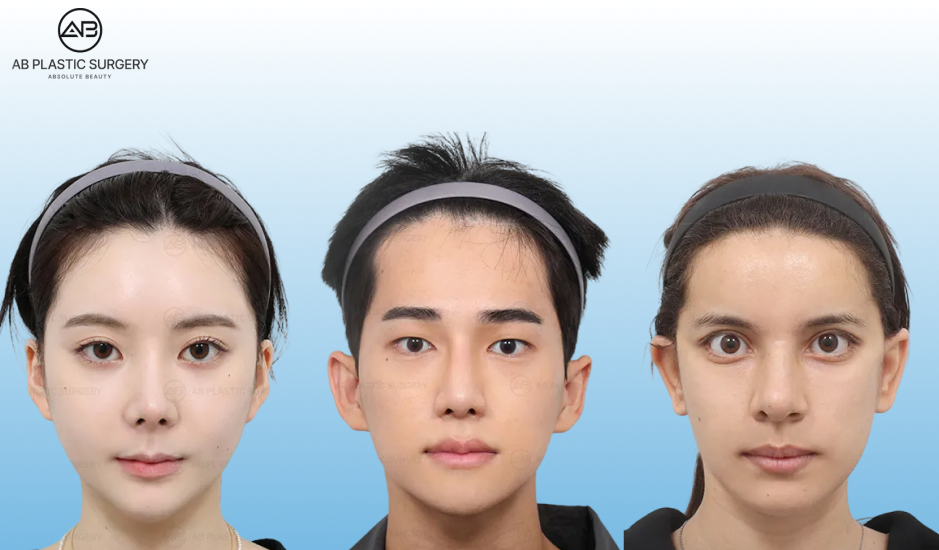
Ethnic rhinoplasty refers to nose surgery that is specifically designed to respect and accommodate anatomical characteristics commonly found in non-Caucasian patients. Rather than standardizing the nose shape, this approach focuses on maintaining ethnic identity while improving nasal structure, balance, and function.
For many international patients, the goal is not dramatic transformation, but subtle refinement that harmonizes with existing facial features. This is precisely why surgical planning must differ from conventional rhinoplasty techniques.
Why Standard Rhinoplasty Techniques Often Fail
One of the most common causes of dissatisfaction and revision rhinoplasty in ethnic patients is the application of standardized surgical methods originally developed for Caucasian nasal anatomy. These techniques often prioritize height and definition without sufficiently considering structural support.
When applied to ethnic noses, such methods can lead to results that appear acceptable immediately after surgery but deteriorate over time as tissues settle and swelling subsides.
-
Thicker nasal skin that limits surface definition
-
Weaker cartilage support in the nasal tip and bridge
-
Lower nasal dorsum requiring structural reinforcement
-
Wider nasal base affecting overall facial balance
Ethnic Rhinoplasty Requires a Structural Approach
Unlike aesthetic-focused rhinoplasty, this procedure must prioritize internal support and long-term stability. Simply adding height or narrowing the nose without reinforcing the underlying framework increases the likelihood of collapse, asymmetry, or implant-related complications.
A proper approach considers how the nose will behave not only immediately after surgery, but years later. This structural perspective is essential for reducing the risk of repeated revision procedures.
Balancing Aesthetic Goals and Nasal Function
Another defining difference of ethnic rhinoplasty is the need to balance aesthetic refinement with nasal function. Overcorrection or aggressive reshaping can compromise airflow, leading to breathing discomfort that may not appear until long after surgery.
For this reason, successful nose surgery for ethnic features requires a comprehensive evaluation of nasal anatomy, skin characteristics, and functional stability — not just visual preference.
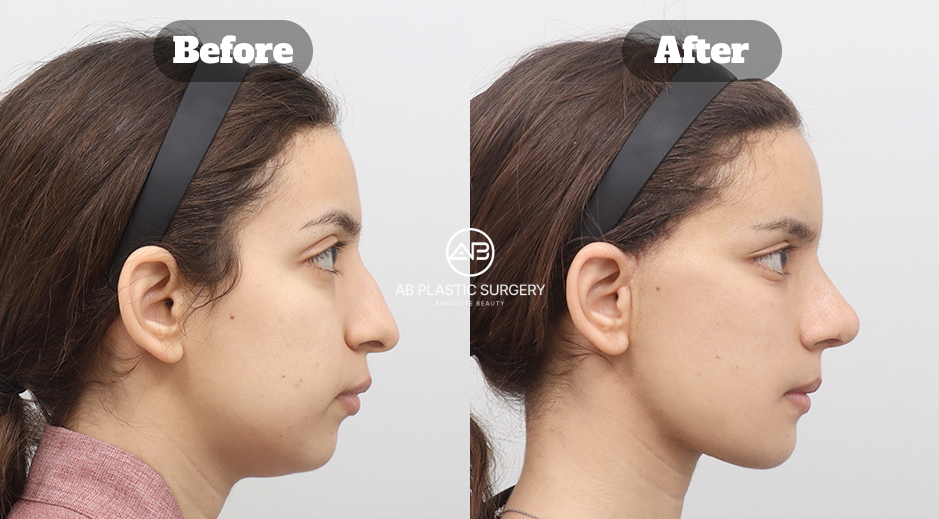
Common Anatomical Characteristics on Ethnic Noses
Understanding the anatomical structure of ethnic noses is essential for achieving stable outcomes. Many revision cases occur not because the surgery was technically poor, but because these anatomical characteristics were not fully considered during the initial planning stage.
While individual features vary by ethnicity and patient, several structural patterns are commonly observed and directly influence surgical design and long-term stability.
Thicker Skin and Soft Tissue Envelope
One of the most defining characteristics in ethnic noses is thicker nasal skin. Thick skin can limit surface definition and mask underlying structural changes, making it more difficult to achieve sharp contours using surface-level techniques alone.
When surgeons attempt to compensate by overusing implants or excessive projection, the result may look acceptable initially but often leads to unnatural contours, delayed definition, or long-term instability.
Weaker Cartilage Support
Many ethnic noses have relatively weaker cartilage structures, particularly in the nasal tip. Without proper reinforcement, the nasal framework may not be able to support added height or projection over time.
This structural limitation is a key reason why tip drooping, asymmetry, and shape regression are frequently observed in nose surgery for ethnic features.
-
Insufficient tip support leading to gradual collapse
-
Loss of projection as swelling resolves
-
Asymmetry caused by uneven cartilage strength
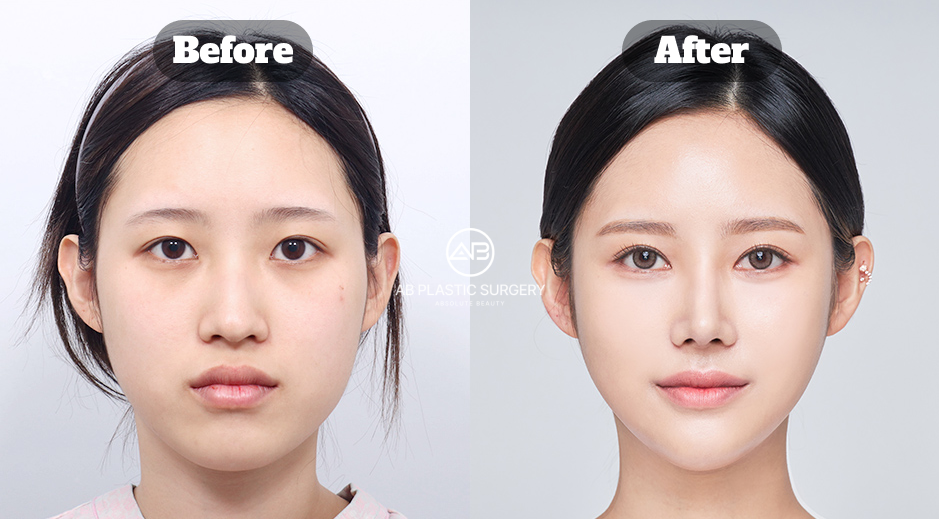
Lower Nasal Bridge and Dorsal Profile
A lower nasal dorsum is another common feature that requires careful structural planning. Simply adding height without reinforcing the underlying framework increases the risk of implant movement, visibility, or long-term distortion.
For this reason, structural support must be considered alongside aesthetic height to ensure the nose remains balanced and stable as tissues settle.
Wider Nasal Base and Facial Proportion
Ethnic noses often present with a wider nasal base, which plays a significant role in overall facial harmony. Reducing width without considering surrounding facial proportions can result in an unnatural appearance or compromised nasal function.
Successful nose surgery for ethnic features requires proportional adjustment rather than excessive narrowing, ensuring that changes align naturally with the patient’s facial structure.
Together, these anatomical characteristics explain why standardized rhinoplasty techniques often fall short in ethnic patients. Without a structural approach tailored to these features, the likelihood of revision surgery increases significantly.
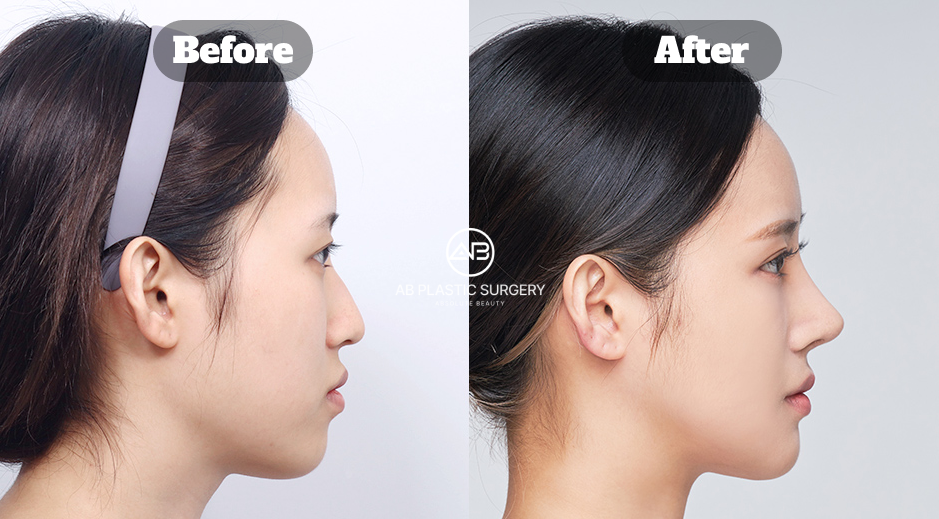
The Most Common Mistakes in Primary Ethnic Rhinoplasty
Many revision cases in nose surgery for ethnic features can be traced back to mistakes made during the initial surgery. These issues are rarely caused by a single technical error. Instead, they result from planning decisions that fail to account for the structural demands of ethnic nasal anatomy.
When the primary procedure focuses mainly on visual change rather than long-term support, problems often emerge as healing progresses and swelling subsides.
Overemphasis on Height and Projection
One of the most common mistakes in nose surgery for ethnic features is prioritizing nasal height without reinforcing the underlying structure. While increased projection may satisfy short-term aesthetic expectations, it places excessive stress on already weak cartilage.
Over time, this imbalance can lead to tip drooping, loss of definition, or implant-related complications.
Excessive Reliance on Implants
In some primary surgeries, implants are used as a shortcut to achieve visible change. However, in ethnic noses with thicker skin and limited cartilage support, implants alone often fail to provide stable, long-term results.
This approach increases the risk of implant movement, visibility, or inflammation — common reasons patients seek revision rhinoplasty.
-
Implant shifting due to insufficient support
-
Visible edges under thick skin over time
-
Inflammation or discomfort during healing
Ignoring Skin Thickness and Healing Behavior
Another critical error is underestimating how thick nasal skin responds during healing. Thick skin does not contract or adapt in the same way as thinner skin, making surface refinement alone ineffective.
Without proper internal shaping and support, the final result may appear blunt, asymmetrical, or unstable — even if the surgery initially seemed successful.
Lack of Long-Term Structural Planning
Primary procedures often fails when the surgical plan does not extend beyond the early postoperative period. A nose that looks acceptable at three months may not maintain its shape at one or two years.
Without considering tissue settling, cartilage fatigue, and functional stability, the likelihood of repeated ethnic rhinoplasty revisions increases significantly.
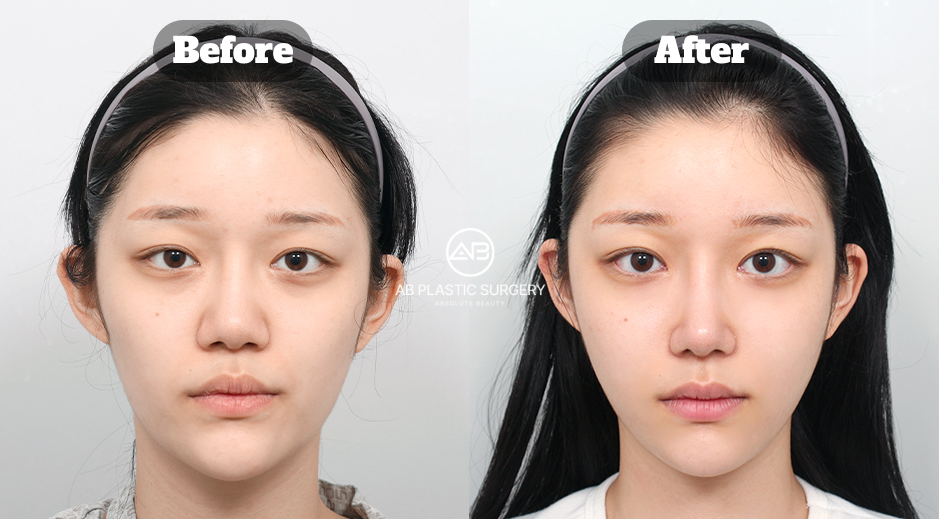
Why Revision Rates Are Higher in Ethnic Rhinoplasty
Ethnic rhinoplasty consistently shows higher revision rates compared to standard rhinoplasty. This is not because ethnic noses are “more difficult,” but because the surgery requires a fundamentally different approach that is often underestimated during the first operation.
When structural limitations are overlooked, the nose may temporarily hold its shape but gradually lose stability as healing progresses. This delayed failure pattern is a defining reason why revision surgery is so common in these cases.
Delayed Structural Failure After Initial Healing
One of the key reasons revision rates are high is that many complications do not appear immediately. As postoperative swelling subsides, the true strength of the internal structure becomes apparent.
In cases where cartilage support is insufficient, the nose may gradually change shape, leading patients to seek revision in nose surgery for ethnic features months or even years after the initial surgery.
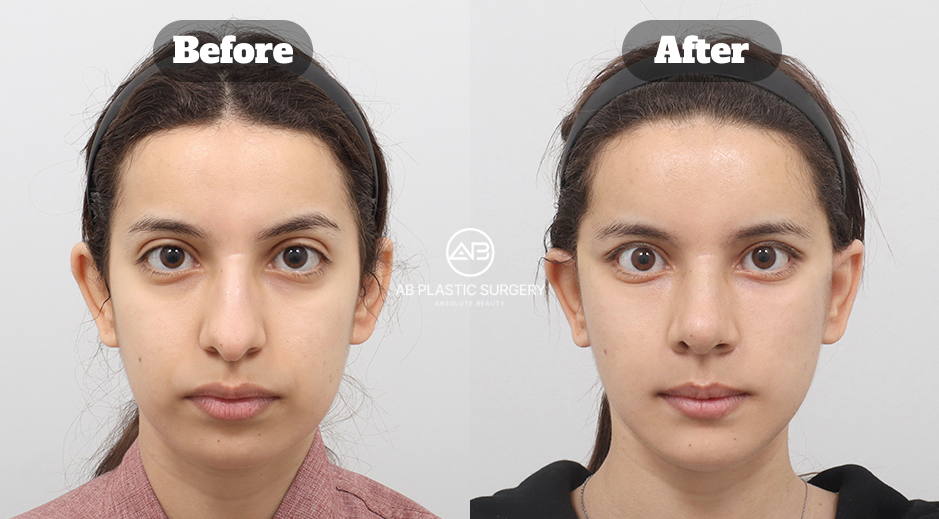
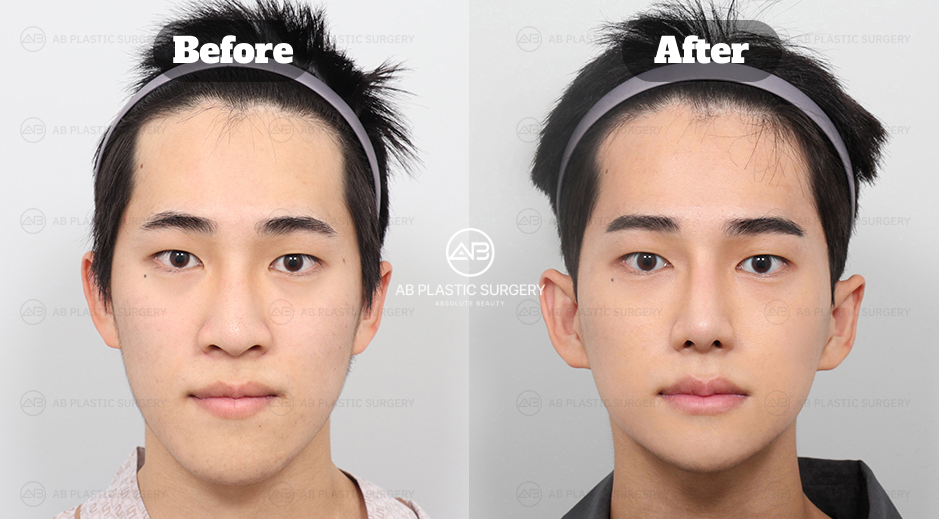
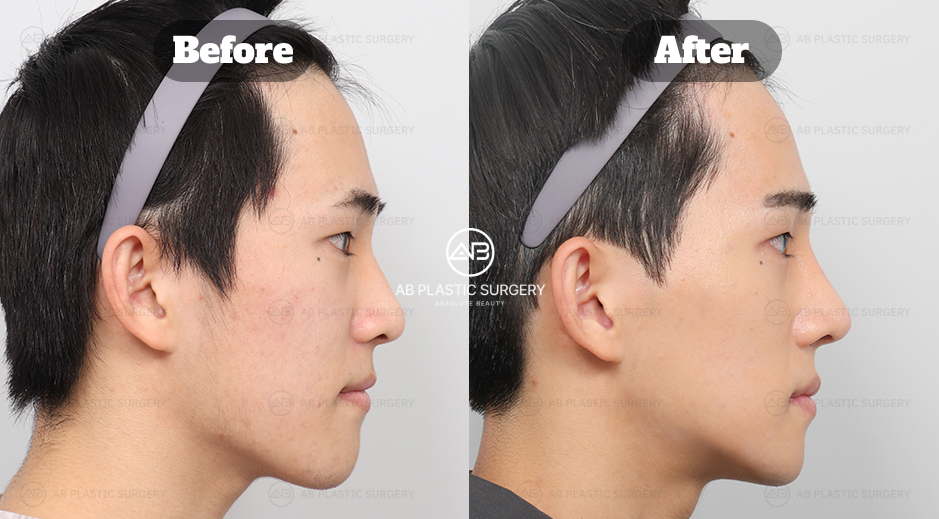
before-and-after rhinoplasty results
Stress Between Thick Skin and Weak Support
The combination of thick nasal skin and limited structural support creates constant downward pressure on the nasal framework. This stress is often underestimated during surgical planning.
Without adequate reinforcement, this imbalance can result in tip drooping, loss of projection, or asymmetry — issues that rarely resolve without revision surgery.
Implant-Related Complications Over Time
Implants used without sufficient structural integration are another major contributor to high revision rates. While they may provide immediate height or definition, they do not adapt biologically to surrounding tissue.
As a result, patients may experience implant movement, visibility, or discomfort, all of which commonly lead to revision rhinoplasty.
-
Implant displacement due to weak foundational support
-
Visible contours under thick skin as swelling decreases
-
Chronic inflammation or foreign body sensation
Mismatch Between Aesthetic Goals and Structural Reality
Another factor driving high revision rates is the mismatch between patient expectations and what their nasal anatomy can structurally support. When aesthetic goals exceed anatomical limits, compromise becomes inevitable.
Without proper guidance and structural planning, the initial surgery may satisfy visual expectations briefly but fail to deliver durable, functional results.
Together, these factors explain why ethnic rhinoplasty requires a more cautious, structure-first approach. When this perspective is missing, revision surgery becomes not an exception, but a predictable outcome.
Structural vs Aesthetic Failure: What Really Causes Revisions
Not all unsatisfactory outcomes in ethnic rhinoplasty are the same. One of the most common misunderstandings among patients is assuming that revision surgery is only required due to aesthetic dissatisfaction.
In reality, many revisions are driven by structural failure rather than surface-level appearance issues. Understanding the difference between these two failure types is critical to preventing repeated revision surgery.
What Is Considered an Aesthetic Failure
An aesthetic failure refers to outcomes where the nose does not meet visual expectations but remains structurally stable. Examples include dissatisfaction with height, definition, or overall shape despite proper internal support.
In these cases, revision surgery is often elective and focused on refinement rather than correction of a medical or structural problem.
-
Preference changes regarding nasal height or projection
-
Desire for sharper definition after swelling resolves
-
Minor asymmetry without functional impact
What Defines Structural Failure in Ethnic Rhinoplasty
Structural failure occurs when the internal framework of the nose cannot maintain the surgical result over time. This type of failure is far more common in ethnic rhinoplasty revisions and often worsens as healing progresses.
Unlike aesthetic concerns, structural problems typically cannot be corrected without surgical intervention.
-
Progressive tip drooping due to weak support
-
Loss of projection as cartilage fatigues
-
Implant shifting or instability
-
Breathing discomfort caused by internal collapse
Why Structural Failure Is Often Misdiagnosed
Structural failure is frequently misinterpreted as a cosmetic issue, especially in the early postoperative period. When swelling masks instability, both patients and surgeons may underestimate the severity of the problem.
By the time visible deformation or functional symptoms appear, revision surgery becomes unavoidable.
The Importance of Identifying the Real Cause
Distinguishing between aesthetic dissatisfaction and structural instability is essential when planning revision surgery. Treating a structural problem as a cosmetic adjustment often leads to repeated failure.
For international patients considering ethnic rhinoplasty, understanding this distinction helps set realistic expectations and highlights why structure-first planning is critical from the initial surgery onward.
How Proper Ethnic Rhinoplasty Should Be Planned
Achieving stable results in ethnic rhinoplasty begins with proper planning. Unlike standard rhinoplasty, this procedure must be designed around long-term structural support rather than immediate visual change.
A successful surgical plan accounts for how the nose will heal, settle, and function over time. When this perspective is applied from the beginning, the risk of revision producers can be significantly reduced.
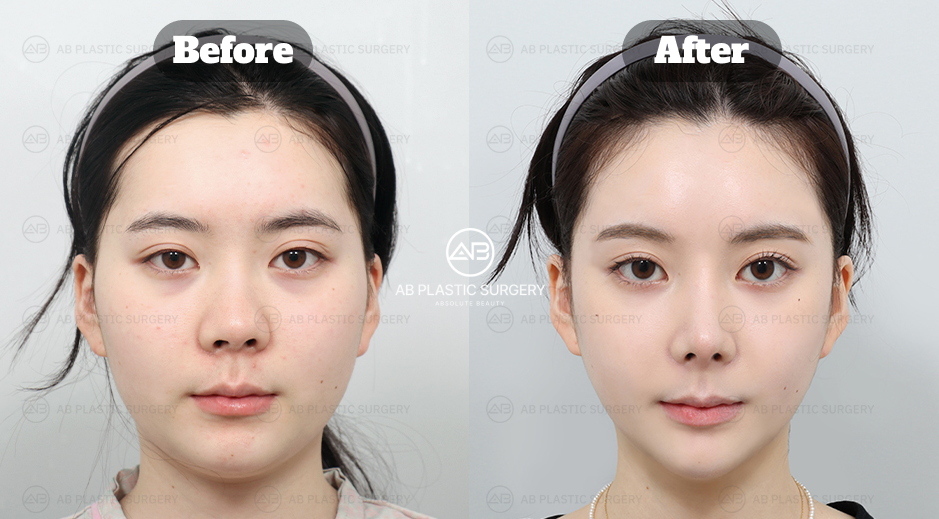
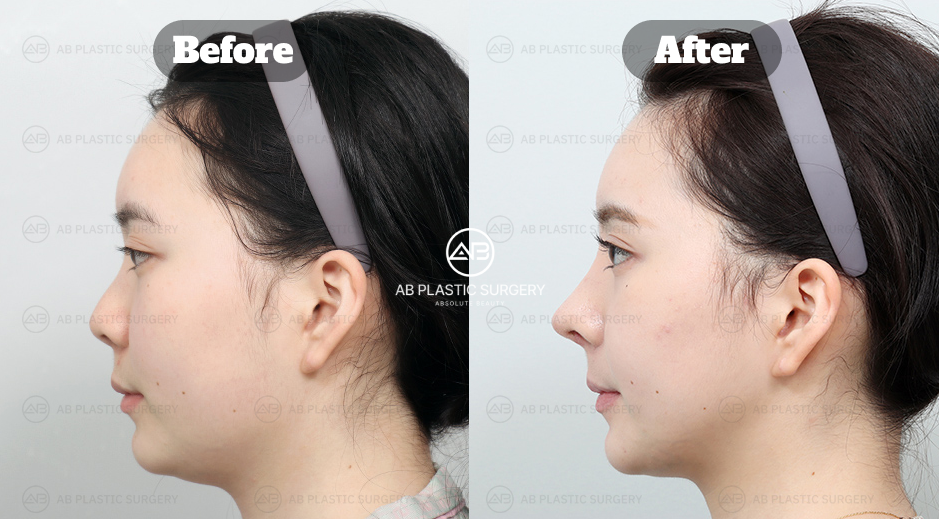
ethnic rhinoplasty procedure details
Prioritizing Structural Support Over Immediate Appearance
The foundation of proper planning in rhinoplasty for diverse noses is a structure-first approach. Instead of focusing solely on height or sharp definition, the surgeon must first ensure that the nasal framework can support the intended changes.
This includes evaluating cartilage strength, skin thickness, and the amount of reinforcement required to maintain projection and symmetry over time.
The Role of Autologous Cartilage in Long-Term Stability
In many cases, autologous cartilage plays a critical role in achieving durable results in ethnic rhinoplasty. Compared to synthetic materials, the patient’s own cartilage integrates more naturally with existing tissue and provides reliable structural support.
Using cartilage strategically helps reduce complications such as implant movement, visibility, and long-term deformation — common triggers for revision surgery.
-
Improved structural reinforcement for weak nasal tips
-
Better compatibility with thick skin
-
Lower risk of long-term instability
Designing for Skin Behavior and Healing Patterns
Proper planning also requires anticipating how thick nasal skin will behave during healing. Skin thickness influences how definition appears and how well the nose adapts to underlying structural changes.
Without accounting for these factors, even well-executed surgery may produce blunt contours or delayed instability.
Balancing Aesthetic Goals With Functional Safety
Ethnic rhinoplasty planning must balance visual refinement with nasal function. Overly aggressive reshaping can compromise airflow and lead to breathing discomfort that may not be immediately noticeable.
A comprehensive plan evaluates both aesthetic objectives and functional integrity to ensure that long-term outcomes remain stable and comfortable.
Why Long-Term Planning Prevents Repeated Revisions
When ethnic rhinoplasty is planned with long-term stability in mind, the likelihood of progressive deformation or delayed complications decreases significantly.
This approach shifts the goal from short-term satisfaction to sustainable results, reducing the need for repeated revisions and helping patients achieve outcomes that remain reliable over time.
Ethnic Rhinoplasty Revision: What Patients Should Know
Revision surgery in ethnic rhinoplasty is not a simple repeat of the initial procedure. Each revision becomes more complex due to changes in tissue condition, reduced cartilage availability, and scar formation.
For this reason, patients considering revision surgery must understand the limitations, risks, and critical decision points involved before proceeding.
Real Patient Stories: Rhinoplasty Recovery and Results
Why Revision Surgery Is More Complex
After the first surgery, the nasal structure is no longer in its original state. Scar tissue alters anatomy, and previously used cartilage or implants may limit available options for reconstruction.
Each additional surgery requires more precise planning to restore both structure and function without causing further instability.
Timing Matters in Ethnic Rhinoplasty Revision
One of the most common mistakes patients make is pursuing revision surgery too early. The nose needs sufficient time to heal and stabilize before accurate assessment is possible.
In most cases, waiting allows swelling to resolve and tissue behavior to become predictable, enabling safer and more effective revision planning.
-
Premature revision increases the risk of additional scarring
-
Unstable tissue makes accurate correction difficult
-
Final outcomes may worsen without proper healing time
Cartilage Availability and Its Impact on Revision Outcomes
Revision ethnic rhinoplasty often requires additional autologous cartilage to rebuild structural support. However, cartilage sources may be limited depending on what was used during the initial surgery.
This is why primary planning is so critical. Poor initial decisions can significantly restrict revision options later.
Setting Realistic Expectations for Revision Surgery
Patients undergoing revision must approach surgery with realistic expectations. While significant improvement is often possible, restoring a nose to a completely untouched state is not.
Clear communication, medical assessment, and understanding structural limitations are essential to achieving a satisfactory outcome.
Choosing the Right Medical Institution for Revision
Because of its complexity, ethnic rhinoplasty revision should only be performed at medical institutions experienced in structural reconstruction and revision cases.
Patients should prioritize clinics that demonstrate systemized planning, long-term follow-up, and experience with diverse ethnic anatomies rather than focusing solely on before-and-after images.

Why AB Plastic Surgery Korea Approaches Ethnic Rhinoplasty Differently
At AB Plastic Surgery Korea, ethnic rhinoplasty is approached as a structural medical procedure rather than a purely aesthetic modification. This perspective is shaped by extensive experience with both primary and revision cases among international patients.
Rather than applying standardized techniques, surgical planning begins with a detailed evaluation of nasal anatomy, skin characteristics, and long-term stability requirements.
Structure-First Planning Based on Individual Anatomy
AB Plastic Surgery Korea emphasizes structure-first planning to ensure that aesthetic goals are supported by a stable internal framework. Each surgical plan is customized according to cartilage strength, skin thickness, and functional considerations.
This approach reduces the risk of delayed deformation and minimizes the likelihood of repeated revision surgery.

Experience With Complex Revision Cases
A significant number of patients visiting AB Plastic Surgery Korea seek consultation for revision after undergoing ethnic rhinoplasty elsewhere. These cases provide critical insight into the common causes of failure and the limitations created by improper initial planning.
By applying lessons learned from complex revisions, the clinic refines its primary surgery strategies to prioritize long-term outcomes from the start.
Systemized Consultation and Surgical Design
Consultation at AB Plastic Surgery Korea is structured to go beyond surface-level preferences. Patients receive clear explanations regarding anatomical limitations, structural requirements, and realistic outcome expectations.
This transparent process supports informed decision-making and helps align surgical goals with what can be safely and sustainably achieved.

Focus on Long-Term Stability and Functional Safety
Ethnic rhinoplasty at AB Plastic Surgery Korea is designed with long-term stability in mind. Surgical decisions prioritize durability, tissue compatibility, and functional preservation rather than short-term visual impact.
This philosophy reflects the clinic’s commitment to achieving results that remain balanced, stable, and comfortable over time.
For international patients considering ethnic rhinoplasty or revision surgery, this structure-centered approach provides a clearer pathway toward reliable outcomes and reduces the risk of repeated surgical intervention.
Typical Ethnic Rhinoplasty & Revision Surgery Costs in Korea
One of the most common questions international patients ask after learning about ethnic rhinoplasty revision is how much surgery typically costs in Korea. While every surgical plan is individualized based on nasal anatomy, previous procedures, graft materials, and reconstruction complexity, the following prices provide a general starting point for procedures commonly associated with ethnic rhinoplasty.
|
Procedure |
Starting Price (USD) |
|---|---|
|
Rhinoplasty (Bridge + Tip) |
From $3,400 |
|
Revision Rhinoplasty |
From $4,080 |
|
Upturned Nose Correction |
From $4,760 |
|
Alar Reduction |
From $1,360 |
|
Autologous Dermis Graft |
From $2,240 |
|
Rib Cartilage Graft |
From $2,240 |
*These prices are intended as general estimates for international patients. The final treatment plan and quotation may vary depending on previous surgery history, cartilage availability, implant removal, scar tissue, graft selection, and the complexity of structural reconstruction. A personalized consultation is recommended to receive an accurate surgical plan and cost estimate.
Not sure which rhinoplasty option fits your case? Compare procedure options, receive a personalized quotation, and discuss your surgery schedule with an AB Plastic Surgery coordinator before traveling.
Check Rhinoplasty Costs & Receive Your Personalized Surgery Plan →
Free Online Consultation for Rhinoplasty in Korea

This article is for informational purposes only and does not replace a personal medical consultation.