Title
Korean Eyes vs Angel Eyes Surgery: What International Patients Should KnowDate
2026-05-13Views
2737
AB Blog
Korean Eye Surgery Trends Explained: Natural vs Defined Eye Styles in Korea
Table of Contents
1. What Are Korean Eyes? Understanding the Natural Look
2. What Are Korean Angel Eyes? A More Defined Aesthetic
3. Korean Eyes vs Korean Angel Eyes: What’s the Difference?
4. Eye Surgery Techniques Behind Each Look
5. Which Eye Style Suits Your Face Structure?
6. Eye Surgery Cost in Korea: What to Expect
7. 2026 Korean Eye Surgery Trends
8. What International Patients Should Know Before Eye Surgery in Korea
9. Frequently Asked Questions About Korean Eye Surgery
10. Why Choose AB Plastic Surgery Korea for Eye Surgery
When it comes to eye surgery in Korea, one of the most common questions international patients ask is: Should I choose a natural look or a more defined eye shape? With the rise of K-beauty, two distinct styles have gained global attention — Korean eyes, known for their soft and natural appearance, and Korean angel eyes, which create a more elongated and defined look.
While both styles are popular, the right choice depends on more than just trends. Facial structure, personal preferences, recovery expectations, and surgical methods all play a critical role in achieving balanced and long-lasting results. This is why understanding the differences between these two approaches is essential before making any decisions.
In this guide, we break down the key differences between Korean eyes and Korean angel eyes, including surgical techniques, recovery timelines, and ideal candidates. Whether you are considering traveling to Korea for eye surgery or simply exploring your options, this article will help you choose the eye style that best suits your face and goals.
What Are Korean Eyes? Understanding the Natural Look
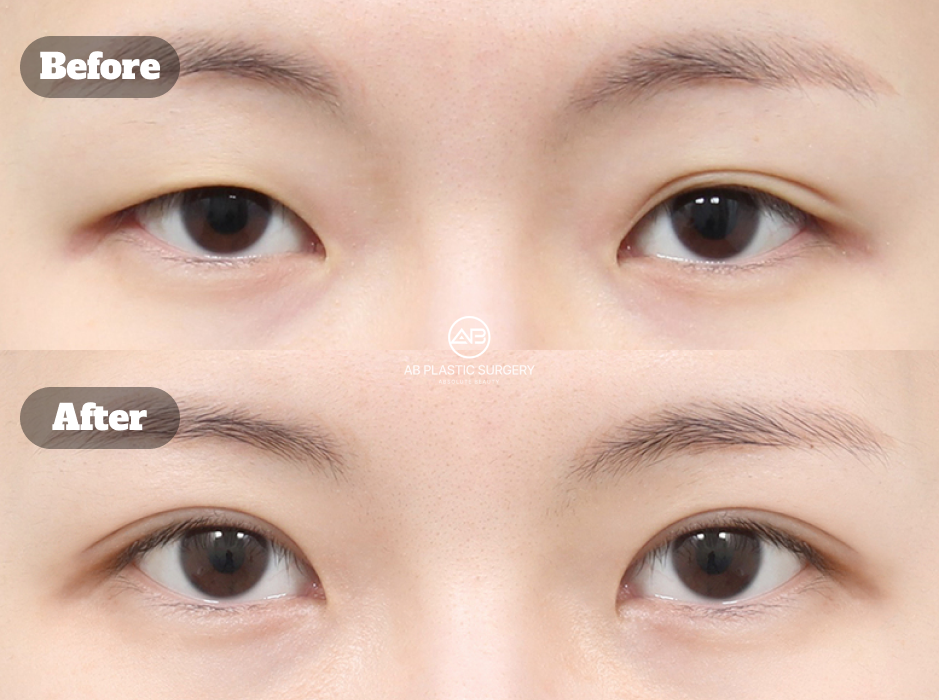
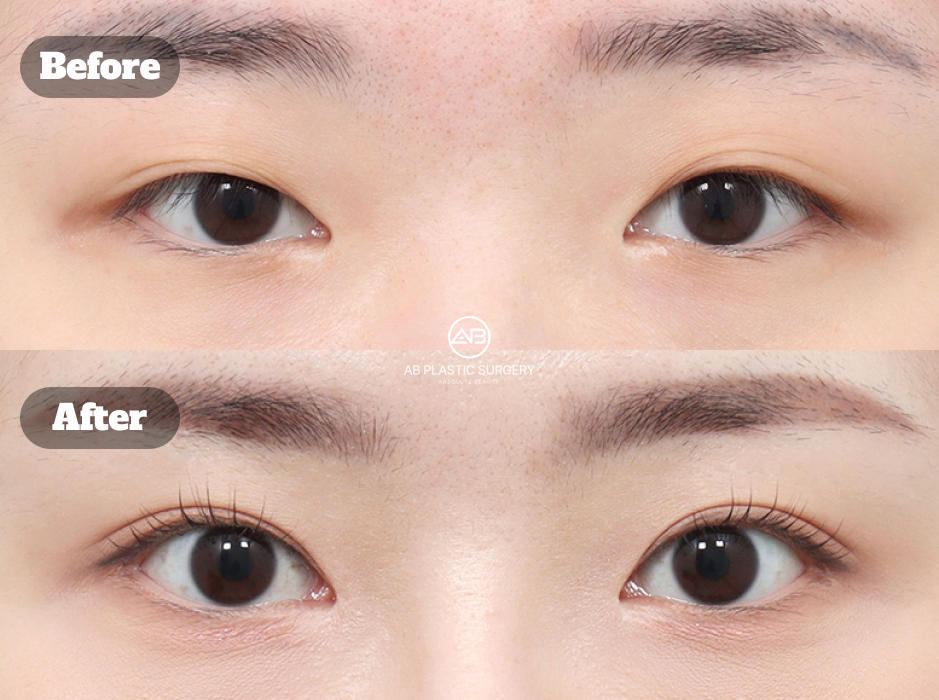
In recent years, the term “Korean eyes” has become widely recognized among international patients exploring eye surgery in Korea. Rather than referring to a specific anatomical feature, it describes a natural, balanced, and harmonious eye appearance that complements the overall facial structure.
This aesthetic reflects the core philosophy of Korean plastic surgery — enhancing existing features without creating an overly artificial or exaggerated look. As a result, many patients today are moving away from dramatic transformations and instead seeking subtle refinement that looks effortless and long-lasting.
Key Characteristics of Korean Eyes
Korean eyes are defined by several important characteristics that prioritize natural beauty and facial harmony:
-
Soft and natural double eyelid line that blends smoothly with the eyelid
-
Moderate eye size enhancement without excessive widening
-
Balanced proportions between the eyes, nose, and facial contour
-
Minimal visible surgical signs, especially when eyes are closed
Instead of focusing on making the eyes significantly bigger, this approach aims to create a refined and proportionate look that suits the individual’s face.
Why Natural Eye Styles Are Trending Globally
The popularity of Korean eyes has grown rapidly due to the global influence of K-beauty and Korean celebrities. However, beyond trends, there is a deeper reason why this style resonates with international patients.
Many patients are now prioritizing natural-looking results that age well over time. A subtle enhancement is less likely to appear outdated and can adapt more seamlessly as facial features change with age.
Additionally, natural eye styles often involve less invasive techniques, which may lead to shorter recovery times and reduced risk of overcorrection. This makes Korean eyes particularly appealing for first-time patients or those seeking a conservative approach.
Who Is a Good Candidate for Korean Eyes?
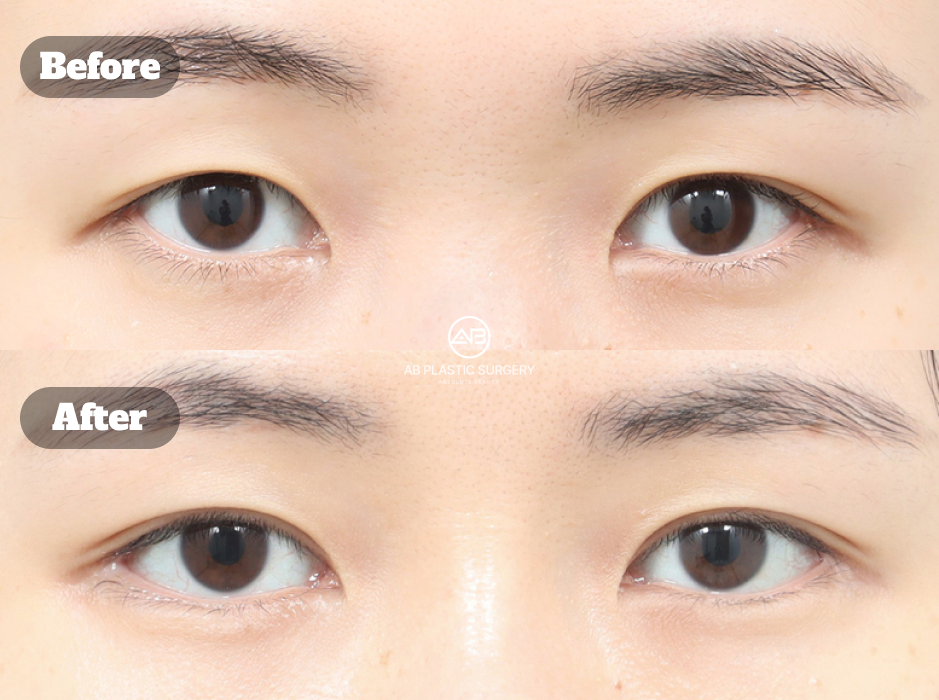
This style is especially suitable for patients who want improvement without dramatic change. Typical candidates include:
-
Patients who prefer a subtle and natural appearance
-
Individuals with already balanced facial features
-
First-time surgery patients concerned about overcorrection
-
Those who want results that are difficult to detect as surgical
Ultimately, Korean eyes are not about following a trend, but about achieving facial harmony through personalized design. This is why a detailed consultation is essential to determine whether this approach aligns with your goals and anatomy.
What Are Korean Angel Eyes? A More Defined Aesthetic
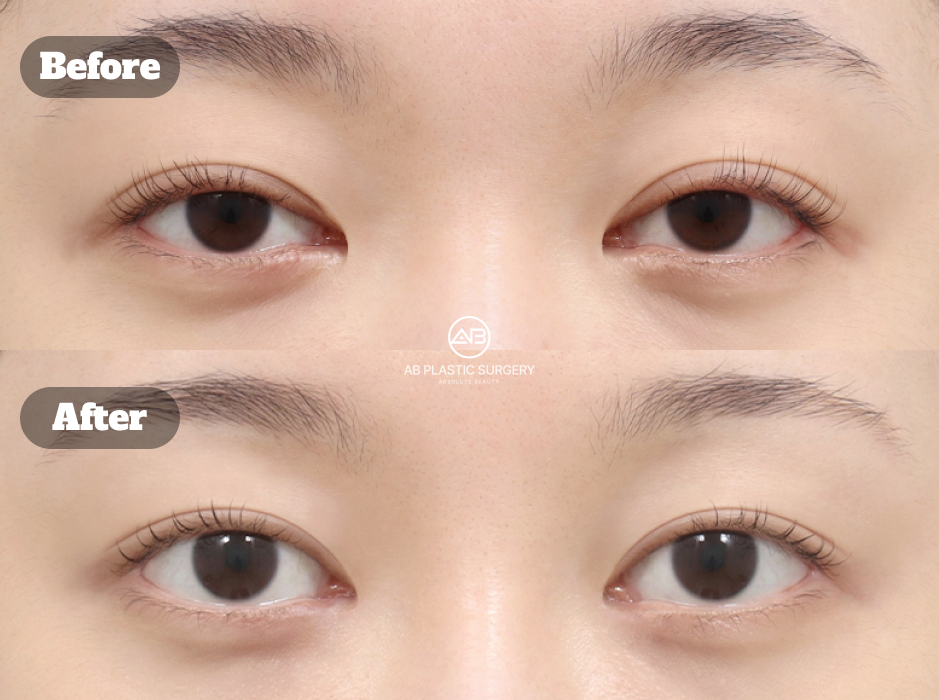
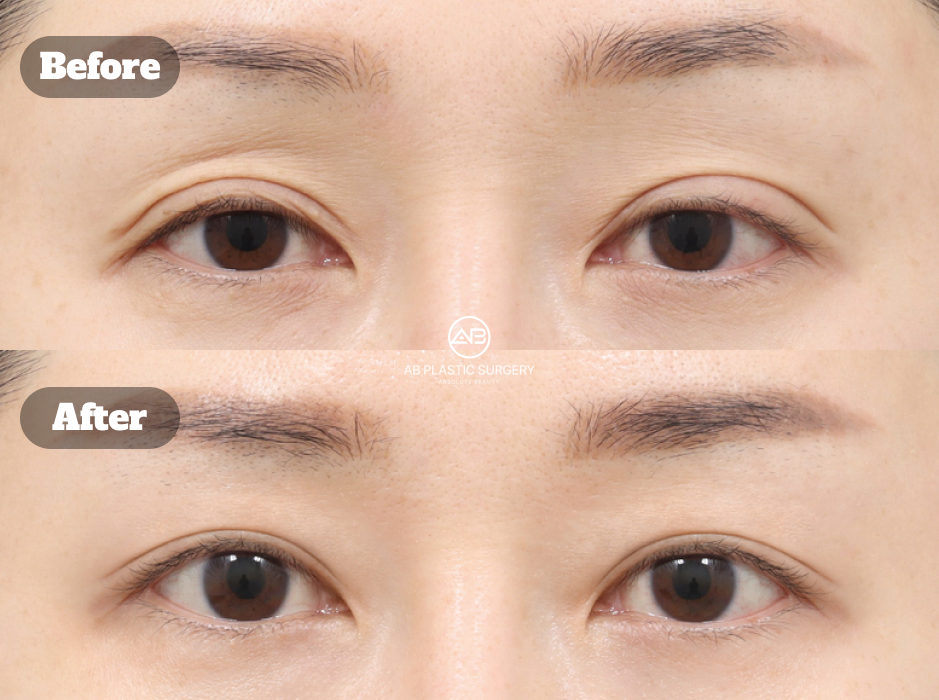
While natural eye styles continue to be popular, many patients are also drawn to a more defined and refined look known as “Korean angel eyes.” This style focuses on creating elongated, clearer, and more structured eyes, offering a noticeable yet still balanced enhancement.
Unlike overly dramatic eye shapes, Korean angel eyes aim to achieve definition without losing harmony. The goal is to enhance the eye’s presence while maintaining a sophisticated and natural overall impression.
Key Characteristics of Korean Angel Eyes
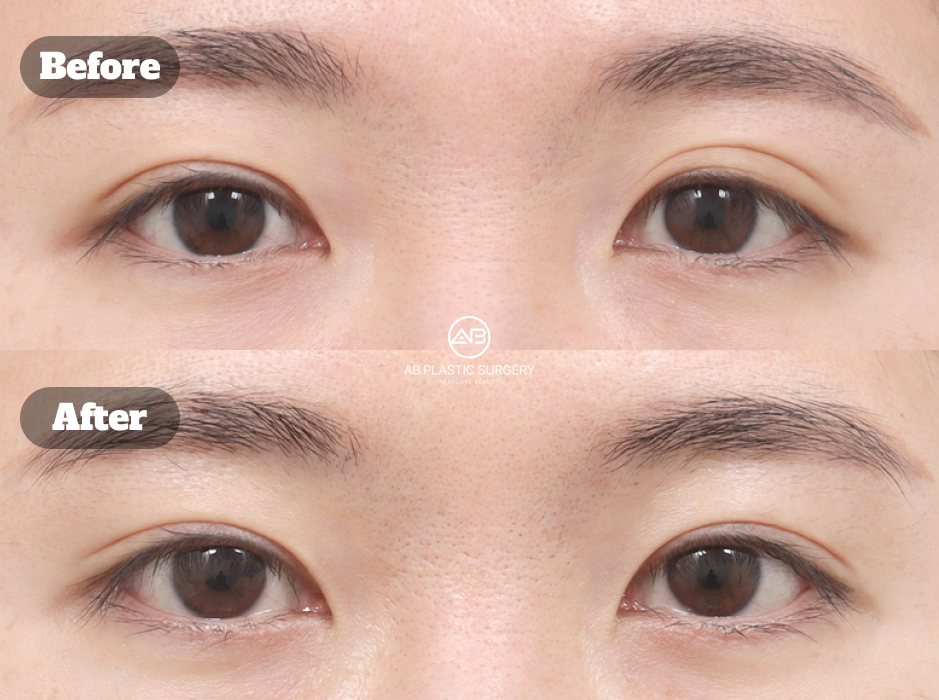
Korean angel eyes are defined by features that emphasize clarity and structure rather than softness alone:
-
Elongated eye shape that extends horizontally
-
More defined double eyelid line with clear visibility
-
Lifted or refined outer eye corner for a sleek appearance
-
Enhanced eye definition without excessive enlargement
This approach creates a sharper and more polished look, often preferred by patients seeking a more noticeable transformation compared to natural styles.
How Korean Angel Eyes Differ from Fox or Cat Eyes
Korean angel eyes are sometimes confused with fox eyes or cat eyes, but there are important differences. While fox or cat eye styles often emphasize a dramatic upward slant, Korean angel eyes focus on balanced elongation and refined definition rather than extreme angles.
This makes the result more versatile and suitable for a wider range of facial structures, as it enhances the eyes without creating an overly stylized or trend-dependent appearance.
When it comes to comparing eye styles , subtle differences can significantly impact your final look. See if cat eye surgery fits your style before deciding on a more defined aesthetic.
Why Defined Eye Styles Are Gaining Popularity
The growing popularity of Korean angel eyes is closely linked to evolving beauty preferences among international patients. Many individuals now seek a combination of natural harmony and clear definition, rather than choosing one extreme.
Social media, celebrity trends, and high-resolution imaging have also contributed to this shift, as patients become more aware of subtle differences in eye shape and contour.
Additionally, advancements in surgical techniques allow for precise and customized adjustments, making it possible to achieve defined results while still maintaining a natural appearance.
Who Is a Good Candidate for Korean Angel Eyes?
This style is particularly suitable for patients who want a more noticeable improvement in eye definition. Typical candidates include:
-
Patients with short or horizontally limited eye length
-
Individuals seeking a more defined and structured look
-
Those who want to enhance eye shape without extreme changes
-
Patients open to combined procedures such as canthoplasty
Ultimately, Korean angel eyes offer a refined balance between natural and defined aesthetics, making them an appealing option for patients who want clear yet elegant eye enhancement.
Korean Eyes vs Korean Angel Eyes: What’s the Difference?
When choosing between Korean eyes and Korean angel eyes, the decision goes beyond simple preference. Each style follows a different design philosophy, surgical approach, and aesthetic goal. Understanding these differences is essential to selecting the eye shape that best fits your face and expectations.
While Korean eyes focus on subtle enhancement and natural harmony, Korean angel eyes emphasize definition, structure, and eye elongation. The right choice depends on your facial features, desired level of change, and tolerance for recovery.
Key Differences at a Glance
|
Aspect |
Korean Eyes (Natural) |
Korean Angel Eyes (Defined) |
|---|---|---|
|
Main Goal |
Subtle, natural enhancement |
Clear definition and elongation |
|
Eye Shape |
Soft, balanced |
Longer, more structured |
|
Surgical Approach |
Non-incisional or minimal correction |
Incisional + canthoplasty (combined) |
|
Recovery |
Faster recovery, less swelling |
Longer recovery due to combined procedures |
|
Best For |
First-time patients, subtle change |
Patients seeking noticeable definition |
How to Choose the Right Style
Choosing between these two styles is not about which one is better, but which one aligns with your individual features and goals.
-
If you want a natural, effortless look that blends seamlessly with your face, Korean eyes may be the better option.
-
If you prefer a more defined and noticeable transformation, Korean angel eyes may be more suitable.
-
If you are unsure, many patients today choose a hybrid approach that combines natural softness with subtle definition.
Ultimately, the most important factor is not the trend itself, but how well the chosen design fits your facial structure. A personalized consultation is essential to determine the most balanced and long-lasting result.
When it comes to choosing the right eye design , comparing different styles can help clarify your preference. Compare popular eye shapes to better understand what suits your face.
Eye Surgery Techniques Behind Each Look
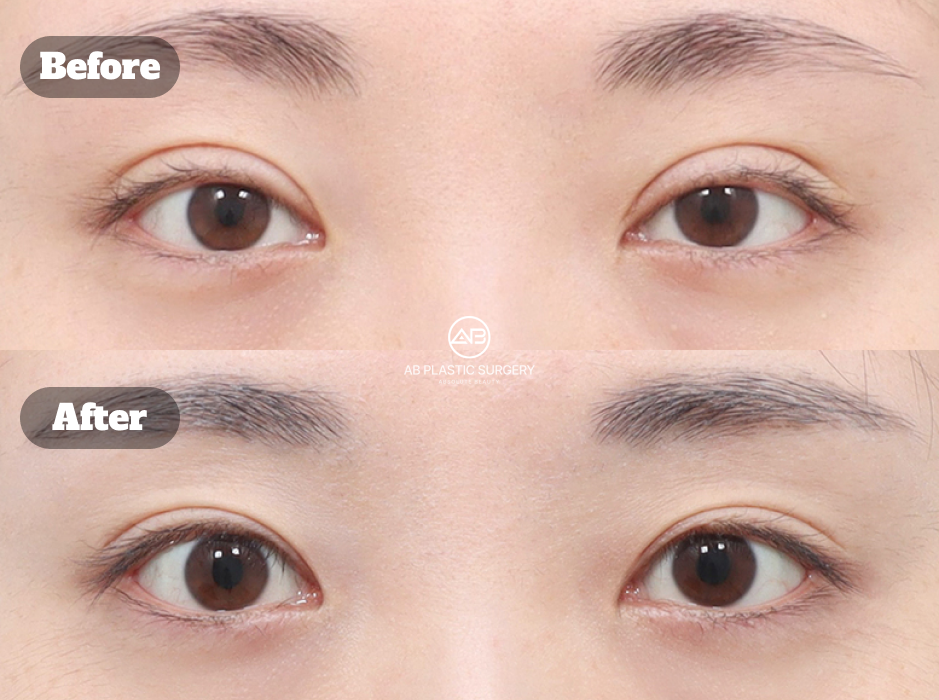
One of the most important things to understand is that not all eye surgeries in Korea are the same. Even when patients request similar results, the surgical approach can vary significantly depending on whether the goal is a natural or more defined look.
In Korean plastic surgery, techniques are carefully selected and combined based on eye structure, skin condition, and desired outcome. This is why understanding the methods behind each style is essential before making a decision.
When it comes to exploring eye surgery options in Korea , choosing the right surgical approach is essential for achieving natural and balanced results.
Procedures such as canthoplasty play a key role in creating a more defined eye shape. Learn how canthoplasty works before considering combined surgery.
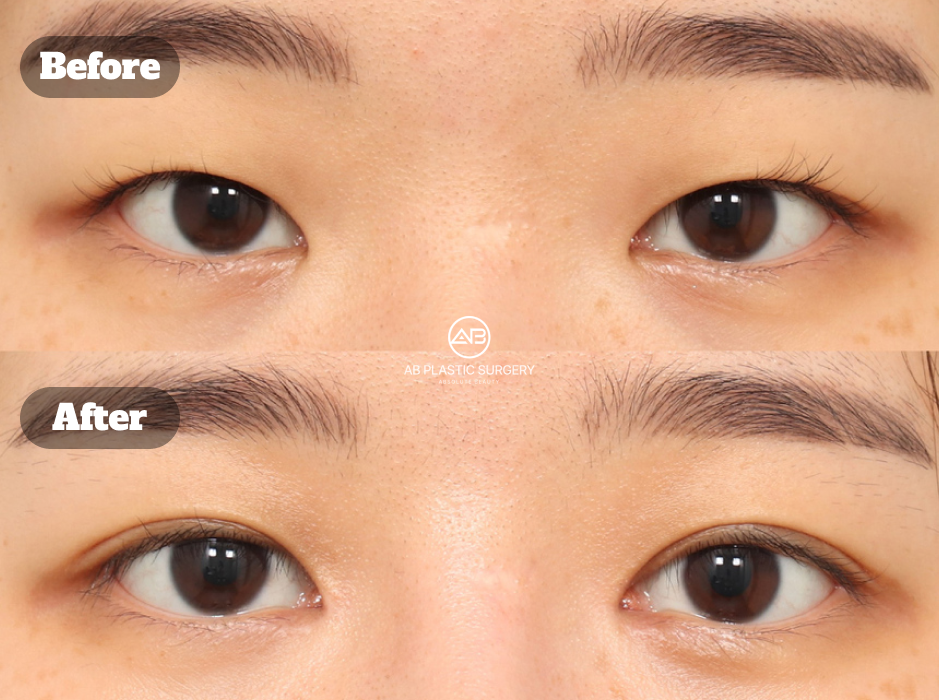
Techniques for Natural Korean Eyes
To achieve a soft and natural appearance, surgeons typically focus on minimizing structural changes while enhancing subtle definition.
-
Non-incisional double eyelid surgery
Creates a natural crease using sutures without making a full incision. In double eyelid surgery Korea, this method is often preferred for patients who want subtle, natural-looking results with faster recovery and minimal downtime. -
Minimal ptosis correction
Improves eye opening slightly without dramatically changing the eye shape. -
Low or medium crease design
Ensures the double eyelid line looks natural and blends smoothly with the eyelid.
This approach is ideal for patients who want refinement rather than transformation, maintaining their original features while enhancing clarity.
Techniques for Korean Angel Eyes
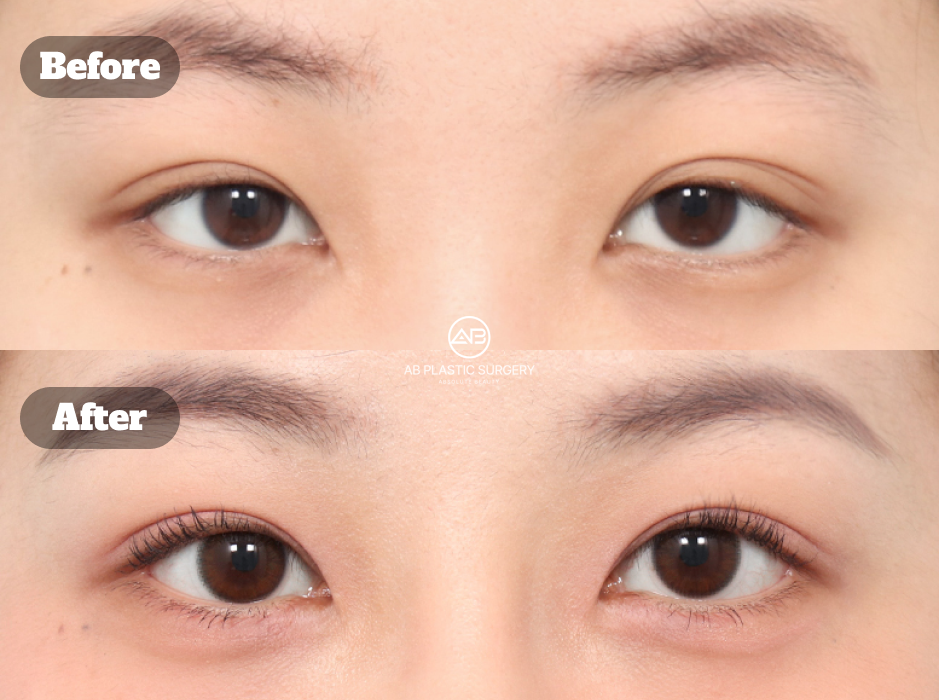
For a more defined and structured look, a combination of procedures is often used to enhance both eye shape and length.
-
Incisional double eyelid surgery
Creates a more visible and long-lasting crease, suitable for patients with thicker eyelids or those seeking a defined look. -
Canthoplasty (inner and outer)
Adjusts the inner and outer corners of the eyes to create a longer and more open appearance. -
Lower eyelid extension (lower canthoplasty)
Refines the lower eye line to improve eye proportion and elongation. -
Eye tail refinement
Subtly adjusts the outer corner to create a smoother and more elegant contour.
These techniques are often combined to achieve a balanced yet noticeable transformation, rather than relying on a single procedure.
Why Surgical Strategy Matters
The biggest difference between these approaches is not just the technique itself, but how the procedures are planned and combined. Two patients may request the same style, but receive completely different surgical plans based on their anatomy.
This is why Korean eye surgery is often described as design-focused rather than procedure-focused. The goal is not simply to perform a standard surgery, but to create a result that fits the individual’s face.
Ultimately, choosing the right technique requires a detailed consultation and personalized assessment. This ensures that the final result is not only aesthetically pleasing, but also stable and appropriate for long-term outcomes.

📌 Summer Vacation Special Event for International Students
For students planning summer vacation plastic surgery in Korea, AB Plastic Surgery Korea is offering a limited-time support program to help manage both treatment and recovery more efficiently.
-
Event period: May 1 – July 31
-
Eligibility: New or returning international patients (review & SNS participation required)
Selected benefits may include:
-
Airport pick-up & drop-off service
-
Pre-surgery medical checkup (blood test, ECG, chest X-ray)
-
Swelling care laser & hyperbaric oxygen therapy
-
Skin booster or skin Botox treatment (select 1)
-
Post-surgery care kit & medication
-
Hotel support & flight subsidy (up to KRW 500,000)
*Benefits may vary depending on the procedure and final surgery plan.
If you're considering plastic surgery during your summer vacation in Korea, this limited-time event can help reduce both recovery stress and travel expenses for international patients.
Check the Full Summer Special Event & International Patient Benefits →
Which Eye Style Suits Your Face Structure?
One of the biggest mistakes patients make is choosing an eye shape based solely on trends. While both Korean eyes and Korean angel eyes are popular, the best result comes from selecting a style that fits your individual facial structure.
In Korean plastic surgery, eye design is approached as part of overall facial balance. Factors such as eye size, facial width, bone structure, skin thickness, and eye spacing all influence which style will look the most natural and long-lasting.
When Natural Korean Eyes May Be More Suitable
A natural eye style is often recommended for patients who already have balanced features and want subtle enhancement rather than noticeable change.
-
Patients with proportionate facial features
-
Those who prefer a soft and natural appearance
-
Individuals concerned about overly dramatic results
-
First-time patients seeking a low-risk, conservative approach
This approach works best when the goal is to refine rather than transform, maintaining harmony across the entire face.
When Korean Angel Eyes May Be a Better Choice
A more defined eye style may be recommended when there is a need to improve eye structure or create a stronger visual impact.
-
Patients with short or horizontally narrow eyes
-
Individuals who want a more defined and structured look
-
Those with a wider face who may benefit from eye elongation
-
Patients open to combined procedures for noticeable improvement
This approach is ideal for those seeking clear enhancement in eye shape and definition while still maintaining overall balance.
Key Factors That Influence the Decision
Beyond general guidelines, several anatomical and personal factors play a critical role in determining the most suitable eye style:
-
Eyelid thickness and fat distribution
-
Eye opening strength (ptosis)
-
Distance between the eyes
-
Facial proportions and symmetry
-
Personal preference and lifestyle
Because these factors vary from person to person, the same procedure can produce very different results depending on how it is designed and executed.
Why Personalization Matters More Than Trends
Today, many patients are moving away from copying celebrity eye shapes and instead focusing on results that fit their own face naturally. This is why consultation plays such an important role in Korean eye surgery.
Rather than choosing between “natural” or “defined” as fixed categories, surgeons often recommend a customized approach that blends both elements. This allows patients to achieve a look that is not only aesthetically pleasing, but also stable over time.
Ultimately, the best eye design is one that enhances your features without looking artificial — and that can only be achieved through personalized surgical planning.
Eye Surgery Cost in Korea: What to Expect
One of the most common questions international patients have is the cost of eye surgery in Korea. While pricing can vary depending on the procedure type and complexity, understanding general cost ranges can help you plan your treatment more effectively.
Estimated Cost Range for Eye Surgery in Korea (USD)
|
Procedure |
Estimated Cost (USD) |
Notes |
|---|---|---|
|
Non-incisional ptosis correction |
$1,700+ |
Suitable for mild correction with faster recovery |
|
Incisional ptosis correction |
$2,380+ |
More defined and long-lasting results |
|
Epicanthoplasty (inner corner) |
$750+ |
Improves eye openness and balance |
|
Canthoplasty (lateral + lower) |
$1,360+ |
Key procedure for elongating eye shape |
|
Lower blepharoplasty |
$1,870+ |
Targets under-eye fat and sagging |
|
Upper blepharoplasty with ptosis correction |
$2,930+ |
Combined functional and aesthetic improvement |
*Please note that all prices are starting estimates and may vary depending on individual eye structure, surgical complexity, and combined procedures. A personalized consultation is required to determine the exact treatment plan and final cost.
When it comes to planning your eye surgery in Korea , understanding your exact cost and schedule is essential. Get a personalized surgery quote and treatment plan based on your condition.
2026 Korean Eye Surgery Trends
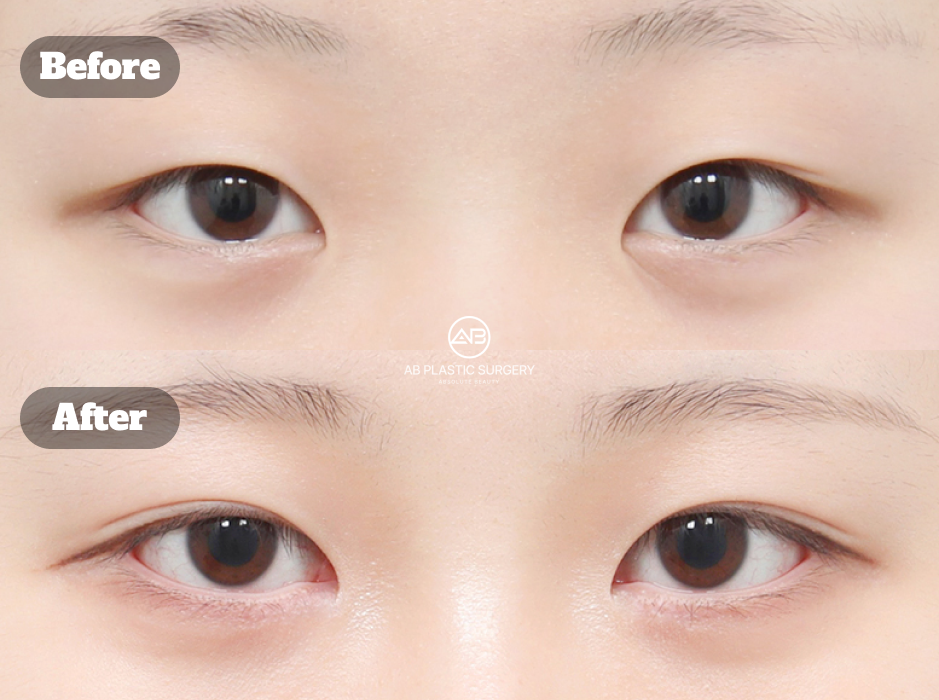
As aesthetic preferences continue to evolve, Korean eye surgery trends in 2026 reflect a clear shift toward more refined, balanced, and personalized results. Rather than following extreme styles, patients are increasingly seeking natural-looking outcomes with subtle definition.
This change is driven not only by beauty trends, but also by growing awareness of long-term results, recovery experience, and the risk of overcorrection. As a result, eye surgery in Korea is becoming more design-focused and patient-centered than ever before.
Shift Toward Natural Yet Defined Results
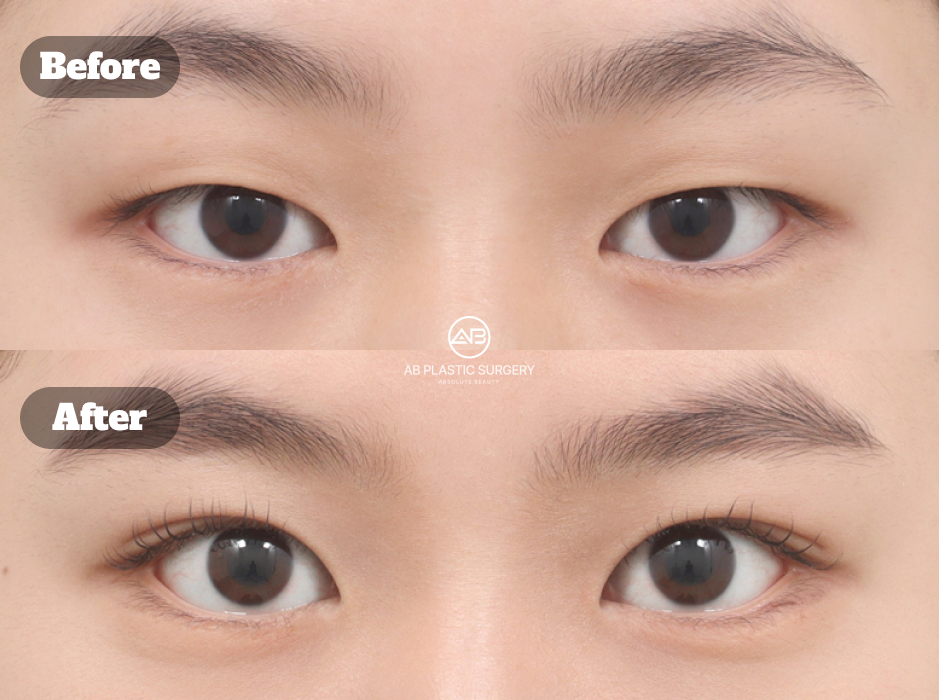
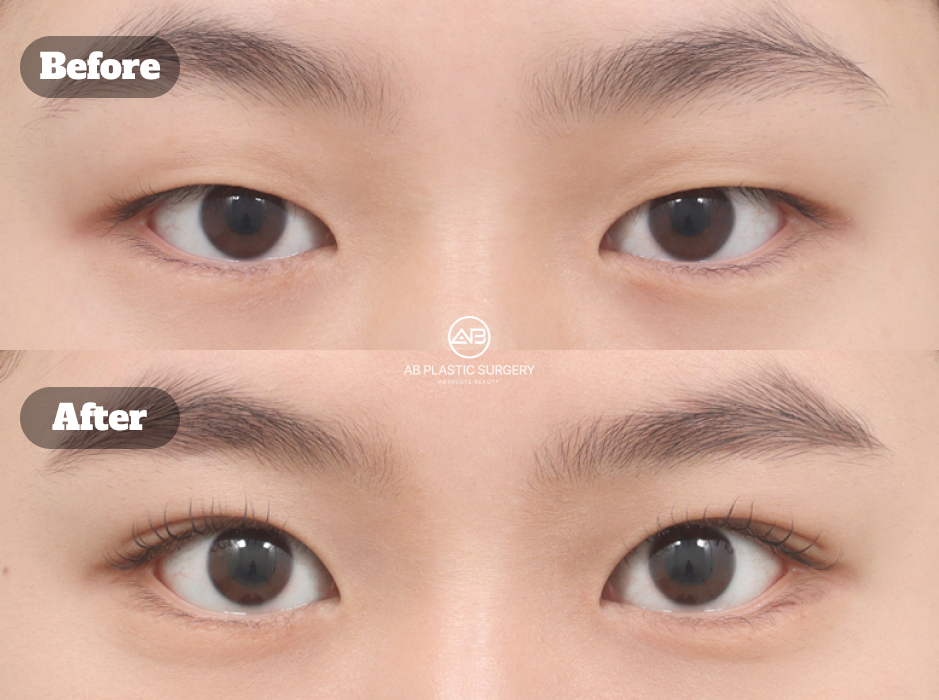
One of the most noticeable trends is the move away from overly dramatic transformations. Instead of choosing between fully natural or highly defined styles, many patients now prefer a balanced approach that combines both.
This hybrid style allows for:
-
Natural eyelid lines with subtle clarity
-
Improved eye definition without excessive change
-
Results that age more gracefully over time
As a result, the distinction between Korean eyes and Korean angel eyes is becoming less rigid, with more patients opting for a customized combination of both.
Increased Focus on Recovery and Downtime
Another key trend in 2026 is the growing importance of recovery time and post-surgical experience. International patients, in particular, are placing greater emphasis on procedures that allow for faster healing and minimal disruption to daily life.
This has led to increased interest in:
-
Less invasive surgical techniques
-
Optimized incision design to reduce swelling
-
Carefully planned recovery timelines for medical travel
Recovery is no longer seen as a secondary concern, but as a central part of the overall treatment experience.
Growing Awareness of Revision Surgery
As more patients become informed about eye surgery, there is also a growing awareness of revision procedures. Many individuals who previously underwent aggressive or trend-driven surgeries are now seeking more natural and balanced corrections.
This has led to a shift in mindset, where patients prioritize getting the design right the first time, rather than relying on future corrections.
Personalized Eye Design as the New Standard
Perhaps the most important trend is the move toward fully personalized eye design. Rather than selecting a predefined style, patients are now working with surgeons to create results tailored to their individual anatomy and preferences.
This approach reflects the broader evolution of Korean plastic surgery, where the focus is no longer on copying trends, but on achieving long-term harmony and stability.
In 2026, the most successful outcomes are not defined by how noticeable they are, but by how naturally they integrate with the patient’s face.

What International Patients Should Know Before Eye Surgery in Korea
For many international patients, traveling to Korea for eye surgery is not just about choosing a procedure — it is about understanding the entire medical journey. From consultation to recovery, each step plays a critical role in achieving safe and satisfying results.
Korea is widely known for its advanced techniques and aesthetic precision, but successful outcomes depend on more than surgical skill alone. Planning, communication, recovery management, and clinic selection are equally important factors that should be carefully considered before making a decision.
Why Many Patients Choose Korea for Eye Surgery
International patients are increasingly choosing Korea due to its reputation for natural results, advanced surgical techniques, and high procedural volume. Surgeons in Korea perform a wide range of eye surgeries on a daily basis, allowing for refined skills and consistent outcomes.
-
Specialized experience in Asian and global eye structures
-
Focus on natural, balanced aesthetics
-
Access to both surgical and non-surgical options
This combination makes Korea a leading destination for patients seeking both subtle and defined eye enhancements.
When it comes to planning surgery abroad , real experiences can provide valuable insight. Read real patient experiences before making your decision.
Understanding the Consultation Process
Most international patients begin with an online consultation, where they share photos and discuss their goals. This is followed by an in-person consultation after arriving in Korea, where the surgeon conducts a detailed evaluation.
-
Facial structure and eye anatomy assessment
-
Discussion of desired style (natural vs defined)
-
Explanation of suitable surgical options
-
Review of recovery expectations and risks
A thorough consultation is essential to ensure that the chosen procedure aligns with both aesthetic goals and medical safety.
Typical Surgery Timeline and Stay Duration
One of the most common questions is how long patients need to stay in Korea. While this may vary depending on the procedure, a general timeline includes:
-
Day 1–2: Consultation and surgery
-
Day 5–7: Stitch removal (if applicable)
-
Day 7–10: Follow-up check and recovery monitoring
In most cases, patients are advised to stay for approximately 7 to 10 days to ensure proper healing and safe post-operative care.
When it comes to managing your stay in Korea , having structured support makes a big difference. View international patient support to plan your journey more efficiently.
Recovery and Post-Surgery Care
Recovery is a key part of the overall experience, especially for patients traveling from abroad. While initial swelling and bruising are normal, proper care can significantly improve healing outcomes.
-
First week: Swelling and bruising are most noticeable
-
2–3 weeks: Gradual improvement and return to daily activities
-
1–3 months: Natural appearance becomes more visible
Following post-operative instructions and attending follow-up appointments are essential for achieving stable and long-lasting results.
When it comes to recovery after eye surgery , proper aftercare is critical for long-lasting results. Check recovery tips after eye surgery to minimize swelling and support healing.
Key Factors When Choosing a Clinic
Choosing the right clinic is one of the most important decisions for international patients. Beyond before-and-after photos, it is important to evaluate:
-
Safety systems and surgical protocols
-
Surgeon experience and specialization
-
Clear communication and consultation quality
-
Structured aftercare and follow-up support
Ultimately, eye surgery should be approached not just as a cosmetic procedure, but as a carefully planned medical process. Taking the time to understand each step can make a significant difference in both safety and satisfaction.
Frequently Asked Questions About Korean Eye Surgery
Is eye surgery in Korea safe for international patients?
Eye surgery in Korea is generally considered safe when performed at reputable clinics with established medical systems. Many clinics operate with board-certified surgeons, dedicated anesthesia specialists, and structured monitoring systems to ensure patient safety.
International patients are advised to choose clinics that provide transparent consultation, clear safety protocols, and proper post-operative care, as these factors significantly impact both safety and outcomes.
How long should I stay in Korea for eye surgery?
Most patients are recommended to stay in Korea for approximately 7 to 10 days for eye surgery. This allows enough time for consultation, surgery, stitch removal, and follow-up care.
Depending on the procedure, some patients may require a slightly longer stay to ensure proper recovery and monitoring.
How much does eye surgery cost in Korea for international patients?
The eye surgery cost in Korea typically ranges from $750 to $3,000+ depending on the procedure, such as double eyelid surgery, ptosis correction, or canthoplasty.
More complex or combined procedures may result in higher costs, especially when multiple techniques are used to achieve a balanced and defined eye shape.
Because every patient has a unique eye structure and aesthetic goal, the final cost is determined through personalized consultation.
Check your exact surgery cost and plan before making your decision.
What is the recovery time after eye surgery?
Recovery time after procedures such as double eyelid surgery Korea or canthoplasty may vary, but most patients experience visible swelling and bruising during the first week.
Initial recovery typically occurs within 2 to 3 weeks, while the final natural result may take 1 to 3 months to fully settle. Following proper aftercare instructions is essential for achieving stable and long-lasting results.
Which eye surgery is best for a natural-looking result?
For natural-looking results, procedures such as non-incisional double eyelid surgery and minimal correction techniques are commonly recommended.
However, the best approach depends on individual anatomy. In many cases, surgeons design a customized plan that balances natural softness with subtle definition to achieve the most harmonious outcome.
When is revision eye surgery necessary?
Revision eye surgery may be considered in cases of asymmetry, overcorrection, undercorrection, or unsatisfactory aesthetic results.
Many patients seek revision when their previous surgery does not match their current preferences or when trends shift toward more natural outcomes. A detailed consultation is essential to determine the appropriate corrective approach.
How much does eye surgery cost in Korea?
The eye surgery cost in Korea varies depending on the procedure type, surgical complexity, and whether additional techniques such as canthoplasty or ptosis correction are included.
For example, double eyelid surgery Korea may have a different cost range compared to combined procedures involving canthoplasty. Most clinics provide personalized quotes after consultation to ensure accurate treatment planning.
When it comes to understanding eye surgery cost in Korea , personalized consultation is essential. Get your exact surgery quote based on your treatment plan.

Why Choose AB Plastic Surgery Korea for Eye Surgery
Choosing the right clinic is one of the most important decisions when considering eye surgery in Korea. Beyond aesthetic results, patients should evaluate medical safety, surgical expertise, and structured patient care systems.
At AB Plastic Surgery Korea, the focus is not only on achieving natural and defined eye styles, but on delivering safe, personalized, and medically grounded outcomes for international patients.
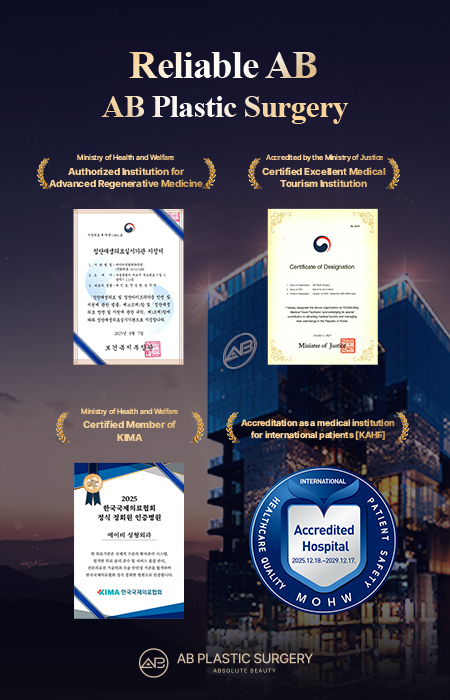
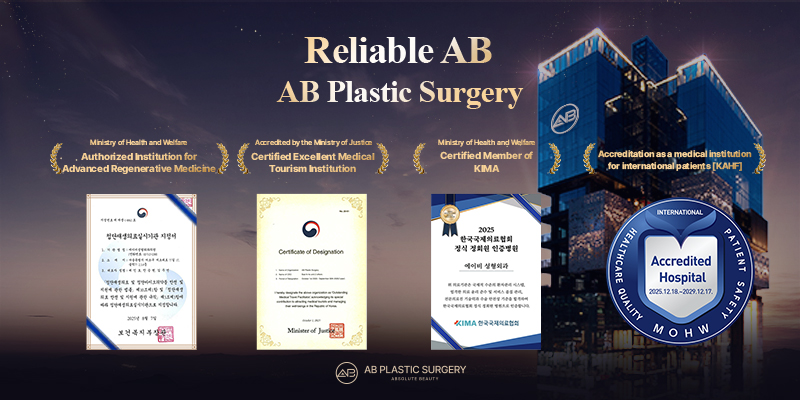
Certified by Government and International Standards
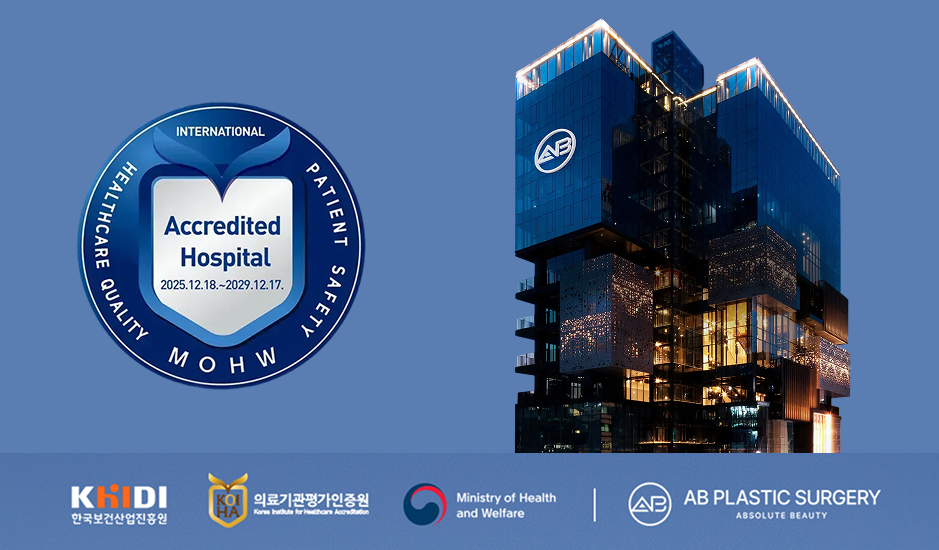
AB Plastic Surgery Korea is recognized under official medical accreditation systems designed for international patient care.
-
KHIDI / KAHF Accredited Hospital for foreign patient care
-
Strict patient safety and medical quality standards
-
Multilingual consultation and international patient system
This ensures that patients receive treatment within a verified and structured medical environment.
When it comes to choosing a certified clinic , verified accreditation is a key factor. Verify hospital certification before proceeding with surgery.
When it comes to evaluating real results , reviewing actual cases is essential. See real patient results before making your decision.
Recognized Medical Institution for Global Patients
AB Plastic Surgery Korea is part of official networks supporting international medical services.
-
KIMA (Korea International Medical Association) member clinic
-
Government-designated medical tourism provider
These recognitions reflect the clinic’s ability to provide reliable care for patients traveling from abroad.

Academic Expertise and Continuous Advancement
The medical team actively participates in academic and educational activities to stay at the forefront of surgical techniques.
-
Presentations at APS Korea conferences
-
Participation in professional academic seminars
-
Continuous refinement of surgical methods
This commitment ensures that patients benefit from up-to-date techniques and evidence-based practices.
Advanced Medical Systems and Regenerative Capabilities
AB Plastic Surgery Korea integrates advanced medical approaches to enhance surgical outcomes and recovery.
-
Ministry-approved regenerative medicine system
-
Use of advanced treatment planning and recovery support
This approach supports long-term stability and overall treatment quality.
Safety-Focused Surgical Environment
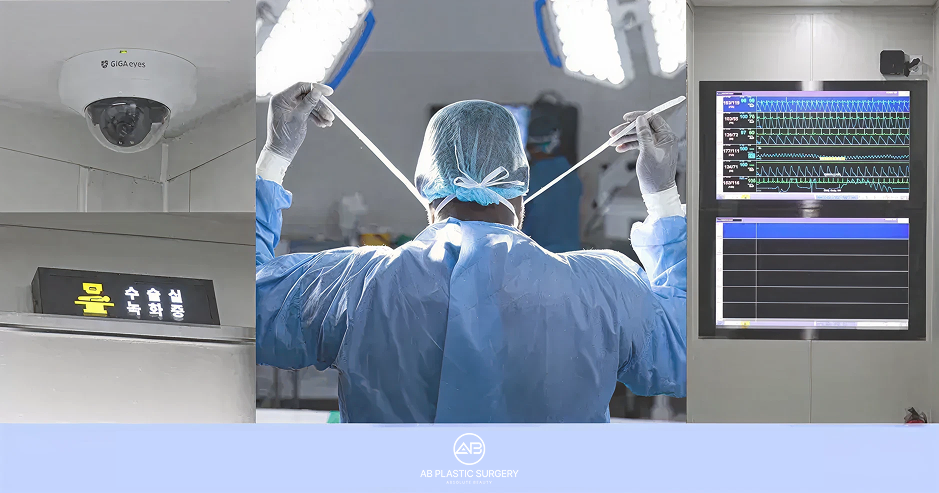
Patient safety is a fundamental priority throughout the entire surgical process.
-
Operating room CCTV monitoring system
-
Board-certified anesthesiologist present during surgery
-
Real-time monitoring and emergency response infrastructure
-
Pre- and post-operative safety check systems
These systems are designed to ensure maximum safety and transparency for every patient.
Anesthesia Safety System for International Patients
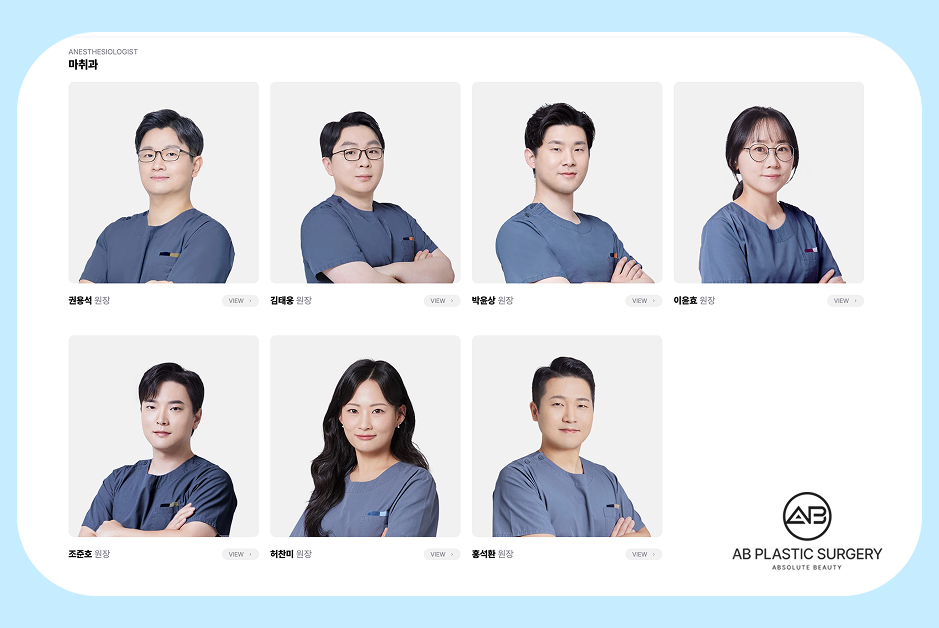
For international patients considering plastic surgery in Korea, anesthesia safety is one of the most important factors when choosing a clinic. At AB Plastic Surgery Korea, patient safety is supported by a structured anesthesia system with a board-certified anesthesiologist present during surgery to monitor each patient’s condition in real time.
Whether the procedure involves plastic surgery anesthesia or sleep anesthesia for plastic surgery, AB Plastic Surgery Korea prioritizes careful pre-surgery evaluation, continuous monitoring, and immediate emergency response protocols. Since opening, the clinic has maintained a safety-focused surgical environment with no anesthesia-related accident cases reported, reflecting its commitment to stable and reliable patient care.

Comprehensive Care for International Patients
AB Plastic Surgery Korea provides a structured support system tailored for patients traveling from overseas.
-
Multilingual consultation and coordination
-
Personalized surgery scheduling and recovery planning
-
24/7 emergency support system
This ensures a smooth and well-managed experience from consultation to recovery.
Proven Results and Patient Trust
If you are considering eye surgery in Korea, a personalized consultation is the best way to determine the most suitable approach for your facial structure and goals.
→ Get a Personalized Eye Surgery Consultation in Korea
By combining medical expertise, structured safety systems, and patient-centered care, AB Plastic Surgery Korea provides an environment where international patients can pursue eye surgery with confidence and clarity.

This article is for informational purposes only and does not replace a personal medical consultation.