Title
Neck Lift vs. Facelift: Which Procedure Is Right for You?Date
2026-08-05Views
959
AB Blog
Neck Lift vs Facelift: How to Choose the Right Procedure
Table of Contents
1. Neck Lift vs Facelift: What Is the Main Difference?
2. What Does a Neck Lift Treat?
3. What Does a Facelift Treat?
4. Neck Lift vs Facelift: Key Differences at a Glance
5. When Are a Facelift and Neck Lift Performed Together?
6. Recovery and Risks After Neck Lift and Facelift Surgery
7. Frequently Asked Questions About Neck Lift vs Facelift
8. Choosing Between a Neck Lift and Facelift at AB Plastic Surgery Korea
Quick answer: A neck lift mainly treats loose skin, excess fat, and muscle laxity beneath the chin and along the neck, while a facelift focuses on sagging cheeks, jowls, and the lower face. If aging affects both areas, the procedures may be combined.
The main difference in the neck lift vs facelift comparison is the treatment area. A neck lift focuses primarily below the jawline, whereas a facelift addresses tissue descent in the cheeks, jawline, and lower face.
For international patients considering facelift or neck lift surgery in Korea, the appropriate procedure depends on skin elasticity, fat distribution, muscle laxity, and the balance between the lower face, jawline, and neck. This guide explains the key differences, recovery considerations, and when a combined procedure may be considered.
This article provides general educational information and does not replace an individual consultation or personalized surgical plan.
Neck Lift vs Facelift: What Is the Main Difference?
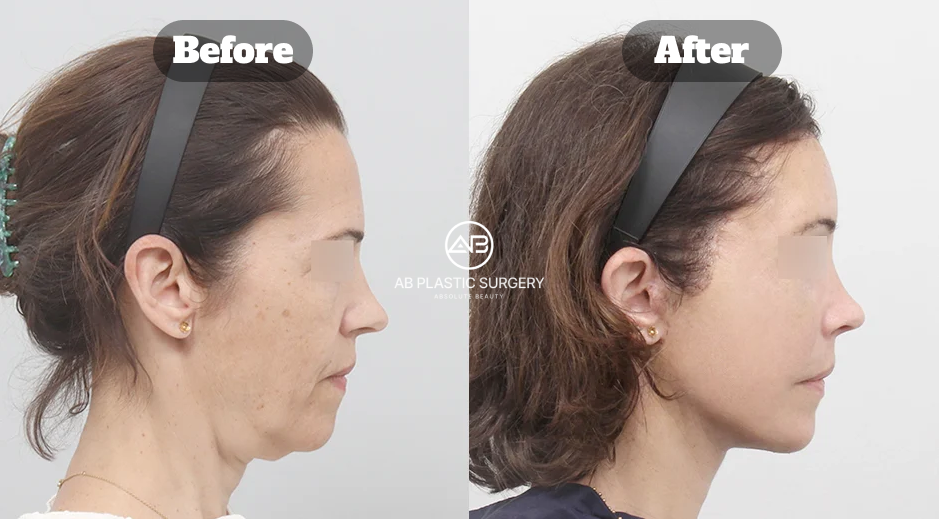
The main difference between a neck lift and a facelift is the area each procedure is designed to treat. A neck lift focuses primarily on the tissues below the jawline, including loose neck skin, excess fat beneath the chin, and submental muscle laxity. A facelift mainly targets sagging in the cheeks, jowls, jawline, and lower face.
Although the treatment areas are different, the face and neck are anatomically connected. Sagging in the lower face can extend into the jawline, while neck laxity can make the jawline appear less defined. For this reason, some patients may need only one procedure, while others may benefit from combining a facelift and neck lift to create a smoother transition from the cheeks and jawline to the neck.
Neither procedure should be selected based on age alone. The decision depends on where the tissues have descended, the degree of skin and muscle laxity, fat distribution, facial volume, and the relationship between the chin, jawline, and neck. During consultation, these factors are assessed to determine whether a neck lift, facelift, or combined approach may be more appropriate.
For patients considering facelift or neck lift surgery in Korea, the goal is not simply to tighten the skin. A personalized treatment plan should address the specific tissue layers responsible for sagging while preserving natural facial proportions and expression.
What Does a Neck Lift Treat?
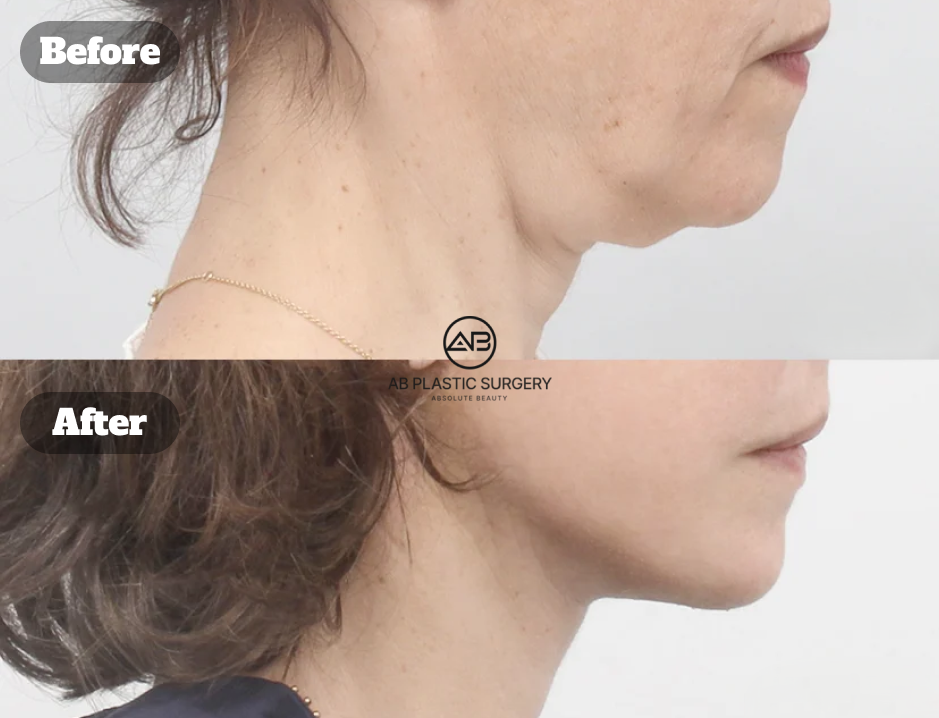
A neck lift is designed to improve visible aging changes below the jawline. It may address loose skin, excess fat beneath the chin, vertical neck bands, and reduced definition of the chin–neck angle. The procedure is generally considered when these concerns are caused by skin and muscle laxity rather than facial tissue descent alone.
Loose Skin and Vertical Neck Bands
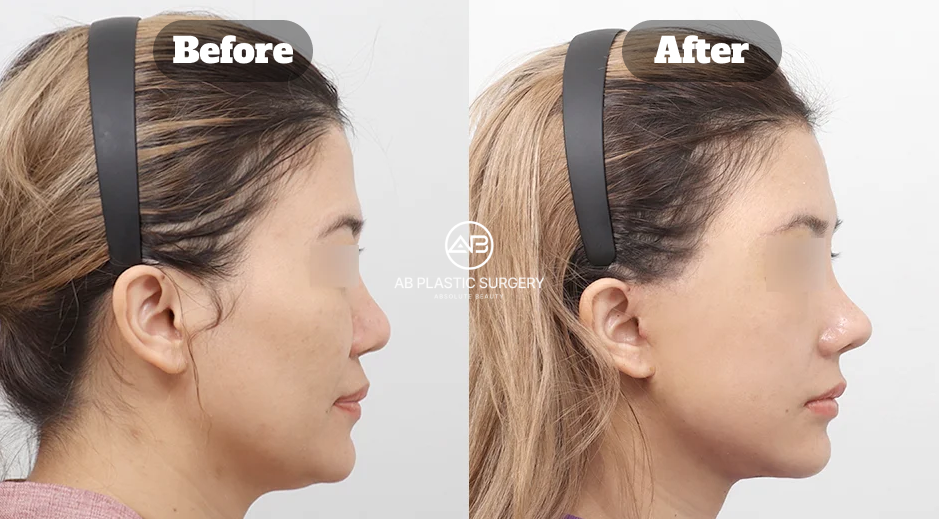
As the skin and platysma muscle lose elasticity, the neck may develop sagging skin or visible vertical bands. A neck lift may tighten and reposition these tissues to create a smoother neck contour. The surgical method depends on the degree of laxity and the condition of the underlying muscle.
Double Chin and Reduced Neck Definition
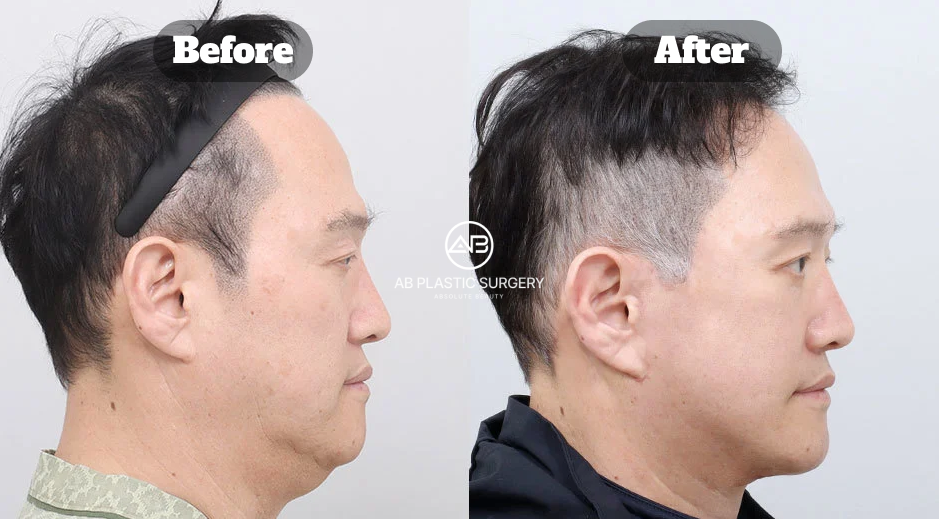
Fat beneath the chin can make the jawline appear less defined, especially when combined with loose skin or muscle laxity. In some cases, fat removal may be included as part of neck lift surgery. However, liposuction alone may not be sufficient when the skin and deeper tissues also require correction.
Who May Be a Candidate for a Neck Lift?
A neck lift may be considered for patients whose main concerns are concentrated below the jawline, while the cheeks and midface remain relatively firm. Suitable candidates may have loose neck skin, platysmal bands, excess submental fat, or a poorly defined chin–neck angle.
For patients considering a neck lift in Korea, consultation should include an assessment of skin elasticity, fat distribution, muscle condition, chin projection, and jawline structure. These factors help determine whether a neck lift alone is appropriate or whether a facelift or combined procedure should also be considered.
What Does a Facelift Treat?
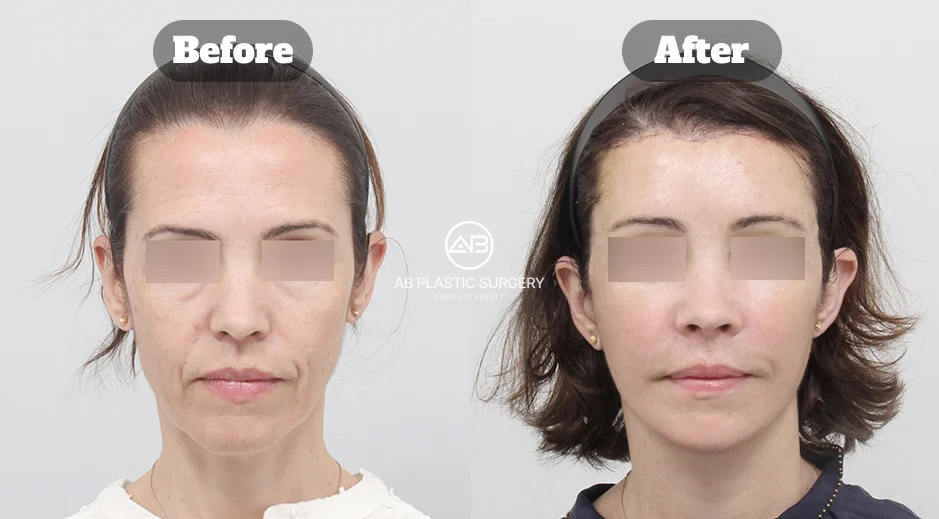
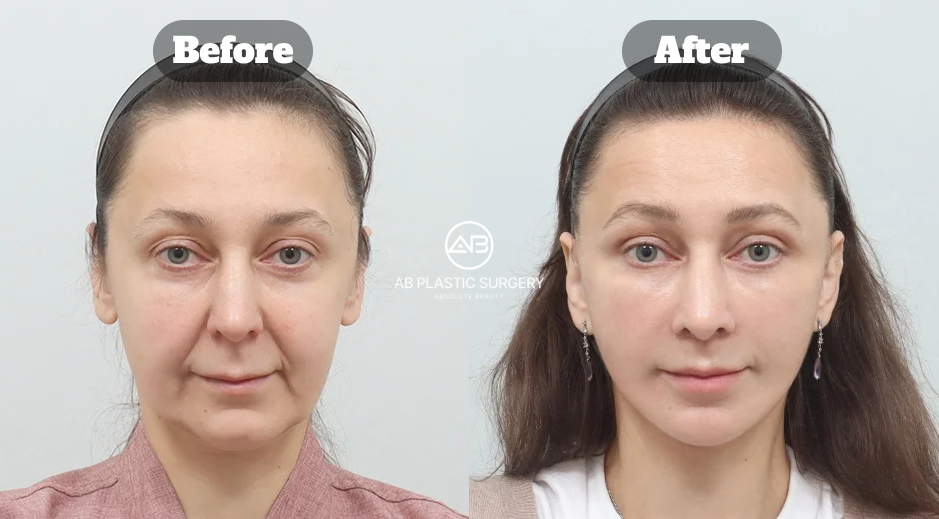
A facelift is designed to improve visible aging changes in the lower face and jawline. It may address sagging cheeks, jowls, softened facial contours, and tissue descent around the mouth and lower face. Unlike treatments that focus only on the skin surface, facelift surgery may involve repositioning deeper supporting tissues depending on the patient’s anatomy and degree of laxity.
Sagging Cheeks and Lower-Face Laxity
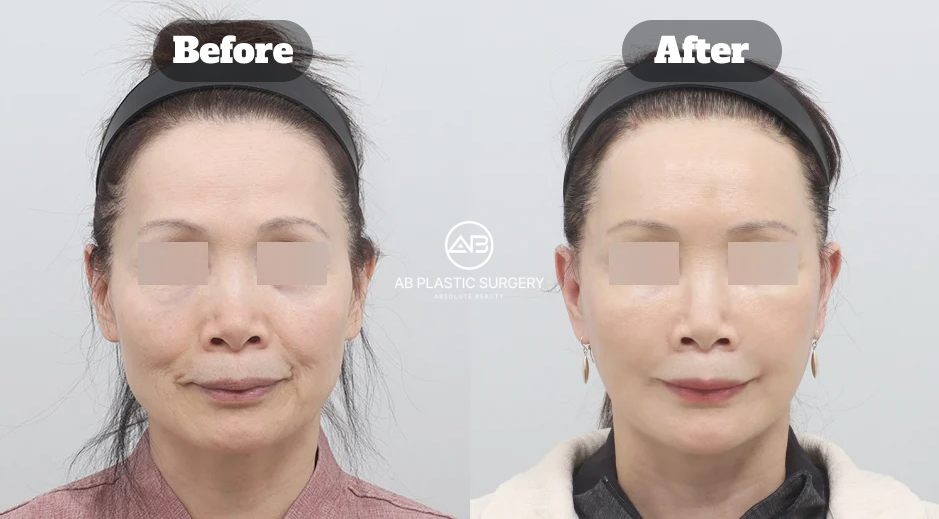
As facial tissues descend with age, the cheeks may appear flatter while heaviness develops around the lower face. A facelift may reposition these tissues to improve facial contour and restore a more balanced transition from the cheeks to the jawline.
Jowls and a Less Defined Jawline
Jowls develop when tissue along the lower face begins to descend over the jawline. A facelift may help improve this area by repositioning the underlying tissues and reducing excess skin. If neck laxity is also present, a neck lift may be considered at the same time to create a more continuous contour.
Who May Be a Candidate for a Facelift?
A facelift may be considered for patients whose main concerns include sagging cheeks, jowls, lower-face heaviness, or loss of jawline definition. The procedure is generally more relevant when these changes are caused by tissue descent rather than isolated neck laxity.
For patients considering a facelift in Korea, consultation should evaluate skin quality, facial volume, tissue position, jawline structure, and the relationship between the lower face and neck. This assessment helps determine whether a facelift alone may be appropriate or whether a combined facelift and neck lift may provide a more balanced result.
Neck Lift vs Facelift: Key Differences at a Glance
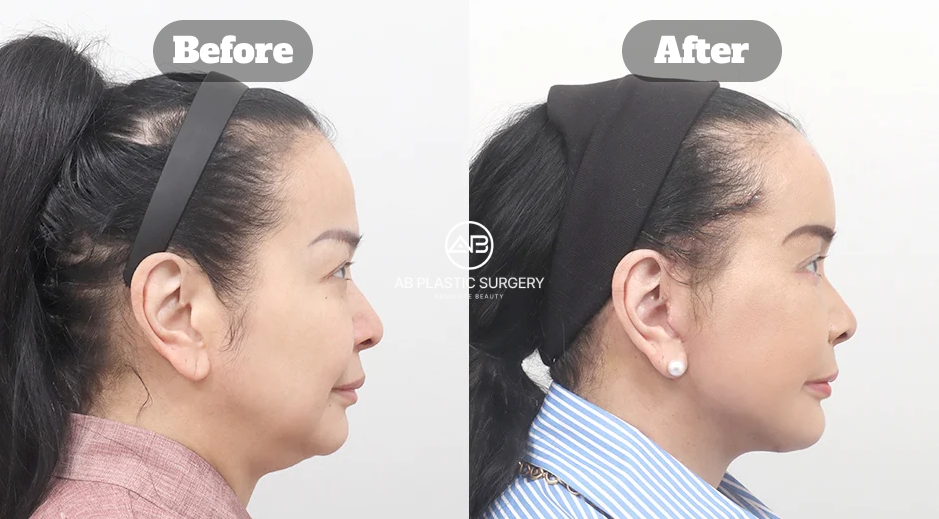
Although neck lift and facelift surgery are often discussed together, they differ in treatment area, surgical focus, and the aging concerns they are intended to address. The comparison below provides a general overview.
Difference in Treatment Area
A neck lift primarily treats changes below the jawline, while a facelift focuses on sagging in the cheeks, jowls, and lower face. However, the boundary is not always clear because lower-face laxity can affect the jawline and neck contour at the same time.
Difference in Surgical Focus
Both procedures may involve more than removing excess skin. A neck lift may address submental fat and the platysma muscle, while a facelift may reposition deeper facial tissues that have descended over time. The exact surgical method and tissue layers treated depend on the patient’s anatomy and aging pattern.
Difference in Procedure Selection
A neck lift may be more appropriate when aging changes are concentrated beneath the jawline. A facelift may be more suitable when sagging cheeks and jowls are the main concerns. If both facial and neck laxity are present, combining the procedures may provide a more continuous transition from the lower face to the neck.
For patients considering facelift or neck lift surgery in Korea, procedure selection should be based on a direct examination rather than photographs or age alone. Skin elasticity, tissue position, fat distribution, muscle laxity, and facial proportions should all be evaluated before determining the appropriate surgical range.
When Are a Facelift and Neck Lift Performed Together?
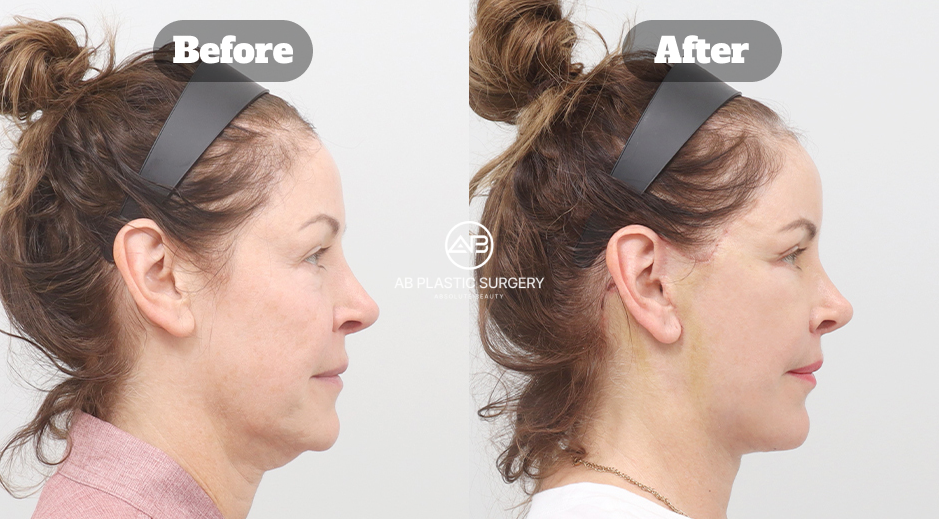
A facelift and neck lift may be performed together when aging changes affect both the lower face and neck. Because the cheeks, jawline, and neck are anatomically connected, treating only one area may leave an uneven transition between the face and neck in patients with broader tissue laxity.
When Facial and Neck Aging Occur Together
A combined procedure may be considered when sagging cheeks and jowls are accompanied by loose neck skin, vertical neck bands, or reduced definition beneath the chin. In these cases, a facelift may improve the lower face and jawline, while a neck lift addresses the tissues below the jaw.
Treating both areas within one surgical plan may help create a smoother transition from the cheeks and jawline to the neck. However, the surgical range should be determined according to the patient’s anatomy rather than combining procedures routinely.
Potential Benefits of a Combined Treatment Plan
When medically appropriate, combining facelift and neck lift surgery may allow the surgeon to address connected aging concerns within the same treatment plan. It may also help coordinate the recovery period and reduce the likelihood of one untreated area appearing more prominent after surgery.
The goal is not to create excessive tightness, but to reposition lax tissues in a way that maintains balance between the lower face, jawline, and neck.
When a Combined Procedure May Not Be Necessary
Not every patient with facial or neck aging requires both procedures. A neck lift alone may be sufficient when laxity is limited mainly to the area below the jawline and the cheeks remain relatively firm. A facelift alone may be considered when lower-face tissue descent is the primary concern and the neck shows minimal laxity.
For international patients planning facelift or neck lift surgery in Korea, consultation should determine the most appropriate extent of surgery needed to address the patient’s main concerns. This helps avoid unnecessary procedures while supporting a balanced and individualized result.
Recovery and Risks After Neck Lift and Facelift Surgery
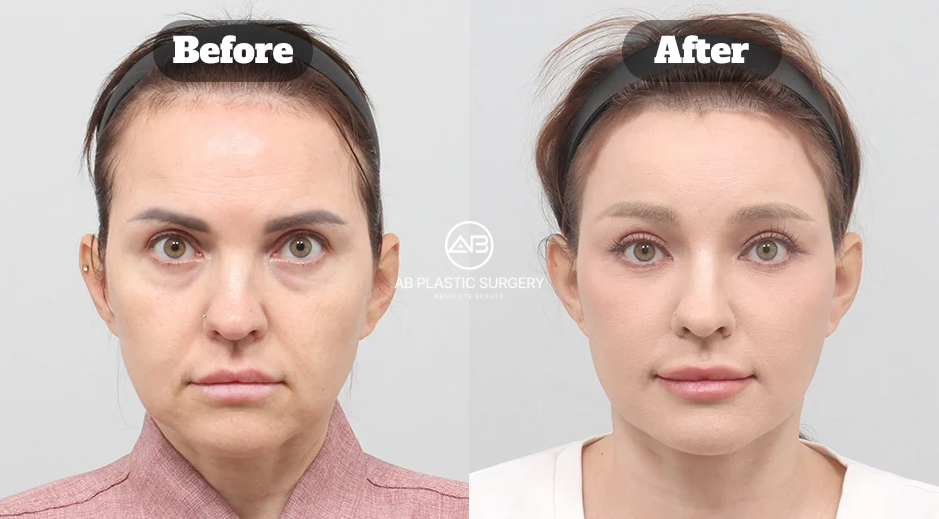
Recovery after a neck lift or facelift varies depending on the surgical range, the tissues treated, and whether the procedures are performed alone or together. Swelling, bruising, tightness, and temporary changes in sensation may occur during the early recovery period. These symptoms generally improve gradually, but the exact timeline differs for each patient.
Early Recovery Period
During the first several days, swelling and bruising may be most noticeable around the cheeks, jawline, and neck. Some patients may also experience a pulling sensation, stiffness, or mild numbness near the incision areas. Keeping the head elevated and following postoperative instructions may help support early recovery.
Patients are generally advised to avoid strenuous activity, pressure on the surgical area, and excessive neck movement during the initial healing period. The timing of returning to work or social activities depends on the extent of surgery and the individual healing response.
Scars and Long-Term Healing
Facelift and neck lift incisions are commonly planned around the ears, hairline, or beneath the chin, depending on the technique. Scars may appear pink or firm during the early stages of healing before gradually maturing over time.
Final contour changes are not immediate. Residual swelling and tissue settling may continue for several months, so results should be evaluated gradually rather than during the early postoperative period.
Possible Risks and Complications
As with any surgery, facelift and neck lift procedures involve possible risks. These may include bleeding, hematoma, infection, delayed wound healing, asymmetry, temporary or persistent changes in sensation, visible scarring, hairline changes, and anesthesia-related complications.
In rare cases, injury to facial or neck nerves may affect movement or sensation. The level of risk can vary according to the patient’s health, smoking history, extent of surgery, previous procedures, and postoperative care. A medical consultation should include a review of these factors before surgery.
Recovery Planning for International Patients
International patients considering facelift or neck lift surgery in Korea should allow enough time for postoperative checkups before returning home. Travel plans should account for swelling, dressing or suture management, medication, and the surgeon’s recommendation regarding long-distance flights.
Before surgery, patients should also confirm how follow-up care will be managed after departure from Korea. Clear postoperative instructions, a reliable way to contact the medical team, and a realistic recovery schedule are important parts of planning surgery abroad.

Frequently Asked Questions About Neck Lift vs Facelift
Is a neck lift less invasive than a facelift?
A neck lift may involve a smaller treatment area than a facelift, but this does not always mean it is less invasive. The extent of surgery depends on whether loose skin, excess fat, and platysma muscle laxity need to be addressed. The appropriate procedure should be determined according to the patient’s anatomy rather than the procedure name alone.
Can a facelift improve the neck without a separate neck lift?
A facelift may improve part of the jawline and upper neck by repositioning lower-face tissues. However, a separate neck lift may still be needed when there is significant loose neck skin, submental fat, or platysma muscle laxity. The decision depends on how far the aging changes extend below the jawline.
Can a neck lift improve jowls?
A neck lift may improve the contour beneath the jawline, but it does not directly reposition sagging cheek tissue. If jowls are mainly caused by lower-face tissue descent, a facelift may provide a more direct correction. Some patients may need both procedures to improve the transition between the jawline and neck.
How do I know whether I need a facelift or neck lift?
A neck lift may be considered when the main concerns are loose neck skin, vertical neck bands, or fullness beneath the chin. A facelift may be more suitable when sagging cheeks, jowls, and lower-face laxity are more prominent. A consultation should assess skin elasticity, fat distribution, muscle laxity, and tissue position before selecting a procedure.
Can a facelift and neck lift be performed at the same time?
Yes, the procedures may be combined when aging changes affect both the lower face and neck. A combined plan may help create a more continuous contour from the cheeks and jawline to the neck. However, the patient’s health, surgical range, and recovery capacity should be evaluated before surgery.
How long do facelift and neck lift results last?
Facelift and neck lift surgery may provide long-term improvement, but they do not stop the natural aging process. The duration of the result varies depending on skin quality, surgical technique, lifestyle, weight changes, and individual aging patterns. Maintaining a stable weight and following postoperative care instructions may support the result over time.

Choosing Between a Neck Lift and Facelift at AB Plastic Surgery Korea
The choice between a neck lift and facelift should be based on the location and cause of tissue laxity rather than age alone or the popularity of a particular procedure. A neck lift may be considered when loose skin, excess fat, or muscle bands are concentrated below the jawline. A facelift may be more appropriate when sagging cheeks, jowls, and lower-face tissue descent are the main concerns. When both areas are affected, a combined procedure may be discussed.
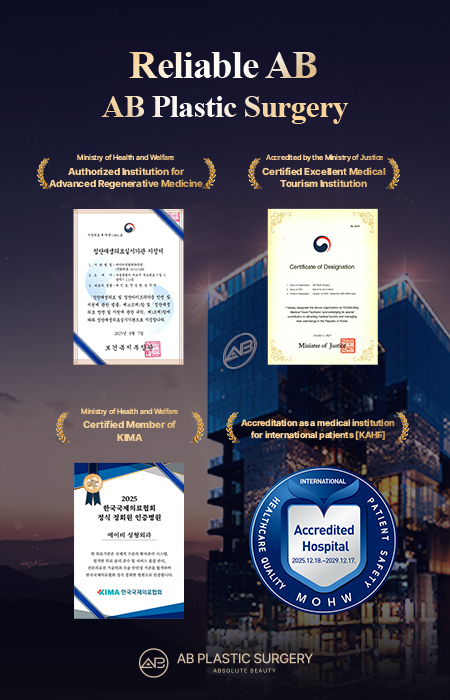
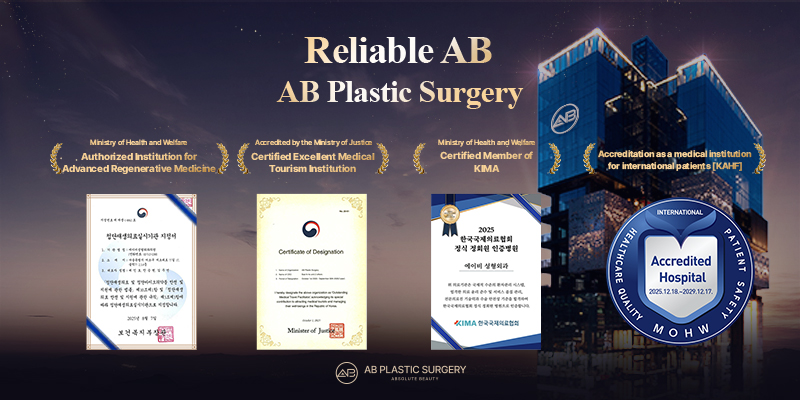
A personalized consultation can help determine which approach may address the patient’s concerns while maintaining balanced facial proportions. AB Plastic Surgery Korea is accredited by KAHF as a medical institution for treating international patients. Its medical team includes board-certified plastic surgeons, including surgeons who are full members of the Korean Society of Plastic and Reconstructive Surgeons and the Korean Society for Aesthetic Plastic Surgery. As of August 2026, AB Plastic Surgery’s RealSelf profile lists a 4.9 rating based on 127 patient reviews.
Personalized Evaluation of the Face and Neck
At AB Plastic Surgery Korea, consultation considers the face and neck as connected areas. Skin elasticity, facial volume, fat distribution, muscle laxity, jawline structure, chin projection, and previous procedures may all influence the surgical plan.
The goal is to identify which tissue layers are contributing to the patient’s concerns and determine an appropriate surgical range without adding unnecessary procedures.
Safety and Recovery Planning
Facelift and neck lift surgery require planning beyond the visible result. The patient’s medical history, anesthesia suitability, incision management, postoperative monitoring, and expected recovery should be reviewed before surgery.
AB Plastic Surgery Korea operates a safety-oriented system that includes preoperative examinations, medical monitoring, and structured postoperative care. The specific method and recovery schedule are confirmed according to the patient’s condition and planned extent of surgery.
Support for International Patients
International patients considering facelift or neck lift surgery in Korea should plan sufficient time for consultation, surgery, early recovery, and follow-up visits. Language support, travel coordination, postoperative instructions, and communication after returning home should also be confirmed in advance.
AB Plastic Surgery Korea provides consultation and patient-support services for international patients, helping them understand the proposed procedure, expected recovery, and practical schedule before making a decision.
Key takeaways
-
A neck lift mainly treats loose skin, fat, and muscle laxity below the jawline.
-
A facelift mainly treats sagging cheeks, jowls, and lower-face tissue descent.
-
The procedures may be combined when aging affects both the face and neck.
-
Procedure selection should be based on anatomy, tissue condition, and medical assessment rather than age alone.
-
International patients should include follow-up care and recovery time when planning lifting surgery in Korea.
Choosing between a neck lift, facelift, or combined procedure requires an individual assessment of the lower face, jawline, and neck. A personalized consultation can help clarify which approach may address the patient’s main concerns while maintaining natural facial proportions.
→ View Lifting Surgery Cost Information
This article provides general educational information and does not replace a medical diagnosis, in-person consultation, or personalized surgical plan.

This article is for informational purposes only and does not replace a personal medical consultation.