Title
Ptosis Correction in Korea: 7 Things You Must Know Before Eyelid SurgeryDate
2026-04-08Views
3365
AB Blog
Ptosis Correction in Korea: A Complete Guide to Droopy Eyelid Surgery and Recovery
Table of Contents
1. What Is Ptosis Correction and Do You Really Need Eyelid Surgery?
2. Causes of Ptosis: Why Proper Diagnosis Matters Before Ptosis Correction
3. Not All Droopy Eyelids Need Ptosis Correction
4. Types of Ptosis Correction Surgery in Korea
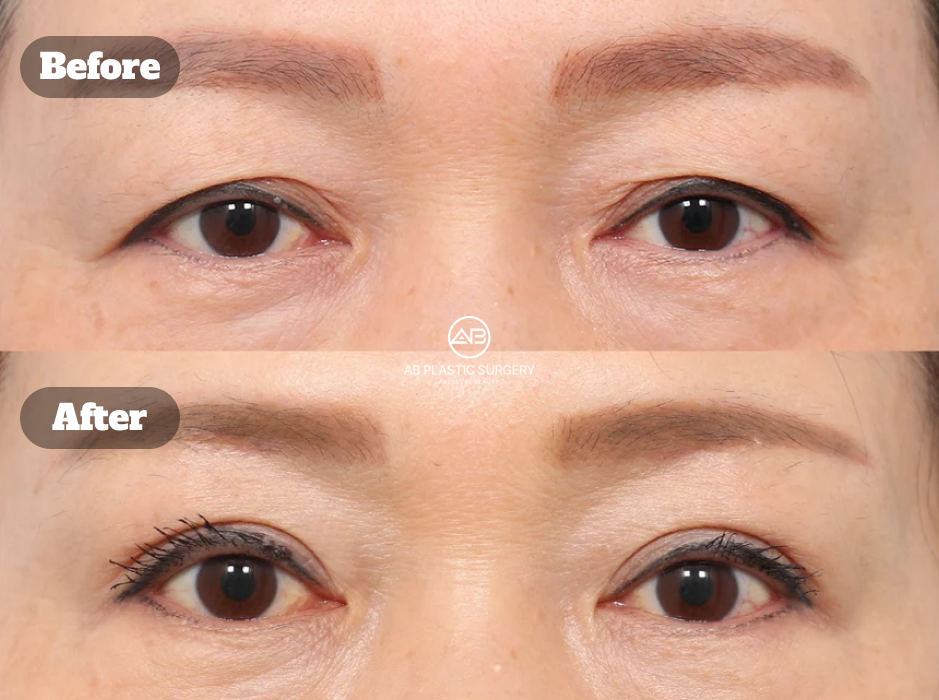
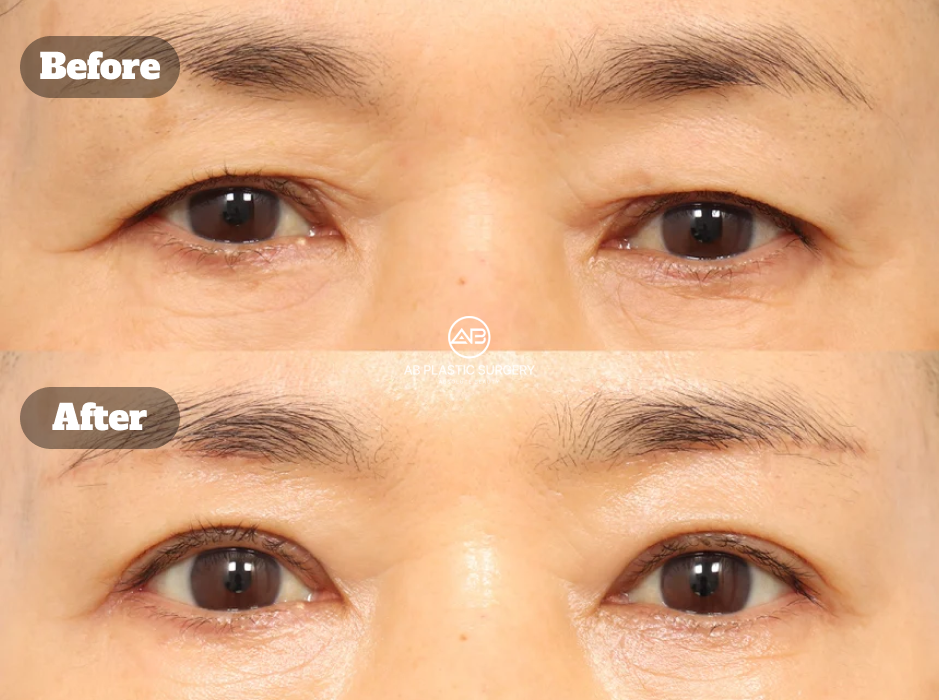
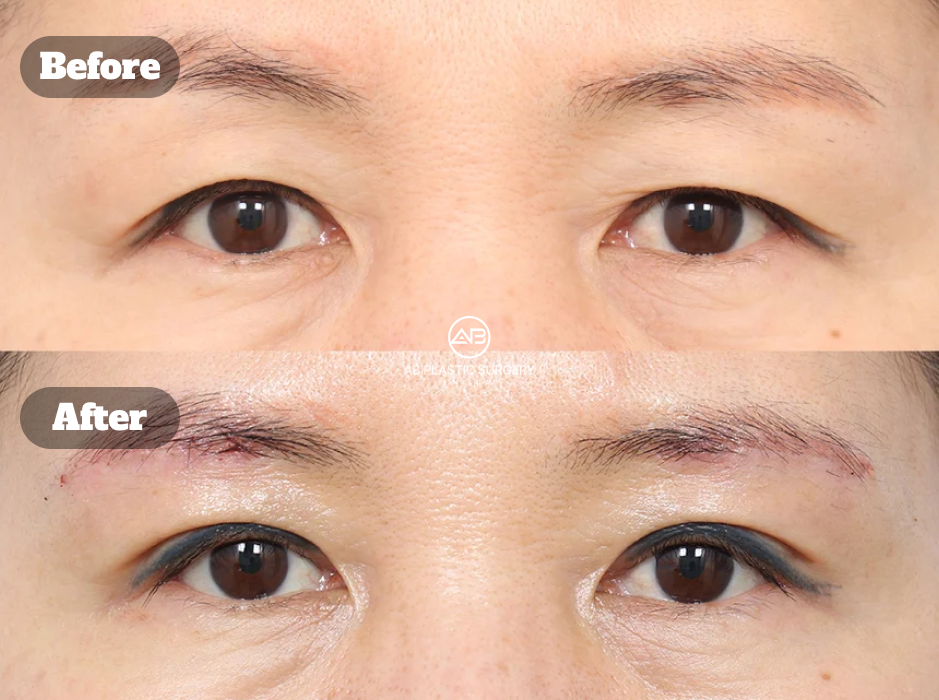
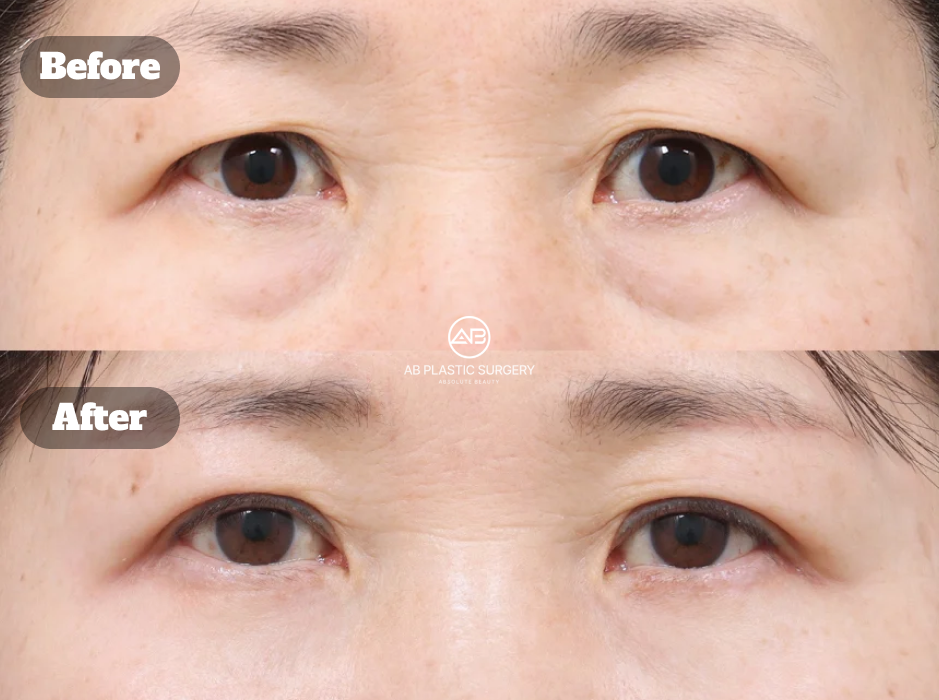
5. Ptosis Correction Before and After: What to Expect
6. Ptosis Correction Recovery Timeline
7. Cost of Ptosis Correction in Korea
8. Risks and Safety of Ptosis Correction
9. Why Choose Korea and AB Plastic Surgery for Ptosis Correction?
Ptosis correction is one of the most effective solutions for droopy eyelids that make your eyes look tired, uneven, or even affect your vision. However, many patients consider eyelid surgery without fully understanding whether ptosis correction is actually necessary for their condition.
In reality, not all droopy eyelids require ptosis correction. Some cases are caused by excess skin, while others involve weakened eyelid muscles that need a different surgical approach. Choosing the wrong procedure can lead to unnatural results or the need for revision surgery.
Before deciding on ptosis correction in Korea, it is essential to understand the causes, proper diagnosis, surgical options, and recovery process. This guide outlines the 7 most important factors you must know to determine whether ptosis correction is right for you—and how to achieve safe, natural-looking results.
What Is Ptosis Correction and Do You Really Need Eyelid Surgery?
Understanding Ptosis (Droopy Eyelids)
Ptosis refers to a condition where the upper eyelid droops lower than normal due to weakened or stretched muscles responsible for lifting the eyelid. This can affect one or both eyes and may range from a mild cosmetic concern to a functional issue that interferes with vision.
Many patients initially notice ptosis when their eyes appear tired, heavy, or asymmetrical. In more severe cases, the eyelid can partially block the pupil, making it difficult to see clearly without raising the eyebrows or tilting the head.
Ptosis correction is a surgical procedure designed to lift the eyelid by strengthening or adjusting the muscle responsible for opening the eye. The goal is not only to improve appearance but also to restore proper eye function.
Ptosis vs Excess Eyelid Skin: Why It Matters
One of the most common misconceptions is confusing ptosis with excess eyelid skin. While both conditions can make the eyes look droopy, the underlying causes—and treatments—are completely different.
|
Condition |
Main Cause |
Typical Solution |
|---|---|---|
|
Ptosis |
Weak eyelid muscle (levator) |
Ptosis correction surgery |
|
Excess eyelid skin |
Skin laxity or aging |
Double eyelid or skin removal surgery |
Choosing the wrong diagnosis can lead to unsatisfactory results, including persistent heaviness or unnatural eye shape after surgery. This is why proper evaluation is essential before deciding on any eyelid procedure.
→ Learn More About Eyelid Correction Options
Signs You May Need Ptosis Correction
Not every case of droopy eyelids requires ptosis correction. However, certain symptoms may indicate that the issue involves muscle weakness rather than just excess skin.
-
Eyes appear consistently tired or sleepy, even when well-rested
-
One eye opens less than the other (asymmetry)
-
Difficulty keeping the eyes fully open throughout the day
-
Frequent eyebrow lifting to compensate for vision
-
Partial obstruction of vision in severe cases
If these symptoms are present, ptosis correction may be necessary to address both functional and aesthetic concerns.
Do You Really Need Ptosis Correction?
While ptosis correction can significantly improve both vision and eye appearance, it is not always the right solution for every patient. Some individuals may achieve better results with alternative procedures such as double eyelid surgery or brow lifting, depending on the underlying cause.
In Korea, ptosis correction is typically recommended only after a detailed assessment of eyelid muscle strength, skin condition, and overall facial balance. This ensures that the chosen treatment aligns with both functional needs and natural aesthetics.
The key is not simply correcting droopy eyelids, but selecting the right approach based on accurate diagnosis.
Causes of Ptosis: Why Proper Diagnosis Matters Before Ptosis Correction
Common Causes of Ptosis
Ptosis can develop for several reasons, and identifying the exact cause is essential before considering ptosis correction. While the visible symptom is a drooping eyelid, the underlying problem may vary significantly from patient to patient.
In most cases, ptosis is related to weakness or dysfunction of the levator muscle, which is responsible for lifting the upper eyelid. However, the reason behind this weakness can differ.
-
Congenital ptosis: Present from birth due to underdeveloped eyelid muscles
-
Age-related ptosis: Gradual weakening or stretching of the levator muscle over time
-
Contact lens use: Long-term use can contribute to muscle strain
-
Frequent eye rubbing: Mechanical stress that weakens eyelid support structures
-
Previous eyelid surgery: Scar tissue or altered anatomy affecting eyelid function
Each of these causes requires a slightly different surgical approach, which is why a standardized procedure is not suitable for all patients.
Congenital vs Acquired Ptosis
Understanding whether ptosis is congenital or acquired helps determine both the surgical technique and expected outcomes.
|
Type |
Characteristics |
Considerations |
|---|---|---|
|
Congenital Ptosis |
Present from birth, often affects one eye |
May require stronger correction due to weak muscle function |
|
Acquired Ptosis |
Develops over time (aging or lifestyle) |
Often more predictable surgical outcomes |
The distinction is important because the surgical plan must be tailored to the specific type of ptosis.
Why Misdiagnosis Leads to Poor Results
One of the most common issues in eyelid surgery is misdiagnosing ptosis as simple skin laxity. This can lead to performing the wrong procedure, such as double eyelid surgery alone, without addressing the underlying muscle problem.
When ptosis is not properly corrected:
-
The eyes may still appear heavy or tired after surgery
-
Asymmetry can become more noticeable
-
Patients may require revision surgery
Accurate diagnosis is the foundation of successful ptosis correction. Without it, even technically well-performed surgery may not deliver the desired outcome.
How Ptosis Is Properly Diagnosed
Before recommending ptosis correction, surgeons typically evaluate multiple factors to determine the underlying cause and severity.
-
Levator muscle strength (eyelid lifting power)
-
Degree of eyelid drooping
-
Eye symmetry and balance
-
Skin thickness and elasticity
-
Patient habits and medical history
In Korea, this diagnostic process is considered a critical step rather than a preliminary formality. The goal is to ensure that ptosis correction is only performed when truly necessary—and that the chosen method matches the patient’s condition precisely.
Ultimately, successful ptosis correction begins with understanding not just what you see, but why it happens.
Not All Droopy Eyelids Need Ptosis Correction (Important!)
When Ptosis Correction Is NOT Necessary
One of the most important things to understand before considering ptosis correction is that not all droopy eyelids are caused by ptosis. In many cases, the issue may be related to excess skin, eyebrow position, or overall facial structure rather than muscle weakness.
Performing ptosis correction when it is not needed can lead to unnatural results or unnecessary surgical intervention.
-
Droopy appearance caused mainly by excess eyelid skin
-
Low eyebrow position creating a heavy eye impression
-
Mild asymmetry that does not involve muscle weakness
-
Temporary eyelid heaviness due to fatigue or swelling
In these cases, alternative procedures may provide more natural and effective results.
When Other Procedures May Be More Appropriate
Depending on the underlying cause, procedures other than ptosis correction may be recommended to achieve better outcomes.
|
Condition |
More Suitable Treatment |
Reason |
|---|---|---|
|
Excess eyelid skin |
Double eyelid surgery |
Removes redundant skin rather than adjusting muscle |
|
Low eyebrow position |
Brow lift |
Lifts the entire upper eye area |
|
Mixed conditions |
Combined approach |
Addresses multiple structural issues together |
The key is not choosing a popular procedure, but selecting the right one based on the cause.
→ Explore Forehead Lift Solutions
Risks of Choosing the Wrong Procedure
Choosing ptosis correction without proper indication can lead to results that do not meet expectations. In some cases, it may even create new aesthetic or functional concerns.
-
Overcorrection resulting in an unnatural or “staring” appearance
-
Persistent heaviness if the root cause is not addressed
-
Increased asymmetry between both eyes
-
Need for revision surgery
This is why accurate diagnosis and procedure selection are more important than the surgery itself.
How to Determine If You Are a Good Candidate
Ptosis correction is typically recommended when both functional and structural indicators are present. A thorough evaluation helps determine whether the procedure is appropriate.
-
Confirmed weakness of the eyelid lifting muscle
-
Noticeable difference in eye opening between both eyes
-
Vision obstruction or need to lift eyebrows to see clearly
-
Desire for both functional improvement and natural aesthetic results
In Korea, surgeons prioritize a conservative and diagnostic-driven approach. Ptosis correction is recommended only when it provides clear functional or aesthetic benefits, not simply because the eyes appear droopy.
Understanding whether you truly need ptosis correction is the first and most critical step toward achieving safe and satisfying results.
Types of Ptosis Correction Surgery in Korea (Techniques Explained)
Main Types of Ptosis Correction Surgery
Ptosis correction is not a single standardized procedure. The surgical approach varies depending on the severity of ptosis, eyelid structure, and whether additional aesthetic correction is needed.
In Korea, ptosis correction techniques are highly refined to achieve both functional improvement and natural-looking results. The most commonly used methods include the following:
|
Type |
Best For |
Key Features |
|---|---|---|
|
Non-incisional ptosis correction |
Mild ptosis |
Minimal scarring and faster recovery |
|
Incisional ptosis correction |
Moderate to severe ptosis |
Stronger and more stable correction |
|
Combined double eyelid + ptosis correction |
Aesthetic and functional needs |
Improves both eye shape and function |
|
Revision ptosis surgery |
Previous surgery cases |
Corrects asymmetry or incomplete results |
Choosing the correct surgical method is essential for achieving balanced and long-lasting results.
Non-Incisional vs Incisional Ptosis Correction
The two primary techniques differ in approach, recovery, and strength of correction.
-
Non-incisional method: Uses sutures to adjust eyelid position without making an incision. Suitable for mild ptosis and patients seeking minimal downtime.
-
Incisional method: Involves a precise incision to directly adjust the levator muscle. Recommended for moderate to severe ptosis for more stable and predictable outcomes.
The decision between these methods depends on muscle strength, skin condition, and desired results—not just patient preference.
When Ptosis Correction Is Combined with Double Eyelid Surgery
In many cases, ptosis correction is performed together with double eyelid surgery. This combined approach is particularly common in Korea, where both functional improvement and aesthetic balance are considered equally important.
Combination surgery may be recommended when:
-
The patient wants a more defined eyelid crease
-
There is both muscle weakness and excess skin
-
Improved symmetry and overall eye balance is desired
This approach ensures that the eyes not only open properly but also appear natural and harmonious with the rest of the face.
Why Korean Ptosis Correction Techniques Are Different
Ptosis correction in Korea is known for its emphasis on precision and natural aesthetics. Rather than simply lifting the eyelid, the goal is to create a balanced eye shape that matches the patient’s facial features.
-
Detailed preoperative analysis of eye structure
-
Customized surgical planning for each patient
-
Focus on symmetry and subtle enhancement
-
Integration of functional and aesthetic goals
In Korea, ptosis correction is not just about opening the eyes—it is about achieving a natural, proportionate result that fits the individual.
How to Choose the Right Technique
Selecting the appropriate ptosis correction method requires careful evaluation rather than a one-size-fits-all approach.
-
Severity of eyelid drooping
-
Strength of the levator muscle
-
Presence of excess skin
-
Previous surgical history
-
Desired aesthetic outcome
The most effective ptosis correction is not determined by the technique itself, but by how well it matches the patient’s condition.
This is why a detailed consultation and accurate diagnosis are essential before deciding on surgery.
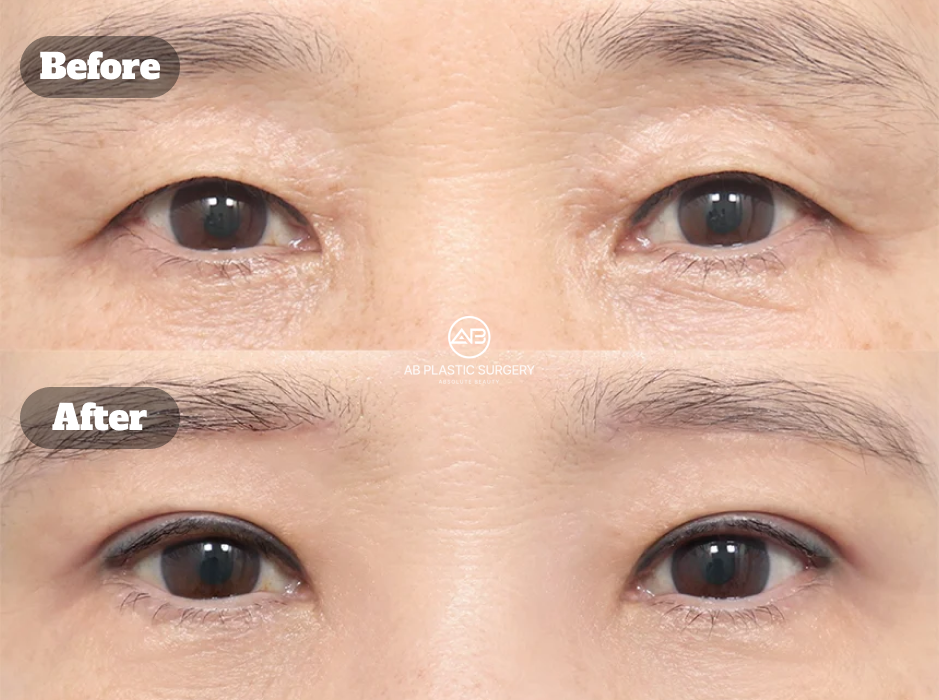
Ptosis Correction Before and After: What Results Can You Expect?
Functional and Aesthetic Improvements
Ptosis correction is designed to improve both function and appearance. While many patients focus on how their eyes will look after surgery, the procedure also plays an important role in restoring proper eyelid function.
-
Improved vision: Lifting the eyelid can remove obstruction from the visual field
-
Reduced eye fatigue: Less need to raise the eyebrows to keep the eyes open
-
Brighter, more open eyes: A more alert and refreshed appearance
-
Better symmetry: Balanced eye opening between both sides
The goal of ptosis correction is not to dramatically change the eyes, but to restore a natural and comfortable eye position.
Before and After: Natural vs Overcorrected Results
One of the most important considerations in ptosis correction is achieving a natural result. Overcorrection can lead to an unnatural or overly wide-eyed appearance, while under-correction may leave the eyes still looking heavy.
|
Result Type |
Characteristics |
Outcome |
|---|---|---|
|
Natural correction |
Balanced eyelid height and smooth eye movement |
Harmonizes with facial features |
|
Overcorrection |
Eyelid lifted too high, excessive exposure |
Unnatural or “staring” appearance |
|
Undercorrection |
Insufficient lift of the eyelid |
Persistent heaviness or asymmetry |
Achieving the right balance is critical, and this depends on precise surgical planning and experience.
→ View Real Before & After Results
When Will You See the Final Results?
While some changes are visible immediately after surgery, the final outcome of ptosis correction takes time as swelling subsides and tissues settle.
-
First week: Swelling and bruising are most noticeable
-
2–4 weeks: Eye shape becomes more defined
-
1–3 months: Final eyelid position stabilizes
During this period, minor asymmetry or tightness may occur temporarily and typically resolves as healing progresses.
Setting Realistic Expectations
Understanding what ptosis correction can and cannot achieve is essential before surgery. While the procedure can significantly improve eye opening and symmetry, it does not change the fundamental structure of the eyes.
-
It improves eyelid position, not eye size
-
It enhances alertness, not drastically alters facial identity
-
It balances symmetry, but perfect symmetry is not always possible
Patients who approach ptosis correction with realistic expectations are more likely to be satisfied with their results.
The most successful outcomes are those that look natural, feel comfortable, and align with the patient’s overall facial balance.
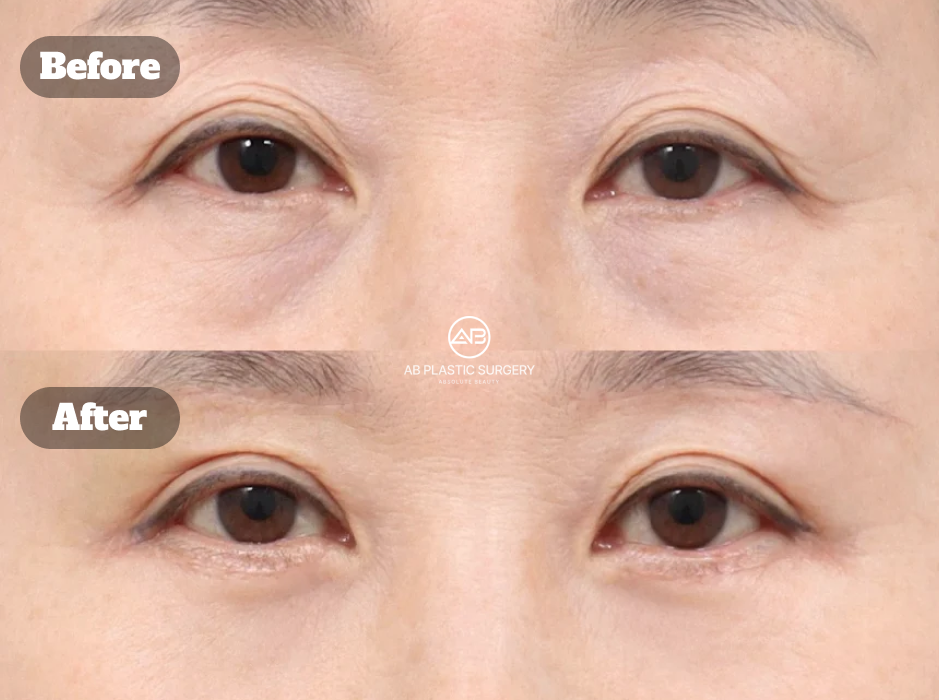
Ptosis Correction Recovery Timeline: What to Expect After Eyelid Surgery
Immediate Recovery: First 1–3 Days
After ptosis correction surgery, the initial recovery phase typically involves swelling, mild discomfort, and temporary tightness around the eyes. These symptoms are a normal part of the healing process.
-
Swelling and bruising are most noticeable
-
Mild pain or tightness may occur
-
Vision may feel slightly blurred due to swelling
-
Cold compress is often recommended to reduce swelling
This stage is temporary and usually improves significantly within the first few days.
Early Recovery: 5–7 Days
Within the first week, patients begin to see visible improvement as swelling decreases. If sutures are used, they are typically removed during this period.
-
Stitch removal (if applicable)
-
Reduction in swelling and bruising
-
Gradual improvement in eye opening
-
Return to light daily activities
Most patients feel comfortable returning to normal routines after the first week, although full recovery is still in progress.
Mid Recovery: 2–4 Weeks
During this phase, the eyelid shape becomes more defined, and most visible signs of surgery continue to fade.
-
Noticeable improvement in symmetry
-
Reduced swelling and more natural eye movement
-
Makeup and social activities usually possible
Some minor asymmetry or tightness may still be present, but this is typically part of the normal healing process.
Final Results: 1–3 Months
The final results of ptosis correction gradually stabilize over time as the tissues fully heal and settle into their new position.
-
Final eyelid height and symmetry become stable
-
Scars (if any) continue to fade
-
Eye function and comfort improve further
At this stage, patients can evaluate the true outcome of their ptosis correction.
Tips for Faster and Safer Recovery
Following proper aftercare instructions can significantly influence the recovery process and final results.
-
Avoid rubbing or putting pressure on the eyes
-
Keep the head elevated while resting
-
Follow prescribed medication and care instructions
-
Avoid strenuous activities during early recovery
-
Attend all follow-up appointments
Recovery is not just about healing—it is part of achieving the best possible result.
New to surgery in Korea? Start with this complete guide
What International Patients Should Consider
For international patients traveling to Korea for ptosis correction, planning the recovery timeline is especially important.
-
Recommended stay: approximately 7–10 days
-
Time needed for follow-up visits and stitch removal
-
Allowing sufficient recovery before long-distance travel
Proper planning ensures a smoother recovery experience and reduces the risk of complications after returning home.
→ Read Real Patient Recovery Stories
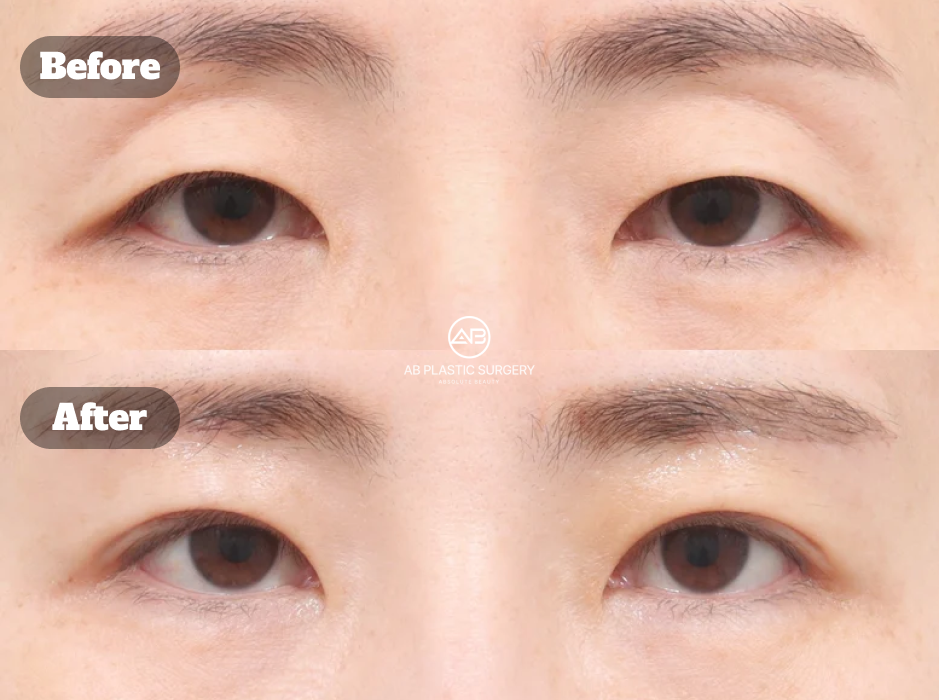
Cost of Ptosis Correction in Korea (2026 Guide)
Average Cost of Ptosis Correction in Korea
The cost of ptosis correction in Korea varies depending on the complexity of the case and the surgical method required. Because ptosis correction is a highly individualized procedure, pricing is typically determined after a detailed medical evaluation rather than a fixed standard.
-
Mild ptosis (non-incisional): Generally involves less complex correction
-
Moderate to severe ptosis (incisional): Requires more precise muscle adjustment
-
Revision ptosis surgery: May involve additional complexity due to previous procedures
For this reason, an accurate consultation is essential to determine both the appropriate surgical plan and the expected cost.
What Factors Affect the Cost?
Ptosis correction is not a one-size-fits-all procedure. The cost reflects the level of precision and customization required for each patient.
-
Severity of ptosis: More severe cases require more advanced correction
-
Surgical technique: Incisional methods are generally more involved
-
Combination procedures: Double eyelid surgery or additional treatments may be included
-
Revision cases: Previous surgery increases technical difficulty
-
Surgeon expertise and facility standards
The final cost is determined based on a comprehensive evaluation of these factors.
Why Fixed Pricing Can Be Misleading
Many patients look for a fixed price when researching ptosis correction, but this approach can be misleading. Each case differs in anatomy, severity, and surgical requirements, making standardized pricing inaccurate.
-
Different patients require different surgical techniques
-
Severity and eyelid structure vary significantly
-
Additional procedures may be necessary for optimal results
Ptosis correction should be understood as a medical procedure tailored to the individual, not a fixed-price service.
Why Cost Should Not Be the Only Factor
While cost is an important consideration, choosing ptosis correction based solely on price can lead to unsatisfactory or even unsafe outcomes.
-
Lower-cost procedures may compromise precision or safety systems
-
Incorrect diagnosis can result in ineffective surgery
-
Revision procedures may increase the overall cost
Ptosis correction directly affects both vision and appearance, making surgical accuracy and safety more important than price alone.
How to Make a Cost-Effective Decision
Making a cost-effective decision means evaluating overall value rather than focusing only on price.
-
Ensure accurate diagnosis before surgery
-
Understand what is included in the total cost (consultation, follow-up care, etc.)
-
Consider surgeon experience and specialization
-
Evaluate safety systems and postoperative support
The most effective ptosis correction is not defined by the lowest price, but by safe, natural, and long-lasting results.
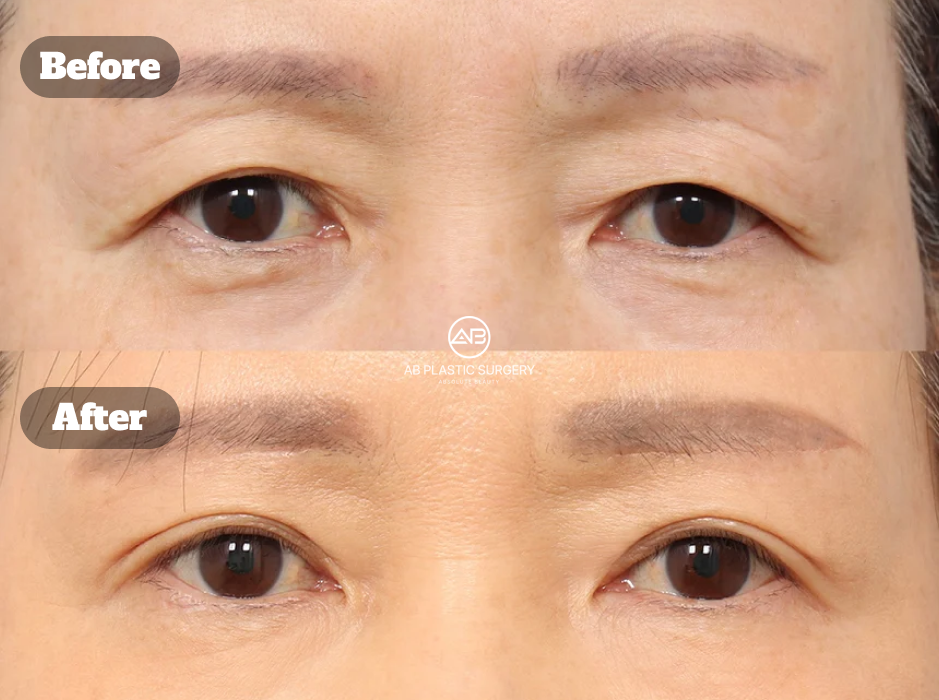
Risks and Safety of Ptosis Correction: What You Must Know Before Surgery
Common Risks of Ptosis Correction
Like any surgical procedure, ptosis correction involves certain risks. While complications are relatively uncommon when performed by experienced surgeons, understanding these risks is essential before making a decision.
-
Undercorrection: The eyelid is not lifted enough, leaving a heavy appearance
-
Overcorrection: The eyelid is lifted too high, resulting in an unnatural look
-
Asymmetry: Differences in eyelid height between both eyes
-
Dry eyes: Temporary discomfort due to incomplete eyelid closure
-
Scarring: Minimal in most cases, but varies depending on technique
Most of these issues can be minimized with proper diagnosis and precise surgical technique.
Why Surgical Experience Matters
Ptosis correction requires a high level of precision because even a small adjustment in eyelid height can significantly affect both appearance and function.
-
Millimeter-level accuracy is required for symmetry
-
Overcorrection and undercorrection must be carefully balanced
-
Muscle strength must be accurately assessed before surgery
The outcome of ptosis correction depends not only on the technique, but on the surgeon’s ability to customize the procedure for each patient.
How Risks Are Minimized in Korea
In Korea, ptosis correction is typically approached with a strong emphasis on safety, structured diagnosis, and surgical precision. Clinics that specialize in eyelid surgery follow standardized protocols to reduce risks and improve outcomes.
-
Detailed preoperative analysis of eyelid function
-
Customized surgical planning for each patient
-
Careful intraoperative adjustment for symmetry
-
Structured postoperative monitoring
This systematic approach helps ensure both functional safety and natural-looking results.
Why Safety Systems Matter More Than Technique Alone
While surgical skill is critical, safety systems play an equally important role in patient outcomes—especially for international patients traveling abroad for surgery.
-
Anesthesia monitoring and specialist supervision
-
Real-time intraoperative monitoring systems
-
Emergency response protocols
-
Postoperative care and follow-up management
These systems ensure that patients are not only treated safely during surgery, but also properly managed if any unexpected situation occurs.
What Patients Should Look for Before Choosing a Clinic
Before undergoing ptosis correction, patients should evaluate not only the procedure itself, but also the overall medical system of the clinic.
-
Clear and accurate diagnosis process
-
Transparent explanation of risks and outcomes
-
Availability of emergency response systems
-
Structured postoperative care
Ptosis correction is not just about achieving better-looking eyes—it is about choosing a system that ensures safety, accountability, and long-term satisfaction.
Why Choose Korea and AB Plastic Surgery for Ptosis Correction?
Why Korea Is a Leading Destination for Ptosis Correction
Korea has become a global destination for eyelid surgery, including ptosis correction, due to its advanced surgical techniques and strong focus on natural-looking results. Patients from around the world visit Korea not only for affordability, but for precision and specialization in eye surgery.
-
High surgical volume and accumulated expertise
-
Specialized techniques for Asian and international patients
-
Focus on natural, balanced eye aesthetics
-
Integration of functional and cosmetic outcomes
Ptosis correction in Korea is not simply about lifting the eyelid—it is about restoring function while maintaining harmony with the overall face.
What Makes AB Plastic Surgery Different
Choosing the right clinic is one of the most important decisions when considering ptosis correction. At AB Plastic Surgery Korea, the focus extends beyond surgical technique to include patient safety, structured care, and long-term outcomes.
-
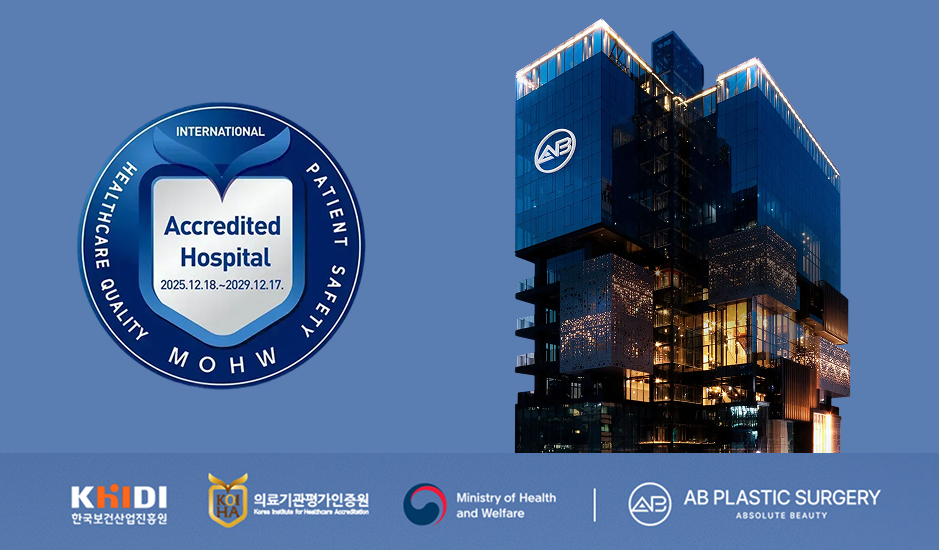
KAHF Accredited Hospital: Evaluated under national standards for international patient care and safety
-
Systemized safety protocols: Real-time monitoring, anesthesia specialists, and emergency response systems
-
Specialized eye surgery expertise: Customized approach based on detailed diagnosis
-
Consistent pre- and post-operative care: Structured management throughout the entire treatment process
This means patients are not only receiving surgery, but also a system designed to manage safety, responsibility, and recovery.
Why KAHF Accreditation Matters for Patients
For international patients, one of the biggest concerns is what happens if something does not go as expected. KAHF accreditation addresses this concern by evaluating how a medical institution manages patient safety, communication, and responsibility.
This certification is not about how well a hospital advertises—it is about whether the hospital meets national standards for handling real patient situations.
-
Multilingual communication systems for accurate consultation
-
Clear protocols for patient safety and medical quality
-
Structured systems for handling complications or unexpected situations
For patients, this means choosing a hospital that is not only experienced, but also accountable under a verified system.

International Patient Support at AB Plastic Surgery
AB Plastic Surgery Korea provides a comprehensive system designed specifically for international patients undergoing procedures such as ptosis correction.
-
Multilingual support in 9 languages with professional coordinators
-
Airport pickup and transportation assistance
-
Accommodation support near the clinic
-
Online consultation before arrival
-
Multiple payment options for international patients
From the moment you arrive in Korea to your recovery period, the entire process is structured to ensure convenience, safety, and clear communication.
A Structured Approach from Consultation to Recovery
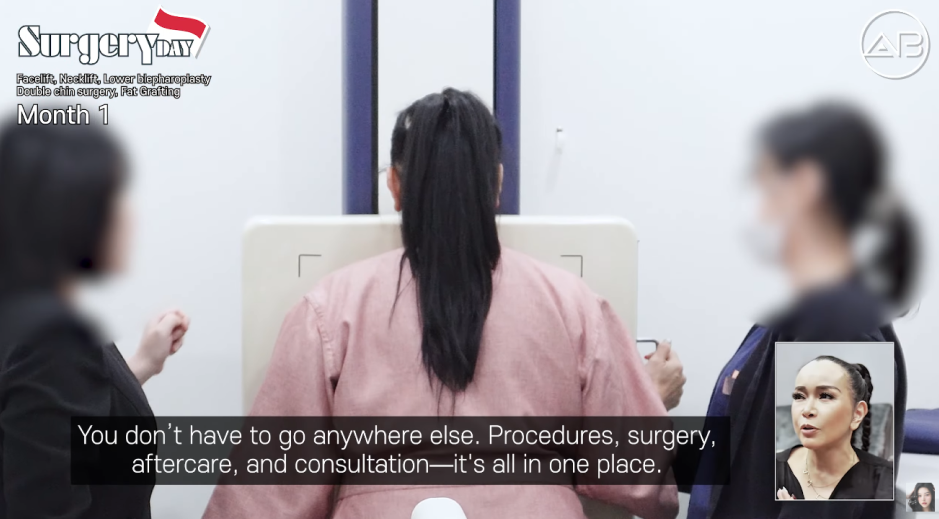
For patients traveling to Korea, understanding the overall treatment journey is essential. At AB Plastic Surgery, the process is carefully coordinated to support both medical outcomes and patient experience.
-
Pre-arrival online consultation and evaluation
-
In-person consultation and detailed diagnosis
-
Personalized surgical planning and procedure
-
Postoperative care and follow-up monitoring
-
Recovery support before returning home
This structured approach ensures that ptosis correction is not just a procedure, but a well-managed medical journey.
Ultimately, successful ptosis correction depends not only on surgical technique, but on choosing a system that prioritizes safety, accuracy, and patient-centered care.
→ Get a Free Online Consultation

This article is for informational purposes only and does not replace a personal medical consultation.