Title
Revision Rhinoplasty in Korea: Complete Guide to Nose Revision SurgeryDate
2026-06-02Views
1390
AB Blog
Revision Rhinoplasty in Korea: What to Know If You Are Unsatisfied with Your Nose Surgery
Table of Contents
1. What Is Revision Rhinoplasty?
2. Common Reasons Patients Consider Revision Rhinoplasty
3. When Is the Right Time to Consider Nose Revision Surgery?
4. Revision Rhinoplasty in Korea: Why Medical Assessment Matters
5. How Revision Rhinoplasty Is Planned Differently from Primary Rhinoplasty
6. Recovery After Revision Rhinoplasty: What International Patients Should Prepare For
7. Frequently Asked Questions About Revision Rhinoplasty in Korea
8. Why Choose AB Plastic Surgery Korea for Revision Rhinoplasty?
Feeling unsatisfied after a previous nose surgery can be frustrating, especially when the concern involves visible asymmetry, a dropped nasal tip, implant-related discomfort, or a result that does not match the original expectation. In these cases, revision rhinoplasty may be considered not simply as a second cosmetic procedure, but as a more detailed corrective surgery that requires careful medical evaluation.
Revision rhinoplasty in Korea is often chosen by international patients who are looking for a structured consultation process, detailed nasal assessment, and a treatment plan that considers both appearance and stability. Because each revision case can be influenced by scar tissue, implant condition, inflammation, skin thickness, and the remaining nasal structure, the surgical approach should be planned individually rather than based on a standard method.
This guide explains the key points patients should understand before considering nose revision surgery in Korea, including common reasons for revision, appropriate timing, consultation factors, recovery planning, and revision rhinoplasty cost in Korea considerations for international patients.
What Is Revision Rhinoplasty?
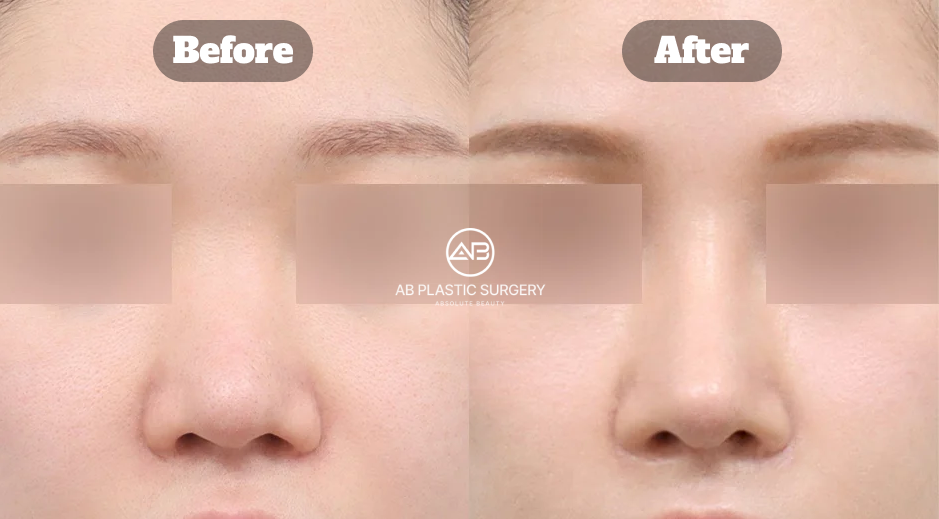
Revision rhinoplasty is a corrective nose surgery performed after a previous rhinoplasty when the patient is dissatisfied with the aesthetic result, experiences structural problems, or has functional concerns such as breathing discomfort. Unlike primary rhinoplasty, revision rhinoplasty must consider the changes already made during the first surgery, including scar tissue, weakened cartilage, implant condition, skin thickness, and the remaining nasal support structure.
For this reason, revision rhinoplasty is generally more complex than an initial nose surgery. The goal is not simply to repeat the previous procedure, but to identify why the first result did not meet the patient’s expectations and determine whether the nose can be improved safely. In some cases, the revision may focus on the nasal tip, bridge, asymmetry, implant position, or overall nasal balance. In other cases, functional correction may also need to be considered together with cosmetic improvement.
Patients considering revision rhinoplasty in Korea should understand that each case requires an individualized approach. The surgical plan may vary depending on the condition of the nasal tissue, the type of material used in the previous surgery, whether inflammation or contracture is present, and how much structural support remains. A detailed consultation is therefore essential before deciding whether revision surgery is appropriate.
Common Reasons Patients Consider Revision Rhinoplasty
Patients may consider revision rhinoplasty for many different reasons. Some concerns are mainly aesthetic, while others involve structural or functional problems that developed after a previous nose surgery. Because revision cases often involve scar tissue, altered anatomy, or weakened support structures, identifying the exact cause of dissatisfaction is an important part of treatment planning.
Below are some of the most common reasons patients seek revision rhinoplasty in Korea.
Dissatisfaction with the Nasal Tip
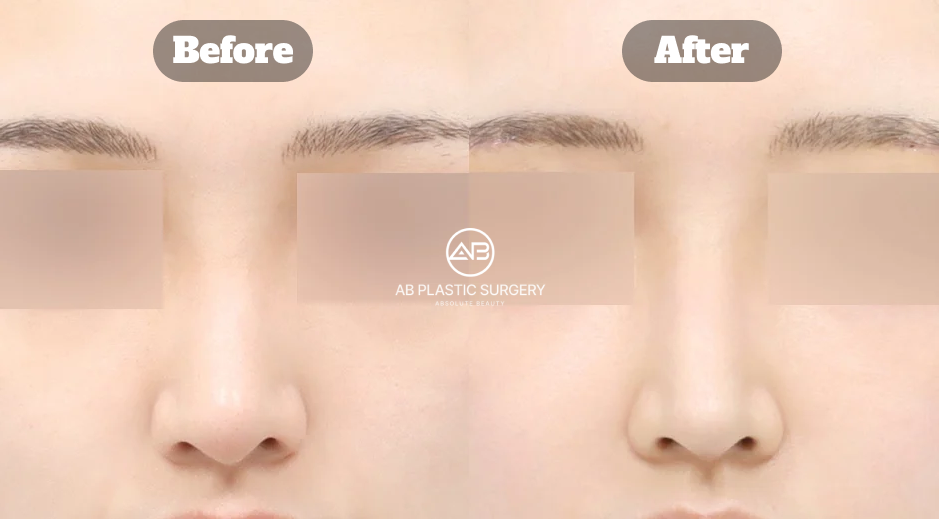
One of the most common reasons for revision rhinoplasty is dissatisfaction with the nasal tip. Some patients may feel that the tip looks too blunt, droops over time, appears overprojected, or does not match the height and balance of the nasal bridge.
In revision cases, the condition of the remaining cartilage, scar tissue, skin thickness, and structural support should be evaluated carefully before planning additional correction.
Problems Related to the Nasal Bridge or Implant
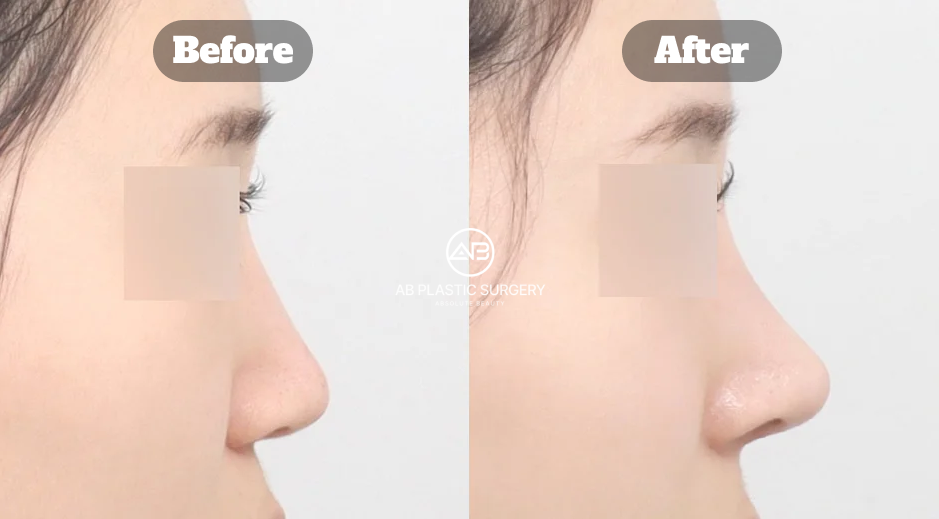
Patients may also seek revision surgery because the nasal bridge appears too high, too low, uneven, shifted, or unnatural after the first surgery. If an implant was previously used, its position and surrounding tissue condition become important factors during consultation.
Depending on the case, revision rhinoplasty may involve implant repositioning, replacement, removal, or reinforcement using additional support materials.
Crooked Nose or Facial Asymmetry
Some patients notice that the nose appears crooked or asymmetrical after surgery. This may result from the original nasal structure, facial asymmetry, implant movement, cartilage imbalance, or changes that occurred during healing.
Because facial asymmetry can influence how the nose appears from different angles, revision rhinoplasty should consider the relationship between the nose and the overall facial structure rather than focusing only on the nose itself.
Contracture, Inflammation, or Skin Tightness
Revision rhinoplasty may also be considered when patients experience contracture, visible skin tension, redness, or inflammation after a previous nose surgery. These cases are often more complex because the nasal tissue may already be sensitive or structurally weakened.
If inflammation or contracture is suspected, the timing of revision surgery should be determined carefully after medical evaluation. In some cases, additional healing time may be recommended before proceeding with correction.
Breathing Discomfort or Functional Problems
Not all revision rhinoplasty cases are purely cosmetic. Some patients experience breathing discomfort, nasal obstruction, or reduced structural support after surgery. When functional concerns are present, revision rhinoplasty may need to address both appearance and internal nasal stability together.
For this reason, consultation for revision rhinoplasty in Korea often includes both external assessment and evaluation of the internal nasal structure before determining the most appropriate surgical plan.
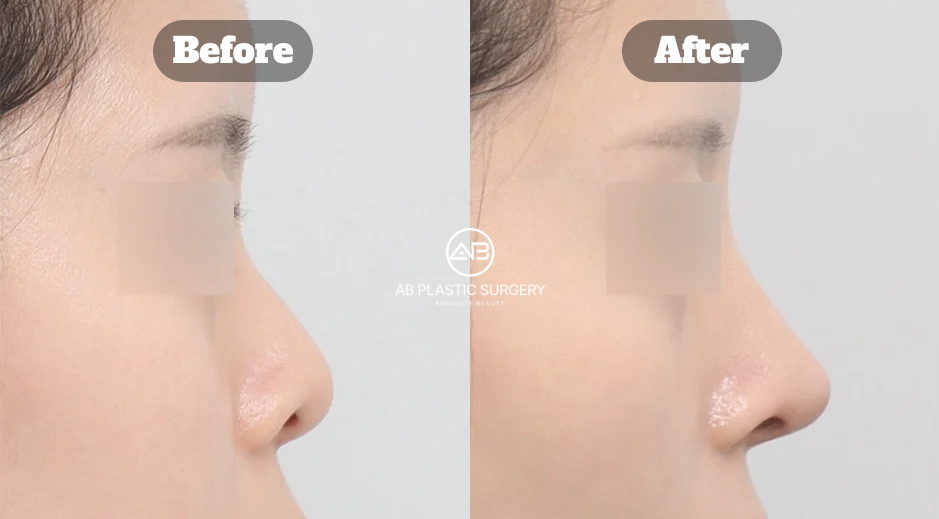
When Is the Right Time to Consider Nose Revision Surgery?
The timing of revision rhinoplasty is one of the most important factors in planning a safe and realistic corrective procedure. Even if the result of the first nose surgery feels unsatisfactory, revision surgery is not always recommended immediately. The nose needs time to heal, swelling must settle, and internal tissue changes should stabilize before an accurate evaluation can be made.
In many cases, patients are advised to wait until the previous surgical site has recovered sufficiently before considering revision rhinoplasty. This is because early swelling, tissue stiffness, and temporary asymmetry can make the nose appear different from the final result. Making a surgical decision too early may increase the risk of unnecessary correction or inaccurate planning.
Why Waiting Can Be Important
After rhinoplasty, the nasal tissue continues to change over time. Swelling may gradually decrease, scar tissue may soften, and the nasal shape may become more defined as healing progresses. For this reason, the appearance of the nose during the early recovery period may not fully reflect the final surgical outcome.
Waiting allows the surgeon to evaluate the nose more accurately, including the skin condition, cartilage support, implant position, and overall nasal balance. This is especially important in revision rhinoplasty because the second surgery usually requires more detailed planning than primary rhinoplasty.
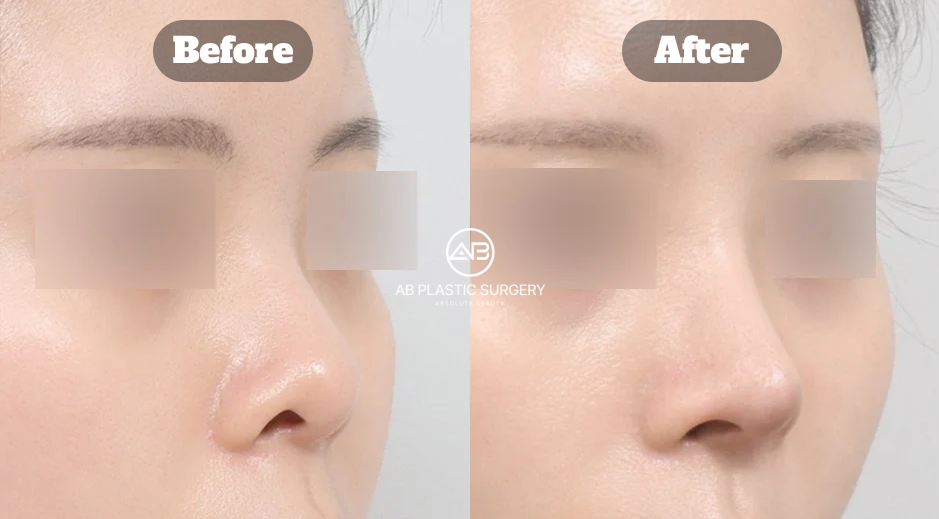
Cases That May Require Earlier Medical Attention
Although many revision cases should be assessed after sufficient healing, some symptoms may require earlier medical attention. These include persistent redness, severe pain, signs of inflammation, sudden shape change, implant exposure, or breathing problems that interfere with daily life.
In these cases, patients should not wait only for cosmetic reasons. A medical evaluation is necessary to determine whether the issue is related to inflammation, implant complications, structural instability, or another postoperative concern.
Timing May Differ Depending on the Cause of Revision
The appropriate timing for nose revision surgery can vary depending on the reason for revision. A minor contour concern may be evaluated differently from contracture, inflammation, severe asymmetry, or implant-related complications. The patient’s skin thickness, scar tissue condition, and previous surgical method can also influence the recommended timing.
For international patients considering revision rhinoplasty in Korea, it is helpful to prepare previous surgery records, photos, implant information if available, and a clear explanation of current concerns. These details can support a more accurate consultation and help determine whether revision surgery should be planned soon or delayed until the tissue condition becomes more stable.
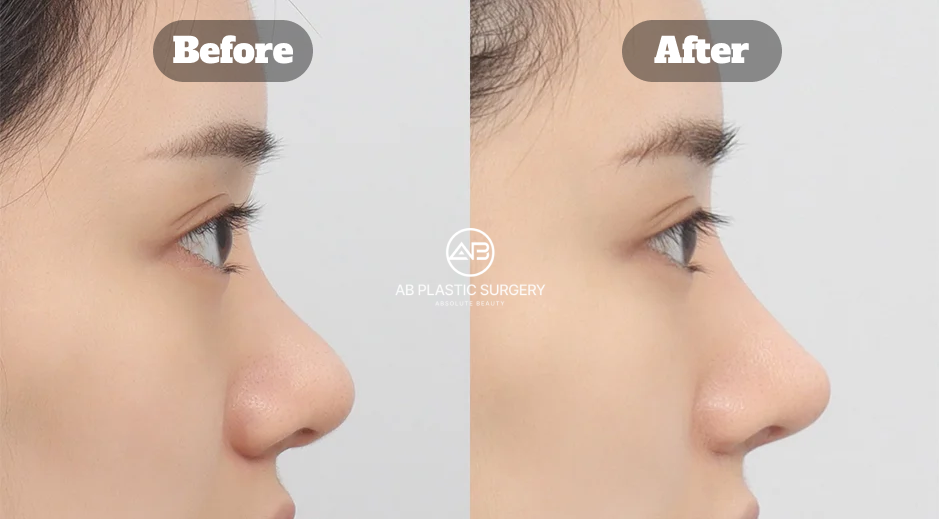
Revision Rhinoplasty in Korea: Why Medical Assessment Matters
Revision rhinoplasty in Korea should begin with a detailed medical assessment rather than a simple request to change the nose shape. Because the nose has already been surgically altered, the surgeon needs to understand what was done during the first procedure, how the tissue healed, and whether any structural or functional issues are present.
A careful assessment helps determine whether the concern is caused by the nasal bridge, tip cartilage, implant position, scar tissue, inflammation, skin tightness, or internal nasal structure. This process is especially important for revision cases because the visible concern may not always be the true cause of the problem.
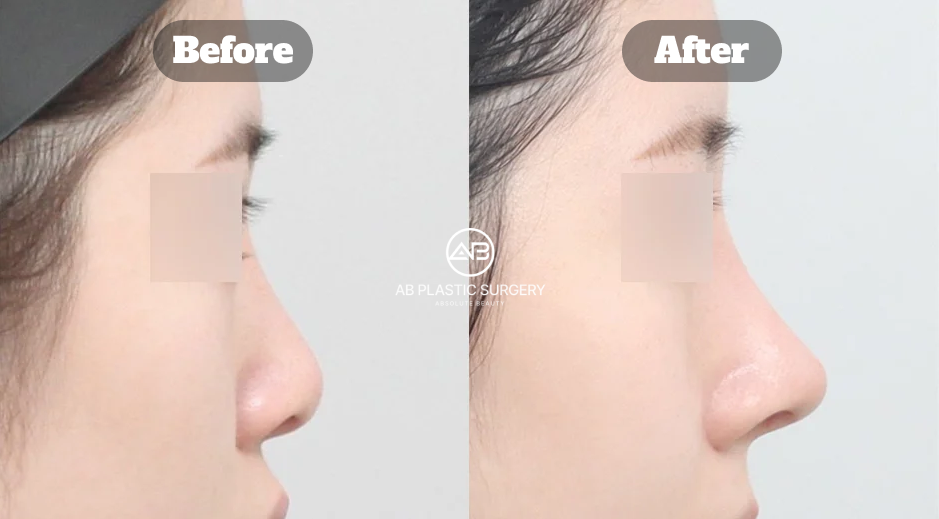
Reviewing the Previous Surgery History
Before planning revision rhinoplasty, it is important to review the patient’s previous surgery history. This may include when the first surgery was performed, what type of implant or cartilage was used, whether any complications occurred, and how the nose changed during recovery.
For international patients, preparing previous medical records, surgical notes, implant information, and photos taken before and after the first surgery can help support a more accurate consultation. Even when complete records are not available, a clear explanation of the timeline and current concerns can be helpful.
Evaluating the Nasal Structure and Tissue Condition
Revision rhinoplasty requires close evaluation of the current nasal structure. The surgeon may need to assess the condition of the nasal bones, septum, tip cartilage, implant pocket, skin thickness, scar tissue, and remaining support. These factors can influence both the surgical method and the expected level of improvement.
If the tissue is too tight, inflamed, or structurally weak, immediate correction may not be appropriate. In some cases, the treatment plan may need to focus first on tissue stabilization before proceeding with full revision surgery.
Checking Both Appearance and Function
Although many patients seek revision rhinoplasty because of visible dissatisfaction, functional assessment is also important. A nose that looks acceptable from the outside may still have internal obstruction, weak support, or breathing discomfort. Conversely, a cosmetic concern may be related to deeper structural imbalance.
For this reason, consultation should consider both the external shape and internal nasal function. A revision plan that addresses only appearance without evaluating support and breathing may not provide stable long-term results.
Setting Realistic Expectations Before Surgery
Medical assessment is also necessary for setting realistic expectations. Revision rhinoplasty can improve many concerns, but the possible outcome depends on the condition of the skin, cartilage, scar tissue, previous surgical changes, and overall facial balance.
Rather than aiming to recreate a completely new nose, revision surgery often focuses on correcting specific problems and improving balance within safe anatomical limits. This approach can help patients understand what can be improved, what may be limited, and why a personalized surgical plan is necessary.
How Revision Rhinoplasty Is Planned Differently from Primary Rhinoplasty
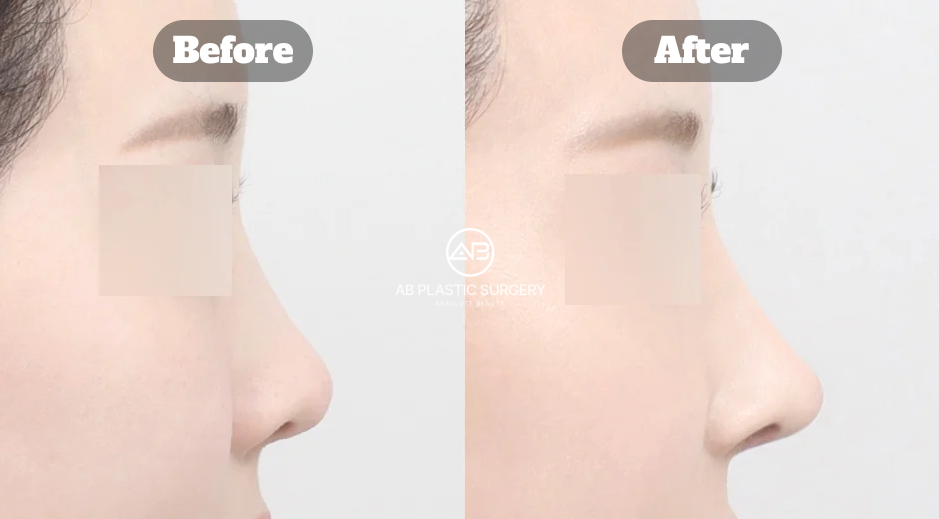
Revision rhinoplasty is planned differently from primary rhinoplasty because the nose has already undergone structural changes. During the first surgery, cartilage may have been reshaped, an implant may have been inserted, tissue may have healed with scar formation, and the skin may have changed in flexibility. These factors make revision surgery more complex and require a more cautious surgical plan.
While primary rhinoplasty often focuses on creating the initial nasal shape, revision rhinoplasty focuses on identifying and correcting specific problems from the previous surgery. The goal is not only to improve the appearance of the nose, but also to restore or reinforce structural support where necessary.
Scar Tissue and Tissue Flexibility
One of the main differences in revision rhinoplasty is the presence of scar tissue. Scar tissue can make the nasal structure less flexible and may limit how much the nose can be reshaped. In some cases, the skin may also feel tight or less elastic than before.
Because of this, the surgeon must evaluate how much correction can be performed safely. Excessive correction in a nose with limited tissue flexibility may increase the risk of tension, instability, or an unnatural result.
Implant Condition and Previous Materials
If an implant or graft material was used in the previous rhinoplasty, its condition must be carefully reviewed. The implant may be shifted, too prominent, too high, too low, or surrounded by hardened tissue. In some cases, inflammation or skin thinning may also be present.
Depending on the findings, the revision plan may involve implant removal, replacement, repositioning, or additional tissue reinforcement. The appropriate method should be determined based on the patient’s nasal condition rather than a fixed surgical formula.
Remaining Cartilage and Structural Support
Revision rhinoplasty often requires a detailed assessment of the remaining cartilage and nasal support. If the original cartilage has been weakened or removed during the first surgery, additional support may be needed to improve tip shape, nasal bridge balance, or overall stability.
In these cases, the surgeon may need to consider whether available tissue is sufficient for correction or whether additional grafting may be necessary. This is one reason why revision rhinoplasty should be planned only after a detailed structural evaluation.
Balancing Aesthetic Correction with Safety
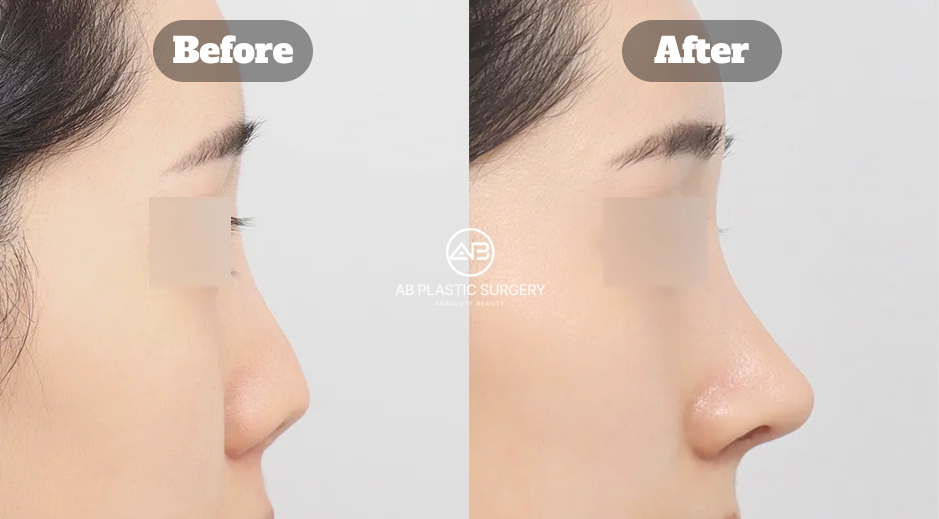
In revision rhinoplasty, aesthetic goals must be balanced with medical safety. Patients may want a more refined bridge, a sharper nasal tip, or improved symmetry, but the achievable result depends on skin condition, tissue strength, scar formation, and previous surgical changes.
A safe revision plan should focus on realistic improvement rather than excessive reshaping. This helps reduce the risk of repeated revision and supports a more stable long-term outcome.
Customized Planning Instead of a Standard Method
Because every revision case has a different surgical history, revision rhinoplasty cannot be approached with a single standard method. A patient with a dropped nasal tip may require a different plan from a patient with implant-related concerns, contracture, asymmetry, or breathing discomfort.
For this reason, revision rhinoplasty in Korea should be based on individualized consultation, structural analysis, and realistic discussion of what can be improved. This patient-specific approach is especially important for international patients who need to plan surgery, recovery, and follow-up care within a limited stay.

Recovery After Revision Rhinoplasty: What International Patients Should Prepare For
Recovery after revision rhinoplasty can vary depending on the correction scope, tissue condition, implant status, and whether additional structural support is required. Because revision surgery is often more complex than primary rhinoplasty, international patients should plan their stay in Korea with enough time for consultation, surgery, early recovery checks, and postoperative guidance before returning home.
In many cases, swelling and bruising may be more noticeable than in a first rhinoplasty, especially if scar tissue, implant removal, cartilage grafting, or contracture correction is involved. Patients should understand that the nose may continue to change gradually after the early recovery period, and the final result should not be judged too soon.
Planning Your Stay in Korea
International patients should consider their travel schedule carefully when planning revision rhinoplasty in Korea. The required stay may differ depending on the surgical method, postoperative condition, and follow-up schedule. Because revision cases require more careful monitoring, patients should allow enough time for early postoperative care before departure.
Before booking flights, it is recommended to confirm the expected consultation date, surgery date, follow-up visits, and possible stitch or splint removal schedule with the clinic. This helps reduce unnecessary travel stress and allows the recovery process to be managed more safely.
Early Recovery and Follow-Up Care
During the early recovery period, patients may experience swelling, bruising, tightness, nasal congestion, or temporary discomfort. These symptoms can vary depending on the individual and the complexity of the revision. Follow-up care is important because the medical team can check healing progress, tissue response, and any signs that require additional attention.
Patients should follow postoperative instructions carefully, including guidance on sleeping position, wound care, activity restriction, medication use, and avoiding pressure or impact on the nose. These steps are especially important after revision rhinoplasty because the nasal structure may need additional time to stabilize.
Long-Term Healing After Nose Revision Surgery
Revision rhinoplasty recovery should be understood as a gradual process. While the early swelling may improve within the first weeks, subtle swelling, firmness, or shape changes can continue for several months. In revision cases, scar tissue and previous surgical changes may also influence how quickly the nose settles.
For this reason, patients should maintain realistic expectations during recovery. Temporary asymmetry or stiffness does not always mean the final result has been reached. Long-term healing should be evaluated based on the surgeon’s guidance and the patient’s individual tissue response.
Cost Considerations During Recovery Planning
Revision rhinoplasty cost in Korea is usually provided upon consultation because pricing can vary depending on the implant condition, scar tissue, inflammation, and the overall correction scope. For patients comparing treatment plans, checking the revision rhinoplasty cost in Korea can help provide a general reference before consultation.
When planning from abroad, patients should consider not only the surgical cost, but also the length of stay, transportation, accommodation, recovery supplies, and follow-up schedule. A realistic budget plan can help support a smoother medical travel experience.

Frequently Asked Questions About Revision Rhinoplasty in Korea
How long should I wait before revision rhinoplasty?
The appropriate timing for revision rhinoplasty depends on the patient’s tissue condition, swelling, scar tissue, inflammation, and reason for revision. In many cases, it is recommended to wait until the nose has healed sufficiently before planning another surgery. If there are signs of inflammation, implant exposure, severe pain, or sudden shape changes, earlier medical evaluation may be necessary.
Is revision rhinoplasty more difficult than primary rhinoplasty?
Yes, revision rhinoplasty is generally more complex than primary rhinoplasty because the nose has already been surgically changed. Scar tissue, implant condition, weakened cartilage, skin tightness, and previous structural changes must all be considered. For this reason, revision rhinoplasty requires detailed assessment and a customized surgical plan.
Can revision rhinoplasty fix both appearance and breathing issues?
Revision rhinoplasty may address both cosmetic and functional concerns, depending on the patient’s nasal condition. If breathing discomfort, nasal obstruction, or structural instability is present, the consultation should include evaluation of the internal nasal structure as well as the external shape.
How much does revision rhinoplasty cost in Korea?
Revision rhinoplasty cost in Korea is usually provided upon consultation because pricing can vary depending on implant condition, scar tissue, inflammation, and the overall correction scope. Since revision cases often require more detailed medical evaluation than primary rhinoplasty, an accurate estimate is typically given after consultation.
How long should international patients stay in Korea after revision rhinoplasty?
The recommended stay can vary depending on the surgical method, recovery condition, and follow-up schedule. International patients should allow enough time for consultation, surgery, early recovery checks, and postoperative guidance before returning home. The exact schedule should be confirmed with the clinic before booking flights.
Why Choose AB Plastic Surgery Korea for Revision Rhinoplasty?
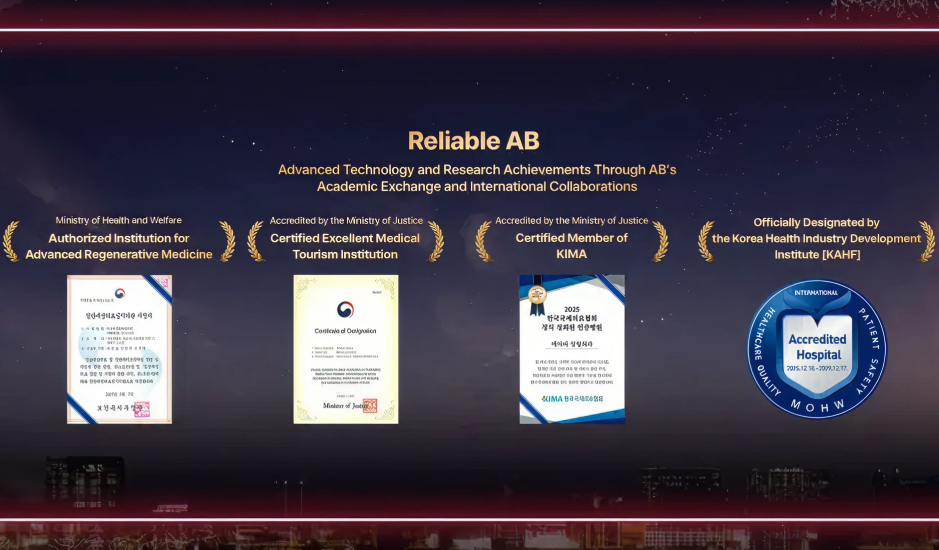
Revision rhinoplasty requires a more detailed approach than primary nose surgery because each case is influenced by the patient’s previous surgical history, implant condition, scar tissue, nasal structure, and healing response. At AB Plastic Surgery Korea, consultation for revision rhinoplasty focuses on understanding the cause of dissatisfaction and planning correction based on the patient’s current nasal condition.
Rather than applying a standard surgical method, the treatment plan should be adjusted according to whether the concern involves the nasal tip, bridge, implant position, asymmetry, contracture, inflammation, or breathing discomfort. This individualized approach is especially important for patients who have already undergone nose surgery and want to reduce the possibility of repeated revision.
Consultation Based on Previous Surgery History
For revision rhinoplasty, understanding the first surgery is an important part of planning the next step. AB Plastic Surgery Korea considers the patient’s previous surgical timeline, current concerns, implant or graft condition, and visible changes after the first procedure when evaluating the case.
International patients are encouraged to prepare previous surgery records, photos, and implant information when available. These details can help support a more accurate consultation and a more realistic discussion of what can be improved.
Personalized Planning for Aesthetic and Structural Concerns
Revision rhinoplasty should consider both appearance and structural stability. A nose that appears asymmetric, unnatural, or unbalanced may also involve deeper issues such as weakened cartilage, implant movement, scar tissue, or internal support problems.
At AB Plastic Surgery Korea, the revision plan is approached based on the patient’s individual nasal condition, facial balance, and realistic correction range. This helps create a treatment direction that focuses not only on shape improvement, but also on long-term stability.
Patients who want to understand real treatment experiences can also review patient reviews and before and after stories before planning a consultation.
Support for International Patients
For patients traveling from abroad, revision rhinoplasty requires careful planning before arrival in Korea. Consultation timing, surgery scheduling, recovery checks, and return travel should be organized with enough flexibility to support safe postoperative care.
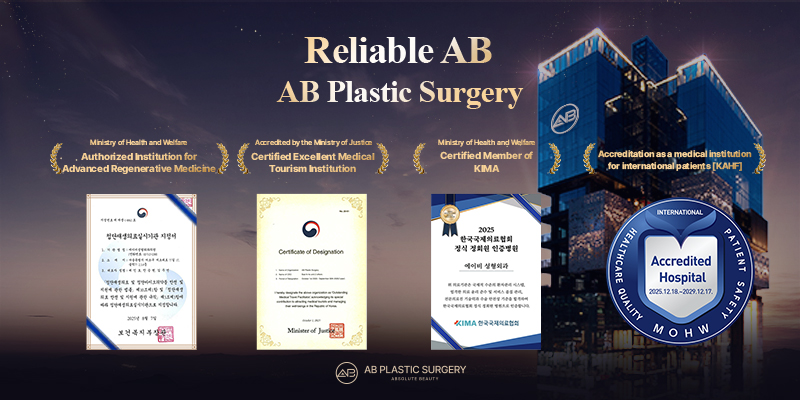
AB Plastic Surgery Korea provides support for international patients considering plastic surgery in Korea, helping them prepare for consultation, treatment planning, and recovery-related steps during their stay.
Choosing the Right Surgeon Is an Important Part of Revision Rhinoplasty
Because revision rhinoplasty is often more complex than primary nose surgery, many international patients review surgeon backgrounds, specialties, and clinical experience before scheduling a consultation. Explore the medical team at AB Plastic Surgery Korea and learn more about the specialists involved in rhinoplasty and revision rhinoplasty planning.
Because revision rhinoplasty can vary significantly from patient to patient, the most important step is a detailed consultation. Patients who are unsatisfied with a previous nose surgery should first understand the cause of the problem, the possible correction range, and the recovery plan before deciding on surgery.
For patients considering rhinoplasty or revision rhinoplasty in Seoul, the blog article Rhinoplasty in Seoul: The Secret Behind Korea’s Refined Nose Aesthetics can provide additional context on Korean nose aesthetics and treatment planning.
Since revision rhinoplasty cost can vary depending on implant condition, scar tissue, inflammation, and correction scope, patients can submit a plastic surgery cost inquiry to receive guidance based on their individual case.

This article is for informational purposes only and does not replace a personal medical consultation.