Title
Choosing Between Upper and Lower Blepharoplasty in Korea – Expert Explanation for Natural ResultsDate
2025-12-17Views
4688
AB Blog
Upper vs. Lower Blepharoplasty in Korea: What You Need to Know Before Treatment
Table of Contents
1. Understanding Upper vs Lower Blepharoplasty
2. Who Is a Good Candidate? Key Indications for Each Procedure
3. Upper vs Lower Blepharoplasty Techniques
4. Step-by-Step Procedure and Recovery Timeline
5. Expected Results and Longevity
6. Frequently Asked Questions (FAQ)
7. Why Patients Choose AB Plastic Surgery Korea for Blepharoplasty
8. Taking the Next Step: Consultation & Resources
Blepharoplasty is one of the most refined and technically precise procedures in Korean aesthetic surgery, chosen by individuals who want to improve eyelid definition, correct age-related changes, or restore a more balanced and refreshed periorbital appearance. As the upper and lower eyelids age differently—upper eyelids often experiencing skin laxity and crease loss, and lower eyelids showing fat herniation or hollowing—understanding which procedure best addresses each concern is essential before treatment. Unlike non-surgical eye rejuvenation, blepharoplasty directly modifies skin, muscle, and fat structures, requiring detailed anatomical assessment and careful surgical planning.
In Korea, upper and lower blepharoplasty are widely recognized for their natural, stable, and functional results when performed with precision. At AB Plastic Surgery Korea, board-certified surgeons analyze eyelid anatomy, aging patterns, and periorbital balance to recommend the most appropriate approach for each patient. This guide explains the differences between upper and lower blepharoplasty, candidate indications, expected results, and how to make informed decisions before undergoing eyelid surgery in Korea.

Understanding Upper vs Lower Blepharoplasty
Upper and lower blepharoplasty are surgical procedures designed to address different anatomical and age-related concerns around the eyes. Although both surgeries fall under the broader category of eyelid rejuvenation, they target distinct tissues, aging patterns, and functional issues. Understanding these differences helps patients determine which procedure aligns best with their goals and structural needs.
Upper Blepharoplasty: Addressing Skin Laxity and Crease Definition
Upper blepharoplasty focuses on correcting loosening of the upper eyelid skin, weakened muscle support, and loss of a defined eyelid crease—changes that commonly occur with aging. Excess skin, known as dermatochalasis, can create a hooded or heavy appearance and, in some cases, narrow the visual field. The procedure typically involves removing redundant skin, adjusting the underlying muscle, and recreating a natural eyelid fold that harmonizes with the patient’s brow–lid distance. For individuals seeking both aesthetic refinement and functional improvement, upper blepharoplasty offers a subtle yet meaningful rejuvenating effect.
Lower Blepharoplasty: Improving Under-Eye Contour and Tired Appearance
The lower eyelids often show earlier and more visible signs of aging. Fat herniation, tear trough hollowing, shadowing, and a decline in skin elasticity can contribute to a fatigued or aged appearance. Lower blepharoplasty is designed to address these structural changes through precise fat repositioning or removal, skin tightening when needed, and reinforcement of the lower lid’s support structures. By smoothing the transition between the lower eyelid and cheek, the procedure reduces under-eye heaviness and restores a more balanced, youthful contour.
Aging Affects Each Eyelid Differently
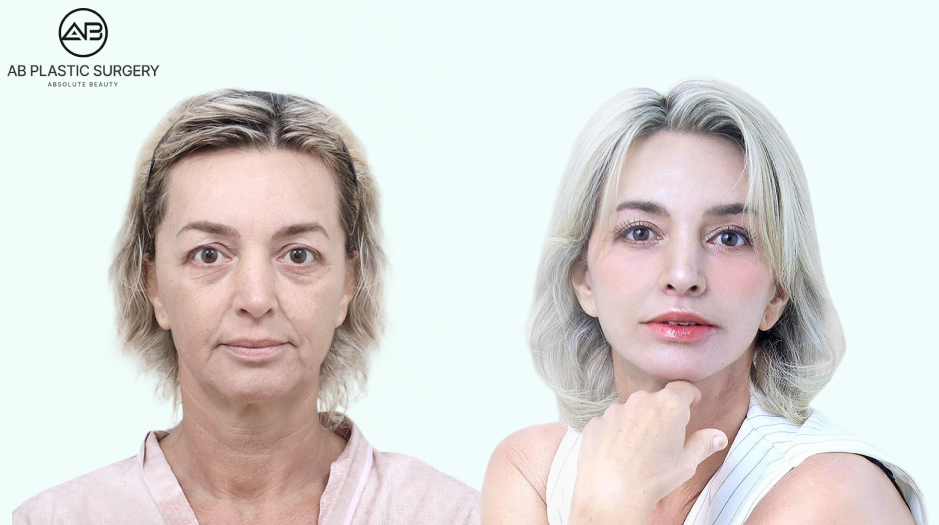
The aging process influences the upper and lower eyelids in distinct ways. The upper eyelid primarily demonstrates skin redundancy and changes in crease stability, while the lower eyelid is more prone to volume imbalance and contour irregularities. Because these patterns differ, the two surgeries are not interchangeable; each is designed to target its own anatomical issue. Patients may sometimes benefit from a combined approach, especially when both upper and lower eyelid aging contribute to an overall tired or heavy look.
Functional vs Aesthetic Goals
Blepharoplasty is not solely a cosmetic procedure. While many patients seek clearer, more defined eyelids for aesthetic reasons, structural corrections can also improve visual comfort, eyelid stability, and symmetry. Whether the goal is functional enhancement, natural rejuvenation, or refined definition, upper and lower blepharoplasty offer targeted solutions tailored to the patient’s individual anatomy.
Who Is a Good Candidate? Key Indications for Each Procedure
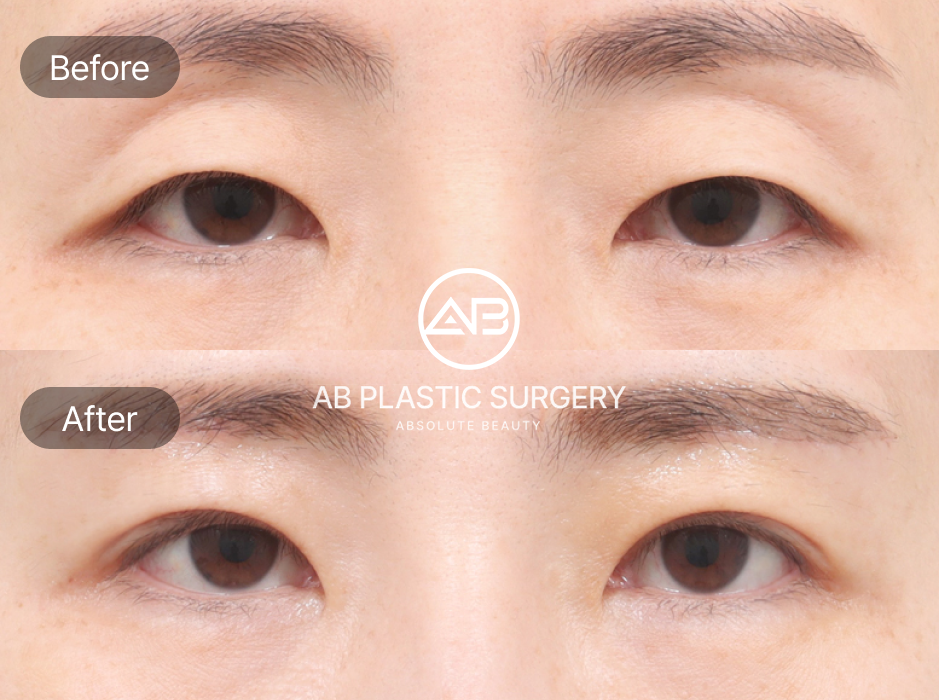
Blepharoplasty is suited for individuals whose eyelid concerns cannot be effectively improved through non-surgical treatments alone. While both upper and lower eyelid procedures aim to enhance periorbital balance, each addresses distinct anatomical and age-related issues. A careful evaluation of eyelid structure, skin elasticity, fat distribution, and overall facial harmony is essential in determining candidacy.
Upper Blepharoplasty Candidates
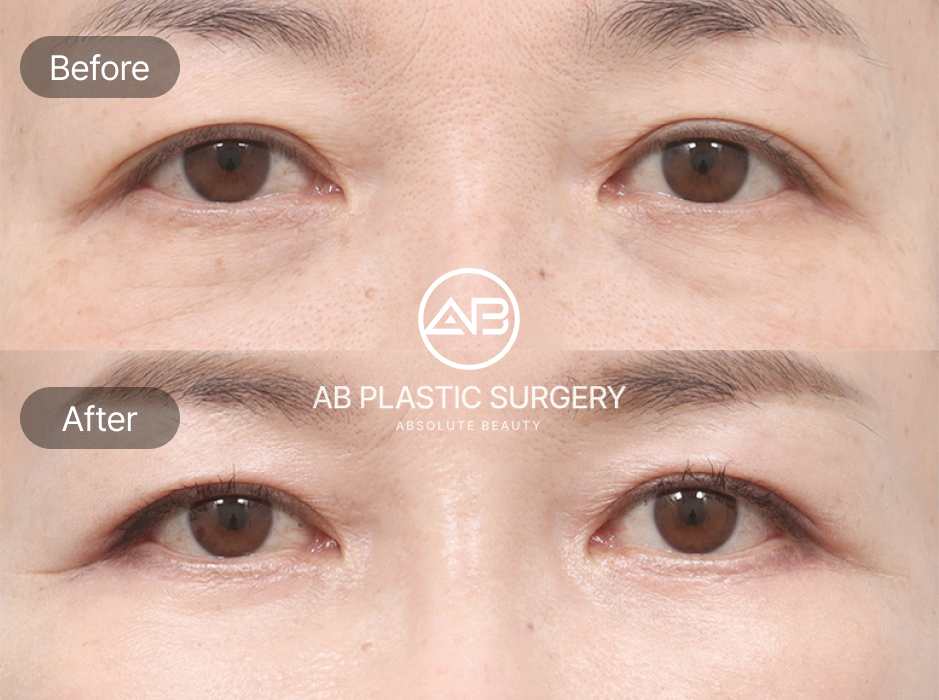
Upper blepharoplasty is appropriate for patients experiencing functional or aesthetic concerns caused by skin redundancy and changes in eyelid crease formation. Common indications include:
1. Hooded or Heavy Upper Eyelids
Excess skin may create a droopy or weighted appearance, making the upper eyelids look aged or tired.
2. Dermatochalasis (Loose Skin from Aging)
Age-related loss of skin elasticity and muscle tone leads to folds that rest on or close to the lash line.
3. Impaired Visual Field from Sagging Skin
In advanced cases, the overhanging skin can narrow the upper visual field, affecting daily activities such as reading or driving.
4. Asymmetrical, Faded, or Uneven Eyelid Creases
Some individuals experience variations in crease height or definition, which upper blepharoplasty can improve through precise crease design.
5. Desire for a More Defined and Natural Eyelid Fold
Patients who want a clearer eyelid contour without overly dramatic changes may benefit from this procedure.
Lower Blepharoplasty Candidates
Lower blepharoplasty targets structural changes beneath the eyes—areas often affected earlier and more noticeably by the aging process. Ideal candidates may present with:
1. Under-Eye Bags or Fat Herniation
Bulging fat pockets can create persistent puffiness that remains even with rest or skincare treatments.
2. Tear Trough Hollowing or Shadowing
Volume imbalance between the lower eyelid and cheek can cast shadows, contributing to a chronically tired appearance.
3. Skin Laxity and Fine Wrinkles
Weakening of the lower eyelid muscle and skin leads to creasing and a textured appearance under the eyes.
4. Aged or Fatigued Appearance Despite Adequate Rest
Lower eyelid changes often make individuals look more tired than they feel, making rejuvenation difficult through non-surgical means alone.
5. Desire for a Smoother, More Youthful Under-Eye Contour
Patients seeking long-lasting improvement in both volume and surface smoothness may be good candidates.
Combined Indications
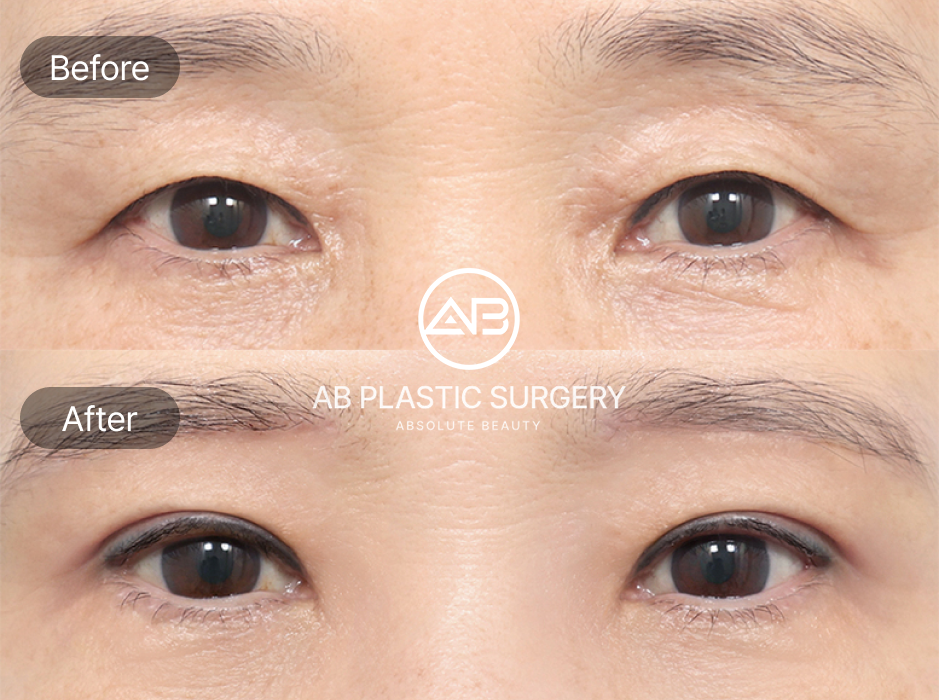
Some individuals experience both upper and lower eyelid aging simultaneously. When hooded upper lids combine with under-eye bags or hollowing, the overall periorbital area may appear heavier or more fatigued. In such cases, a combined approach can provide balanced rejuvenation and improve overall facial harmony.
A thorough consultation with a board-certified surgeon is essential for determining whether upper blepharoplasty, lower blepharoplasty, or a combination of both is appropriate based on each patient’s anatomy and goals.
Upper vs Lower Blepharoplasty Techniques
While upper and lower blepharoplasty are both categorized as eyelid rejuvenation procedures, each requires a distinct surgical approach based on the underlying anatomical concerns. Understanding these techniques helps patients visualize how the procedures address aging changes and support natural, long-lasting results.
Upper Blepharoplasty Techniques
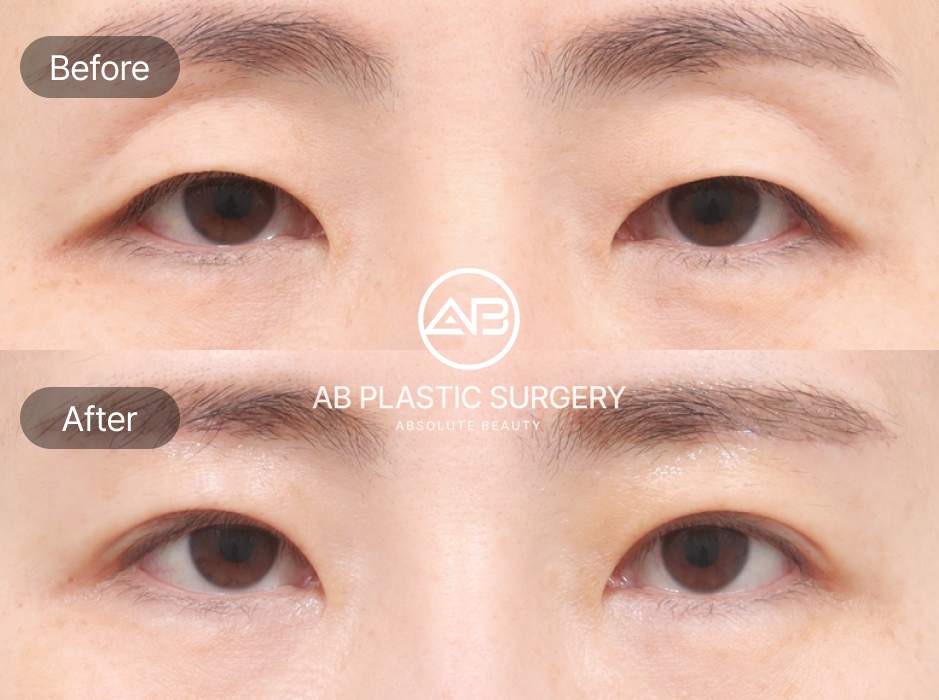
Upper eyelid surgery primarily focuses on removing redundant skin, reshaping the muscle layer, and reinforcing or redefining the eyelid crease. The technique is carefully customized to ensure that the new crease height and contour harmonize with the individual’s periorbital anatomy.
1. Incisional Upper Blepharoplasty
The most common method involves a fine incision placed along the natural crease. Through this approach, surgeons can precisely remove excess skin and adjust the levator muscle or surrounding tissues to create a stable, natural-looking fold. This technique is ideal for addressing age-related skin laxity and for individuals who desire clearer crease definition.
2. Skin and Muscle Tightening
In cases where skin elasticity has significantly decreased, the surgeon may tighten the orbicularis oculi muscle to restore proper eyelid support. This refined reshaping helps maintain eyelid function while preventing an overly lifted or artificial appearance.
3. Targeted Fat Repositioning or Removal
Some patients have fullness or uneven fat distribution in the upper eyelid. When necessary, selective fat removal or repositioning can create smoother contouring and enhance the stability of the crease without producing hollowness.
Lower Blepharoplasty Techniques
Lower eyelid procedures are more focused on volume balance and the smooth transition between the eyelid and cheek. Aging in this area often involves fat herniation, skin laxity, and weakened support structures, requiring a strategy that prioritizes contour correction and under-eye stability.
1. Transconjunctival Approach (Scarless Internal Incision)
This method accesses the lower eyelid fat from the inside of the eyelid, leaving no external scar. It is ideal for patients with under-eye bags but minimal skin excess. Fat can be repositioned or removed to soften puffiness and reduce shadowing while maintaining the integrity of the lower eyelid support.
2. Subciliary Incision (External Lower Eyelid Approach)
For individuals with skin laxity or fine wrinkles, a small incision just below the lash line may be used. This allows for precise skin tightening and adjustment of the muscle layer while still maintaining discreet scarring that blends with natural eyelid contours.
3. Fat Repositioning vs. Removal
Rather than simply removing fat, modern lower blepharoplasty preferentially redistributes it to correct tear trough hollowing and improve contour continuity. This approach creates a smoother, more youthful under-eye appearance and avoids the hollowed result sometimes seen with older techniques.
4. Skin Tightening and Support Enhancement
In patients with significant laxity, additional skin excision or lateral canthal tightening may be performed to reinforce stability. These refinements help maintain lower eyelid function and reduce the risk of postoperative retraction.
Anti-Aging Benefits Embedded in Each Technique
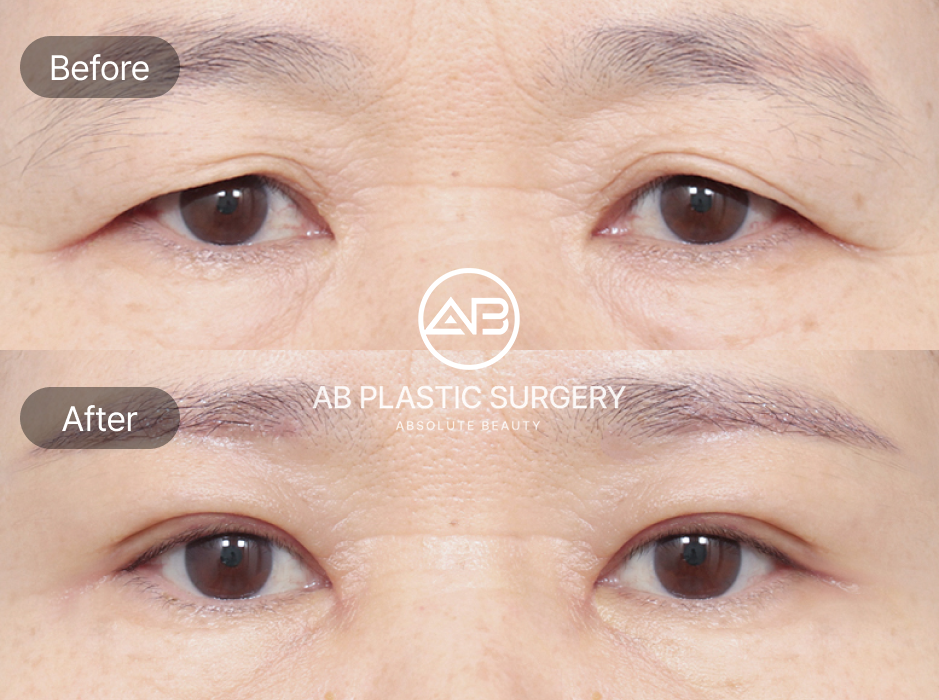
Both upper and lower blepharoplasty techniques are designed not only to correct structural concerns but also to counteract age-related changes in the skin, muscle, and fat layers. Upper blepharoplasty enhances definition and lightens the heaviness caused by dermatochalasis, while lower blepharoplasty restores volume balance and smoothes the under-eye shadowing that contributes to a tired or aged appearance.
Each technique is selected based on detailed anatomical evaluation to ensure results that appear natural, stable, and consistent with the patient’s facial proportions.
Step-by-Step Procedure and Recovery Timeline
Blepharoplasty is a highly detailed procedure that requires accurate assessment, precise execution, and structured follow-up care. While the exact steps may vary depending on whether the upper or lower eyelids are treated, most patients experience a predictable series of stages throughout the surgical and recovery process. Understanding this timeline helps patients prepare properly and maintain realistic expectations.
Preoperative Assessment and Imaging
A thorough evaluation is essential before undergoing blepharoplasty. Surgeons assess eyelid anatomy, skin elasticity, fat distribution, and the relationship between the eyelid and brow or cheek. Clinical photographs and, when needed, imaging studies are used to analyze symmetry, crease height, fat herniation, and muscle function. This information allows surgeons to design a surgical plan tailored to the patient’s goals—whether they involve functional improvement, aesthetic refinement, or both.
Surgery Day and Anesthesia
Blepharoplasty is typically performed under local anesthesia with sedation or general anesthesia, depending on the patient’s comfort and the complexity of the procedure.
-
Upper blepharoplasty usually involves a fine incision placed along the natural crease to remove excess skin, tighten the muscle, and refine the eyelid fold.
-
Lower blepharoplasty may use a transconjunctival approach for fat correction without external scarring or a subciliary incision for additional skin tightening and structural support.
Throughout the procedure, vital signs are continuously monitored to ensure patient safety, and incisions are closed with meticulous suturing for optimal cosmetic results.
Early Recovery (First 1–2 Weeks)
Swelling, mild tightness, and bruising are common during the initial recovery period. Patients may experience tearing or sensitivity as the tissues adjust.
Typical milestones include:
-
Day 1–3: Peak swelling and bruising
-
Day 4–7: Gradual reduction of swelling; upper eyelid sutures are often removed around day 5–7
-
Eating, reading, and light activity may resume within a few days, but strenuous movement should be avoided
Proper cold compresses, head elevation, and medication management support comfort and healing during this phase.
Mid-Recovery (2–4 Weeks)
By the second week, most visible bruising subsides, and patients usually feel comfortable returning to work or daily activities. Residual swelling continues to decrease, and eyelid movement becomes more natural.
During this period:
-
Makeup can typically be applied after the incisions have healed
-
Light exercise may resume with caution
-
Fat repositioning areas begin to settle into a smoother, more even contour
-
External scars (if any) start to fade and blend with natural lines
Consistent follow-up visits ensure the incision lines, fat contour, and eyelid stability are healing correctly.
Long-Term Healing (1–3 Months and Beyond)
Deep-tissue remodeling continues for several months as the skin, muscle, and fat layers adjust to their refined positions.
Patients can expect:
-
Gradual improvement in crease definition for upper blepharoplasty
-
Progressive smoothing of the under-eye area for lower blepharoplasty
-
Ongoing reduction of residual swelling
-
Enhanced symmetry and contour stability
Most patients see their near-final results around 2–3 months, although subtle refinement may continue beyond this period. With proper care, results remain stable and naturally integrated with the surrounding facial features.
Expected Results and Longevity
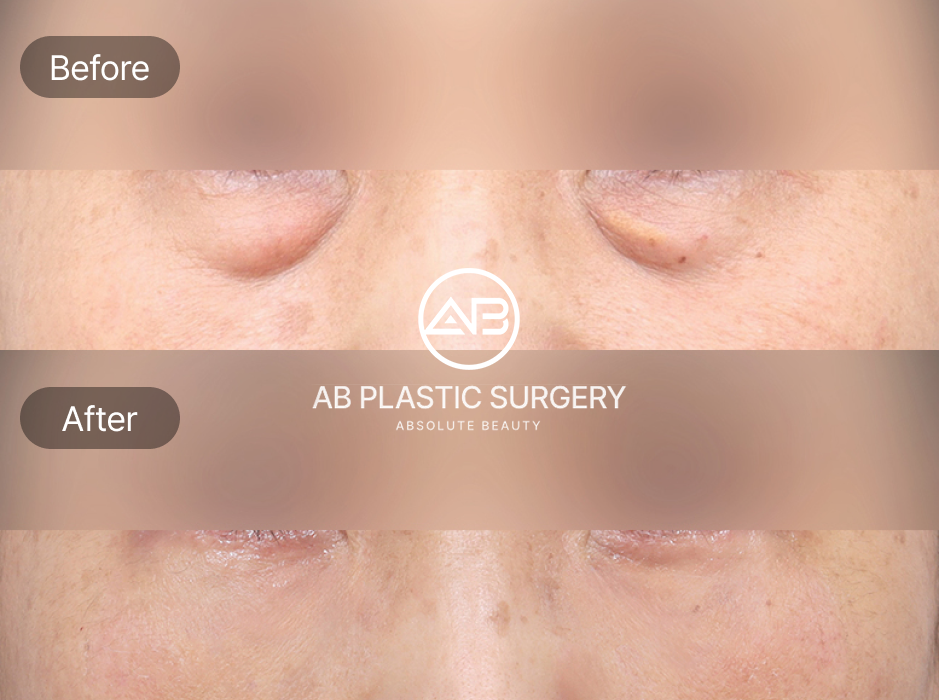
Blepharoplasty offers long-lasting improvement by addressing the structural layers of the eyelid—skin, muscle, and fat—rather than relying on temporary soft-tissue treatments. While aging continues naturally over time, the anatomical refinements achieved through upper or lower eyelid surgery tend to remain stable once healing is complete. Understanding these expected outcomes helps patients form realistic and informed expectations.
Improved Eyelid Definition and Balance
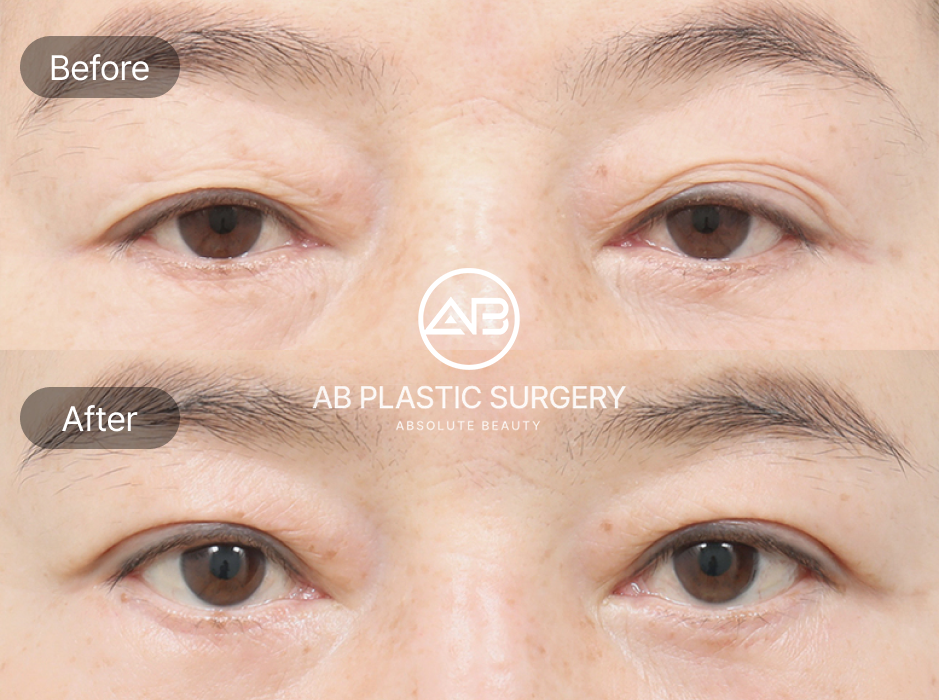
Upper blepharoplasty enhances the clarity of the eyelid crease by removing redundant skin and supporting the levator muscle. This creates a defined, natural-looking fold that restores openness to the eyes without appearing overly lifted. The result typically harmonizes with the brow position and improves the overall periorbital balance.
Smoother, More Even Under-Eye Contour
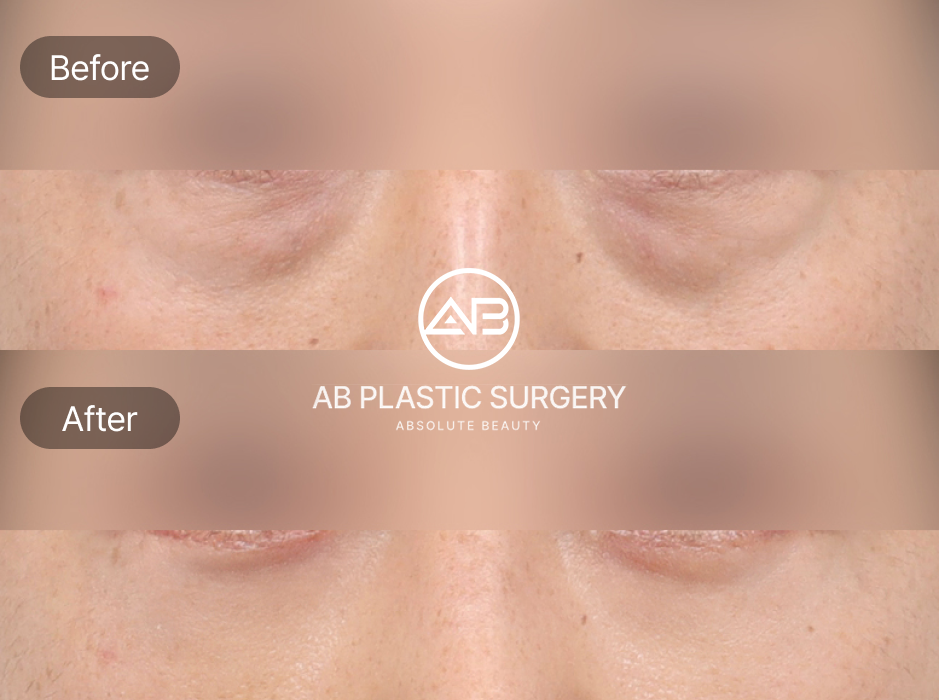
Lower blepharoplasty reduces puffiness, shadowing, and irregular contour caused by fat herniation and skin laxity. Techniques such as fat repositioning help restore the natural transition between the lower eyelid and the cheek, minimizing the tired or aged look. This produces a refreshed appearance that remains consistent as swelling resolves.
Long-Lasting Structural Enhancement
Because blepharoplasty reshapes the underlying tissues, the improvements are considered long-term.
-
Skin removed during upper blepharoplasty does not return
-
Repositioned fat in lower blepharoplasty maintains a more stable contour
-
Muscle tightening supports better eyelid function over time
While aging continues, the foundation created by surgery provides a more youthful and balanced baseline for years to come.
Gradual Refinement Over Several Months
Most swelling resolves within 2–3 weeks, but deeper healing and soft-tissue adaptation continue gradually.
Patients often notice:
-
Crease lines becoming clearer and more symmetrical
-
Under-eye contours appearing smoother
-
Continued softening of incision lines
By two to three months, the results typically appear well-settled, with ongoing improvement as tissues fully integrate.
Factors That Influence Longevity
Although blepharoplasty results are naturally long-lasting, several factors may affect the duration and clarity of the outcome:
1. Skin Quality and Elasticity
Individuals with stronger collagen structure or healthier skin habits may experience more prolonged results.
2. Aging Patterns and Genetics
Natural aging continues, but patients generally maintain a more refreshed baseline compared to pre-surgery appearance.
3. Postoperative Care and Lifestyle
Avoiding smoking, protecting the eyes from UV exposure, following aftercare instructions, and maintaining stable weight all support long-term stability.
4. Brow Position and Facial Dynamics
Significant brow descent over time can influence the appearance of the upper eyelid, making long-term follow-up helpful for maintaining results.
Blepharoplasty does not stop aging, but it provides structural improvements that age gracefully and remain consistent for years. Many patients find that their eyes appear more awake, balanced, and refreshed long after recovery is complete.
How Much Does Upper and Lower Blepharoplasty Cost in Korea?
One of the most common questions international patients ask is how much upper or lower blepharoplasty costs in Korea. While Korea is known for offering excellent value compared with many Western countries, the final treatment plan depends on your eyelid anatomy, skin laxity, fat distribution, and whether functional correction such as ptosis repair is recommended.
Below are the current starting prices at AB Plastic Surgery Korea for procedures commonly discussed in this guide.
|
Procedure |
Starting Price (USD) |
|---|---|
|
Upper Blepharoplasty |
From $1,640 |
|
Lower Blepharoplasty |
From $1,870 |
|
Upper Blepharoplasty with Ptosis Correction |
From $2,930 |
|
Transconjunctival Fat Removal |
From $1,360 |
|
Sub-Brow Lift |
From $1,700 |
These figures represent starting prices. Your final quotation may differ depending on the amount of excess skin, fat repositioning versus removal, muscle tightening, whether ptosis correction is required, and whether upper and lower blepharoplasty are performed together. A personalized consultation provides the most accurate treatment plan and cost estimate.
Want an exact quotation before traveling to Korea? You can review the latest pricing, receive a customized surgical plan, and discuss your treatment schedule through our Plastic Surgery Cost in Korea consultation page.
Frequently Asked Questions (FAQ)
1. Is blepharoplasty painful?
Blepharoplasty is performed under local anesthesia with sedation or general anesthesia, so discomfort during the procedure is not felt. Mild tightness, swelling, or sensitivity may appear in the early days of recovery, but these symptoms steadily improve with proper care.
2. How long does swelling last?
Most swelling improves significantly within 1–2 weeks. Residual swelling continues to decrease over the following weeks, with near-final results usually visible around 2–3 months.
3. Will I have visible scars?
Upper blepharoplasty incisions are hidden within the natural eyelid crease, and lower blepharoplasty performed internally leaves no external scar. Even when a subciliary incision is needed, the line is placed under the lashes and typically heals as a fine, discreet mark.
4. Can blepharoplasty fix asymmetry?
Yes. Blepharoplasty can improve differences in crease height, eyelid fold shape, fat distribution, or under-eye contour. A detailed anatomical examination is essential to achieve balanced and natural-looking correction.
5. How long do the results last?
Blepharoplasty results are long-lasting because the procedure reshapes the skin, muscle, and fat layers. While normal aging continues, most patients maintain a refreshed and balanced eyelid contour for many years.
6. When can I wear makeup again?
Most patients can safely apply makeup 1–2 weeks after surgery, once incisions have healed and early swelling has subsided. It is important to follow your surgeon’s guidance to avoid irritation during the healing process.
7. Can I combine upper and lower blepharoplasty?
Yes. Patients who experience both upper eyelid hooding and lower eyelid bags or hollowing often benefit from a combined approach. This provides more complete periorbital rejuvenation and helps balance the overall appearance.
8. Will blepharoplasty affect my vision?
No. Blepharoplasty does not affect eyesight. If excess upper eyelid skin previously narrowed your field of vision, you may even notice improvement after recovery. Temporary dryness or tearing may occur during healing but typically resolves within weeks.
9. How much does upper or lower blepharoplasty cost in Korea?
At AB Plastic Surgery Korea, upper blepharoplasty starts from approximately $1,640, while lower blepharoplasty starts from $1,870. The exact price depends on factors such as skin laxity, fat repositioning, muscle tightening, ptosis correction, and whether multiple procedures are combined. A personalized consultation is recommended for an accurate quotation.
Why Patients Choose AB Plastic Surgery Korea for Blepharoplasty
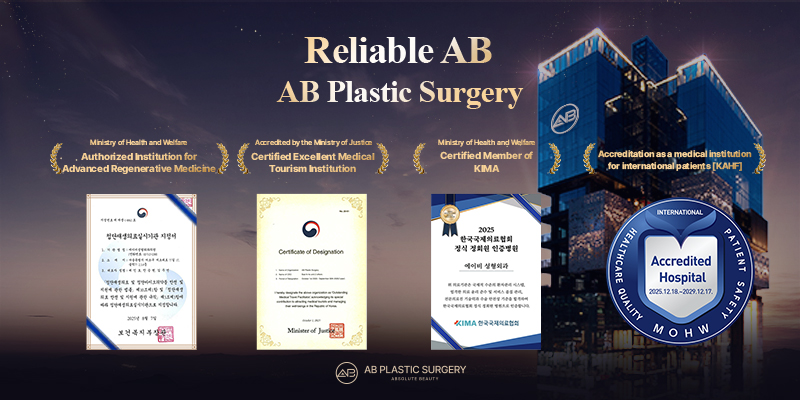
AB Plastic Surgery Korea is recognized for its specialized approach to eyelid surgery, emphasizing anatomical accuracy, individualized design, and long-term stability. With extensive experience in both upper and lower blepharoplasty, the medical team provides outcomes that appear natural, balanced, and consistent with each patient’s facial proportions.
Specialized Surgeons Focused on Periorbital Anatomy
Blepharoplasty requires a detailed understanding of the eyelid’s layered structure—skin, muscle, fat, and ligament support. At AB Plastic Surgery Korea, board-certified surgeons specialize in periorbital anatomy and have extensive experience performing upper and lower eyelid procedures. Their expertise ensures that the crease height, fat distribution, and contour continuity are all tailored with precision.
Advanced Preoperative Assessment and Customized Design
Each eyelid is assessed individually through high-resolution photography, structural analysis, and evaluation of aging patterns. Surgeons analyze factors such as brow position, eyelid crease asymmetry, fat herniation, and hollowing to design a surgical plan that enhances both aesthetics and function. This individualized approach minimizes the risk of an overly lifted or hollow appearance and supports natural, long-lasting results.
Safety-Focused Surgical System and Anesthesia Monitoring
Blepharoplasty at AB Plastic Surgery Korea is performed within a hospital-level safety setting, equipped with real-time anesthesia monitoring and dedicated anesthesia staff. This ensures patient safety throughout the entire procedure, particularly during combined upper–lower blepharoplasty or cases involving additional periorbital tightening.
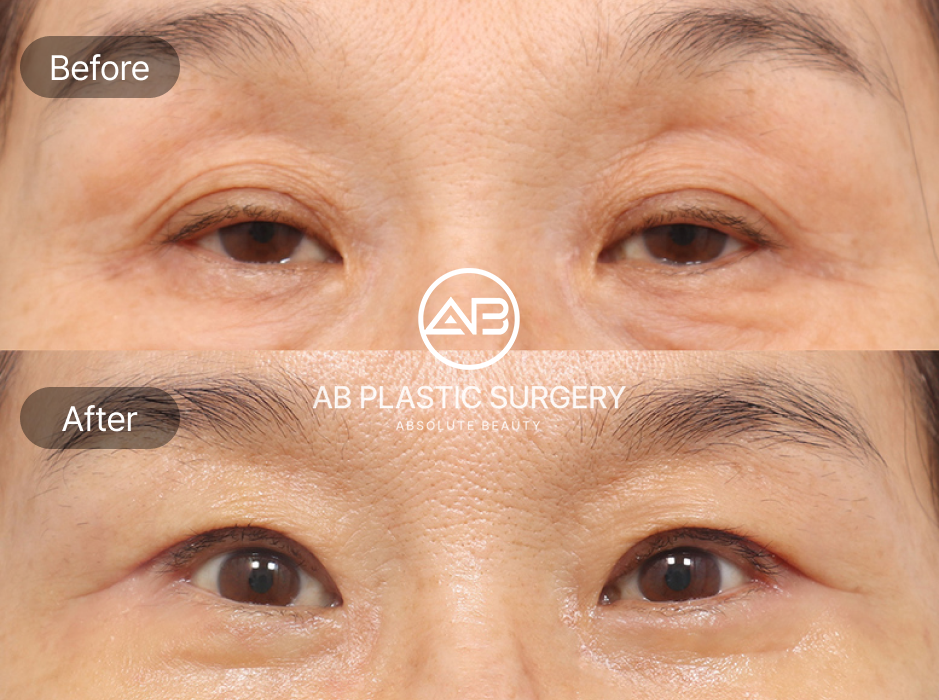
Natural and Stable Results Through Precise Tissue Handling
The hospital prioritizes structural preservation and refined adjustments rather than aggressive removal of skin or fat.
-
Upper blepharoplasty focuses on crease stability and functional improvement.
-
Lower blepharoplasty emphasizes fat repositioning to smooth contours without creating hollowness.
This balanced approach allows the eyes to maintain natural movement and expression while aging gracefully over time.
Comprehensive Postoperative Care for International Patients
International patients receive dedicated support from preoperative consultation to long-term follow-up. This includes detailed aftercare instructions, swelling-management guidance, and scheduled monitoring appointments to ensure stable healing. The hospital provides multilingual assistance, making the recovery process smooth and comfortable for overseas patients.
AB Plastic Surgery Korea combines surgical precision, patient safety, and individualized design to achieve eyelid results that appear refined yet natural. This commitment to quality makes it a trusted destination for both upper and lower blepharoplasty in Korea.
Taking the Next Step: Consultation & Resources
Choosing between upper and lower blepharoplasty requires a clear understanding of your eyelid anatomy, aging pattern, and the type of refinement you hope to achieve. A personalized consultation is the most effective way to determine which procedure—or combination of procedures—will provide the safety-focused and most natural-looking outcome.
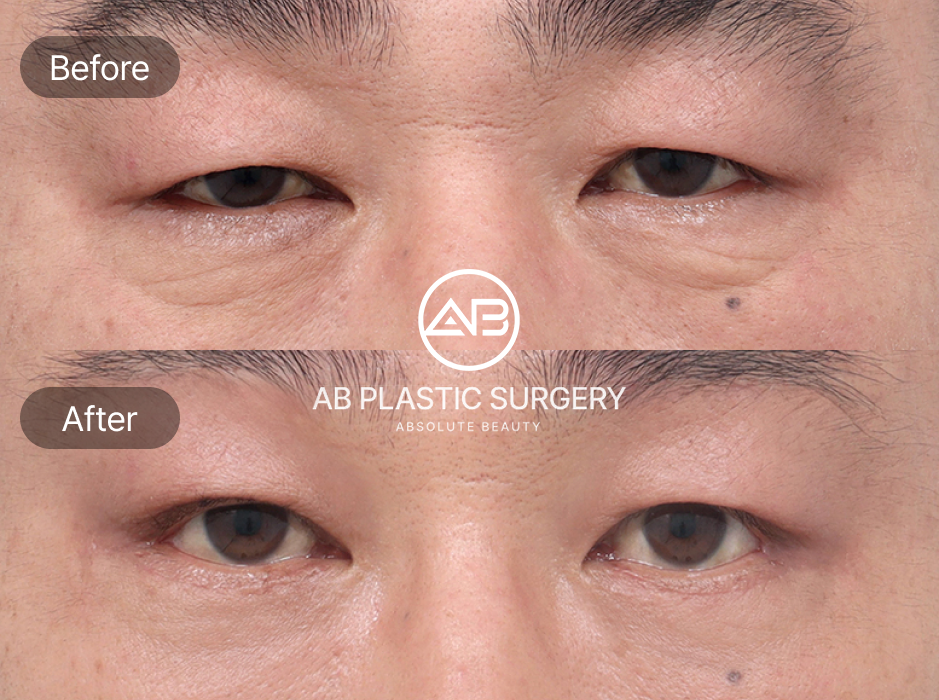
To help patients make informed decisions, AB Plastic Surgery Korea offers access to detailed resources before scheduling surgery. Those considering treatment can review real surgical outcomes in the hospital’s Before & After gallery to understand the range of results achievable through upper and lower blepharoplasty.
For patients seeking more specific guidance regarding candidacy, treatment planning, or anticipated costs, individualized assistance is available through the price inquiry page. Submitting an inquiry allows the medical team to provide tailored information based on each patient’s concerns and anatomical characteristics.
Beginning with a structured consultation ensures that your treatment plan is grounded in medical accuracy, personalized design, and long-term stability. Whether you are considering upper blepharoplasty, lower blepharoplasty, or a combined approach, AB Plastic Surgery Korea provides the expertise and safety-focused environment required for a confident decision-making process.


This article is for informational purposes only and does not replace a personal medical consultation.