Title
Using Taxis and Public Transportation After Plastic Surgery in SeoulDate
November 5, 2026Views
34
K-medi
Using Taxis and Public Transportation After Plastic Surgery in Seoul
Table of Contents
1. Should You Take a Taxi or Public Transportation After Plastic Surgery in Seoul?
2. Planning Your Rides: Airport Pickup, Discharge Day, and Your First Ride Home
3. How to Use Taxis in Seoul During Recovery
4. Using the Subway and Buses After Surgery: When It Makes Sense
5. Choosing the Right Option by Recovery Stage and Procedure Type
6. Frequently Asked Questions About Taxis and Public Transportation After Plastic Surgery in Seoul
7. Planning Your Recovery-Week Routes in Seoul
8. Safety Signals and When to Contact AB Plastic Surgery Before You Travel
The surgery is done, the dressings are on, and now you have to get from the clinic to your hotel in one of the largest cities in the world. For many international patients, that first ride is the part of the trip they plan the least and worry about the most. Do you hail a taxi, or can you manage the subway? What if the driver does not speak English, or the app will not accept your card?
In general, a taxi is the more comfortable choice for the first rides after plastic surgery in Seoul, while the subway and buses are better considered later, depending on how you feel and what your surgeon advises. Seoul has one of the most extensive public transportation networks in the world, but a network built for commuters does not always match the needs of someone who is swollen, tired, or trying to keep a treated area from being bumped.
This guide explains how taxis, the subway, and buses compare during recovery, how to use ride-hailing apps as a visitor, and how to choose the right option for each stage of your stay. For arrival and departure days, AB Plastic Surgery can also help arrange airport pickup and send-off for international patients, depending on your schedule and the details confirmed during your consultation.
Should You Take a Taxi or Public Transportation After Plastic Surgery in Seoul?
For most international patients, taxis or pre-arranged transfers are the easier option in the first days after surgery, because they take you from door to door with minimal walking, stairs, or crowds. The subway and buses can work well later in your stay, once you feel steady and your surgeon is comfortable with it. The right choice always depends on your procedure, how you feel on the day, and your medical team’s instructions.
Seoul offers every option you could need. The subway is the backbone of the city, buses reach neighborhoods the subway does not, and taxis are plentiful and easy to call through an app. The question is not which one is “best” in general, but which one suits the moment you are in.
Quick Comparison: Taxi vs. Subway vs. Bus vs. Pre-Arranged Transfer
The table below compares the main options from a recovery point of view rather than a sightseeing point of view.
|
Factor |
Taxi |
Subway |
Bus |
Pre-Arranged Airport Transfer |
|---|---|---|---|---|
|
Door-to-door convenience |
High |
Low (walking to and from stations) |
Low to medium |
High |
|
Stairs, transfers, and long walks |
Minimal |
Often significant at large stations |
Some, at stops and transfers |
Minimal |
|
Crowds and accidental bumps |
Low |
Can be high at peak hours |
Can be high, with sudden stops |
Low |
|
Language support |
Varies by driver and app |
Signs in English; no conversation needed |
Mostly Korean announcements |
Coordinated in advance |
|
Late-night availability |
Yes, though waits can vary |
Stops running around midnight |
Limited night routes |
Scheduled to your flight |
|
Best suited for |
Discharge day, follow-up visits, tired days |
Later, off-peak trips when you feel steady |
Short local trips off-peak |
Arrival and departure days |
Three Questions to Ask Before You Choose
Instead of following a fixed rule, it helps to check three things before each trip during recovery.
-
How do I feel right now? Dizziness, fatigue, or discomfort are good reasons to choose a door-to-door option, even if you took the subway the day before.
-
What is the condition of the treated area? Dressings, swelling, and tenderness all affect how comfortable it is to stand, sit upright, or be around other people.
-
What is the route and time of day? A short off-peak ride with no transfers is very different from a crowded rush-hour commute with two line changes.
These questions are practical guidelines, not medical instructions. Your surgeon’s advice for your specific procedure always comes first.
Planning Your Rides: Airport Pickup, Discharge Day, and Your First Ride Home
The most important rides of your trip are usually the first and the last: arriving from the airport and heading home after your stay. They are also the two moments when you are least familiar with the city, or when you may be carrying luggage while still recovering. Planning them in advance removes most of the guesswork. If you are new to the overall process, our first-timer’s guide to plastic surgery in Seoul gives useful context on what to expect from arrival to follow-up.
Airport Pickup and Send-Off Through AB Plastic Surgery
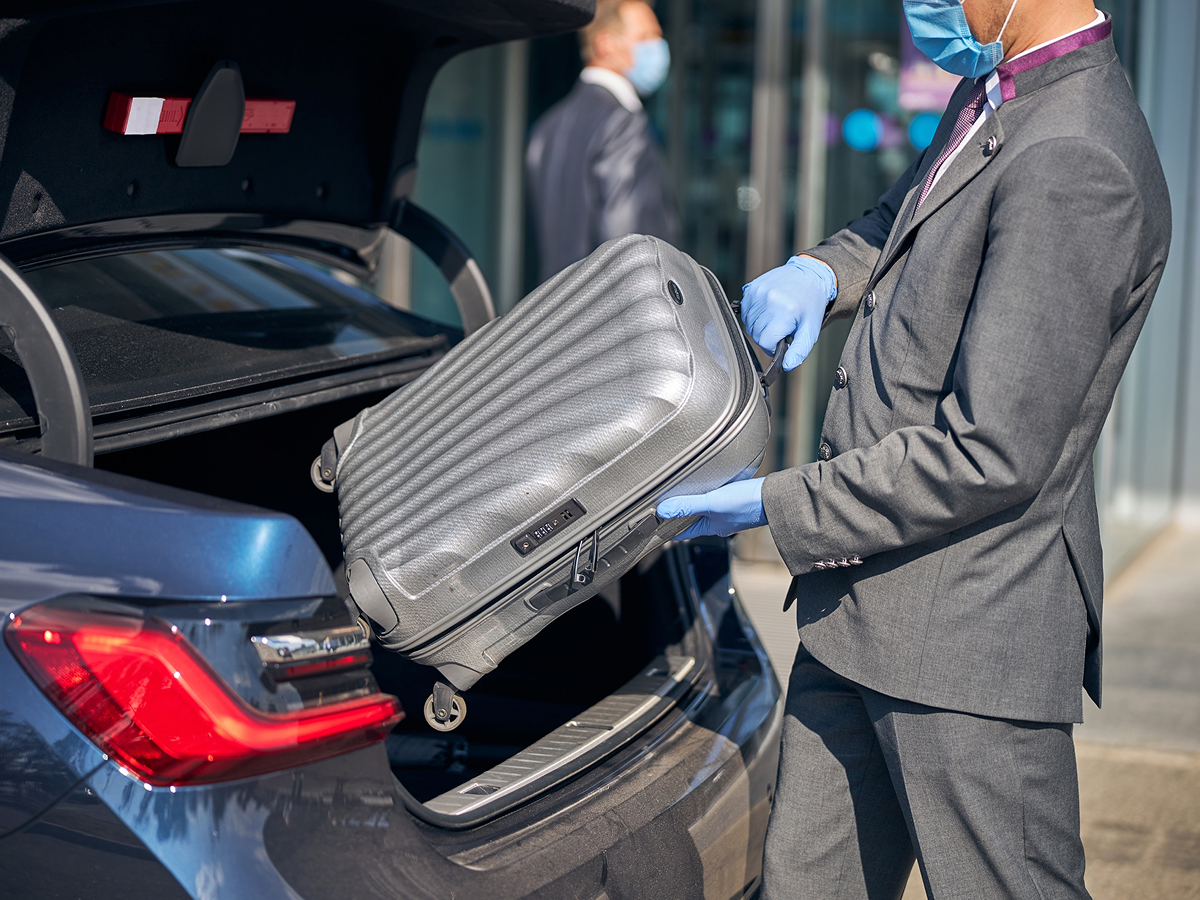
Many international patients prefer not to work out public transportation right after a long flight, or while carrying luggage after surgery. AB Plastic Surgery can help arrange airport pickup and send-off for international patients, so that your arrival and departure rides can be planned together with your consultation and surgery schedule rather than decided at the last minute.
Availability and arrangements depend on your travel dates and the details confirmed with the clinic, so it is best to raise this early in your consultation. To help the team plan, it is useful to have the following information ready.
-
Your flight details for both arrival and departure, including the airport and terminal if you know them
-
The area or address of your accommodation in Seoul
-
The number of travelers and the amount of luggage you will have
-
Any mobility, comfort, or timing concerns you would like the team to know about
Having a pre-arranged ride on these two days does not replace taxis or the subway for the rest of your stay. It simply covers the two journeys that tend to be the longest and the least familiar.
Your First Ride Home After Discharge
After a procedure involving anesthesia or sedation, most clinics advise patients not to travel alone and not to drive. Even when you feel alert, the effects of medication, fatigue, and early swelling can make a long or complicated trip harder than expected. A taxi or a pre-arranged ride that takes you straight to your accommodation is usually the simplest approach on discharge day.
Before you leave the clinic, it is worth confirming a few details with the staff.
-
Whether they recommend traveling with a companion for your particular procedure
-
Whether there are positions, supports, or precautions to follow in the car
-
Which contact number to use if you feel unwell on the way
If You Are Traveling Alone
Some patients travel to Seoul by themselves. If that is you, ask the clinic in advance how discharge day will work and whether arranged transportation can be included in your plan. Save your accommodation address in Korean on your phone, keep the clinic’s contact details easy to reach, and avoid scheduling anything else on the same day.
Three Things to Prepare Before You Fly
A little preparation at home makes every ride in Seoul smoother, especially when you are not at your best.
-
A Korean-language address. Save your hotel or accommodation address in Korean as a screenshot, so it can be shown to a driver or typed into a map app even when you are offline.
-
The nearest subway station and exit. Not every driver uses a navigation system the same way, and landmarks such as a station exit can be easier to communicate than a street address.
-
A working phone connection. Mobile data or an eSIM lets you use maps, translation, and ride-hailing apps from the moment you land.
How to Use Taxis in Seoul During Recovery
Taxis are the most flexible way to get around Seoul while you recover. They are widely available, the driver takes you to your destination, and there are no stairs or transfers to deal with. They are well suited to follow-up visits, short trips to a pharmacy, and any day when you feel tired. On days when an airport transfer is not part of your plan, a taxi is also the natural way to cover the rest of your journeys.
Types of Taxis You Will See in Seoul
Most taxis you will see are regular metered taxis, and they are the standard option for everyday trips. There are also larger, more spacious “deluxe” taxis, which are usually black and are often chosen when extra legroom or luggage space matters. A third option is a taxi you call through an app, which is described below. Whichever type you take, make sure the meter is running, since metered fares are the normal practice for licensed taxis.
Ride-Hailing Apps for International Visitors
Calling a taxi through an app is usually easier than hailing one from the street, because you set your pickup point and destination on your screen and do not need to explain anything verbally. The most widely used platform in Korea is Kakao T. It has an English interface, but signing up and registering a payment card can be difficult for visitors, since the app was designed mainly for local users and phone verification does not always work with foreign numbers.
Because of this, several options are worth knowing about before you arrive.
-
Kakao T: Widely used and available in English. It may let you choose to pay the driver directly by card or cash instead of paying in the app, which can help if card registration fails.
-
k.ride: An app from the same company that is designed for foreign visitors, with support for overseas phone numbers and international cards, and translation features for communicating with the driver.
-
Other visitor-focused taxi apps: Some apps are built for tourists and support international payment and English. It is worth installing one as a backup.
App features, sign-up requirements, and supported cards change over time, so install and set up your preferred app before you travel, ideally while you are still on your home phone network, and check its current details in the app store.
Making the Ride More Comfortable
Small choices can make a taxi ride noticeably easier when you are recovering.
-
Set the pickup point at your hotel or the clinic entrance so that you do not have to walk to a main road.
-
Enter your destination in English through the app, or show the driver your saved Korean address.
-
Wear your seat belt and sit upright, and be careful when closing the door or leaning toward the window so the treated area is not bumped.
-
Ask the driver to adjust the air conditioning if the car is too warm or too cold for your comfort.
-
Follow your clinic’s advice about masks, hats, or sun protection when you go outside.
When Taxis Are Hard to Get
Taxis are usually easy to find, but there are times when waits become longer. During peak hours, in heavy rain, or late at night, drivers may decline requests that do not suit their route, and an app request can take several minutes to be accepted. This is a normal feature of the system, not a sign that something is wrong with your booking.
To reduce the stress, request your ride a little earlier than you need it, move to a spot that is easy for cars to reach, and keep a second app installed as a fallback. For the most important trips, such as a medical follow-up or your departure day, build in extra time or ask the clinic about arranged transportation.
Using the Subway and Buses After Surgery: When It Makes Sense
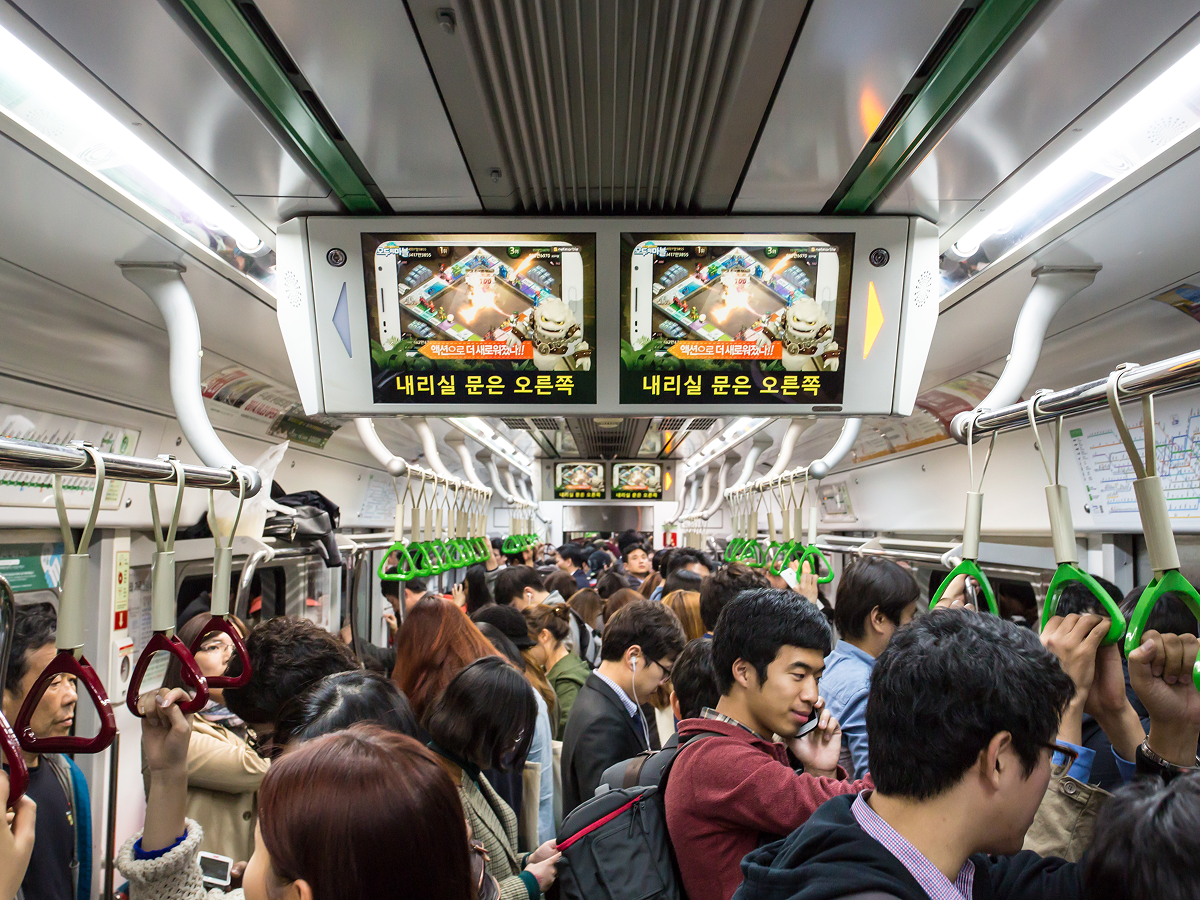
The subway and buses are efficient, clean, and easy to use, which is why so many visitors rely on them. During recovery, however, the same features that make them efficient can also make them tiring: crowds, long walks between lines, stairs, and standing. Whether they suit you depends on your procedure, your energy level, and your surgeon’s guidance, so treat them as an option to consider later in your stay rather than a default.
Why Crowds and Transfers Matter During Recovery
There are a few practical reasons that public transportation can be harder after surgery than it looks on a map.
-
Accidental contact. At busy times, people stand close together. A bump to the face, chest, or body can be uncomfortable and may be a concern depending on your procedure.
-
Transfers can involve long walks. At large interchange stations, changing lines can mean several minutes of walking and multiple flights of stairs.
-
Standing and sudden stops. Buses in particular can brake suddenly, which matters if you are unsteady or have restrictions on movement.
-
Weather. Hot, humid, or rainy conditions add to fatigue. Our guide to seasonal timing for plastic surgery recovery in Korea explains how the season can affect your comfort when you are out and about.
If you decide to use public transportation, off-peak times, a short route with few transfers, and a seat whenever possible are the most comfortable combination.
Practical Subway and Bus Tips for Visitors
When you feel ready, a few habits make public transportation simpler.
-
Use a transit card. A rechargeable transit card works across the subway and buses, and mobile versions may now be available to foreign visitors. Check current availability before you arrive.
-
Use a map app for routes. Naver Map and KakaoMap show real-time arrivals and suggest transfer routes. Choose routes with fewer transfers, even if they take a little longer.
-
Look for elevators and step-free exits. Many stations have them, and your map app or station signs can help you find them.
-
Know the operating hours. The subway generally stops running around midnight and starts again in the early morning. If you are out late, a taxi is usually more practical than waiting for night buses.
-
Avoid rush hours. Weekday mornings and early evenings are the most crowded.
Signs That It Is a Taxi Day
Even when you have used the subway comfortably before, some days call for a different choice. Consider switching to a taxi or arranged ride if any of the following applies.
-
You feel dizzy, unusually tired, or lightheaded
-
Discomfort or swelling feels worse than the day before
-
A dressing feels loose, wet, or uncomfortable
-
The station or train is more crowded than you expected
-
The weather is very hot, humid, or rainy
If symptoms feel more serious than ordinary tiredness, contact your clinic rather than continuing your journey. More guidance on this appears later in this article.
Choosing the Right Option by Recovery Stage and Procedure Type
The best way to travel changes as your recovery moves forward. A ride that is perfectly reasonable in the second week of your stay may not be a good idea on the day you leave the clinic. Looking at your trip in stages makes it easier to decide in advance instead of deciding while you are tired.
Transportation by Recovery Stage
The table below offers general suggestions. Your surgeon’s instructions for your own procedure and timeline take priority.
|
Stage |
Suggested Approach |
Things to Keep in Mind |
|---|---|---|
|
Arrival day |
Pre-arranged airport pickup or a taxi to your accommodation |
After a long flight, avoid complicated transfers with luggage |
|
Surgery and discharge day |
Taxi or arranged ride, ideally with a companion |
Do not drive; confirm precautions with the clinic before leaving |
|
Early recovery days |
Taxi for any necessary trips; rest as advised |
Keep outings short and follow your surgeon’s activity guidance |
|
Follow-up visits |
Taxi with extra time built in |
Do not risk being late; allow for slower pickups in rain or at peak hours |
|
Later, light outings |
Subway or bus off-peak, if cleared and you feel steady |
Choose short routes with few transfers; switch to a taxi if you tire |
|
Departure day |
Pre-arranged send-off or a taxi to the airport |
Leave early and keep medications and documents within reach |
Procedure-Related Considerations
Different procedures bring different practical concerns when you are on the move. The points below are general, and your own surgeon can tell you what applies to you.
-
Facial procedures: Swelling, bruising, and dressings can make you more sensitive to contact around the face. Crowded spaces and sudden movements may be worth avoiding, and a comfortable seating position matters on longer rides.
-
Nose and eye procedures: Protecting the area from bumps, glare, and dust is a common concern, so a calm, short, door-to-door ride is often more comfortable than a packed train.
-
Lifting procedures: Head and neck position, along with swelling and tightness, can affect how long you can sit or stand comfortably.
-
Breast and body procedures: Compression garments, tenderness, and restrictions on lifting or reaching may make handling luggage, grabbing handrails, or standing on a moving bus more difficult.
Because recovery differs from person to person, the safest approach is to ask your surgeon which activities and settings to avoid, and then plan your transportation around that advice.
Frequently Asked Questions About Taxis and Public Transportation After Plastic Surgery in Seoul
Can I take a taxi right after plastic surgery in Seoul?
In most cases, a taxi or a pre-arranged ride is the more comfortable way to travel on discharge day, because it takes you directly to your accommodation with no transfers. Your clinic can tell you whether it recommends a companion or any particular precautions for your procedure, so it is best to confirm this before you leave.
Is it safe to take the subway after plastic surgery?
It depends on your procedure, how you feel, and your surgeon’s advice. Crowds, stairs, and long transfers are the main concerns during early recovery. Many patients choose taxis at first and consider off-peak subway trips later, if their medical team agrees. If in doubt, ask your clinic before using public transportation.
Which taxi app works best for international patients in Seoul?
Kakao T is the most widely used taxi app in Korea, but foreign phone numbers and cards do not always register smoothly. Apps designed for visitors, such as k.ride, are built to work with overseas numbers and international cards. Because features change, it helps to install two apps before you arrive and test them while you still have your home phone connection.
What should I do if I cannot speak Korean with the taxi driver?
Enter your destination in the app so you do not need to explain it aloud, or show the driver your accommodation address in Korean on your phone. Naming the nearest subway station and exit can also help. If you are using a translation feature or a translation app, keep your phone charged and your data connection active.
How can I avoid crowds while recovering in Seoul?
Travel outside weekday rush hours, choose routes with few transfers, and use taxis for longer or busier trips. Planning your outings for mid-morning or early afternoon, and keeping them short, usually reduces both crowds and fatigue.
Can I use public transportation to go to follow-up appointments?
Some patients do, but because follow-up visits are time-sensitive and you may still be recovering, many prefer a taxi with extra time built in. If you are considering the subway or a bus, check the route in advance, avoid peak hours, and choose the option that feels most comfortable on the day.
What if taxis will not accept my ride at night or in bad weather?
This can happen during peak hours, in rain, or late at night. Try requesting the ride a little earlier, moving to a spot that is easier for cars to reach, or using a second app. For important trips, such as a follow-up appointment or your departure, planning ahead or asking the clinic about arranged transportation can reduce the risk of delays.
Does AB Plastic Surgery offer airport pickup and send-off for international patients?
AB Plastic Surgery can help arrange airport pickup and send-off for international patients. Availability and arrangements depend on your travel schedule and the details confirmed during your consultation, so it is best to share your flight information early so that the team can plan your arrival and departure rides together with your treatment schedule.
Planning Your Recovery-Week Routes in Seoul
Recovery during medical travel goes more smoothly when your daily routes are decided before you need them. A short plan for where you are going, how you will get there, and what to do if something changes lets you rest instead of problem-solving on the spot. If you are still deciding on the broader logistics of your trip, our medical tourism guide for your first surgery in Korea covers the bigger picture.
Map Your Key Stops in Advance
Before surgery, list the places you will need to visit during your stay and note how far each one is from your accommodation.
-
The clinic, for surgery and follow-up appointments
-
A nearby pharmacy for any medications you are advised to take
-
A convenience store or supermarket for basic supplies
-
A few easy meal options within a short distance of where you are staying
Choosing accommodation close to the clinic and to places you will need regularly can reduce the number of rides you need to take at all.
Your Transportation Checklist
Use this checklist to prepare before you travel and to review before each outing.
-
A taxi app installed, set up, and tested, plus a backup app
-
A navigation app such as Naver Map or KakaoMap for walking and transit routes
-
A translation app downloaded for use when you need to communicate
-
A transit card, or a way to pay for rides by card or cash
-
Your accommodation address saved in Korean, with a screenshot available offline
-
The clinic’s contact details saved in your phone
-
Your flight details shared with the clinic if you plan to arrange airport pickup and send-off
-
A charged phone and, if possible, a portable charger
Emergency and Support Contacts
Keep a short list of numbers where you can find it quickly. In a medical emergency in Korea, the nationwide emergency number is 119. The Korea Travel Helpline, reached by dialing 1330, offers assistance to travelers, and it is worth checking in advance which languages are currently supported. Your clinic’s contact number should also be saved, so that you can call them first if you have a concern about your recovery.
Let Someone Know Where You Are
If you are traveling with a companion, share your location with them when you go out. If you are alone, consider letting a friend or family member at home know your plans for the day, especially on days when you have an appointment or a longer ride.
Safety Signals and When to Contact AB Plastic Surgery Before You Travel
Good planning reduces stress, but it cannot replace professional guidance. If something does not feel right, the best step is to pause your plans and contact your clinic. This is true whether you are about to leave for a follow-up visit, thinking about taking public transportation, or already on the move.
Signs to Contact Your Clinic Before or During a Trip
The signs below do not mean something is necessarily wrong, but they are good reasons to call the clinic for advice before continuing.
-
Pain that is getting worse instead of gradually easing
-
Swelling or bruising that seems to be changing in an unexpected way
-
Bleeding, or a dressing that has become soaked or has moved
-
Fever, or a general feeling of being unwell
-
Dizziness, nausea, or feeling faint
If you feel your condition is urgent, contact local emergency services at 119 and then let your clinic know as soon as you can.
Planning Your Recovery Transportation With AB Plastic Surgery
If you are unsure how to handle your arrival, your discharge day, your follow-up visits, or your departure, it is easier to ask early than to solve it on the day. During a consultation with AB Plastic Surgery, you can discuss your travel dates, your recovery plans, and arrangements such as airport pickup and send-off, so that your transportation fits your treatment schedule.
To sum up, taxis and pre-arranged rides are usually the most comfortable choice for the early days of recovery, the subway and buses can be considered later if you feel steady and your surgeon agrees, and your clinic’s advice should guide every decision along the way. A few preparations before you fly, such as saving your address in Korean, installing your apps, and sharing your flight details, can make your time in Seoul calmer and easier to manage.
Written by
AB Plastic Surgery
Updated on
November 5, 2026
This article is for informational purposes only and does not replace a personal medical consultation.