Male Plastic Surgery
Gynecomastia (Male Breast Enlargement)
Stand tall with your shoulders back, confidently showing off your chest
Gynecomastia is a condition where fat accumulates or glandular tissue develops in a man's chest, leading to a more feminine appearance. We tailor treatments to address the underlying causes and individual body types, transforming the chest into a flat and masculine shape.

Gynecomastia (male breast enlargement) Surgery Information
INFORMATION SURGERY
Surgery Information
Surgery Duration
Approximately 30min~1 hour
Anesthesia Method
General anesthesia or sedation anesthesia
Inpatient Treatment
1 time
Recovery Period
After 3~4 days




RECOMMENDED FOR
Recommended Candidates
1. If you have had protruding chest since you were young.
2. If you feel embarrassed or self-conscious when wearing clothes.
3. If your chest did not shrink even after dieting.
4. If you have an overall thin physique but your chest is still protruding.
5. If you have been told that your chest looks like a woman's.
6. If you can feel firm, lump-like tissue around your nipples.

Gynecomastia Surgery
Gynecomastia surgery is performed to remove excess tissue or fat from the chest of men with gynecomastia, improving
the chest's firmness. The procedure may include treatments ranging from liposuction to glandular tissue removal as needed.
1. Types of Gynecomastia
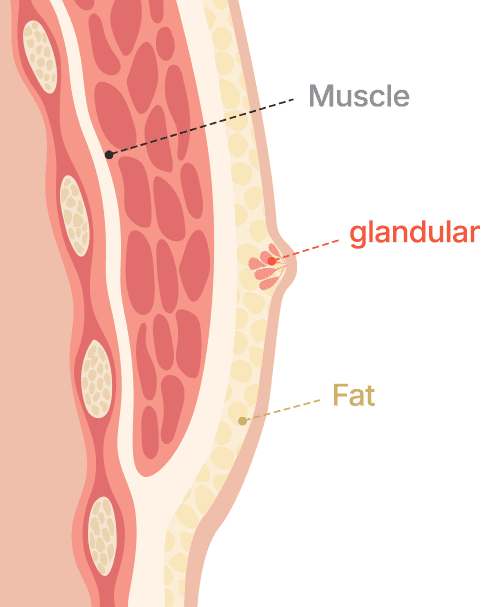
Normal Male Chest
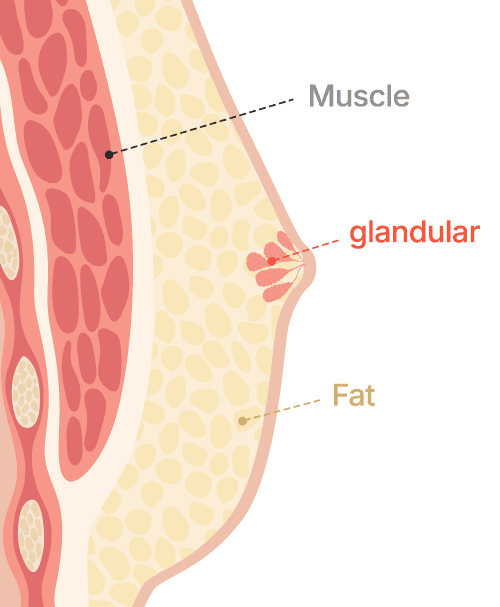
Fatty Type Gynecomastia
When fat constitutes a higher percentage compared to glandular tissue
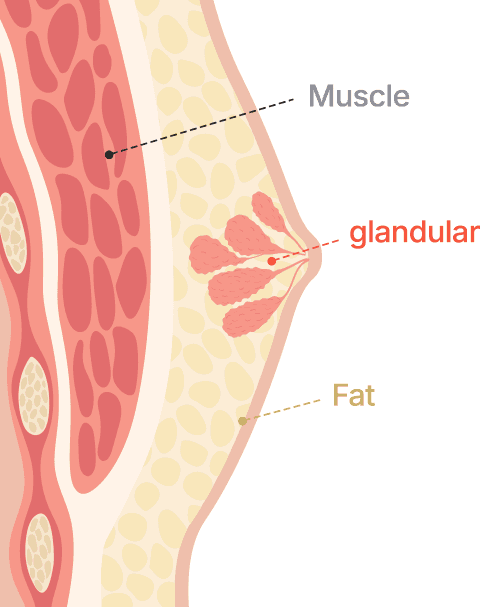
NGlandular Type Gynecomastia
When glandular tissue constitutes a higher percentage compared to fat
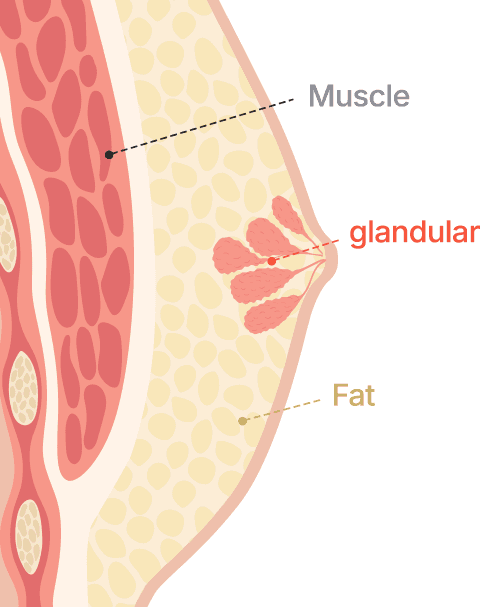
Mixed Type Gynecomastia
When glandular tissue and fat are developed in similar proportions
Gynecomastia is a condition. If the cause is due to factors such as protruding nipples or glandular tissue, improvement is difficult through exercise or medication alone. Therefore, it is advisable to undergo a thorough examination and proceed with surgery if necessary.
2. Surgical Methods for Different Types of Gynecomastia
Gynecomastia, which can be caused by various factors such as fatty tissue, medication, and hormones, should have its underlying cause accurately identified before planning surgery and treatment to prevent recurrence
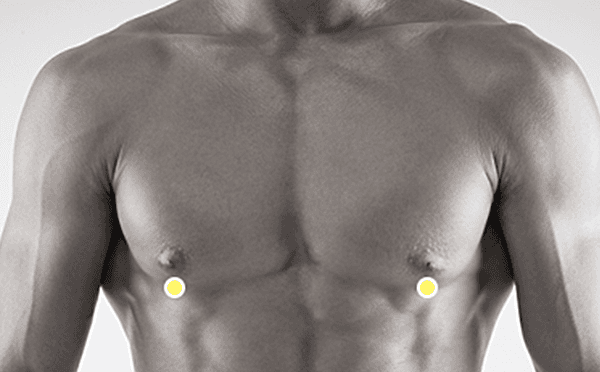
01
When fatty tissue is developed
Incision under the breast (0.5 cm) followed by liposuction
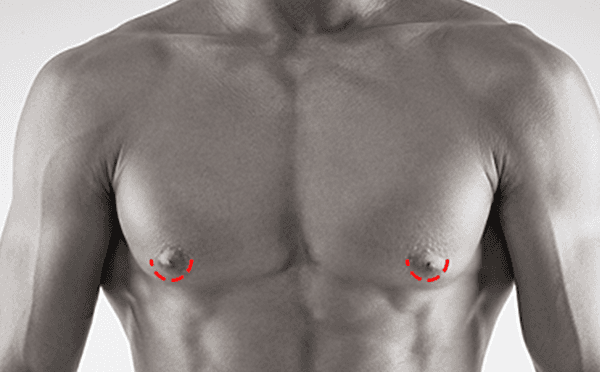
02
When glandular tissue is developed
Incision under the areola (2-3 cm) followed by direct glandular tissue removal.
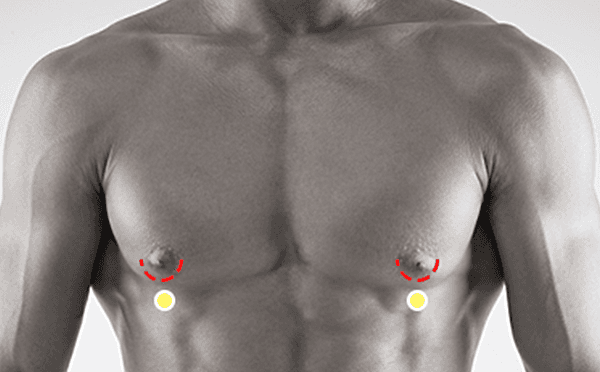
03
When both are developed
Combination of liposuction and glandular tissue removal.
If gynecomastia has led to decreased skin elasticity and sagging, performing a combination of surgical procedures to improve this condition can yield more significant results.
3. Gynecomastia Simon Classification
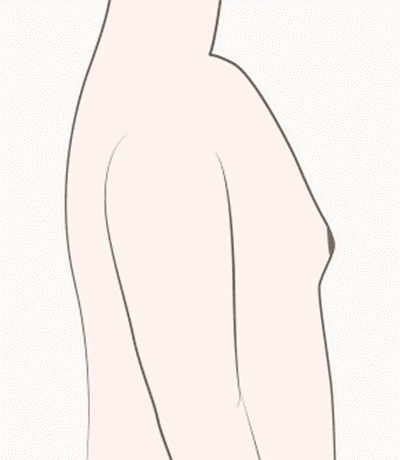
GRADE 1
When the glandular tissue is confined to the areola and protrudes.
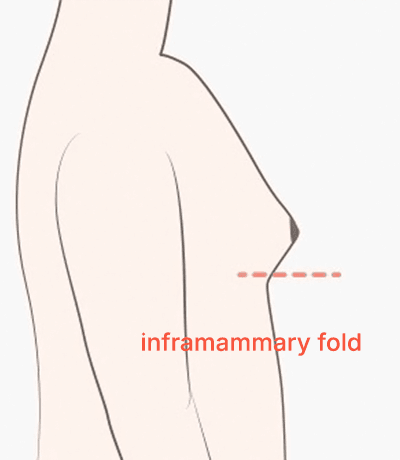
GRADE 2
When the nipple and areola complex are above the inframammary fold.
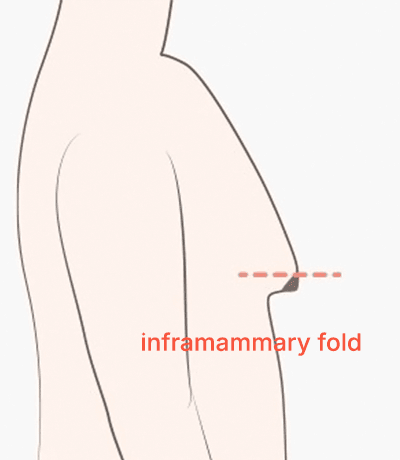
GRADE 3
When the nipple and areola complex are at the same height as or 1 cm below the inframammary fold.
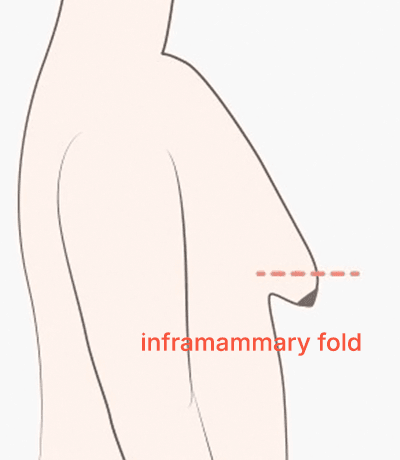
GRADE 4
When the nipple and areola complex are more than 1 cm below the inframammary fold.
AB key feature
Gynecomastia, Why AB
1. Quick results and recovery, same-day discharge.
Gynecomastia surgery performed in a short time can be done without hospitalization, with results visible immediately after the procedure.
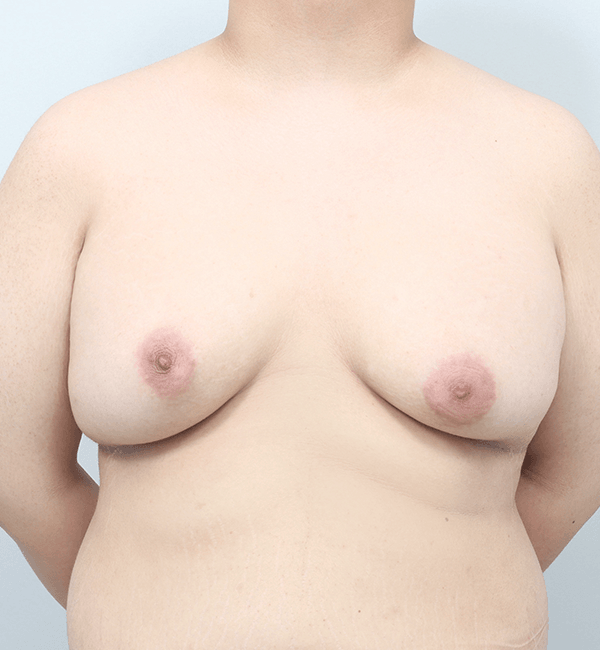
Before surgery
Right after surgery
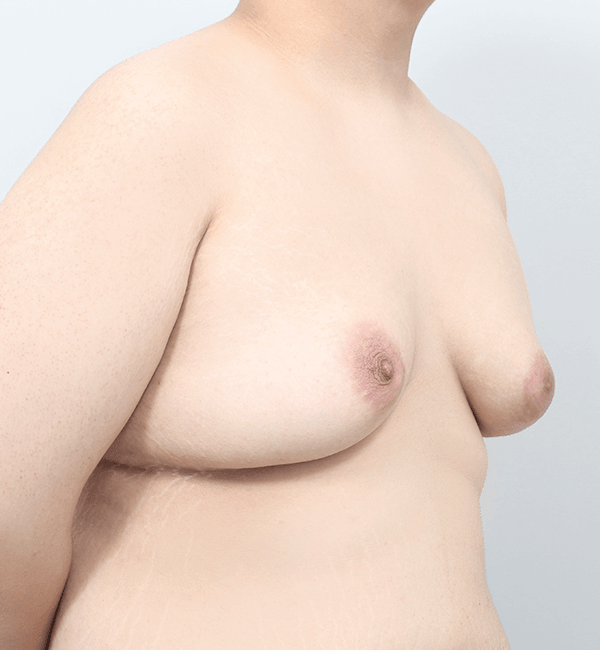
Before surgery

Right after surgery
2. Precise diagnosis using 3D-CT
Before surgery, high-resolution ultrasound is used to assess the amount and distribution of fat and glandular tissue, to diagnose the extent of gynaecomastia symptoms, and to develop a personalised surgical and treatment plan.
Assessment of the quantity and distribution of glandular and fat tissue
Determining the thickness of the fat layer and diagnosing male breast conditions
The surgeon performs the ultrasound examination personally and then creates a customized surgical plan.
3. Careful management of scars after surgery
Before surgery, high-resolution ultrasound is used to assess the amount and distribution of fat and glandular tissue, to diagnose the extent of gynaecomastia symptoms, and to develop a personalised surgical and treatment plan.
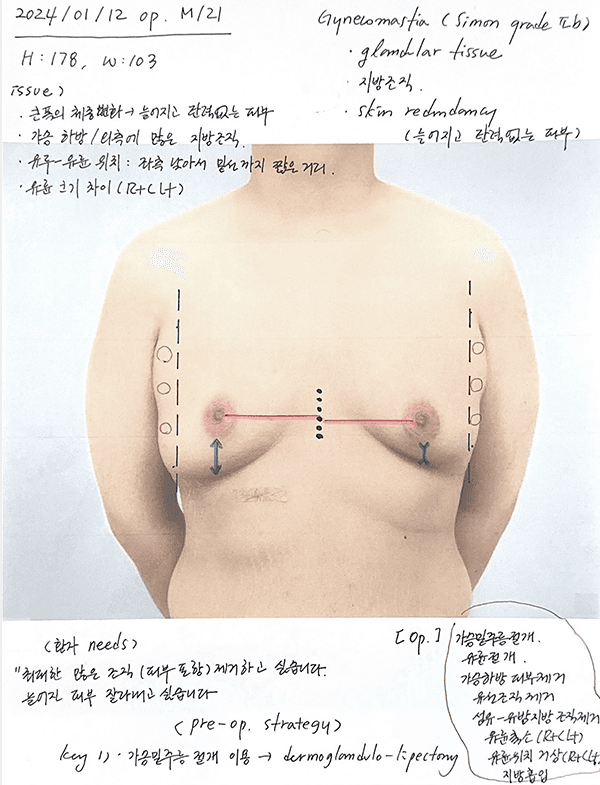
- · The patient's needs
- · Degree of breast sagging
- · Amount and location of liposuction
- · Amount of glandular tissue to be removed
- · Position of the nipple
- · Size of the areola
- · Degree of breast asymmetry
- · Skin elasticity
4. Natural-looking surgical results without recurrence
We remove the glandular tissue while ensuring that other breast tissues and nerves are not damaged during the surgery.
Removal of the causes of gynecomastia
Minimizing the risk of recurrence through precise diagnosis and removal of glandular and fat tissue
Natural-looking surgical area
Minimizing scars with minimal incision and incisions along natural folds
5. Privately tailored for men
Consultations, design, and ultrasound examinations are all conducted in one space.

6. Dedicated surgical team for men
A dedicated team, including doctors and operating room staff, is specialized in treating male gynecomastia. They perform surgeries safely based on extensive experience and expertise in the condition.
Breast surgery specialist
Plastic surgeon
One-on-one dedicated care
Anesthesiologist specializing in pain management
Gynecomastia specialist
Operating room nurse
Perfect and easy care
Scarring or swelling may persist for a longer time depending on individual characteristics.
AB provides thorough aftercare considering every possible scenario.
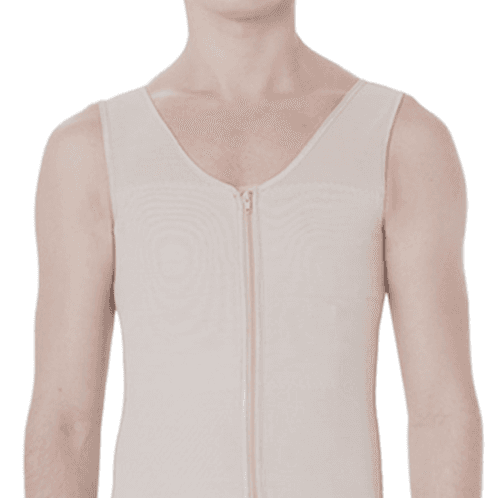
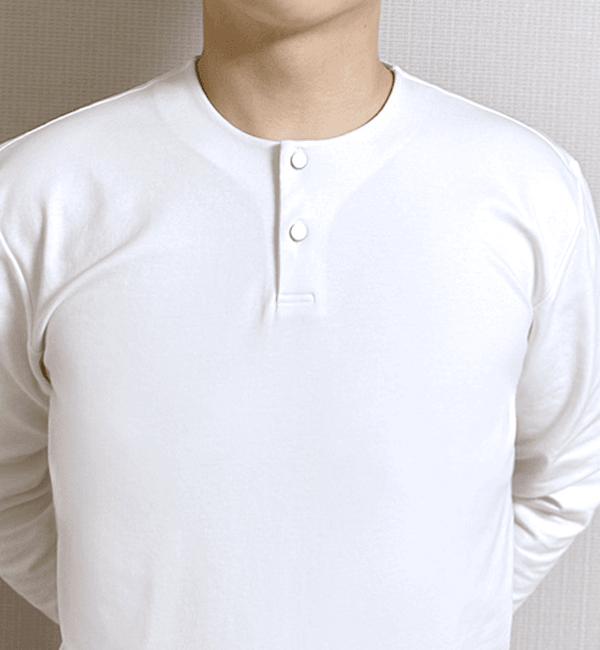
Gynecomastia surgery compression garment
Gynecomastia surgery compression garment designed to prevent sagging after surgery

Simple home care kit
Providing a home care kit that allows for easy management at home
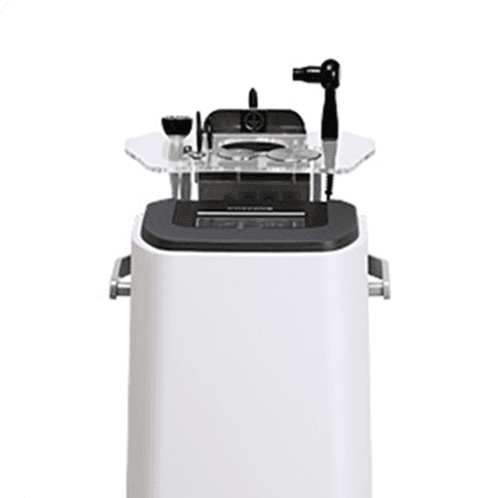
Fast swelling and bruise care
Radiofrequency technology enhances blood circulation to relieve bruising and swelling.
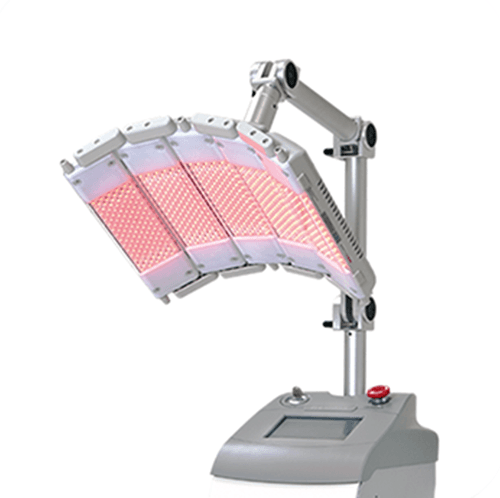
Fast skin regeneration care
Laser therapy promotes collagen regeneration for rapid skin rejuvenation.
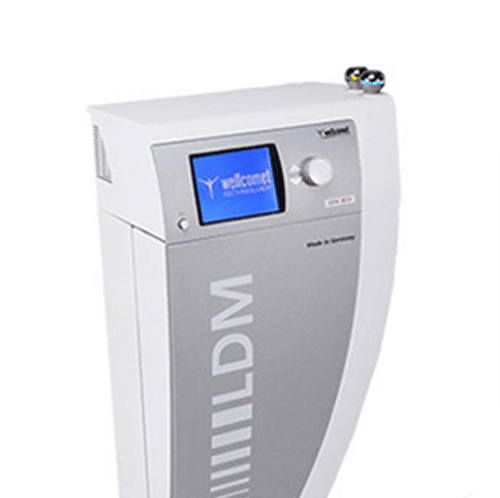
Fast tissue regeneration
Stimulates cells and promotes tissue regeneration with high-density ultrasound microvibrations
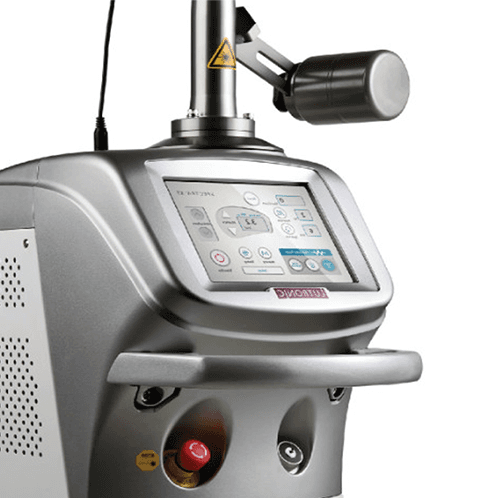
Fast wound care
Targets the incision area with Spectra laser for skin regeneration
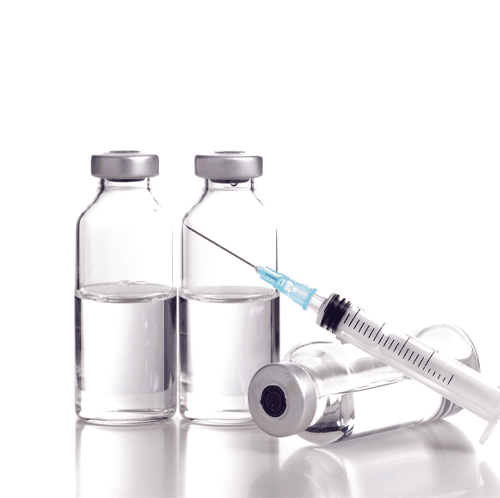
Fast recovery care
Skin regeneration injections administered directly by a dermatology specialist
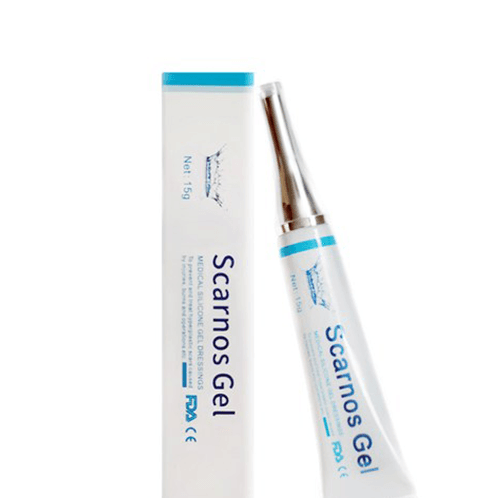
Premium scar care
Providing Kentaime scar ointment with medical-grade silicone oil ingredients
Q&A
Most Frequently Asked Questions About Gynecomastia Surgery
- Q. I am generally lean compared to other men, but my chest seems slightly protruded. Could this be gynecomastia?Gynecomastia is classified into two main types: pseudogynecomastia and true gynecomastia. Pseudogynecomastia occurs when excessive fat accumulates in the breast area, making the chest appear similar to a woman's. If the chest feels soft and has a noticeable volume, similar to other areas of the body with fat, it is likely pseudogynecomastia. This condition is primarily treated with liposuction, but if there is also significant glandular tissue, additional tissue removal may be necessary. True gynecomastia is characterized by the development of glandular tissue in the breast area, with fat distributed underneath this tissue, resulting in a female-like appearance. For true gynecomastia, surgical intervention is required to remove the excess glandular tissue and, if necessary, perform liposuction to address any accumulated fat.
- Q. Protruding nipples are stressful, but are they gynecomastia?One of the symptoms of gynecomastia can be protruding nipples, which may cause stress when wearing clothes. After accurately diagnosing the symptoms, it can be improved with gynecomastia surgery or areola reduction surgery.
- Q. Can men with gynecomastia get breast cancer?Male breast cancer is a rare condition, accounting for less than 1% of all breast cancer cases. However, since gynecomastia and breast cancer can present similar symptoms, men with gynecomastia should be aware of the symptoms of breast cancer. If you feel a lump (lymph node) in the armpit, experience skin rash or retraction around the nipple, notice blood-stained discharge from the nipple, or if one side of the chest becomes enlarged, a thorough examination for male breast cancer is necessary. Since self-examination alone cannot provide an accurate diagnosis, it is recommended to consult a specialist if any of these symptoms are present.
- Q. Can inverted nipples be improved during gynecomastia surgery?In the development of gynecomastia, excessive glandular tissue and fibrous tissue between the glandular tissue and the nipple can cause the nipple to be pulled inward, resulting in an inverted nipple. By properly removing the glandular tissue and carefully separating the fibrous tissue, the inverted nipple can be improved
- Q. Can gynecomastia recur after surgery?If the underlying cause of gynecomastia is not addressed, there is a significant risk of recurrence after surgery. For example, if underlying conditions such as liver disease, thyroid disorders, or genetic conditions are not resolved, or if medications such as steroids, hair loss treatments, or antifungals are repeatedly used, recurrence can occur. Additionally, even if the surgery initially results in improvement, weight gain after the procedure can lead to the accumulation of excess fat, which may result in pseudogynecomastia. Therefore, proper weight management and regular exercise are essential after gynecomastia surgery.
- Q. I feel like my sensation has become dull after gynecomastia surgery. When will the sensation return?During gynecomastia surgery, either the glandular tissue around the nipple is removed or liposuction is performed on the fat tissue. This may cause the sensory nerves that provide sensation to the nipple-areola complex and the entire chest area to become stretched or partially damaged. As a result, you might experience decreased sensation, tingling, or heightened sensitivity. This is typically a temporary condition and should improve within about six months, so there is generally no need for concern.
- Q. Can minors also undergo gynecomastia surgery?Even if gynecomastia appears during adolescence, it is likely to be a temporary pseudogynecomastia related to growth rather than true gynecomastia. Therefore, it is recommended to wait until adulthood, when growth is complete, to get an accurate diagnosis and then consider surgery.
- Q. Is it possible to undergo gynecomastia surgery during a military leave period?The surgical plan will vary depending on the severity of the patient's gynecomastia, so recovery times can differ between individuals. For mild cases of gynecomastia, if the leave period is at least 2 weeks and you can avoid strenuous activities involving the chest and arms for an additional 2 weeks upon returning to light duties, surgery should not pose significant issues. However, for severe gynecomastia that requires extensive glandular removal and liposuction, if adequate recovery time is not possible after returning to duty, there may be complications with recovery. Typically, the space left after removing breast tissue may not be fully healed within the first month, so it is recommended to work closely with a specialist to develop a comprehensive treatment plan considering this factor.
Loading...
Safety System
Through various safety management systems, patients can receive surgery with greater peace of mind.

On-site board-certified specialist in Anesthesiology and Pain Medicine
Anesthesiology and pain medicine specialists manage the entire surgical process from pre-operation through post-operation.

Real-time monitoring during anesthesia
Anesthesiologists monitor patients in real time during surgery, with dual and triple verification through central monitoring systems.

Pre-surgery safety check
For safer surgery, we conduct comprehensive pre-operative examinations through our in-house self-inspection system.

University hospital–level safety equipment
Through various safety management systems, patients can receive surgery with greater peace of mind.
Related doctors
AB doctors related to this breast procedure
Learn more about the AB doctors related to this breast procedure.
Make your own plan for Korean Plastic Surgery
Please note that the actual medical schedule may vary depending on each patient's individual condition,
such as health status, and the specific surgical procedures involved.
Tailored to meet individual needs,
our service ensures that your medical tourism journey is planned
with the utmost care and precision, considering your unique medical requirements
Date of surgery
Eye Surgery
Nose Surgery
Fatgraft
Lifting
Accu
Breast Surgery
Body Shaping
liposuction
Lip
Facial Contouring
Skincare
Stem Cells
| SUN | MON | TUE | WEN | THU | FRI | SAT |