Title
Choosing the Best Korean Plastic Surgery: The 2026 Essential Checklist for Global PatientsDate
2026-04-22Views
4009
AB Blog
How to Choose the Best Korean Plastic Surgery Clinic in 2026: A Safety-First Guide for Global Patients
Table of Contents
1. What “Best Korean Plastic Surgery” Really Means
2. 5 Critical Mistakes Global Patients Make
3. How to Identify a Truly Good Plastic Surgery Clinic in Korea
4. The 2026 Essential Checklist for Choosing a Safe Korean Plastic Surgery Clinic
5. Why Safety Systems Matter More Than Surgical Skills
6. Understanding Korea’s Official Medical Accreditation Systems (KAHF & KIMA)
7. Why AB Plastic Surgery Meets the Standard of “Best Korean Plastic Surgery”
8. A Practical Guide for International Patients Preparing for Surgery in Korea
9. Frequently Asked Questions About Choosing the Best Korean Plastic Surgery
Finding the best Korean plastic surgery clinic is not about choosing the most famous name or the lowest price—it is about understanding how safe, structured, and medically reliable the system behind the surgery is.
In recent years, global patients traveling to Korea have become more informed and selective. Rather than relying on rankings or social media reviews, they are increasingly focused on safety systems, surgeon specialization, and how clinics manage risk before, during, and after surgery.
This guide is designed to help international patients make informed decisions by explaining what truly defines the best Korean plastic surgery clinic in 2026. From common mistakes to avoid to essential safety checklists and official accreditation systems, each section provides practical criteria that go beyond marketing claims.

What “Best Korean Plastic Surgery” Really Means (Before You Choose)
Why “Best” Is Different for Every Patient
When searching for the best Korean plastic surgery clinic, many international patients expect a clear ranking or a list of top hospitals. However, in reality, the definition of “best” varies depending on individual goals, facial structure, medical condition, and expectations.
For example, a clinic known for dramatic transformations may not be the best choice for a patient seeking subtle, natural-looking results. Similarly, a clinic with a strong social media presence may not necessarily have the most advanced safety systems or structured medical protocols.
The best clinic is not the most famous one—it is the one that is safest and most appropriate for your specific case.
Popularity vs Safety vs Results: What Really Matters
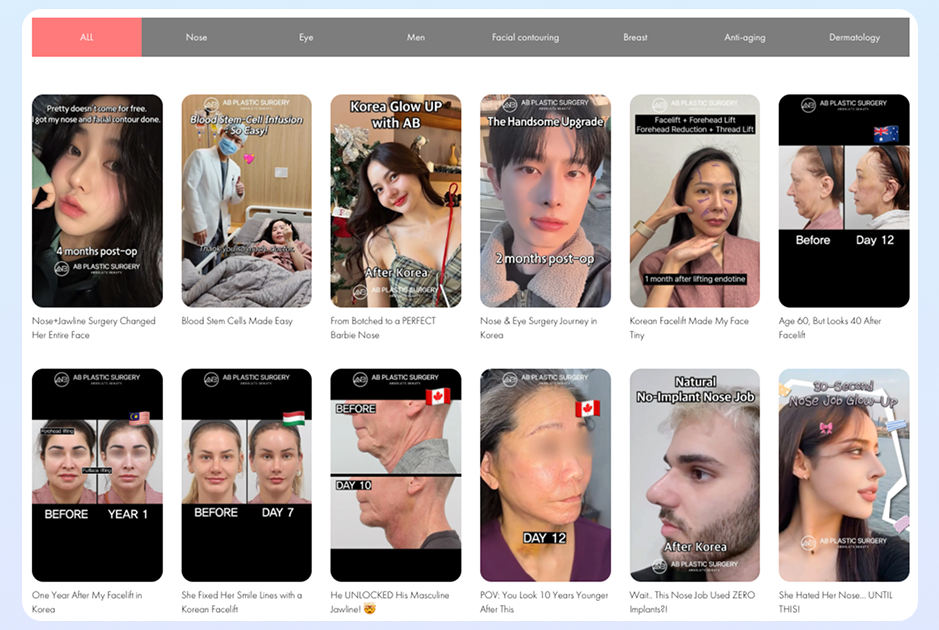
One of the most common misunderstandings among global patients is equating popularity with quality. Clinics that rank highly on search engines or social media often focus on visibility, but visibility alone does not reflect surgical safety or long-term outcomes.
To understand what truly defines the best Korean plastic surgery clinic, it is important to distinguish between three key factors:
-
Popularity: Online exposure, influencer marketing, and review volume
-
Results: Visual outcomes seen in before-and-after images
-
Safety Systems: Structured protocols that prevent, monitor, and manage surgical risks
While all three elements are relevant, safety systems are the foundation that supports consistent and reliable results. Without them, even technically successful surgeries can carry significant risks.
The Hidden Risks of Choosing the Wrong Clinic
Choosing a clinic based only on price, rankings, or visual results can lead to serious consequences. Many complications in plastic surgery are not caused by surgical technique alone, but by the absence of proper systems before and after the procedure.
Common risks associated with poorly structured clinics include:
-
Insufficient pre-surgery medical evaluation
-
Lack of real-time monitoring during surgery
-
Inadequate response to unexpected complications
-
Limited or unstructured post-operative care
For international patients, these risks are even more critical, as distance and time constraints can make follow-up care more difficult.
Plastic surgery is not just about the final result—it is about how safely the entire process is managed from consultation to recovery.
A Safer Way to Define “Best Korean Plastic Surgery”
Instead of asking “Which clinic is the most popular?”, a more important question is:
“Which clinic has the systems in place to protect me throughout the entire surgical process?”
This includes:
-
Clear and structured consultation based on medical assessment
-
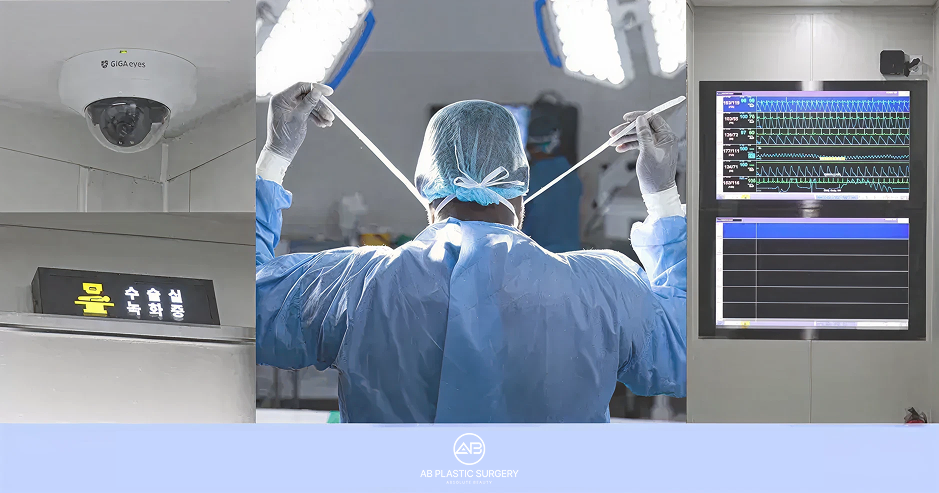
Transparent surgical environment with monitoring systems
-
Emergency response protocols and anesthesia safety
-
Organized aftercare and recovery management
In 2026, global patients are no longer choosing clinics based on marketing alone. They are selecting clinics based on how well the entire medical system is designed to ensure safety, predictability, and long-term satisfaction.
5 Critical Mistakes Global Patients Make When Choosing a Korean Clinic
Mistake #1: Choosing Based on Price Alone
One of the most common mistakes international patients make is selecting a clinic based primarily on cost. While price is an important consideration, significantly lower prices can sometimes indicate compromises in safety systems, medical staffing, or post-operative care.
Plastic surgery involves not only the procedure itself, but also anesthesia, monitoring, and recovery management. A lower price does not necessarily reflect the full scope of care required for safe surgery.
Mistake #2: Trusting Social Media and Reviews Without Verification
Social media platforms and online reviews are often the first sources of information for global patients. However, these sources can be heavily curated, selectively presented, or influenced by marketing strategies.
Before-and-after images may not always reflect typical outcomes, and reviews may not provide insight into safety systems or complication management.
Relying solely on visual results or online popularity can lead to an incomplete understanding of a clinic’s true medical standards.
Mistake #3: Relying on Brokers or Third-Party Agencies
Many international patients use brokers or agencies to navigate the Korean plastic surgery market. While some services provide convenience, they may also prioritize commission-based recommendations rather than patient safety.
This can limit transparency and reduce direct communication between the patient and the medical team.
Choosing a clinic should be based on medical criteria, not intermediary recommendations.
Mistake #4: Not Fully Understanding the Procedure
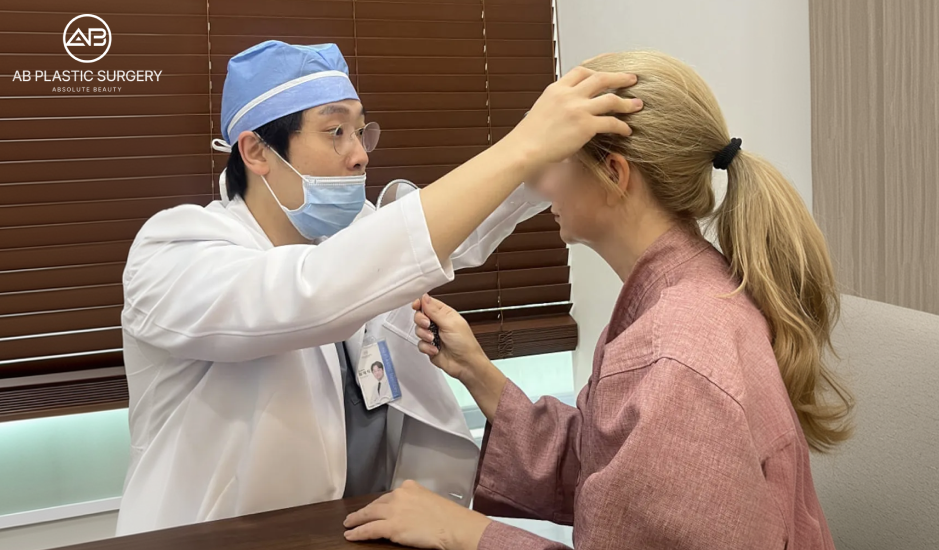
Another critical mistake is proceeding with surgery without a clear understanding of the procedure, its limitations, and potential risks. Each patient’s anatomy and condition are different, and not all procedures are suitable for everyone.
A thorough consultation should include detailed explanations of surgical methods, expected outcomes, recovery timelines, and possible complications.
Informed decision-making is essential for achieving safe and predictable results.
Mistake #5: Ignoring Safety Systems and Medical Infrastructure
Perhaps the most critical mistake is overlooking the importance of safety systems. Many patients focus on results, but fail to evaluate how the clinic manages risk during and after surgery.
Key safety elements include:
-
Real-time monitoring during surgery
-
Presence of an anesthesiologist
-
Emergency response systems
-
Pre-surgical health screening
-
Structured post-operative care
Most serious complications in plastic surgery are not caused by surgical skill alone, but by the absence of proper safety systems.
Why These Mistakes Matter More for International Patients
For international patients, these mistakes carry even greater consequences. Limited time in Korea, language barriers, and distance from home can make it more difficult to address complications or receive follow-up care.
This is why choosing the right clinic from the beginning is critical. A well-structured medical system reduces risk, ensures continuity of care, and provides a safer overall experience.
How to Identify a Truly Good Plastic Surgery Clinic in Korea
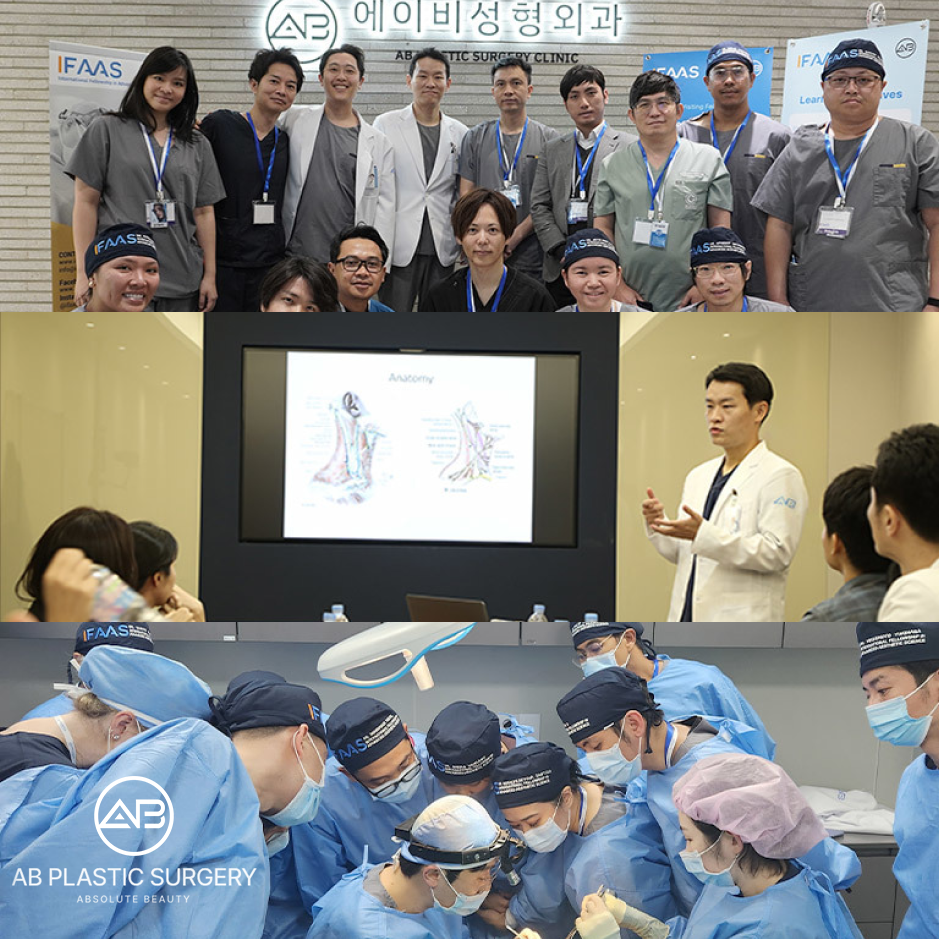
Board-Certified Surgeons and True Specialization
A truly reliable plastic surgery clinic begins with the qualifications and focus of its surgeons. Board certification ensures that the surgeon has completed formal training and meets professional medical standards, but specialization is equally important.
Rather than choosing a clinic that performs all types of procedures equally, patients should look for surgeons who focus on specific areas such as rhinoplasty, facial contouring, or lifting procedures. This level of specialization allows for deeper anatomical understanding and more consistent outcomes.
Expertise is not defined by how many procedures a clinic offers, but by how deeply it understands each procedure.
System-Based Clinics vs Single-Surgeon–Dependent Clinics
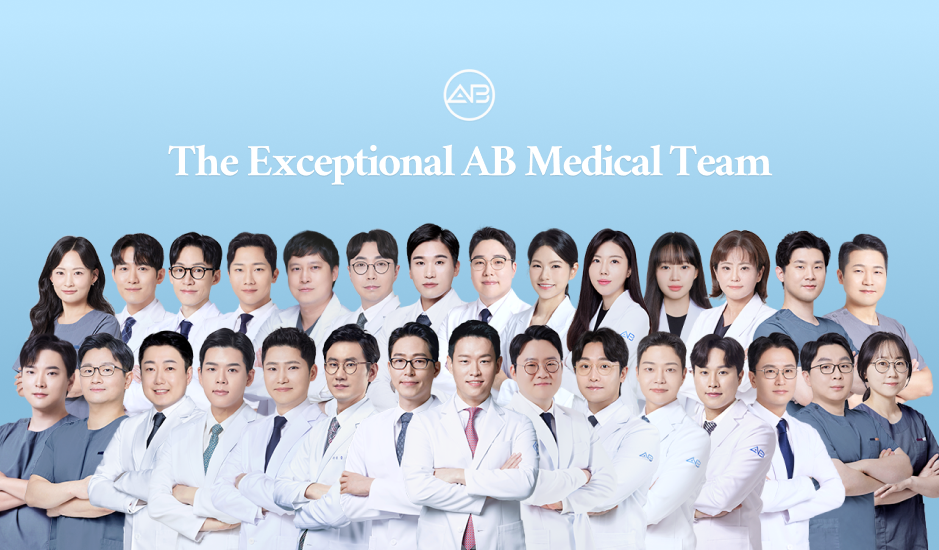
Another key factor that distinguishes a truly good clinic is whether it operates as a system-based medical institution or relies heavily on a single doctor. Clinics built around structured systems provide more consistent safety and patient care.
In a system-based clinic, responsibilities are distributed across a medical team, including surgeons, anesthesiologists, and monitoring staff. This ensures that every stage of the procedure—from preparation to recovery—is managed with clear protocols.
In contrast, clinics that depend on a single doctor may lack redundancy and structured safety layers.
The best clinics are not built around one person—they are built around a system that supports every patient safely.
Why the Surgical Process Matters More Than Marketing
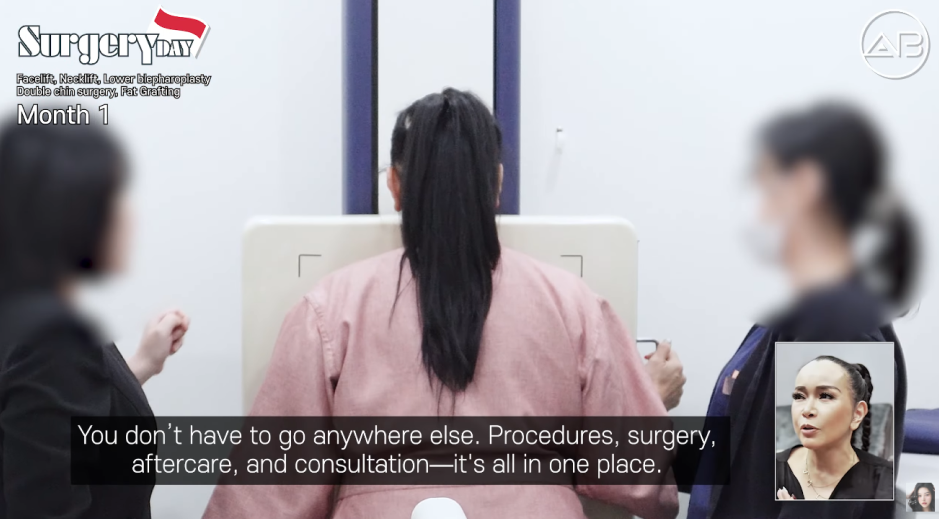
Many patients are influenced by marketing elements such as before-and-after photos, influencer endorsements, or online rankings. While these can provide some insight, they do not reflect how safely a procedure is performed.
The surgical process itself—how the patient is evaluated, how the procedure is monitored, and how recovery is managed—is what determines long-term safety and satisfaction.
Important questions to consider include:
-
How is the patient evaluated before surgery?
-
Is the procedure monitored in real time?
-
Who is responsible for anesthesia and safety during surgery?
-
What happens if an unexpected situation occurs?
Marketing shows results—but the process determines whether those results are achieved safely.
See Real Before & After Results
A Process-Oriented Approach to Choosing the Right Clinic
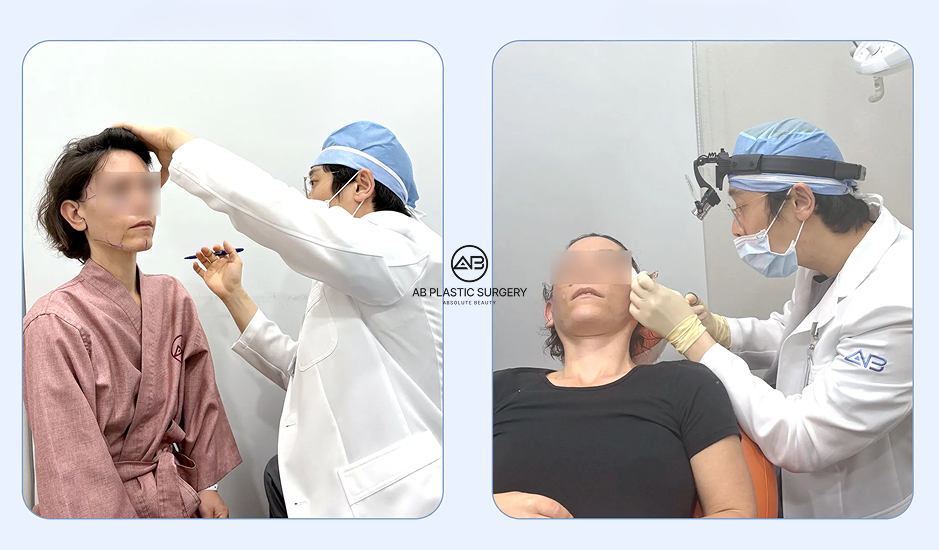
Instead of focusing only on visible outcomes, patients should evaluate the entire treatment journey. A high-quality clinic provides a structured process that includes consultation, diagnosis, surgery, monitoring, and aftercare.
This process-oriented approach ensures that each step is carefully managed, reducing uncertainty and improving overall predictability.
Key elements of a reliable process include:
-
Detailed consultation based on medical analysis
-
Customized surgical planning tailored to the patient
-
Real-time monitoring during surgery
-
Structured recovery and follow-up care
In plastic surgery, results are important—but the process is what makes those results safe, consistent, and sustainable.
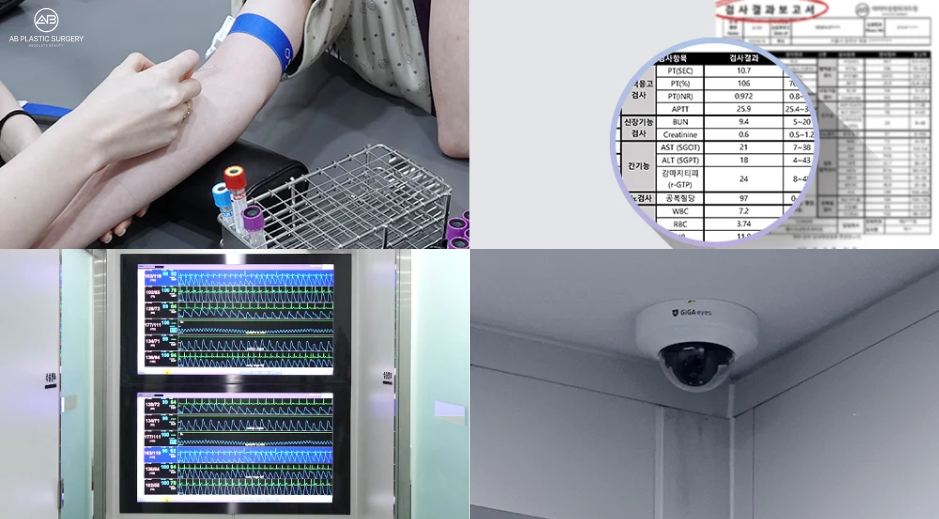
The 2026 Essential Checklist for Choosing a Safe Korean Plastic Surgery Clinic
Why a Checklist Matters More Than Rankings
Many global patients begin their search by looking for rankings or “top clinic” lists. However, these lists rarely reflect the actual medical standards that determine safety and outcomes.
A structured checklist allows patients to evaluate clinics based on objective criteria rather than marketing claims. In 2026, choosing a clinic based on verified systems and protocols is far more reliable than relying on popularity alone.
Core Safety Checklist Every Patient Should Follow
Before selecting a Korean plastic surgery clinic, international patients should confirm whether the clinic meets the following essential safety criteria:
-
Real-time surgery monitoring system: Continuous monitoring of vital signs during the procedure
-
Operating room CCTV transparency: Systems that ensure accountability and surgical transparency
-
Presence of a board-certified anesthesiologist: Dedicated anesthesia specialist responsible for patient safety
-
Emergency response infrastructure: Systems and equipment for immediate emergency response
-
Pre-surgery medical screening: Blood tests and comprehensive health evaluation before surgery
-
Blood safety preparation (cross-matching): Pre-arranged compatibility testing for potential transfusion
These are not optional features—they are fundamental requirements for safe surgery.
How to Evaluate These Systems in Practice
Understanding the checklist is only the first step. Patients should also verify how these systems are actually implemented within the clinic.
-
Is monitoring performed continuously by a dedicated team?
-
Is the anesthesiologist present throughout the entire procedure?
-
Are emergency protocols clearly explained during consultation?
-
Does the clinic provide structured pre-surgery testing?
These questions help determine whether a clinic has real operational systems or simply mentions them for marketing purposes.
Checklist vs Reality: What Truly Makes a Difference
|
Checklist Item |
Clinic Without System |
Clinic With System |
|---|---|---|
|
Monitoring |
Occasional or limited |
Continuous real-time monitoring |
|
Anesthesia |
General staff oversight |
Dedicated anesthesiologist |
|
Emergency Response |
Basic or unclear |
Structured and immediate response |
|
Pre-Surgery Testing |
Minimal or optional |
Mandatory medical screening |
|
Blood Safety |
Not prepared |
Cross-matching system in place |
The difference between clinics is not always visible in photos—but it becomes critical in real surgical situations.
From Checklist to Decision
This checklist is not meant to complicate your decision—it is meant to simplify it. By focusing on objective safety standards, patients can filter out clinics that do not meet essential medical criteria.
The best Korean plastic surgery clinic is not the one that looks the most impressive online, but the one that meets every critical safety requirement in practice.
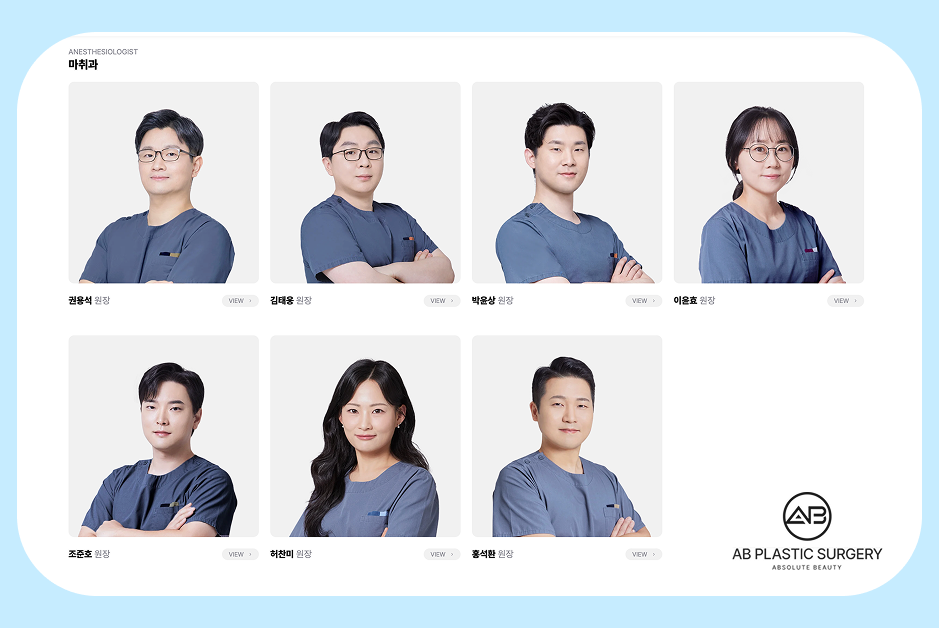
Why Safety Systems Matter More Than Surgical Skills
Most Complications Are System Failures, Not Skill Failures
Many patients assume that complications in plastic surgery are caused by a lack of surgical skill. While technique is important, most serious complications are actually the result of system failures rather than individual mistakes.
Issues such as delayed response to bleeding, inadequate monitoring during anesthesia, or poor post-operative care often occur when there is no structured system in place.
In modern plastic surgery, safety is not defined by a single surgeon—it is defined by how well the entire system functions.
How Safety Systems Prevent Critical Risks
A well-designed safety system minimizes risks at every stage of the surgical process. From pre-operative screening to intraoperative monitoring and post-operative care, each step is interconnected.
For example:
-
Pre-surgery testing helps identify underlying health risks before the procedure
-
Real-time monitoring ensures immediate detection of abnormal vital signs
-
Dedicated anesthesiologist manage sedation and patient stability
-
Emergency response systems allow rapid intervention if complications arise
These systems work together to prevent small issues from escalating into serious complications.
The Difference Between Clinics With and Without Systems
Not all clinics operate under the same level of medical structure. Some clinics rely heavily on individual experience, while others follow strict protocols supported by a full medical team.
This difference becomes especially important in unexpected situations, where timing and coordination are critical.
|
Factor |
Without Structured System |
With Structured System |
|---|---|---|
|
Monitoring |
Limited or intermittent |
Continuous and real-time |
|
Anesthesia Management |
General oversight |
Dedicated specialist supervision |
|
Emergency Response |
Delayed or unclear |
Immediate and protocol-based |
|
Post-Operative Care |
Basic follow-up |
Structured recovery management |
The difference is not always visible before surgery—but it becomes critical when safety is tested.
Why Global Patients Are Prioritizing Safety in 2026
In 2026, international patients are no longer choosing clinics based only on results or popularity. There is a growing awareness that safe surgery depends on structured systems, not just individual expertise.
Patients are increasingly asking:
-
Is there a dedicated anesthesiology team?
-
How is the patient monitored during surgery?
-
What happens if a complication occurs?
-
Is there a clear emergency protocol?
This shift reflects a more informed approach to medical travel, where safety and predictability are considered essential.
Ultimately, surgical skill creates results—but safety systems protect the patient.
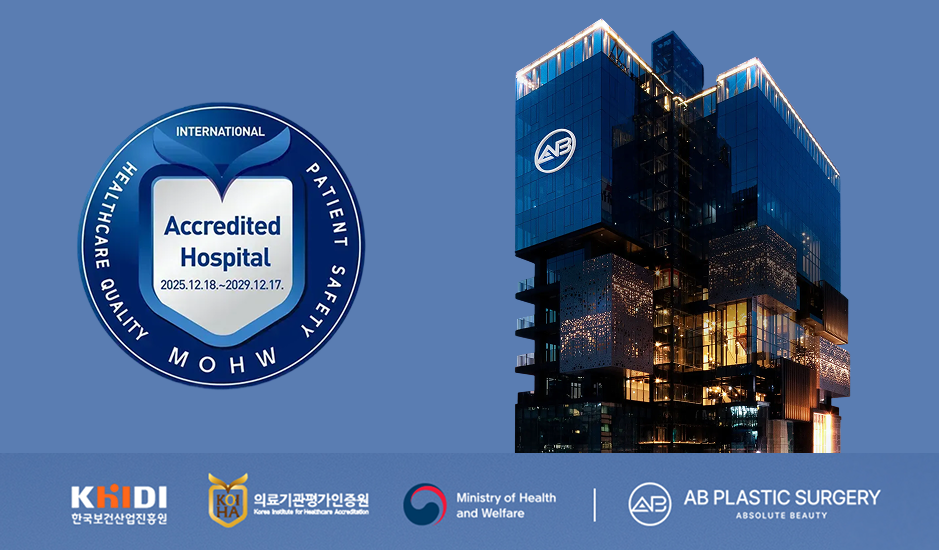
Understanding Korea’s Official Medical Accreditation Systems (KAHF & KIMA)
What Is KAHF and Why It Matters for International Patients
KAHF (Korea Accreditation of Healthcare Facilities) is a government-backed certification system designed to evaluate whether a medical institution is qualified to safely treat international patients.
Unlike general hospital certifications, KAHF focuses specifically on how well a clinic can manage the unique risks associated with foreign patients, including communication, safety protocols, and post-operative care.
This certification is not based on marketing claims or surgical volume—it is based on whether the clinic meets strict national standards for patient safety, system management, and risk control.
For patients, KAHF is not just a certificate—it is a signal that the clinic operates under a structured, government-recognized safety system.
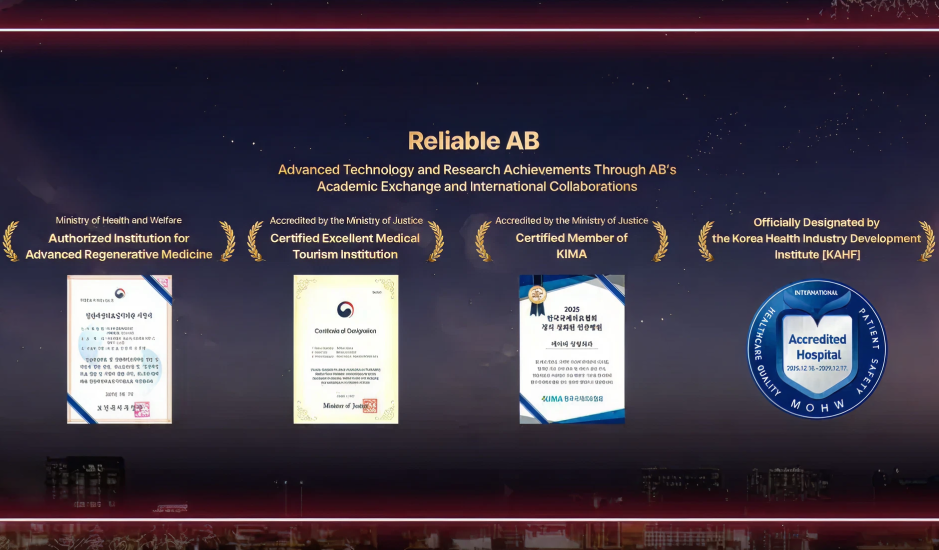
What KIMA Certification Represents
KIMA (Korea International Medical Association) membership indicates that a clinic is part of an officially recognized network of medical institutions equipped to serve international patients.
This includes standardized processes for consultation, treatment coordination, and post-operative support for patients traveling from abroad.
While KIMA focuses on international patient care infrastructure, it works alongside other systems to support overall treatment quality and accessibility.
It reflects a clinic’s readiness to provide structured care for global patients, not just local procedures.
Why Government-Recognized Standards Matter
One of the biggest concerns for international patients is uncertainty—what happens if something goes wrong?
In clinics without official certification, responsibility may rely solely on the clinic itself. However, in certified institutions, the system is different.
-
The clinic operates under national evaluation standards
-
Patient safety protocols are externally reviewed
-
Risk management processes are structured and verified
-
There is accountability beyond individual claims
This creates a more reliable environment where patient safety is not dependent on trust alone, but supported by regulated systems.
It means the clinic is not just claiming to be safe—it has been evaluated and approved under national criteria.
What This Means From the Patient’s Perspective
For international patients, the meaning of certification is simple:
“This is a clinic that has been evaluated not only for results, but for how it manages safety, responsibility, and patient care.”
It reassures patients that:
-
They are not being treated as just another case
-
The clinic is equipped to manage complications if they arise
-
There is a structured system for communication and aftercare
-
The clinic has been assessed beyond its own claims
In other words, certification shifts the decision from uncertainty to structured trust.
Why This Also Matters for Domestic Patients
Although KAHF certification is designed for international patient care, it also has important implications for domestic patients.
If a clinic meets the strict standards required for treating foreign patients—who often face higher risks due to travel, language barriers, and limited follow-up—it indicates that the clinic operates at a higher level of overall safety.
A clinic that meets international standards is often operating above typical domestic requirements.

Why AB Plastic Surgery Meets the Standard of “Best Korean Plastic Surgery”
A Clinic Designed Around Safety, Not Marketing
While many clinics emphasize results or popularity, AB Plastic Surgery is structured around one core principle: patient safety. Every part of the surgical process—from consultation to recovery—is designed with risk prevention and patient protection in mind.
This approach reflects a shift in how leading medical institutions in Korea define quality. Rather than focusing on volume or visibility, the focus is on building a system that ensures safe and consistent outcomes for every patient.
KAHF Accreditation: A System Verified by National Standards
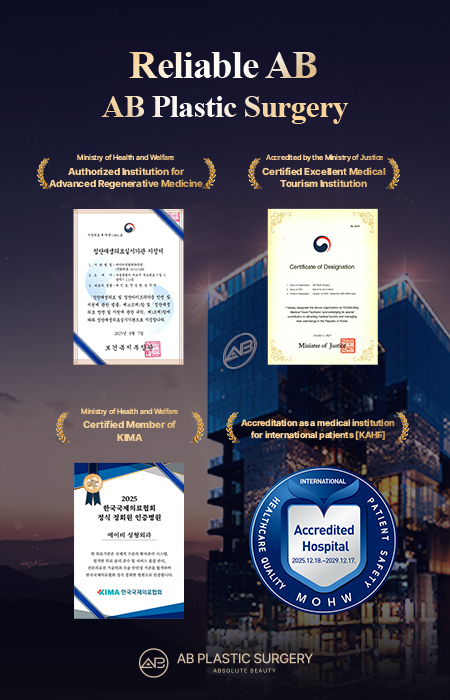
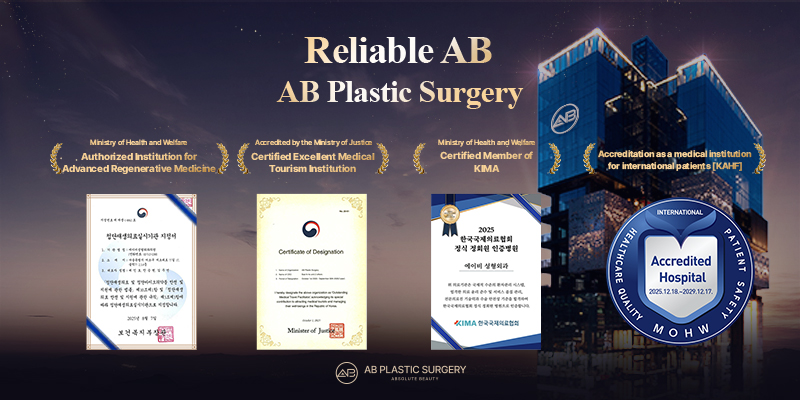
AB Plastic Surgery is an accredited institution under the KAHF (Korea Accreditation of Healthcare Facilities) system, which evaluates whether a clinic meets strict national criteria for treating international patients.
This certification confirms that the clinic has been assessed not only for medical capability, but also for how it manages patient safety, communication, and post-operative care.
For patients, this means the clinic operates within a structured system that has been externally verified—not just internally claimed.
Real-Time Monitoring and Transparent Surgical Environment
During surgery, patient safety depends on continuous observation and immediate response. AB Plastic Surgery operates a real-time monitoring system that tracks patient conditions throughout the entire procedure.
In addition, operating rooms are equipped with CCTV systems that ensure transparency and accountability during surgery.
These measures are not optional features—they are part of a structured system designed to maintain safety at every moment.
Transparency and monitoring are key elements that support both patient trust and medical safety.
Dedicated Anesthesiology and Emergency Response System
Safe surgery requires more than surgical skill—it requires specialized management of anesthesia and the ability to respond immediately to unexpected situations.
At AB Plastic Surgery, anesthesiologist are responsible for monitoring patient stability throughout the procedure. This ensures that sedation, vital signs, and overall patient conditions are managed by trained professionals.
In addition, the clinic maintains a structured emergency response system, allowing rapid intervention if any complications arise.
This layered approach reduces risk and ensures that patient safety is actively managed at all times.
Blood Safety and Pre-Surgery Risk Management
Another critical component of AB Plastic Surgery’s system is its focus on pre-surgical risk prevention. This includes comprehensive medical testing before surgery, as well as cross-matching blood tests to prepare for potential emergency transfusion situations.
These precautions allow the medical team to anticipate and manage risks before they become critical issues.
Safety is not only about reacting to problems—it is about preventing them in advance.
24/7 Patient Care and Continuous Support
For international patients, post-operative care is just as important as the surgery itself. AB Plastic Surgery provides continuous monitoring and support, including a 24-hour emergency contact system.
This ensures that patients are not left without guidance or assistance during recovery, even outside of regular clinic hours.
A reliable clinic is defined not only by how it performs surgery, but by how it supports patients after the procedure.
What This Means for Patients Choosing the Best Clinic
When evaluating what makes the best Korean plastic surgery clinic, the answer is not found in rankings or advertisements. It is found in how well the clinic is structured to protect the patient at every stage.
AB Plastic Surgery reflects this standard through a system that integrates certification, monitoring, specialized medical staff, and continuous care.
Ultimately, the best clinic is not the one that promises the most—but the one that is prepared for every situation.

A Practical Guide for International Patients Preparing for Surgery in Korea
How to Prepare for Your Consultation
For international patients, the consultation stage is one of the most important parts of the entire process. It is not just about choosing a procedure, but about understanding whether the clinic is suitable for your specific condition.
Before your consultation, it is recommended to prepare the following:
-
Clear photos from multiple angles (front, side, and 45-degree view)
-
Medical history, including previous surgeries or conditions
-
Your specific concerns and desired outcomes
-
Questions about safety systems, recovery, and risks
A well-prepared consultation allows for more accurate diagnosis and safer treatment planning.
What You Should Confirm Before Surgery
Before making a final decision, patients should verify key aspects of the clinic and surgical process. This step ensures that expectations are aligned and risks are minimized.
-
Who will perform the surgery and their specialization
-
Whether a dedicated anesthesiologist is present
-
What monitoring systems are used during surgery
-
How emergency situations are handled
-
What the recovery process and aftercare plan include
Clear answers to these questions indicate a structured and reliable medical system.
Planning Your Stay and Recovery in Korea
Unlike local patients, international patients must consider travel, accommodation, and recovery time when planning surgery in Korea. A well-organized plan helps ensure a smoother experience.
Key factors to consider include:
-
Recommended length of stay based on the procedure
-
Time required for initial recovery and follow-up visits
-
Availability of support services such as translation or coordination
-
Accommodation that allows for comfortable recovery
Proper planning reduces stress and allows patients to focus on recovery rather than logistics.
Why Aftercare Matters More for International Patients
Aftercare is a critical part of the surgical journey, especially for patients traveling from abroad. Without proper follow-up care, even well-performed procedures can lead to complications or unsatisfactory results.
Patients should ensure that the clinic provides:
-
Structured follow-up appointments
-
Clear post-operative instructions
-
Emergency contact availability
-
Ongoing communication during recovery
For international patients, aftercare is not optional—it is essential for safe recovery and long-term results.
From Preparation to Decision
Choosing the best Korean plastic surgery clinic is ultimately about making an informed and structured decision. By preparing properly, asking the right questions, and focusing on safety systems, patients can significantly reduce uncertainty.
The goal is not just to achieve a desired result, but to go through the entire process safely, confidently, and with full understanding.
Frequently Asked Questions About Choosing the Best Korean Plastic Surgery
How do I know if a Korean plastic surgery clinic is truly safe?
A safe clinic is defined by its systems, not just its results. Patients should check for real-time monitoring during surgery, the presence of a dedicated anesthesiologist, structured emergency response protocols, and comprehensive pre-surgery screening. Official certifications such as KAHF can also indicate that the clinic meets national safety standards for international patients.
Is plastic surgery in Korea safe for international patients?
Yes, plastic surgery in Korea can be safe for international patients when performed in clinics with structured safety systems and proper certification. Patients should prioritize clinics that specialize in international care, provide clear communication, and offer organized post-operative management to ensure continuity of care.
Why is safety more important than price when choosing a clinic?
While cost is an important factor, safety determines the overall outcome of the surgery. Lower prices may reflect reduced resources in monitoring, staffing, or emergency preparedness. A well-structured clinic invests in systems that protect patients throughout the entire surgical process, which is essential for minimizing risk.
What is KAHF and why should I care about it?
KAHF (Korea Accreditation of Healthcare Facilities) is a government-recognized certification that evaluates whether a clinic meets strict standards for treating international patients. It focuses on safety systems, patient management, and risk control. For patients, it means the clinic has been externally evaluated and operates under structured medical guidelines.
What should I prepare before traveling to Korea for plastic surgery?
Patients should prepare clear photos for consultation, medical history, and a list of questions regarding safety, procedure details, and recovery. It is also important to plan travel duration, accommodation, and follow-up visits to ensure a smooth and safe recovery process.
How do I choose the best Korean plastic surgery clinic for my case?
The best clinic is the one that fits your individual condition and provides a structured, safe medical environment. Instead of focusing on rankings or popularity, patients should evaluate surgeon expertise, safety systems, certification, and the quality of consultation to make an informed decision.
This article is for informational purposes only and does not replace a personal medical consultation.