Title
Dark Circles Treatment in Korea: AB Plastic Surgery GuideDate
2026-11-02Views
24
AB Blog
Dark Circles Treatment in Korea: Causes, Types, and How AB Plastic Surgery Can Help
Table of Contents
1. What Causes Dark Circles Under the Eyes?
2. 4 Types of Dark Circles: Pigmented, Vascular, Structural, and Mixed
3. Dark Circles Treatment at Home: What Helps and What Doesn’t
4. Professional Dark Circles Treatment Options Compared
5. Dark Circles Treatment at AB Plastic Surgery: Options by Type
6. Frequently Asked Questions About Dark Circles Treatment
7. Why International Patients Trust AB Plastic Surgery
8. Planning Dark Circles Treatment in Korea: Sessions, Recovery, and Consultation
Dark circles under the eyes are one of the most common reasons people look into eye-area care, yet they are also one of the most misunderstood. What looks like a single problem can be brown pigment, visible blood vessels, a shadow cast by under-eye hollowness, or a mix of all three. Each one calls for a different dark circles treatment, which is why a cream that works for one person can do almost nothing for another.
Quick answer: the right treatment depends on the cause. Pigmented circles are usually approached with brightening and pigment-focused care, vascular circles with treatments that improve skin thickness and quality, and structural circles with options that address hollows or bags. Many people have a combination, so a personalized assessment matters more than any single product or procedure.
This guide explains the four main types of dark circles, what you can realistically do at home, how professional options compare, and how AB Plastic Surgery approaches under-eye concerns for international patients in Korea. Results vary from person to person, so the aim here is to help you understand which direction suits your eyes before you book a consultation.
What Causes Dark Circles Under the Eyes?
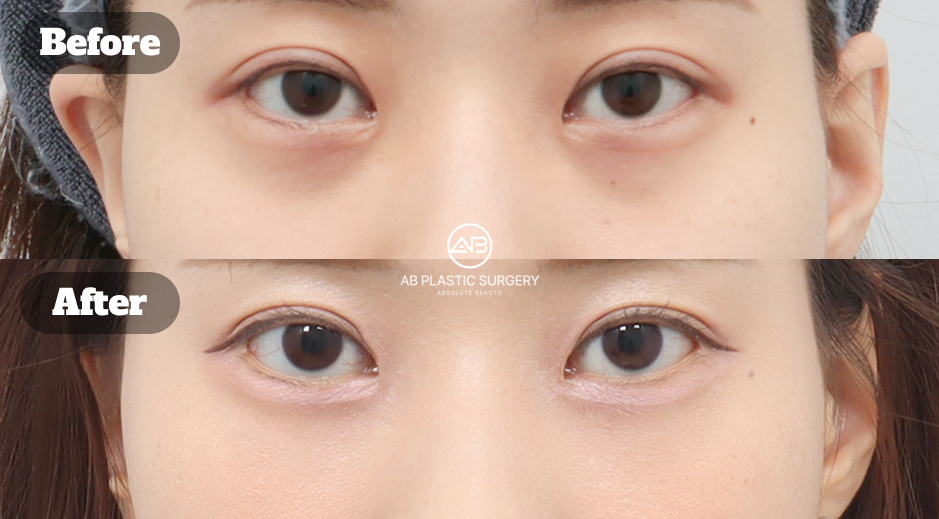
Dark circles appear when the skin beneath the eyes looks darker than the surrounding skin, or when shadows make the area seem darker than it really is. Major medical centers such as Mayo Clinic and Cleveland Clinic note that dark circles are usually not a sign of a serious medical problem. However, the causes often overlap, and that overlap is exactly why choosing the right treatment can feel confusing.
What Dark Circles Actually Are
Visually, dark circles come from three ingredients that can appear alone or together: pigment (melanin) in the skin, blood vessels showing through thin skin, and shadows created by the shape of the under-eye area. The skin around the eyes is among the thinnest on the face, so even small changes in color, thickness, or volume become noticeable.
Clinicians call the pigment-related form periorbital hyperpigmentation, and a review in the Annals of Dermatology stresses that identifying the cause comes first when choosing a treatment.
Common Causes of Dark Circles
Dark circles can develop for many reasons, and more than one often applies at the same time:
-
Genetics: a family history of dark circles is one of the most common risk factors.
-
Aging: collagen loss makes the skin thinner, and volume loss can create hollows that cast shadows.
-
Allergies, eczema, and eye rubbing: irritation and inflammation can darken the skin and dilate small vessels.
-
Sun exposure: UV light can increase pigment production in the delicate under-eye area.
-
Lifestyle factors: lack of sleep, smoking, alcohol, and chronic stress can make existing circles look worse.
Short nights alone rarely create dark circles, but poor sleep can make existing shadows more obvious.
Is It a Dark Circle or Just a Shadow?
What appears to be a dark circle is sometimes a shadow cast by puffy lower eyelids or by a groove that develops under the eye with age, known as a tear trough. In these cases, the skin itself may not be darker at all. The Annals of Dermatology review identifies tear-trough-related darkness as one of the most clinically important types, which is why a treatment aimed only at pigment often disappoints people whose main issue is structural.
If darkness or swelling appears under only one eye and keeps getting worse, talking to a doctor is better than treating it as a cosmetic concern.
4 Types of Dark Circles: Pigmented, Vascular, Structural, and Mixed
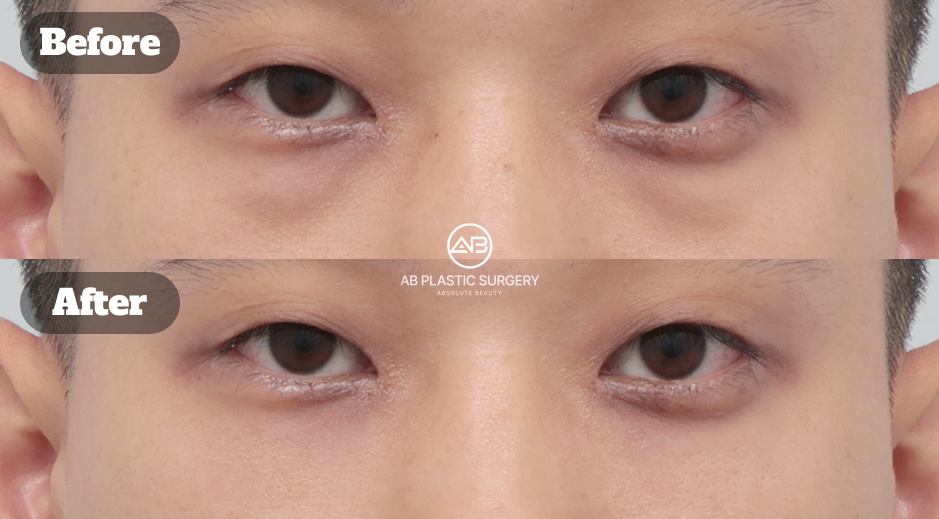
Most clinic guides and clinical reviews sort dark circles into four practical types. Knowing which one you most resemble makes every later decision easier, from skincare ingredients to whether an injectable or surgical option is worth discussing.
Pigmented Dark Circles
Pigmented circles look brown or tan and are caused by excess melanin in the skin. Sun exposure, genetics, and inflammation from allergies or frequent rubbing are common contributors. Because the color is in the skin itself, it generally looks the same whether you tilt your head, stretch the skin, or change the lighting.
Vascular Dark Circles
Vascular circles look bluish, purple, or pinkish. They happen when the skin is thin enough for the blood vessels underneath to show through. Fatigue, allergies, and nasal congestion can make them more noticeable, and they often look more obvious in people with fair or thin skin.
Structural Dark Circles
Structural circles are really shadows. A tear trough, under-eye hollowness, a bulge of fat, or loose skin changes how light falls on the area. The darkness often changes with lighting and head position, and it can look lighter when you look upward or when light comes from in front of you.
Mixed Dark Circles
Many people have more than one type at once, for example mild pigmentation on top of a tear trough, or thin skin combined with early volume loss. Mixed circles are the main reason that single-step solutions so often fall short, and why combination planning is common.
|
Type |
Typical Look |
Main Cause |
Clue at Home |
|---|---|---|---|
|
Pigmented |
Brown or tan |
Excess melanin |
Color stays the same when you stretch the skin or tilt your head |
|
Vascular |
Blue, purple, or pink |
Thin skin showing blood vessels |
Color may fade slightly when the skin is gently stretched |
|
Structural |
Grey or shadowed |
Tear trough, hollowness, bags, or laxity |
Darkness changes with lighting and head position |
|
Mixed |
A combination |
More than one cause |
Several of the clues above apply |
A Quick Self-Check at Home
You can get a rough idea of your type with a mirror and a few minutes. This is not a diagnosis, but it can make a consultation more productive:
-
Look straight ahead in even lighting, then tilt your head up and down. If the darkness shifts a lot, a shadow component is likely.
-
Gently stretch the skin sideways. If the color fades, thin skin and visible vessels may be involved. If it stays, pigment is more likely.
-
Take photos in soft daylight from the front and from slightly above, so a doctor can compare how the area looks in different light.
Dark Circles Treatment at Home: What Helps and What Doesn’t
For mild circles, simple habits and well-chosen skincare can make a visible difference. For circles caused mainly by structure or very thin skin, home care has clear limits. Being honest about both helps you avoid months of frustration.
Habits That Can Help
Mild to moderate dark circles often improve with simple, inexpensive lifestyle changes. Consistent sleep, daily sun protection, managing allergies, and avoiding eye rubbing are the foundation. A cold compress can reduce temporary puffiness, which in turn reduces the shadow it casts. Sleeping slightly elevated may help some people with morning puffiness.
Skincare Ingredients Worth Considering
Eye products with vitamin C, retinoids, or caffeine are widely used and may modestly reduce the look of dark circles, though they are not regulated as treatments. Under-eye skin is sensitive, so introduce one product at a time and always wear sunscreen.
What Doesn’t Work
Acidic DIY remedies such as undiluted lemon juice can irritate the thin skin around the eyes, and creams cannot refill a tear trough or remove a fat bulge. If several weeks of sensible care change little, the cause is probably not surface-level.
At that point, reading specialist-written explanations can help you understand your options. The AB Plastic Surgery medical column covers eye-area and skin topics in more depth.

Professional Dark Circles Treatment Options Compared
When home care is not enough, professional dark circles treatment typically falls into a few categories. The table below summarizes how they compare. It is a general overview, and suitability always depends on an in-person assessment.
|
Option |
Best Suited For |
How It Works |
Things to Know |
|---|---|---|---|
|
Prescription topicals and peels |
Pigmented |
Reduce or lighten pigment over time |
Under-eye skin is easily irritated, so professional guidance matters |
|
Laser and light-based treatment |
Pigmented, some thin-skin cases |
Targets pigment or stimulates collagen |
May not help circles caused mainly by hollowness |
|
Under-eye skin boosters, PRP, PRF |
Dull, thin, tired-looking skin |
Improve hydration, elasticity, and skin quality |
Usually needs several sessions and is not a true volumizer |
|
Hyaluronic acid filler |
Structural (tear trough) |
Restores volume in the hollow |
Needs a skilled, conservative technique in this delicate area |
|
Energy-based tightening |
Crepey or lax skin |
Stimulates collagen to improve firmness |
Gradual change rather than an instant result |
|
Surgery (blepharoplasty, under-eye bag surgery) |
Structural with bags or excess skin |
Addresses fat, skin, and contour directly |
Longer recovery and the most involved option |
Treatments for Hollows and Bags
When shadows come from a tear trough, the Annals of Dermatology review describes hyaluronic acid filler as a main option, with lower-concentration products recommended for this delicate area. When the cause is a more prominent fat bulge or excess skin, under eye surgery may be discussed. Lower eyelid surgery, often called lower blepharoplasty or under eye bag surgery, addresses the structure itself, although it is a bigger decision and not suitable for everyone.
If you want to compare eyelid surgery approaches in more detail, this guide on upper and lower blepharoplasty in Korea explains how each is chosen.
What’s Trending in 2026: Skin Quality and Regenerative Approaches
RealSelf’s first-quarter 2026 report noted eyelid surgery page views up 17% from the previous quarter, plus growing interest in skin-quality and regenerative approaches such as PRP and PRF, including for the under-eye area. A facial plastic surgeon quoted there cautioned that these are not true volumizers for a deep tear trough and may take several sessions, which is why matching treatment to cause matters.
Dark Circles Treatment at AB Plastic Surgery: Options by Type
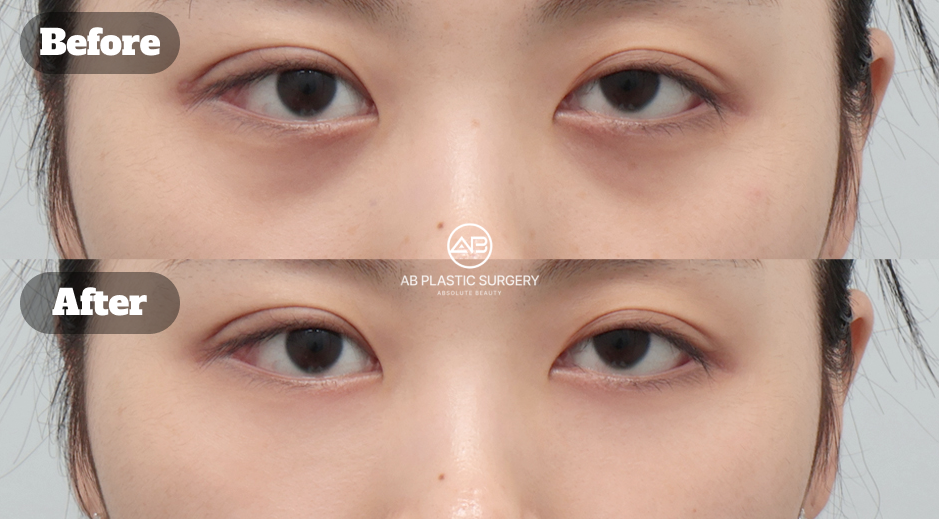
At AB Plastic Surgery, under-eye concerns start with a one-to-one consultation, because circles that look alike can have very different causes. A plan may use one treatment or combine several. Only some of the treatments below are designed specifically for the under-eye area, so suitability is decided at consultation, and results vary by individual.
AB Under Eyes Skin Booster Injection
The Under Eyes Skin Booster is AB Plastic Surgery’s signature under-eye treatment. It is designed for dull, tired-looking under-eyes with reduced elasticity, and for people who struggle with dark circles but want a non-surgical option or feel hesitant about under-eye filler. The customized solution combines hyaluronic acid for hydration and a brightening effect, PDRN regeneration factors that support collagen regeneration, and ingredients aimed at fine lines and elasticity.
Unlike filler, which adds volume to a hollow, it focuses on skin elasticity, regeneration, and tone. The injection takes about 10 minutes, and anesthesia options such as topical cream or ice may be selected.
On timing, AB Plastic Surgery generally recommends a minimum of three sessions spaced about one month apart. Effects may become visible within one to two weeks and can last roughly three to six months, but individual results vary with skin condition, age, and lifestyle.
For Pigmentation and Dull Tone: Exosome and Brightening Care
When the main concern is brownish pigment or a dull, uneven tone, AB Plastic Surgery may discuss exosome treatment alongside the Under Eyes Skin Booster. Exosome is a stem cell culture-derived skin booster that AB Plastic Surgery describes as brightening skin and improving tone by inhibiting melanin production, while also supporting the recovery of damaged skin. It is a face-wide skin treatment rather than an under-eye-only one, so how it is used around the eyes is decided at consultation.
A typical course is at least three sessions two to three weeks apart, with changes usually appearing after two to three weeks and lasting roughly six to twelve months. Whitening toning can also be paired with the booster, and daily sun protection remains essential.
For Thin, Fine-Lined Skin: Rejuran
When the skin around the eyes looks thin, tired, and finely lined, a regenerative skin booster such as Rejuran may be discussed. Rejuran injects polynucleotide (PN), derived from salmon DNA, into the dermis to activate the skin’s self-regeneration, with the aim of improving fine wrinkles around the eyes, elasticity, and overall skin condition. It is used across the face, so whether it suits your under-eye area is something to confirm at consultation.
The recommended course is typically three sessions two to four weeks apart, with effects appearing gradually from about two weeks and lasting roughly six months to a year. Rejuran is described as fairly uncomfortable even with numbing cream, so AirNox or sleep anesthesia is available for those who are concerned.
For Volume Loss and Hollows: Filler and Juvelook Volume
When circles are mostly a shadow from a tear trough or a sunken look, restoring volume is often the logical direction. AB Plastic Surgery uses hyaluronic acid fillers to fill sunken areas, and the under-eye area is among its listed treatment areas, with hollow under-eye areas specifically mentioned. Products are chosen by treatment area from a lineup that includes Neuramis, Restylane, Juvederm, and Belotero, and a cannula technique is used to reduce swelling and bruising.
Results are visible right away and look more defined after two to three days. Depending on the product, they typically last six months to two years, and hyaluronic acid filler can be dissolved with hyaluronidase if needed.
Where overall mid-face volume loss contributes to a tired look, Juvelook Volume may also be discussed. It combines high-molecular PLA with hyaluronic acid to create natural volume in hollowed cheeks, with results peaking at around six weeks and typically lasting six to twelve months. It is not an under-eye treatment in itself, and whether it fits your plan is decided at consultation.
For Thin, Lax Skin and Lines Around the Eyes
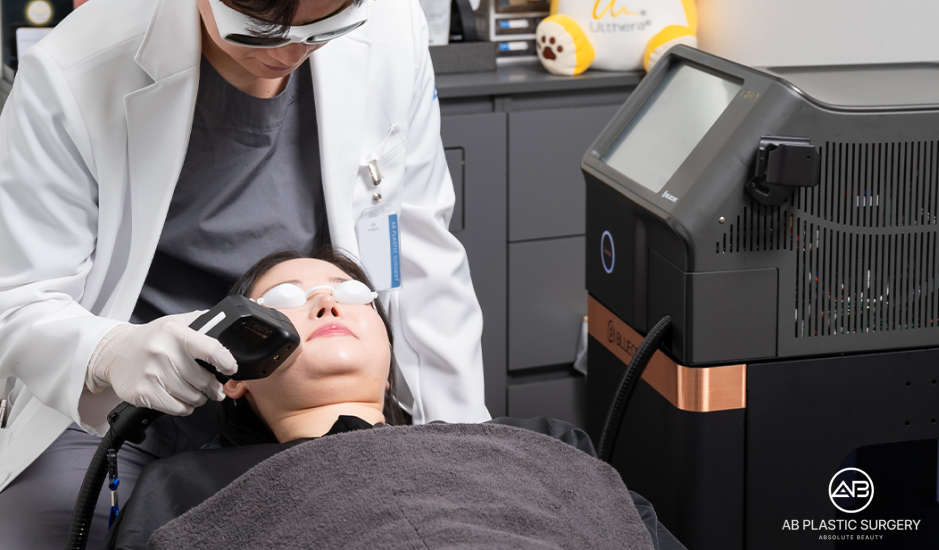
If thin, crepey skin and early sagging make circles look darker, tightening treatments can be part of the plan. Eye Ultherapy is one of the options AB Plastic Surgery pairs with the booster, and energy-based tightening of the eye area is covered in this article on Thermage for eyes. Where fine lines around the eyes add to the tired look, eye-area Botox may also be discussed. It does not treat pigment, but smoother skin can reduce the shadows that lines create.
When Surgery Is the Better Path
If bags, excess skin, or a prominent fat bulge are the main cause, injectables and boosters have limits. In that case, AB Plastic Surgery’s eyelid surgery team can assess whether lower eyelid surgery is appropriate. Because AB Plastic Surgery offers both skin treatments and eyelid surgery, the recommendation can follow your assessment rather than a choice you have to make in advance.
Why Combination Planning Often Makes Sense
Since many people have mixed dark circles, treatments are often layered, for example a skin booster course alongside tightening or brightening care, adjusted to your age, skin thickness, and goals.
|
Concern |
Options AB Plastic Surgery May Discuss |
General Course (Varies by Individual) |
|---|---|---|
|
Dull, tired under-eyes with reduced elasticity |
Under Eyes Skin Booster |
Minimum 3 sessions, about 1 month apart |
|
Pigment and uneven tone |
Exosome, whitening toning |
Exosome: at least 3 sessions, 2–3 weeks apart |
|
Thin, finely lined skin |
Rejuran |
3 sessions, 2–4 weeks apart |
|
Hollows and volume loss |
Hyaluronic acid filler, Juvelook Volume |
Filler planned per area; Juvelook: 3 sessions, about 4 weeks apart |
|
Crepey, lax skin and eye-area lines |
Eye Ultherapy, energy-based tightening, eye-area Botox |
Determined at consultation |
|
Bags and excess skin |
Eyelid surgery assessment |
Determined at consultation |

Frequently Asked Questions About Dark Circles Treatment
What is the right dark circles treatment for me?
It depends on the cause. Pigmented circles are usually approached with brightening and pigment-focused care, vascular circles with treatments that improve skin thickness and quality, and structural circles with options that address hollows or bags. Many people have a mix, so a one-to-one assessment is the most reliable way to choose, and results vary by individual.
Can dark circles be removed completely?
Dark circles can often be improved, but complete removal is not something anyone can promise. Genetics, aging, sun exposure, and allergies can all bring them back or keep them present. Treatments usually aim for a visible improvement, and maintenance or repeat sessions may be needed over time.
How can I tell whether my dark circles are pigmented, vascular, or structural?
A mirror check gives clues: darkness that shifts with lighting and head position suggests a shadow, color that fades when you gently stretch the skin suggests thin skin and visible vessels, and color that stays suggests pigment. A consultation confirms the type, since several can overlap.
Is a skin booster, filler, or surgery better for dark circles?
None is better in every case. A skin booster focuses on elasticity, hydration, and tone, filler restores volume in a hollow, and under eye surgery addresses bags and excess skin. The right choice follows the cause and your goals, and some patients benefit from a combination.
How many sessions of AB Under Eyes Skin Booster are recommended, and how long do results last?
AB Plastic Surgery generally recommends a minimum of three sessions about one month apart. Effects may become visible after one to two weeks and can last roughly three to six months. These are general guidelines, and individual results vary with skin condition, age, and lifestyle.
Can Rejuran, Juvelook, or exosome treat dark circles?
These are face-wide skin and collagen boosters rather than treatments designed only for dark circles. Depending on your type, they may support skin quality, tone, or volume, and AB Plastic Surgery may discuss them alongside the Under Eyes Skin Booster. Which option suits you, if any, is decided at consultation, and results vary.
How does AB Plastic Surgery manage safety for under-eye procedures?
AB Plastic Surgery uses preoperative checks and cross-check processes before surgery, and it uses real-time monitoring systems during surgical procedures. For injection-based under-eye care, the approach is built around consultation, appropriate products and dosage, and a comfort-focused anesthesia choice. The exact protocol varies by procedure and patient condition.

Why International Patients Trust AB Plastic Surgery
Choosing where to have eye-area treatment is as important as choosing the treatment itself, especially when you are traveling. Several verifiable credentials and systems explain why AB Plastic Surgery is a reasonable place to start your research. They describe how the hospital operates, and they are not a promise of any specific result.
Accreditation for International Patients
AB Plastic Surgery has received KAHF accreditation for systems serving international patients, including patient safety management, infection control, and emergency response protocols. It is also listed as a Full Member of KIMA, reflecting review of international patient service systems, medical quality management, and surgical safety systems. Each treatment plan is still reviewed according to the patient’s own condition.
Academic Activity Related to the Eye Area
AB Plastic Surgery presented on face lift and lower blepharoplasty considerations at PRS Korea 2025. This academic activity reflects the hospital’s ongoing focus on procedure-specific planning and surgical safety in the lower eyelid area, which is directly relevant when under-eye bags or hollows are part of the picture.
Safety Systems for Applicable Procedures
AB Plastic Surgery operates anesthesia monitoring and safety-management systems for surgical procedures, and operating room CCTV is used as part of its transparent surgical environment. According to AB Plastic Surgery’s published safety content, the hospital presents a no-accident record, with 0 medical accident cases recorded since opening in September 2020. This is a historical record rather than a guarantee for any future procedure, and the exact systems that apply depend on the procedure.
If you would like to know who will plan and perform your care, you can review the AB Plastic Surgery medical team before your consultation.
Planning Dark Circles Treatment in Korea: Sessions, Recovery, and Consultation
If you are traveling to Korea for dark circles treatment, a little planning makes the trip smoother. The most important variable is not the procedure name, but how many visits your plan involves and how much recovery time you can allow.
How Sessions Fit a Short Stay
Skin booster courses are spaced over weeks. The Under Eyes Skin Booster is generally recommended at a minimum of three sessions about a month apart, Rejuran at three sessions two to four weeks apart, Juvelook about every four weeks, and exosome every two to three weeks. These intervals may not fit a single short trip, so during consultation you can discuss whether a plan can be arranged around your travel dates, combined with other treatments, or continued across later visits. Filler results, in contrast, are visible right away, and a surgical option is typically a single procedure followed by a longer recovery period.
Recovery and Downtime
Downtime depends on the treatment. Rejuran bumps usually settle within 24 to 48 hours and needle marks within about a week, while Juvelook and exosome patients can generally resume normal activities the next day. Mild swelling and bruising can occur after filler, all of this varies from person to person, and surgery involves a longer, more structured recovery to factor into your itinerary.
How to Prepare for Your Consultation
You will get the most from your consultation if you prepare a few things in advance:
-
Photos of your under-eye area in soft daylight from the front and slightly above.
-
A note on how long you have had dark circles and whether they have changed recently.
-
Any allergies, eczema, medications, or past eye-area treatments.
-
Your travel dates, so the plan can be built around them.
Treatment plans and costs depend on your type of dark circles, the number of sessions, and whether treatments are combined, so they are confirmed after a case-by-case consultation. To start the process and receive guidance for your situation, you can reach out through the price inquiry page.
Dark circles rarely have a single cause, so the most effective approach is rarely a single product. AB Plastic Surgery is ready to help you take the next step with a plan tailored to you, and results vary by individual.



This article is for informational purposes only and does not replace a personal medical consultation.