Title
Face Liposuction vs Facial Fat Grafting: Where to Remove or Add VolumeDate
2026-09-22Views
197
AB Blog
Face Liposuction vs Facial Fat Grafting: Which Is Right for Your Facial Volume?
Table of Contents
1. Face Liposuction vs Facial Fat Grafting: What Is the Difference?
2. The Facial Volume Map: Where to Remove, Preserve, or Add Fat
3. How to Choose the Right Approach for Your Face
4. Recovery, Results, and Risks: What Should You Compare?
5. Frequently Asked Questions About Face Liposuction and Fat Grafting
6. Balanced Facial Volume Planning at AB Plastic Surgery Korea
Face liposuction removes localized excess fat from areas such as the chin, jawline, and lower face, while facial fat grafting restores volume in hollow or structurally deficient areas such as the temples, under-eyes, forehead, and midface. Although the procedures appear to serve opposite purposes, they may be considered together when different parts of the same face require different types of correction.
The most balanced approach is not necessarily to remove as much facial fat as possible. Facial fullness may be caused by subcutaneous fat, deeper fat compartments, skin laxity, muscle development, or underlying bone structure. At the same time, some facial fat provides natural support and may decrease as the face ages. Removing volume from the wrong area can therefore make the face appear hollow, unbalanced, or older over time.
For this reason, facial contour planning should distinguish among three types of areas: those with excess fat that may benefit from reduction, those where existing volume should be preserved, and those where fat grafting may restore smoother transitions and three-dimensional balance. Skin elasticity, facial proportions, age, weight stability, and long-term aging patterns all influence this decision.
This guide compares face liposuction and facial fat grafting by treatment area, suitability, recovery, risks, and long-term results. It also explains when the procedures may be combined and when another option—such as fat repositioning, chin augmentation, or neck lifting—may address the underlying concern more appropriately.
Face Liposuction vs Facial Fat Grafting: What Is the Difference?
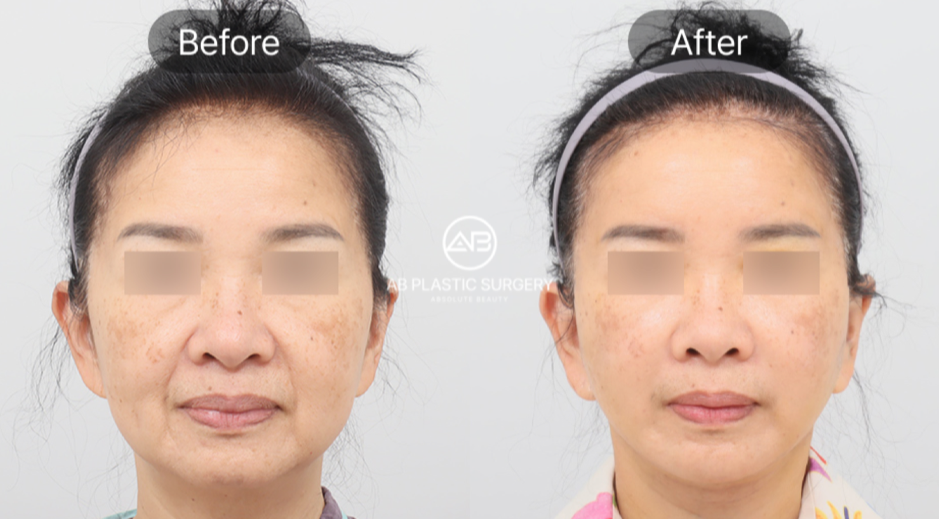
Face liposuction and facial fat grafting change facial volume in opposite ways. Face liposuction reduces localized fat that obscures the chin, jawline, or lower facial contour, while facial fat grafting restores volume in areas that appear hollow, flat, or structurally deficient.
Neither procedure is universally better. The appropriate choice depends on whether the concern is caused by excess fat, insufficient volume, loose skin, muscle development, or underlying bone structure. Some patients may benefit from one procedure, while others may require different approaches in separate areas of the same face.
How Face Liposuction Reduces Facial Fullness
Face liposuction removes localized subcutaneous fat through small incisions using a thin cannula. It is most commonly considered for fullness beneath the chin, along the jawline, or around the lower face and upper neck. By reducing fat in carefully selected areas, the procedure can make the transition between the face and neck appear more defined.
However, face liposuction is a contouring procedure rather than a weight-loss treatment. It is generally most relevant when fullness remains despite a stable body weight and when the skin has enough elasticity to adapt to the reduced volume.
It is also important to determine whether the concern is actually caused by removable fat. A poorly defined jawline may instead result from loose skin, a recessed chin, prominent neck muscles, or skeletal proportions. In these cases, liposuction alone may not create the intended facial contour.
Face liposuction should also be distinguished from buccal fat removal. Facial liposuction generally targets accessible subcutaneous fat, whereas buccal fat removal addresses a deeper cheek fat pad through an incision inside the mouth. Because these procedures treat different anatomical layers, they are not interchangeable.
How Facial Fat Grafting Restores Volume
Facial fat grafting, also known as facial fat transfer, moves a patient’s own fat from a donor area such as the abdomen or thighs to facial areas that require additional volume. The harvested fat is processed and then injected in small amounts across selected tissue layers.
Common treatment areas include the forehead, temples, under-eye region, cheeks, and midface. Rather than making the entire face fuller, the objective is usually to restore smoother transitions between facial features and correct volume deficiencies that can make the face appear flat, hollow, tired, or unbalanced.
Not all transferred fat remains permanently. Some of the injected volume may be absorbed during healing, while the portion that establishes an adequate blood supply may remain longer term. The final result can therefore depend on the treatment area, injection technique, individual healing response, and changes in body weight.
Patients who want more information about harvesting, processing, treatment areas, and volume retention can read AB Plastic Surgery Korea’s complete guide to facial fat grafting.
Face Liposuction and Facial Fat Grafting at a Glance
|
Comparison |
Face Liposuction |
Facial Fat Grafting |
|---|---|---|
|
Primary goal |
Reduce localized excess fat |
Restore deficient facial volume |
|
Common areas |
Under the chin, jawline, lower face, and upper neck |
Forehead, temples, under-eyes, cheeks, and midface |
|
Volume change |
Removes volume from selected areas |
Adds volume to selected areas |
|
Important condition |
Localized fat with suitable skin elasticity |
Volume deficiency with sufficient donor fat |
|
Key limitation |
Does not directly correct significant loose skin or skeletal structure |
A portion of the transferred fat may be absorbed |
|
Can they be combined? |
Yes. Fat may be reduced in one facial area and restored in another when the combination is appropriate for the patient’s anatomy. |
|
In practical terms, face liposuction is considered when a facial area has more volume than desired, while facial fat grafting is considered when an area lacks sufficient volume. The next step is to identify which facial regions may benefit from reduction, which should be preserved, and which may require restoration.
The Facial Volume Map: Where to Remove, Preserve, or Add Fat
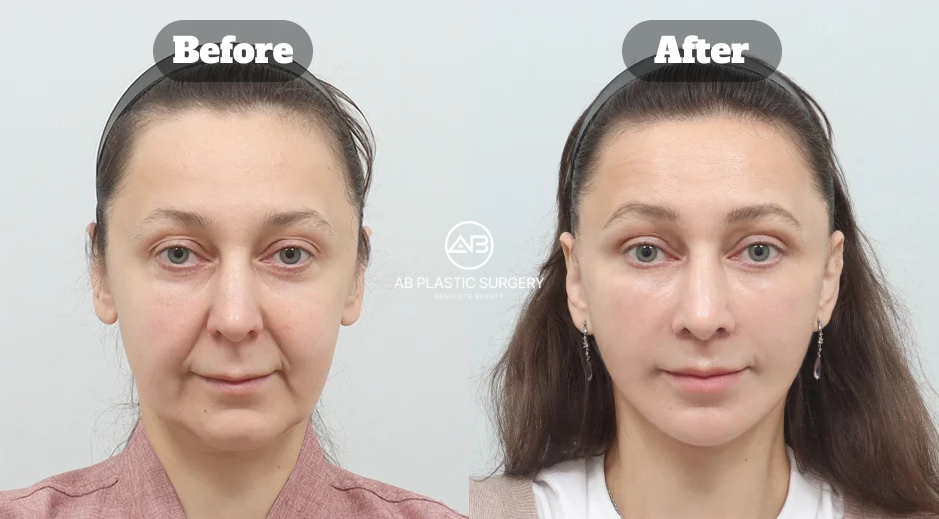
Balanced facial contouring requires more than identifying where the face looks full or hollow. Each area should be assessed according to the location of the fat, the support it provides, the condition of the skin, and how facial volume may change with age.
A practical facial volume map therefore divides the face into three categories: areas where localized fat may be reduced, areas where existing volume should be preserved, and areas where fat grafting may restore deficient volume. These categories can differ within the same face.
Areas Commonly Considered for Fat Removal
Face liposuction is most commonly considered for localized subcutaneous fat around the lower face and neck. These areas may include:
-
Under the chin: Submental fat can blur the boundary between the chin and neck and create the appearance of a double chin.
-
Along the jawline: Localized fat may conceal the mandibular border and make the lower face appear less defined.
-
Lower face: Carefully selected superficial fat may contribute to heaviness around the lower cheeks or jowl area.
-
Upper neck: Fat near the chin-neck transition may affect the side profile and cervicomental angle.
Not every undefined jawline is caused by excess fat. Loose skin, a recessed chin, prominent neck muscles, or skeletal proportions can create a similar appearance. Patients concerned about these areas can review the differences among double-chin treatments in AB Plastic Surgery Korea’s guide to defining the jawline and considering neck lifting.
Areas Where Facial Volume May Need to Be Preserved
Facial fat is not simply unwanted fullness. Some fat compartments soften the transition between facial structures, support the midface, and contribute to a balanced three-dimensional contour. Removing volume from an area that already has limited support may make the face appear hollow or visually lengthen the lower face.
Areas that often require conservative evaluation include:
-
Anterior cheeks: Existing volume may support the midface and maintain a natural curve between the lower eyelid and cheek.
-
Lateral cheeks: Excessive reduction can make a thin or elongated face appear more hollow.
-
Midface: Volume in this area contributes to facial projection and the transition between the eyes, cheeks, and nasolabial region.
-
Deep cheek fat: Buccal fat is anatomically different from the superficial fat commonly addressed with facial liposuction and should be evaluated separately.
Age and anticipated weight changes are important considerations. A facial area that appears full at a younger age may naturally lose volume over time. This does not mean that facial fat should never be removed, but it supports a selective approach based on anatomy rather than a uniform reduction of the cheeks.
Areas Commonly Considered for Fat Grafting
Facial fat grafting may be considered when insufficient volume creates hollowness, uneven transitions, or an imbalance between the upper, middle, and lower face. Frequently assessed areas include:
-
Temples: Volume restoration may soften visible hollowness between the forehead and cheekbones.
-
Forehead: Fat grafting may improve a flat or uneven upper facial contour when appropriate.
-
Under-eyes: Volume may be considered for hollowness, although protruding under-eye fat requires a different assessment.
-
Anterior cheeks and midface: Restoring volume can improve projection and create smoother transitions through the central face.
-
Nasolabial region: Selected volume restoration may soften folds related partly to reduced midface support.
-
Chin shadows or asymmetry: Small-volume grafting may be considered for localized contour deficiencies.
Under-eye concerns require particular care because protruding fat, hollow tear troughs, and midface volume loss can coexist. Fat removal, repositioning, and grafting address different causes. The distinctions are explained in Under-Eye Fat Repositioning vs. Fat Removal.
Facial Volume Decisions by Treatment Area
|
Facial Area |
Possible Cause |
Approach to Consider |
|---|---|---|
|
Under the chin |
Localized fat, loose skin, chin projection, or neck structure |
Face liposuction or another chin and neck treatment after assessment |
|
Jawline |
Subcutaneous fat, jowling, skin laxity, or skeletal shape |
Liposuction, lifting, or structural treatment depending on the cause |
|
Lateral cheeks |
Superficial fullness, deep cheek fat, or natural facial support |
Determine whether volume should be reduced or preserved |
|
Temples |
Volume loss or visible skeletal contour |
Facial fat grafting when appropriate |
|
Under-eyes |
Protruding fat, hollowness, or both |
Fat repositioning, removal, grafting, or a combined plan |
|
Anterior cheeks and midface |
Insufficient projection or age-related volume loss |
Preservation or facial fat grafting |
The same patient may therefore need fat reduction beneath the chin, preservation of natural cheek volume, and grafting in the temples or midface. The appropriate plan depends on identifying which anatomical structure is responsible for each concern rather than treating every area of facial fullness in the same way.
How to Choose the Right Approach for Your Face
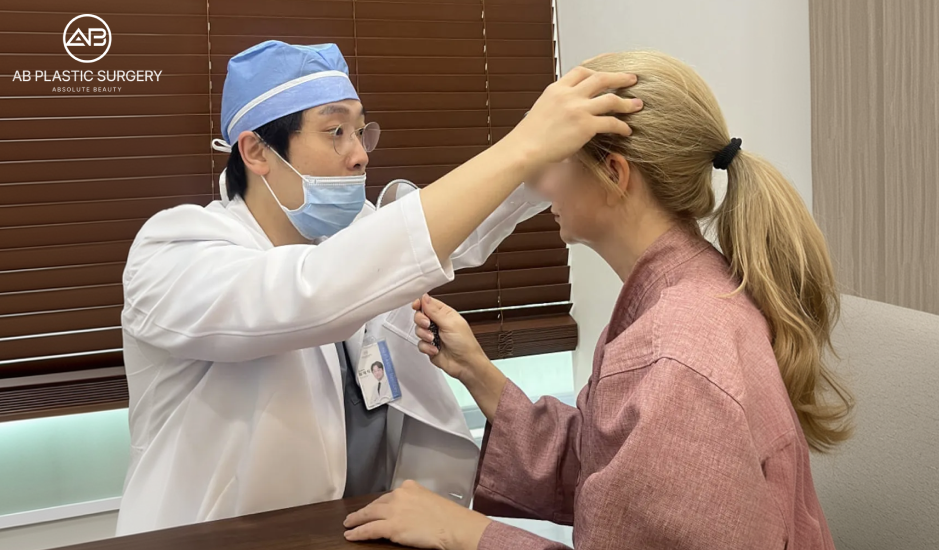
Choosing between face liposuction and facial fat grafting begins with identifying the anatomical cause of the concern. A full-looking lower face does not always indicate excess fat, just as a hollow-looking face does not always require additional volume.
Skin elasticity, facial proportions, fat distribution, weight stability, and age-related changes should be evaluated together. In some cases, reducing fat in one area and preserving or restoring volume in another may create better balance than applying one procedure to the entire face.
When Face Liposuction May Be Appropriate
Face liposuction may be considered when localized subcutaneous fat obscures the contour of the chin, jawline, lower face, or upper neck. It is generally more suitable when the patient’s weight is stable and the skin has sufficient elasticity to adapt to the reduced volume.
Common characteristics may include:
-
Persistent fullness beneath the chin despite a stable body weight
-
A jawline that appears blurred by localized subcutaneous fat
-
Lower facial fullness that is more noticeable from the side or three-quarter view
-
Relatively firm skin without significant laxity
-
Realistic expectations about localized contour improvement rather than overall weight loss
Before recommending liposuction, it is important to distinguish removable fat from a recessed chin, loose skin, jowling, prominent neck muscles, or skeletal width. Removing fat without addressing the underlying cause may produce limited improvement or make another structural concern more visible.
When Facial Fat Grafting May Be Appropriate
Facial fat grafting may be considered when insufficient volume creates hollowness, uneven transitions, or a loss of facial support. These changes may be related to natural anatomy, aging, or weight loss.
Common characteristics may include:
-
Hollow temples or visible upper facial skeletal contours
-
Under-eye hollowness that contributes to a tired appearance
-
Flat or volume-deficient anterior cheeks and midface
-
Facial volume loss after aging or a substantial change in weight
-
A preference for volume restoration using the patient’s own tissue
The objective is not necessarily to make the face appear larger. Strategic fat grafting can restore smoother transitions between facial areas and improve three-dimensional balance without uniformly increasing facial volume.
Suitability also depends on whether the patient has adequate donor fat and whether body weight is likely to remain stable. Because a portion of the transferred fat may be absorbed, the expected degree of correction and the possibility of an additional session should be discussed during consultation.
When Face Liposuction and Fat Grafting May Be Combined
Face liposuction and facial fat grafting may be performed as part of the same treatment plan when different facial regions require opposite volume changes. This approach focuses on redistributing visual balance rather than simply making the entire face slimmer or fuller.
Possible combinations include:
-
Under-chin liposuction with temple fat grafting: Reduces lower facial heaviness while softening upper facial hollowness.
-
Jawline liposuction with midface volume preservation: Improves lower facial definition without unnecessarily reducing cheek support.
-
Lower-face contouring with under-eye or anterior cheek grafting: Addresses localized fullness and central facial volume deficiency together.
-
Post-weight-loss contouring: Reduces persistent submental fat while restoring volume lost from the temples, under-eyes, or midface.
A combined procedure is not automatically appropriate for every patient. The donor area, amount of removable fat, required graft volume, anesthesia plan, and expected recovery should all be assessed before deciding whether the procedures should be performed together or in stages.
When Another Treatment May Be More Appropriate
Face liposuction and facial fat grafting primarily address soft-tissue volume. If the main concern originates from loose skin, muscle position, or facial bones, another procedure may provide a more direct solution.
|
Main Concern |
Possible Underlying Cause |
Alternative Assessment |
|---|---|---|
|
Loose jawline or neck skin |
Skin laxity and tissue descent |
Neck lift or facelift evaluation |
|
Poorly defined chin-neck angle |
Submental fat, muscle structure, loose skin, or a combination |
Combined chin and neck assessment |
|
Recessed or short chin |
Insufficient skeletal projection |
Chin augmentation evaluation |
|
Wide lower face |
Jawbone width or developed masseter muscles |
Facial contouring or muscle-focused evaluation |
|
Under-eye bags |
Protruding orbital fat rather than volume deficiency alone |
Under-eye fat repositioning or removal evaluation |
Patients whose main concern is lower-face or neck laxity can review the indications and treatment considerations for neck lifting surgery. A consultation should determine whether localized fat reduction, lifting, volume restoration, or a combination best addresses the underlying anatomy.
Recovery, Results, and Risks: What Should You Compare?
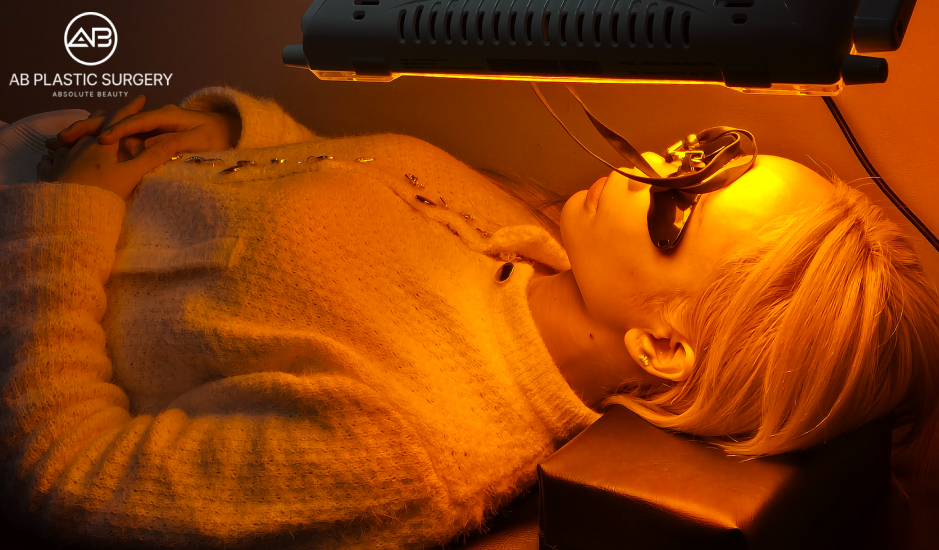
Face liposuction and facial fat grafting involve different recovery patterns because one procedure removes tissue while the other harvests, processes, and reinjects it. When both procedures are performed together, patients must also account for healing in the facial treatment areas and the body area used for fat harvesting.
Recovery time and final results vary according to the number of areas treated, surgical extent, skin condition, individual healing response, and aftercare. Early swelling should not be used to judge the final facial contour.
|
Comparison |
Face Liposuction |
Facial Fat Grafting |
Combined Treatment |
|---|---|---|---|
|
Early recovery |
Swelling, bruising, tightness, firmness, and temporary changes in sensation |
Facial swelling, bruising, and temporary fullness in the grafted areas |
Healing is required in the liposuction, grafting, and donor areas |
|
Aftercare focus |
Compression and swelling management when instructed by the medical team |
Protecting grafted areas from unnecessary pressure while swelling decreases |
Different instructions may apply to each treated area |
|
Result development |
Definition becomes clearer as swelling and tissue firmness resolve |
Initial fullness decreases as swelling subsides and some fat is absorbed |
Overall balance is assessed after both reduction and grafted volume stabilize |
|
Long-term variables |
Weight change, skin elasticity, and natural aging |
Fat survival, weight change, and natural aging |
Interaction between the reduced and restored facial areas |
Recovery and Results After Face Liposuction
After face liposuction, swelling, bruising, tightness, and temporary numbness may occur around the treated areas. Some patients may also notice temporary firmness or unevenness while the tissues heal. Compression may be recommended depending on the treatment area and the medical team’s instructions.
The jawline may not appear sharply defined immediately after surgery because swelling can temporarily conceal the new contour. As swelling decreases and the tissues adapt, the transition between the chin, jawline, and neck may become clearer. The timing of this process varies by patient and treatment extent.
Removed fat cells do not regenerate in the same way, but the remaining fat cells can still enlarge or shrink with changes in body weight. Skin elasticity and natural aging also continue after surgery, so long-term contour stability depends partly on maintaining a relatively stable weight and realistic expectations.
Recovery and Results After Facial Fat Grafting
Facial fat grafting may cause swelling and bruising in both the grafted facial areas and the donor site. The face can initially appear fuller than the intended outcome because early volume includes postoperative swelling as well as the transferred fat.
Some of the grafted fat may be absorbed during healing, while the portion that establishes a blood supply may remain longer term. Because fat survival varies, the stabilized result may contain less volume than the appearance seen immediately after surgery. An additional session may be considered when more volume is needed after the initial result has settled.
The retained fat remains living tissue and can respond to changes in body weight. Significant weight gain may increase fullness, while substantial weight loss may reduce the maintained volume. For this reason, a stable weight before and after surgery supports more consistent long-term planning.
Potential Risks and Limitations
Both procedures are surgeries and carry potential risks. The exact risk profile depends on the treatment area, surgical technique, anesthesia plan, patient health, and extent of treatment.
Potential risks associated with face liposuction may include:
-
Swelling, bruising, or prolonged firmness
-
Temporary or persistent changes in sensation
-
Asymmetry or irregular contours
-
Visible depressions caused by uneven or excessive fat removal
-
Loose or rippled skin when elasticity is insufficient
-
Bleeding, fluid accumulation, infection, or delayed healing
-
The need for an additional corrective procedure
Potential risks associated with facial fat grafting may include:
-
Partial absorption of the transferred fat
-
Asymmetry, undercorrection, or overcorrection
-
Firmness, nodules, cysts, or fat necrosis
-
Irregular or uneven volume distribution
-
Bleeding, infection, or prolonged swelling
-
The need for an additional grafting or corrective procedure
-
Rare but serious complications related to unintended injection into a blood vessel
Neither procedure should be described as risk-free, and a specific result or fat-survival rate cannot be guaranteed. The treatment plan should be based on anatomical assessment, conservative volume changes, and a clear discussion of expected benefits, limitations, recovery, and possible complications.
Why Conservative Volume Planning Matters
Removing more fat does not necessarily create a more defined or youthful face, and injecting more fat does not necessarily produce a more stable result. Excessive reduction may expose facial hollows or worsen the appearance of laxity, while excessive grafting may create heaviness, irregularity, or an overfilled appearance.
A conservative plan evaluates the face from the front, side, and three-quarter views and considers how one treatment area affects another. The goal is to create smoother transitions among the forehead, temples, cheeks, jawline, and neck while preserving facial characteristics that do not require correction.
Final results should be evaluated only after swelling, tissue firmness, and grafted volume have had sufficient time to stabilize. Individual recovery instructions and follow-up schedules should always take priority over general timelines presented online.
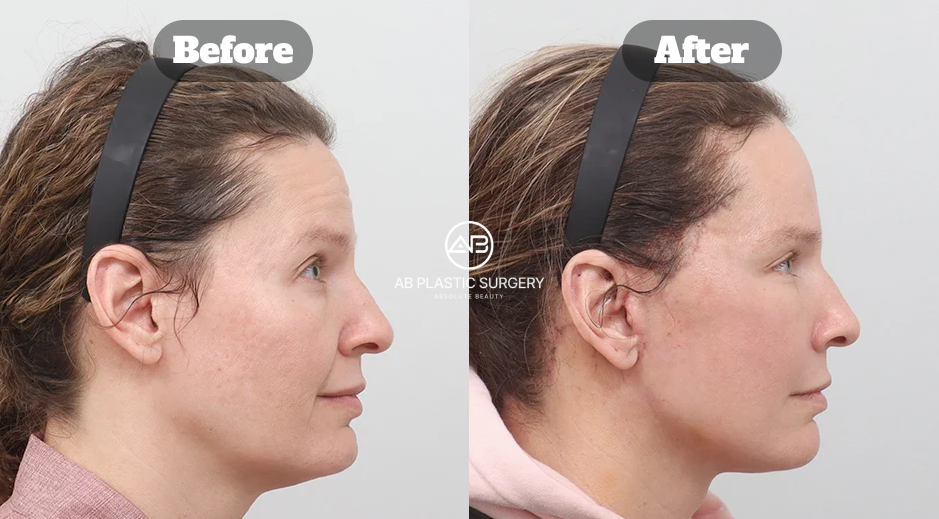
Frequently Asked Questions About Face Liposuction and Fat Grafting
Is face liposuction the same as buccal fat removal?
No. Face liposuction generally removes accessible subcutaneous fat from areas such as the chin, jawline, lower face, or upper neck. Buccal fat removal targets a deeper fat pad located within the cheek and is performed through an incision inside the mouth. Because the procedures treat different anatomical layers, they have different indications and long-term considerations.
Can face liposuction make the face look older or more hollow?
It can if too much fat is removed or if the patient already has limited facial volume. Some facial fat supports natural cheek contours and may decrease further with age. Conservative planning should distinguish unwanted subcutaneous fat from volume that should be preserved, particularly in thin, elongated, or naturally hollow faces.
Can face liposuction and facial fat grafting be performed together?
Yes, the procedures may be combined when different facial areas require opposite volume changes. For example, localized fat may be reduced beneath the chin while volume is restored in the temples, under-eyes, or midface. Whether they should be performed together or in stages depends on facial anatomy, treatment extent, donor fat, anesthesia planning, and overall health.
Can fat removed during liposuction be reused for facial fat grafting?
Potentially, but not all removed fat is suitable for grafting. Fat intended for transfer must be harvested and processed in a way that preserves viable cells and supports safe reinjection. The surgeon must also determine whether the available fat is sufficient and appropriate for the planned facial treatment areas.
Does face liposuction tighten loose skin?
Face liposuction primarily removes fat and does not directly remove loose skin. Skin with good elasticity may contract to some degree as swelling subsides, but significant laxity may remain or become more visible after fat reduction. Patients with loose jawline or neck skin may need an evaluation for lifting or another skin-focused treatment.
How long do face liposuction and facial fat grafting results last?
Face liposuction can provide a long-term reduction in treated fat cells, although remaining fat cells can still change with body weight. In facial fat grafting, some transferred fat is absorbed, while the portion that establishes a blood supply may remain longer term. Neither procedure stops natural aging, and individual results vary.
What happens to the results if I gain or lose weight?
Significant weight changes can alter the results of both procedures. Remaining facial fat cells may enlarge with weight gain, and successfully grafted fat can also respond to changes in body weight. Substantial weight loss may reduce facial volume and increase the appearance of skin laxity. Maintaining a relatively stable weight supports more consistent long-term results.
Balanced Facial Volume Planning at AB Plastic Surgery Korea
Balanced facial contouring is not based on removing or adding the same amount of fat across the entire face. At AB Plastic Surgery Korea, treatment planning considers whether each concern is primarily related to excess fat, insufficient volume, skin laxity, muscle position, or underlying facial structure.
This distinction is especially important when evaluating face liposuction and facial fat grafting together. Reducing volume in one area can change how nearby areas appear, while restoring volume without considering the lower facial contour may create unnecessary heaviness. A full-face assessment helps determine where volume may be reduced, where it should be preserved, and where restoration may improve overall balance.
Full-Face Assessment Before Removing or Adding Fat
Facial volume planning begins by evaluating the face from the front, side, and three-quarter views. This allows the medical team to assess both individual treatment areas and the transitions among the forehead, temples, under-eyes, cheeks, jawline, chin, and neck.
Key factors considered during assessment may include:
-
The location and depth of facial fat
-
Skin thickness, elasticity, and degree of laxity
-
Facial bone structure and chin projection
-
Muscle development around the jaw and neck
-
Hollow or volume-deficient areas
-
Facial asymmetry and differences between each side
-
Age-related volume changes and anticipated weight changes
-
Availability and condition of donor fat for grafting
This assessment also helps identify when face liposuction or fat grafting may not address the primary concern. For example, loose neck skin may require lifting rather than fat removal alone, while a recessed chin may require structural correction to improve the profile.
Procedure-Specific Planning and Safety Processes
AB Plastic Surgery has participated in IFAAS academic programs, sharing facial contouring techniques and safety-focused surgical education. This academic activity reflects an ongoing focus on facial anatomy and procedure-specific planning, but it should not be interpreted as a guarantee of an individual surgical result.
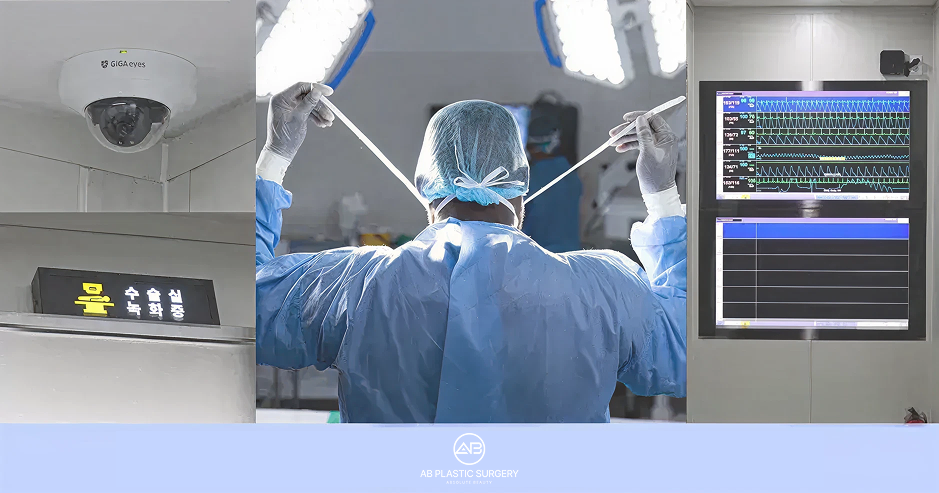
For surgical procedures, AB Plastic Surgery Korea uses preoperative checks, team cross-check processes, and real-time patient monitoring as part of its safety-management system. The exact surgical and anesthesia plan may vary according to the procedures performed, treatment extent, and the patient’s medical condition.
When facial fat grafting is included, the plan must also account for the donor area, fat-harvesting method, processing, injection volume, and distribution across the facial tissue layers. Patients considering regenerative approaches can review the dedicated information about stem cell–assisted fat grafting.
Final Decision: Reduce, Preserve, or Restore?
Face liposuction may be considered when localized fat beneath the chin or along the jawline obscures facial definition. Facial fat grafting may be considered when the temples, under-eyes, cheeks, or midface lack sufficient volume. When both concerns are present, the procedures may be planned together or performed in stages.
The goal is not to remove as much fat as possible or uniformly increase facial volume. A balanced plan should reduce unwanted fullness, preserve fat that supports natural facial contours, and restore only the areas that require additional volume.
If the concern is primarily caused by loose skin, muscle position, or facial bones, another procedure may be more appropriate than face liposuction or fat grafting. An individualized consultation is therefore necessary to determine which anatomical structures should be treated and how the face may change over time.
This content is provided for general informational purposes and does not replace an in-person medical consultation. Suitability, recovery, risks, and results vary according to individual anatomy, health, treatment extent, and healing response.

This article is for informational purposes only and does not replace a personal medical consultation.