Title
Under-Eye Fat Repositioning vs. Fat Removal: Which Is Better?Date
2026-07-08Views
2198
AB Blog
Under-Eye Fat Repositioning vs. Fat Removal: Which Is Better in Korea (2026)?
Table of Contents
1. What Is Under-Eye Fat Repositioning? How It Differs from Fat Removal
2. Fat Repositioning vs. Fat Removal: Key Differences & Recovery
3. Which Option Is Right for You? Self-Check, Candidacy & Risks
4. Current Under-Eye Trends (2026): What International Patients Are Asking
5. Frequently Asked Questions: Fat Repositioning vs. Fat Removal
6. Choosing a Safe Clinic in Korea: AB’s Anesthesia Safety & Accreditations
7. Under-Eye Fat Repositioning Cost in Korea (2026, USD)
8. Making Your Decision: Personalized Consultation at AB Plastic Surgery Korea
Under-eye fat repositioning and under-eye fat removal both treat the same complaint — tired-looking eyes caused by puffy bags and dark shadows — but they solve it in fundamentally different ways. In short: fat removal takes volume away, while fat repositioning moves that volume to where the face needs it. For many patients whose eye bags sit just above a hollow tear trough, repositioning tends to deliver a smoother, more natural, longer-lasting result. For a narrower group whose only issue is excess fat with full cheeks, conservative removal can be appropriate.
Quick answer: Under-eye fat repositioning is usually preferred when puffiness is paired with a hollow tear trough, because it moves existing orbital fat to smooth the lid–cheek transition. Conservative fat removal may suit patients with an isolated fat bulge, full cheeks, and little or no hollowing. The safest choice depends on eyelid anatomy, skin elasticity, tear-trough depth, pigmentation, previous filler history, and a surgeon’s assessment — not on the procedure name alone.
This guide breaks down the real differences, recovery, risks, and candidacy, reflects what patients are asking in 2026, and lays out transparent pricing for international patients considering treatment in Korea at AB Plastic Surgery Korea.
What Is Under-Eye Fat Repositioning? How It Differs from Fat Removal
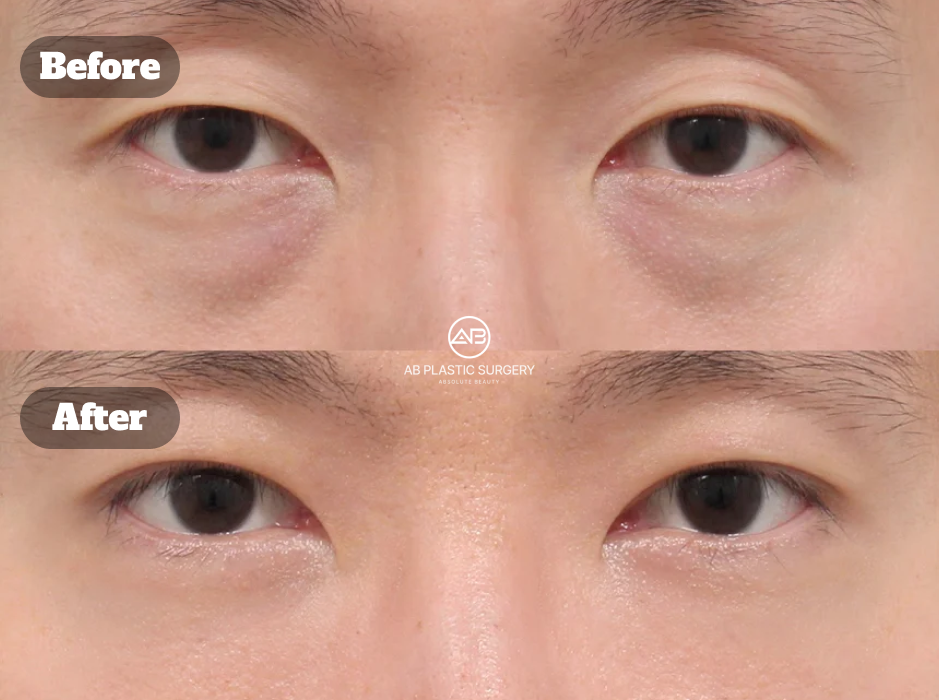
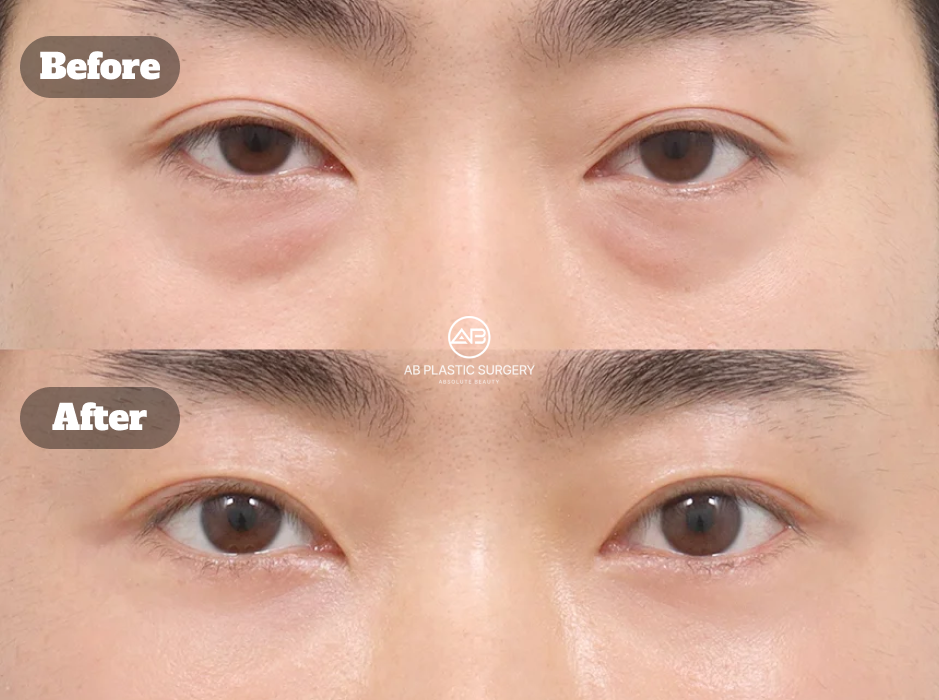
Under-eye fat repositioning is a lower eyelid procedure that relocates — rather than removes — the orbital fat that creates eye bags, draping it into the hollow tear trough below to smooth the lid–cheek junction. It is most often performed through the inner surface of the lower eyelid (a transconjunctival approach), so there is typically no visible external scar. Under-eye fat removal, by contrast, reduces or excises the bulging fat.
That single difference — move the fat versus take the fat — is what often separates a refreshed, natural outcome from a hollow, over-operated one. In modern lower eyelid surgery, fat-preserving repositioning has increasingly challenged routine fat excision as the default approach for combined bags and hollows.
Under-Eye Fat Repositioning, Defined
During repositioning, the surgeon releases the orbital retaining ligament that tethers the lid to the cheek and creates the visible groove. The protruding fat pad is then redistributed into that groove and secured in its new position. Because the fat is preserved instead of discarded, the area generally keeps its natural cushioning while the bulge is flattened — producing a smoother transition from eyelid to cheek. This technical detail, not the name alone, is what tends to make the result natural and durable.
Under-Eye Fat Removal, Defined
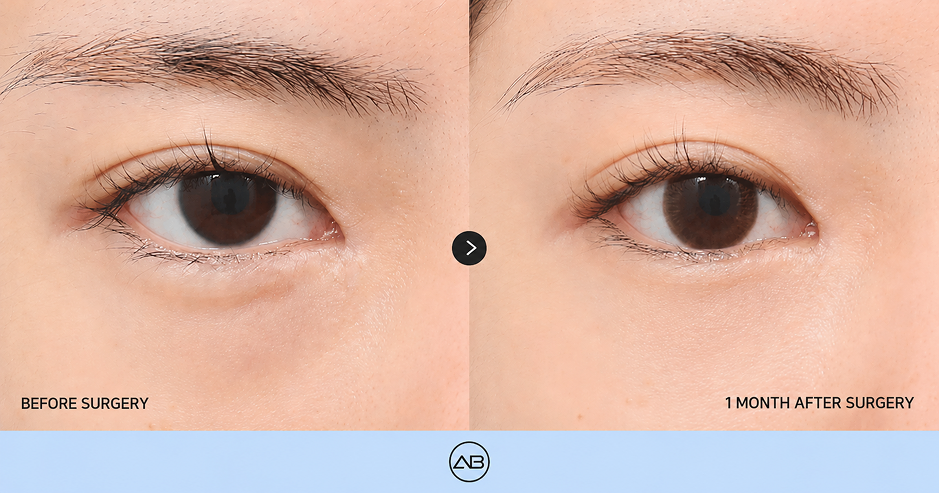
Fat removal targets the herniated fat pads directly, trimming the volume that pushes forward and forms an eye bag. For the right candidate — typically someone with a true fat bulge but full, smooth cheeks and no tear-trough hollow — this can be a clean, effective correction. The risk appears when too much fat is taken, or when a hollow already exists beneath the bag: removing volume from an area that is already sinking tends to deepen shadows over time.
Why the Distinction Matters
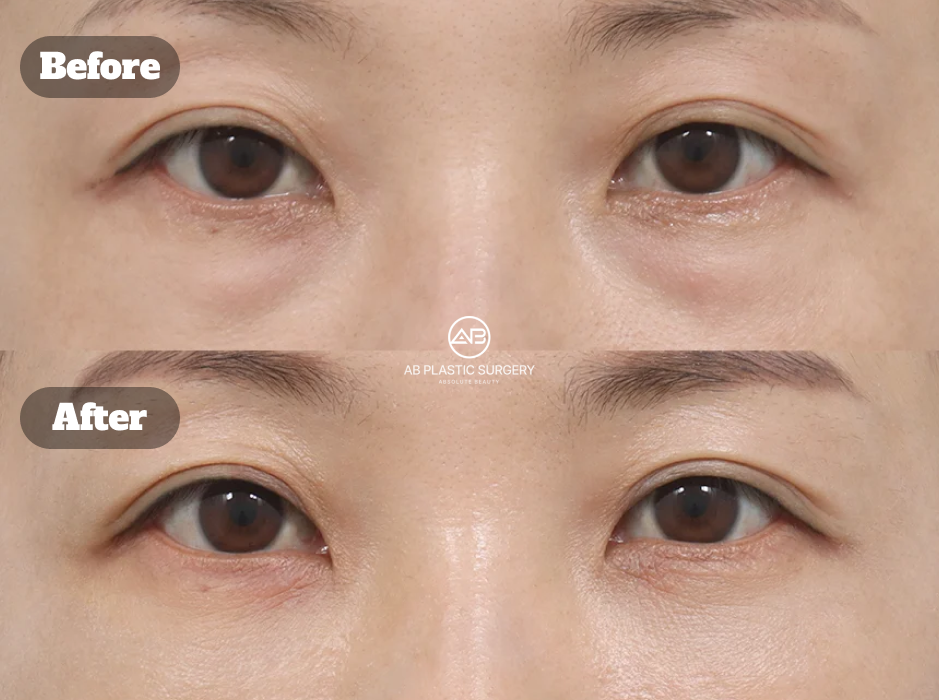
Most under-eye “dark circles” are not primarily a pigment problem — they are often a shadow cast by a bulge sitting above a hollow. Because the issue is frequently one of contour, the most natural correction is usually to rebalance that contour rather than to flatten everything. This is why, in many cases of combined puffiness and hollowing, repositioning is preferred, while aggressive fat removal alone can leave a tired, “skeletonized” look that may paradoxically age the eyes.
Fat Repositioning vs. Fat Removal: Key Differences & Recovery
The table below compares the two core approaches side by side, with fat grafting included as a related option for patients whose main concern is volume loss rather than a bulge. Figures are general references; your surgeon’s assessment determines the right plan.
|
Factor |
Fat Removal |
Fat Repositioning |
Fat Grafting (related) |
|---|---|---|---|
|
How it works |
Excises / reduces bulging fat |
Moves existing fat into the tear trough |
Adds harvested fat to fill hollows |
|
Best for |
Isolated fat bulge, full cheeks, no hollow |
Eye bags plus a hollow tear trough |
Volume loss / deep hollows, little bulge |
|
Less ideal for |
Patients with an existing hollow |
Very little fat available to move |
Prominent bulge with no hollow |
|
Main risk |
Over-removal → hollow / skeletonized look |
Temporary lumpiness; under-correction |
Partial fat reabsorption; lumpiness |
|
Incision & scar |
Usually transconjunctival (scarless) |
Usually transconjunctival (scarless) |
Tiny injection points (scarless) |
|
Longevity |
Long-lasting |
Long-lasting (structural) |
Variable (some fat reabsorbs) |
|
Typical recovery |
~1–2 weeks for major swelling |
~1–2 weeks for major swelling |
~1–2 weeks; gradual settling |
|
Starting cost at AB (USD) |
from ~1,360 |
from ~1,360 |
from ~1,120 |
The headline takeaway: removal and repositioning often start from the same bulge, but only repositioning also corrects the hollow beneath it. That is why many surgeons now treat repositioning as the default for combined under-eye concerns — though well-conducted studies note both approaches can achieve good results in suitable candidates.
Recovery Timeline at a Glance
Recovery varies by individual, technique, and whether procedures are combined, but most transconjunctival patients can expect roughly the following:
-
Days 1–3: Swelling peaks; mild bruising may appear. Cold compresses and head elevation help.
-
Week 1: Major swelling and bruising begin to settle. With a transconjunctival approach there are usually no external stitches to remove.
-
Week 2: Many patients feel comfortable returning to social activities and work.
-
1–3 months: Residual swelling resolves and the final contour gradually settles.
Which Option Is Right for You? Self-Check, Candidacy & Risks
“Which is better” is really a question of which is better for your under-eye. Use the quick self-check below as a starting point, then confirm with an in-person or photo-based consultation, since skin quality and fat distribution can only be fully judged on examination.
Quick Self-Check: Which Direction Fits You?
-
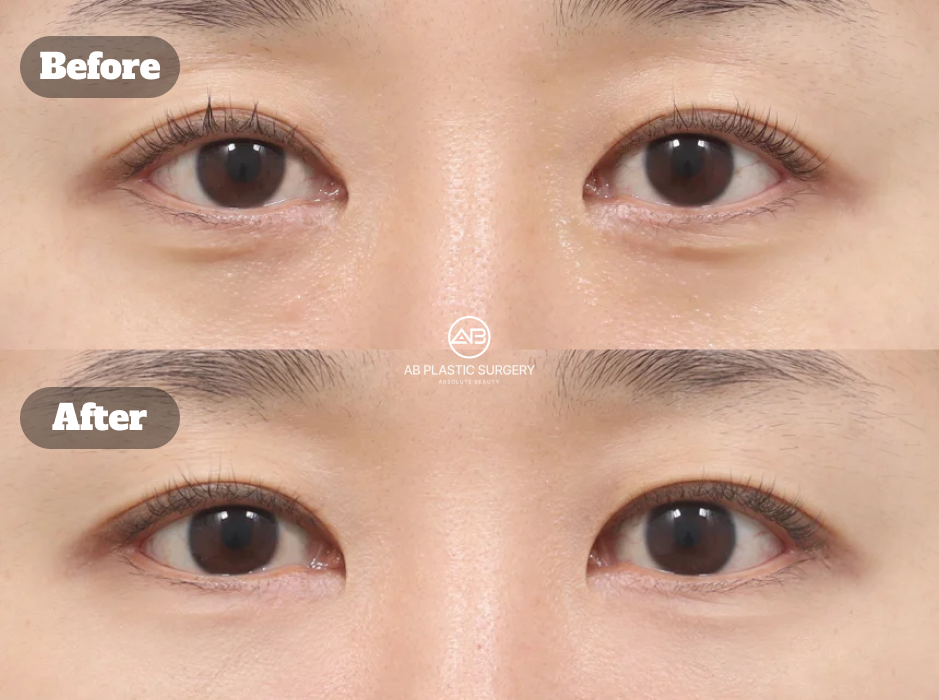
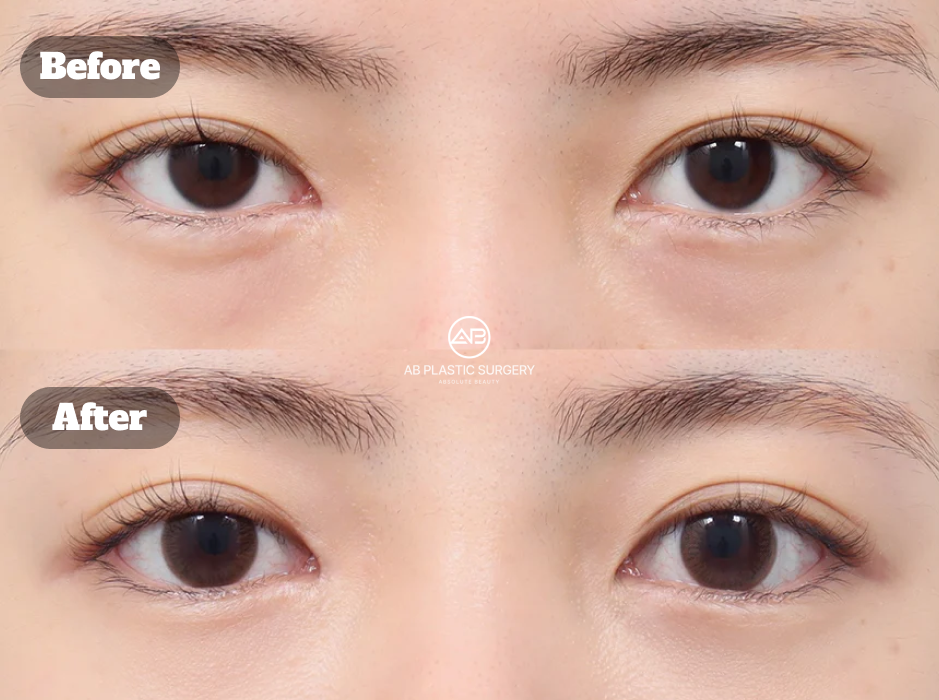
Bulge + hollow + shadow-based dark circles, good skin elasticity → fat repositioning is often the better fit.
-
Isolated fat bulge, full cheeks, minimal hollowing → conservative fat removal may be appropriate.
-
Loose skin, fine wrinkles, or lid laxity as the main concern → lower blepharoplasty or a combined approach may be recommended.
-
Deep hollowing with little fat to move, or over-removal from a past surgery → fat grafting or filler alternatives may be considered.
-
Mainly pigmentation (not shadow) → surgery helps less; skin-focused treatment is usually better.
When Fat Repositioning Is Often the Better Choice
-
You have visible eye bags and a hollow groove (tear trough) directly below them.
-
Your dark circles are mainly shadow-based and worse under overhead light.
-
Your lower-eyelid skin still has good elasticity with minimal sagging (often patients in their 20s to early 40s, and well-selected patients in their 50s).
-
You prefer a scarless approach that preserves natural under-eye volume.
When Fat Removal or Lower Blepharoplasty May Make Sense
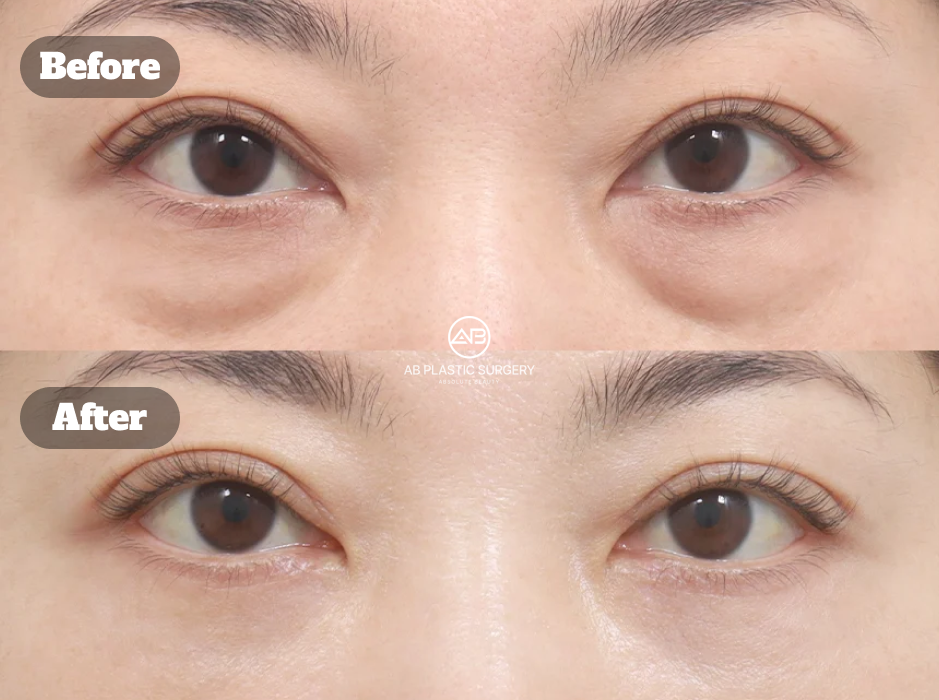
If your main issue is a fat bulge with full, smooth cheeks and no hollow, conservative removal can be appropriate. But when the dominant problem is excess or crepey skin rather than fat, a lower blepharoplasty — which removes a small amount of skin via an incision just under the lash line — usually gives a better result than addressing the fat alone. Many real-world cases combine a conservative skin adjustment with fat repositioning for the cleanest outcome.
When Fat Grafting or a Combined Approach Is Recommended
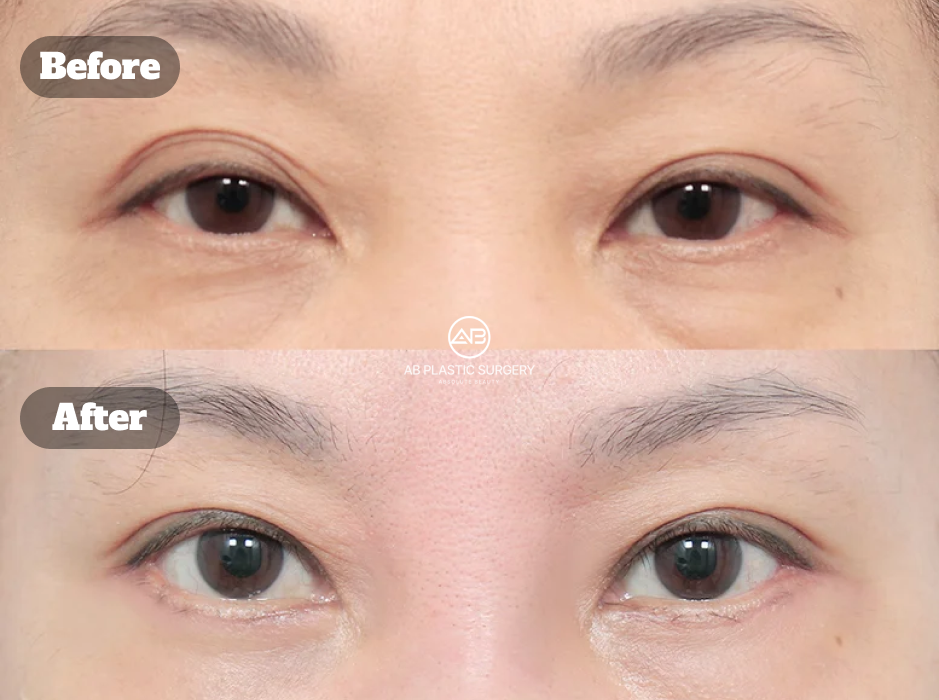
For deep hollows with little fat to reposition, or for revision cases where a previous surgery removed too much, fat grafting can help restore the missing volume. The right plan is frequently a combination — reposition what is there, graft where it is missing, and refine the skin if needed. This is exactly why a tailored consultation matters more than choosing a procedure name in advance.
→ See Real Before & After Results
Risks & Limitations to Discuss With Your Surgeon
Every eyelid procedure carries risks. They are uncommon in experienced hands and are best reviewed individually during consultation, but you should understand them before deciding:
-
Hollowing or over-correction — more associated with excessive fat removal.
-
Lumpiness, asymmetry, or prolonged swelling — usually temporary, occasionally requiring touch-up.
-
Dry eye or irritation — typically short-term.
-
Lower-lid retraction, scleral show, or ectropion — rare, and more often linked to external (transcutaneous) skin-removing techniques than to the transconjunctival approach.
-
Possible revision — a small percentage of patients may need a refinement to optimize the result.
A thorough consultation, realistic expectations, and an experienced surgeon are the most reliable ways to keep these risks low.
Current Under-Eye Trends (2026): What International Patients Are Asking
Three shifts are shaping under-eye decisions in 2026, and broadly they favor volume-preserving approaches over simple removal.
“Refreshed, Not Done” Is the Prevailing Goal
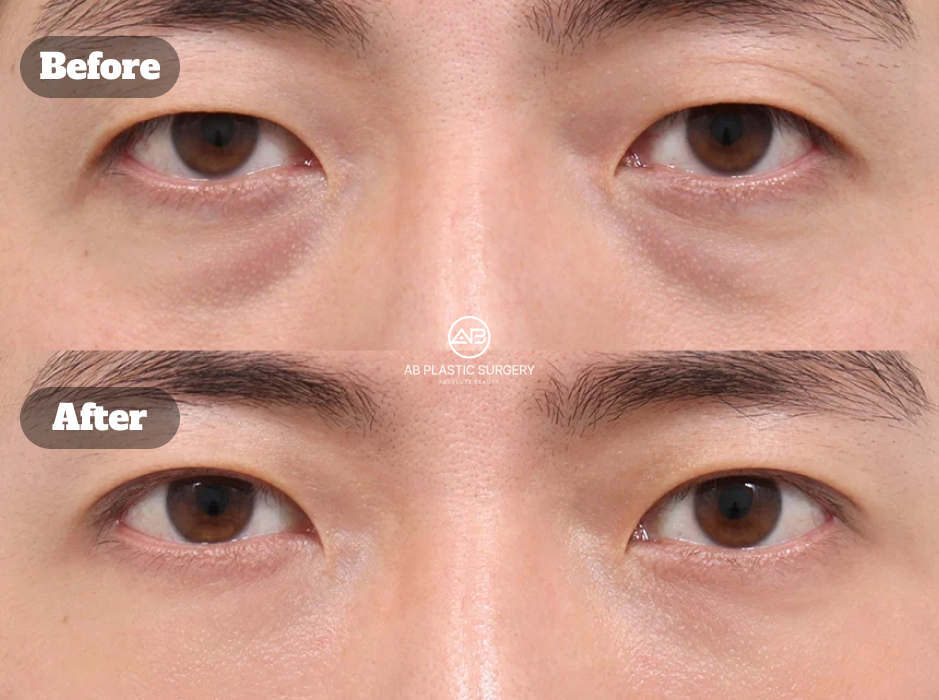
Patients increasingly say they want to look rested rather than operated on. A volume-preserving technique like fat repositioning generally fits this expectation better than aggressive resection, because it aims to restore a smooth lid–cheek transition without a hollowed look.
Beyond Filler: Interest in Structural & Regenerative Care
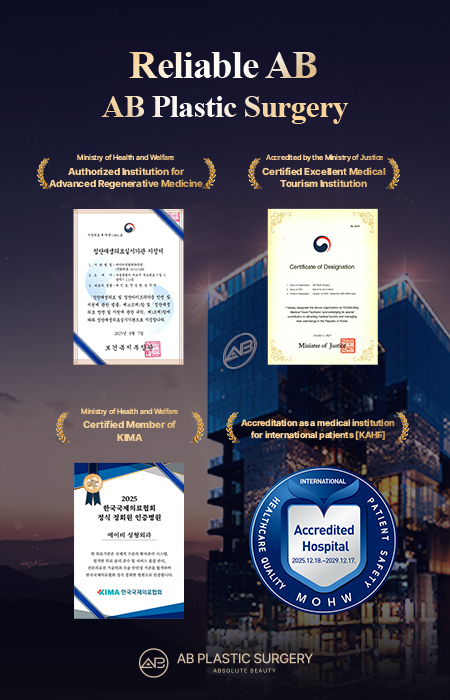
As “filler fatigue” grows, more patients ask about a one-time structural correction instead of repeated under-eye filler that can puff or migrate over time. In parallel, regenerative options — such as platelet-rich plasma (PRP) and PRF — are increasingly discussed as complements to, not replacements for, well-planned surgery. AB Plastic Surgery Korea is positioned here as a clinic with a dedicated 3rd-generation stem cell center and an official advanced regenerative medicine designation from the Ministry of Health and Welfare, which allows surgical correction and regenerative aftercare to be planned together where clinically appropriate.
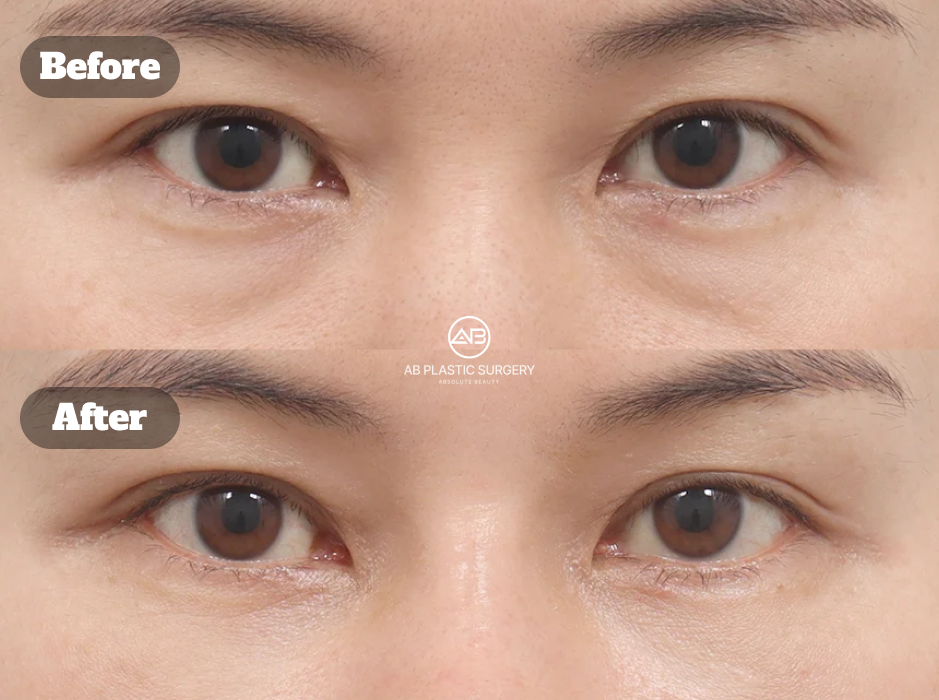
Korea as a Destination for Precision Eye Surgery
Korea remains a widely recognized destination for delicate, scarless eye surgery, and international patients increasingly evaluate clinics on systemized safety and aftercare — not price alone. If you are planning treatment from abroad, understanding the full journey in advance tends to make the experience much smoother.
→ Plan Your Medical Trip to Korea

Frequently Asked Questions: Fat Repositioning vs. Fat Removal
Is fat repositioning really better than fat removal?
For many people with eye bags sitting above a hollow tear trough, repositioning is often preferred because it corrects both the bulge and the shadow while preserving natural volume, so results tend to look smooth and last well. Fat removal alone can be the better option in the narrower case of a true bulge with full cheeks and no hollow. Studies suggest both approaches can succeed in suitable candidates, so the right answer depends on your anatomy and a surgeon’s assessment.
Will the repositioned fat bulge again, and how long do results last?
Because repositioning addresses the underlying structure — releasing the ligament and securing the fat in its new position — results are typically long-lasting and the fat tends to stay in place. Natural aging continues over the years, so some patients may consider refinements later, but a well-performed procedure does not simply “undo” itself.
Are there scars, and what is recovery like?
When performed through the inner eyelid (transconjunctival), there is usually no external scar. Major swelling and bruising typically settle within about one to two weeks, with many patients returning to daily life quickly. If a small skin adjustment is added, a fine incision is hidden along the lash line.
Will it actually improve my dark circles?
If your dark circles are mainly shadow-based — caused by a bulge sitting above a hollow — repositioning can noticeably brighten the area by smoothing that contour. If the darkness is mainly from pigmentation, surgery helps less and is better paired with skin-focused treatment. A consultation can identify which type you have.
Is the surgery safe, and what type of anesthesia is used?
Under-eye procedures are usually performed under local anesthesia, often with light sedation (sleep anesthesia) for comfort. Anesthesia safety should be a top priority when choosing any clinic. At AB Plastic Surgery Korea, a board-certified anesthesiologist is present on-site, and — as of June 2026 — the clinic reports zero anesthesia-related accidents since opening in September 2020, supported by operating-room CCTV and a 24-hour emergency response system. This systemized approach to plastic surgery anesthesia is a core part of how AB protects every patient.
How much does under-eye fat repositioning cost in Korea?
At AB Plastic Surgery Korea, transconjunctival under-eye fat repositioning / removal starts from about USD 1,360, with eyelid fat grafting from about USD 1,120 and lower blepharoplasty from about USD 1,870. These are starting estimates; your final price depends on fat volume, whether skin work is added, exchange rates, and case complexity — see the cost section below for the full breakdown and a personalized quote.
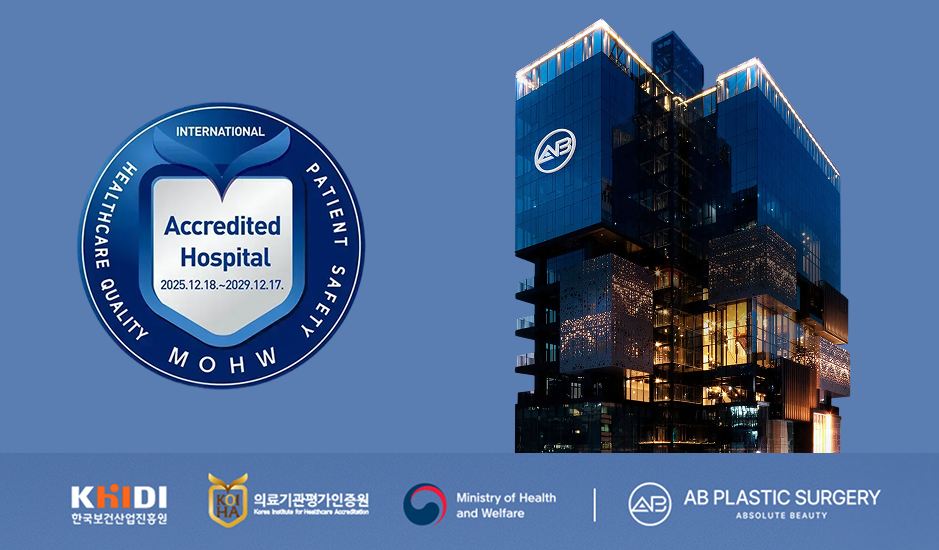
Choosing a Safe Clinic in Korea: AB’s Anesthesia Safety & Accreditations
With under-eye surgery, the difference between a good and a regrettable outcome is not only the surgeon’s hands — it is the entire safety system around the procedure. For international patients especially, the real question is not “is this clinic good?” but “why can I trust this clinic?” AB Plastic Surgery Korea answers that with verifiable numbers, official certifications, and recognized academic standing rather than slogans.
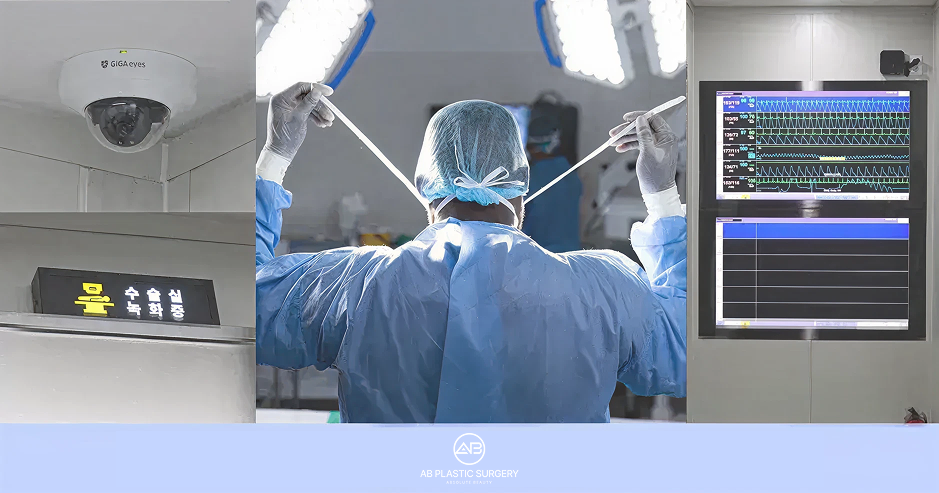
Anesthesia Safety You Can Verify
Anesthesia is where safety is won or lost. At AB Plastic Surgery Korea, a board-certified anesthesiologist is present on-site, and whether your procedure uses local or sedation (sleep) anesthesia, your vital signs are monitored throughout. As of June 2026, the clinic reports zero anesthesia-related accidents since it opened in September 2020, backed by full operating-room CCTV and a 24-hour emergency response protocol. This is the standard of plastic surgery anesthesia safety every patient should expect.

National Certifications & Official Recognition
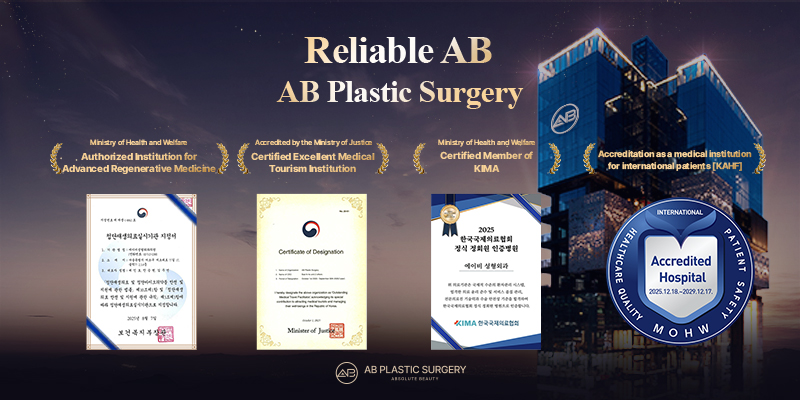
For an international patient, what matters about an accreditation is not the badge — it is what it guarantees you. AB’s credentials mean the clinic is managed to national standards specifically for the care, accountability, and aftercare of patients traveling from abroad:
-
KAHF accreditation (Accreditation as a Medical Institution for International Patients) — an official standard confirming the clinic is evaluated to a national benchmark for treating international patients, including how it takes responsibility if an issue ever arises.
-
KIMA membership (Korea International Medical Association) — recognized standing within the international medical-care community.
-
Advanced regenerative medicine designation by the Ministry of Health and Welfare — an official basis for AB’s regenerative and stem cell work.
-
3rd-generation stem cell center — in-house regenerative capability that complements surgical care.
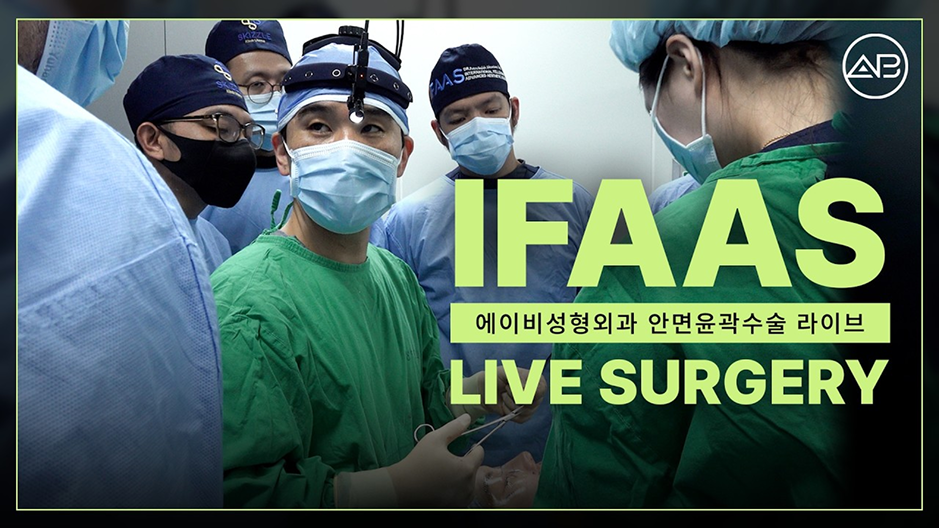
Academic Activity & Surgeon Expertise
Trust is also built on what a clinic contributes to its field. AB surgeons are active on the academic stage — including IFAAS surgical demonstrations, APS KOREA lectures, and Medical Korea participation — reflecting techniques that are taught and peer-reviewed, not just marketed. Every plan is led by experienced, board-certified specialists, so your treatment is guided by clinical expertise and structured medical review.
Under-Eye Fat Repositioning Cost in Korea (2026, USD)
AB Plastic Surgery Korea presents pricing transparently in USD (converted from a KRW basis) — one reason international patients can plan their budget with confidence before they travel. The figures below are starting estimates, last updated June 2026, for the procedures most relevant to under-eye rejuvenation.
-
Transconjunctival Under-Eye Fat Repositioning / Removal — from USD 1,360
-
Eyelid Fat Grafting (for hollows / volume loss) — from USD 1,120
-
Lower Blepharoplasty (when excess skin is the main concern) — from USD 1,870
-
Lower Blepharoplasty + Mid-Face Lifting (comprehensive, often mid-life cases) — from USD 4,490
A quick note on these numbers: under-eye anatomy is highly individual, so the surgical method — how much fat is repositioned, whether skin or grafting is added, and overall complexity — shifts the final figure. Prices may also change with exchange rates and whether anesthesia or combined procedures are included. Treat the figures above as a planning reference, and let a personalized consultation confirm the exact cost for your case.
Making Your Decision: Personalized Consultation at AB Plastic Surgery Korea
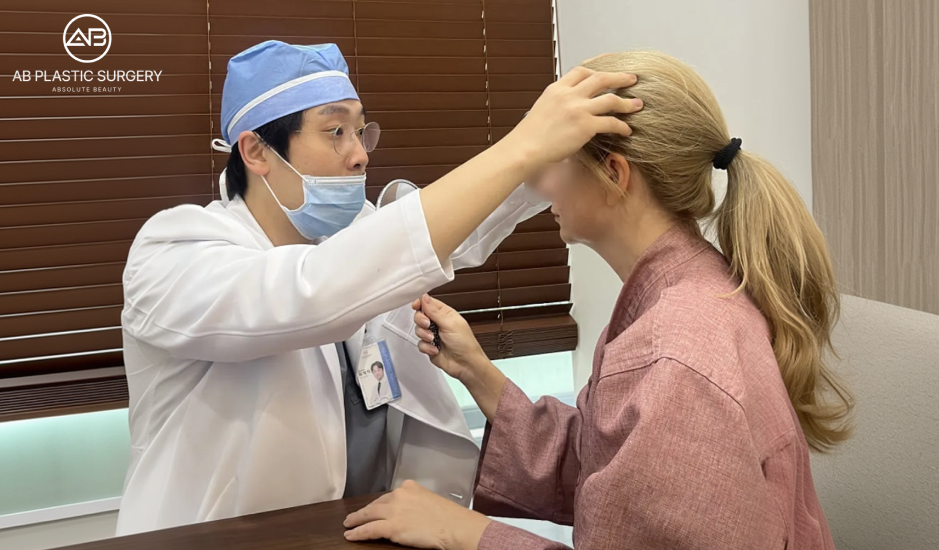
The honest answer to “repositioning or removal?” is that the best choice is the one matched to your under-eye structure, your skin, and your goals — confirmed by an experienced specialist rather than chosen from a price list. For many patients with combined bags and hollows, repositioning preserves volume and reads as naturally refreshed; for others, a skin-focused or combined plan is the smarter route.
If you are weighing your options from abroad, AB Plastic Surgery Korea pairs transparent USD pricing with a verified safety system, national certifications, and full international-patient support — so you can decide with clarity, not guesswork.
→ Get a Free 1:1 Consultation | Read Real Patient Stories | International Patient Service
Sources reviewed:
-
American Society of Plastic Surgeons — Eyelid Surgery (Blepharoplasty): plasticsurgery.org/cosmetic-procedures/eyelid-surgery
-
Frontiers in Medicine (2025) — Transconjunctival lower blepharoplasty with orbital septal fat repositioning for tear-trough–associated lower eyelid bags: DOI 10.3389/fmed.2025.1672397
-
Plastic and Reconstructive Surgery – Global Open / ASPS (2025) — Systematic review: transconjunctival vs. transcutaneous fat-preserving lower lid blepharoplasty: PMC12708136

This article is for informational purposes only and does not replace a personal medical consultation.