Title
What Is Fat Grafting? A Complete Guide to Natural Volume RestorationDate
2026-05-20Views
1341
AB Blog
What Is Fat Grafting? A Complete Guide to Natural Volume Restoration
Table of Contents
1. What Is Fat Grafting and How Does It Work?
2. Why Is Fat Grafting Used for Volume Restoration?
3. Which Areas Can Be Treated with Fat Grafting?
4. Conventional Fat Grafting vs Stem Cell–Assisted Fat Grafting
5. What Is the Procedure Process for Fat Grafting?
6. How Much Does Fat Grafting Cost in Korea?
7. Who Is a Good Candidate for Fat Grafting?
8. Frequently Asked Questions About Fat Grafting
9. Why Consider AB Plastic Surgery Korea for Stem Cell–Assisted Fat Grafting?
Fat grafting has become one of the most widely used approaches for restoring natural facial volume without relying on implants or synthetic materials. Rather than simply filling hollow areas, this technique uses a patient’s own fat to enhance facial balance, improve contour, and create a more defined and natural facial contour.
As interest in long-term, natural-looking results continues to grow, fat grafting is increasingly considered not only for volume restoration but also as part of a broader anti-aging strategy. In particular, advancements such as stem cell–assisted fat grafting have introduced new possibilities by improving graft survival and supporting tissue regeneration.
This guide provides a clear and structured overview of fat grafting, including how the procedure works, which areas can be treated, what to expect during recovery, and how different techniques may influence long-term outcomes.
In addition to understanding the procedure itself, many patients also consider where and how the treatment is performed.
For international patients considering fat grafting in Korea, understanding the overall treatment process, travel planning, and recovery management is equally important.
Read the Korea Medical Tourism Guide
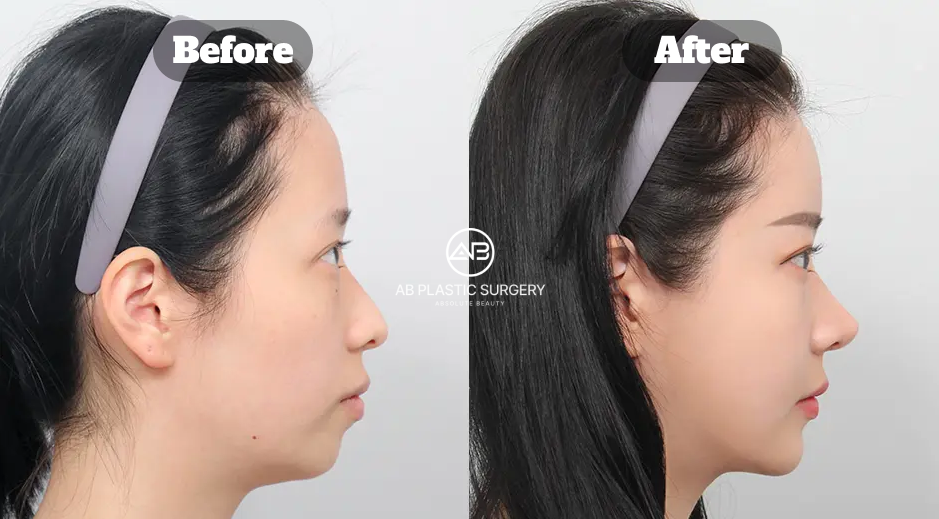
What Is Fat Grafting and How Does It Work?
Fat grafting, also known as autologous fat transfer, is a procedure that involves harvesting fat from one area of the body and transferring it to another area that requires volume enhancement or contour improvement. Because the material used is the patient’s own tissue, it is widely considered a biocompatible option for enhancing facial balance and soft tissue structure.
Unlike temporary fillers, fat grafting is designed to integrate with the surrounding tissue after transplantation. Once the grafted fat cells establish a blood supply, they can remain in the treated area and contribute to long-term volume maintenance. However, not all transferred fat survives, which is why technique and processing play a critical role in the final outcome.
In recent years, the procedure has evolved beyond simple volume augmentation. Advanced approaches, such as stem cell–assisted fat grafting, aim to improve the survival rate of transplanted fat while supporting tissue quality and regeneration. This reflects a broader shift toward treatments that combine structural correction with biological regeneration.
Key Concept: Volume Restoration Using Autologous Tissue
The fundamental principle of fat grafting lies in restoring lost or reduced volume using the patient’s own fat. This makes it particularly suitable for areas where aging, weight loss, or structural imbalance has led to hollow or flattened contours.
Commonly treated areas include the forehead, under-eye region, cheeks, and nasolabial folds. By redistributing fat from areas of excess to areas of deficiency, the procedure focuses on achieving a more balanced and natural three-dimensional appearance.
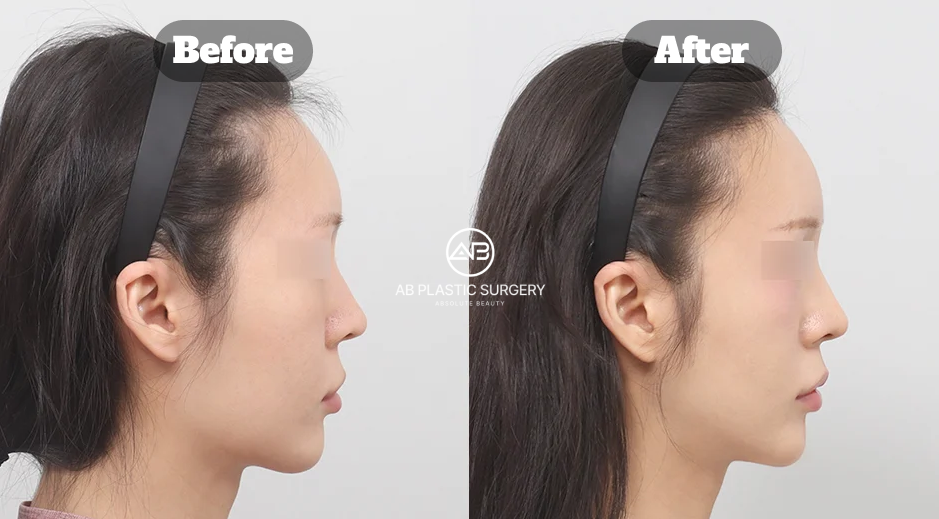
How Fat Grafting Works: Basic Process
The fat grafting process generally involves three main stages: harvesting, processing, and reinjection. First, excess fat is collected from donor areas such as the abdomen or thighs. The harvested fat is then purified to remove impurities and damaged cells. Finally, the refined fat is carefully injected into the target area in small amounts to promote stable integration.
This step-by-step approach is essential for improving graft survival and ensuring that the transferred fat adapts well to the surrounding tissue environment. The precision of each stage directly influences how much of the grafted fat is maintained over time.
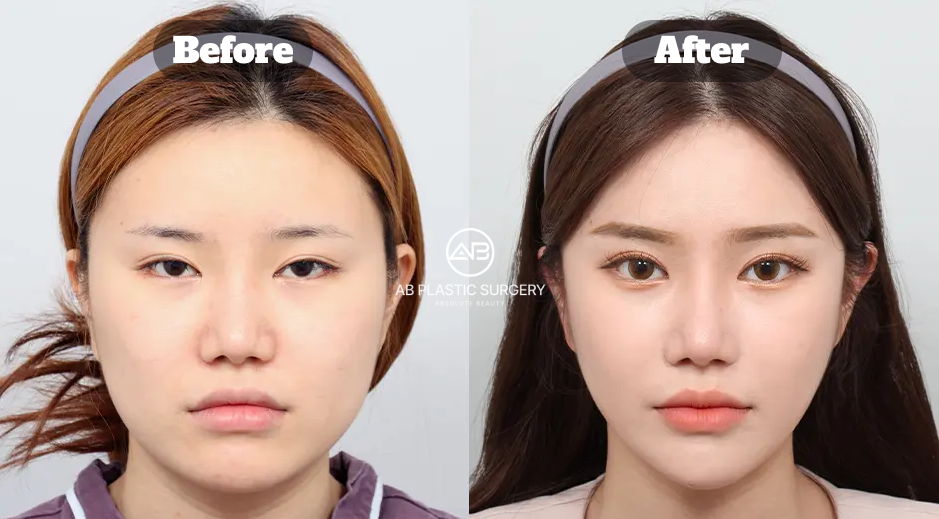
Why Is Fat Grafting Used for Volume Restoration?
Facial volume plays a critical role in maintaining a balanced and youthful appearance. Over time, natural aging processes, lifestyle factors, and structural changes can lead to a gradual loss of soft tissue volume. This volume loss often results in hollow areas, flattened contours, and a more fatigued or aged impression.
Fat grafting is used to address these changes by restoring volume in a way that aligns with the body’s natural tissue structure. Rather than simply filling space, the goal is to recreate smooth transitions between facial areas and re-establish three-dimensional balance.
Why Facial Volume Loss Occurs
Volume loss is not caused by a single factor, but by a combination of structural and biological changes over time. As aging progresses, fat compartments in the face shrink or shift, skin elasticity decreases, and underlying support structures weaken.
These changes can lead to:
-
Hollowed under-eye areas that create a tired appearance
-
Flattened cheeks that reduce facial definition
-
More prominent nasolabial folds due to loss of support
-
Overall imbalance in facial proportions
Because these effects develop gradually, restoring volume in a controlled and anatomically appropriate way becomes an important part of facial rejuvenation planning.
Advantages of Using Autologous Fat for Volume Restoration
One of the main reasons fat grafting is widely used is its use of autologous tissue. Since the transferred material comes from the patient’s own body, it integrates naturally with surrounding tissue and reduces the likelihood of compatibility-related concerns.
In addition to volume restoration, fat grafting can contribute to improved skin quality and softness in treated areas. This is particularly relevant when advanced techniques, such as stem cell–assisted approaches, are applied to enhance tissue regeneration and overall outcome stability.
Beyond Filling: Structural and Aesthetic Balance
Fat grafting is not solely intended to increase volume. A key objective is to improve structural harmony by redistributing volume in a way that complements the patient’s natural facial proportions.
Rather than focusing on isolated areas, the procedure is often planned with a comprehensive perspective—considering how different regions of the face interact. This approach supports results that appear more balanced and consistent over time, rather than overly augmented or artificial.
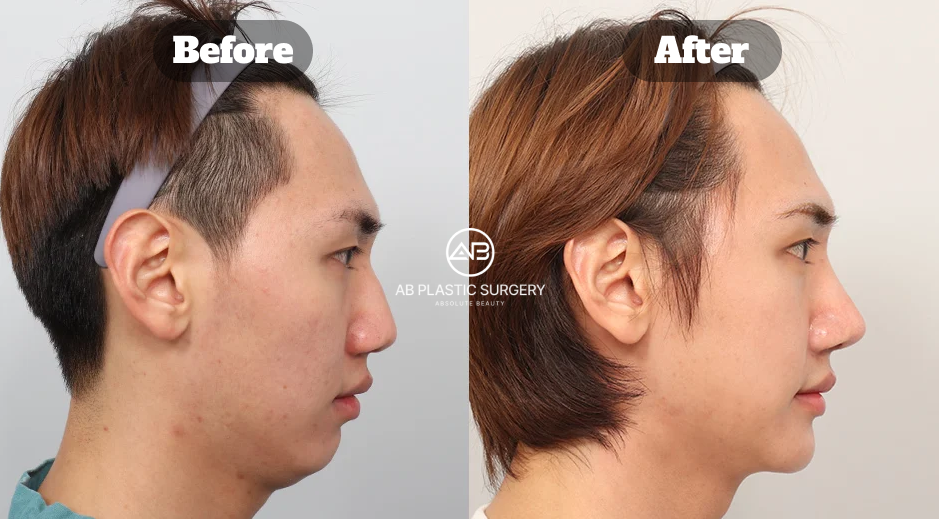
Which Areas Can Be Treated with Fat Grafting?
Fat grafting can be applied to multiple areas of the face where volume loss, asymmetry, or contour irregularities are present. Because the procedure uses the patient’s own tissue, it is commonly selected for areas that require subtle, natural-looking volume restoration rather than structural augmentation with implants.
The selection of treatment areas is typically based on individual facial anatomy, aging patterns, and overall balance. Instead of focusing on a single region, fat grafting is often planned across multiple areas to achieve a more harmonious and three-dimensional result.
Explore Facial Implant Options in Korea
Common Facial Areas for Fat Grafting
The most frequently treated areas include regions where volume depletion directly affects facial expression and perceived age.
-
Forehead: Improves flat or uneven contours, creating a smoother and more balanced upper facial line
-
Upper Eyelids: Addresses sunken eyelids that may give a tired or aged appearance
-
Under Eyes: Softens hollow or dark areas, helping reduce a fatigued look
-
Cheekbones (Midface): Restores volume to a flattened midface, improving facial projection
-
Cheeks: Enhances fullness and supports overall facial contour
-
Nasolabial Folds: Reduces the depth of smile lines caused by volume loss and skin laxity
-
Chin: Improves contour balance in cases of asymmetry or insufficient projection
Multi-Area Approach for Balanced Results
Rather than treating a single area in isolation, fat grafting is often performed across multiple regions of the face. This approach reflects the understanding that facial aging and volume loss occur in a distributed pattern rather than a localized one.
By restoring volume in several key areas simultaneously, it is possible to create smoother transitions between facial regions and achieve a more cohesive overall appearance. This multi-area strategy is particularly relevant for patients seeking natural-looking results without overcorrection in any single area.
Individualized Treatment Planning
The specific areas selected for fat grafting depend on each patient’s anatomical structure and aesthetic goals. During consultation, factors such as facial proportions, degree of volume loss, and skin condition are assessed to determine where volume enhancement will be most effective.
This individualized approach allows the procedure to be tailored to each patient, supporting outcomes that are balanced, proportionate, and consistent with the natural characteristics of the face.
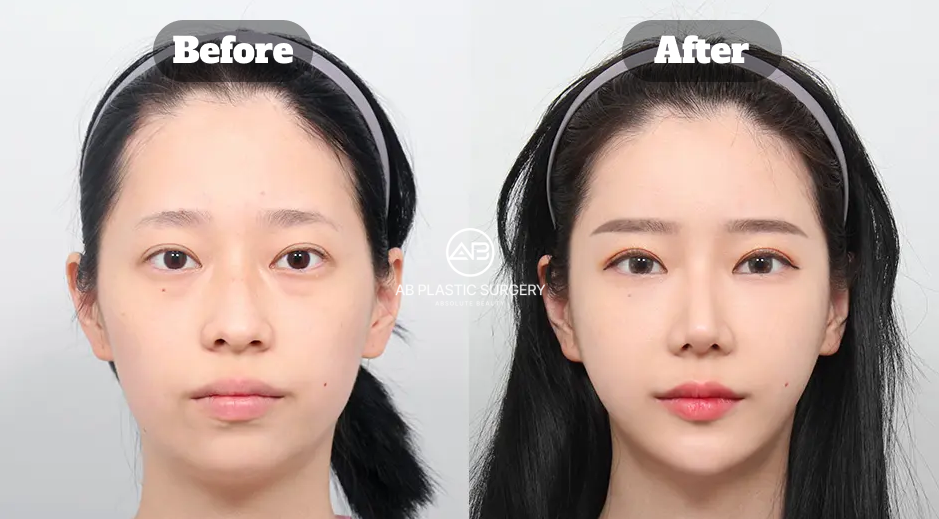
Conventional Fat Grafting vs Stem Cell–Assisted Fat Grafting
While conventional fat grafting has been widely used for volume restoration, advancements in regenerative medicine have led to the development of stem cell–assisted fat grafting. The key difference between these approaches lies in how effectively the transplanted fat survives and integrates with the surrounding tissue.
Understanding this distinction is important, as it directly influences the longevity of results, the need for repeat procedures, and the overall quality of tissue after grafting.
Key Differences in Graft Survival and Longevity
In conventional fat grafting, only a portion of the transferred fat successfully survives after transplantation. On average, the graft survival rate is estimated to be around 30–40%, which means that some volume loss can occur over time.
In contrast, stem cell–assisted fat grafting incorporates adipose-derived stem cells along with purified fat. These stem cells support tissue regeneration and improve the environment for fat cell survival, resulting in significantly higher graft survival rates—often reaching approximately 80–90%.
This difference plays a critical role in how long the results are maintained and how stable the volume appears over time.
Differences in Effects Beyond Volume
Another important distinction lies in the range of effects each method provides. Conventional fat grafting primarily focuses on restoring volume, whereas stem cell–assisted fat grafting extends beyond volume enhancement.
By incorporating stem cells, the procedure is associated with improvements in:
-
Improved skin elasticity
-
Enhanced collagen production
-
Support for tissue regeneration
This means that the outcome is not limited to filling hollow areas, but may also involve qualitative improvements in the treated tissue.
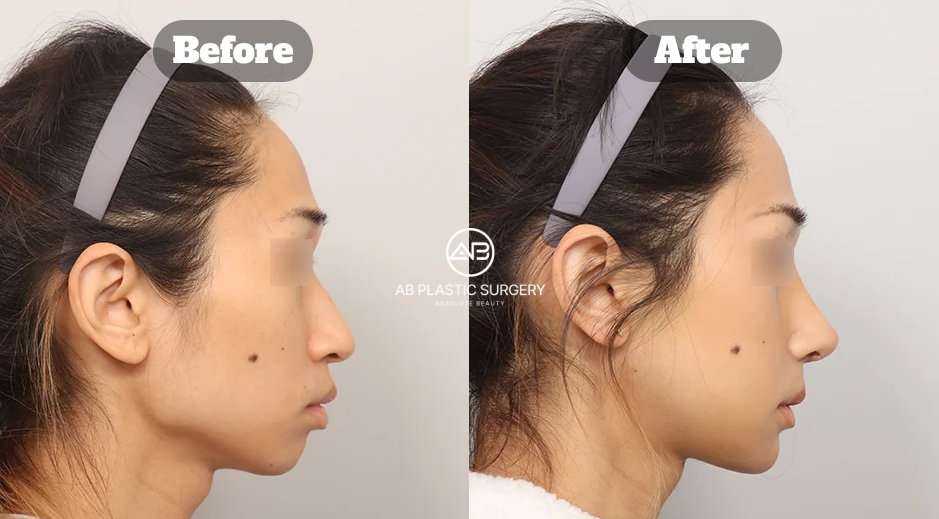
Differences in Result Duration
The duration of results also differs between the two approaches. Conventional fat grafting results may gradually decrease over time, typically lasting around 1–2 years depending on individual factors.
On the other hand, stem cell–assisted fat grafting is designed to achieve longer-lasting or semi-permanent results by improving the stability of grafted fat and supporting continuous tissue regeneration.
Why This Difference Matters in Treatment Planning
When planning fat grafting, it is important to consider not only the immediate outcome but also how the results will change over time. Higher graft survival rates can reduce the need for repeat procedures and contribute to more predictable long-term outcomes.
For patients seeking both volume restoration and improvement in skin quality, stem cell–assisted fat grafting may offer a more comprehensive approach compared to conventional methods.
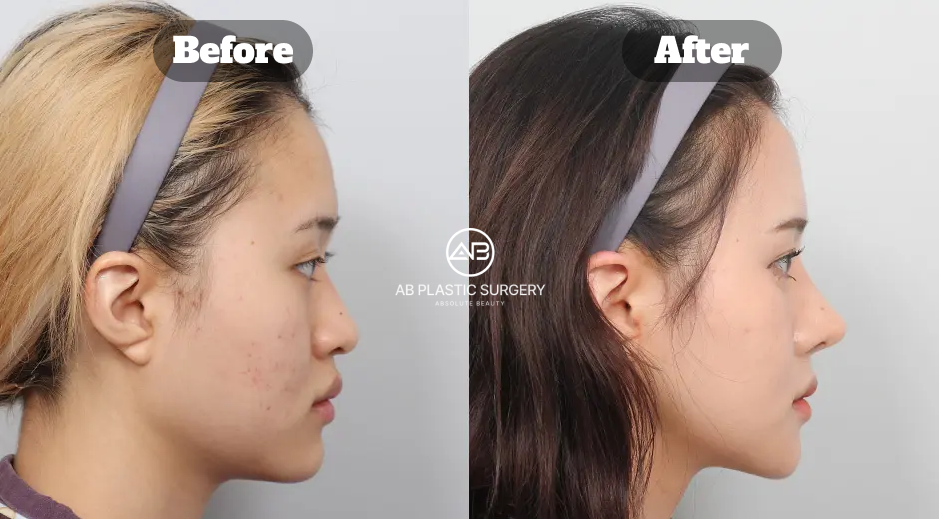
What Is the Procedure Process for Fat Grafting?
Fat grafting is a multi-step procedure that requires careful handling at each stage to maximize graft survival and ensure stable results. Rather than a single-step injection, the process involves harvesting, purification, and precise reinjection of fat, with additional steps included in advanced techniques such as stem cell–assisted fat grafting.
The accuracy and quality control applied throughout these stages play a critical role in determining how well the transplanted fat integrates with the surrounding tissue.
Step-by-Step Fat Grafting Process
The procedure is typically performed in a structured sequence designed to optimize both safety and effectiveness.
-
Step 1. Consultation and Design: The treatment areas are analyzed, and a customized plan is created based on facial structure and volume requirements
-
Step 2. Fat Harvesting: Excess fat is collected from donor areas such as the abdomen or thighs
-
Step 3. Fat Processing: The harvested fat is purified using centrifugation and cleaning processes to remove impurities
-
Step 4. Stem Cell Isolation (if applicable): Stem cells are extracted and concentrated from the adipose tissue
-
Step 5. Filtration: Unnecessary particles are removed to obtain a uniform and refined fat solution
-
Step 6. Mixing: Purified fat is combined with concentrated stem cells when using advanced techniques
-
Step 7. Injection: The prepared fat is carefully injected into the target areas in small, controlled amounts
This systematic approach helps improve graft survival and ensures that the injected fat is evenly distributed for a natural result.
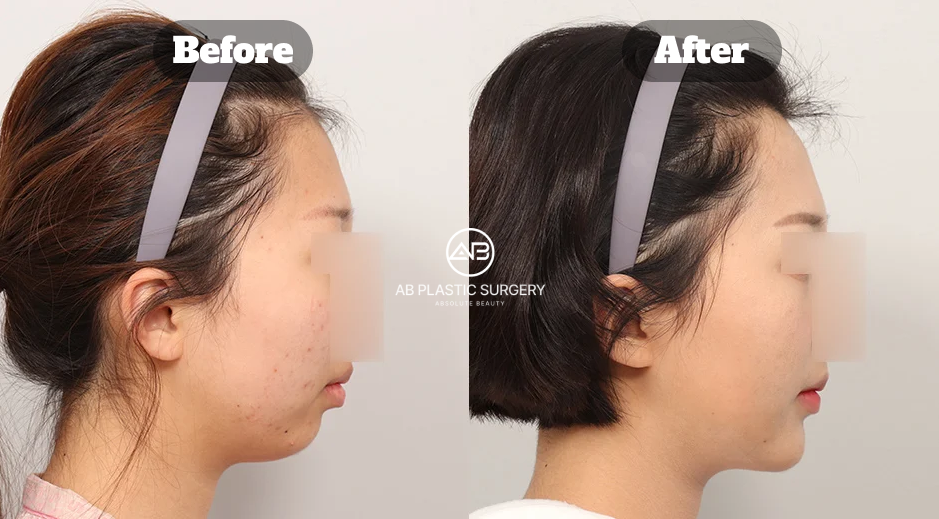
Why Fat Processing and Purification Matter
One of the most critical stages in fat grafting is the purification process. During this stage, unnecessary components such as damaged cells, oil, and impurities are removed to ensure that only viable fat cells are used for transplantation.
In stem cell–assisted fat grafting, additional processing is required to extract adipose-derived stem cells. This involves enzymatic separation, followed by thorough washing to remove residual substances that could affect safety or tissue response.
Proper purification is essential not only for improving graft survival but also for reducing the risk of complications and ensuring a stable integration of the transplanted tissue.
Precision Injection for Natural Results
The final injection stage is performed with a focus on precision and layering. Instead of injecting a large volume in a single area, fat is distributed in small amounts across multiple layers of tissue.
This technique allows the grafted fat to establish a blood supply more effectively, which is a key factor in long-term survival. It also helps create smoother contours and reduces the likelihood of irregularities or uneven volume distribution.
Overall, the success of fat grafting depends not only on the quantity of fat transferred, but on how carefully each step of the process is performed.
For international patients planning procedures during specific periods such as summer vacation, some clinics may offer limited-time support programs to assist with travel, recovery, and overall treatment planning.
How Much Does Fat Grafting Cost in Korea?
The cost of fat grafting in Korea can vary depending on the treatment area, technique used, and whether advanced methods such as stem cell–assisted fat grafting are included.
Below is a general price range based on typical procedures:
Fat Grafting Price Overview (USD)
-
Full Face Fat Grafting (1st Session): from $1,700
-
Full Face Fat Grafting + PRP: from $2,040
-
Eyelid Fat Grafting: from $1,120
-
Fat-Derived Stem Cell Procedure: from $5,240
What Affects the Cost?
-
Number of treated areas (full face vs localized areas)
-
Fat harvesting volume and donor site condition
-
Use of stem cell–assisted techniques
-
Procedure complexity and customization level
Important: The exact cost can vary depending on your facial structure, volume requirements, and treatment plan.
For this reason, personalized consultation is essential to determine the most accurate cost and surgical plan.
Check detailed pricing and plan your personalized surgery schedule based on your individual condition.
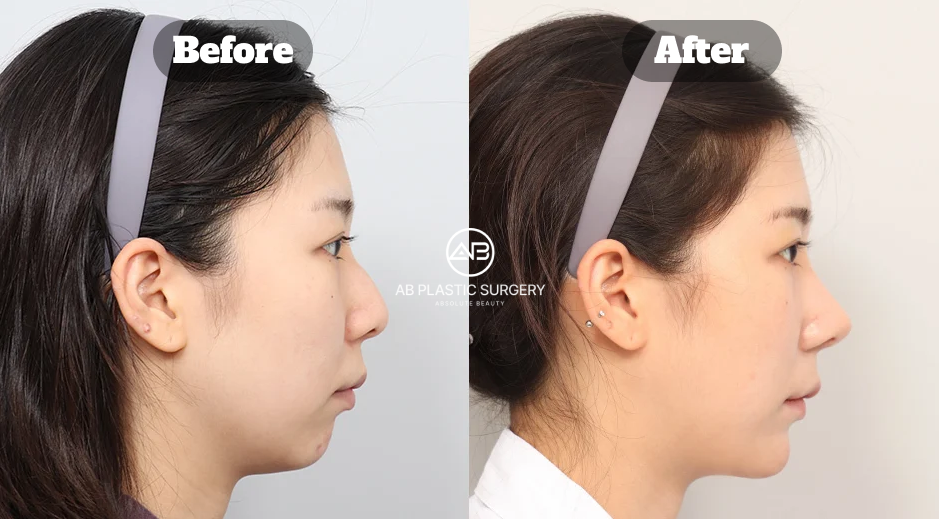
Who Is a Good Candidate for Fat Grafting?
Fat grafting is not a one-size-fits-all procedure. Its suitability depends on factors such as the degree of volume loss, skin condition, and the patient’s overall treatment goals. Because the procedure uses autologous fat, it is often considered by individuals seeking natural-looking results without the use of synthetic materials.
Understanding whether fat grafting is appropriate requires a comprehensive assessment rather than focusing on a single concern. In many cases, it is selected as part of a broader facial balance or anti-aging strategy.
Common Candidates for Fat Grafting
Fat grafting is generally recommended for individuals experiencing volume-related concerns or structural imbalance in the face.
-
Have hollow or sunken areas due to aging or weight loss
-
Notice a loss of facial volume that creates a tired or aged appearance
-
Want natural volume restoration using their own tissue
-
Prefer longer-lasting results compared to temporary fillers
-
Seek improvement in both volume and overall skin quality
These characteristics reflect patients who benefit from restoring volume in a way that integrates with their natural facial structure.
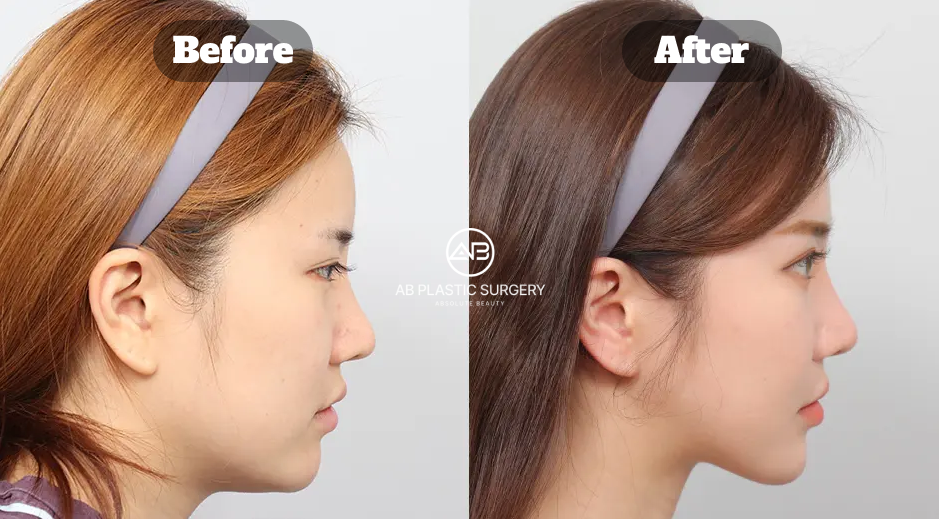
When Fat Grafting May Be Considered
Fat grafting is often considered in situations where volume loss affects overall facial harmony rather than a single isolated area. For example, patients with midface flattening, under-eye hollowness, or reduced cheek volume may benefit from a multi-area approach.
It may also be selected when patients prefer a softer, more natural transition between facial regions instead of a sharply defined or augmented look.
Importance of Individual Assessment
Despite its broad applicability, fat grafting is not always the optimal solution for every patient. Factors such as skin elasticity, available donor fat, and desired outcome must be carefully evaluated during consultation.
In some cases, combining fat grafting with other procedures or selecting an alternative approach may provide more balanced results. For this reason, individualized treatment planning based on anatomical analysis and long-term goals is essential.

Frequently Asked Questions About Fat Grafting
How long do fat grafting results last?
The longevity of fat grafting results depends on how much of the transferred fat successfully survives. In conventional fat grafting, results may gradually change over time, often lasting around 1–2 years. However, in cases where graft survival is improved, such as stem cell–assisted fat grafting, results may be maintained for a longer period or become semi-permanent.
Is fat grafting permanent?
Fat grafting is not entirely permanent, as a portion of the injected fat may be reabsorbed by the body. However, the fat that successfully establishes a blood supply can remain long-term. The final outcome depends on factors such as technique, processing quality, and individual healing response.
How many sessions of fat grafting are needed?
In some cases, more than one session may be recommended to achieve the desired volume and balance. This is because not all transferred fat survives after the first procedure. Additional sessions, if needed, are typically planned after evaluating the stabilized results of the initial graft.
Is fat grafting safe?
Fat grafting is generally considered a biocompatible procedure because it uses the patient’s own tissue. However, safety depends on proper technique, sterile processing, and careful injection. Choosing a medical institution with structured safety protocols and experience in fat grafting is important for minimizing risks.
What is the difference between fat grafting and fillers?
The main difference lies in the material used and the duration of results. Fillers use synthetic or manufactured substances and typically provide temporary results. Fat grafting uses the patient’s own fat, which can integrate with the tissue and potentially provide longer-lasting volume restoration when graft survival is achieved.
How much does fat grafting cost in Korea?
The cost of fat grafting in Korea generally starts from around $1,700 for full face fat grafting, but can increase depending on the technique and treatment scope.
Procedures that include advanced methods such as stem cell–assisted fat grafting may have higher costs due to additional processing and regenerative components.
Because each patient requires a customized treatment plan, the final cost is determined through consultation based on individual anatomy, goals, and procedure complexity.
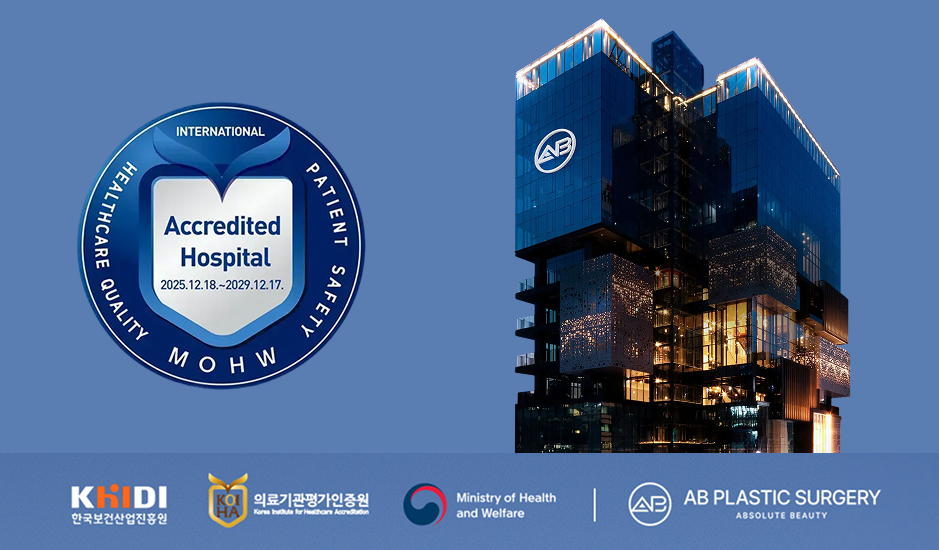
Why Consider AB Plastic Surgery Korea for Stem Cell–Assisted Fat Grafting?
As fat grafting techniques continue to evolve, the outcome of the procedure increasingly depends on how precisely each stage is performed—from fat harvesting and processing to cell purification and injection. In particular, stem cell–assisted fat grafting requires advanced systems and controlled environments to ensure both safety and consistency.
At AB Plastic Surgery Korea, the procedure is approached with a focus on regenerative medicine, standardized processing systems, and structured patient care. This reflects a broader emphasis on achieving stable results through both technical precision and biological support.
Advanced Stem Cell Processing System
Stem cell–assisted fat grafting at AB Plastic Surgery Korea incorporates a dedicated system for extracting and purifying adipose-derived stem cells. By using specialized equipment designed to maintain high cell viability, the procedure aims to improve graft survival and support long-term volume retention.
This approach focuses not only on the quantity of transferred fat, but also on the quality and condition of the cells used during transplantation.
Structured One-Day System for Efficiency and Safety
The procedure is supported by a one-stop system that allows consultation, testing, fat harvesting, cell processing, and injection to be performed within a structured workflow. This reduces unnecessary delays between stages and helps maintain consistency throughout the procedure.
In addition, in-house screening systems and pre-procedure evaluations contribute to patient safety by ensuring that each step is performed under controlled conditions.
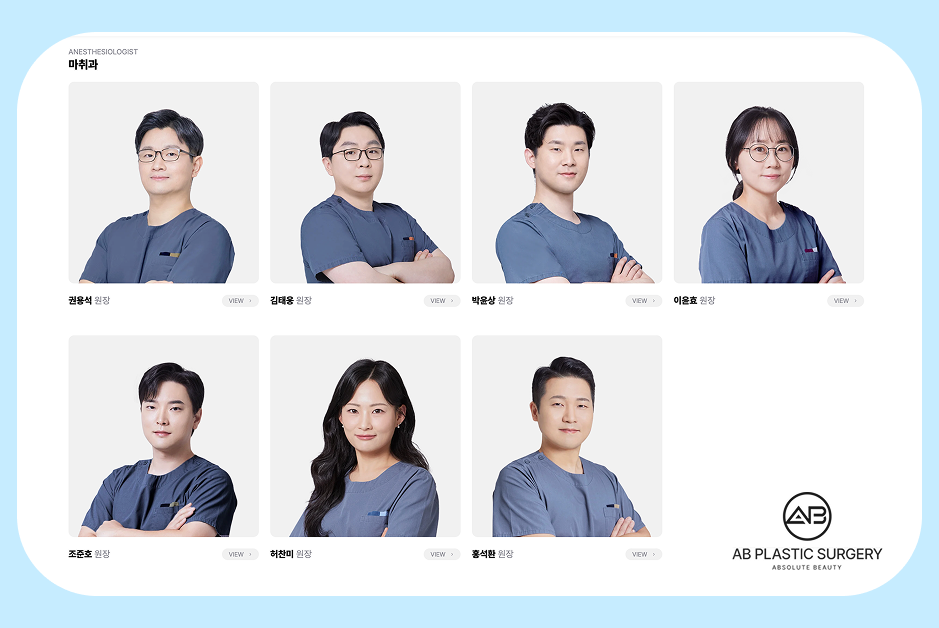
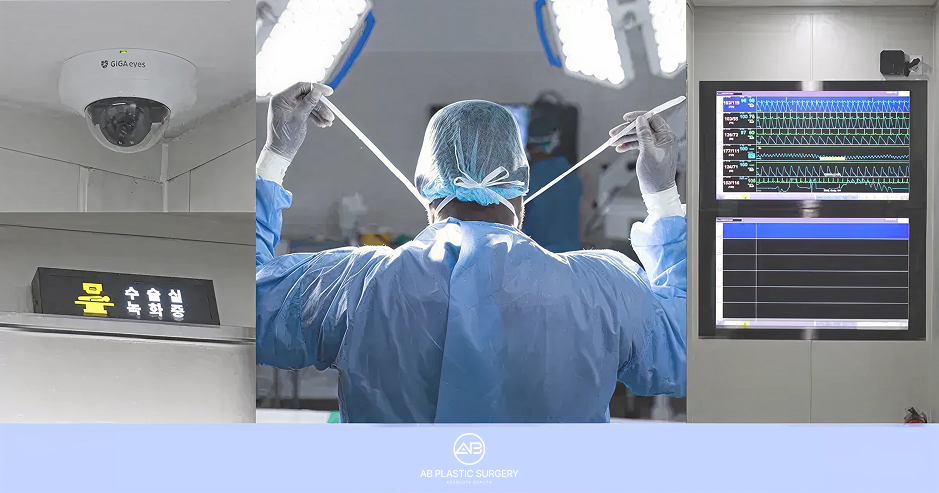
For procedures involving plastic surgery anesthesia or sleep anesthesia, AB Plastic Surgery Korea places strong emphasis on structured anesthesia management and patient monitoring. A dedicated, board-certified anesthesiologist is on-site throughout the entire surgical process, ensuring that each patient’s condition is carefully monitored before, during, and after surgery.
Since opening, AB Plastic Surgery Korea has maintained a record of zero anesthesia-related accidents, supported by its advanced anesthesia safety system and immediate emergency response protocols. This level of safety management is particularly important for patients considering plastic surgery anesthesia abroad, helping international patients feel more confident and secure when choosing surgery in Korea.
Focus on Clean Processing and Safety Protocols
Fat and stem cell processing are carried out through multiple stages of purification and filtration to remove impurities and unnecessary components. This process is essential for maintaining a clean grafting environment and supporting stable tissue integration.
Strict sterilization protocols and controlled laboratory conditions further contribute to minimizing potential risks associated with contamination or inconsistent processing.
Integrated Approach to Volume Restoration and Tissue Quality
Rather than focusing solely on volume augmentation, stem cell–assisted fat grafting at AB Plastic Surgery Korea is planned with consideration for both structural balance and tissue condition. This includes evaluating how volume restoration interacts with skin quality and long-term aging patterns.
By combining volume restoration with regenerative support, the procedure is positioned as part of a broader strategy for maintaining facial balance over time.
Overall, selecting a medical institution for fat grafting involves evaluating not only the technique itself, but also the systems, processing standards, and clinical approach that support the procedure. These factors play a key role in determining the stability and quality of long-term results.
Because treatment plans and outcomes can vary based on individual factors, a detailed consultation is essential to determine the most appropriate approach and expected cost.
Explore real cost ranges and treatment planning options in Korea before making your final decision.
→ Request a personalized consultation and cost estimate
View Real Before and After Results

This article is for informational purposes only and does not replace a personal medical consultation.