Title
Korean Nose Surgery Techniques: Essential Facts and InformationDate
2024-06-13Views
12133
AB Blog
The Latest Techniques in Korean Nose Surgery Explained
Table of Contents
1. Korean Open Rhinoplasty (Nose Surgery)
2. Korean Closed Rhinoplasty (Nose Surgery)
3. Korean Nose Surgery Using Implants and Grafts
4. Korean Advanced Techniques for Nose Surgery
5. Korean Nose Surgery Cost in Korea
6. Frequently Asked Questions About Korean Nose Surgery
Korean nose surgery, or rhinoplasty, has gained international acclaim for its advanced techniques, expert surgeons, and natural-looking results. If you're considering rhinoplasty, understanding the various techniques used in Korea can help you make an informed decision. This post highlights the most common and innovative rhinoplasty techniques practiced in Korea.
More about Korean rhinoplasty in our previous posts:
-
Top 10 Things to Know About Deviated Nose (Functional Rhinoplasty) in Korea
-
The Do's and Don'ts After Rhinoplasty: A Comprehensive Guide
Korean Open Rhinoplasty (Korean Nose Surgery)
Open rhinoplasty involves making an incision on the columella, the tissue between the nostrils, allowing the surgeon direct access to the nasal structures. This technique is preferred for more complex procedures that require significant reshaping of the nose.

Advantages of Korean Open Rhinoplasty (Korean Nose Surgery)
-
Enhanced Visibility: Provides the surgeon with a clear view of the nasal anatomy, which is crucial for intricate adjustments.
-
Precision: Ideal for detailed work on the nasal tip and other structures.
-
Versatility: Suitable for correcting a wide range of issues, including asymmetry, nasal tip refinement, and major structural changes.
Considerations
-
Scarring: Leaves a small scar on the columella, although it typically fades over time.
-
Recovery: May involve a longer recovery period compared to closed rhinoplasty due to the more invasive nature of the procedure.
Korean Closed Rhinoplasty (Korean Nose Surgery)
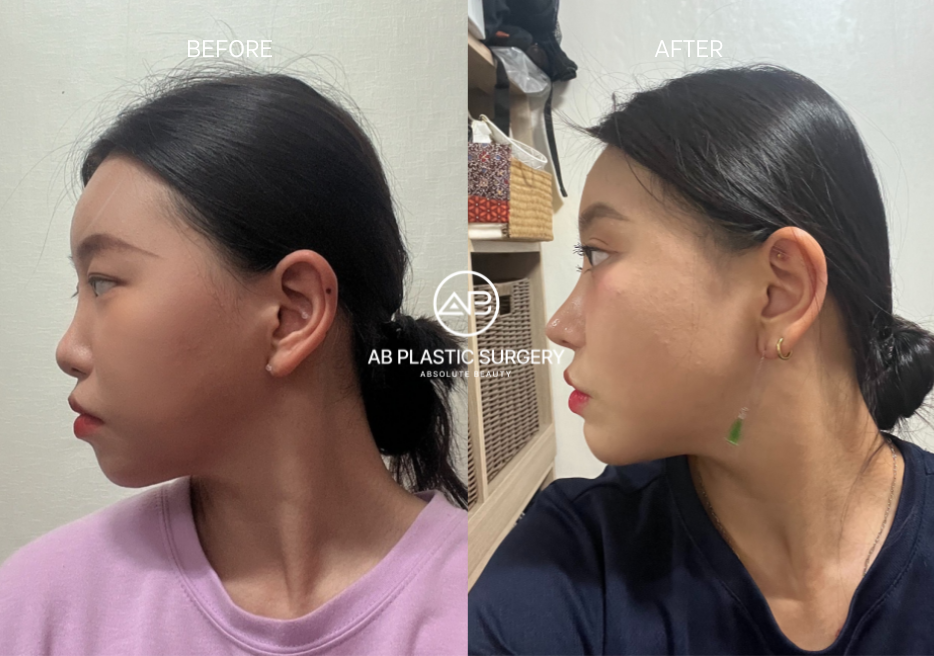
Closed rhinoplasty, also known as endonasal rhinoplasty, involves making incisions inside the nostrils, leaving no visible external scars. This technique is commonly used for less extensive nasal modifications.
Advantages of Korean Closed Rhinoplasty (Korean Nose Surgery)
-
No Visible Scars: All incisions are hidden inside the nostrils.
-
Quicker Recovery: Generally, patients experience a faster recovery time compared to open rhinoplasty.
-
Less Swelling: Reduced postoperative swelling and bruising.
Considerations
-
Limited Access: Provides less visibility and access to the nasal structures, which can limit the surgeon’s ability to perform certain adjustments.
-
Complexity: Not suitable for complex cases that require significant reshaping.
Korean Nose Surgery Using Implants and Grafts
Silicone Implants
Silicone implants are widely used for nasal bridge augmentation. They are favored for their safety, durability, and ability to maintain shape over time.
Gore-Tex Implants
Gore-Tex implants are known for their biocompatibility and natural integration with nasal tissues, reducing the risk of infection and providing a natural look and feel.
Autologous Cartilage
Autologous cartilage, harvested from the patient’s own body (such as the ear, rib, or septum), is used for grafting. This technique minimizes the risk of rejection and infection, offering a more natural appearance and texture. It is especially beneficial for nasal tip refinement and structural support.
Read out full guide about the Korean rhinoplasty: Achieve Your Dream Nose with Korean Rhinoplasty: A Comprehensive Guide
Korean Advanced Techniques for Nose Surgery
3D Imaging and Simulation
Many Korean clinics employ advanced 3D imaging and simulation technologies for pre-surgical planning. These tools allow surgeons to create precise surgical plans and help patients visualize the potential outcomes, leading to higher satisfaction rates.
Stem Cell Rhinoplasty
Stem cell rhinoplasty is an emerging technique that uses stem cells to promote healing and regeneration. This method can enhance the overall results and recovery process, although it is still in the experimental stages in many places. .
Korean Nose Surgery Cost in Korea
The cost of Korean nose surgery can vary depending on the surgical method, implant materials, revision complexity, and the patient’s nasal anatomy. In Korea, rhinoplasty is typically customized according to facial balance and structural requirements rather than standardized into a single procedure type.
Average Rhinoplasty Cost in Korea (USD)
-
Primary Rhinoplasty (Bridge + Tip): Starting from $3,400
-
Revision Rhinoplasty: Starting from $4,080
-
Upturned Nose Correction: Starting from $4,760
-
Alar Reduction: Starting from $1,360
-
Rib Cartilage Grafting: Starting from $2,240
-
Autologous Dermis Grafting: Starting from $2,240
-
Alloderm: Starting from $600
-
Additional Customized Surgical Planning: Starting from $560
At AB Plastic Surgery Korea, rhinoplasty pricing is determined after a detailed consultation and structural assessment. Factors such as nasal asymmetry, skin thickness, previous surgery history, implant selection, and functional correction requirements may influence the final surgical plan and cost.
* The final cost may vary depending on the individual surgical complexity, graft materials, revision requirements, and overall treatment plan. A personalized consultation is recommended for an accurate quotation and customized surgery schedule.
→ Check Rhinoplasty Costs & Customized Surgery Planning in Korea
Frequently Asked Questions About Korean Nose Surgery
How much does Korean nose surgery cost?
Korean nose surgery cost usually starts from around $3,400 USD for primary rhinoplasty involving the nose bridge and nose tip. The final price may vary depending on the patient’s nasal structure, implant or graft material, surgical complexity, and whether additional correction is required.
Why does revision rhinoplasty cost more than primary rhinoplasty?
Revision rhinoplasty often requires correction of scar tissue, previous implant issues, structural deformities, or weakened cartilage support. Because the surgery is more complex and may require additional grafting or reconstruction, revision rhinoplasty in Korea typically starts from around $4,080 USD.
What factors affect the cost of rhinoplasty in Korea?
The cost of rhinoplasty in Korea can be affected by the surgical method, nasal bridge and tip correction range, implant choice, use of rib cartilage or dermal grafts, revision history, and functional correction needs. A consultation is necessary to determine the most suitable surgical plan and accurate cost.
Can international patients receive a customized rhinoplasty schedule?
Yes. International patients can receive a customized rhinoplasty consultation and surgery schedule based on their travel dates, recovery period, and treatment plan. Since each case is different, patients are encouraged to check pricing and scheduling details through a personalized consultation before visiting Korea.
Experience the benefits of advanced Korean nose surgery techniques at AB Plastic Surgery. Schedule your free online consultation today and take the first step towards achieving the nose you've always wanted. Contact us now to learn more and begin your journey to a more confident you.

This article is for informational purposes only and does not replace a personal medical consultation.