Title
Functional Rhinoplasty Korea: Deviated Septum & RecoveryDate
2024-04-22Views
4077
AB Blog
Functional Rhinoplasty in Korea: Deviated Septum, Breathing Concerns and Recovery
Table of Contents
1. What Is Functional Rhinoplasty?
2. Septoplasty vs. Functional Rhinoplasty vs. Cosmetic Rhinoplasty
3. Evaluating a Deviated Septum and Breathing Concerns
4. How Is the Surgical Approach Chosen?
5. Recovery, Follow-Up and Possible Risks
6. Frequently Asked Questions About Functional Rhinoplasty in Korea
7. What Affects the Cost of Functional Rhinoplasty in Korea?
8. Choosing a Clinic: Safety Systems, Credentials and Consultation Checklist
Functional rhinoplasty is nose surgery planned around how the nose works—mainly how air moves through it—rather than around appearance alone. The most common reason people look into it is a deviated septum—often searched as a “deviated nose”—a bend in the wall of cartilage and bone that divides the nose, which can narrow one or both nasal passages.
This guide to Korean functional rhinoplasty explains what the surgery addresses, how it differs from septoplasty and cosmetic rhinoplasty, how breathing concerns are evaluated, how the surgical approach is chosen, what recovery involves, and what determines the cost in Korea. One point applies to every section: whether surgery is needed, and how much correction is appropriate, can only be confirmed through an in-person examination by a surgeon.
Quick answer: Functional rhinoplasty corrects internal nasal structures—such as a deviated septum or a narrowed nasal valve—to improve airflow, and it can be combined with cosmetic changes in the same operation. Septoplasty straightens the septum only; cosmetic rhinoplasty changes the outer shape. In Korea, the surgical plan and the final quote are set after an examination rather than from a fixed price list. AB Plastic Surgery Korea is accredited under Korea’s KAHF program for hospitals treating international patients and states that a board-certified anesthesiologist is on-site for every surgery.
Key takeaways
-
Functional rhinoplasty focuses on airflow; cosmetic rhinoplasty focuses on shape. Many patients need some of both.
-
A deviated septum is common, and not every deviation needs surgery—symptoms and examination findings decide.
-
Open and closed approaches both correct internal structures; the choice depends on how complex the correction is.
-
Visible swelling settles within weeks, but breathing results are judged after internal swelling resolves, usually over several months.
-
Ask for a quote that separates examination, functional correction, cosmetic changes, anesthesia and aftercare.
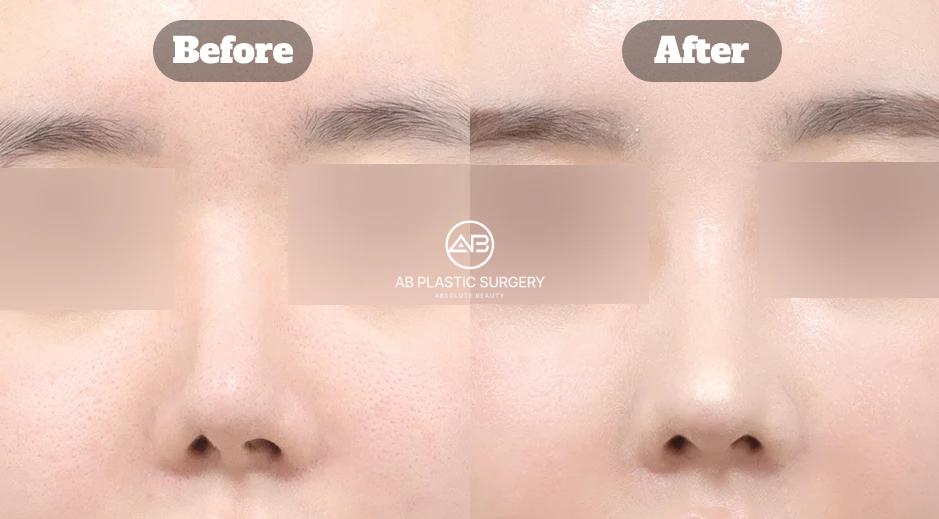
What Is Functional Rhinoplasty?
In short: Functional rhinoplasty is surgery that reshapes or supports the internal framework of the nose so that air can pass through more freely. Its main targets are the septum, the nasal valves and, in some cases, the turbinates.
Where the Blockage Is and How It May Be Corrected
Functional rhinoplasty is not one fixed operation. The plan is built from where the airflow is restricted, and one nose can have more than one problem area.
|
Problem Area |
Typical Sign |
Corrections That May Be Considered |
|---|---|---|
|
Septum (middle and back) |
Steady blockage on one side |
Straightening or removing the bent portion while keeping a supportive frame |
|
Septum (front edge) |
Nostrils look uneven; the tip leans to one side |
Repositioning and securing the front of the septum to the midline |
|
Internal nasal valve |
Blockage worse on deep breaths; middle of the nose looks pinched |
Cartilage grafts or flaps that widen and hold the valve open |
|
Nostril walls (external valve) |
Nostrils draw inward when you sniff |
Cartilage grafts that stiffen and support the nostril rim |
|
Nasal bones |
Visibly crooked bridge, often after an injury |
Controlled bone repositioning combined with septal correction |
|
Turbinates |
Congestion that improves with decongestant spray |
Reduction of the tissue under the lining, sometimes alongside septal work |
What Surgery Cannot Fix on Its Own
Not every stuffy nose is a structural problem. Allergic rhinitis, chronic sinus inflammation and nasal polyps are mainly managed medically. They can exist alongside a deviated septum, which is why a good evaluation separates structural blockage from congestion caused by inflammation. Knowing this before surgery helps set realistic expectations about how much breathing will change.
How AB Plastic Surgery Korea Approaches Functional Corrections
At AB Plastic Surgery Korea, functional rhinoplasty is planned with both breathing and appearance in mind. The surgeons integrate aesthetic considerations into every functional procedure, because changing the internal framework of the nose can also affect the shape of the bridge and tip. In the treatment of a deviated septum, the goal is a correction that supports better airflow while keeping—or improving—the balance of the nose with the rest of the face.
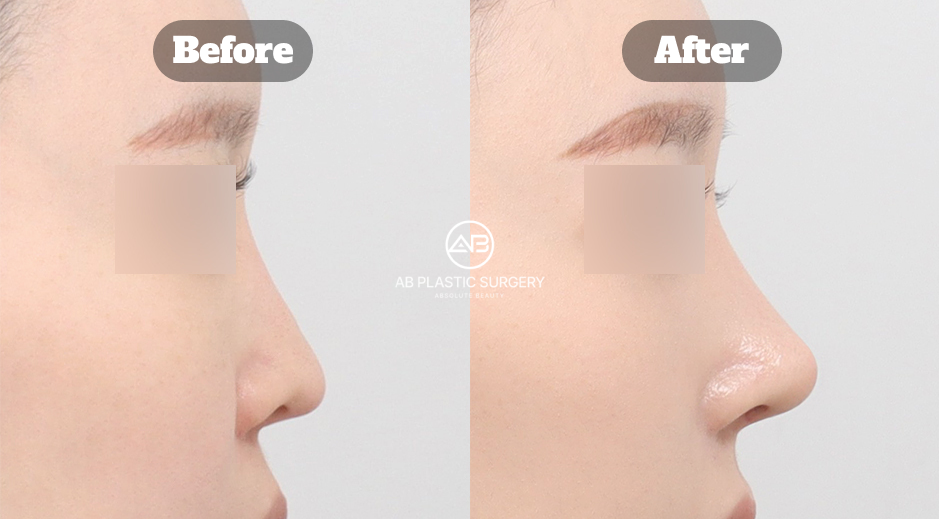
Septoplasty vs. Functional Rhinoplasty vs. Cosmetic Rhinoplasty
In short: Septoplasty straightens the septum. Functional rhinoplasty is broader and can also support the nasal valves and reshape the framework for airflow. Cosmetic rhinoplasty changes how the nose looks. The three terms are often used interchangeably online, but they describe different goals.
|
Aspect |
Septoplasty |
Functional Rhinoplasty |
Cosmetic Rhinoplasty |
|---|---|---|---|
|
Main goal |
Straighten the septum |
Improve airflow through the whole nasal framework |
Change the outer shape |
|
Structures involved |
Septal cartilage and bone |
Septum, nasal valves, sidewall support, sometimes turbinates |
Bridge, tip, nostrils, profile |
|
Visible change |
Usually none |
Minimal to moderate, depending on the plan |
Intended and visible |
|
Typical reason |
Blockage caused mainly by the septum |
Blockage from several structures, or a crooked nose that also breathes poorly |
Aesthetic goals |
Can Functional and Cosmetic Nose Surgery Be Combined?
Yes. When breathing correction and shape change are done in one operation, the procedure is often called septorhinoplasty. Combining them means one anesthesia and one recovery period, and straightened septal cartilage can sometimes be used as graft material for the cosmetic part of the plan. The key is that the functional plan is set first: support needed for breathing should not be removed to achieve a smaller or higher nose.
If shape is your main concern, it helps to understand cosmetic options before your consultation. For nose shapes, bridge enhancement and graft materials, read our complete guide to Korean rhinoplasty.
When Previous Nose Surgery Is Involved
Breathing problems sometimes start after an earlier rhinoplasty, for example when too much cartilage was removed or an implant changed the internal support. Correction in these cases has to address scar tissue and lost structure, which usually makes planning more involved. If this applies to you, see how revision rhinoplasty is planned in Korea.
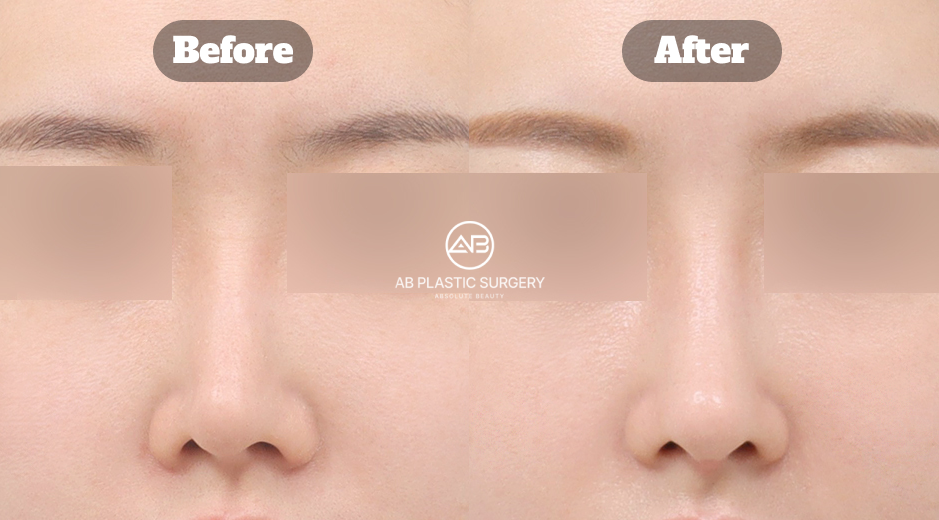
Evaluating a Deviated Septum and Breathing Concerns
In short: A deviated septum is diagnosed by examining the inside of the nose and, where needed, imaging. Surgery is considered when the deviation matches your symptoms and the blockage is structural rather than caused by inflammation alone.
A deviated septum is more than a structural irregularity within the nose; it is a condition that can affect daily life, with symptoms ranging from bothersome to severe. The condition arises when the nasal septum—the cartilage and bone dividing the nasal cavity into two nostrils—deviates from the midline and narrows one or both nasal passages. AB Plastic Surgery Korea specialists approach each case with an understanding of both the functional and aesthetic implications, so the correction is planned for breathing and appearance together.
This section focuses on the septum and the internal framework. If your main concern is a low or flat bridge that may also affect airflow, read how a flat nose shape relates to breathing problems.
Symptom Patterns That Suggest a Structural Cause
Congestion itself is common. What helps a surgeon is the pattern of your symptoms, because structural blockage and inflammation tend to behave differently.
|
Pattern You Notice |
What It May Point To |
|---|---|
|
Always the same side, day and night |
A fixed obstruction such as septal deviation |
|
Blockage that switches sides over the day |
The normal nasal cycle or swelling of the lining, rather than structure alone |
|
Little or no relief from decongestant spray |
A cartilage or bone problem rather than swollen tissue |
|
Breathing improves when you gently pull your cheek outward |
Possible nasal valve narrowing (a simple observation, not a diagnosis) |
|
Symptoms began after a fall, sports injury or previous nose surgery |
Structural change to the septum, bones or support cartilage |
|
Worse in certain seasons with sneezing and itching |
An allergic component that should be managed alongside any surgery |
Snoring and sleep-related breathing problems can have several causes. If obstructive sleep apnea is suspected, a separate sleep evaluation may be needed; nasal surgery alone is not a treatment for sleep apnea.
How the Nose Is Examined
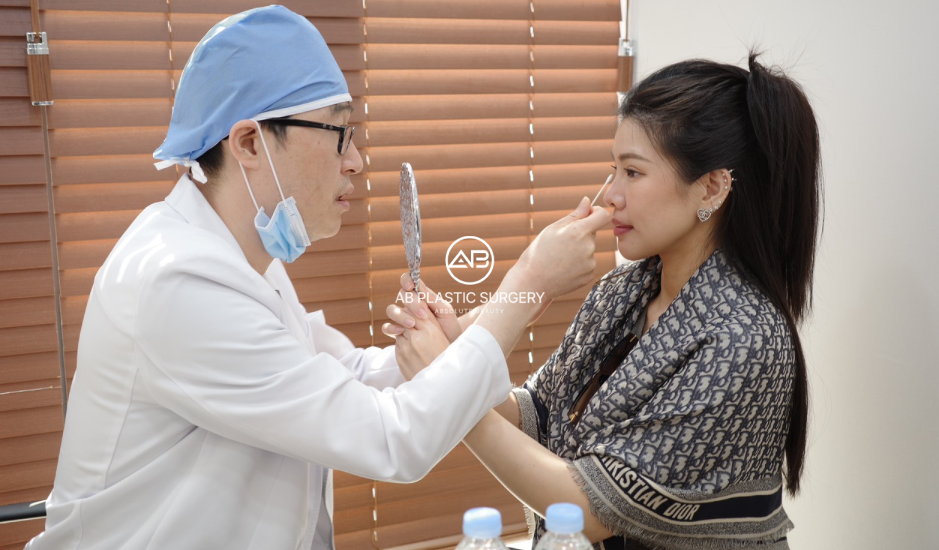
An evaluation typically combines your history (when the blockage started, which side, any injury, previous surgery, allergy treatment), an examination of the outside and inside of the nose, and imaging when the internal structure needs to be measured. At AB Plastic Surgery Korea, pre-surgery assessment includes 3D-CT based analysis of facial and nasal structure and pre-operative tests checked by an in-house clinical pathologist, so the surgical plan is based on both your anatomy and your general health.
Not Every Deviated Septum Needs Surgery
A slight septal deviation is very common and often causes no symptoms at all. Surgery becomes a reasonable option when the deviation is significant, it lines up with the side and pattern of your symptoms, and medical treatment for congestion has not resolved the problem. For more doctor-written explanations of nasal anatomy and procedures, browse the AB Plastic Surgery Korea medical column.
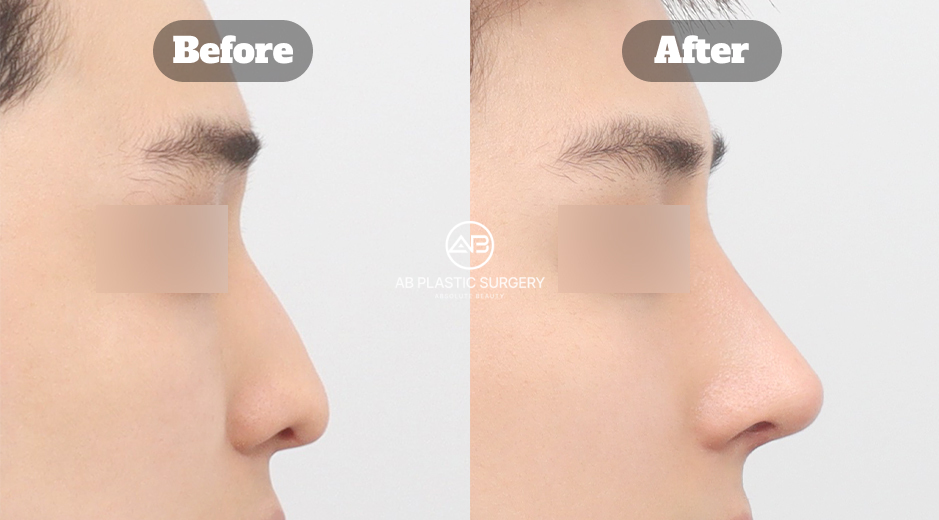
How Is the Surgical Approach Chosen?
In short: Both open and closed functional rhinoplasty aim to correct internal nasal structures to improve airflow. Open rhinoplasty gives more direct access for complex corrections; closed rhinoplasty avoids an external incision and suits more limited corrections. The decision depends on your anatomy and the extent of correction needed.
Both techniques can address functional issues such as a deviated septum, turbinate hypertrophy or internal valve collapse. Understanding the differences helps you follow your surgeon’s reasoning during the consultation.
Open Functional Rhinoplasty
Open functional rhinoplasty involves making a small incision across the columella—the strip of skin separating the nostrils. This approach allows the surgeon to lift the skin and access the nasal structures directly, providing a clear view of the nasal anatomy.
Benefits of Open Functional Rhinoplasty
-
Enhanced visibility: The open approach offers direct visibility of the nasal structures, which is particularly useful in complex cases or when precise modifications are needed to improve nasal function.
-
Comprehensive correction: It is suited to patients requiring significant structural changes, such as major septal deviations or reconstruction of the nasal valves, because it allows precise manipulation and stabilization of nasal components.
-
Accuracy and symmetry: With a direct view of the nasal framework, surgeons can aim for more accurate and symmetrical outcomes, so functional improvements are made without compromising the nasal shape.
What to Consider with Open Functional Rhinoplasty
-
Recovery and healing: Open rhinoplasty may be associated with longer swelling, particularly at the tip, because of the external incision and wider dissection.
-
Scarring: There is a small risk of a visible scar on the columella, although the incision is placed and closed carefully to minimize its appearance.
Closed Functional Rhinoplasty
Closed functional rhinoplasty, or endonasal rhinoplasty, uses incisions confined entirely within the nostrils, so there is no external scar. The surgeon works through a more limited space and view, making precise changes to the nasal structures without full direct visualization.
Benefits of Closed Functional Rhinoplasty
-
No visible scarring: Without external incisions, there is no risk of a visible scar, which is an important advantage for many patients.
-
Potentially quicker recovery: Because the technique is generally less invasive, patients may experience less swelling and discomfort.
-
Reduced surgical time: In suitable cases, closed rhinoplasty can be quicker to perform because it involves less dissection of the nasal tissues.
What to Consider with Closed Functional Rhinoplasty
-
Limited access: Reduced visibility and access to the nasal structures can make complex corrections more challenging.
-
Suitability: This technique is often most appropriate for less severe functional issues or minor adjustments to the nasal passages.
|
Factor |
Open Approach |
Closed Approach |
|---|---|---|
|
Incision |
Small incision on the columella plus inside the nostrils |
Inside the nostrils only |
|
Best suited to |
Major deviations, valve reconstruction, revision cases, combined cosmetic work |
Limited septal or valve corrections |
|
Visibility for the surgeon |
Direct |
Limited |
|
Swelling |
Often longer at the tip |
Often less |
Correction Techniques Used in Functional Rhinoplasty
Correcting a deviated septum involves techniques chosen for precise alignment of the nasal structure. Two planning principles matter as much as the individual techniques listed earlier:
-
Function first, then shape. When a cosmetic change is also planned, the support needed to keep the airway open is secured before the bridge or tip is refined, so a smaller or higher nose does not come at the cost of breathing.
-
The septum is both a problem and a resource. The bent part of the septum is often the best source of graft cartilage. Surgeons leave an L-shaped frame of septal cartilage in place to keep the nose supported, so the amount that can be harvested is limited. When more support is needed—for example in revision cases or after earlier septal surgery—ear or rib cartilage may be used instead.
At AB Plastic Surgery Korea, 3D-CT based diagnosis is used to refine the plan before surgery so that the result is a balanced, functional nasal passage.
The Role of Surgeon Expertise
Surgeons at AB Plastic Surgery Korea perform both open and closed functional rhinoplasty, choosing between them after assessing each patient’s anatomy and functional needs. Whichever method is chosen, the primary goal of improving nasal function is pursued with consideration for the aesthetic outcome, so patients aim to breathe better while maintaining or improving their nasal appearance.
This expertise is also shared with other surgeons. At APS KOREA 2025, the international congress of the Korean Society for Aesthetic Plastic Surgery, Dr. Cho Kyu-sang of AB Plastic Surgery Korea chaired the international rhinoplasty session. Before choosing a surgeon, meet the AB Plastic Surgery Korea surgical team and their specialties.
Recovery, Follow-Up and Possible Risks
In short: Most visible swelling and bruising settle within the first few weeks, but internal swelling takes longer, so breathing results are judged over several months. Follow-up visits before you fly home and a clear way to contact the clinic afterwards are essential parts of the plan.
Typical Recovery Timeline
The timeline below is a general guide. Your own schedule depends on the extent of surgery and will be confirmed by your surgeon.
|
Period |
What to Expect |
|---|---|
|
First week |
Splint and/or internal support in place, swelling and bruising, a blocked feeling inside the nose; first follow-up and splint removal |
|
Weeks 2–4 |
Visible swelling decreases; most people return to desk work and daily routines; no nose-blowing or strenuous exercise until cleared |
|
Months 1–3 |
Internal swelling continues to settle and breathing gradually opens up |
|
Months 6–12 |
Shape refines, especially the tip; breathing and appearance can be assessed more reliably |
Post-Surgery Care at AB Plastic Surgery Korea
Post-operative care focuses on patient comfort, safe healing and clear guidance through each phase of recovery, from initial healing to the point when the results can be evaluated. Before you leave Korea, confirm with your surgeon when internal supports and stitches are removed, which symptoms should prompt you to contact the clinic, how online follow-up works, and which documents you should take home for any local doctor.
Possible Risks and Complications
While functional rhinoplasty is generally safe, it is important to understand potential risks. These can include bleeding, infection, temporary numbness or changes in smell, persistent or recurring blockage, septal perforation, asymmetry, and the possibility of further correction. AB Plastic Surgery Korea prioritizes patient education on these points and explains how to reduce risks through careful post-operative care and adherence to the surgeon’s instructions.
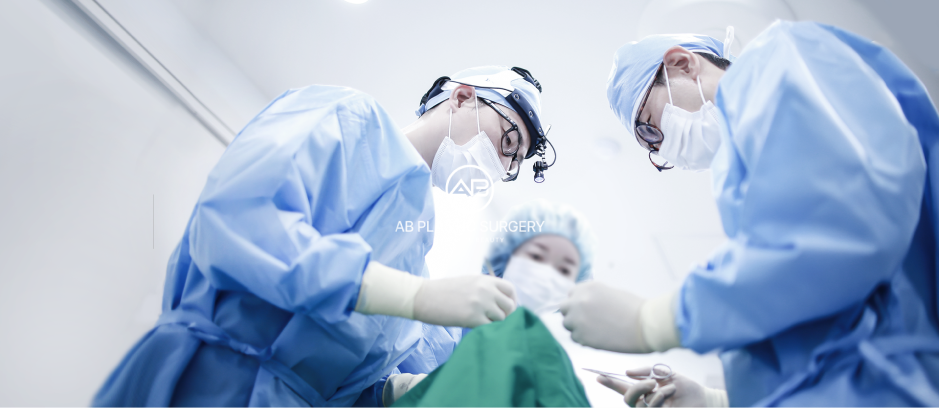
Anesthesia safety is part of the same discussion. AB Plastic Surgery Korea states that a board-certified anesthesiologist is present for every surgery to monitor the patient from induction through recovery, and that the clinic has reported zero medical accidents since it opened in September 2020.
How Results Are Judged
Functional rhinoplasty is assessed on two levels: how well you breathe once internal swelling has settled, and whether the nose looks balanced and natural. Because the septum and soft tissues continue to settle for months, early impressions are not final. If breathing has not improved as expected once healing is complete, further evaluation—and occasionally additional treatment—may be discussed.
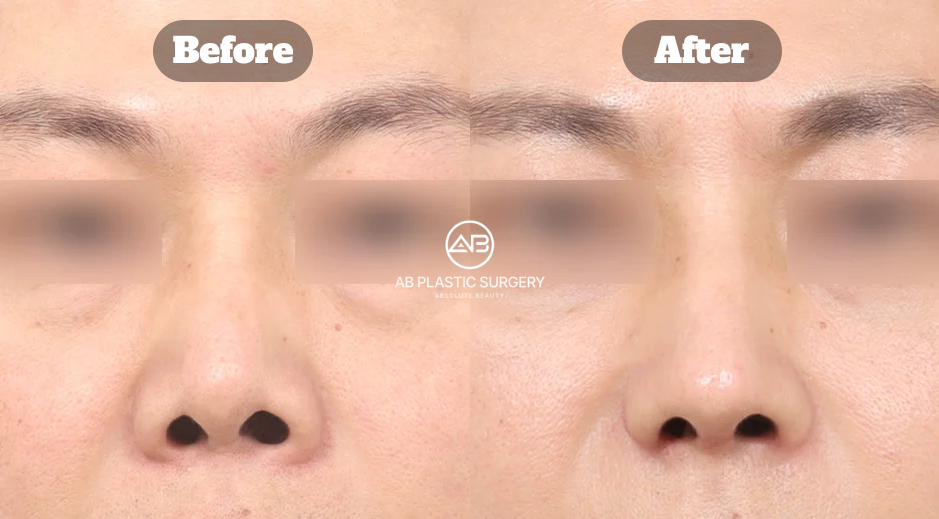
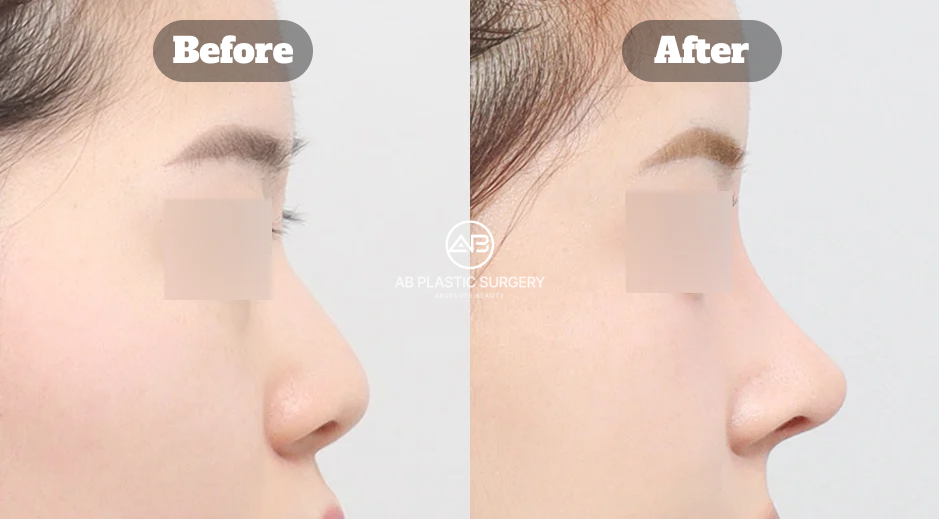
To see how AB Plastic Surgery Korea approaches nasal balance and outcomes, view before and after photos of real AB Plastic Surgery Korea patients.
Frequently Asked Questions About Functional Rhinoplasty in Korea
Is functional rhinoplasty the same as septoplasty?
No. Septoplasty straightens the septum only and usually causes no visible change. Functional rhinoplasty is broader: it can include septal correction plus support for the nasal valves and nostril walls, and it may change the outer shape when the framework is adjusted.
Can a deviated septum be corrected during cosmetic rhinoplasty?
Yes. Septal correction and cosmetic changes are often combined in one operation, sometimes called septorhinoplasty. The functional part should be planned first so that support needed for breathing is preserved while the shape is refined.
Will functional rhinoplasty change how my nose looks?
It depends on the plan. A purely internal septal correction usually leaves the outside unchanged, while straightening a crooked nose or supporting the nasal valves can visibly change the bridge or tip. Tell your surgeon whether you want the appearance kept, refined or changed.
How long should I stay in Korea for functional rhinoplasty?
Plan your stay so that the consultation, surgery, splint removal and first follow-up all take place before you fly. Many patients allow about one to two weeks, but the right length depends on the extent of surgery and should be confirmed with your surgeon before you book flights.
What type of anesthesia is used, and who monitors it?
Functional rhinoplasty is usually performed under general anesthesia or deep sedation, depending on the plan. AB Plastic Surgery Korea states that a board-certified anesthesiologist is on-site for every surgery and that operating rooms are monitored by CCTV.
Is functional rhinoplasty in Korea covered by insurance for international patients?
Korean national health insurance generally does not apply to international visitors, so treatment is usually self-paid. Whether your home insurer reimburses any part depends on your policy. If you plan to claim, ask in advance for itemized receipts and medical documents in English.
Does a deviated septum get worse with age?
The septum does not straighten on its own, and a new injury can make a deviation worse. Even without injury, symptoms can feel stronger over time because the nasal tip and nostril walls lose some support with age and the nasal lining can become more reactive. This is why some people first notice breathing problems in their 40s or 50s.
Can a deviated septum be fixed without surgery?
No treatment other than surgery changes the position of the septum. Medication can reduce swelling of the nasal lining and may ease symptoms enough that surgery is not needed. Fillers can make a crooked-looking nose appear straighter from the outside, but they do not open the airway inside.
What Affects the Cost of Functional Rhinoplasty in Korea?
In short: There is no single fixed price for functional rhinoplasty, because the cost depends on what the examination finds and whether cosmetic changes are added. A clear quote separates each component so you can see what you are paying for.
For patients considering functional rhinoplasty in Korea, the overall cost varies depending on whether the surgery focuses only on structural correction or also includes aesthetic refinement of the nose bridge, nasal tip, nostril shape or revision work. Since deviated septum correction requires a detailed assessment of both breathing function and nasal structure, pricing is determined after consultation.
|
Quote Item |
What to Confirm |
|---|---|
|
Consultation and examination |
Which assessments and imaging are needed, and whether they are included |
|
Extent of functional correction |
Septum only, or also nasal valves, sidewall support or turbinates, based on your diagnosis |
|
Combined cosmetic surgery |
How bridge, tip or nostril changes are priced separately from the functional part |
|
Graft material and previous surgery |
Whether septal, ear or rib cartilage is needed, and whether revision work adds complexity |
|
Anesthesia and surgery-related costs |
What is included and what is billed separately |
|
Aftercare |
Follow-up visits in Korea, medication, and online follow-up after you return home |
How the Plan Changes the Quote: Four Common Scenarios
Functional correction itself is quoted after examination. The scenarios below show why two patients asking about “functional rhinoplasty” can receive very different quotes.
|
Scenario |
What the Plan Usually Involves |
Main Cost Drivers |
|---|---|---|
|
A. Septum-only correction |
Internal straightening with no planned change in shape |
Examination, extent of deviation, anesthesia |
|
B. Septum plus valve support |
Septal correction with grafts that hold the nasal valve or nostril walls open |
Number of areas corrected, graft source, operating time |
|
C. Functional and cosmetic combined |
Breathing correction plus bridge, tip or nostril refinement in one operation |
Cosmetic scope added on top of the functional plan; priced as separate components |
|
D. After previous nose surgery |
Scar release, rebuilding lost support, often with ear or rib cartilage |
Revision complexity and the need for cartilage from outside the nose |
As a reference point, AB Plastic Surgery Korea’s published starting prices are from $3,400 for cosmetic rhinoplasty (bridge and tip) and from $4,080 for revision rhinoplasty; functional correction is quoted separately after examination.
Please treat any figure as a starting point rather than a quote. Your final cost reflects your nasal anatomy, the severity of the septal deviation, breathing-related findings, graft material, any previous surgery and the plan your surgeon recommends after examination. Prices are listed in USD for reference and may be updated.
For a personalized estimate and surgery schedule, request a functional rhinoplasty cost consultation.
Support Included for International Patients
For international patients, AB Plastic Surgery Korea offers support services including language assistance, help with accommodation and guidance through the medical process. Once surgery is booked, benefits may include a medical interpreter, CT imaging, a pre-operative health check, swelling-relief laser care, airport pickup, hotel support of up to five nights and an aftercare kit. These services vary by procedure type and price range, apply only when surgery is confirmed, and do not allow a specific surgeon to be pre-selected.
The clinic is located in Gangnam, Seoul, close to Gangnam Station, which makes it straightforward to reach from hotels and transport links during recovery.
Choosing a Clinic: Safety Systems, Credentials and Consultation Checklist
In short: For international patients, the most useful questions are not only “Is the surgeon skilled?” but “How is the clinic managed if something goes wrong, and who is responsible for my care after I fly home?” Accreditation, safety systems and academic activity help answer those questions.
What AB Plastic Surgery Korea’s Credentials Mean for You
|
Credential |
What It Means for a Patient |
|---|---|
|
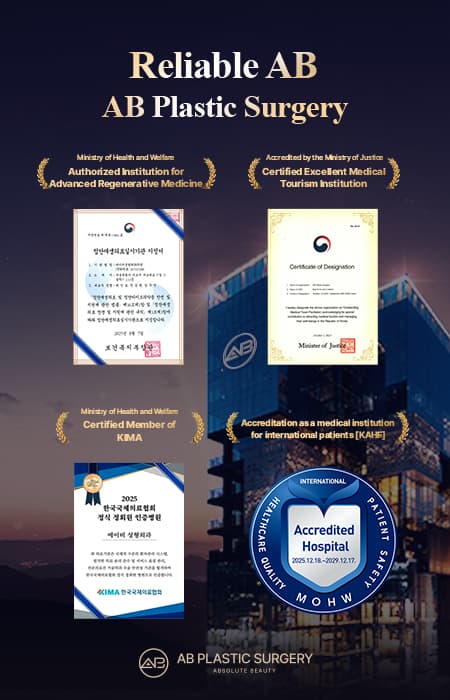
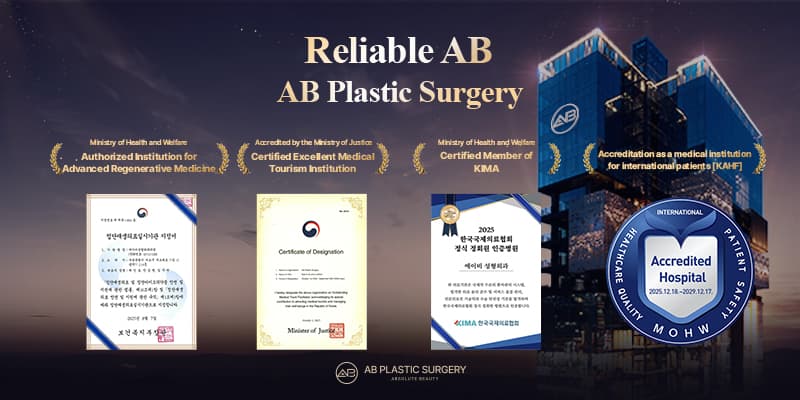
KAHF accreditation (Accreditation as a medical institution for international patients), under the Ministry of Health and Welfare; certificate presented at Medical Korea 2026 |
International patients worry about language gaps, unclear explanations, weak aftercare and who takes responsibility if a problem occurs. KAHF reviews how a clinic handles patient safety, infection prevention, emergency response, staff training and facilities against a national standard—so the clinic is assessed on how it manages problems, not only on how it performs surgery. |
|
KIMA (Korea International Medical Association) full membership |
Membership involves review of the international patient care system, medical ethics, infection control and surgical safety. |
|
Ministry of Justice-designated Excellent Medical Tourism Attraction Institution (2025) |
Designated after review of areas including illegal-stay rates, patient attraction and treatment records, and visa refusal rates; eligible patients can use a simplified medical e-visa process. |
|
Advanced Regenerative Medicine Institution designation, Ministry of Health and Welfare (2025) |
Requires facilities, equipment, trained staff and standard operating procedures that meet government criteria. |
Patient Safety Systems at AB Plastic Surgery Korea
According to the clinic, the following systems are in place for every surgery:
-
Board-certified anesthesiologists on-site: AB states that anesthesiologists make up 47.1% of its medical team, about double the 23.1% average it cites for hospital-level institutions, and that an anesthesiologist monitors each patient throughout surgery and recovery.
-
Zero reported medical accidents: AB states it has recorded no medical accidents since opening in September 2020.
-
Operating room CCTV and a surgery real-name system: the operating surgeon is confirmed in advance, and procedures are recorded.
-
In-house pre-operative testing: a resident clinical pathologist reviews tests, and in-house blood crossmatching is available with results within about two hours.
-
Emergency readiness: university hospital-grade emergency equipment, including a defibrillator, ventilator and backup power supply.
-
24-hour emergency line and a dedicated coordinator: patients can reach the clinic after discharge and after returning home.
Academic Activity: Teaching, Not Just Learning
A useful sign of a surgical team’s standing is whether other surgeons come to learn from them. AB Plastic Surgery Korea surgeons have chaired and presented sessions at APS KOREA 2025 and APS KOREA 2026, including the international rhinoplasty session, lectured at PRS KOREA 2025, and taught visiting international surgeons through IFAAS fellowship programs with lectures and live surgery. The clinic is also an education cooperation hospital of Seoul National University Bundang Hospital and has signed collaboration agreements with Hallym University Dongtan Sacred Heart Hospital and Kwangdong Hospital.
Functional Rhinoplasty Consultation Checklist
This checklist covers what is specific to breathing-related nose surgery. For general advice on choosing a clinic, setting goals and reviewing results, see our step-by-step guide to Korean plastic surgery consultations.
Keep a two-week breathing log before your consultation:
-
Which side is blocked, and whether it is always the same side
-
Whether blockage is worse at night, during exercise or in certain seasons
-
Whether decongestant or steroid nasal sprays help, and how often you use them
-
Snoring, waking with a dry mouth, or partner-reported pauses in breathing
Bring:
-
Records of any nasal injury, previous septal or cosmetic nose surgery, or nose filler
-
Any CT scans or ENT reports from your home country
-
A list of allergy medications and nasal sprays, plus supplements that affect bleeding
-
Photos of your nose from the front, both sides and below, taken in daylight
Nose-specific questions to ask your surgeon:
-
Is my blockage coming from the septum, the nasal valves, the turbinates, or a combination?
-
How much of my improvement depends on surgery, and how much on managing allergy or inflammation?
-
If you use my septal cartilage as a graft, will enough remain for any future revision?
-
If I also want a smaller or higher nose, how will you keep the airway supported?
-
When should breathing be reassessed, and how will that work once I am home?
Before flying home, confirm:
-
Internal supports, splint and stitches have been removed and your first follow-up is done
-
How to rinse and care for the inside of your nose, and when nose-blowing is allowed
-
Which signs—heavy bleeding, fever, sudden worsening of blockage—mean you should contact the clinic
-
That you have an operative summary and receipts in English for any local doctor or insurer
Functional Rhinoplasty in Korea: Final Thoughts
Functional rhinoplasty in Korea combines careful diagnosis, a choice of surgical approach suited to each nose, and planning that considers breathing and appearance together. Patients seeking to address a deviated septum benefit most from thorough pre-operative planning, personalized care and realistic expectations about how and when results appear.
AB Plastic Surgery Korea brings this together with a structure built around patient safety: KAHF accreditation, on-site anesthesiologists, operating room CCTV, emergency response systems and surgeons who teach at international congresses. To understand the clinic’s history, facilities and philosophy before your consultation, learn more about AB Plastic Surgery Korea.
Medical Review and Sources
This article has been reviewed by a board-certified plastic surgeon at AB Plastic Surgery Korea. It is for general information and does not replace an individual medical examination.
-
Han JK, et al. Clinical Consensus Statement: Septoplasty with or without Inferior Turbinate Reduction. Otolaryngology–Head and Neck Surgery, 2015.
-
Stewart MG, et al. Development and Validation of the Nasal Obstruction Symptom Evaluation (NOSE) Scale. Otolaryngology–Head and Neck Surgery, 2004.
-
AB Plastic Surgery Korea official announcements on KAHF accreditation, KIMA membership, Ministry of Justice designation, Advanced Regenerative Medicine Institution designation, APS KOREA, PRS KOREA and IFAAS activities, and patient safety systems.

This article is for informational purposes only and does not replace a personal medical consultation.