Title
Laser Toning in Korea: How It Works, Results, and What to ExpectDate
2026-10-01Views
192
AB Blog
Laser Toning in Korea: What It Treats, How Many Sessions You Need, and What to Expect
Table of Contents
1. What Is Laser Toning and How Does It Work?
2. Melasma, Sun Spots, or Post-Acne Marks? Why Diagnosis Comes First
3. Laser Toning vs Pico Toning and Other Pigmentation Treatments
4. Laser Toning Results: Sessions, Timeline, and Why More Is Not Always Better
5. Laser Toning Downtime, Side Effects, and Aftercare
6. Frequently Asked Questions About Laser Toning in Korea
7. Planning Laser Toning in Korea and Treatment at AB Clinic
8. How to Choose a Clinic for Laser Toning in Korea
Dull skin tone that never seems to brighten, sun spots that deepen after every summer, melasma that returns no matter what you try—these are the concerns that bring many visitors to Seoul for laser toning in Korea. But the same term can describe very different treatment plans. One clinic may recommend conventional laser toning, another may suggest pico toning, and another may propose a different pigmentation laser altogether.
The reason is simple: pigmentation is not one condition. Melasma, freckles, sun spots, post-acne marks, deeper dermal pigment, and redness can look alike in photographs yet respond differently to laser energy. Choosing well starts with identifying what is causing the discoloration and where the pigment sits in the skin. This guide explains how laser toning works, which concerns it may help, what results and risks are realistic, and how to plan treatment around a short trip.
Quick Answer: Laser toning is a low-fluence laser approach used to gradually improve uneven skin tone and selected pigmentation concerns. It is planned as a series rather than a one-time treatment. The laser, energy level, interval, and number of sessions depend on the type and depth of pigment, skin sensitivity, previous treatments, and how the skin responds. Melasma is generally managed rather than cured.
Any pigmented lesion that is new, changing, irregular, bleeding, or persistently itchy should be medically evaluated before cosmetic laser treatment is considered.
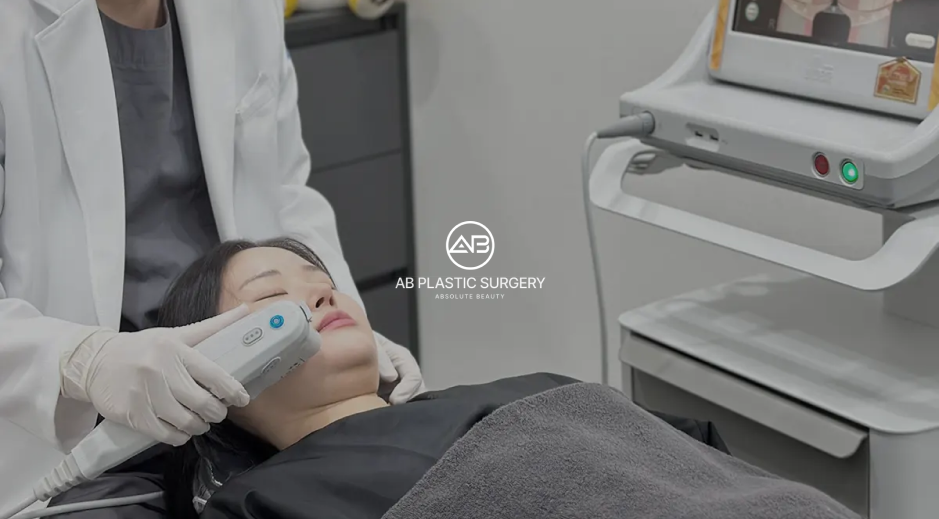
What Is Laser Toning and How Does It Work?
Laser Toning Is a Treatment Technique, Not One Specific Machine
The name “laser toning” comes from the improvement in overall skin tone that follows repeated low-energy laser passes. It describes a way of using a laser rather than a single brand or device. Traditionally, it has been associated with low-fluence Q-switched Nd:YAG lasers at 1064 nm, although the word “toning” is now also used for low-energy pigmentation treatments performed with other platforms, including picosecond lasers.
This is why comparing clinics only by machine name can be misleading. Two clinics may both advertise laser toning, yet the wavelength, pulse duration, fluence, number of passes, and treatment interval may differ significantly. A more useful question is: why is this particular laser and protocol being recommended for my pigmentation?
How Low-Fluence, Multi-Pass Pulses Target Melanin
Melanin is the pigment behind much of the brown coloration seen in freckles, sun spots, melasma, and post-inflammatory hyperpigmentation. Melanin absorbs laser energy, and short pulses can break concentrated pigment into smaller particles that the body gradually clears.
Laser toning applies this energy conservatively. Rather than trying to remove all visible pigment in one session, the aim is gradual improvement while limiting heat and inflammation. This matters most for melasma, where excessive irritation or heat can contribute to recurrent or darker pigmentation. It is also why visible change builds slowly across sessions.
What Happens During a Typical Laser Toning Appointment?
The exact process depends on the device and plan, but a pigmentation visit commonly includes:
-
Reviewing when the pigmentation appeared and how it has changed
-
Checking previous laser treatments and how your skin responded
-
Reviewing medications, active skincare products, and recent sun exposure or tanning
-
Assessing whether the pigment looks superficial, deeper, or mixed
-
Cleansing, eye protection, and several low-energy laser passes across the treated area
-
Soothing care and sun-protection guidance before you leave
This diagnostic step is especially important for international patients, who may have limited time in Korea and should not undergo unnecessary treatment simply to fit a travel schedule.
Melasma, Sun Spots, or Post-Acne Marks? Why Diagnosis Comes First
People often use the word “pigmentation” for any brown or uneven area of the face. Clinically, several different problems can produce a similar look, and laser toning is not automatically the right treatment for every brown spot.
Pigment also sits at different depths. Epidermal pigment, such as many freckles, lies near the surface, dermal pigment lies deeper, and mixed patterns combine both. Deeper pigment may improve more slowly, and treating a sensitive melasma pattern too aggressively can make it darker. At AB Clinic, whitening care begins with a one-on-one consultation that analyzes the cause and depth of pigmentation before a laser and schedule are chosen.
→ Explore Pigmentation & Whitening Care
Melasma Requires a Different Mindset
Melasma is one of the most common reasons patients research laser toning, and one of the conditions that needs the most careful planning. It is influenced by ultraviolet and visible light, hormones, genetics, inflammation, and heat. A laser may reduce visible pigment, but it does not permanently remove these triggers.
For that reason, the goal is control and gradual improvement rather than a guaranteed permanent cure. Patches can return without maintenance and strict sun protection, even after visible pigmentation improves.
Who May Be a Good Candidate, and Who Should Be Cautious?
Laser toning is generally considered for pigment and tone concerns rather than wrinkles or sagging. It may be worth discussing if you have diffuse uneven tone, a dull or blotchy complexion, sun-related pigmentation, melasma, or lingering marks after acne.
It may be a poor fit, or need to be postponed, in situations such as these:
-
A few isolated spots: These are often better assessed and treated individually.
-
New or changing lesions: They need medical evaluation first.
-
Active inflammation, infection, or a fresh tan: Treating irritated or recently sun-exposed skin raises the chance of complications.
-
Scars, enlarged pores, or laxity: These are structural concerns that toning is not designed to correct.
-
Pregnancy, photosensitizing medications, or a history of keloid scarring: These should be disclosed because they can change the plan.
When the Problem May Not Be Pigment at All
Some patients describe their skin as “uneven” when the main issue is redness, visible vessels, or irritation. Using a pigmentation laser for a problem that is mainly vascular may not address the real cause. At AB Clinic, persistent facial redness can be evaluated through its dedicated skin redness care program, so the plan follows the type of discoloration rather than how the skin looks in a single photograph.
Facial redness can also involve recurrent flushing, persistent background redness, visible small blood vessels, acne-like inflammatory bumps, burning, stinging, dryness, or eye discomfort. Because these signs can overlap with other skin conditions, assessment should identify the pattern and current activity before a procedure is selected. Depending on the findings, care may include gentle skincare and sun protection, personal trigger management, prescription medication, or vascular laser and light treatment; these options address different symptoms and are not interchangeable.
For a more detailed overview of symptom-based assessment and redness treatment options, see AB Clinic’s guide to rosacea treatment in Korea . It also explains why treatment settings and timing should be individualized for sensitive skin and why laser or light treatment may need to be combined with other measures.
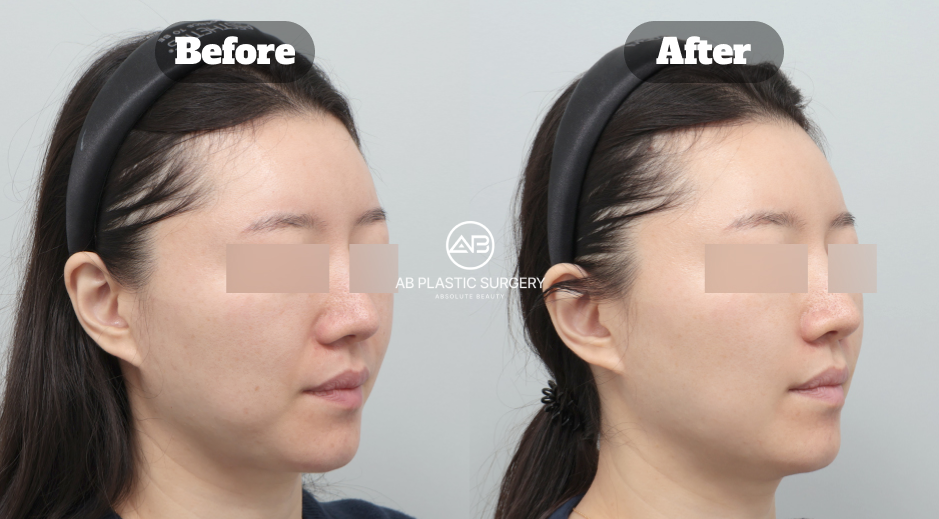
Laser Toning vs Pico Toning and Other Pigmentation Treatments
One of the most common questions is whether pico toning is better than conventional laser toning. The more useful answer is that they are different tools, and neither is automatically right for every pigmentation problem.
Laser Toning vs Pico Toning
Conventional laser toning is commonly associated with nanosecond Q-switched lasers. “Pico toning” is the clinic term for a similar low-energy pattern performed with a picosecond laser. The key technical difference is pulse duration, which affects how much heat spreads into surrounding skin.
A newer laser is not automatically a better laser for every patient, and stronger energy does not necessarily mean faster or better results.
Laser Toning vs Spot Pigmentation Treatment
Whole-face toning is designed differently from treatment that targets individual lesions. Someone with diffuse uneven tone or broad pigmentation may be considered for a gradual full-face approach, while someone with only a few clearly defined sun spots may benefit more from evaluating those spots individually. Choosing from an online treatment menu alone can lead to unnecessary procedures.
Which Treatment Matches the Pigment?
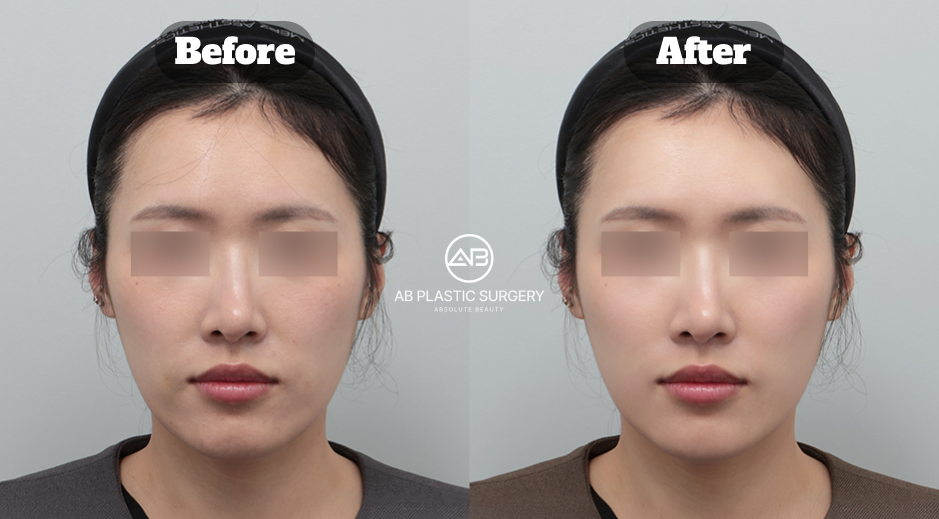
When pigmentation is accompanied by concerns such as dryness, uneven texture, fine lines, or reduced elasticity, a clinician may separately discuss skin-quality treatments as part of an individualized plan. AB Clinic’s PDRN skin booster guide describes PDRN and related polynucleotide (PN) injectables as options that may support gradual changes in skin quality. They are not pigment-removal lasers or substitutes for diagnosing melasma, sun spots, or redness, and the exact product and formulation should be confirmed because PDRN and PN are not automatically identical. Evidence for aesthetic use is still developing, results vary, and temporary bumps, redness, swelling, tenderness, or bruising may occur after injections.
Laser Toning Results: Sessions, Timeline, and Why More Is Not Always Better
How Many Laser Toning Sessions Do You Need?
Many guides describe roughly 5 to 10 laser toning sessions, some describe up to 15, and intervals range from weekly to several weeks depending on the protocol. These differences do not mean someone is wrong. They reflect that no single number fits every person.
The plan may be shaped by:
-
Whether the pigment is epidermal, dermal, or mixed
-
Whether the concern is melasma, post-inflammatory pigmentation, or another type of discoloration
-
Your baseline skin tone and sensitivity
-
How your skin reacted to previous laser treatments
-
Recent sun exposure and ongoing triggers such as hormonal changes
-
The device, wavelength, and treatment parameters
-
Whether other skincare or pigmentation treatments are being used
The plan should be reviewed according to skin response rather than assuming every patient needs the same package. Be cautious if a clinic promises a fixed number of sessions for guaranteed clearance before examining your skin.
Why More Laser Is Not Always Better for Melasma
Patients sometimes assume that stronger energy, shorter intervals, or extra sessions will clear pigmentation faster. With melasma, this can be the wrong strategy. Excessive treatment may increase irritation and inflammation, and repeated aggressive exposure may contribute to rebound pigmentation or unwanted lightening in susceptible skin.
The goal is not to deliver the maximum possible energy. It is to find a level that improves pigmentation while the skin stays stable, which is why a plan may be adjusted, paused, or changed according to response.
A Realistic Laser Toning Results Timeline
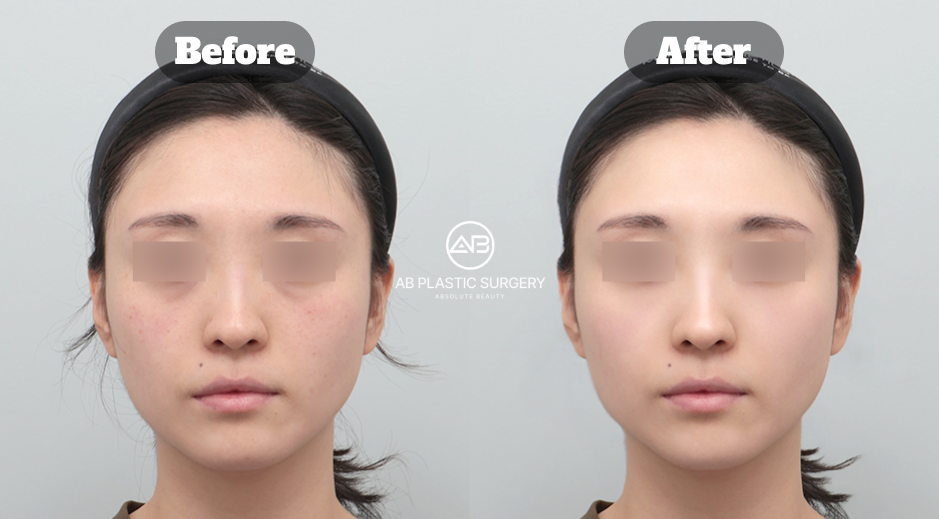
Laser toning produces gradual rather than dramatic change. The table below shows what patients may generally notice, but individual results vary.
How to Maintain Laser Toning Results
A laser can reduce existing melanin, but it does not change the skin’s tendency to produce more. Daily broad-spectrum sunscreen, avoiding intentional tanning, and physical protection such as hats do more to protect results than adding extra sessions. Patients with melasma may also need a longer-term maintenance plan agreed with their doctor rather than treating the condition only when it becomes visibly dark again.
Laser Toning Myths vs Reality
Laser Toning Downtime, Side Effects, and Aftercare
What Does Skin Look Like After Laser Toning?
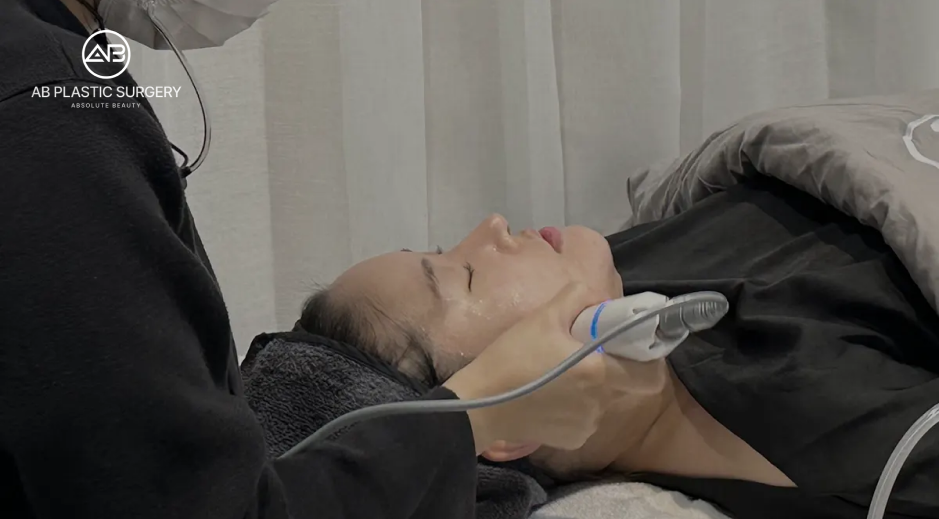
Laser toning is often chosen because it involves less downtime than aggressive resurfacing. Most people return to normal activities right away. Common short-term effects include mild redness, warmth or tingling, slight tightness or dryness, and temporary sensitivity, which usually settle within hours to a day or two.
Depending on the device, settings, and whether individual lesions are treated more directly, temporary darkening or fine crusting can also occur. These usually fade over a few days to about a week and should never be picked, scratched, or scrubbed.
Possible Laser Toning Side Effects
Low downtime does not mean zero risk. Laser toning has a generally favorable safety profile when performed conservatively by an experienced clinician, but the following should be discussed during consultation:
-
Post-inflammatory hyperpigmentation: temporary or persistent darkening after irritation
-
Rebound pigmentation: pigment returning darker, particularly when energy is too high or sessions are too frequent
-
Hypopigmentation: small areas lighter than surrounding skin, reported after repeated or excessive treatment
-
Dryness or irritation: temporary weakening of the skin barrier
-
Worsening of melasma: possible when treatment causes excessive heat or inflammation
-
Higher risk in darker skin types: laser and light treatments carry a greater chance of post-inflammatory darkening, so settings must be chosen carefully
-
Rare burns or scarring: possible with inappropriate settings or technique
These risks are one reason pigmentation treatment should be adjusted to each patient’s skin response rather than run with identical settings for everyone.
Laser Toning Aftercare Checklist
-
Apply broad-spectrum sunscreen every morning and reapply when outdoors.
-
Avoid deliberate tanning, prolonged UV exposure, and very hot environments such as saunas for the period your clinic advises.
-
Use a gentle cleanser and a simple moisturizer to support the skin barrier.
-
Do not pick or rub treated areas.
-
Pause strong exfoliating products, and follow your clinic’s guidance before restarting retinoids or acids.
-
Contact the clinic if you notice persistent burning, blistering, significant swelling, or unexpected pigment changes.
Frequently Asked Questions About Laser Toning in Korea
Is laser toning the same as pico toning?
No. Laser toning traditionally refers to a low-fluence approach commonly associated with Q-switched nanosecond lasers, while pico toning uses a similar pattern with a picosecond laser. Neither is a cure for melasma, and the better option depends on pigment type, device, wavelength, and skin condition rather than pulse duration alone.
How many laser toning sessions do I need?
Many guides describe roughly 5 to 10 sessions, and some describe up to 15, followed by maintenance. The right number depends on pigment depth and type, skin sensitivity, previous treatment history, laser settings, and how the skin responds between appointments, so your doctor should set the plan after examining your skin.
Is laser toning good for melasma, and can it remove it permanently?
Laser toning may be considered for selected melasma cases, but it does not permanently remove melasma. Melasma is influenced by ultraviolet exposure, hormones, genetics, heat, and inflammation, so patches can return. Treatment focuses on gradual improvement and long-term management, with daily sun protection as part of the plan.
Does laser toning hurt, and is there downtime?
Most people describe a mild warm or snapping sensation rather than significant pain. Downtime is usually limited, with temporary redness or tightness that settles within hours to a couple of days. Sensitivity varies, so tell your clinician if you are uncomfortable during treatment.
Can laser toning make pigmentation darker?
Yes, in some cases. Post-inflammatory or rebound hyperpigmentation can occur if the skin becomes excessively irritated, energy is too high, or sessions are spaced too closely. Conservative settings, sensible intervals, and strict sun protection lower this risk but cannot remove it entirely.
Is laser toning suitable for Asian or darker skin tones?
Laser toning is widely used on Asian and other melanin-rich skin because its low-energy approach limits heat. However, darker skin types also carry a higher risk of post-inflammatory darkening with laser treatments, so careful assessment and conservative settings are essential.
Can I get laser toning during a short trip to Seoul?
A consultation and selected treatment may be possible during a short stay, but a full pigmentation plan may extend beyond one trip. Sessions should not be compressed simply to fit travel dates, so discuss your stay, follow-up options, and home skincare plan before treatment begins.
How does AB Clinic choose a pigmentation laser?
The decision should consider whether the discoloration is melanin-related, vascular, or mixed, along with apparent pigment depth, skin sensitivity, previous laser history, and treatment goals. AB Clinic offers multiple pigmentation and skin-treatment technologies, so the plan can follow the diagnosed concern rather than using one laser for every patient.
Planning Laser Toning in Korea and Treatment at AB Clinic
Can You Get Laser Toning During a Short Trip to Korea?
Yes, but international patients should understand one limitation: pigmentation treatment is often a process, while a trip to Korea may last only several days. Compressing multiple treatments into a very short period to finish a package before departure is not always appropriate, and closely spaced sessions can raise the risk of irritation and rebound pigmentation.
Before treatment, it helps to ask:
-
What type of pigmentation do I appear to have?
-
Is laser toning actually the most appropriate first treatment?
-
How much can reasonably be done during my stay?
-
When would a follow-up session be advisable, and can it be arranged on a later visit?
-
What skincare should I continue after returning home, and what should I do if pigmentation becomes darker or irritated after I leave Korea?
AB Clinic: Diagnosis First, Device Second
For pigmentation treatment, the device should follow the diagnosis rather than the other way around. Someone with diffuse melasma does not necessarily need the same treatment as someone with several isolated sun spots, and neither necessarily needs the same treatment as someone whose main problem is facial redness. A sound plan should also weigh skin sensitivity, previous laser history, and the patient’s schedule.
Instead of asking which laser is the strongest, international patients may benefit more from asking why a device is being recommended, what treatment endpoint the doctor is aiming for, and how the plan will change if the skin becomes irritated.
Pigmentation Equipment Available at AB Clinic
AB Clinic provides multiple technologies for pigmentation and skin-tone concerns rather than relying on one device for every case. The clinic’s pigmentation and skin treatment equipment information lists devices such as Trinity and Excel V Plus, along with supportive programs used according to the skin condition.
Having several devices does not mean every patient needs several treatments. Whether a low-fluence toning course, another laser, or a combined plan is appropriate is a clinical decision made after examination.
How to Prepare for a Pigmentation Consultation
Preparing a few details beforehand makes a short trip more productive. Consider bringing or noting:
-
Photos showing how your pigmentation has changed over time, ideally without makeup and in natural light
-
Previous lasers, peels, injections, or prescription pigmentation treatments
-
Active skincare products such as retinoids, acids, or hydroquinone, plus current medications
-
Any previous episode of post-inflammatory hyperpigmentation, recent tanning, or pregnancy plans
-
Your arrival and departure dates
-
Whether your priority is melasma, isolated spots, overall skin tone, redness, or several concerns together
Arranging your appointment in advance also helps you use your time in Seoul well.
→ Book a Skin Consultation at AB Clinic
How to Choose a Clinic for Laser Toning in Korea
What to Check Before You Book
Because laser toning is offered widely in Seoul, the quality of the process matters more than price or trends. A reliable clinic will usually:
-
Examine your skin in person and explain the type and depth of your pigment
-
Explain why it chose a particular device, energy level, and interval, rather than suggesting that more is faster
-
Be honest that melasma tends to recur and may need maintenance
-
Provide clear aftercare instructions and a way to reach the clinic after you return home
-
Tell you who will assess and treat you, so you can learn more about AB’s medical team before you commit
The Safety Systems Behind the Treatment Room
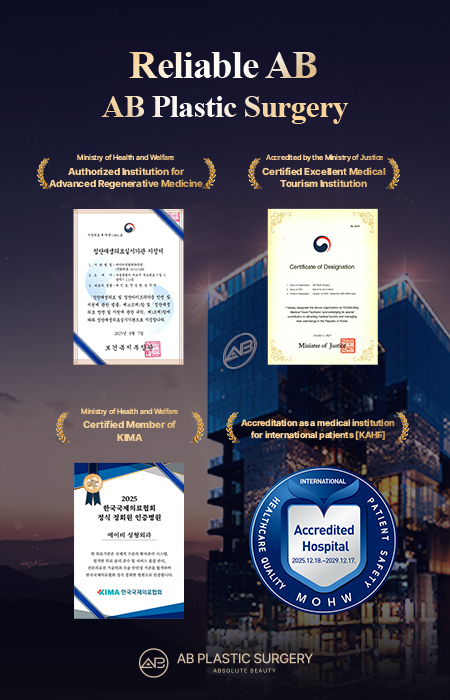
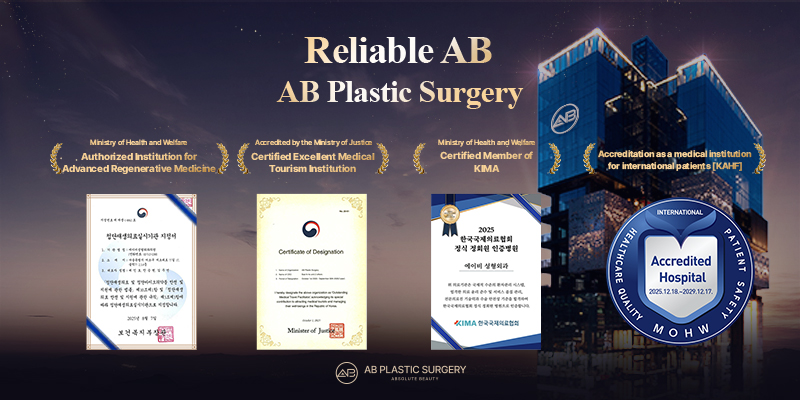
Laser toning is typically performed without sedation, and most of AB’s safety infrastructure was built for surgery. It still matters to skin patients, because it shows how the institution handles risk as a whole and how it responds if something needs attention after you leave. AB Plastic Surgery Korea states the following:
-
Anesthesiologist-led surgical safety: board-certified anesthesiologists are on-site for surgical procedures, and the clinic states that anesthesiology specialists make up 47.1% of its medical staff—about double the 23.1% average it cites for hospital-level institutions.
-
A recorded safety history: the clinic states it has recorded zero medical accident cases since opening in September 2020.
-
Transparency in the operating room: a surgery real-name system and CCTV throughout the operating area.
-
Emergency preparedness: in-house cross-matching blood testing, with results the clinic states are available within about two hours, plus emergency equipment and a university-hospital referral network.
-
Support after you go home: a 24-hour emergency line and a dedicated coordinator for questions about your recovery—useful if pigmentation darkens or skin becomes irritated after you have returned home.
If you are planning surgery and skin treatment on the same trip, a board-certified anesthesiologist remaining on-site for the surgical part of your plan is one of the most important questions to confirm, and AB states this is standard for every surgical procedure it performs.
Final Takeaways on Laser Toning in Korea
-
Laser toning in Korea should begin with identifying the type of pigmentation rather than choosing a machine first.
-
Melasma, sun spots, post-acne marks, and facial redness are different concerns and may need different strategies.
-
Laser toning and pico toning are not interchangeable terms, and neither is automatically better for every patient.
-
Session counts vary, and more energy or more frequent treatment does not necessarily give better results.
-
Melasma is managed, not cured, and daily sun protection is part of the treatment.
-
International patients should plan treatment around safe intervals rather than compressing appointments to fit travel dates.
This article is for general educational purposes and does not replace a personal medical consultation. Suitability, response, downtime, and results vary by skin condition and individual factors.

This article is for informational purposes only and does not replace a personal medical consultation.