Title
Tired Eyes Making You Look Older? Lower Blepharoplasty in KoreaDate
2026-06-24Views
1434
AB Blog
Lower Blepharoplasty in Korea: A Complete Guide for International Patients
Table of Contents
1. What Is Lower Blepharoplasty in Korea?
2. Why Do Eyes Look Tired or Aged?
3. Lower Blepharoplasty Techniques in Korea
4. Am I a Good Candidate?
5. Lower Blepharoplasty Recovery in Korea
6. Frequently Asked Questions
7. Lower Blepharoplasty Cost in Korea
8. Why Choose AB Plastic Surgery Korea
Under-eye bags, hollow tear troughs, and persistent dark shadows are among the most common reasons people appear older or more fatigued than they actually are — regardless of how well they slept the night before. For many international patients, these concerns don't resolve with skincare alone, and no amount of concealer permanently addresses the structural cause.
Lower blepharoplasty in Korea is a surgical procedure designed to correct these under-eye issues at the source: by addressing excess fat, loose skin, and weakened muscle that accumulate in the lower eyelid area over time. Unlike surface-level treatments, lower eyelid surgery in Korea delivers long-lasting results that, when performed precisely, appear natural rather than overly operated on.
Korea has established a strong international reputation for under-eye surgery, particularly among patients from across Asia, the Middle East, and beyond, who seek technically refined outcomes combined with transparent medical care. At AB Plastic Surgery Korea, lower blepharoplasty is performed by surgeons with over 7,000 documented eyelid procedures, supported by a board-certified anesthesiologist on-site and a structured safety protocol that has maintained a zero surgical accident record since opening in September 2020.
This guide covers everything international patients need to know about lower blepharoplasty in Korea — from how the surgery works and who it is right for, to recovery expectations, costs, and why the clinical environment matters when choosing where to undergo this procedure.
What Is Lower Blepharoplasty in Korea? Understanding Under-Eye Surgery
Definition and Purpose
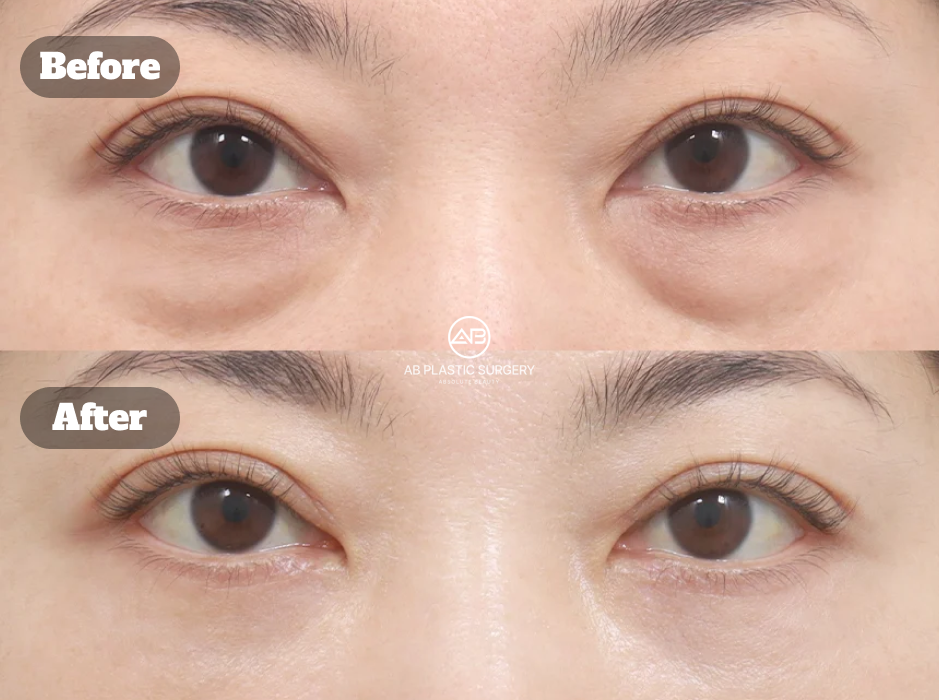
Lower blepharoplasty — also referred to as lower eyelid surgery or under-eye surgery Korea patients commonly seek — is a surgical procedure that corrects the appearance and structure of the lower eyelid. It addresses the visible signs of aging or fatigue that accumulate in the under-eye area, including fat prolapse (puffiness), hollowness at the tear trough, loose or crepey skin, and muscle laxity.
The goal is not dramatic transformation, but structural correction: restoring a rested, naturally balanced appearance that aligns with the patient's overall facial features. Lower blepharoplasty in Korea is performed on an outpatient basis and typically takes between 45 minutes and one and a half hours depending on the technique and scope of correction required.
What Lower Blepharoplasty Corrects
-
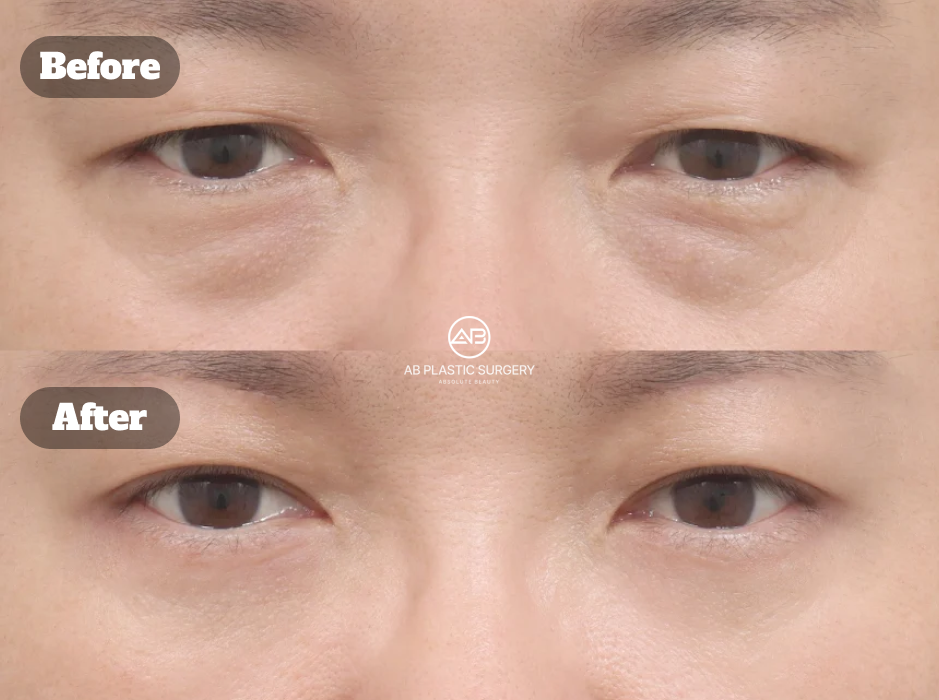
Under-eye bags — caused by fat repositioning or prolapse beneath the orbital septum
-
Tear trough hollowness — the groove that deepens between the lower lid and cheek with age
-
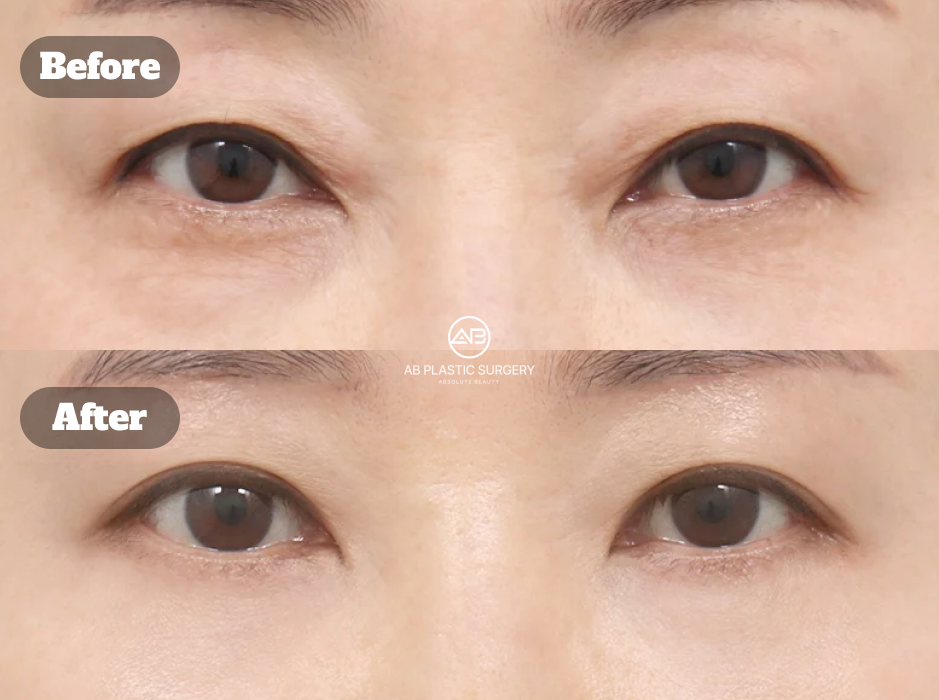
Loose or excess skin — leading to a crinkled or aged appearance under the eye
-
Dark shadows — often exacerbated by structural hollowing rather than pigmentation alone
-
Puffy or swollen appearance — persistent under-eye bags regardless of rest or hydration
How Lower Eyelid Surgery Differs from Upper Blepharoplasty
While upper blepharoplasty focuses on correcting drooping eyelids, heavy upper lids, or ptosis, lower blepharoplasty addresses the under-eye zone specifically. In some cases, patients pursue both procedures simultaneously — a combined approach that can deliver comprehensive eye rejuvenation. However, the techniques, anatomy involved, and recovery considerations differ significantly between the two.
For patients primarily concerned with looking fatigued, aged, or hollow under the eyes, lower blepharoplasty in Korea is typically the most appropriate surgical solution.
Why Do Eyes Look Tired or Aged? Causes Lower Blepharoplasty Can Address
Many patients who consider lower blepharoplasty in Korea are surprised to learn that the fatigue and aged appearance around their eyes is largely structural — not simply a matter of skin quality or sleep habits. Understanding the underlying anatomy helps explain why under-eye surgery in Korea often delivers results that non-surgical treatments cannot replicate.
Fat Prolapse and Orbital Fat Pads
The eye socket contains fat pads that cushion and support the eyeball. Over time, the orbital septum — a thin membrane that holds these fat pads in place — weakens and loses elasticity. As a result, fat gradually pushes forward, creating the puffy, bulging appearance most commonly referred to as under-eye bags. This process is largely genetic and can appear even in patients in their late 20s or 30s, making lower eyelid surgery in Korea relevant across a wide age range.
Tear Trough Deepening
The tear trough is the natural groove running from the inner corner of the eye diagonally toward the cheek. With age, volume loss in the mid-face and changes in ligament attachment cause this groove to deepen, creating a shadow that makes the under-eye area look hollow or dark. When combined with fat prolapse above it, the contrast between the bulge and the hollow becomes more pronounced and more difficult to conceal.
Skin Laxity and Muscle Changes
The skin beneath the eye is among the thinnest on the body, making it especially vulnerable to the loss of collagen and elastin that occurs with age. As support structures weaken, fine lines, crepe-like texture, and loose folds develop. The orbicularis oculi muscle, which encircles the eye, also loses tone over time, contributing to further sagging and the appearance of heaviness.
Why Non-Surgical Treatments Have Limitations
While injectable fillers, laser resurfacing, and radiofrequency treatments can offer temporary improvement for mild cases, they do not address the underlying structural causes of fat prolapse or significant skin laxity. For patients with moderate to pronounced anatomical change, lower blepharoplasty in Korea provides a more precise and durable correction that non-surgical options cannot replicate.
→ To learn more about how under-eye surgery fits into a broader rejuvenation plan, explore the AB Plastic Surgery lower blepharoplasty procedure page for detailed clinical information.
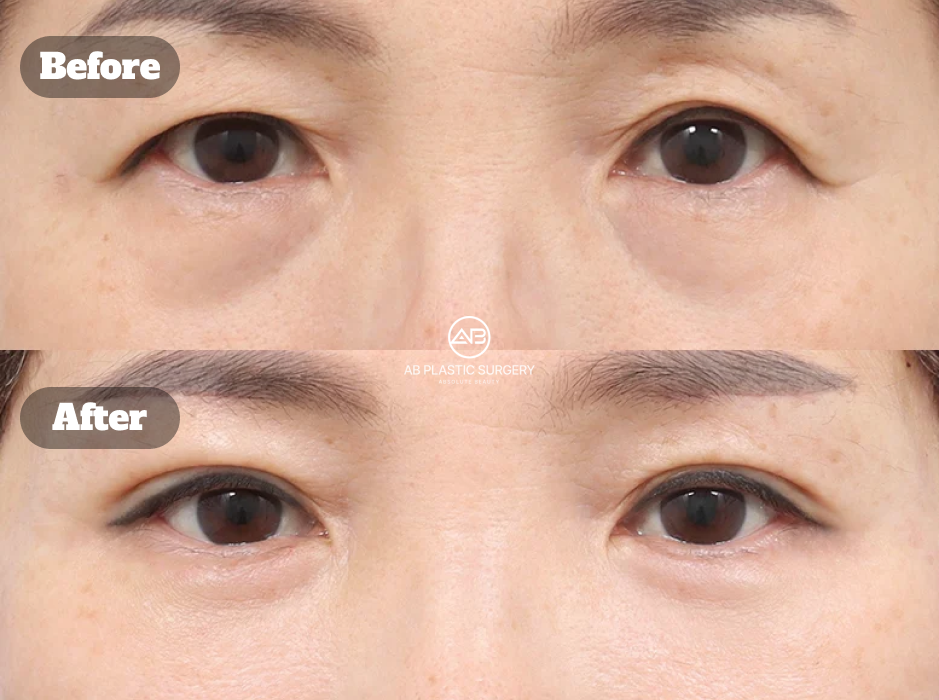
Lower Blepharoplasty Techniques in Korea: Transconjunctival vs. Skin-Pinch Approach
The most appropriate surgical technique for lower blepharoplasty in Korea depends on the patient's anatomy, the degree of fat prolapse, the amount of excess skin present, and the surgeon's clinical assessment. At AB Plastic Surgery Korea, technique selection is individualized through a comprehensive consultation rather than applied as a standardized approach.
Transconjunctival Fat Removal
The transconjunctival approach accesses the orbital fat pads through the inner surface of the lower eyelid, leaving no visible external scar. This technique is well-suited for younger patients or those with prominent fat prolapse but minimal skin laxity. Because the incision is made inside the eyelid, healing is typically faster and the risk of visible scarring is eliminated.
At AB Plastic Surgery Korea, transconjunctival fat removal may be combined with fat repositioning — redistributing fat downward to fill the tear trough hollow rather than simply removing it — to achieve a more balanced and natural result.
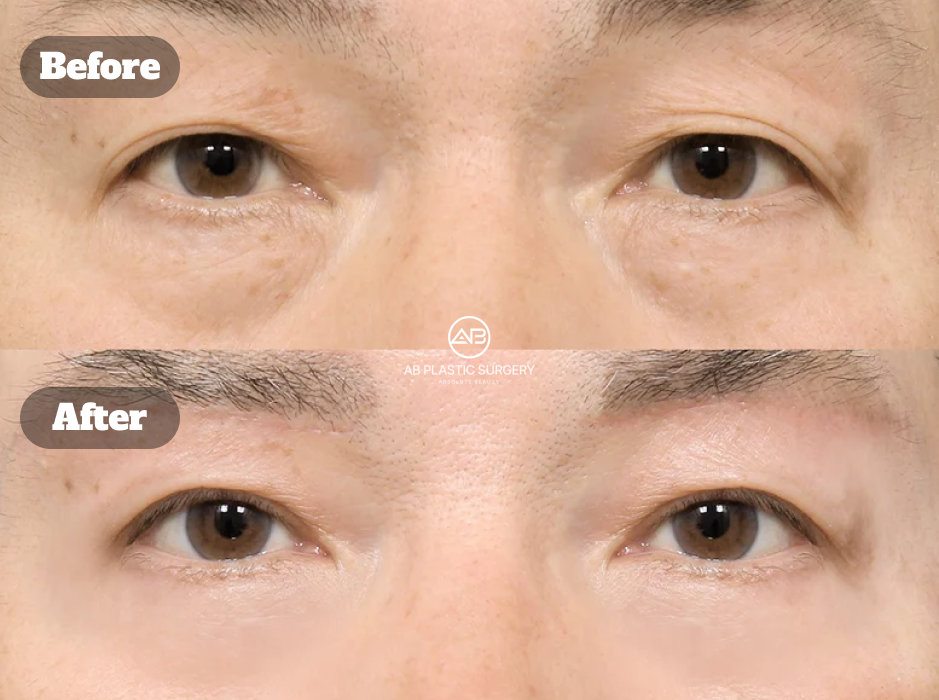
Skin-Pinch Lower Blepharoplasty
For patients with more noticeable skin laxity or fine lines beneath the eye, a small amount of skin can be removed through a subciliary incision placed just below the lash line. When performed precisely, the resulting scar fades to near invisibility within the natural contour of the lower lash line. This approach allows the surgeon to address both fat excess and skin redundancy in a single procedure.
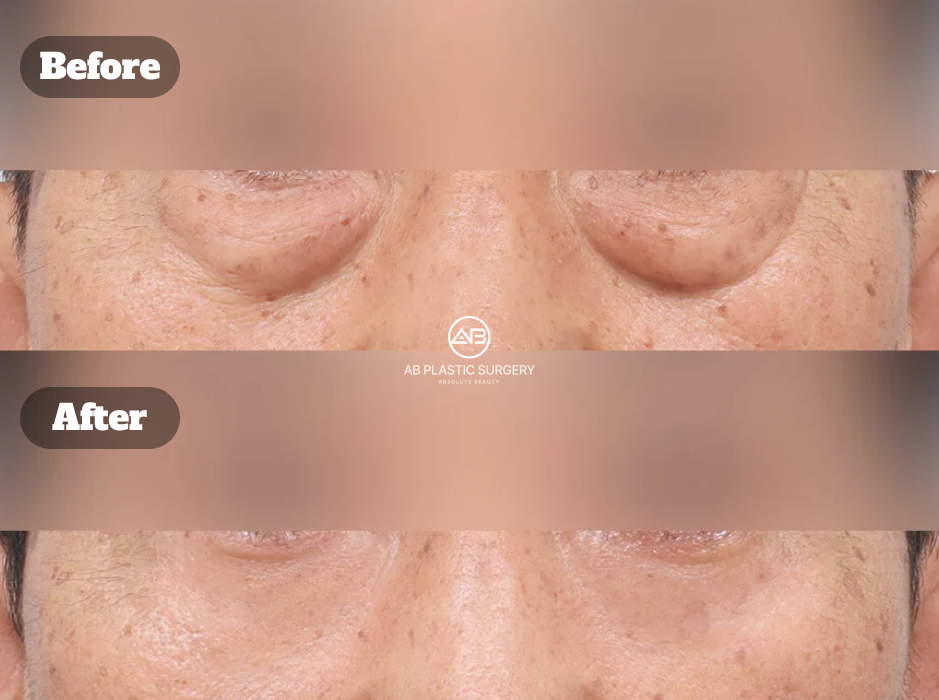
Combined Approach: Fat Removal with Fat Grafting
In some cases, the most effective outcome is achieved by combining lower blepharoplasty with eyelid fat grafting — removing or repositioning excess fat while augmenting areas of hollowness for a smoother, more volumized transition between the lower lid and the cheek. This integrated approach is particularly valuable for patients whose tear trough hollowing is a primary concern alongside fat prolapse.
Lower Blepharoplasty in Korea vs. Under-Eye Fillers: Which Is Right for You?
Many international patients initially consider under-eye fillers for tear trough hollowness before exploring lower blepharoplasty in Korea as a longer-term option. While fillers can temporarily improve mild hollowing in appropriate candidates, they do not correct structural fat prolapse, significant skin laxity, or prominent under-eye bags — the conditions that lower eyelid surgery in Korea is specifically designed to address.
Fillers applied over prolapsed fat can sometimes worsen the appearance of puffiness rather than improve it. For patients with persistent under-eye bags, loose skin, or a pronounced tear trough that no longer responds to non-surgical treatment, lower blepharoplasty provides a more structurally precise and durable solution. The right approach is determined through individual consultation and clinical assessment — some patients benefit from fillers alone, while others require surgical correction to achieve meaningful and lasting results.
Surgical Technique Comparison
|
Technique |
Best For |
Scar Visibility |
Key Benefit |
|---|---|---|---|
|
Transconjunctival |
Fat prolapse, minimal skin laxity |
None (internal incision) |
No external scar, faster recovery |
|
Skin-Pinch (Subciliary) |
Skin laxity + fat excess |
Minimal (lash line) |
Addresses both fat and skin in one procedure |
|
Fat Grafting + Blepharoplasty |
Hollowness + fat prolapse |
Minimal to none |
Volume restoration + structural correction |
|
Under-Eye Filler (non-surgical) |
Mild hollowness only, no fat prolapse |
None |
No downtime; temporary result |
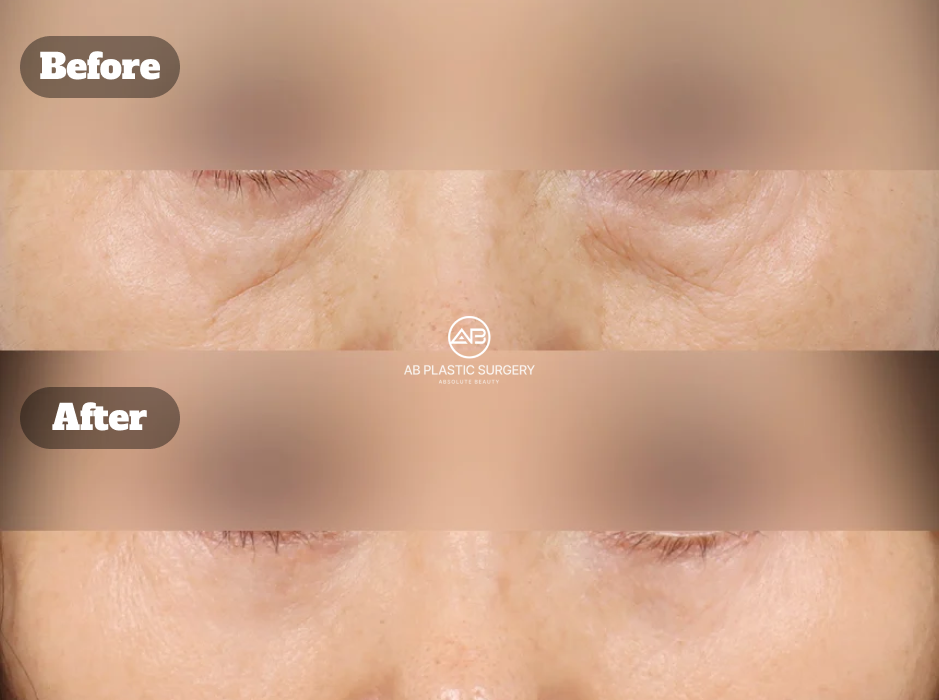
Am I a Good Candidate for Lower Blepharoplasty in Korea?
Lower blepharoplasty in Korea is not a one-size-fits-all procedure, and appropriate candidacy is determined through individualized medical assessment. However, several general criteria apply to most patients who are well-suited for lower eyelid surgery.
Signs You May Benefit from Lower Blepharoplasty
-
Persistent puffiness or under-eye bags that are present regardless of sleep or hydration
-
A prominent tear trough that creates a shadow or hollow appearance
-
Loose, crepey, or excess skin beneath the lower eyelid
-
Dark under-eye shadows that are structural rather than pigmentation-related
-
Asymmetry between the two lower eyelids in terms of fat distribution or skin laxity
-
Feeling that your eyes make you appear more tired, older, or less alert than you feel
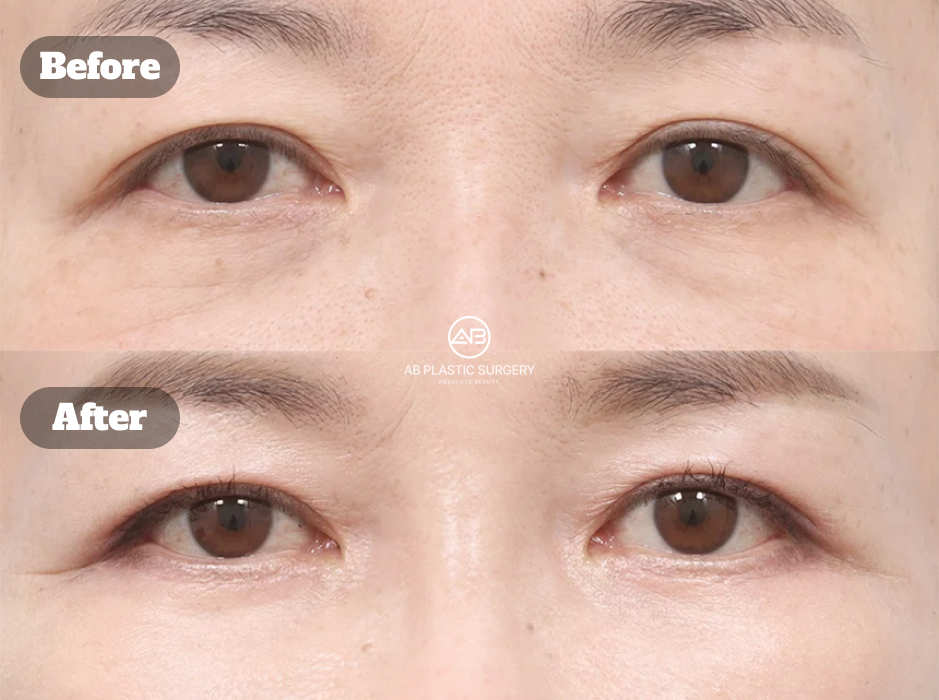
General Health and Safety Considerations
Ideal candidates for under-eye surgery in Korea are in good general health, are non-smokers or able to cease smoking well in advance of surgery, have no uncontrolled systemic conditions such as thyroid disease or dry eye syndrome, and hold realistic expectations about surgical outcomes. Lower blepharoplasty improves the structural appearance of the lower eyelid — it does not reverse all signs of aging or alter the overall eye shape.
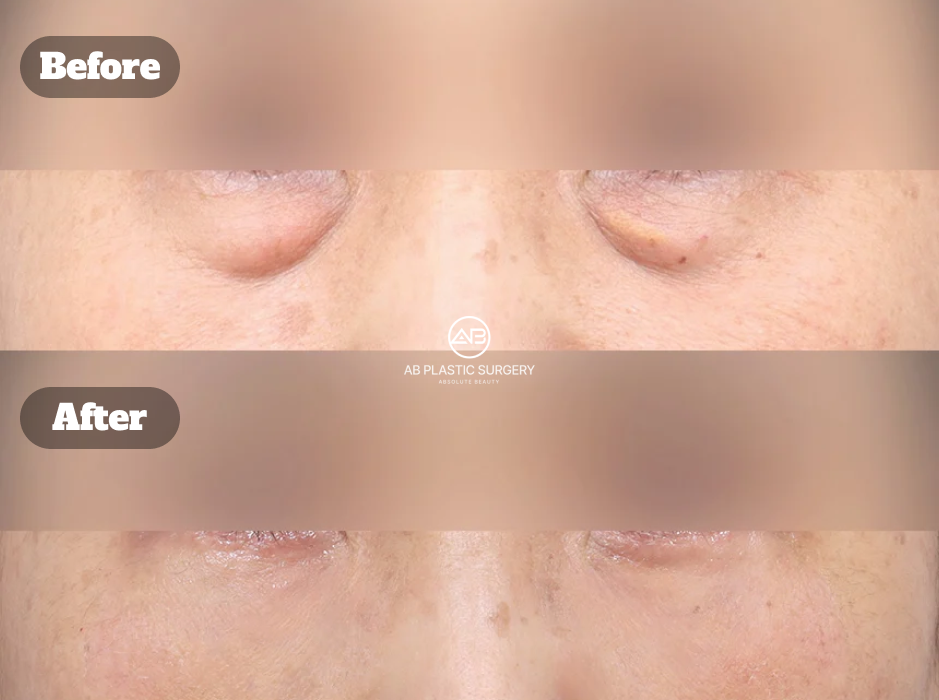
Age Is Not a Disqualifying Factor
While lower blepharoplasty is more commonly associated with patients in their 30s to 60s, younger patients with genetically prominent fat pads may also be excellent candidates for under-eye bags surgery in Korea. Conversely, older patients in good health with realistic goals are often well-suited for the procedure. Age is considered as part of the overall clinical picture rather than as a standalone criterion.
Consultation Is the First Step
The most accurate way to determine candidacy is through a direct consultation with a specialist who can assess your anatomy, discuss your goals, and recommend the most appropriate technique. AB Plastic Surgery Korea offers online consultations for international patients in advance of their visit.
→ Book a Free Online Consultation
Lower Blepharoplasty Recovery in Korea: Timeline and Aftercare
Lower blepharoplasty recovery in Korea is generally manageable and, for many patients, less intensive than expected. Understanding what to anticipate during each phase is essential — particularly for international patients who need to plan their stay in Korea and return travel accordingly.
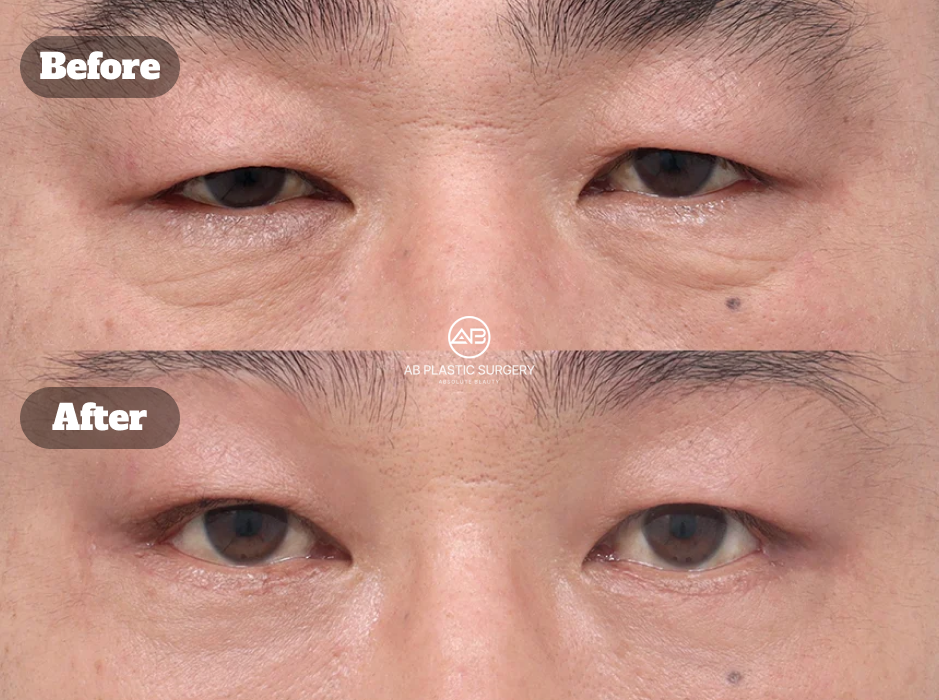
Lower Blepharoplasty Recovery Timeline
-
Day 1–3: Mild swelling and bruising around the eye area is expected. Patients are advised to rest with the head elevated, apply cold compresses as directed, and avoid bending or strenuous activity. Most patients are comfortable indoors and can manage daily self-care.
-
Day 4–7: Visible bruising typically peaks around day 3–4 and begins to fade. Swelling begins to subside. Sutures, if present, are removed around this time. Many patients find they can resume light activities.
-
Week 2: The majority of visible bruising has resolved for most patients. Residual swelling may persist but is generally manageable with makeup. Social presentability is achieved within 10–14 days for most.
-
Week 3–6: Continued gradual improvement in swelling. The lower eyelid contour becomes clearer and more refined as internal healing progresses.
-
3–6 Months: Final results are fully visible as residual swelling completely resolves and scar tissue (if applicable) matures and softens. The under-eye area reflects the full outcome of the lower blepharoplasty procedure.
Recommended Minimum Stay in Korea
For international patients undergoing lower blepharoplasty in Korea alone, a minimum stay of 7–10 days is generally recommended to allow for the initial lower blepharoplasty recovery phase, suture removal if applicable, and postoperative follow-up appointments before departure. Patients combining this procedure with additional surgeries may require a longer stay depending on the combined recovery requirements.
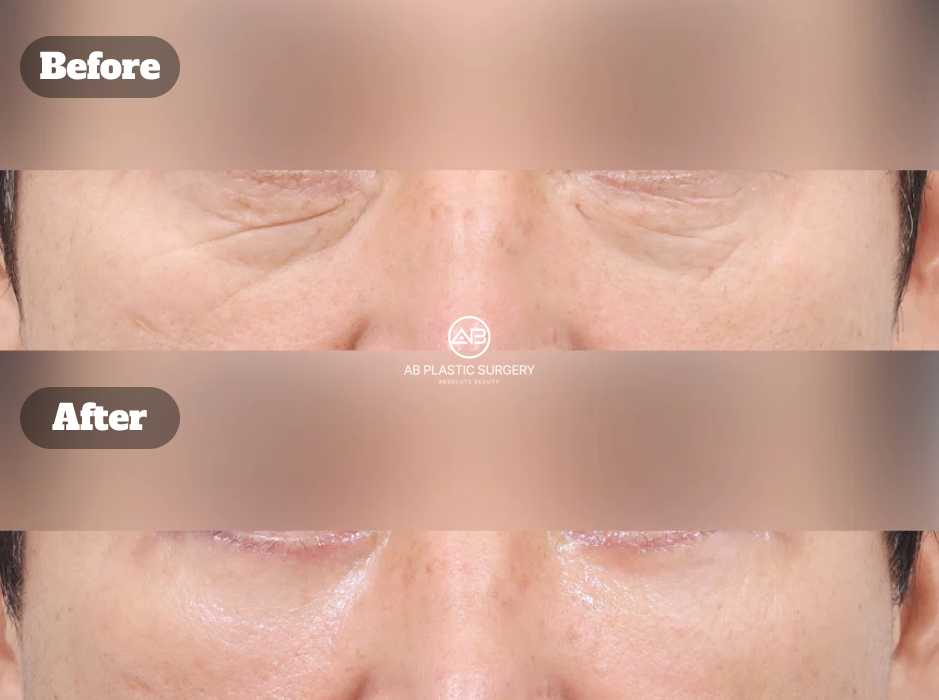
Aftercare Instructions and Safety Protocols
AB Plastic Surgery Korea provides all patients with a structured postoperative care protocol including follow-up schedules, aftercare kits, and access to medical staff for questions throughout the recovery period. International patients are also provided with written aftercare documentation in English to support continued lower blepharoplasty recovery at home.
In the unlikely event of a postoperative concern after returning home, AB Plastic Surgery Korea supports patients through online follow-up channels and can advise on appropriate next steps in coordination with the patient's local healthcare provider.

Frequently Asked Questions About Lower Blepharoplasty in Korea
Is lower blepharoplasty in Korea painful?
Lower blepharoplasty is performed under sedation or local anesthesia with sedation, meaning patients are comfortable and do not experience pain during the procedure. Post-operatively, most patients report mild discomfort, a sensation of tightness, or mild soreness rather than significant pain. Prescribed medications are provided to manage any discomfort during the first few days. At AB Plastic Surgery Korea, all procedures are monitored by a board-certified anesthesiologist — a permanent in-house specialist, not an outside contractor — who is present throughout every procedure to ensure patient safety and comfort.
Will there be visible scarring after lower blepharoplasty?
The transconjunctival approach produces no external scar, as the incision is made on the inner surface of the eyelid. For procedures involving a subciliary incision, the resulting scar is positioned along the natural shadow of the lower lash line and, in most cases, becomes nearly invisible within a few months as healing matures. Scar visibility depends on individual healing characteristics, post-operative care, and the precision of the surgical technique.
How long do lower blepharoplasty results last in Korea?
Lower blepharoplasty results in Korea are long-lasting and in many cases considered permanent for the corrections made, as removed or repositioned fat does not return. However, the natural aging process continues after surgery, meaning that skin laxity and volume changes will gradually occur over time. Most patients enjoy their results for 10 to 15 years or more, with many finding that their under-eye area continues to look more rested and refreshed relative to their age well beyond the initial lower blepharoplasty recovery period.
Is anesthesia safe for plastic surgery in Korea?
Anesthesia safety is one of the most critical factors to evaluate when choosing a plastic surgery clinic in Korea. Recent anesthesia-related incidents at cosmetic facilities have heightened awareness around this issue, making it important to confirm that any clinic you consider has a board-certified anesthesiologist on-site — not brought in externally — for every procedure.
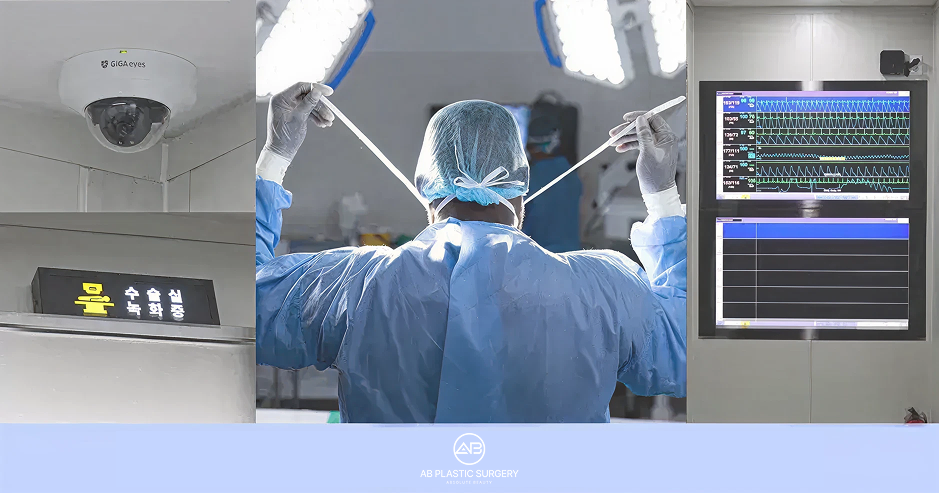
At AB Plastic Surgery Korea, a board-certified anesthesiologist is a permanent member of the clinical team. This specialist conducts pre-operative assessments, manages sedation throughout surgery, and oversees post-operative monitoring directly. Since opening in September 2020, the clinic has maintained a zero surgical accident record across all procedures — a reflection of the structured, anesthesiologist-led safety system that is in place for every patient, including lower blepharoplasty.
Can lower blepharoplasty be combined with other procedures in Korea?
Yes. Lower blepharoplasty in Korea is frequently combined with upper eyelid surgery, fat grafting, mid-face lifting, or dermatological treatments such as skin rejuvenation or Rejuran as part of a comprehensive facial rejuvenation strategy. Combining procedures can increase efficiency for international patients with limited time in Korea, though the lower blepharoplasty recovery plan will need to account for all procedures undertaken. The appropriate combination is determined through consultation and clinical assessment rather than a preset package approach.
How do I prepare for lower blepharoplasty as an international patient in Korea?
International patients are advised to complete an online consultation in advance to establish candidacy, discuss goals, and receive preliminary procedure recommendations. Before arrival in Korea for lower blepharoplasty, patients should ensure adequate time has been allowed for pre-operative assessments, the procedure itself, and a minimum lower blepharoplasty recovery period before departure. Avoiding blood-thinning medications, supplements, and alcohol in the weeks prior to surgery is standard pre-operative guidance. AB Plastic Surgery Korea provides English-language materials and coordinator support to assist international patients throughout the entire process.
Lower Blepharoplasty Cost in Korea: What International Patients Should Know
One of the most common questions international patients ask is how much lower blepharoplasty in Korea costs and what factors influence under-eye surgery pricing. The following reflects current pricing at AB Plastic Surgery Korea for procedures within the lower blepharoplasty spectrum, expressed in USD.
Lower Eyelid Surgery Cost in Korea
|
Procedure |
Starting Price (USD) |
|---|---|
|
Lower Blepharoplasty |
From $1,870 |
|
Transconjunctival Fat Removal |
From $1,360 |
|
Eyelid Fat Grafting (combined) |
From $1,120 |
Lower blepharoplasty cost in Korea varies by individual case. Prices shown are starting references only. Final under-eye surgery pricing is determined following clinical consultation and reflects the specific technique selected, degree of correction required, and whether procedures are combined. An accurate quote is provided as part of the consultation process.
What Affects Lower Blepharoplasty Cost in Korea
-
Technique selection (transconjunctival vs. skin-pinch vs. combined approach)
-
Whether fat repositioning or grafting is incorporated
-
Combination with other eyelid or facial procedures
-
Complexity of the case, including revision considerations
→ View Full Korea Plastic Surgery Pricing & Build Your Personalized Schedule
Why International Patients Choose AB Plastic Surgery Korea for Lower Blepharoplasty
Choosing where to undergo lower blepharoplasty in Korea is a medical decision that extends well beyond comparing before-and-after photographs. International patients who travel for under-eye surgery in Korea are evaluating the clinical environment, surgeon expertise, safety infrastructure, and the quality of support available throughout their journey — before, during, and after surgery.
Surgeon Specialization: 7,000+ Eyelid Procedures
At AB Plastic Surgery Korea, lower blepharoplasty is performed by surgeons whose procedural volume and documented case experience in eyelid surgery exceeds 7,000 operations. This level of specialization reflects not only technical skill but a deep familiarity with the anatomical variations and surgical nuances that determine long-term outcomes — particularly in Asian eyelid anatomy, where structural characteristics differ significantly from Western norms and require procedure-specific planning for lower eyelid surgery in Korea.
Who Performs Lower Blepharoplasty at AB Plastic Surgery Korea?
For patients researching lower blepharoplasty in Korea, surgeon experience is often one of the most important decision-making factors. Understanding who performs the procedure, their surgical background, and their areas of specialization can help patients make a more informed choice before consultation.
Explore the board-certified plastic surgeons and clinical team involved in eyelid surgery, facial rejuvenation, anesthesia management, and international patient care at AB Plastic Surgery Korea.
→ Meet the Board-Certified Surgeons Performing Lower Blepharoplasty in Korea
Anesthesia Safety: Board-Certified Specialist On-Site, Zero Accidents Since Opening
Recent anesthesia-related incidents at cosmetic surgery facilities in Korea have understandably raised patient concern around plastic surgery anesthesia safety. At AB Plastic Surgery Korea, a board-certified anesthesiologist is a permanent, in-house member of the clinical team — present for every procedure including lower blepharoplasty, conducting pre-operative anesthesia evaluations and managing intraoperative monitoring directly. This is not an outsourced or contracted arrangement.
Since opening in September 2020, the clinic has maintained a zero surgical accident record across all procedures. For international patients evaluating plastic surgery anesthesia options in Korea from a distance, this institutional track record — combined with the presence of a dedicated, full-time anesthesia specialist — provides a verifiable basis for confidence in patient safety.
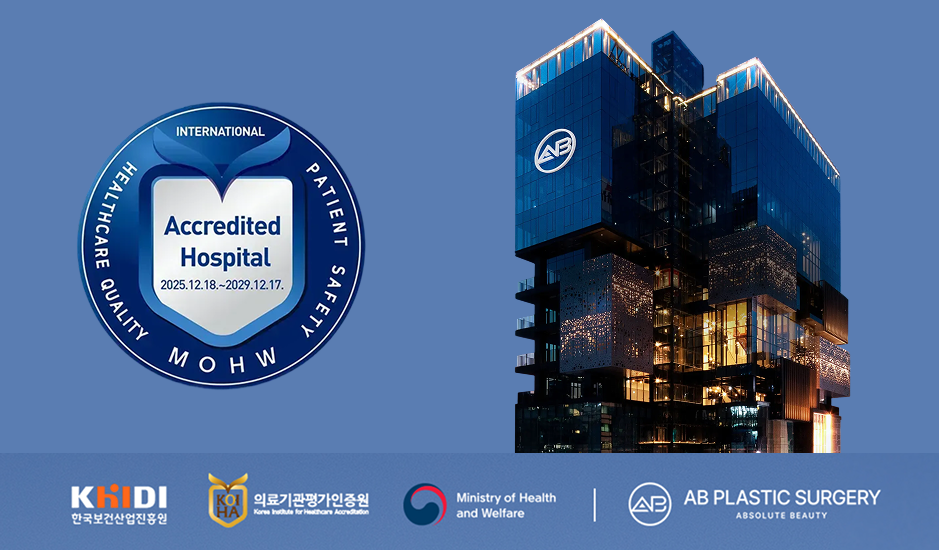
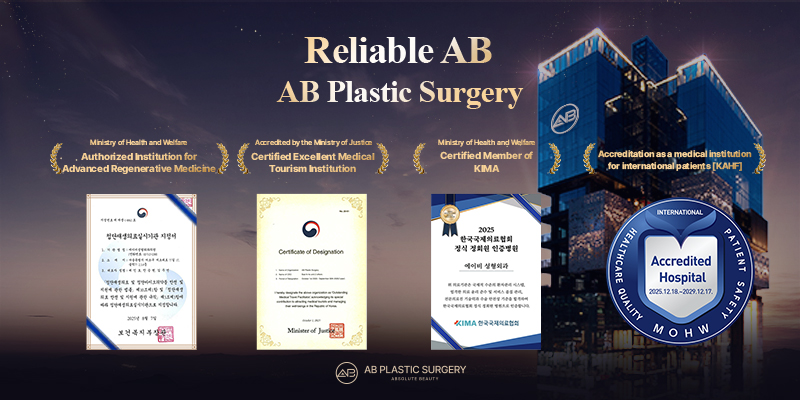
KAHF Accreditation: Government-Verified Medical Standards for International Patients
AB Plastic Surgery Korea holds KAHF accreditation (Korea Accreditation of Healthcare Facilities) — the official designation issued by the Korean Ministry of Health and Welfare for medical institutions that meet national standards for treating international patients. This accreditation is not a marketing certification; it is a government evaluation of clinical systems, patient management protocols, infection control, language support, and accountability structures. For international patients seeking under-eye surgery in Korea who cannot visit the facility in advance, KAHF accreditation provides an independent, state-verified basis for institutional trust.
Academic Recognition and Clinical Affiliations
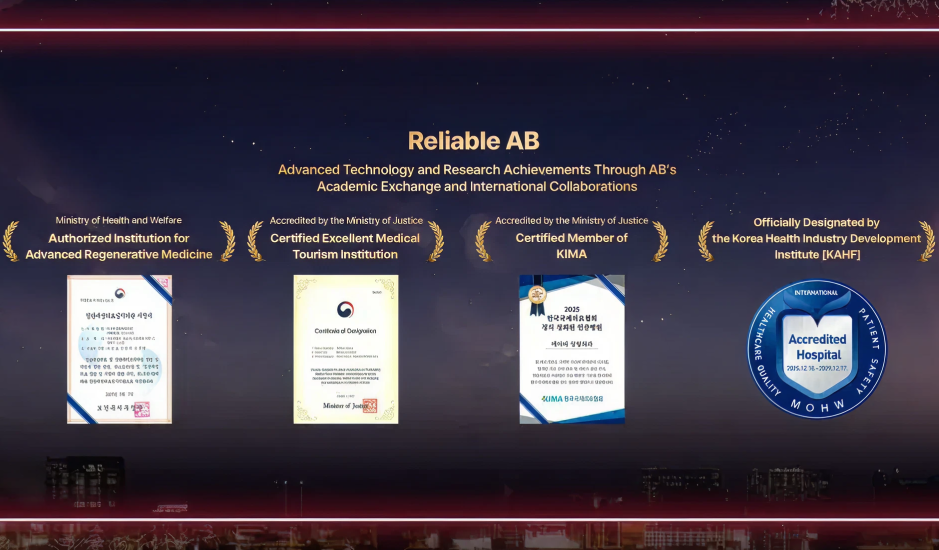
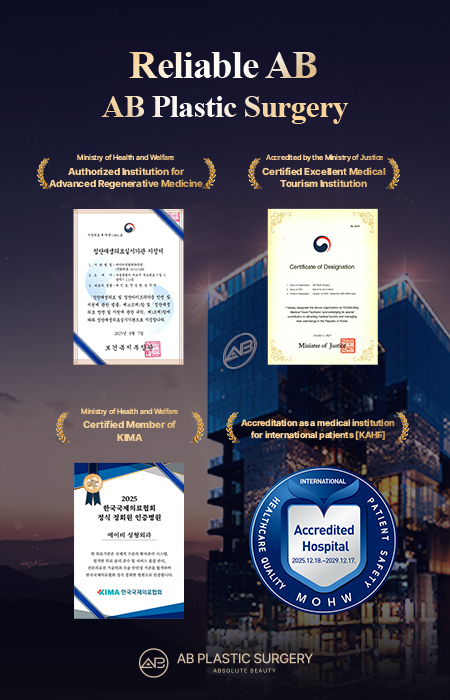
The surgical team at AB Plastic Surgery Korea participates actively in the broader medical and academic community. Surgeons have presented research and clinical techniques at international conferences including PRS Korea 2025 and APS Korea 2026, and the clinic has been designated by the Korean Ministry of Justice as a Medical Tourism Excellence Institution. AB Plastic Surgery Korea also maintains formal MOU collaborations with Hallym University Dongtan Sacred Heart Hospital and Bundang Seoul National University Hospital, and has been designated by the Ministry of Health as an Advanced Regenerative Medicine Implementation Institution through its stem cell research center — institutional affiliations that reflect a depth of clinical engagement well beyond routine cosmetic surgery practice.

Comprehensive Support for International Patients
AB Plastic Surgery Korea provides English-language support throughout the consultation, procedure, and lower blepharoplasty recovery process. Medical interpreter services, airport pickup, hotel support, and aftercare coordination are available to assist international patients in navigating their visit to Korea. The clinic's international patient care model is structured to address both the practical and medical needs of patients traveling from abroad — not simply to accommodate foreign patients within a domestically oriented system.
Reviewing real patient experiences and outcomes can provide additional perspective on the clinical process and post-surgical results of lower blepharoplasty at AB Plastic Surgery Korea.
→ View Before & After Surgery Photos
→ Read Real Patient Surgery Stories
For international patients considering lower blepharoplasty in Korea, the combination of surgical specialization, a board-certified on-site anesthesiologist, government-accredited clinical standards, and structured international patient support makes AB Plastic Surgery Korea a well-documented choice. The decision to proceed with under-eye surgery should always begin with consultation — and that process can begin remotely, before any travel commitment is made.
→ Start with a Free Online Consultation
If you are planning surgery abroad for the first time, it may also be helpful to review the broader context of medical tourism in Korea before your visit.
→ Medical Tourism in Korea: What to Know Before Your First Surgery

This article is for informational purposes only and does not replace a personal medical consultation.