Title
How to Use a Korean Pharmacy After Plastic Surgery for International PatientsDate
November 5, 2026Views
34
K-medi
How to Use a Korean Pharmacy After Plastic Surgery for International Patients
Table of Contents
1. Why the Pharmacy Matters During Plastic Surgery Recovery in Korea
2. How Korean Pharmacies Work: Prescription vs. Over-the-Counter
3. Step-by-Step: Filling Your Post-Surgery Prescription in Korea
4. How to Read Korean Medicine Packets and Instructions
5. Over-the-Counter Items Patients Often Ask About During Recovery
6. Frequently Asked Questions About Using a Korean Pharmacy After Plastic Surgery
7. After-Hours Help, Medication Safety, and When to Contact Your Clinic
After plastic surgery in Korea, one of the first practical questions is surprisingly simple: where do I pick up my medication, and how do I ask for what I need? Korean pharmacies work differently from the drugstores many international patients are used to at home, and the process can feel confusing when you are tired, swollen, and not yet fluent in Korean.
This guide walks through how a Korean pharmacy typically fits into your recovery: how prescriptions work, what to bring to the counter, how to read your medicine packets, which over-the-counter items patients commonly ask about, and where to turn for help when pharmacies are closed. Every surgery and every recovery plan is different, so treat this as general orientation and follow the instructions your own surgical team gives you.
Why the Pharmacy Matters During Plastic Surgery Recovery in Korea
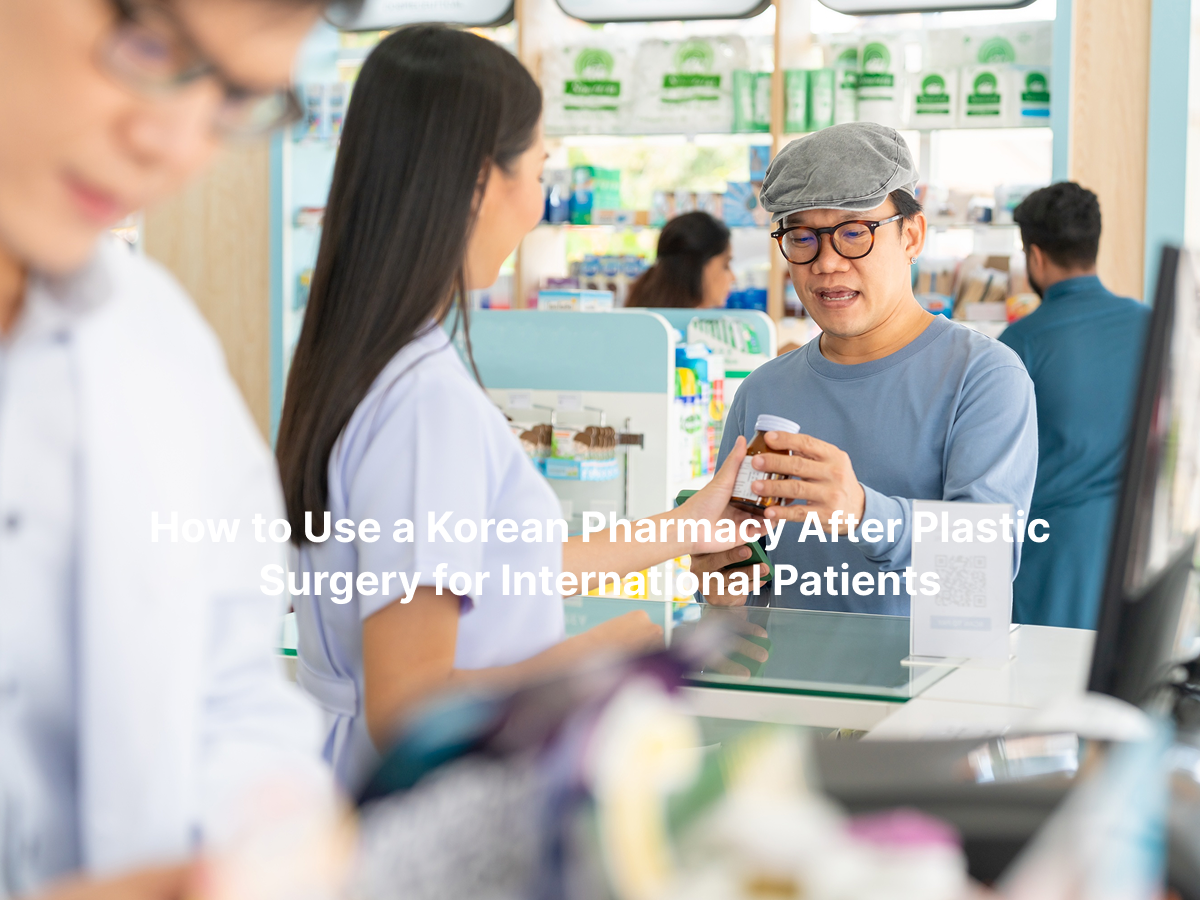
Short answer: in Korea, your surgeon typically prescribes the medication your procedure calls for, the prescription is taken to a pharmacy, and the pharmacist dispenses the medicine with instructions. Anything else you buy for comfort, such as skin-care or cooling items, is best confirmed with your clinic first.
The Clinic Prescription and the Pharmacy Are Two Separate Steps
In Korea, clinics and pharmacies are usually separate businesses. Your doctor evaluates you and writes the prescription, and a pharmacy prepares and hands over the medication. For international patients, this means medication is not always handed to you at the clinic desk, so it helps to understand the handoff before surgery day rather than during it.
What Patients Typically Pick Up After Surgery
What you receive depends on your procedure, your health history, and your surgeon’s plan. Commonly, patients pick up:
-
Medication prescribed by the surgical team, with written dosing instructions
-
Items the clinic specifically recommends for your recovery
-
Basic comfort items you choose yourself after checking they suit your situation
The rest of this guide is organized around those three categories, starting with how the Korean pharmacy system itself works.
How Korean Pharmacies Work: Prescription vs. Over-the-Counter
Korean pharmacies fall into two broad functions: filling prescriptions written by doctors, and selling over-the-counter (OTC) products. Knowing which category your item belongs to saves a lot of time at the counter.
Prescription Medicines
Prescription medicines are dispensed against a prescription from a doctor. Several points commonly surprise international patients:
-
Foreign prescriptions generally cannot be filled. Korean pharmacies typically require a prescription issued in Korea for prescription-only medicines.
-
Antibiotics generally require a prescription. Some medicines sold without a prescription abroad may also need one in Korea.
-
The prescription is usually kept by the pharmacy. You hand it over and do not get it back, so take a photo of it if you want a record.
-
Refills are not automatic. A new supply generally means a new prescription.
Over-the-Counter Medicines and Pharmacy-Sold Products
OTC medicines can be bought without a prescription, and pharmacists can explain what they are for. Korean pharmacies also sell health and skin-care products alongside medicine, which is why it is useful to tell the pharmacist exactly what surgery you had and show any written instructions from your clinic.
Pharmacies vs. Convenience Stores and Other Retailers
Convenience stores and large retailers sell some basic non-prescription items, but they are not a replacement for a pharmacy counter.
|
Where |
What you can typically find |
Pharmacist guidance |
|---|---|---|
|
Pharmacy (yakguk) |
Prescription medicines dispensed from a prescription, OTC medicines, and selected health and skin-care products |
Yes |
|
24-hour convenience store |
A basic selection such as fever reducers, digestive aids, and pain-relief patches |
No |
|
Drugstore chains and large retailers |
Selected non-prescription health items; the range varies by store |
Usually not a substitute for a pharmacy |
Because convenience-store purchases happen without pharmacist consultation, they are better suited to simple needs than to anything related to your surgical recovery. If symptoms persist or you are unsure, contact your clinic.
Step-by-Step: Filling Your Post-Surgery Prescription in Korea
The smoothest pharmacy experience usually starts before surgery day. Here is a simple sequence to follow.
Before Surgery Day: Ask Your Clinic How Medication Will Be Handled
Clinics organize this differently, so avoid assuming and ask directly. Useful questions include:
-
How will my prescription be issued, on paper or electronically?
-
Is there a pharmacy nearby, and what are its opening hours?
-
Can clinic staff help arrange pickup, or should I plan for a companion to go?
-
Which medicines or supplements should I avoid before and after my procedure?
-
Whom do I contact if I have a question about my medication after hours?
On Surgery Day: Plan for Support
After anesthesia, many patients feel groggy, and some are not comfortable walking through a pharmacy or navigating public transport on their own. Patients commonly mention that having a companion makes this stage easier, and some clinics may help coordinate medication pickup depending on the situation. Because arrangements vary, confirm the plan in advance and ask what is possible for your specific procedure. Pharmacies often close earlier than surgeries finish, so late-day appointments deserve extra planning.
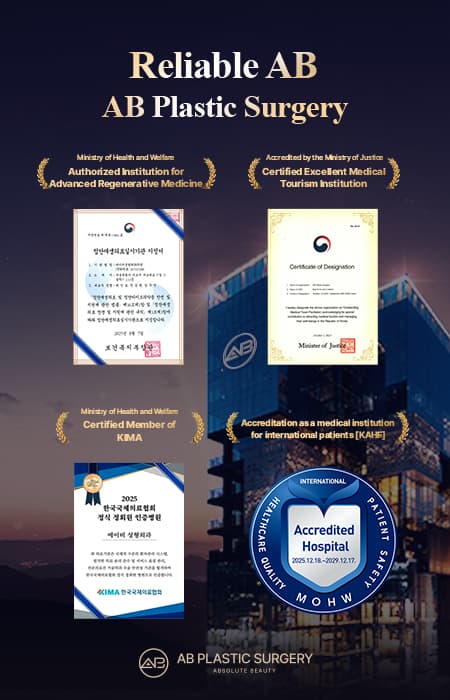
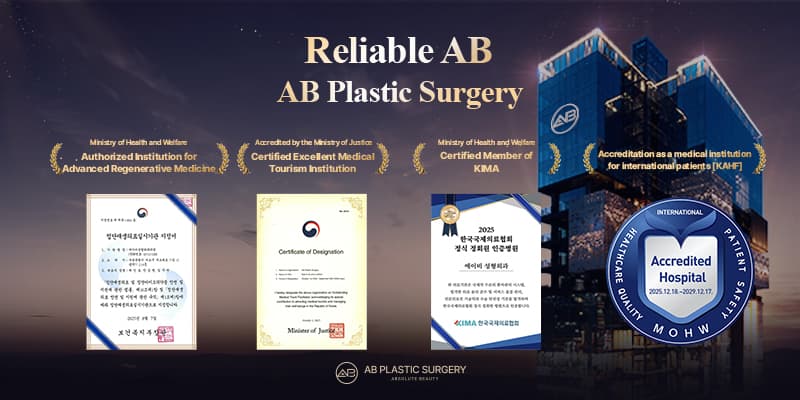
If you are considering surgery with us, you can request a consultation with AB Plastic Surgery and ask the care team how medication and aftercare are usually arranged for your procedure and travel schedule.
At the Counter: What to Bring and What to Say
When you reach the pharmacy, having a few items ready makes the conversation much easier, even if the pharmacist speaks limited English:
-
Your prescription and any aftercare sheet from your clinic
-
A written list of your allergies and the medicines you currently take, ideally in English and Korean
-
The name of your procedure, written down or saved on your phone
-
A translation app, which most pharmacists are used to seeing
A few simple phrases can also help: “Here is my prescription” (cheobangjeon yeogi isseoyo) and “I have an allergy” (allereugi-ga isseoyo). Larger pharmacies near hospitals and clinics may be more accustomed to communicating with foreign visitors.
How to Read Korean Medicine Packets and Instructions
Korean prescriptions often look different from the labeled bottles used in many other countries. Understanding the format helps you take your medication as instructed.
Why Medicine Is Often Pre-Sorted Into Packets
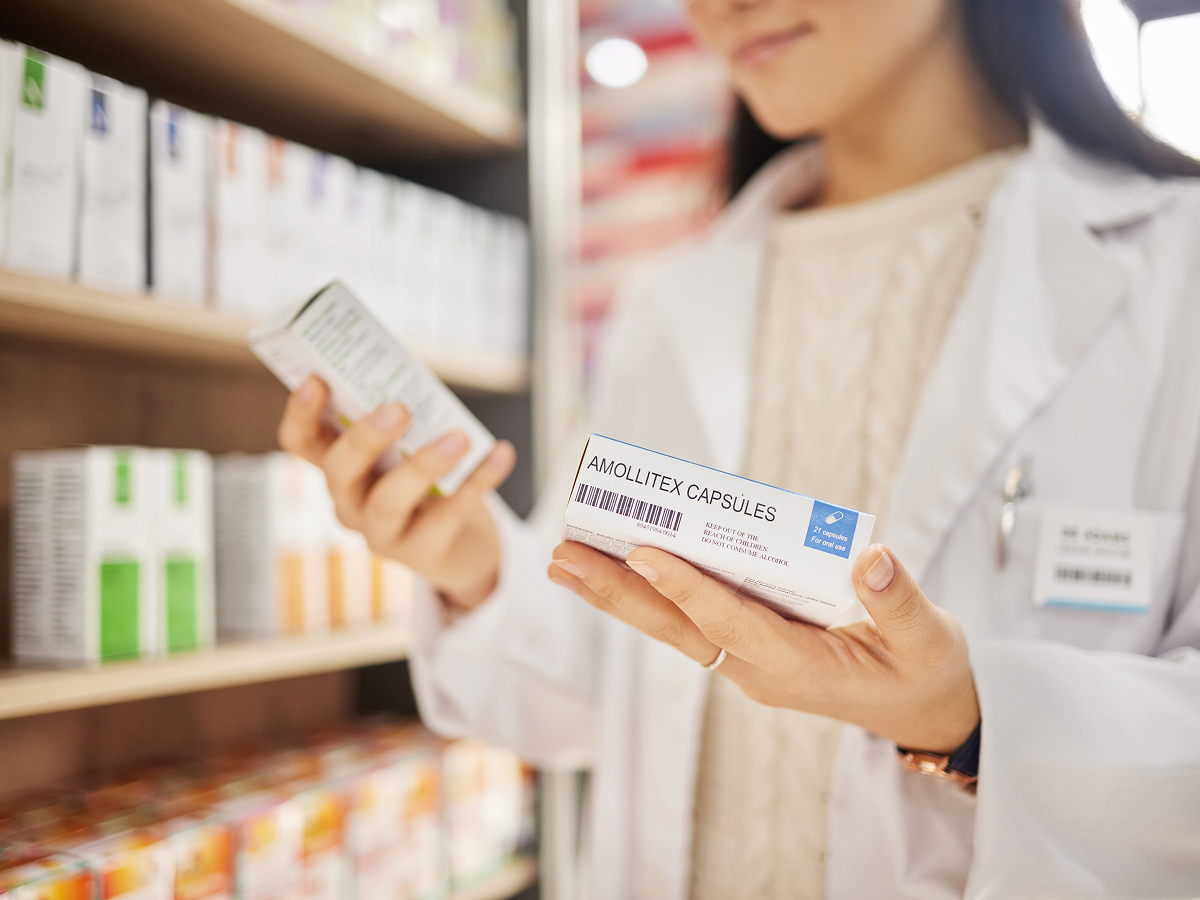
Pharmacies commonly sort tablets and capsules into small packets grouped by the time of day you should take them, and place them in an envelope with your instructions. This can be convenient during recovery because you do not need to count pills yourself, but it also means you rely on the packet labels and the pharmacist’s explanation.
What the Envelope or Label Usually Shows
Details vary by pharmacy, but the envelope or label often includes:
-
Your name
-
When and how often to take each packet
-
A list of the medicines inside
-
The pharmacy’s contact information
Take a photo of the envelope and packets so you can translate or double-check the information later.
Questions to Ask the Pharmacist
Do not leave the counter until you understand the basics. These questions, with Korean you can show on your phone, cover the most important points:
|
What to confirm |
Why it matters |
What you can ask |
|---|---|---|
|
Timing |
Your plan may specify when each packet should be taken |
“When do I take this medicine?” |
|
Food |
Some medicines are taken with or after food |
“Should I take it with food?” |
|
Side effects |
Some medicines can cause drowsiness or stomach discomfort |
“Can it make me sleepy?” |
|
Combining |
Taking several products together may not suit everyone |
“Can I take it with my other medicine?” |
If anything in the packet instructions seems different from what your surgeon told you, pause and check with your clinic before taking the medication.
Over-the-Counter Items Patients Often Ask About During Recovery
Beyond prescribed medication, many patients wonder what else they can buy at a Korean pharmacy for comfort. Rather than recommending specific brands, it is more useful to understand the categories and the right order of steps: ask your clinic first, then ask the pharmacist.
Common Categories and What to Check First
|
Category |
Why patients ask about it |
Check first |
|---|---|---|
|
Cooling items (gel packs, cooling masks) |
Comfort during the swelling phase |
Whether and when cooling is appropriate for your procedure |
|
Gentle cleansing and moisturizing |
Skin can feel dry or sensitive during recovery |
Which products are suitable near incisions or treated areas |
|
Scar-care products |
Interest in caring for the incision area |
When your surgeon says it is appropriate to start, since timing depends on healing |
|
Sun protection |
Treated skin may need extra care outdoors |
Which type and when to begin using it |
|
Digestive comfort |
Some patients feel stomach upset while taking medication |
Ask the pharmacist what is suitable with your prescribed medicines |
Show Your Clinic’s Aftercare Instructions
Rather than asking for a general “recovery cream,” show the pharmacist your written aftercare instructions and name your procedure. Korean pharmacies carry both medicines and cosmetic-type products, and the right choice depends on whether you are dealing with ordinary dryness or an area that is still healing. Products labelled as medication may need a pharmacist’s or clinician’s guidance before use.
Why Your Clinic Should Hear About New Products First
Incision location, closure method, and the type of procedure all influence what is suitable. A product that works well after one treatment may not suit another, so tell your surgeon about anything you plan to add, including supplements and herbal or traditional remedies. A short message to your clinic is a small step that helps keep your recovery plan consistent.
Frequently Asked Questions About Using a Korean Pharmacy After Plastic Surgery
Can I use a prescription from my home country at a Korean pharmacy?
Generally, no. Korean pharmacies typically require a prescription issued in Korea for prescription-only medicines. If you take regular medication from home, tell your surgeon and the pharmacist so they can advise on how to continue it safely during your stay.
Can I buy antibiotics or stronger pain medication without a prescription?
Antibiotics generally require a prescription from a Korean doctor, and some products sold freely in other countries may also be prescription-only in Korea. After surgery, follow the plan from your surgical team rather than choosing medication on your own.
Will the pharmacist speak English?
It varies. Larger pharmacies, especially near hospitals and clinics, may be more used to foreign visitors. Bringing your prescription, a written allergy and medication list, and a translation app helps in any case.
Can the clinic’s coordinator pick up my medication for me?
This depends on the clinic and the situation. Some clinics may help with pickup, while others expect patients or companions to go themselves. Ask your clinic before surgery day so you can plan around your schedule and the pharmacy’s hours.
Can I take my own medication from home alongside prescribed medication?
Tell your surgeon and the pharmacist about everything you take, including supplements, before combining anything. Keep medicines in their original labelled packaging, and check Korean customs rules before traveling, since some medicines are restricted or require documentation.
What should I do if I do not understand the medication instructions?
Do not guess. Photograph the envelope and packets, ask the pharmacist to explain them, and contact your clinic if anything seems unclear or different from what your surgeon told you.
Are convenience-store medicines a good substitute for pharmacy items?
Convenience stores sell a limited selection of basic non-prescription products, and these purchases happen without a pharmacist’s advice. For anything related to your surgery recovery, a pharmacy and your clinic are better sources of guidance.
After-Hours Help, Medication Safety, and When to Contact Your Clinic
Most pharmacies are not open around the clock, so it helps to know your options before you need them.
Pharmacy Hours and Late-Night Options
Opening hours vary by neighborhood, and fully 24-hour pharmacies are uncommon. Local governments designate certain pharmacies to stay open later for minor needs, and where to find them differs by area. Check your pharmacy’s hours when you collect your medication, and ask your clinic whether it recommends a nearby option for the evening.
The 1339 Hotline for Medical Guidance
The Korea Disease Control and Prevention Agency (KDCA) runs the 1339 hotline, which offers round-the-clock medical consultation and can connect callers with interpreters through three-way calling. It can also help you find nearby late-night pharmacies and after-hours clinics. For urgent symptoms such as severe chest pain, shortness of breath, loss of consciousness, or heavy bleeding, go to an emergency room or call 119.
Medication Safety Basics
-
Follow the instructions from your surgical team and pharmacist for dose and timing.
-
Avoid swapping, skipping, or adding medicines or supplements without checking first.
-
Keep your packets and envelopes until your recovery is complete.
-
Contact your clinic promptly about anything unusual rather than waiting to see if it passes.
Planning Aftercare as an International Patient
Recovery in a foreign country is easier when the practical details are settled early: how medication is arranged, who can help on surgery day, which pharmacy you will use, and whom to call with questions. These details can differ by procedure and by clinic, so it is worth discussing them during your consultation. If you would like to talk through your own situation, you can start with the AB Plastic Surgery consultation page.
Using a Korean pharmacy after plastic surgery does not need to be stressful. With your prescription and written instructions in hand, a few simple questions prepared, and clear communication with your clinic, the process is usually straightforward, and your recovery plan stays on track.
Written by
AB Plastic Surgery
Updated on
November 5, 2026
This article is for informational purposes only and does not replace a personal medical consultation.