Title
Swelling During a Long-Haul Flight After Plastic SurgeryDate
November 24, 2026Views
8
K-medi
Swelling During a Long-Haul Flight After Plastic Surgery
Table of Contents
1. Why Swelling Can Feel Worse During a Long-Haul Flight After Plastic Surgery
2. When Is It Time to Fly Home? Factors That Shape Your Flight Window
3. Before You Fly: Preparing Your Body and Travel Plan
4. During the Flight: Hydration, Movement, Head Position, and Comfort
5. FAQ: Swelling During Long-Haul Flights After Plastic Surgery
6. After You Land: The First 72 Hours and When to Contact Your Surgeon
7. Planning Your Return Journey With Your Surgical Team Before Surgery
You land after a ten-hour flight, and your face, ankles, or surgical area looks puffier than when you left. For many international patients, swelling during a long-haul flight after plastic surgery is a common worry, and one that is rarely explained clearly.
In short, post-surgical swelling is normal, and long hours of sitting, lower cabin pressure, and dry air can make it more noticeable. This guide covers what to do before, during, and after your flight, and which symptoms need medical attention. It is general information; your surgeon’s instructions always come first.
Why Swelling Can Feel Worse During a Long-Haul Flight After Plastic Surgery
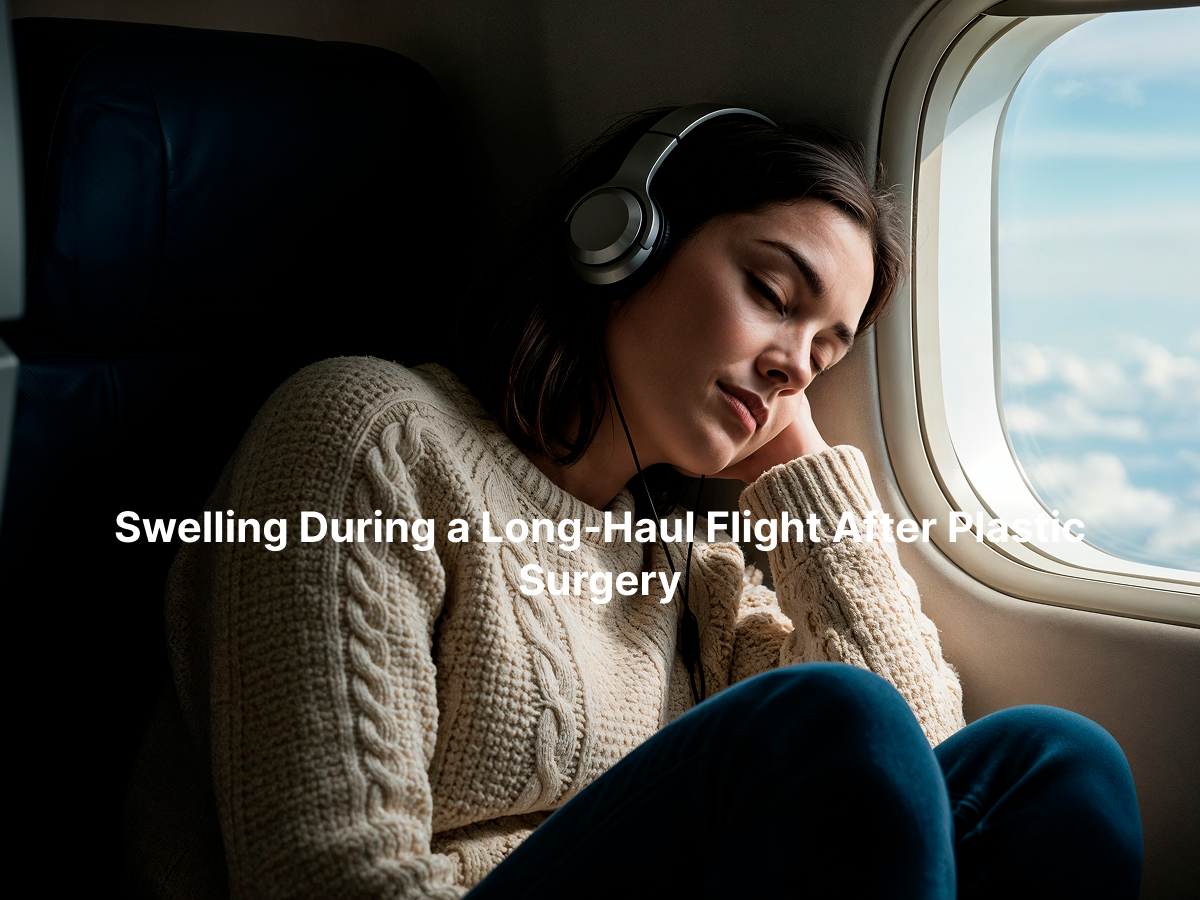
In short: Swelling during a long-haul flight after plastic surgery usually comes from normal post-surgical swelling overlapping with fluid shifts caused by many hours of sitting in a pressurized, dry cabin. It is typically temporary, but worth planning for.
Normal Post-Surgical Swelling vs. Flight-Related Swelling vs. Warning Signs
Many travelers worry because all swelling looks alike in the mirror. In practice, three different things can be happening, and separating them makes the rest of this guide easier to use.
-
Normal post-surgical swelling: Fluid accumulates in tissues as part of the healing response. It is typically most noticeable in the first days after surgery and then gradually settles over weeks, with the pace depending on the procedure and the individual.
-
Flight-related swelling: Sitting still for hours, cabin conditions, and reduced hydration can add fluid to the legs and feet, and can make already swollen surgical areas feel tighter or look fuller for a time.
-
Warning signs: Swelling that is sudden, painful, one-sided, or accompanied by breathing difficulty or chest pain is different from ordinary puffiness and needs medical attention. These signs are covered in detail later in this guide.
Cabin Pressure, Sitting Still, and Dry Cabin Air
Three features of air travel are most often linked to swelling:
-
Cabin pressure: Commercial aircraft cabins are typically pressurized to an altitude equivalent of roughly 6,000 to 8,000 feet. At that simulated altitude, oxygen levels are slightly lower and fluid distribution in the body can shift. Cabin pressure is generally described as a contributing factor rather than the main cause of swelling.
-
Prolonged sitting: When the leg muscles are not moving, they do not help push fluid and blood back toward the heart. Gravity then pulls fluid downward, which is why ankles and feet often swell after long flights even in people who have never had surgery.
-
Dry air and dehydration: Cabin humidity is very low. Many travelers drink less water than usual, and caffeine or alcohol can make this worse, which may leave the body holding on to fluid and feeling more swollen.
For a patient in the early healing phase, these everyday travel effects stack on top of surgical swelling. That is why an area that looked calm at the clinic can feel tighter or look fuller after landing.
Why Some Patients Notice It More Than Others
Two patients on the same flight can have very different experiences. Several factors tend to influence how noticeable swelling becomes:
-
The type and extent of the procedure, and how recently it was performed
-
Whether the surgical area sits at the face, where changes are easy to see, or on the body, where garments and positioning matter more
-
Hydration, salt intake, and sleep in the days before the flight
-
Flight duration, number of connections, and how often you are able to move
-
Your personal healing pattern and any medical history your surgeon is aware of
Because of these variables, general advice has limits. The most reliable plan is the one your surgeon builds around your own procedure and recovery.
When Is It Time to Fly Home? Factors That Shape Your Flight Window
In short: There is no single safe flight date for everyone. Your surgeon’s clearance, based on your procedure, healing, and flight length, decides, so keep your return ticket flexible.
Why There Is No Single Safe Date for Everyone
Flight readiness is a medical judgment, not a calendar rule. Surgeons usually look at how the surgical area is healing, whether swelling and bruising are behaving as expected, whether any dressings, splints, or stitches still need attention, and how you feel overall. Two patients who had the same procedure on the same day may be cleared on different days.
For this reason, it is wise to treat any day count you read online as a rough discussion point for your consultation, not a deadline. The final decision belongs to the surgeon who examines you.
Procedure Type and Anesthesia
The kind of surgery has a large influence on the flight conversation:
-
Facial procedures such as rhinoplasty, eyelid surgery, and facelift surgery often involve visible swelling and bruising, and there may be follow-up steps such as splint or stitch removal before travel is discussed.
-
Body contouring procedures may involve larger treated areas, compression garments, and more attention to circulation and clot prevention during travel.
-
Procedures under general anesthesia or with longer operating time are often discussed more carefully, because surgery itself is one factor that can raise clot risk during long trips.
Flight Length, Connections, and Follow-Up Visits
A direct eight-hour flight and a sixteen-hour journey with a connection place very different demands on a recovering body. Longer trips mean more time seated, more time in dry air, and fewer chances to get help if you feel unwell. Connections add airport walking, luggage handling, and tighter schedules, which can be tiring in early recovery.
It also helps to plan around your follow-up visits. Booking a flight that leaves room for your final check-up, and ideally a little flexibility beyond it, reduces pressure to travel before you are ready. The time of year can matter as well, because weather, crowded travel periods, and cabin or airport conditions vary by season. For more on timing your stay, see this guide on seasonal timing for plastic surgery recovery in Korea.
A practical tip: choose a ticket that can be changed, or wait to book your return flight until your surgeon has outlined the likely window. A date that has to move is far easier to handle than a date that cannot.
Before You Fly: Preparing Your Body and Travel Plan
In short: Swelling management starts before the airport: confirm clearance at your final check-up, hydrate, limit salt and alcohol, pack essentials, and choose a seat that lets you move.
The Final Check-Up and What to Ask Your Surgeon
Your last visit before departure is the best moment to ask flight-specific questions. Consider bringing a short written list so nothing is missed, especially if there is a language barrier.
-
Am I cleared to take this specific flight, with its length and connections?
-
Are there movements, positions, or pressure on the surgical area that I should avoid in the air?
-
Should I wear a compression garment or compression socks, and for how long?
-
Which of my medications should I carry, and how should I take them during travel?
-
What symptoms should make me contact the clinic, and how do I reach the team from overseas?
Ask for a short summary of your procedure, medications, and instructions in English, so you can show it to airline staff or to a doctor at home if needed.
Pre-Flight Checklist
These everyday habits are commonly recommended for comfort on long flights, and they apply well to recovering patients. Always check them against your own surgeon’s instructions.
-
Hydrate in the days before travel: Steady water intake helps more than drinking a lot at once just before boarding.
-
Go easy on salt: Salty meals before and during travel can encourage fluid retention.
-
Skip alcohol: It can dehydrate you, and it may interact with medications.
-
Wear loose, comfortable clothing: Avoid anything tight around the surgical area, waist, or legs unless it is a garment your surgeon prescribed.
-
Pack essentials in your carry-on: Medications, dressings or supplies your surgeon approved, your medical summary, and the clinic’s contact details.
-
Limit heavy lifting: Ask a companion or airport staff to handle luggage so you do not strain the surgical area.
If you had eyelid surgery, preparing for cabin dryness is especially useful. You can review typical recovery steps in this guide to double eyelid surgery aftercare, then ask your surgeon which eye-comfort measures are suitable for the flight.
Choosing Your Seat and Flight Schedule
Small booking choices can make a long flight easier on a recovering body:
-
Aisle seat: It lets you stand and walk without disturbing other passengers.
-
Extra legroom: A bulkhead or exit-row seat, where the airline allows it, makes it easier to stretch.
-
Direct flights: Fewer connections mean less airport walking and less luggage handling.
-
Daytime or comfortable departures: Choose times that let you arrive rested and with support available at home.
-
Someone to travel with: A companion can help with bags, reminders to move, and keeping an eye on how you feel.
During the Flight: Hydration, Movement, Head Position, and Comfort
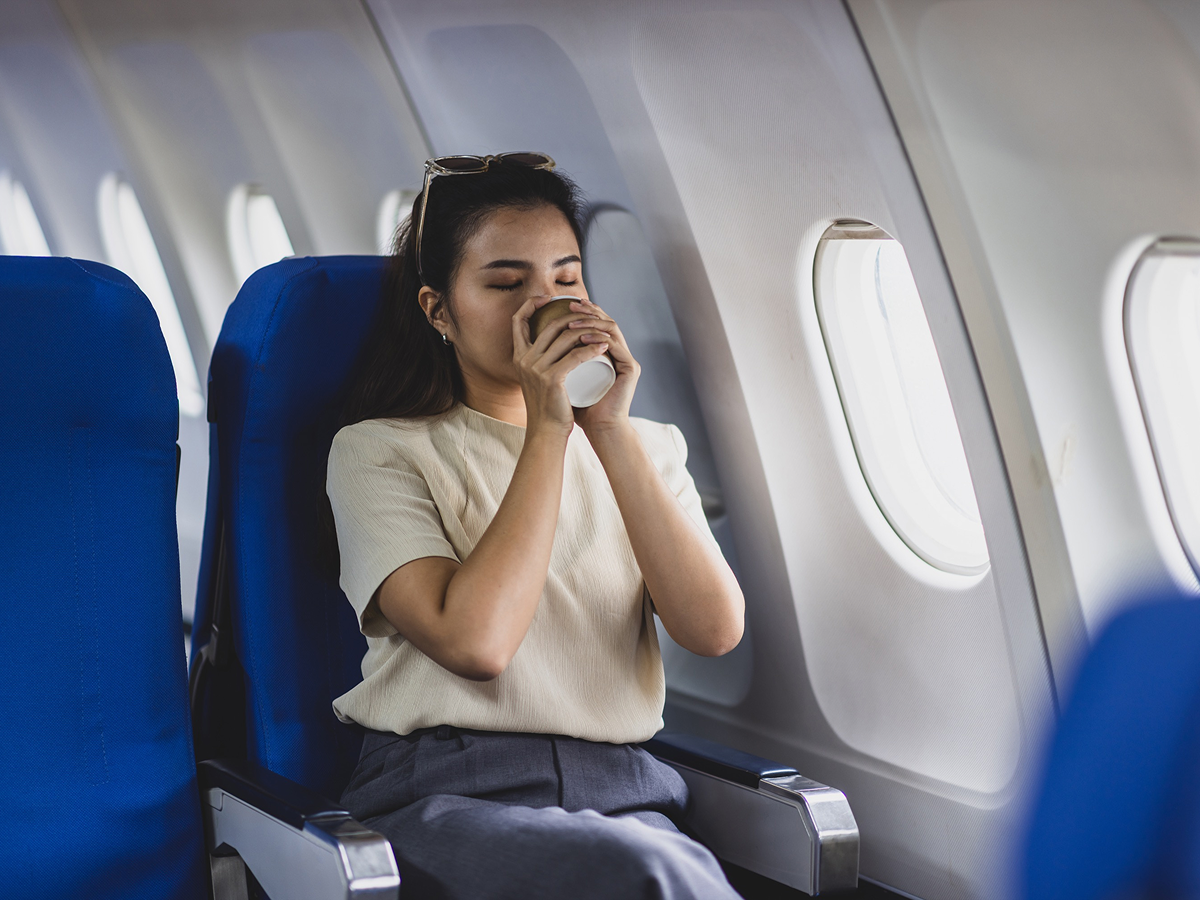
In short: On board, keep fluid moving and protect the surgical area: sip water, walk and do ankle pumps regularly, mind your head position, and ask your surgeon before using compression socks or cold packs.
Hydration and What to Limit
Sip water regularly rather than waiting until you feel thirsty, because cabin air is dry enough that thirst often lags behind fluid loss. Many travelers find it helpful to carry an empty bottle through security and fill it before boarding.
Limit alcohol, and keep caffeine modest, since both can contribute to dehydration. Salty snacks and processed airline meals can add to fluid retention, so consider lighter options and request meals that fit any dietary instructions you were given.
Moving Safely: Walking and Ankle Exercises
Movement is the single most useful habit on a long flight, both for comfort and for circulation. The CDC notes that the risk of blood clots can increase when travel lasts four hours or longer, and surgery is an additional factor to take seriously. For that reason, staying active is not optional extra advice for recovering patients.
-
Walk the aisle every hour or two when the seat-belt sign is off, at a gentle pace.
-
Do seated ankle pumps: Point and flex your feet, and rotate your ankles, several times each hour.
-
Avoid crossing your legs for long periods, and shift position often.
-
Stand and stretch gently without twisting or straining the surgical area.
If your surgeon has restricted certain movements, follow those limits first and ask which in-flight exercises are suitable for you.
Head Position, Sleeping, and Protecting Surgical Areas
After facial procedures, many surgeons recommend keeping the head slightly raised during rest, because lying flat can make facial swelling feel heavier. On a plane, that may mean using a pillow arrangement your surgeon has approved rather than a standard neck pillow, which can press on incisions around the jaw, neck, or ears.
Avoid leaning your head against hard surfaces, pressing on treated areas, or rubbing your eyes or nose. If you need to blanket yourself for warmth, choose light layers; heat on a recovering area can feel soothing but should not be applied unless your surgeon allows it.
Area-Specific Considerations to Discuss With Your Surgeon
Different procedures raise different in-flight questions. The table below is a conversation guide, not a set of instructions; your surgeon’s advice replaces it wherever the two differ. If you are traveling after a face-shaping operation, you may also find it useful to read about facial contour surgery recovery before you plan your return.
|
Area |
Common in-flight question |
What to ask your surgeon |
|---|---|---|
|
Eyes |
Cabin air feels very dry and irritating |
Are lubricating drops or sunglasses appropriate, and may I wear contact lenses yet? |
|
Nose |
Pressure or stuffiness during takeoff and landing |
How should I handle ear and nasal pressure, and should I avoid blowing my nose? |
|
Face and neck |
Fullness or tightness after hours upright or reclined |
What head position is best, and is a neck pillow safe for my incisions? |
|
Body |
Pressure from sitting, plus leg swelling |
Which garment should I wear, and how often should I stand and walk? |
|
Legs |
Ankles and feet swell during long flights |
Are compression socks recommended for me, and at what strength? |
Compression Socks and Cold Packs: Ask First
Graduated compression socks are widely used by travelers to reduce leg swelling and support circulation, and some surgeons specifically recommend them after certain procedures. They are aimed at the legs, not at facial swelling, and they are not suitable for everyone, so confirm with your surgeon before buying or wearing them.
Cold packs are another common question. Because cold can affect healing tissue and airlines may have rules about carrying them, ask whether a cold pack is appropriate for your surgical area, and for how long, before you rely on one in the air.
FAQ: Swelling During Long-Haul Flights After Plastic Surgery
In short: Quick answers on why swelling can increase after flying, how to reduce it, and how to tell it from a blood clot.
Is it normal to look more swollen after a long flight following plastic surgery?
It is common. Surgical swelling is already present during early recovery, and long periods of sitting, low cabin humidity, and reduced fluid intake can make it look or feel more pronounced after landing. In most cases this is temporary and improves with rest, hydration, and gentle movement. If swelling increases quickly, becomes painful, or affects only one side, contact your surgeon.
Can cabin pressure affect healing after surgery?
Cabin pressure is generally described as one contributor to fluid shifts rather than the main cause of swelling, and its effect varies from person to person. Flying too early in recovery is the larger concern, which is why surgeons give individual clearance based on the procedure and your healing. Follow your surgeon’s timing advice rather than a general rule you read online.
How can I reduce swelling during a long-haul flight?
The most commonly recommended habits are:
-
Drink water steadily and limit alcohol and salty foods
-
Walk the aisle regularly and do seated ankle pumps
-
Choose an aisle seat so you can move freely
-
Keep your head position as your surgeon advised after facial procedures
-
Wear any compression garment or socks your surgeon approved
These steps support comfort and circulation, but they cannot guarantee a particular outcome.
Do compression socks help with swelling after surgery?
Graduated compression socks are widely used to reduce leg and ankle swelling and to support circulation during long flights. They are designed for the legs, so they do not address facial swelling. Because suitability depends on your procedure and medical history, ask your surgeon whether to wear them and which strength is appropriate.
How can I tell ordinary swelling from a blood clot?
Ordinary flight swelling is usually mild, affects both ankles or feet, and eases with walking and rest. A possible clot in the leg more often causes swelling in one leg or calf with pain, tenderness, warmth, or redness. Sudden shortness of breath, chest pain, a racing heartbeat, or coughing can signal a clot in the lungs. These symptoms are medical emergencies, so seek local emergency care right away rather than waiting.
Will a swollen face cause problems at the airport or passport control?
Visible swelling, bruising, or dressings can make you look different from your passport photo, and travelers in that situation may be asked extra questions at security or passport control. To make this easier, allow extra time, carry a short medical summary from your clinic, and keep your clinic’s contact details handy. It is also worth checking your airline’s policy on traveling after surgery before you book.

After You Land: The First 72 Hours and When to Contact Your Surgeon
In short: Mild puffiness after landing usually settles with rest, water, and gentle walking. One-sided leg swelling, worsening pain, fever, or breathing trouble needs prompt medical care.
What Is Typically Expected After a Long Flight
After a long trip, it is common to notice mild puffiness in the feet and ankles, or a bit more fullness around the surgical area than before departure. This often settles as you rest, drink water, and move around gently. Try to follow these simple steps for the first days at home:
-
Rest and elevate: Give your body time to recover from travel, and keep your head or legs elevated when resting if your surgeon advised it.
-
Keep drinking water: Rehydrate steadily, and keep meals lower in salt.
-
Walk gently: Short, easy walks support circulation without straining the surgical area.
-
Do not judge results yet: Swelling during recovery can hide the final shape, and your appearance on the day you land is not a preview of your results.
-
Stick to your instructions: Continue medications, dressings, and activity limits exactly as your surgeon advised.
Warning Signs That Need Prompt Medical Attention
Most post-flight swelling is not dangerous, but a few signs should never be ignored. The table below separates changes that are commonly expected from those that call for prompt contact with a medical professional.
|
Commonly expected |
Contact your surgeon or seek medical care |
|---|---|
|
Mild swelling in both ankles or feet that eases with walking and rest |
Swelling, pain, warmth, or redness in one leg or calf |
|
Fullness or tightness around the surgical area that gradually settles |
Swelling that grows quickly, feels very tight, or is clearly one-sided |
|
Tiredness and mild discomfort after travel |
Severe or worsening pain, fever, or unusual discharge from an incision |
|
Dry, irritated eyes after the flight, easing with approved comfort measures |
Changes in vision, or eye pain that keeps increasing |
|
Normal breathing and no chest discomfort |
Sudden shortness of breath, chest pain, or coughing, which need emergency care |
If you ever feel unsure, it is better to ask than to wait. Contacting your surgical team about a concern is part of normal aftercare, not an overreaction.
How to Report Symptoms to Your Surgical Team
When you are far from the clinic, clear information helps your surgeon assess what is happening remotely. Before you write or call, gather a few details:
-
Clear photos of the area in good lighting, taken from the same angles each time
-
When the swelling or symptom started, and whether it is getting better, worse, or staying the same
-
Any medications taken, including doses and times
-
Flight length and any symptoms you noticed in the air
-
A note of any other symptoms, such as fever, pain level, or breathing changes
Your surgeon can then advise whether a symptom is part of normal healing, or whether you should see a local doctor. If a doctor at home treats you, share your English medical summary so they know what procedure you had.
Planning Your Return Journey With Your Surgical Team Before Surgery
In short: Plan your return flight before surgery: share travel details at your consultation, agree on a follow-up plan, and know how to reach your team from overseas.
Questions to Ask at Your Consultation
Bring your travel details to the consultation so your surgeon can take them into account when planning your stay. It helps to ask:
-
How long should I plan to remain in Korea before my flight home is discussed?
-
Which follow-up visits should happen before I leave?
-
How will my recovery be checked after I go home, and how do I send photos or updates?
-
What should I do if I notice a concern during or after the flight?
-
Is there anything about my procedure that makes a long-haul flight need extra planning?
If you are still deciding whether surgery abroad is right for you, this overview of medical tourism in Korea for first-time patients covers the wider planning questions that sit around the flight home.
If you would like to talk through your travel plans with a medical team, you can request a consultation with AB Plastic Surgery. Sharing your departure city, expected flight length, and preferred travel dates in advance lets your surgical team consider them while planning your care.
Key Takeaways
-
Swelling during a long-haul flight after plastic surgery is usually the combination of normal post-surgical swelling and the effects of sitting still in a dry, pressurized cabin.
-
There is no single safe flight date for everyone; your surgeon’s clearance, based on your procedure and healing, is what matters.
-
Hydration, regular movement, low-salt meals, a supportive seat choice, and surgeon-approved garments are the most common ways to improve comfort.
-
Swelling in one leg, severe pain, sudden shortness of breath, or chest pain needs urgent medical attention.
-
Talking about your return flight before surgery makes planning, follow-up, and remote communication much easier.
This article is general information for international patients and is not a substitute for personal medical advice. Always follow the instructions given by your own surgeon and medical team.

Written by
AB Plastic Surgery
Updated on
November 24, 2026
This article is for informational purposes only and does not replace a personal medical consultation.