Title
Taking It Slow After Surgery: Making Your Stay in Seoul More ComfortableDate
November 26, 2026Views
13
K-medi
Taking It Slow After Surgery: Making Your Stay in Seoul More Comfortable
Table of Contents
1. What “Taking It Slow” Means During a Recovery Stay in Seoul
2. Where to Stay After Plastic Surgery in Seoul
3. Seoul’s New Medical-Friendly Accommodations
4. Before You Check In: A Quick Checklist
5. Frequently Asked Questions About a Recovery Stay in Seoul
6. Setting Up Your Room for Rest
7. A Slow Day in Seoul: Rest, Meals, and Short Outings
8. When to Reach Out and Who to Call in Seoul
Surgery itself may take a few hours, but the days that follow are spent somewhere else: a hotel room, a serviced residence, or a rental in a city you may not know well. For many international patients, how comfortable that time feels depends on a few practical choices made before arrival.
This guide focuses on the stay itself: where to rest in Seoul, how to set up your room, how to pace your days, and who to contact if something feels off. It is general planning information, and your surgeon’s instructions always come first.
What “Taking It Slow” Means During a Recovery Stay in Seoul
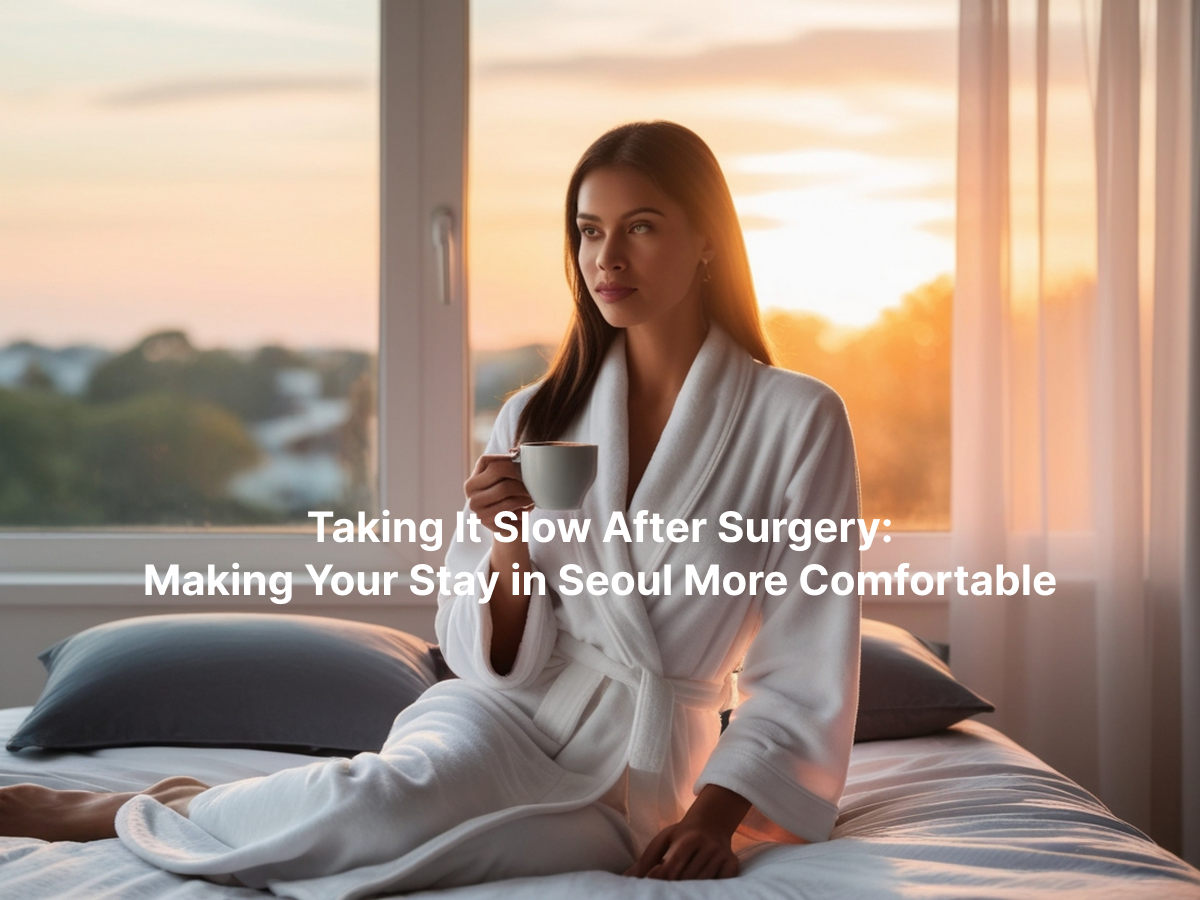
Taking it slow during a recovery stay in Seoul means giving your body room to heal while following your care team’s guidance on rest and activity. It does not usually mean staying in bed all day. Many surgeons encourage short, gentle walks when appropriate, while asking patients to avoid strain, heat, and intense activity for a period that depends on the procedure.
Recovering away from home simply takes a bit more planning. You may not have your own bed, kitchen, or family nearby, and small tasks such as finding soft food or getting to a follow-up visit take more effort in an unfamiliar city. A little preparation makes those days calmer.
For general post-operative care tips, see our guide to recovering from plastic surgery in Korea as an international patient.
Where to Stay After Plastic Surgery in Seoul
When choosing where to stay after plastic surgery in Seoul, practical details usually matter more than the view or the star rating. Three things come first: a short trip to your clinic, an easy route without many stairs, and a quiet room where you can rest.
Stay Close to Your Clinic
Follow-up visits may be scheduled during your stay, so a short, simple trip to the clinic helps. AB Plastic Surgery is located near Gangnam Station (Line 2, Exit 10). Parts of Gangnam are hilly, so it is worth checking the actual walking route, not just the distance on a map.
What to Look for in a Recovery Room
-
An elevator and few or no stairs at the entrance
-
A quiet room, ideally away from street noise
-
Blackout curtains for daytime rest
-
Laundry facilities
-
A small kitchen or microwave if you plan a longer stay
-
Staff or a host who can communicate in your language
-
Someone you can reach at night if you need help
Hotel, Serviced Residence, or Short-Term Rental?
|
Feature |
Hotel |
Serviced Residence |
Short-Term Rental |
|---|---|---|---|
|
Front desk support |
Usually 24 hours |
Often available |
Varies; often none |
|
Kitchen |
Rarely |
Usually |
Usually |
|
Laundry |
Varies by property |
Often in-room |
Varies |
|
Longer stays |
Possible |
Designed for it |
Possible |
|
Step-free access |
Usually |
Usually |
Check before booking |
If your procedure involves general anesthesia or a longer recovery, ask your clinic what to keep in mind when choosing accommodation. For a broader look at planning surgery abroad, read what to know before your first surgery abroad in Korea.
Seoul’s New Medical-Friendly Accommodations
On November 2, 2026, the Seoul Metropolitan Government and the Seoul Tourism Organization designated 19 hotels and other accommodations as “medical-friendly” lodgings for international patients and their families. They were chosen from 40 applicants in the program’s first year, after document reviews, on-site inspections, and expert evaluations. Eleven of the 19 are in Gangnam-gu.
What the Designation Looks At
-
Easy access to medical institutions
-
Long-stay options
-
Amenities such as cooking and laundry facilities
-
Round-the-clock emergency response
Services You May Find
Services at the designated facilities include dedicated floors and lounges for medical travelers, free laundry, pickup and drop-off, and emergency guidance in several languages. Details can differ by property, so confirm what is included when you book.
What It Means for Your Stay
The designation covers 2027. These are places to stay, not medical facilities, so questions about your recovery should still go to your clinic. The city has said it will share information about the designated facilities in several languages on its official medical tourism website (medical.visitseoul.net).
Before You Check In: A Quick Checklist
A few questions before you arrive can save a lot of effort later.
Questions for Your Clinic
-
When are your follow-up visits likely to be?
-
How do you contact the care team at night or on weekends?
-
Are there accommodation features they recommend for your procedure?
-
What should you avoid during your stay, such as heat, alcohol, or certain foods?
Questions for Your Accommodation
-
Is there an elevator, and are there steps at the entrance?
-
Can you get extra pillows?
-
Is laundry available?
-
Can staff help you call a taxi?
-
Can you extend your stay if your plans change?
Think About Support
Traveling with a companion can make the first days easier, especially for errands and getting to appointments. If you are traveling alone, let your clinic know in advance. It is also worth checking what your travel insurance covers before you leave home.
If this is your first trip, our first-timer’s guide to plastic surgery in Seoul covers what to expect from arrival to consultation. The season can also shape your stay, from indoor heating to summer heat, so see how seasonal timing can affect recovery in Korea.
Frequently Asked Questions About a Recovery Stay in Seoul
Where should I stay after plastic surgery in Seoul?
Choose somewhere close to your clinic with easy, step-free access, a quiet room, and someone you can reach if you need help. Many international patients stay in Gangnam because many clinics are located there, but the right choice depends on your procedure, the length of your stay, and whether you are traveling with someone.
Can I go sightseeing during my recovery stay?
Light outings may be possible once your care team says they are appropriate. Keep trips short and low-effort, avoid crowds and long walks early on, and treat follow-up visits as the priority. Activities involving heat, heavy lifting, or strenuous exercise should wait until you are cleared.
Is it okay to recover alone in Seoul?
Some patients do, but it takes more preparation. Choose accommodation where help is available at night, keep your clinic’s contact details within easy reach, and plan meals and transport in advance. Your clinic can tell you whether a companion is recommended for your procedure.
Can I use a sauna or jjimjilbang while recovering?
Usually not in the early weeks. AB Plastic Surgery’s discharge guidance, for example, advises no sauna, hot springs, or swimming for one month. Rules differ by procedure, so follow the timeline your care team gives you.
When can I fly home after surgery?
It depends on your procedure, how your recovery is going, and your follow-up schedule. Confirm with your care team before booking or changing a flight.
Setting Up Your Room for Rest
A few small changes can make a hotel room or rental much more comfortable for recovery.
Sleep the Way Your Surgeon Advises
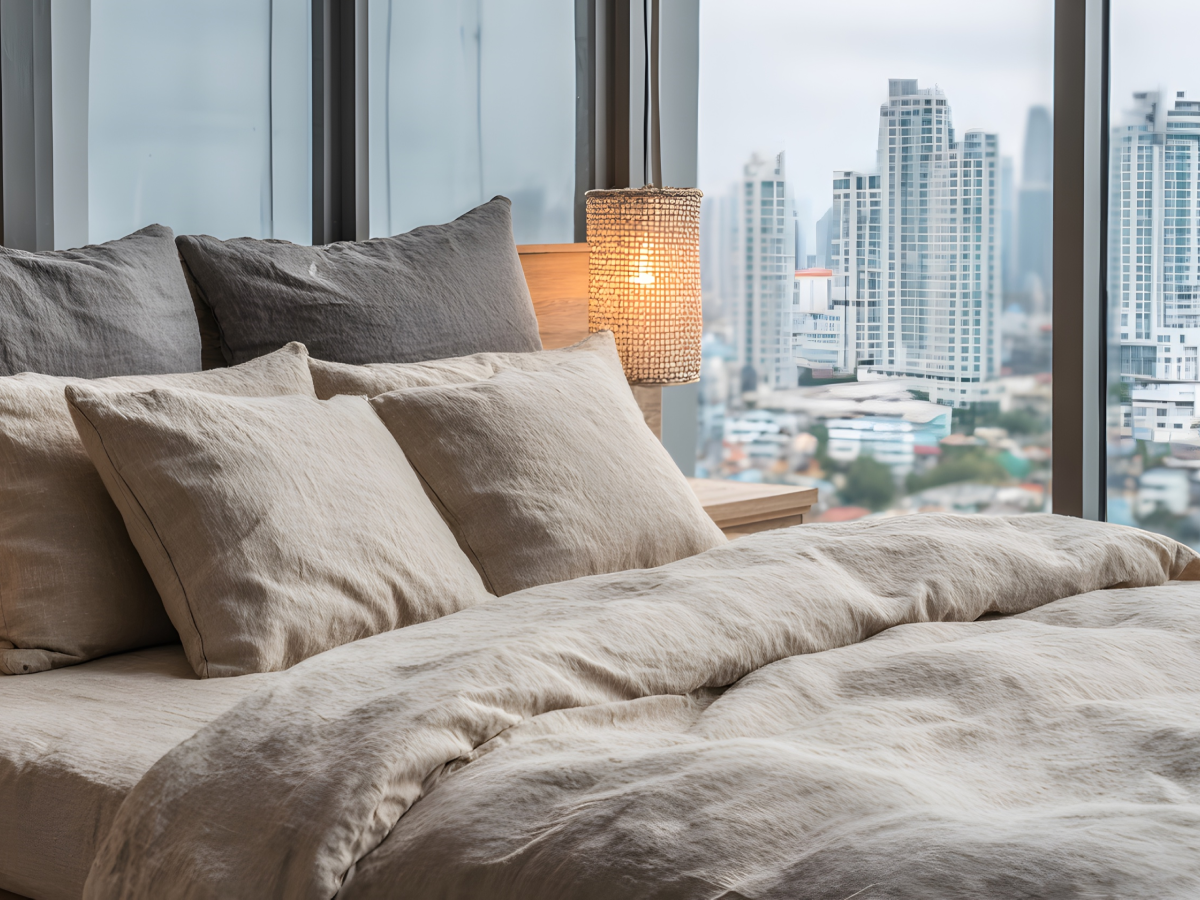
Many patients are asked to sleep in a specific position for a while after surgery. After some facial procedures, such as a facelift or rhinoplasty, this may mean keeping your head raised with extra pillows. Ask for extra pillows when you check in, and follow the position your surgeon recommends.
Air, Temperature, and Light
Indoor heating can make the air feel dry, especially in colder months, so ask whether a humidifier is available. Keep the room comfortably cool, use blackout curtains for daytime naps, and pack earplugs or an eye mask if you are a light sleeper.
A Simple First-Night Kit
-
Your discharge instructions and clinic contact details
-
Medications, organized by time
-
A water bottle, with a straw if drinking feels awkward
-
Soft snacks
-
Loose, front-opening clothes
-
Lip balm
-
A phone charger within reach of the bed
A Slow Day in Seoul: Rest, Meals, and Short Outings
Once your care team says light activity is fine, a simple routine can keep you from doing too much too soon.
Keep the Day Simple
-
Rest in short blocks throughout the day
-
Take short, easy walks if your care team approves
-
Plan the day around your follow-up visits
-
Go to bed early
Easy Meals Nearby
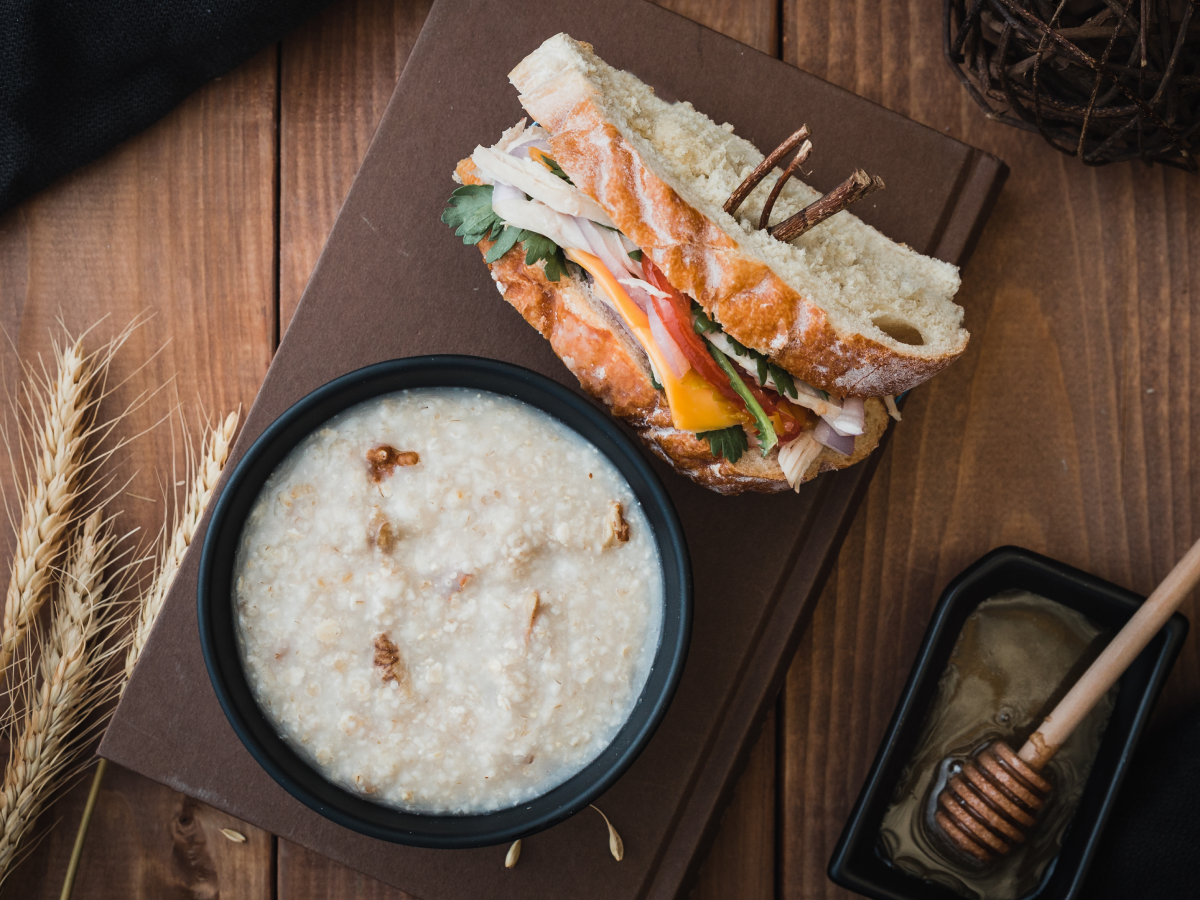
Soft food is easy to find in Seoul. Juk (Korean rice porridge) restaurants are common, and convenience stores carry ready-to-eat porridge, soy milk, and drinks. AB Plastic Surgery’s discharge guidance suggests soft options such as rice gruel, porridge, soy milk, and mild broths, and advises avoiding hot, spicy, or salty foods, which can increase swelling. If going out feels like too much, ask your accommodation whether staff can help you order delivery.
Getting Around
A taxi is usually the simplest way to reach your clinic. If you take the subway, avoid rush hours and check whether your station exit has an elevator or escalator.
Heat, Sun, and Privacy
Hold off on saunas, jjimjilbang, hot baths, and swimming until your care team says it is okay. When you step outside, a hat, sunglasses, or a mask can help you feel more comfortable, and it is a good idea to protect healing skin from direct sun as advised.
When the Days Feel Long
Feeling restless or a little low while recovering is common. Small routines help: video calls with family, audiobooks, a few films, or a short walk around the block once you are cleared.
When to Reach Out and Who to Call in Seoul
Before you leave the clinic, make sure you know how to contact your care team, including at night. AB Plastic Surgery’s discharge guidance lists both an assigned manager’s phone number and a 24-hour emergency line.
Warning Signs to Report Promptly
AB Plastic Surgery’s discharge guidance asks patients to contact the hospital right away if they notice:
-
Persistent heavy bleeding
-
High fever (38°C or above) or severe dizziness
-
Excessive swelling or skin discoloration at the wound site
Your clinic may give you other signs to watch for. If something feels very different from what you were told to expect, contact your clinic rather than waiting.
Useful Numbers in Korea
|
Number |
What It Is |
When to Use It |
|---|---|---|
|
119 |
Fire and emergency services |
Medical emergencies and ambulance. The ambulance service is free, and interpreters are available for foreign nationals. |
|
1330 |
Korea Travel Hotline (Korea Tourism Organization) |
Travel help and interpretation, including three-way calls with emergency services. |
|
1339 |
Korea Disease Control and Prevention Agency call center |
24-hour medical consultations and guidance on how to respond to emergency situations. |
In an emergency, call 119 first.
Planning Your Stay With Your Care Team
If you are still planning your trip, you can ask how long to plan your recovery stay during a consultation with AB Plastic Surgery.
Taking it slow is part of the plan. A quiet room near your clinic, a few things prepared in advance, and a clear way to reach your care team can make a recovery stay in Seoul feel much more manageable. Every recovery is different, so let your surgeon’s instructions guide each step.
Written by
AB Plastic Surgery
Updated on
November 26, 2026
This article is for informational purposes only and does not replace a personal medical consultation.