Title
Facelift and Skin Boosters: A Customized Approach to Facial RejuvenationDate
2026-08-19Views
446
AB Blog
Facelift and Skin Booster Treatments: A Personalized Approach to Facial Rejuvenation
Table of Contents
1. Understanding Facial Aging: Skin Quality vs. Structural Support
2. Skin Boosters Explained: Improving Skin Quality from Within
3. Facelift Surgery: A Semi-Permanent Solution for Structural Aging
4. AB’s 3-Stage Customized Facelift: Mini, Semi-Full, and Full SMAS
5. A Personalized, Layered Approach to Facial Rejuvenation
6. Frequently Asked Questions About Facelift and Skin Booster Treatments
7. Facelift and Skin Booster Cost in Korea & Why International Patients Choose AB
8. Planning Your Facial Rejuvenation Journey: Consultation & Personalized Design
Facial aging never happens in a single place. It unfolds on the surface, where skin loses hydration, elasticity, and glow, and deep underneath, where muscle, ligaments, and tissue begin to sag. This is why so many international patients arrive with the same question: is a skin booster or a facelift the right answer? The honest response is that they are not competitors—they solve different problems at different layers.
At AB Plastic Surgery Korea, facial rejuvenation is not about choosing a single “best” treatment. It is about building a personalized plan anchored by a semi-permanent facelift for structural aging, and refined by skin-quality treatments such as skin boosters for texture and radiance. This guide explains how each works, why a facelift delivers lasting structural results, and how a layered approach produces the natural, “refreshed—not done” outcome patients are looking for in 2026.

Understanding Facial Aging: Skin Quality vs. Structural Support
In short: facial aging affects two separate layers—skin quality on the surface and structural support deep inside. Skin boosters improve the surface layer, while a facelift restores the deep structural layer. Understanding this difference is the key to choosing the right treatment, or the right combination.
When patients say their face “looks tired” or “older,” they are usually describing two things at once. One is the visible condition of the skin itself. The other is the position of the tissue beneath it. Treating one without understanding the other is the most common reason people feel their results didn’t last, or didn’t look natural.
The Two Layers of Facial Aging
Think of the face as a structure with a covering. Over time, both change—but in different ways and at different speeds.
-
Surface layer (skin quality): dehydration, rough texture, dullness, fine lines, and loss of the smooth “bounce” of young skin. This is where skin boosters, lasers, and regenerative treatments work.
-
Deep layer (structural support): descent of the SMAS (the muscle-fascia layer), loosening of retaining ligaments, jowl formation, and sagging along the cheeks, jawline, and neck. This is where a facelift works.
Skin-quality treatments cannot pull sagging tissue back into place, and a facelift alone does not resurface or deeply hydrate the skin. Each addresses a layer the other cannot reach—which is exactly why a thoughtful plan often considers both.
Why This Distinction Matters for Your Treatment Plan
Choosing based on layer—rather than on which treatment is “trendier”—leads to more predictable, longer-lasting results. A patient in their early 30s with good elasticity but dull, dehydrated skin has very different needs from a patient in their 50s with pronounced jowls and neck laxity. Age, degree of sagging, skin condition, and personal goals all shape the right approach.
For a closer look at how the ideal candidate changes across different decades of life, see our companion guide.
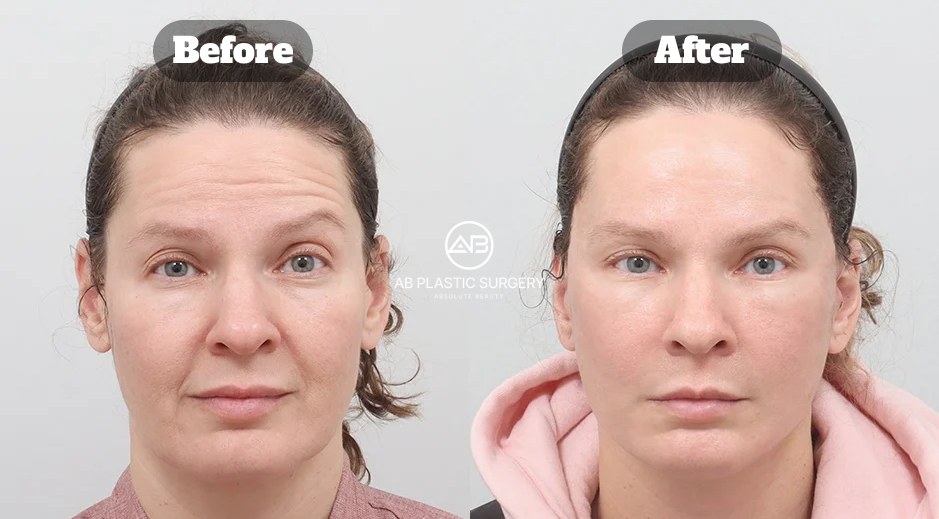
Skin Boosters Explained: Improving Skin Quality from Within
In short: skin boosters are injectable treatments that hydrate and revitalize the skin from within, improving texture, elasticity, and glow. They enhance skin quality—they do not lift or reposition sagging tissue, and their effects are temporary, requiring periodic maintenance.
Skin boosters have become one of the most requested skin-quality treatments among international patients visiting Korea. Rather than adding volume like a filler or freezing movement like a neuromodulator, they deliver hydrating and regenerative ingredients—such as hyaluronic acid and biostimulants—into the skin through fine micro-injections.
What Skin Boosters Do
-
Deliver deep, lasting hydration for a plumper, dewier complexion
-
Stimulate collagen and elastin to gradually improve firmness and texture
-
Soften the look of fine lines and refine overall skin tone
-
Restore a natural, healthy radiance without changing facial contours
-
Involve minimal downtime, making them a popular finishing touch before travel home
Because they work on the skin’s surface layers, skin boosters pair naturally with more structural procedures, refining skin quality alongside a lift for a complete, balanced result.
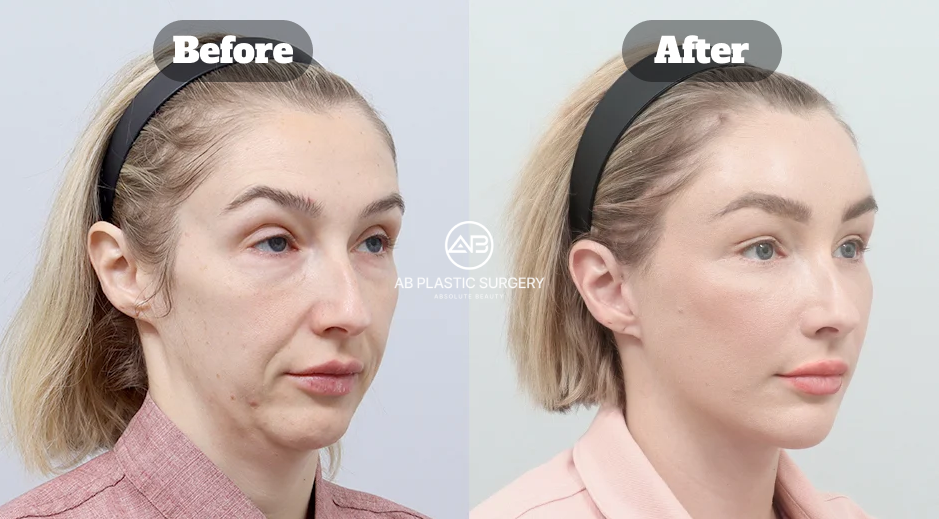
What Skin Boosters Cannot Do
Here is the important part for anyone weighing a skin booster against a facelift: skin boosters do not provide structural lifting. They cannot reposition a descended SMAS layer, tighten a loose jawline, or lift jowls and neck sagging. Their results are also temporary—typically maintained over months and requiring repeat sessions to sustain.
This is not a weakness; it is simply their role. For skin quality, skin boosters are an excellent tool. But when the concern is sagging and loss of facial structure, a longer-lasting, structural solution is needed—which brings us to the facelift.
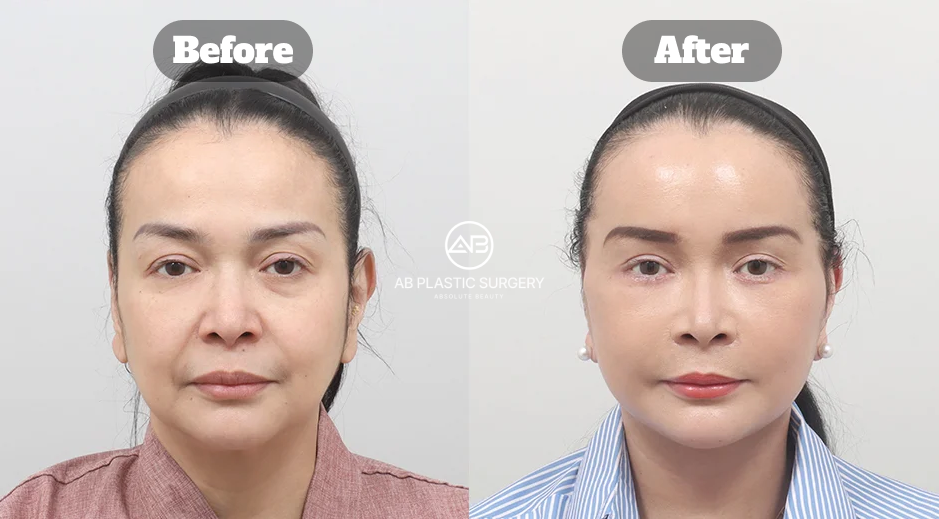
Facelift Surgery: A Semi-Permanent Solution for Structural Aging
In short: a facelift repositions the deep SMAS layer and releases retaining ligaments to correct sagging at its source. Because it treats structure rather than surface, its results are semi-permanent—lasting far longer than any injectable or energy-based skin treatment.
A facelift is the most effective way to address structural facial aging. Instead of working on the skin’s surface, it lifts and secures the layers responsible for sagging, restoring a naturally younger contour that skin-quality treatments cannot replicate.
How a Facelift Works
The lasting effect of a facelift comes from where it works. Superficial tightening fades quickly because the underlying structure keeps pulling downward. A properly performed facelift addresses that structure directly:
-
SMAS repositioning: the muscle-fascia layer is lifted and secured, rather than simply tightening the skin.
-
Retaining ligament release: the ligaments that anchor sagging areas are precisely released and repositioned, which is central to long-lasting results.
-
Natural, tension-balanced closure: the skin is redraped without excess tension, avoiding a pulled or unnatural look.
Because these deep structures are corrected, a facelift delivers semi-permanent improvement—the reason it remains the gold standard for moderate-to-advanced facial aging.
Deep Plane and Dual Plane Techniques
AB Plastic Surgery tailors the dissection technique to each patient’s anatomy. A deep plane facelift lifts the skin and SMAS layer together and is suited to thinner skin and SMAS, while a dual plane facelift lifts after separately dissecting the skin and SMAS, and is suited to thicker tissue. The extent of skin and SMAS dissection is adjusted according to the target area and the degree of elasticity restoration required—so the lift matches the face, not a one-size-fits-all template.
→ Explore AB Plastic Surgery Facelift
Anesthesia and Surgical Safety at AB Plastic Surgery
Any surgery that involves the deep facial structures—and the sedation or general anesthesia that comes with it—makes anesthesia safety a decisive factor when choosing a clinic. Following recent anesthesia-related incidents reported at other clinics, this is a question more international patients are rightly asking before they book.
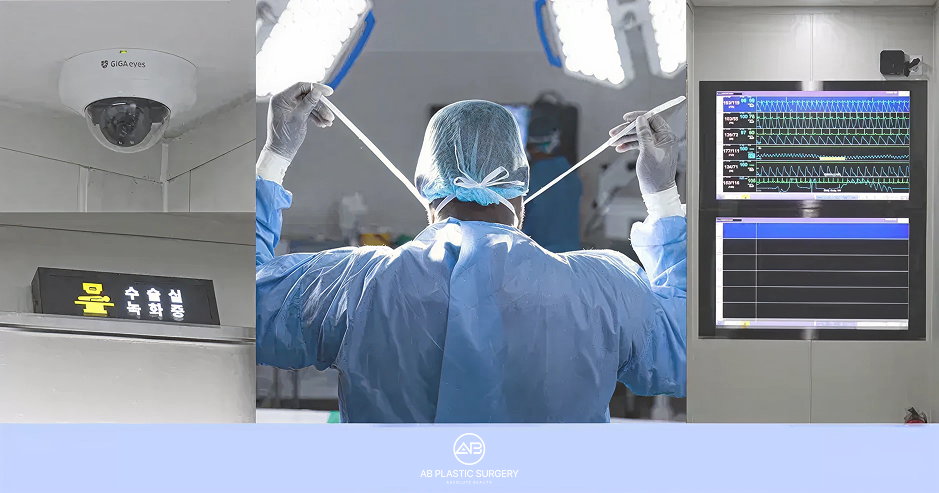
At AB Plastic Surgery Korea, a board-certified anesthesiologist is on-site and manages the entire process from pre-operative assessment through recovery. Patients are monitored in real time during anesthesia, with dual and triple verification through central monitoring systems, supported by university hospital–level safety equipment. AB Plastic Surgery states that, since opening in September 2020, it has maintained a record of zero anesthesia-related incidents—a standard the clinic attributes to its resident anesthesiologist and systemized safety protocols.
→ See AB Plastic Surgery’s safety system
AB Plastic Surgery’s 3-Stage Customized Facelift: Mini, Semi-Full, and Full SMAS
In short: AB Plastic Surgery analyzes each patient’s aging level, muscle condition, and skin elasticity, then recommends one of three lifting stages—Mini, Semi-Full, or Full SMAS—so the extent of surgery matches the extent of aging.
Not everyone needs the same lift. Rather than applying a single fixed method, AB Plastic Surgery designs a customized three-stage solution based on the degree and range of sagging.
Matching the Stage to Your Aging Level
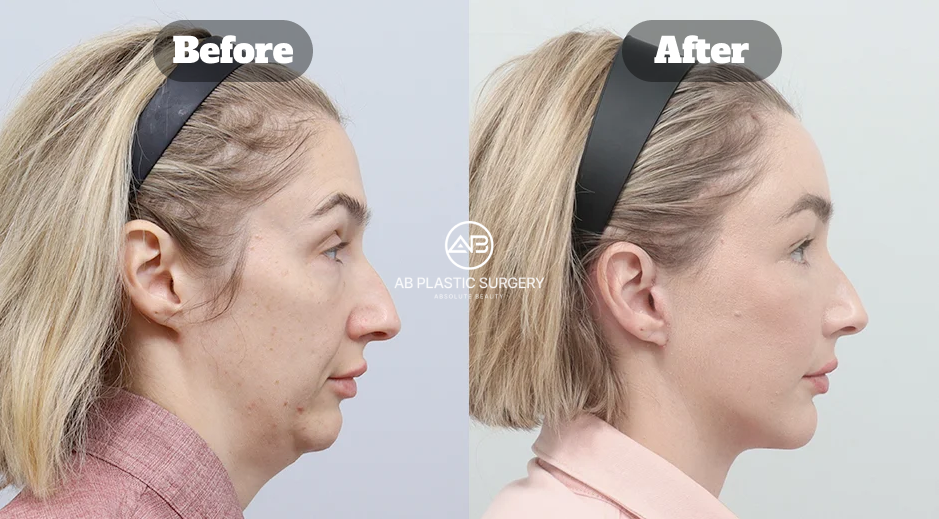
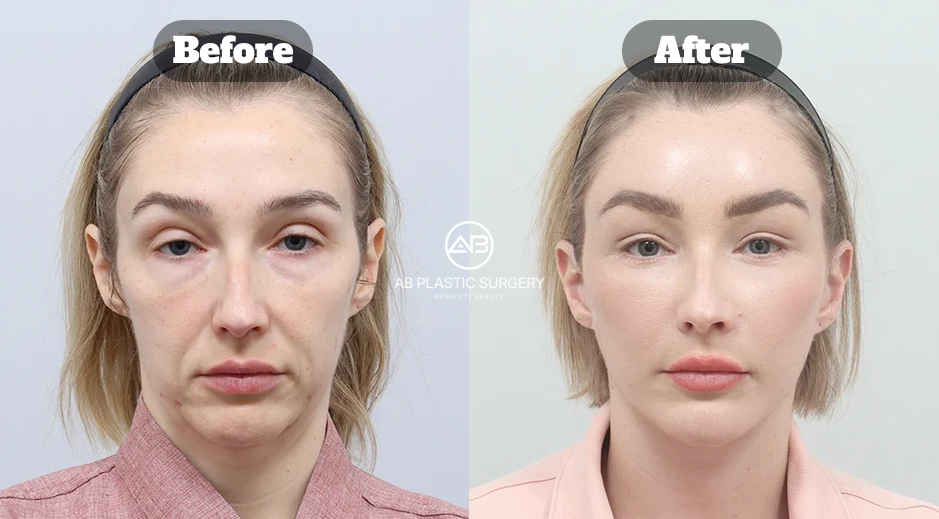
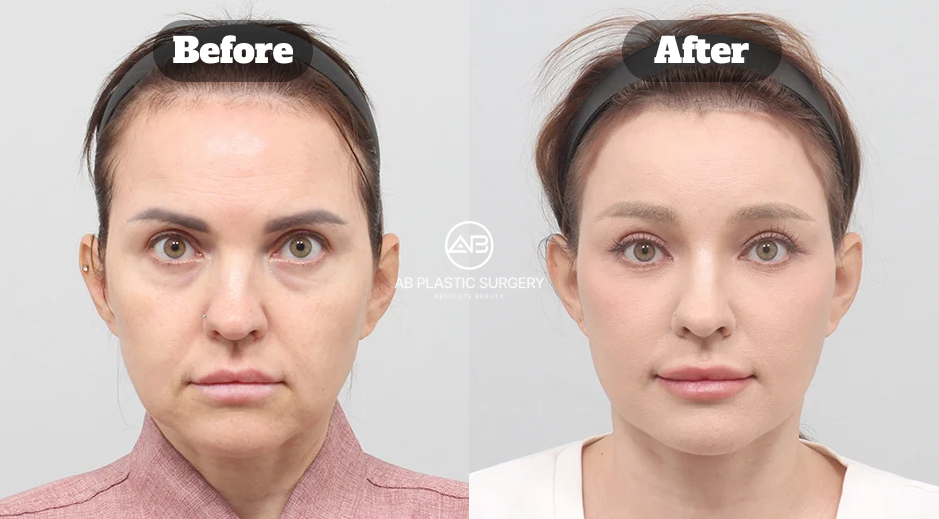
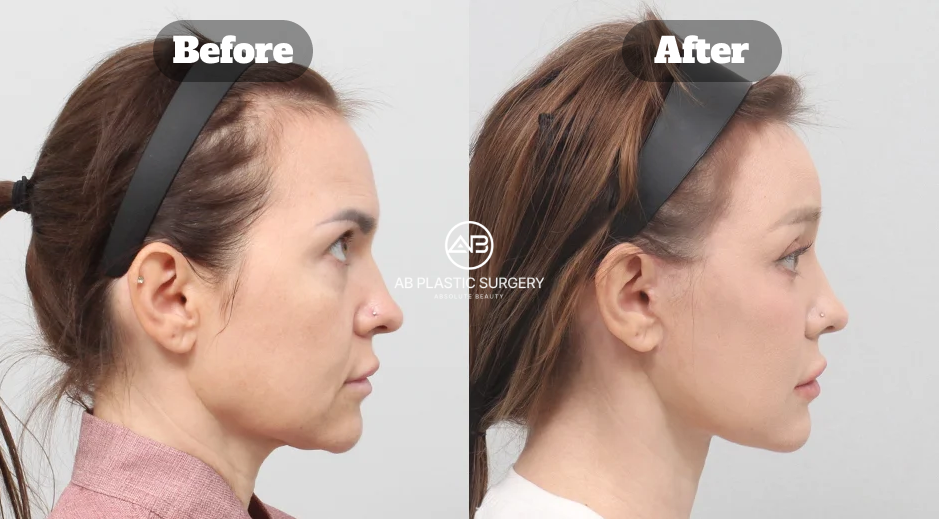
This staged approach means a younger patient with early laxity is not over-treated, and a patient with advanced aging receives a lift powerful enough to make a genuine, lasting difference. Every plan is documented in AB’s individual surgical design notes before the procedure, covering skin texture, degree of sagging, incision method, and recovery expectations.
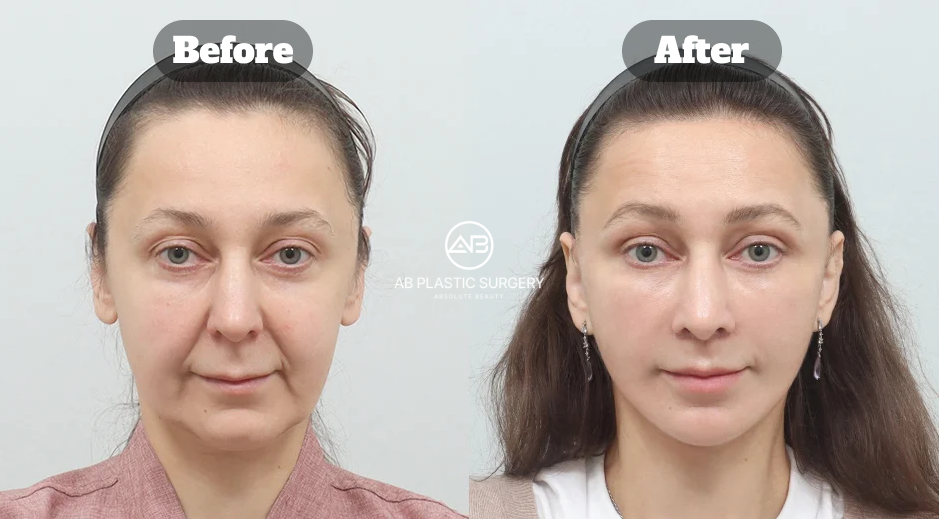
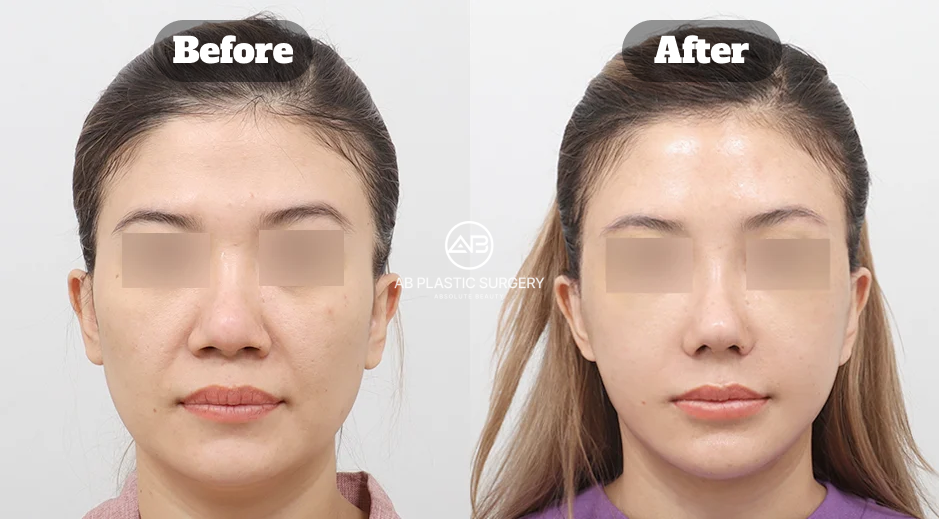
To see how these stages translate into real outcomes, browse verified results.
A Personalized, Layered Approach to Facial Rejuvenation
In short: the most complete results come from treating the face in layers—correcting structure with a facelift, refining skin quality with treatments such as skin boosters, and supporting healing with regenerative aftercare. Structure first, then surface.
The goal of modern facial rejuvenation is not a single dramatic change, but a balanced, natural result that ages gracefully. Because a facelift and skin boosters work on different layers, combining them thoughtfully addresses concerns that neither could resolve alone. Leading plastic surgery research increasingly supports this idea—that pairing structural lifting with skin-level treatment produces a synergistic improvement in overall facial appearance, since a lift restores position while skin treatments restore quality.
Structure First, Then Skin Quality
The most logical sequence usually begins with structure. A facelift re-establishes the foundation—lifting sagging tissue and restoring contour—so that skin-quality treatments then work on a face that is already in its ideal position. Skin boosters and related treatments refine texture, hydration, and radiance on top of that restored foundation, completing the “refreshed, not done” look. This is why AB Plastic Surgery frames a semi-permanent facelift as the anchor of a rejuvenation plan, with skin-quality treatments as valuable complements rather than substitutes.
Regenerative Aftercare That Supports Your Results
AB Plastic Surgery’s layered philosophy extends into recovery. Through collaboration between plastic surgeons and dermatologists, post-operative care can include skin-regeneration support and laser management to speed recovery, alongside stem cell–based care aimed at faster swelling and scar recovery. As a designated advanced regenerative medicine institution operating its own stem cell center, AB Plastic Surgery integrates regenerative science into the healing process—so the transition from surgery to long-term skin health is coordinated under one roof.
Reading how other international patients experienced the full journey—from procedure to recovery—can help set realistic expectations.
For patients traveling from abroad, coordinated scheduling and aftercare are part of what makes a single trip work.
Frequently Asked Questions About Facelift and Skin Booster Treatments
Should I start with a skin booster or a facelift?
It depends on which layer of aging is your main concern. If your issue is dull, dehydrated, or textured skin with good underlying firmness, a skin booster is a reasonable starting point. If your concern is sagging—jowls, a sagging jawline, or neck laxity—a facelift addresses the structural cause that a skin booster cannot. Many patients ultimately benefit from both in sequence, and a consultation is the best way to determine the right order for your face.
How long do facelift results last compared to skin boosters?
Because a facelift corrects deep structural layers such as the SMAS and retaining ligaments, its results are semi-permanent and last for years. Skin boosters, by contrast, work on the skin’s surface and are temporary, typically requiring maintenance sessions over months. This difference in longevity is one of the main reasons a facelift anchors a long-term rejuvenation plan while skin boosters serve as ongoing refinement.
How much do facelift and skin booster treatments cost at AB Plastic Surgery?
Facelift pricing at AB Plastic Surgery Korea starts from approximately USD 5,240 for a Semi-Full Facelift and USD 7,480 for a Full Facelift, with thread-based mini lifting and complementary procedures such as neck and forehead lifts available at different price points. Skin booster pricing depends on the product and number of sessions and is provided at consultation. See the cost section below for a full breakdown, and note that final quotes are always personalized.
Is the anesthesia for a facelift safe at AB Plastic Surgery?
Anesthesia safety is a core priority at AB Plastic Surgery Korea. Whether the procedure uses sedation (sleep) anesthesia or general anesthesia, a board-certified anesthesiologist is on-site and manages the patient from pre-operative assessment through recovery, with real-time monitoring during surgery and university hospital–level safety equipment. AB Plastic Surgery states that it has maintained zero anesthesia-related incidents since opening in September 2020, which the clinic attributes to its resident anesthesiologist and structured safety systems.
Can skin boosters and a facelift be combined?
Yes—and for many patients this layered approach delivers the most complete result. A facelift restores structure while skin boosters and regenerative treatments refine skin quality on top of that restored foundation. Because the two work on different layers, they complement rather than compete with each other. The ideal timing and combination are planned individually based on your anatomy, goals, and recovery.
How should international patients plan their visit?
Start with an online consultation so your treatment plan, surgery timing, and recovery schedule can be coordinated before you travel. A facelift requires time for recovery, so plan for a sufficient stay to allow for follow-up care, while skin-quality treatments with minimal downtime are often scheduled toward the end of the trip. AB Plastic Surgery’s international patient team assists with planning so the journey fits a single, well-organized visit.
Facelift and Skin Booster Cost in Korea & Why International Patients Choose AB Plastic Surgery
In short: facelift pricing at AB Plastic Surgery is transparent and starts from USD 5,240 for a Semi-Full Facelift, while skin booster pricing is quoted at consultation. Beyond price, international patients choose AB Plastic Surgery for its verifiable credentials, academic activity, and systemized safety.
Facelift Cost in Korea (USD)
The following starting prices reflect AB Plastic Surgery Korea’s official price list for lifting-related procedures relevant to this guide.
A quick note on these figures: no two faces—or treatment plans—are identical. The prices above are starting points that reflect the lifting stage and scope of a standard case. Your final quote depends on the degree of sagging, the extent of dissection, and any complementary procedures agreed during consultation, and USD amounts are converted from Korean won and may move with exchange rates. Please treat them as a helpful guide rather than a fixed total, and confirm your personalized quote with the clinic.
For procedure-specific pricing and automated scheduling by surgery type, use the dedicated cost page.
Why You Can Trust AB Plastic Surgery Korea
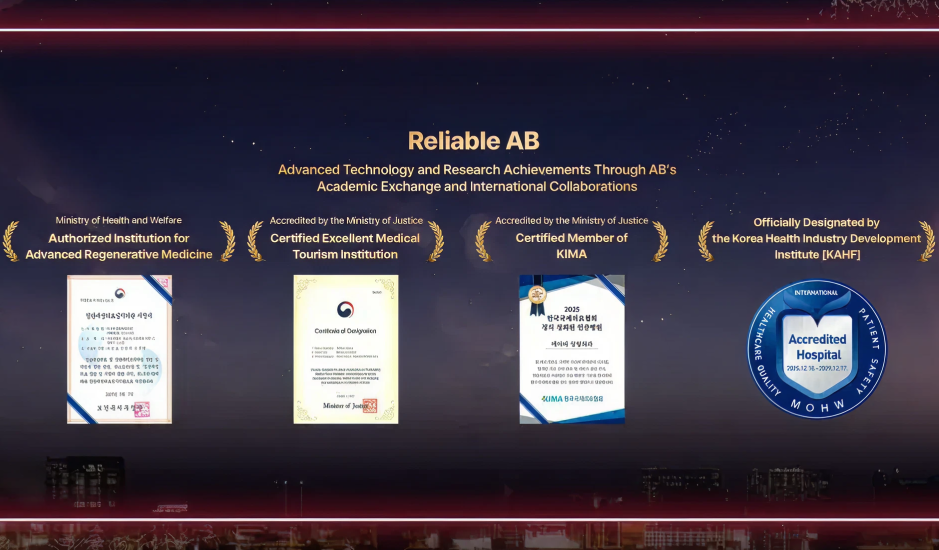
Choosing where to have a facelift is, above all, a decision about trust. AB Plastic Surgery’s standing rests not on marketing claims but on credentials that can be independently verified—official designations, academic activity, and measurable safety systems.
That trust is echoed by patients themselves. As of July 27, 2026, AB Plastic Surgery Korea holds a 4.9 out of 5 rating across 123 verified patient reviews on RealSelf, an independent international review platform where providers cannot pay to have reviews removed or hidden—an added layer of transparency for patients comparing clinics from abroad.
-
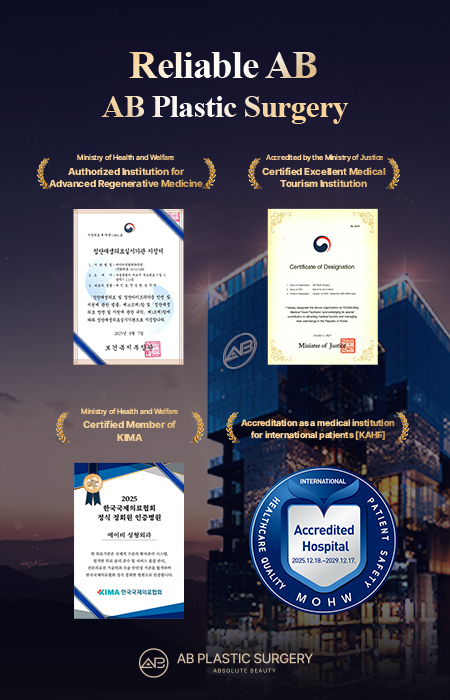
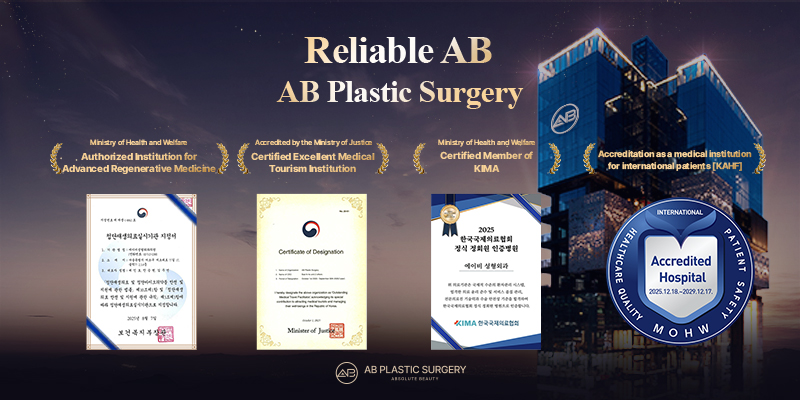
Accredited for international patients (KAHF): AB Plastic Surgery holds accreditation as a medical institution for international patients. For a patient, this is less about a certificate on a wall and more about assurance—it means a national standard has assessed how the clinic manages care and accountability for overseas patients, not just how it performs surgery.
-
KIMA member institution: AB Plastic Surgery is a registered member of the Korea International Medical Association, a signal of government-recognized standards for treating foreign patients.
-
Advanced regenerative medicine designation: AB Plastic Surgery is an authorized institution for advanced regenerative medicine under the Ministry of Health and Welfare, and operates its own stem cell center supporting regenerative aftercare.
-
International academic activity: AB Plastic Surgery’s specialists are active through IFAAS, APS KOREA, and Medical Korea—presenting and teaching lifting and facial techniques to medical professionals at home and abroad.
-
University hospital affiliations: AB Plastic Surgery maintains academic and clinical collaboration with Seoul National University Bundang Hospital and Hallym University Dongtan Sacred Heart Hospital.
-
Systemized safety: a board-certified anesthesiologist on-site, real-time anesthesia monitoring, operating-room CCTV, and a 24-hour emergency response system. AB Plastic Surgery states it has maintained zero anesthesia-related incidents since opening in September 2020.
Taken together, these are the reasons AB Plastic Surgery frames itself not simply as a clinic that performs facelifts well, but as one built to be trusted—on the record, by official bodies, and through systems patients can verify.
→ Meet AB Plastic Surgery’s medical team
Planning Your Facial Rejuvenation Journey: Consultation & Personalized Design
In short: the right plan begins with a personalized consultation. AB Plastic Surgery designs each facelift around your anatomy, aging level, and goals—anchoring your rejuvenation in a semi-permanent lift and refining it with skin-quality treatments.
Facial rejuvenation is most successful when it is treated as a strategy, not a single procedure. The distinction between skin quality and structural aging, the choice of lifting stage, the sequence of a facelift and skin boosters, and the recovery timeline—all of these come together in a plan built for one specific face: yours.
At AB Plastic Surgery Korea, that plan starts with a detailed assessment of skin texture, elasticity, degree of sagging, and personal goals, documented in individual surgical design notes before any procedure. For international patients, an online consultation allows this planning to happen before travel, so your visit is efficient, well-coordinated, and centered on results that last.
When you are ready to understand which approach—and which combination—fits your face, the next step is a personalized consultation.

This article is for informational purposes only and does not replace a personal medical consultation.