Title
Facelift Surgery by Age: Who Is the Ideal Candidate and WhyDate
2026-01-28Views
3222
AB Blog
Facelift Surgery by Age: Choosing the Right Lift Based on Facial Aging Patterns
Table of Contents
1. How Facial Aging Progresses and Why Age Matters — to a Point
2. Facelift Surgery in Your 30s–40s: Ponytail Lift
3. Facelift Surgery in Your 40s–50s: Midface Lift
4. Facelift Surgery for Patients Over 50: Full Face Lift
5. Why Age Alone Is Not Enough: Key Factors That Influence Facelift Planning
6. Choosing the Right Facelift Based on Aging Pattern, Not Just Age
7. Frequently Asked Questions About Facelift Surgery by Age
Facelift surgery is often discussed in terms of age, but age alone rarely tells the full story. Two individuals of the same age can experience facial aging in completely different ways, depending on skin quality, facial structure, lifestyle habits, and how facial tissues change over time.
In clinical practice, surgeons may reference age ranges because certain patterns of facial aging tend to appear more frequently in specific decades. Early contour changes are often seen in the 30s–40s, midface descent becomes more noticeable in the 40s–50s, and more comprehensive facial laxity is common after the age of 50. These patterns, however, function as guidelines, not fixed rules.
This article explains how facelift surgery options are commonly approached by age group, including ponytail lift, midface lift, and full face lift, while also clarifying why a successful facelift plan must be based on individual patterns rather than age alone. By understanding how surgeons evaluate facial structure and aging progression, patients can make more informed decisions about whether facelift surgery may be appropriate for their situation.

How Facial Aging Progresses and Why Age Matters — to a Point
Facial aging is a layered, structural process
Facial aging does not occur at a single level. While surface changes such as fine lines and reduced skin elasticity are often the most visible, deeper structural shifts typically play a more significant role in facial sagging. These changes may involve the descent of soft tissue, alterations in facial fat distribution, and reduced support from underlying structures.
Because these processes develop at different speeds for each individual, facial aging can appear earlier or later regardless of chronological age. This is why two people of the same age may present with noticeably different facial contours and degrees of laxity.
Why age is used as a reference in facelift planning
In clinical consultation, age is often used as a reference point because certain aging patterns tend to appear more frequently within specific decades. For example, subtle contour changes are commonly observed in the 30s–40s, midface descent becomes more apparent in the 40s–50s, and more widespread facial laxity is often seen after the age of 50.
These tendencies help surgeons anticipate likely concerns and guide discussion, but they do not determine the final surgical plan. Age-based categorization is best understood as an initial framework rather than a fixed rule.
Limitations of age-based decision-making
Relying solely on age when considering facelift surgery can lead to inappropriate procedure selection. Patients with strong skin elasticity and minimal structural descent may not require extensive lifting even at an older age, while others may benefit from a broader approach earlier due to faster aging progression or genetic factors.
For this reason, surgeons evaluate facial aging by examining where sagging occurs, how deeply tissues are affected, and how the face changes during expression, rather than focusing on age alone.
How this perspective guides facelift surgery selection
Understanding facial aging as a structural and individualized process allows facelift surgery to be planned with greater precision. Instead of matching a patient to a procedure based on age, surgeons determine whether a more limited lift, a midface-focused approach, or a comprehensive facelift is appropriate based on the overall aging pattern.
This approach supports results that appear natural, proportionate, and consistent with the patient’s facial anatomy, reinforcing why age matters only to a point in facelift surgery planning.
Facelift Surgery in Your 30s–40s: Ponytail Lift
Facial changes commonly seen in the 30s–40s
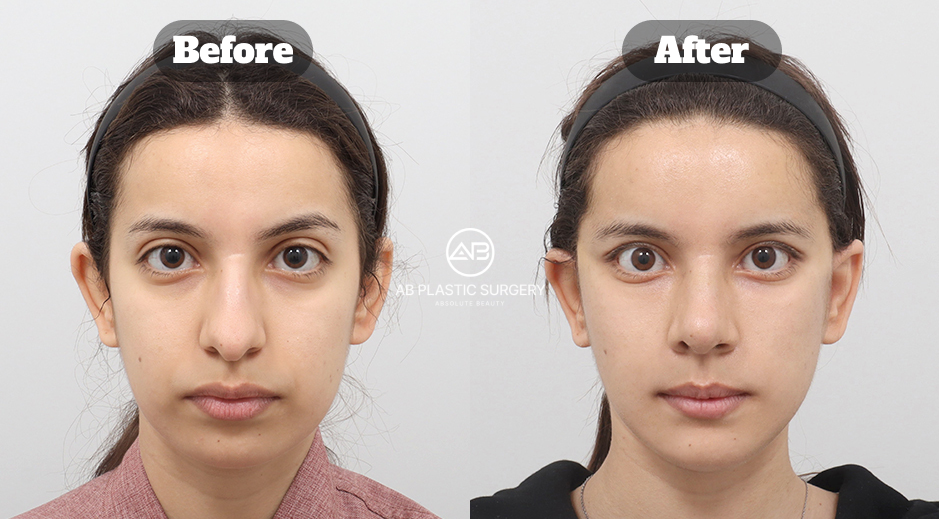
In the 30s–40s, facial aging often begins subtly rather than dramatically. Many individuals notice mild contour changes such as early cheek descent, slight heaviness along the outer face, or a tired-looking impression despite relatively good skin elasticity.
At this stage, aging is usually driven more by directional tissue movement than by significant skin laxity. As a result, concerns tend to be localized rather than affecting the entire face.
What is commonly referred to as a ponytail lift
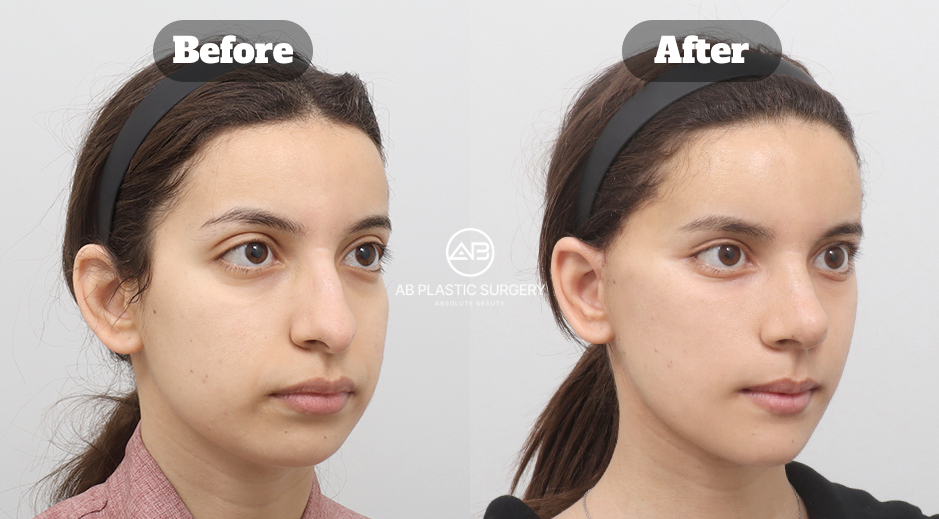
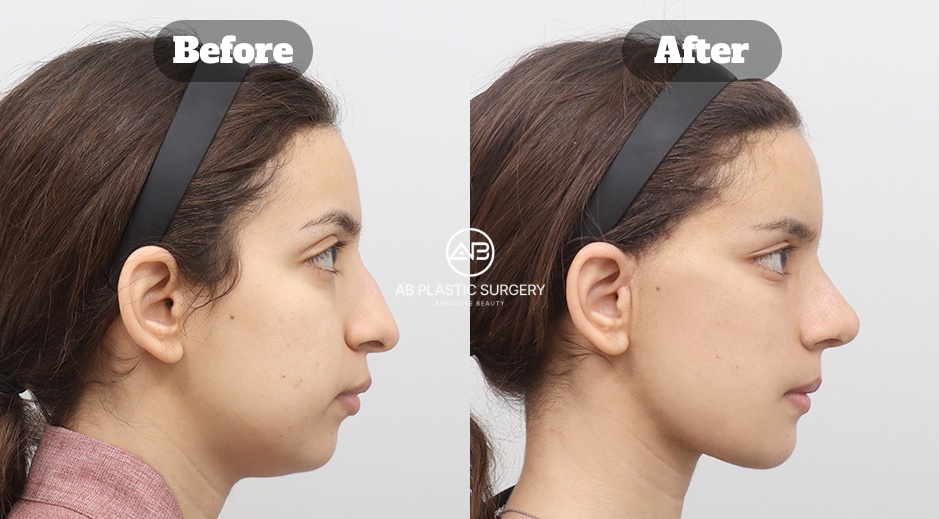
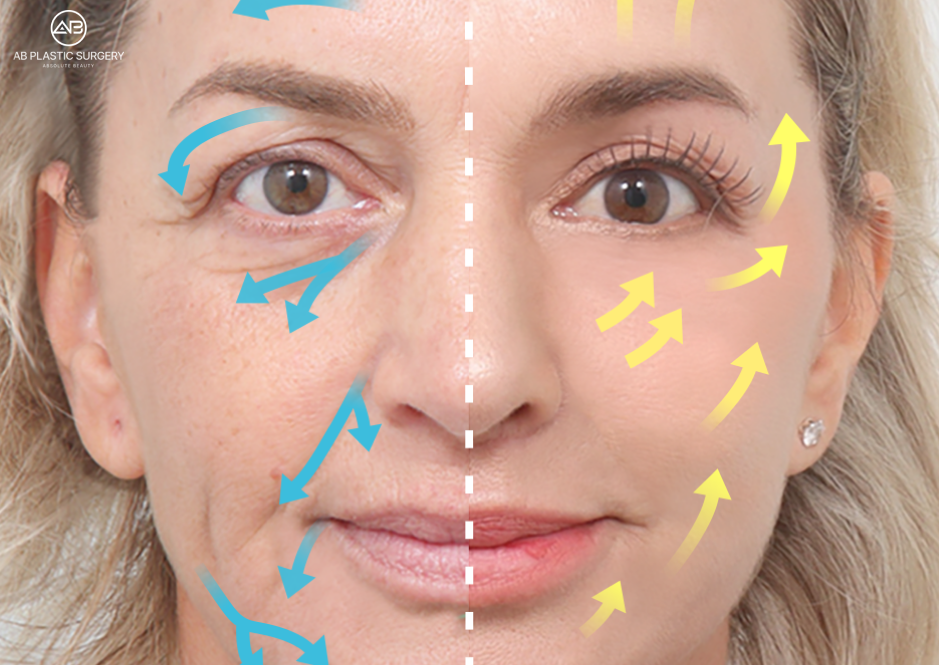
The term “ponytail lift” is often used to describe a lifting approach that emphasizes an upward and lateral vector, similar to the direction in which the face appears lifted when hair is pulled back. Rather than addressing extensive sagging, this approach focuses on refreshing the upper-to-mid facial contour.
The specific surgical technique and incision placement can vary depending on individual anatomy. Therefore, “ponytail lift” should be understood as a conceptual approach rather than a single standardized procedure.
Who may be an appropriate candidate
Patients in their 30s–40s who experience early contour changes but retain relatively good skin quality may be considered for a more limited lifting plan. Candidates often seek subtle refinement rather than a dramatic change and prefer results that appear natural and age-appropriate.
However, candidacy is determined by factors such as facial structure, tissue elasticity, and personal expectations, not age alone. Some individuals in this age range may require alternative or combined approaches depending on their aging pattern.
Setting realistic expectations for this age group
For patients considering facelift surgery in the 30s–40s, the primary goal is often to restore balance and freshness rather than reverse advanced aging. Understanding the scope and limitations of a ponytail lift helps ensure expectations remain aligned with what can be achieved safely and proportionately.
Consultation-based planning plays a key role in determining whether this approach is appropriate or whether a different strategy would better address the patient’s concerns.
Facelift Surgery in Your 40s–50s: Midface Lift
Why aging becomes more noticeable in the midface
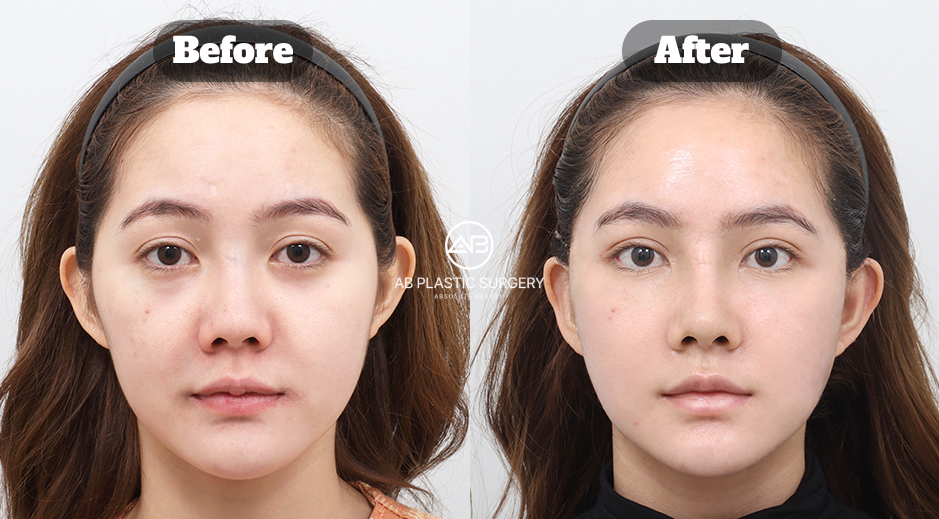
During the 40s–50s, facial aging often becomes more apparent in the midface region. Common concerns include deepening nasolabial folds, a heavier or flattened cheek appearance, and a less distinct transition between the lower eyelid and the upper cheek.
These changes are typically related to soft tissue descent rather than surface skin issues alone. As midface support weakens, the face may appear more fatigued or aged even when skin quality remains relatively stable.
What a midface lift is designed to address
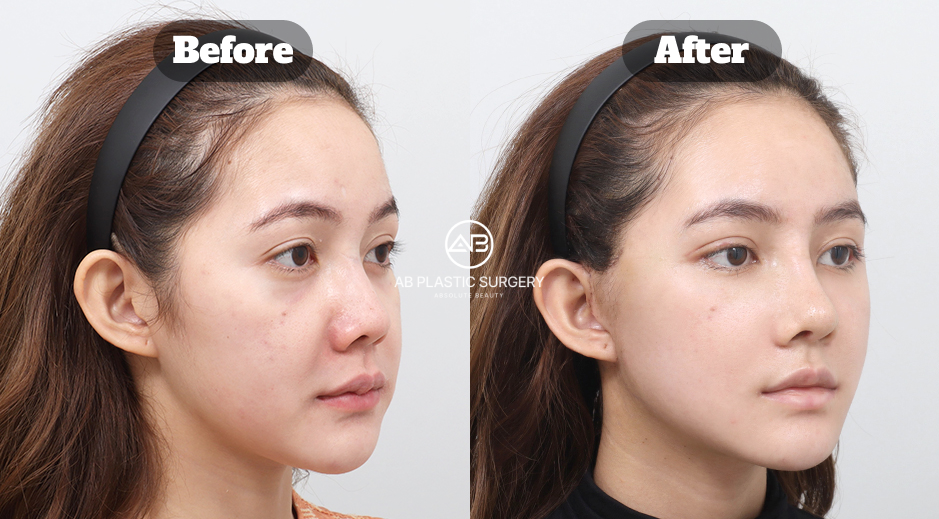
A midface lift focuses on repositioning the mid-cheek area to improve overall facial balance. Instead of tightening only the lower face, this approach aims to restore a more youthful relationship between the eyes, cheeks, and nasolabial area.
The objective is not to create excessive volume or tension, but to reestablish natural contour and proportion in the central part of the face.
How midface lift differs from earlier lifting approaches
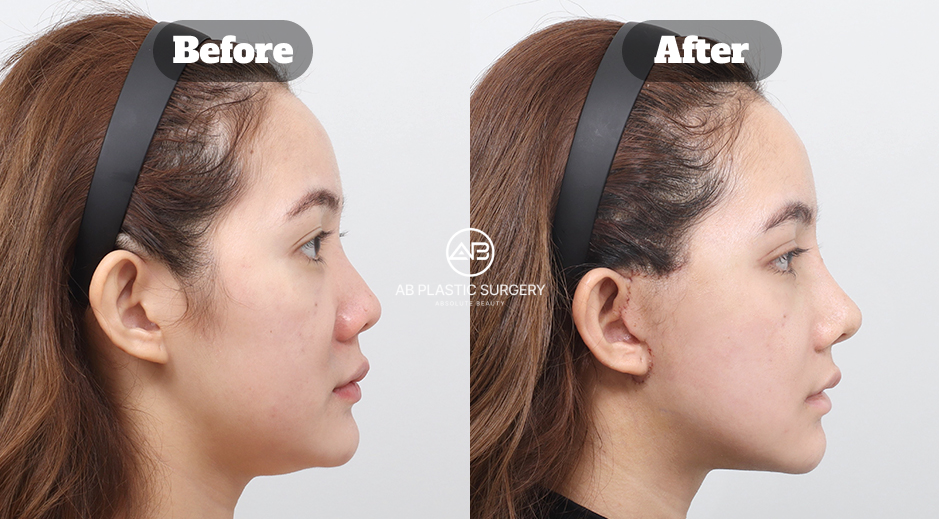
Compared with lifting strategies often discussed for younger patients, a midface lift addresses deeper structural changes. This makes it particularly relevant for individuals whose primary concern is cheek descent rather than early contour changes alone.
Because midface aging can influence the appearance of the entire face, surgical planning often considers how this area interacts with the lower eyelid, jawline, and lower face.
When consultation determines the scope of lifting
Not all patients in their 40s–50s require the same level of correction. Some may benefit from a focused midface approach, while others may need a broader plan if aging changes extend beyond the midface.
For this reason, surgeons rely on consultation and anatomical assessment rather than age alone to determine whether a midface lift is sufficient or if additional lifting strategies should be considered.
Facelift Surgery for Patients Over 50: Full Face Lift
How facial aging typically presents after 50
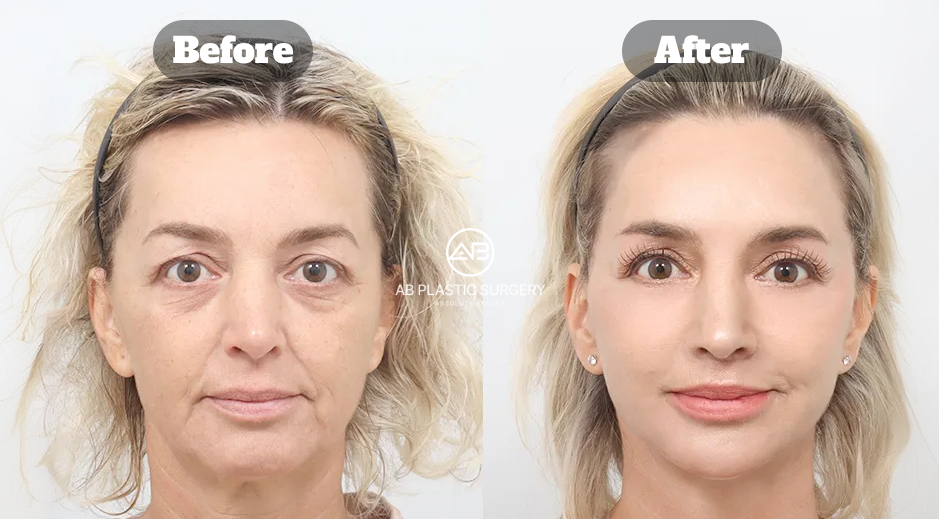
For many individuals over the age of 50, facial aging tends to involve multiple areas simultaneously. Common concerns include more pronounced sagging along the jawline, loss of definition in the lower face, neck laxity, and continued descent of the midface.
At this stage, aging changes are often both structural and cumulative, meaning they affect deeper tissue layers as well as surface appearance. As a result, limited or localized lifting approaches may not provide sufficient correction.
What is generally meant by a full face lift
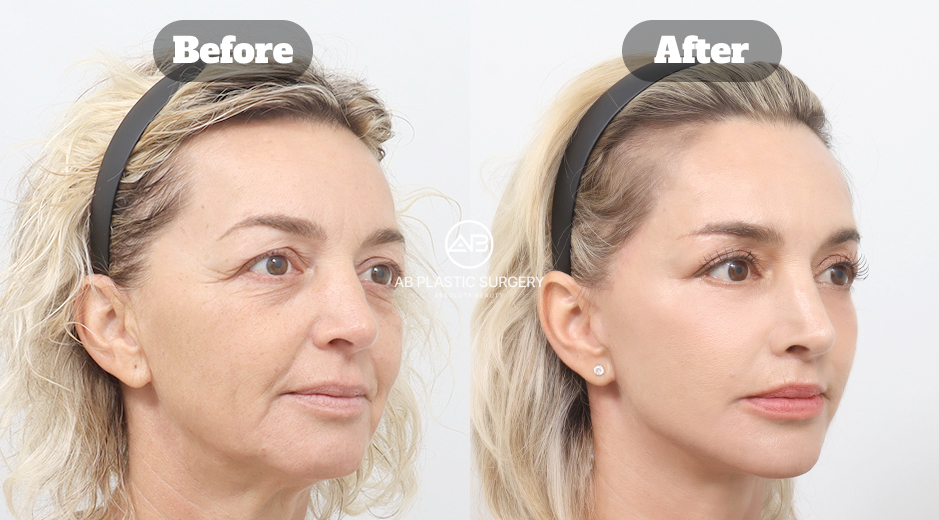
A full face lift typically refers to a comprehensive surgical approach that addresses overall facial laxity rather than focusing on a single zone. The goal is to improve facial contour in a balanced way by considering the midface, lower face, and jawline together.
Rather than pulling the skin alone, this approach is planned to restore harmony across facial regions while maintaining natural proportions and expression.
Why a broader approach may be necessary
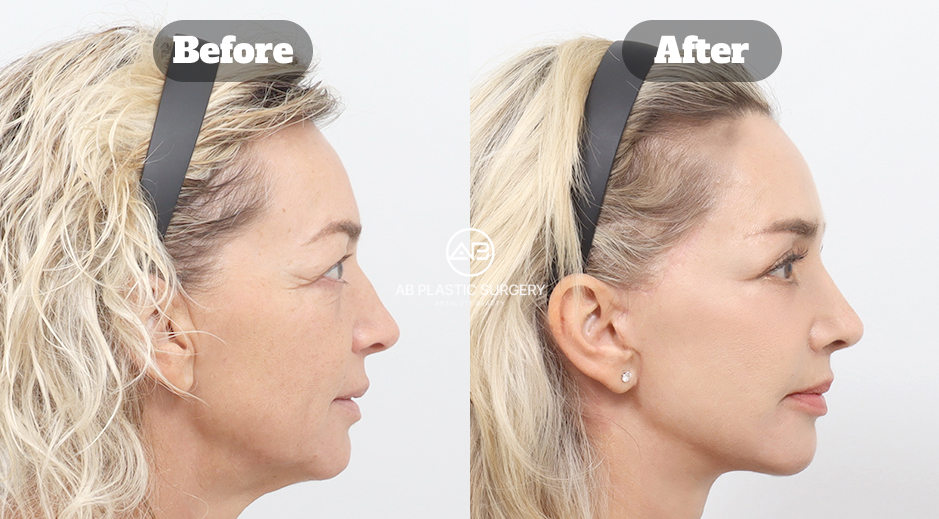
When aging changes extend across multiple facial zones, addressing only one area may lead to imbalance or incomplete improvement. A full face lift allows surgeons to evaluate how each region influences the others and to plan correction in a coordinated manner.
This is particularly important for patients who wish to improve overall facial definition rather than target a single aging concern.
Recovery planning as part of surgical decision-making
For patients over 50, recovery considerations play an important role in procedure selection. Factors such as general health, healing capacity, and postoperative monitoring are carefully evaluated during consultation.
A well-structured recovery plan supports both safety and outcome quality, especially for international patients who require coordinated care during their stay in Korea.
Why Age Alone Is Not Enough: Key Factors That Influence Facelift Planning
Skin quality and elasticity
Skin quality plays a significant role in facelift surgery planning. Factors such as thickness, elasticity, and overall resilience influence how the skin responds to lifting and how well results may be maintained over time.
Two patients of the same age may have very different skin characteristics, which can affect both the scope of surgery and the expected outcome.
Facial structure and soft tissue distribution
Underlying facial bone structure and the distribution of facial fat strongly affect where sagging becomes most visible. Some individuals experience earlier midface descent, while others show more pronounced changes along the jawline or lower face.
Understanding these structural differences helps surgeons determine appropriate lifting vectors and the extent of correction needed.
Lifestyle factors and aging progression
Lifestyle habits such as sun exposure, smoking, weight fluctuation, and long-term skincare practices can influence the speed and pattern of facial aging. These elements may accelerate or slow aging regardless of chronological age.
As a result, facelift planning often takes into account how lifestyle-related factors have shaped the current facial condition.
Individual goals and tolerance for change
Patients differ in how much change they wish to see following facelift surgery. Some prioritize subtle refinement, while others seek a more noticeable improvement in contour and definition.
Aligning the surgical plan with the patient’s expectations and comfort level is essential to achieving results that feel appropriate and satisfactory for the individual.
Choosing the Right Facelift Based on Aging Pattern, Not Just Age
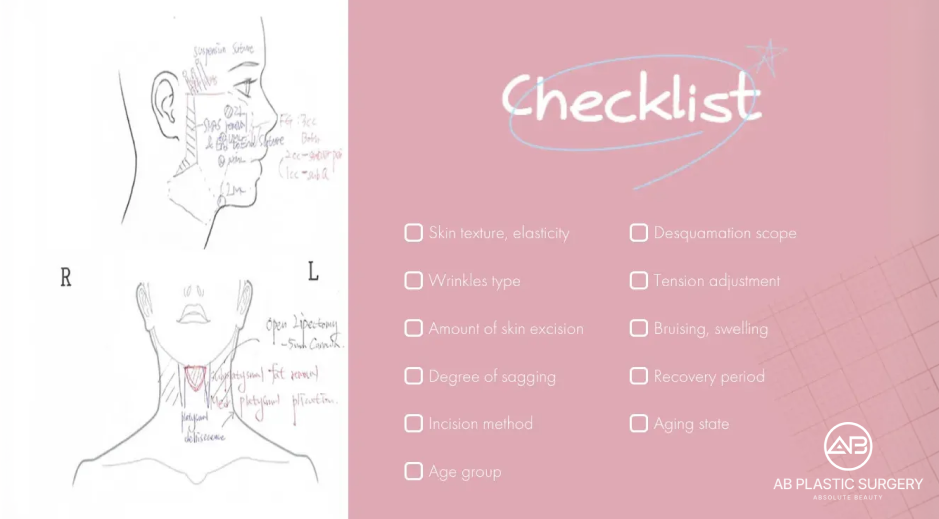
Identifying where facial sagging begins
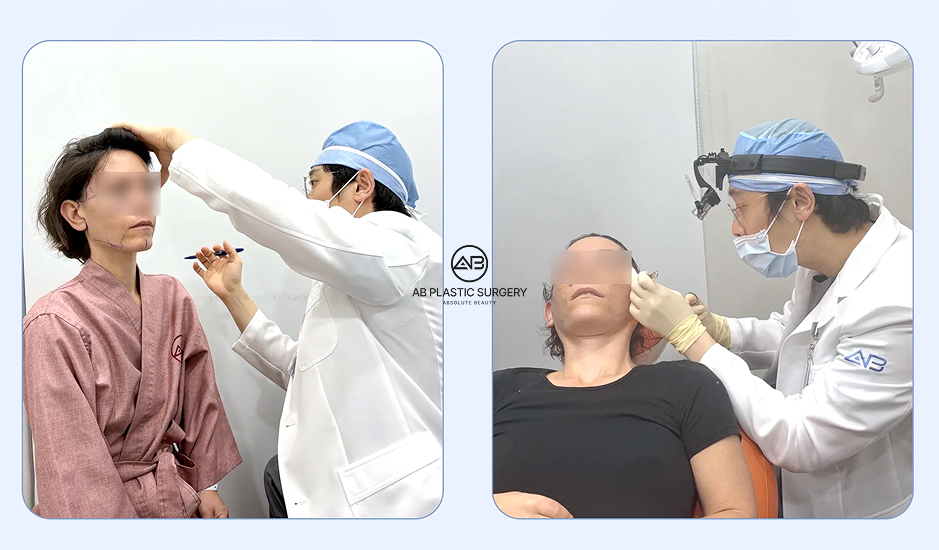
Effective facelift planning starts by identifying the primary area where aging changes first become noticeable. For some individuals, sagging begins in the upper-to-mid face, while for others it appears more prominently along the jawline or neck.
Understanding the starting point of facial descent allows surgeons to determine whether a focused or comprehensive approach is more appropriate.
Evaluating the depth of aging changes
Not all aging changes occur at the same tissue level. Some concerns are largely superficial, while others involve deeper structural descent of soft tissue.
Assessing how deeply aging affects the face helps guide decisions about lifting direction, surgical scope, and whether limited correction or broader repositioning is required.
Balancing subtle refinement and comprehensive correction
Patients may seek different outcomes from facelift surgery. Some prefer subtle refinement that maintains their familiar appearance, while others desire clearer improvement in facial definition.
Matching the procedure to both the aging pattern and the patient’s comfort level with change is a key part of achieving balanced and natural-looking results.
How individualized planning supports natural outcomes
By prioritizing facial aging patterns over chronological age, surgeons can design facelift procedures that respect each patient’s anatomy. This individualized planning reduces the risk of overcorrection and supports results that appear proportionate and consistent with the patient’s overall facial structure.
For this reason, consultation-based evaluation remains the most reliable way to determine which facelift approach aligns with the patient’s unique aging profile.
Frequently Asked Questions About Facelift Surgery by Age
Is there a best age to undergo facelift surgery?
There is no single best age for facelift surgery. While age ranges can provide general reference points, candidacy is primarily determined by facial aging patterns, skin quality, and individual goals rather than chronological age alone.
Can someone in their 40s need a full face lift?
Yes, in certain cases. If aging changes affect multiple facial areas or involve deeper structural descent, a more comprehensive lifting approach may be considered regardless of age. This decision is made through consultation and anatomical assessment.
Is a ponytail lift considered a preventive procedure?
The term preventive can be misleading. A ponytail lift may be considered when early structural changes are present, but the appropriateness of this approach depends on facial anatomy and aging pattern rather than prevention alone.
Does the longevity of facelift results depend on age?
Longevity depends on multiple factors, including skin quality, aging speed, lifestyle habits, and the extent of correction. Age alone does not determine how long results will last.
How should international patients plan facelift surgery in Korea?
International patients are advised to plan sufficient time for consultation, surgery, and early recovery. Structured scheduling and postoperative care coordination are important, particularly when traveling for medical treatment.
Final Considerations Before Choosing Facelift Surgery
Facelift surgery is often categorized by age for ease of explanation, but effective decision-making requires a broader perspective. Chronological age can help frame common aging patterns, yet it does not fully capture how facial structures change or what type of correction may be most appropriate.
A well-planned facelift considers facial anatomy, the direction and depth of tissue descent, skin quality, and the individual’s expectations for change. These factors together determine whether a more limited lift, a midface-focused approach, or a comprehensive facelift is suitable.
For patients exploring facelift surgery in Korea, understanding how different lifting approaches are used in clinical practice can be helpful before consultation. Additional information about facial lifting procedures and anti-aging surgical care is available on the official facelift surgery page.
Because facelift planning relies heavily on individual assessment, consultation plays a central role in the decision-making process. During evaluation, surgeons review facial aging patterns and discuss realistic outcomes rather than relying solely on age-based assumptions. Patients preparing for treatment may use the official consultation and planning inquiry to receive case-based guidance.
Reviewing real patient experiences can also provide context for how facelift surgery outcomes and recovery are managed in practice. Case summaries and recovery stories are available through the patient review section.

This article is for informational purposes only and does not replace a personal medical consultation.