Breast
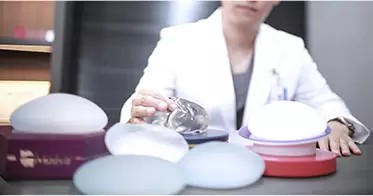
Motiva
Premium Breast Surgery That Looks More Natural Than Natural
Motiva implants flexibly adapt to every posture, mimicking the movement of natural breasts to create soft, natural-looking, and beautifully voluminous results.
1. Naturally Beautiful Motiva in Every Moment
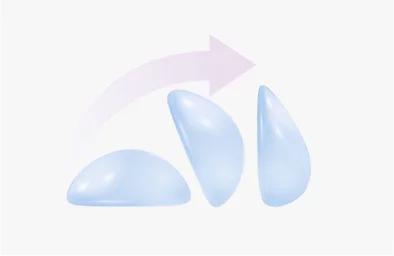 Natural shape and feel in any position
It spreads naturally when lying down with excellent viscoelasticity and turns into a downward fall when standing, realizing the shape most similar to the actual chest
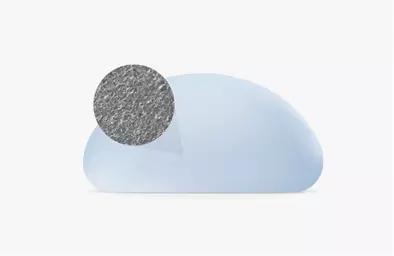 Silk Surface technology to help prevent capsular contracture
The nano-textured Silk Surface minimizes inflammation and foreign-body sensation caused by friction, helping reduce the risk of capsular contracture and limiting capsule formation for a softer feel.
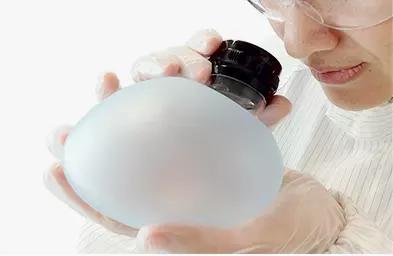 Minimize riffling with excellent viscoelasticity
High viscoelastic progressive Ultima gel reduces the risk of ripping and maintains a flexible shape, making it suitable for patients with thin skin or a slender body type.
2. Motiva: A Premium Implant Designed for Enhanced Safety
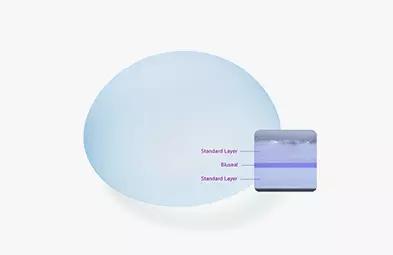 BluSeal technology for visual safety confirmation
Motiva's patented BluSeal layer allows surgeons to visually check for implant rupture or damage, further enhancing safety.
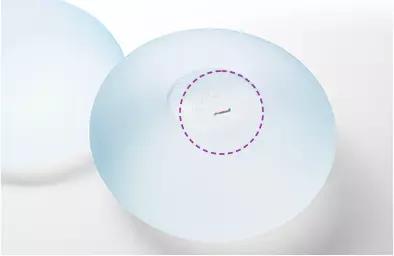 Accurate product tracking with unique identification
The embedded UDI microchip enables verification of all product information, including manufacturing number, serial number, production date, and expiration date.
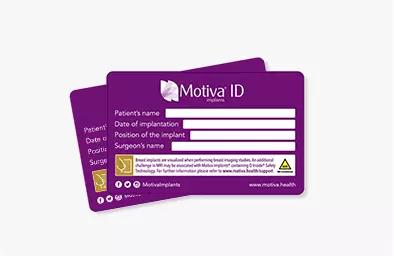 Reliable warranty card
Covers reoperation for rupture and Baker Grade III–IV capsular contracture within 5 years after surgery, providing long-term safety and quality assurance.
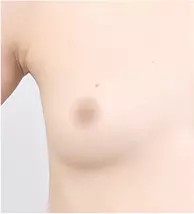
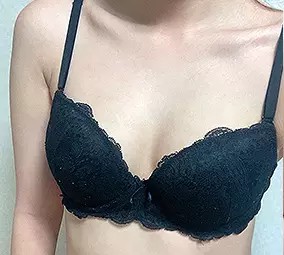
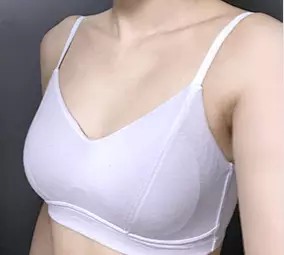
154 cm / 46 kg /
80A → 80 Full C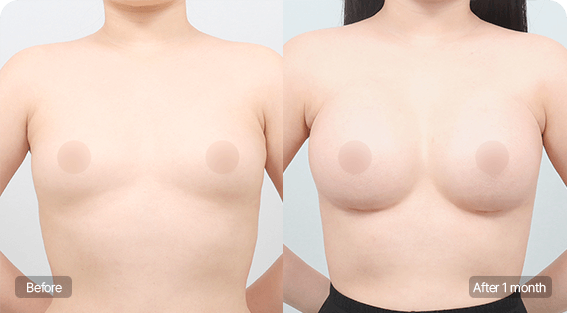
Motiva Demi R380, L360cc
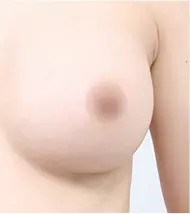
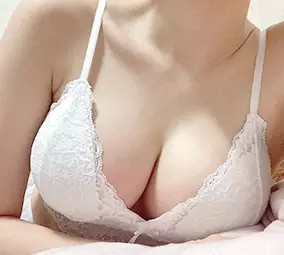
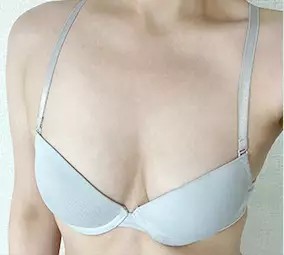
156 cm / 48 kg /
70A → 75C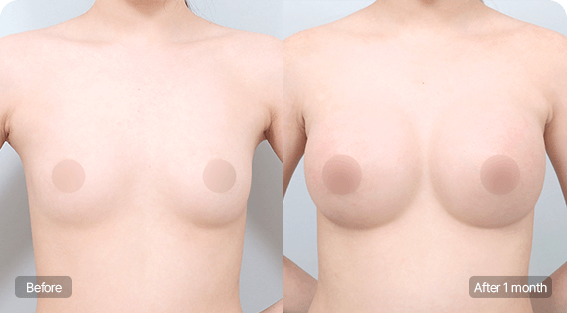
Motiva Full R375, L355cc
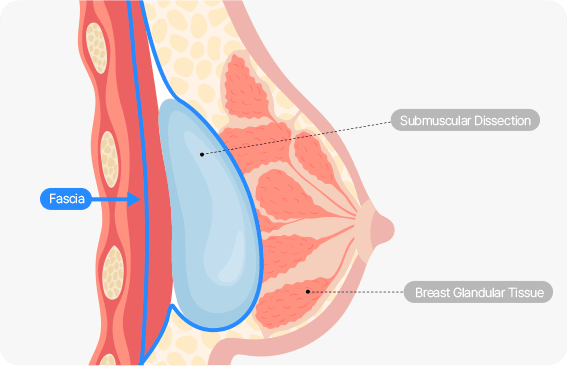
3. Personalized Implant Placement for a Natural, Secure Result
To prevent implant displacement or an unnatural appearance, surgical dissection and implant placement are customized based on each patient’s skin thickness, degree of breast ptosis, and the distance between the inframammary fold and the nipple.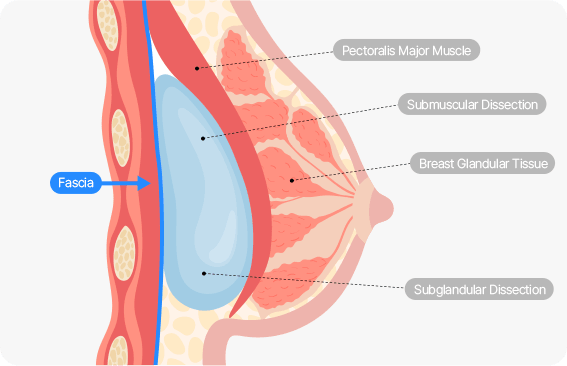
4. Incision Options for Discreet, Natural-Looking Breast Surgery
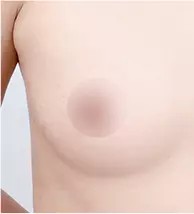
Considering factors such as age, body type, occupation, and individual patient needs, the incision site is carefully selected to ensure the safest and most suitable surgical approach for each patient.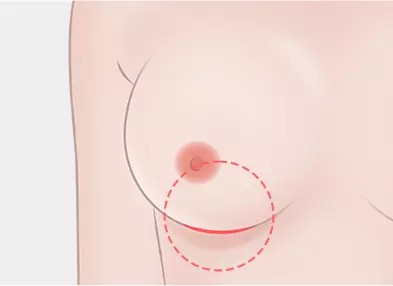 01Inframammary Fold Incision
- · A 3–4 cm incision made along the natural breast crease
- · Relatively minimal pain and bleeding
- · Excellent surgical visibility
- · Recommended for patients seeking faster recovery
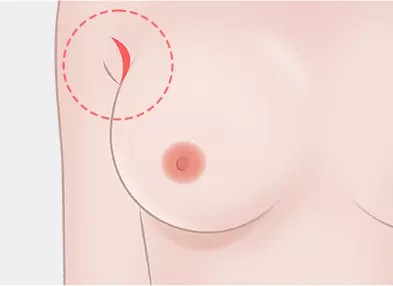 02Transaxillary Incision
- · A 2–4 cm incision made within the natural axillary crease
- · Preserves breast glandular tissue, allowing future breastfeeding
- · Wider dissection area, resulting in a longer recovery period
- · Recommended for patients concerned about visible breast scars
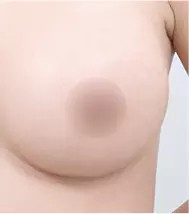
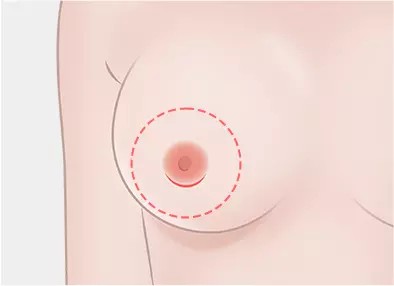 03Periareolar Incision
- · Approximately a 2 cm incision made along the edge of the areola
- · Relatively minimal pain and bleeding
- · Allows simultaneous correction of mild breast sagging
- · Recommended for patients concerned about visible scarring
AB Key Advantages
Why AB for Motiva Breast Augmentation
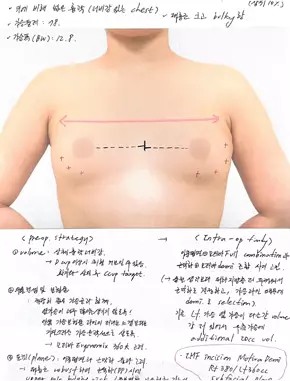
1. Customized Design Consultation Based on Height, Weight, and Bra Size
Based on a thorough understanding of breast anatomy and individual data, a personalized and optimized breast surgery plan can be established to best suit your body type.Checklist
- Skin and subcutaneous fat thicknessHeight and weight
- Difference in breast volumeBreast width and chest contour
- Degree of sagging (ptosis)Nipple position
- Desired implant volume and sizeInframammary fold position
- Dissection rangeIncision site
- Individual body balance and proportionsPatient’s personal preferences
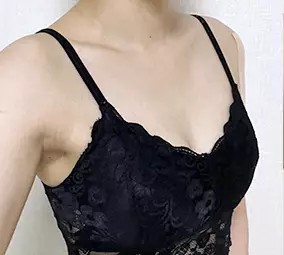
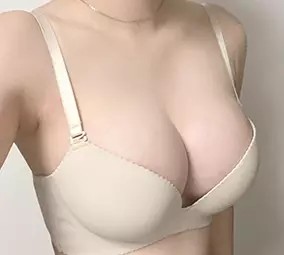
R380, L360cc
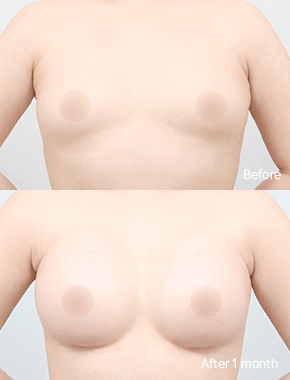
2. AB Signature Dissection Technique for More Natural, Beautiful Results
AB’s proprietary dissection techniques maximize natural texture, shape, and movement while minimizing potential complications.Through precise and controlled dissection, we create breasts that look, feel, and move like real breasts—safely and naturally.Safe Hidden Pocket Technique
The implant pocket is customized to approximately 105–110% depending on the individual, helping prevent lateral or inferior displacement while minimizing foreign-body reaction and reducing the risk of capsular contracture.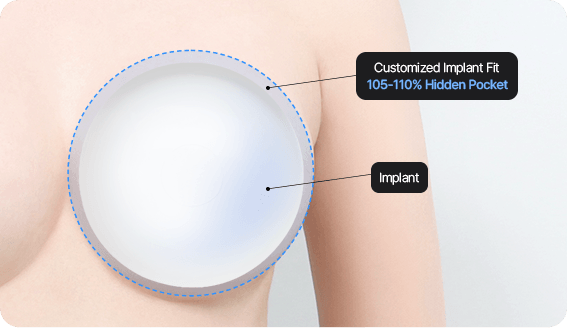
U-Line Dissection
This technique naturally brings the breasts together by precisely controlling the side pocket, creating a natural cleavage that closely resembles natural breast anatomy.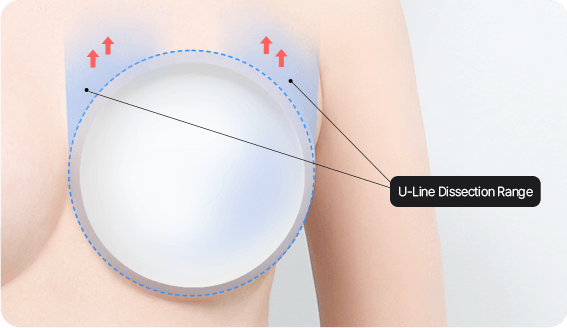
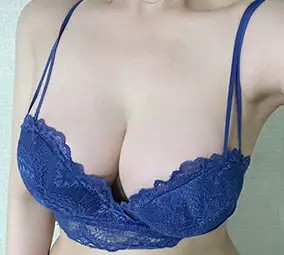
Even when using the same implant, AB customizes pocket design for each patient to achieve the most natural shape and optimal volume.

3. Female Surgeon–Led, Precision Body-Customized Breast Surgery
From consultation and surgery to postoperative care, all procedures are overseen by a female plastic surgeon. With extensive clinical experience, personalized breast lines and volume are designed to harmonize with each patient’s body type.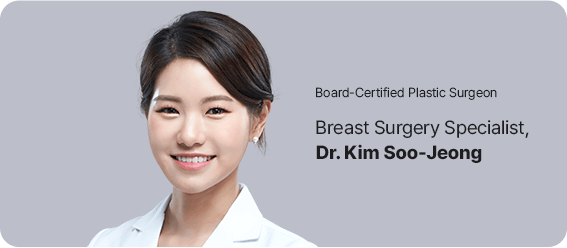 Graduated from Yonsei University Graduate School of Medicine
- Board-Certified Plastic Surgeon, Yonsei University Severance Hospital
- Full Member, Korean Society of Plastic and Reconstructive Surgeons
- Full Member, Korean Society for Aesthetic Plastic Surgery
- Member, Korean Society of Breast Plastic Surgery Research
4. Safety-Focused Surgery to Minimize Bleeding and Complications
Patient safety is our top priority.By utilizing advanced surgical methods that reduce bleeding,
infection, and scarring, we minimize pain and swelling to support faster recovery.
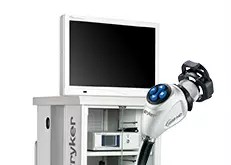
Full HD Endoscopic System
High-definition endoscopy allows precise visualization of implant placement, helping avoid damage to muscle fascia, nerves, and blood vessels, and reducing inflammatory responses.
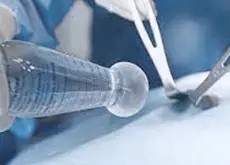
No-Touch Technique
Using a Keller Funnel, implant contact is minimized to reduce infection risk, resulting in less pain, reduced swelling, and quicker recovery.
5. Scar-Minimizing Breast Surgery
Incision methods are selected based on individual skin quality, chest size, and skeletal structure. Surgical techniques are designed to minimize scar length and reduce tissue damage.Inframammary Fold Incision
Transaxillary Incision

6. Specialized, Precision Preoperative Examinations for Accurate Results
Beyond basic physical examinations, comprehensive diagnostic testing is performed to assess current health status, anesthesia suitability, and optimal anesthesia methods—ensuring safe breast surgery.Blood Tests
Evaluation of anemia, platelets, blood glucose, and other parameters to determine surgical suitability and prepare for emergencies.
Electrocardiogram (ECG)
Preoperative assessment to evaluate heart health and detect related conditions.
Chest X-ray
Diagnosis of pulmonary conditions to establish a safer surgical plan.
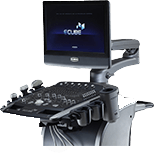
High-Resolution Ultrasound
Performed directly by the breast surgeon before and after surgery to assess abnormalities and provide continuous care.
7. Comprehensive Safety System for Maximum Patient Protection
A fully equipped safety system ensures peace of mind throughout surgery.An anesthesiology and pain management specialist monitors the patient’s condition in real time during the entire procedure.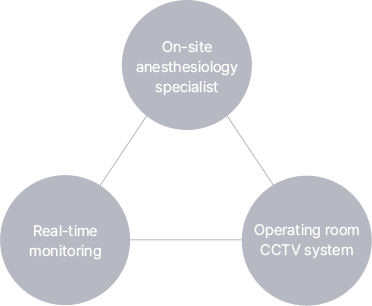
8. Patient-First Nighttime Emergency Care System
In case of postoperative emergencies, a rapid response system is in place to ensure patient safety and reassurance.CARE 01. AB Exclusive Professional Care
Surgeon-Led Education Program
A structured educational program in which the operating surgeon personally provides essential postoperative guidance following breast surgery.
Breast Ultrasound Examination
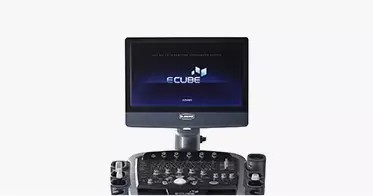
Breast ultrasound examinations are performed to ensure surgical safety and to support thorough postoperative monitoring.
Scar Regeneration Injections
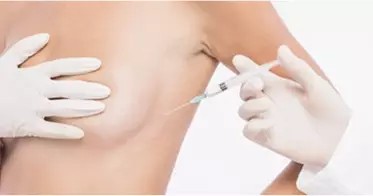
Injections that promote skin regeneration at the incision site, helping scars become thinner, softer, and less noticeable.
CARE 02. Self-Care
Premium Scar Ointment
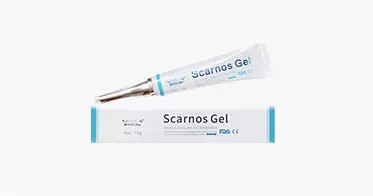
CARE
A gel-type scar treatment containing medical-grade silicone oil.
Customized Support Garments
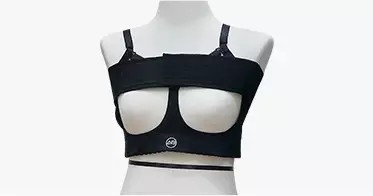
Custom-made compression garments developed in-house, incorporating the expertise and know-how of AB’s breast surgery specialists.
CARE 03. Recovery & Regeneration Care
SmartLUX
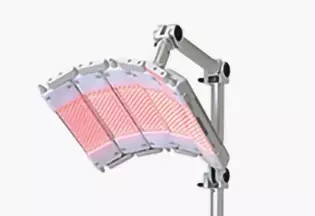
Promotes collagen production for skin regeneration and provides anti-inflammatory effects.
LDM
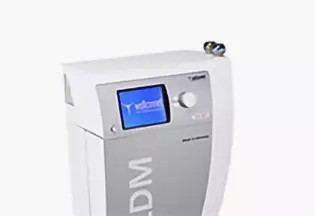
High-density ultrasonic micro-vibrations stimulate cells to support tissue regeneration.
Radiofrequency Therapy
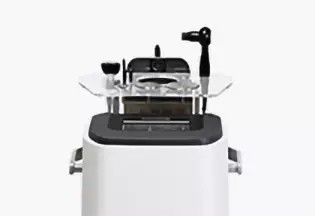
Increases deep tissue heat to enhance blood circulation and help reduce bruising and swelling.
Spectra Scar Laser
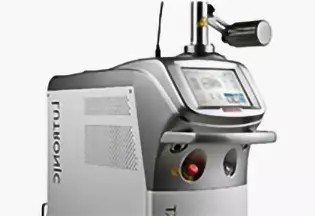
Targets incision areas with the Spectra laser for skin regeneration.
Hyperbaric Oxygen Therapy
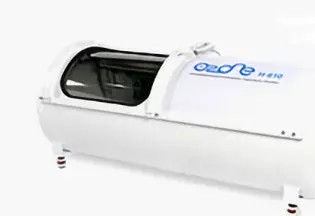
CARE
Inhalation of high-concentration oxygen to activate cellular regeneration.
Motiva Surgery Information
INFORMATION SURGERY
Basic Surgery Information
Surgery Duration
About 1 hour
Anesthesia Method
General anesthesia
Outpatient Treatment
2 to 3 sessions
Recovery Period
3 to 4 days
RECOMMEND SURGERY
Recommended Candidates for Surgery
Those who want a natural breast line with natural feel and shape
Those who want a natural appearance in any posture
Those looking for implants with strong durability and high safety
Those needing finely detailed size options

Loading...
Safety System
Through various safety management systems, patients can receive surgery with greater peace of mind.

On-site board-certified specialist in Anesthesiology and Pain Medicine
Anesthesiology and pain medicine specialists manage the entire surgical process from pre-operation through post-operation.

Real-time monitoring during anesthesia
Anesthesiologists monitor patients in real time during surgery, with dual and triple verification through central monitoring systems.

Pre-surgery safety check
For safer surgery, we conduct comprehensive pre-operative examinations through our in-house self-inspection system.

University hospital–level safety equipment
Through various safety management systems, patients can receive surgery with greater peace of mind.
Frequently Asked Question Questions About Breast Augmentation
It is important to follow the postoperative care instructions provided by your surgeon or clinic for any cosmetic procedure. For breast augmentation, wearing a compression bra for about 3 months is recommended to support the implant pocket and maintain implant position. The duration and method of wearing the compression bra may vary depending on: · Individual breast characteristics · Type and properties of the implant · Surgical technique used by the surgeon In some cases, an upper band may also be recommended to prevent upper pole fullness, while in other cases it is unnecessary. Following your surgeon’s instructions on the type and duration of compression wear is essential for achieving natural, beautiful results.
Even with precise preoperative evaluation, slight volume differences between the breasts can occur because identical implants are used. · If the size difference is significant, different implant sizes can be chosen for each breast to reduce asymmetry. · For differences in projection, implants with different heights may be used: a lower profile on the more prominent side and a higher profile on the less prominent side. Customized implant selection helps minimize asymmetry and ensures more balanced results.
Yes, breastfeeding is generally safe after breast augmentation. If the incision avoids the areola, the mammary glands and ducts remain functional. It is recommended to visit the clinic for a breast ultrasound before starting breastfeeding to ensure implants are intact, giving additional peace of mind.
Breast size can slightly decrease with weight loss because both the natural breast tissue and fat are affected, not just the implants. Most cases experience minimal change, so you generally do not need to worry about significant size reduction after weight loss.
Breast implants are FDA-approved and proven safe, but rupture can occur. Signs may include changes in breast shape, size, or feel. A surgeon can assess this through physical examination. For confirmation, high-resolution ultrasound or MRI can be used. Regular postoperative check-ups are recommended to monitor implant integrity.
Differences in breast texture or feel are common in the first 3 months after surgery due to natural asymmetry and variations in implant placement. Over time, usually within a year, these differences generally become negligible.
Most patients can return to daily activities within 1–2 days. Swelling, bruising, and discomfort are typically worst during the first 2–3 days, then gradually improve. Showering is usually allowed after 2–3 days. Light exercise can resume after 1 month, while upper-body intensive workouts should be avoided for 2–3 months.
Some patients may notice a firm lump in the breast after breast augmentation. This is usually not caused by the surgery itself, but rather by the detection of a benign breast mass. The most common type is a fibroadenoma, which can occur when the epithelial tissue inside the breast grows abnormally, particularly in women in their 20s and 30s. Other benign masses, such as fat cysts, may also be felt. Breast augmentation using implants is not related to breast cancer, so when a benign mass is discovered, it can be adequately monitored or treated with proper medical care, and there is generally no need for major concern. When a firm lump is detected, it is recommended to undergo a breast ultrasound to rule out the possibility of breast cancer and obtain an accurate diagnosis. If a benign breast mass is confirmed, it may either be monitored over time or surgically removed depending on its size and number.
Yes, experiencing pain with changes in posture or movement after breast augmentation is a natural phenomenon and is common among most patients. This occurs because the breast implants are positioned adjacent to the pectoral muscles. When you move your upper body, the muscles surrounding the implants are activated, which can cause discomfort. During the first week after surgery, it is recommended to change positions slowly when getting up from lying down, and if possible, to seek assistance from a caregiver.
Breast implants do not necessarily need to be replaced over time. In the past, saline implants sometimes failed before reaching ten years due to valve malfunctions, which could reduce volume or cause rupture, and in rare cases, patients underwent removal or replacement due to concerns about implant-associated risks. Replacement is only required if complications such as implant rupture or capsular contracture occur. Otherwise, healthy implants with stable surrounding tissue can be used effectively for a long period.
Breast augmentation using silicone implants does not interact with breast tissue and is not associated with an increased risk of breast cancer. Although there is a very rare type of cancer called BIA-ALCL (Breast Implant-Associated Anaplastic Large Cell Lymphoma), its occurrence is extremely uncommon worldwide and is considered a separate condition from typical breast cancers arising in breast tissue. For breast augmentation using fat grafting, care should be taken not to transplant excessive amounts of fat to avoid potential complications. In general, breast augmentation with implants is not linked to breast cancer.
After breast surgery, weight may increase due to the weight of the implants. Each implant typically weighs between 250–500 grams, so with both implants, the total weight may increase by 0.5–1 kg. Temporary weight fluctuations may also occur due to the intravenous fluids administered during surgery to maintain bodily homeostasis, which can cause a slight increase immediately after the operation. This is temporary, and after 2–3 weeks when postoperative swelling subsides, the only weight gain remaining is from the implants themselves.
Related doctors
AB doctors related to this breast procedure
Learn more about the AB doctors related to this breast procedure.
Make your own plan for Korean Plastic Surgery
Please note that the actual medical schedule may vary depending on each patient's individual condition,
such as health status, and the specific surgical procedures involved.
Tailored to meet individual needs,
our service ensures that your medical tourism journey is planned
with the utmost care and precision, considering your unique medical requirements
Date of surgery
Eye Surgery
Nose Surgery
Fatgraft
Lifting
Accu
Breast Surgery
Body Shaping
liposuction
Lip
Facial Contouring
Skincare
Stem Cells
| SUN | MON | TUE | WEN | THU | FRI | SAT |