Breast
Nipple Surgery
Nipple surgery aims to achieve harmony and balance
in relation to the overall breast shape and appearance.
Main concerns related to nipples
The size of the nipple may be larger in proportion to the size of the breast. In cases where there is an indentation or an abnormal shape, nipple plastic surgery can improve both appearance and function.
Accurate papillary plastic surgery diagnosis
As the nipple is a sensitive area, it is essential to have an accurate pre-surgery diagnosis and perform delicate surgery tailored to the individual's condition. This approach ensures that the entire chest area is in harmony with the results of the nipple surgery.

Nipple Surgery Surgery Information
INFORMATION SURGERY
Surgery Information
Surgery Duration
Approximately 30 mins
Anesthesia method
Local anesthesia
Inpatient Treatment
Not required
Suture Removal
After 7~10 days
In-hospital Treatment
1~2 times a week
Recovery Period
After 1 week



Nipple Surgery Method
Learn about AB Plastic Surgery's Nipple Surgery Method.
Inverted Nipples Surgery
Triangular flap method
The triangular flap method is utilized in cases of inverted nipples with severe fibrosis and shortened or pulled lacteal ducts. The procedure involves gently stretching the duct and fibrous tissue to pull out the nipple without causing any damage. In instances where there is a lack of dermal tissue, it can be supplemented through the use of a dermal flap.

Local anesthesia around the nipple
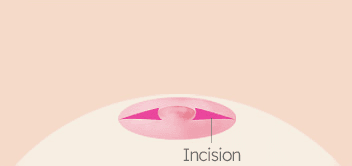
Incision on both sides of the nipple
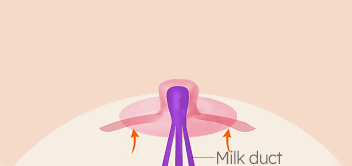
Increase fibrous tissue.

Create a triangular flap.

Increase along with the milk duct.
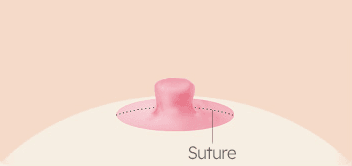
Suture
The Ssamji Suture method
The Ssamji suture method is a surgical technique used to correct inverted nipples. It involves making a small incision around the nipple to access the underlying tissue. During the procedure, the band-like fibrous tissue that is pulling the nipple down is carefully cut. This allows for the stretching of the milk ducts and the supplementation of tissue under the nipple. The nipple is then pulled out and fixed in its new position. One of the advantages of the Ssamji suture method is that it aims to minimize damage to the milk ducts, making breastfeeding possible after the surgery. Additionally, the procedure is relatively straightforward and typically results in less noticeable scarring.

A small incision is made on the nipple.
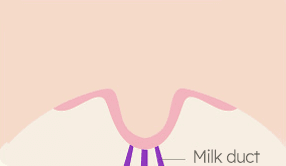
Check the mammary glands.
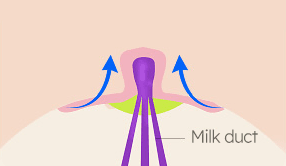
Increase milk ducts without damaging milk ducts or milk vessels.
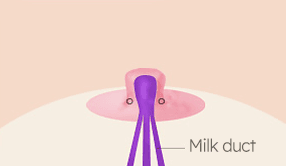
Suture with the Ssamji suture method that reinforces the protrusion of the stretched-related tissues.
Nipple Reduction
If the preservation of breastfeeding function is important
It is a surgical method that aims to preserve as much mammary tissue as possible
during nipple reduction, allowing for breastfeeding after the procedure.
If the nipple is wide

Partial incision

Suture
If the nipple length is long
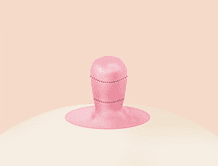
Divide the nipple into three parts

Cut the middle part

Suture
If breastfeeding is not a concern or is no longer necessary
If breastfeeding is no longer necessary, the surgical method for nipple reduction involves cutting the mammary tissue and nipple, reducing them to the desired size, and suturing them.

Before surgery

Incision

Suture
Loading...
Safety System
Through various safety management systems, patients can receive surgery with greater peace of mind.

On-site board-certified specialist in Anesthesiology and Pain Medicine
Anesthesiology and pain medicine specialists manage the entire surgical process from pre-operation through post-operation.

Real-time monitoring during anesthesia
Anesthesiologists monitor patients in real time during surgery, with dual and triple verification through central monitoring systems.

Pre-surgery safety check
For safer surgery, we conduct comprehensive pre-operative examinations through our in-house self-inspection system.

University hospital–level safety equipment
Through various safety management systems, patients can receive surgery with greater peace of mind.
Related doctors
AB doctors related to this breast procedure
Learn more about the AB doctors related to this breast procedure.
Make your own plan for Korean Plastic Surgery
Please note that the actual medical schedule may vary depending on each patient's individual condition,
such as health status, and the specific surgical procedures involved.
Tailored to meet individual needs,
our service ensures that your medical tourism journey is planned
with the utmost care and precision, considering your unique medical requirements
Date of surgery
Eye Surgery
Nose Surgery
Fatgraft
Lifting
Accu
Breast Surgery
Body Shaping
liposuction
Lip
Facial Contouring
Skincare
Stem Cells
| SUN | MON | TUE | WEN | THU | FRI | SAT |