Breast

Sagging Breasts
Restore Firmness and Natural Beauty
Breast sagging can occur due to repeated pregnancy and childbirth, hormonal changes after menopause, and weakening of the tissues surrounding the breasts.
By carefully analyzing the degree and condition of sagging, excess breast tissue and skin can be removed to improve firmness and restore a more lifted, balanced, and aesthetically pleasing breast contour.
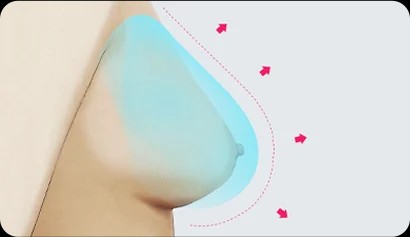
The degree of breast sagging is assessed based on the position of the nipple relative to the inframammary fold.
If the nipple falls below the ideal range, a breast lift may be considered.
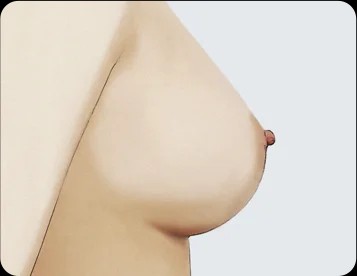
The nipple is positioned 4–5 cm above the inframammary fold.
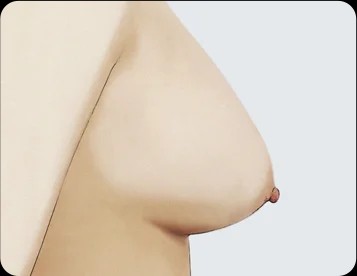
The nipple is located within 1 cm of the inframammary fold.
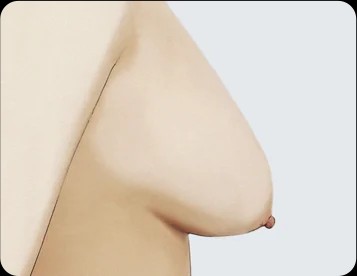
The nipple is located 1–3 cm below the inframammary fold.
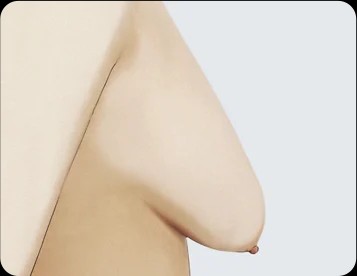
The nipple is located more than 3 cm below the inframammary fold with severe sagging.
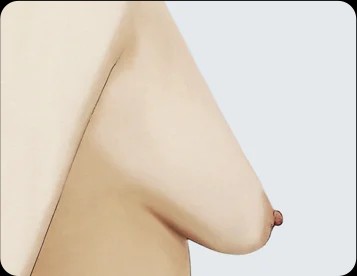
The nipple position is normal, but the glandular breast tissue has descended.
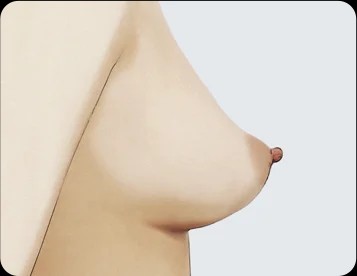
Cases involving other distinctive or unsatisfactory breast shapes.
1. Breast Augmentation with Implants
In cases of mild breast ptosis or pseudo-ptosis, breast augmentation using implants can improve breast sagging while simultaneously enhancing overall volume and contour.

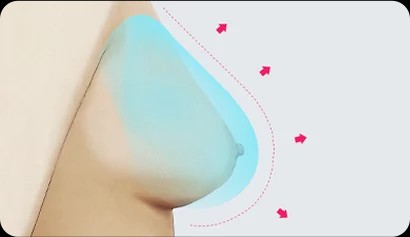
2. Breast Lift Surgery
This procedure is performed in cases of significant excess skin sagging, breast ptosis of Grade 3 or higher, or when breast sagging occurs due to large breast size.
An incision method appropriate to the individual breast condition is selected, and the breast tissue is dissected into a conical shape and securely fixed to the chest wall.
If breast volume is insufficient, breast implant insertion and breast lift surgery can be performed simultaneously.
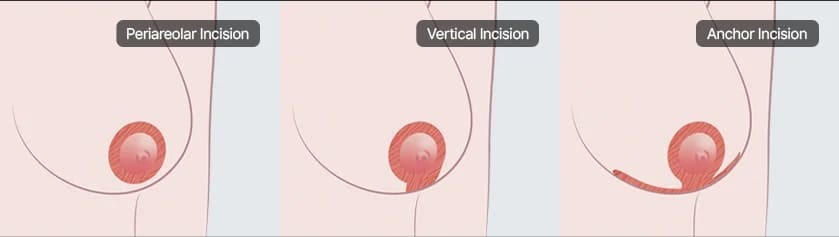
(Periareolar / Vertical / Anchor incision)

AB Breast Surgery POINTS
Why AB Plastic Surgery
1. Solutions for Natural Shape and Firmness
Beyond simply restoring the original breast shape, our approach focuses on creating a firmer, more balanced silhouette.
Through personalized breast surgery solutions, we help you regain confidence that may have been lost.
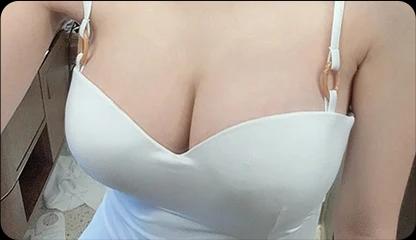
Firm and Beautiful Breasts
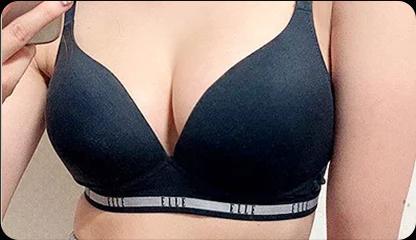
Scar-Minimizing Care
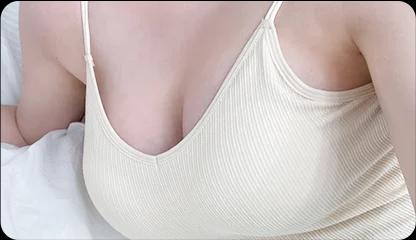
Improvement of Both Aesthetic Appearance and Physical Discomfort
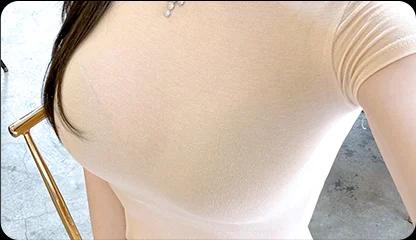
Systematic Post-Operative Care Program
2. Breast Surgery with the Highest Commitment to Safety
Breast surgery requires the same level of meticulous planning and delicate attention as facial surgery. By carefully considering every factor, we select the most appropriate implant and surgical technique to achieve the most ideal breast shape.
Moreover, our approach goes beyond a single procedure performed solely for aesthetic purposes. Using advanced medical equipment, we conduct precise breast examinations both before and after surgery. This allows us to care not only for the appearance and natural feel of the breasts, but also for long-term breast health.
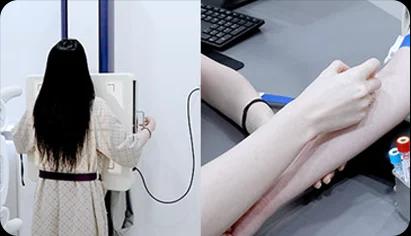
Comprehensive preoperative health evaluation
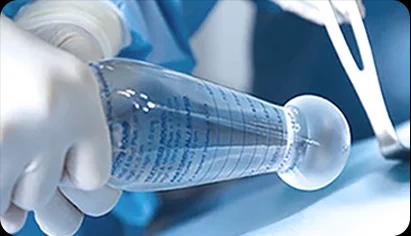
Safe implant insertion using the Keller Funnel (no-touch technique)
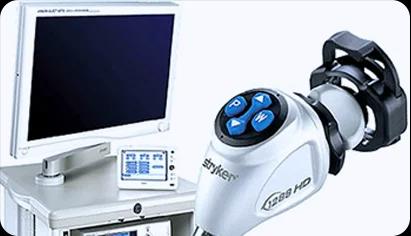
Precise dissection using FULL HD endoscopic technology
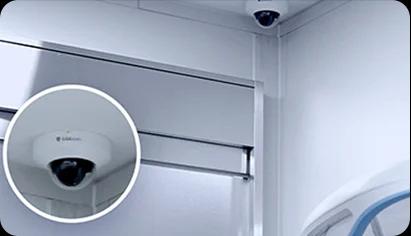
Operating room CCTV system to prevent unauthorized or proxy surgery
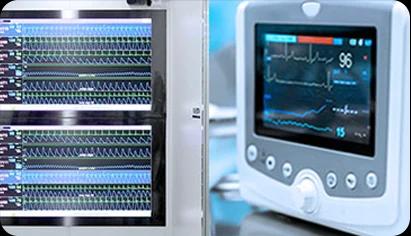
University hospital–level safety systems fully equipped
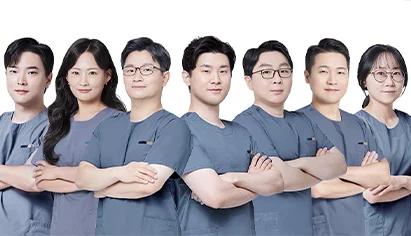
On-site board-certified specialist in Anesthesiology and Pain Medicine
Breast Lift Surgical Information
INFORMATION SURGERY
Basic Surgery information
Surgery Duration
2-3 hours
Anesthesia
General anethesia
Foloow-up Visits
3-4 visits
Recovery Period
From 2 weeks after surgery



RECOMMEND SURGERY
Recommended For
Individuals experiencing breast sagging due to pregnancy and childbirth
Individuals with reduced elasticity caused by aging and loosening of breast tissue
Individuals who have lost breast firmness following significant weight loss
Individuals concerned about overall breast volume loss and sagging

Loading...
Frequently Asked Question Questions About Breast Augmentation
It is important to follow the postoperative care instructions provided by your surgeon or clinic for any cosmetic procedure. For breast augmentation, wearing a compression bra for about 3 months is recommended to support the implant pocket and maintain implant position. The duration and method of wearing the compression bra may vary depending on: · Individual breast characteristics · Type and properties of the implant · Surgical technique used by the surgeon In some cases, an upper band may also be recommended to prevent upper pole fullness, while in other cases it is unnecessary. Following your surgeon’s instructions on the type and duration of compression wear is essential for achieving natural, beautiful results.
Even with precise preoperative evaluation, slight volume differences between the breasts can occur because identical implants are used. · If the size difference is significant, different implant sizes can be chosen for each breast to reduce asymmetry. · For differences in projection, implants with different heights may be used: a lower profile on the more prominent side and a higher profile on the less prominent side. Customized implant selection helps minimize asymmetry and ensures more balanced results.
Yes, breastfeeding is generally safe after breast augmentation. If the incision avoids the areola, the mammary glands and ducts remain functional. It is recommended to visit the clinic for a breast ultrasound before starting breastfeeding to ensure implants are intact, giving additional peace of mind.
Breast size can slightly decrease with weight loss because both the natural breast tissue and fat are affected, not just the implants. Most cases experience minimal change, so you generally do not need to worry about significant size reduction after weight loss.
Breast implants are FDA-approved and proven safe, but rupture can occur. Signs may include changes in breast shape, size, or feel. A surgeon can assess this through physical examination. For confirmation, high-resolution ultrasound or MRI can be used. Regular postoperative check-ups are recommended to monitor implant integrity.
Differences in breast texture or feel are common in the first 3 months after surgery due to natural asymmetry and variations in implant placement. Over time, usually within a year, these differences generally become negligible.
Most patients can return to daily activities within 1–2 days. Swelling, bruising, and discomfort are typically worst during the first 2–3 days, then gradually improve. Showering is usually allowed after 2–3 days. Light exercise can resume after 1 month, while upper-body intensive workouts should be avoided for 2–3 months.
Some patients may notice a firm lump in the breast after breast augmentation. This is usually not caused by the surgery itself, but rather by the detection of a benign breast mass. The most common type is a fibroadenoma, which can occur when the epithelial tissue inside the breast grows abnormally, particularly in women in their 20s and 30s. Other benign masses, such as fat cysts, may also be felt. Breast augmentation using implants is not related to breast cancer, so when a benign mass is discovered, it can be adequately monitored or treated with proper medical care, and there is generally no need for major concern. When a firm lump is detected, it is recommended to undergo a breast ultrasound to rule out the possibility of breast cancer and obtain an accurate diagnosis. If a benign breast mass is confirmed, it may either be monitored over time or surgically removed depending on its size and number.
Yes, experiencing pain with changes in posture or movement after breast augmentation is a natural phenomenon and is common among most patients. This occurs because the breast implants are positioned adjacent to the pectoral muscles. When you move your upper body, the muscles surrounding the implants are activated, which can cause discomfort. During the first week after surgery, it is recommended to change positions slowly when getting up from lying down, and if possible, to seek assistance from a caregiver.
Breast implants do not necessarily need to be replaced over time. In the past, saline implants sometimes failed before reaching ten years due to valve malfunctions, which could reduce volume or cause rupture, and in rare cases, patients underwent removal or replacement due to concerns about implant-associated risks. Replacement is only required if complications such as implant rupture or capsular contracture occur. Otherwise, healthy implants with stable surrounding tissue can be used effectively for a long period.
Breast augmentation using silicone implants does not interact with breast tissue and is not associated with an increased risk of breast cancer. Although there is a very rare type of cancer called BIA-ALCL (Breast Implant-Associated Anaplastic Large Cell Lymphoma), its occurrence is extremely uncommon worldwide and is considered a separate condition from typical breast cancers arising in breast tissue. For breast augmentation using fat grafting, care should be taken not to transplant excessive amounts of fat to avoid potential complications. In general, breast augmentation with implants is not linked to breast cancer.
After breast surgery, weight may increase due to the weight of the implants. Each implant typically weighs between 250–500 grams, so with both implants, the total weight may increase by 0.5–1 kg. Temporary weight fluctuations may also occur due to the intravenous fluids administered during surgery to maintain bodily homeostasis, which can cause a slight increase immediately after the operation. This is temporary, and after 2–3 weeks when postoperative swelling subsides, the only weight gain remaining is from the implants themselves.
Safety System
Through various safety management systems, patients can receive surgery with greater peace of mind.

On-site board-certified specialist in Anesthesiology and Pain Medicine
Anesthesiology and pain medicine specialists manage the entire surgical process from pre-operation through post-operation.

Real-time monitoring during anesthesia
Anesthesiologists monitor patients in real time during surgery, with dual and triple verification through central monitoring systems.

Pre-surgery safety check
For safer surgery, we conduct comprehensive pre-operative examinations through our in-house self-inspection system.

University hospital–level safety equipment
Through various safety management systems, patients can receive surgery with greater peace of mind.
Related doctors
AB doctors related to this breast procedure
These profile links connect this page with AB doctors whose CSV-listed specialty areas match the breast procedure.
Make your own plan for Korean Plastic Surgery
Please note that the actual medical schedule may vary depending on each patient's individual condition,
such as health status, and the specific surgical procedures involved.
Tailored to meet individual needs,
our service ensures that your medical tourism journey is planned
with the utmost care and precision, considering your unique medical requirements
Date of surgery
Eye Surgery
Nose Surgery
Fatgraft
Lifting
Accu
Breast Surgery
Body Shaping
liposuction
Lip
Facial Contouring
Skincare
Stem Cells
| SUN | MON | TUE | WEN | THU | FRI | SAT |